

Business
Understanding Seedance 2.0’s Multi-Modal Input: My First Project


When I first heard about “multi-modal input,” it sounded intimidating. Images, videos, audio, text—all working together in a single video generation? I wasn’t sure how that actually worked in practice, or if I even needed all those features.
But once I started experimenting with Seedance 2.0, I realized the multi-modal capability wasn’t a complicated luxury feature; it was actually the simplest way to create better videos.
Let me walk you through my first real project using multi-modal input, and what I learned along the way.
What I Thought Multi-Modal Input Would Be
Before I actually tried it, I had some misconceptions. I imagined it would require technical skill—like some sort of advanced prompt engineering where I’d need to specify exactly how each file interacted with every other file. I thought I’d need to understand the “rules” of combining images with audio, or know the exact syntax for referencing multiple inputs.
The reality was much simpler.
Multi-modal input just means you can throw different types of files at Seedance 2.0 and tell the model what you want it to do with them. That’s it. You’re not switching between different tools or learning a special command language. You’re just giving the model more information to work with.
My First Project: A Short Brand Story Video
I was approached by a local coffee roastery that wanted a 10-second promotional video. They had given me:
- Three high-quality product photographs of their different bean varieties
- A 5-second video clip of someone pouring coffee into a cup (they’d shot it themselves)
- A 3-second audio clip of coffee brewing sounds
- A brief description of the mood they wanted: “warm, inviting, craft-focused”
Normally, I would have had to choose between using the images OR the video OR the audio in post-production. I’d create one asset and try to make it work, leaving other materials unused.
With Seedance 2.0’s multi-modal capability, I could use everything at once.
How I Actually Set It Up
Step One: Gathering the Assets
The coffee roastery gave me three product photos, a pouring video, and brewing sound effects. I organized these before uploading, though honestly, I could have just uploaded them randomly—the point is that Seedance 2.0 can handle all of it simultaneously.
Step Two: Uploading Everything
Seedance 2.0 lets you upload:
- Up to 9 images
- Up to 3 videos (total duration ≤15 seconds)
- Up to 3 audio files (total duration ≤15 seconds)
- Text descriptions of unlimited length
For my project, I uploaded all three product photos, the pouring video, and the brewing audio. The platform accepted everything without complaint.
Step Three: Writing a Natural Language Description
This was the key part that surprised me. I didn’t need to learn special syntax. I just described what I wanted, referencing the files by number or type.
My prompt looked something like this:
“Create a 10-second promotional video. Start with a close-up of @image1 (the espresso beans), with the coffee brewing sounds from @audio1 playing underneath. Transition smoothly to @video1 (the pouring shot), with the warm, crafted aesthetic of @image2 visible in the background. End with a final shot of @image3 (the roasted beans close-up) with the brewing sounds fading out. The overall mood should be warm and inviting, like a specialty coffee shop experience.”
That was it. Natural language. No special operators or complex syntax.
What Happened When I Generated
I honestly wasn’t sure what to expect. Would it use all the files? Would it ignore some of them? Would it misunderstand my descriptions?
The first generation was surprisingly good. The video opened with the espresso beans from my first image, the audio played throughout, and the pouring shot appeared in the middle. The transition between the still image and the video felt natural, not jarring. The final product felt cohesive in a way that would have been really difficult to achieve with traditional video editing.
Was it perfect? No. There were a few things I’d adjust on the second try. But the point is that all my different media assets—photos, video, and audio—came together into a single coherent video without me having to manually edit them together.
Why This Matters for My Workflow
Before understanding multi-modal input, I was used to this process:
- Choose one primary asset (usually video or images)
- Create supplementary graphics or transitions in editing software
- Add audio in post
- Export the final video
It was time-consuming and resulted in a patchwork feel—pieces assembled together rather than something that felt naturally integrated.
With multi-modal input:
- Gather all assets (images, video, audio, description)
- Upload everything to Seedance 2.0
- Describe what I want
- Get a generated video with all elements incorporated
- Make minor tweaks if needed
The second workflow is faster and produces more cohesive results because the model synthesizes everything together from the start, rather than me trying to glue separate pieces together afterward.
Real-World Examples of Multi-Modal Combinations
Since that first project, I’ve experimented with different combinations:
Education Videos
I’ve used reference images of diagrams, a short video clip showing a concept in action, and a voiceover audio track explaining what’s happening. The model generates a video that incorporates the visual information, the dynamic demonstration, and the audio explanation all at once. Students get a more complete learning experience than if I’d just picked one format.
E-Commerce Product Demonstrations
Multiple product photos + a video showing the product in use + background music = a more engaging product video than I could create with any single asset type alone. The images establish what the product looks like, the video shows it functioning, and the audio creates the right emotional tone.
Social Media Clips
For Instagram Reels, I’ve combined a still image of the caption text I want to appear, a short video of motion that fits the content, and upbeat audio. The multi-modal approach ensures all elements appear in the final video without me manually compositing them.
The Learning Curve
Honestly, there wasn’t much of one. The main thing I had to learn was to be more specific about which asset I wanted referenced where. In my first few attempts, I was vague—like, “use the images throughout the video”—and the results were less predictable.
Once I started being explicit—”start with image1, transition to video1, end with image3″—the model understood my intent better. The specificity improved the results significantly.
The other lesson was that quality varies across asset types. My higher-resolution images worked better than low-res ones. My stable video clips worked better than shaky handheld footage. This isn’t surprising, but it’s worth noting: garbage input still produces less impressive output, even with AI.
Limitations I’ve Hit
Multi-modal input is powerful, but it has boundaries. If I upload too many assets and ask the model to incorporate all of them in a short 5-second video, the result feels rushed or cluttered. There’s a reasonable ratio of content to output duration.
Additionally, if the audio I provide has specific timing—like a voiceover with precise pauses—the model doesn’t always match the visual content to those exact timestamps. It’s close, but not frame-perfect. For critical applications like lip-sync, I might need to make adjustments afterward.
Complex interactions between assets can also be unpredictable. If I upload a video where the person is wearing a blue shirt and a photo where they’re wearing red, the model might struggle with consistency. It works better when reference materials are conceptually compatible.
Why I’m Now a Multi-Modal Believer
The practical benefit is this: I can incorporate more creative assets into my videos without doing manual video editing. That means faster turnaround times and more polished final products. It means I can use all the reference material a client gives me, rather than having to choose which piece to prioritize.
For freelancers and small teams, that’s genuinely valuable. It removes a technical bottleneck from the production process.
Moving Forward
I’m still exploring what multi-modal input makes possible. I’ve started experimenting with edge cases—like uploading multiple audio tracks to see how the model combines them, or using reference images and videos that have very different aesthetics to see if the model can synthesize them into something cohesive.
The feature isn’t a magic fix for poor planning or low-quality assets. But if you gather good reference material and think clearly about what you want to create, Seedance 2.0‘s multi-modal capability can genuinely simplify your creative process.
For anyone who’s used to assembling videos from different pieces in post-production, this approach feels like a meaningful step forward. You’re describing your vision once, clearly, and the model generates something that incorporates all your reference materials from the start. That’s the real power of multi-modal input.



SAN SEBASTIÁN, Spain — host Real Oviedo at Reale Arena on Saturday, Feb. 21, 2026, in a La Liga encounter that pits a resurgent home side chasing European qualification against a struggling bottom-table visitor desperate to climb out of the relegation zone.
Kickoff is set for 1 p.m. local time (8 a.m. ET / 5 a.m. PT), with the match available live on ESPN Deportes and ESPN+ in the United States, beIN Sports in select regions, and various international broadcasters. Streaming options include ESPN+ and platforms carrying La Liga rights.
Real Sociedad, under coach Pellegrino Matarazzo, have shown improvement since a difficult start to the 2025-26 campaign. They sit mid-table with 34 goals scored (sixth in the league) and a strong home record, though recent results have been mixed: a heavy 4-1 loss at Real Madrid last weekend followed a solid run of four wins in five prior matches. The Basques are pushing for continental spots, with standout performances from captain Mikel Oyarzabal, who has been their key attacker this season.
Real Oviedo remain rooted to the bottom of the table with 16 points from 24 matches, having won just three times all season and only once away from home. They have lost three of their last four games, including a narrow 2-1 defeat to Athletic Bilbao. The visitors have struggled defensively (36 goals conceded) and offensively (13 goals scored, second-worst in the league), making this a must-win trip for survival hopes under Luis Carrión.
Head-to-head history favors Sociedad, who have won 26 of 78 meetings, though Oviedo claimed a shock 1-0 victory in the reverse fixture earlier this season. Their last encounter before that dates to 2014 in the Copa del Rey. Sociedad have dominated recent clashes at home.
**Team News and Injuries**
Real Sociedad face several absences. Takefusa Kubo (hamstring) and Iñaki Rupérez remain out until next month, while Luka Sucic (groin) and Ander Barrenetxea are major doubts. Brais Méndez returns from suspension, providing a boost in midfield. Ovie Ejaria is edging closer but doubtful.
Oviedo miss Santiago Colombatto (suspension after a yellow card accumulation) and David Costas (muscle injury). Ovie Ejaria (leg) is also a doubt, while Javi López is available despite loan status.
**Predicted Lineups**
Real Sociedad (4-2-3-1): Álex Remiro; Jon Aramburu, Jon Martín, Duje Caleta-Car, Sergio Gómez; Jon Gorrotxategi, Beñat Turrientes; Pablo Marín, Brais Méndez, Gonçalo Guedes; Mikel Oyarzabal.
Real Oviedo (4-2-3-1): Aarón Escandell; Nacho Vidal, Eric Bailly, David Carmo, Javi López; Kwasi Sibo, Nicolás Fonseca; Haissem Hassan, Alberto Reina, Ilyas Chaira; Federico Viñas.
**Prediction and Key Factors**
Real Sociedad are heavy favorites at around -200 odds (67% implied probability), with Oviedo at +620 and a draw at +298. The over/under sits at 2.5 goals, with over favored slightly due to Sociedad’s attacking form at home.
Analysts predict a Sociedad win, with scorelines like 2-0 or 3-1 common. Sociedad’s superior quality, home advantage and Oviedo’s poor away record (one win, eight losses in 11) support a comfortable victory. Oviedo’s low scoring and defensive issues make an upset unlikely, though their earlier 1-0 win shows potential for frustration.
Key battles include Oyarzabal vs. Oviedo’s backline and Sociedad’s midfield controlling possession against Oviedo’s limited creativity. Sociedad’s recent defensive lapses (conceding in recent matches) could open doors, but Oviedo’s blunt attack limits threats.
**How to Watch and Livestream**
In the U.S., ESPN+ streams the match, with ESPN Deportes providing Spanish-language commentary. International viewers can check local La Liga broadcasters or streaming services like DAZN (where available). Reale Arena (capacity ~40,000) expects a strong turnout despite the winter date.
This fixture underscores Sociedad’s push for relevance in the second half of the season and Oviedo’s fight for survival. A home win would bolster Sociedad’s momentum, while an Oviedo result would provide a vital lifeline.
Planet Fitness: Too Heavy Debt And Valuation

TURIN, Italy — Como pulled off a stunning upset on Saturday, February 21, 2026, defeating Juventus 1-0 in Serie A action at Allianz Stadium, handing the Bianconeri a rare home loss and boosting the visitors’ survival hopes.

Mërgim Vojvoda scored the lone goal in the 11th minute, firing a left-footed shot from the right side of the box into the bottom right corner after a pass from Anastasios Douvikas. The strike came from Como’s first meaningful attack, capitalizing on a giveaway in midfield that exposed Juventus’ defense early.
The match, part of Matchday 26, saw Juventus dominate possession (51%) but struggle to convert chances. They managed three shots on target compared to Como’s six, with expected goals at 0.28 for the hosts and 0.21 for the visitors. The first half ended 0-1, and despite second-half pressure, Juventus failed to equalize as Como defended resolutely.
Juventus entered the game in fifth place with 46 points from 25 matches (13 wins, 7 draws, 5 losses), chasing a Champions League spot. Como, in sixth with 42 points (11 wins, 9 draws, 5 losses), continued their impressive return to Serie A after promotion.
The result marked Como’s first league win over Juventus since 1952 in the reverse fixture earlier this season (2-0 on October 19, 2025). Juventus had won the most recent prior meeting 3-0 on August 19, 2024, and 2-1 on February 7, 2025.
Coach Luciano Spalletti’s Juventus lineup featured Lois Openda leading the attack, supported by Kenan Yıldız and Weston McKennie. The Bianconeri missed several key players due to injuries and fatigue from a congested schedule, including recent Champions League commitments. Spalletti had noted pre-match that Como and Juventus were “on the same level,” stressing the need for solidity over creativity.
Como, under Cesc Fàbregas’ guidance, deployed a compact 4-2-3-1 with Vojvoda’s goal proving decisive. The visitors’ resilience frustrated Juventus, who created few clear chances despite late pressure.
The defeat leaves Juventus vulnerable in the top-four race, with rivals like Napoli, Inter and Milan in strong positions. For Como, the win provides crucial breathing room in the relegation battle, rewarding their tactical discipline and counterattacking threat.
The match drew praise for Como’s execution and criticism of Juventus’ lack of cutting edge. Post-match, Spalletti is expected to address defensive lapses and finishing issues ahead of upcoming fixtures.
Juventus next face Real Madrid in Champions League action, while Como prepare for their next league test. The result underscores the unpredictability of Serie A in 2025-26, where promoted sides like Como continue to challenge established powers.
Full-time statistics showed balanced possession but Como’s clinical edge. Juventus will look to rebound quickly to maintain their European ambitions.

**SPOILER ALERT: Stop reading now if you haven’t attempted today’s Wordle yet.** The solution to Wordle puzzle #1708 on Saturday, February 21, 2026, is **AWAKE**.
Players worldwide logged on to the New York Times Games site this morning to tackle the daily brainteaser, which challenged many with its subtle clues tied to consciousness and rest. The word features five letters, three vowels — including a repeated ‘A’ — and evokes the transition from slumber, as hinted by phrases like “no longer in the land of nod.”
For those still puzzling, here are tiered hints without revealing the full answer:
**Hint 1:** This five-letter word starts with ‘A’ and ends with ‘E’.
**Hint 2:** It contains no repeated consonants but two instances of the same vowel.
**Hint 3:** Synonyms include “alert,” “aroused” or “conscious.”
**Hint 4:** It’s the opposite of “asleep.”
**Hard Mode Hint:** Positions 1, 3 and 5 are vowels.
The puzzle drew mixed reactions on social media, with some users nailing it in three guesses and others struggling through five or six. “AWAKE tripped me up because I kept thinking of words like ‘ABACK’ or ‘AGAPE,’” one X user posted. Wordle Bot, the NYT’s AI companion, recommends starting with “SLATE” for this one, eliminating common letters efficiently.
Yesterday’s puzzle #1707 was “STANK,” continuing a streak of words with unconventional connotations. Recent solutions include “HOIST,” “MOGUL,” “SQUAD” and “ROOST,” showcasing the game’s variety from everyday terms to niche vocabulary.
Since The New York Times acquired Wordle from creator Josh Wardle in early 2022 for a reported low-seven figures, the game has exploded in popularity, attracting millions daily. What began as a private gift for Wardle’s partner in 2013 evolved into a global phenomenon by 2021, spawning apps, merchandise and countless copycats. Today, it anchors the NYT Games suite alongside Spelling Bee, Connections and the Mini Crossword, with over 10 million active players monthly.
The formula remains simple yet addictive: Guess a five-letter word in six tries or fewer, with color-coded feedback — green for correct letter and position, yellow for correct letter wrong spot, gray for absent letters. Hard mode, toggled in settings, enforces use of confirmed hints, appealing to purists.
Strategies abound in 2026. Experts advocate vowel-heavy openers like “ADIEU,” “AUDIO” or “RAISE” to map the board early. Consonant-focused starters such as “SLATE” or “CRANE” — backed by computational analyses — optimize information gain. Avoid repeats initially to maximize coverage. Mid-game, prioritize yellow letters and positional exclusions.
Wordle Bot rates guesses on skill, luck and solve time, offering post-game analysis. For #1708, optimal paths might involve “SLATE” (revealing A, E) followed by “AWAKE” variants like “ABACK” or “AGAVE.”
The game’s cultural impact endures. Celebrities like Billie Eilish and Barack Obama share scores on X, while streaks — some exceeding 1,000 days — foster community. Variants like Worldle (geography), Nerdle (math) and Quordle (four puzzles) keep the format fresh.
In 2026, accessibility features shine: Color-blind modes, high-contrast themes and audio cues broaden appeal. NYT reports diverse demographics, from Gen Z sharers to boomer solvers.
Challenges persist. Algorithm tweaks post-acquisition sparked minor backlash, but transparency via the Solver tool — simulating Bot’s process — rebuilt trust. Global time zones create “today’s” variations, with midnight resets in New York.
For #1708, “AWAKE” tested vigilance, fitting its meaning. Players who started strong often solved in four guesses; late vowel reveals prolonged others.
Tomorrow’s #1709 awaits at nytimes.com/games/wordle. Share scores with the classic emoji grid — 🟩🟨⬛ — but beware spoilers.
Wordle’s genius lies in brevity and universality, turning five letters into daily ritual. As Wardle intended, it sparks conversation, frustration and triumph — one puzzle at a time.
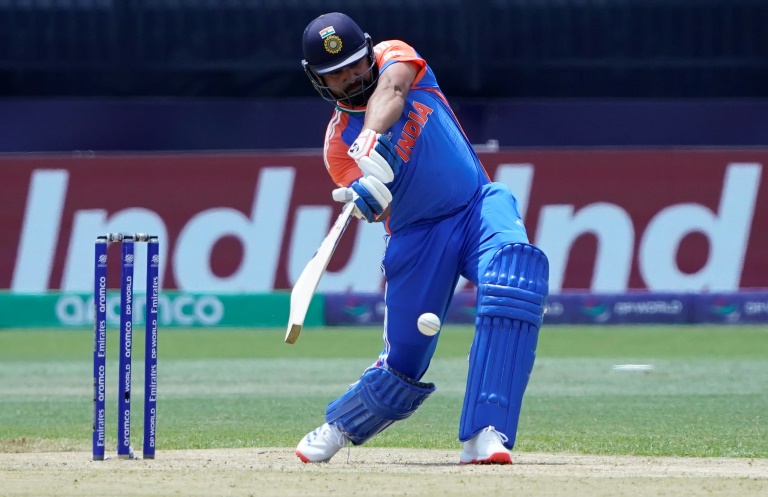
COLOMBO, Sri Lanka — The ICC Men’s T20 World Cup 2026 Super Eights stage launched with a highly anticipated clash between Pakistan and New Zealand at the R. Premadasa Stadium on Saturday, February 21, 2026, but rain delayed the start shortly after Pakistan captain Salman Ali Agha won the toss and elected to bat first.
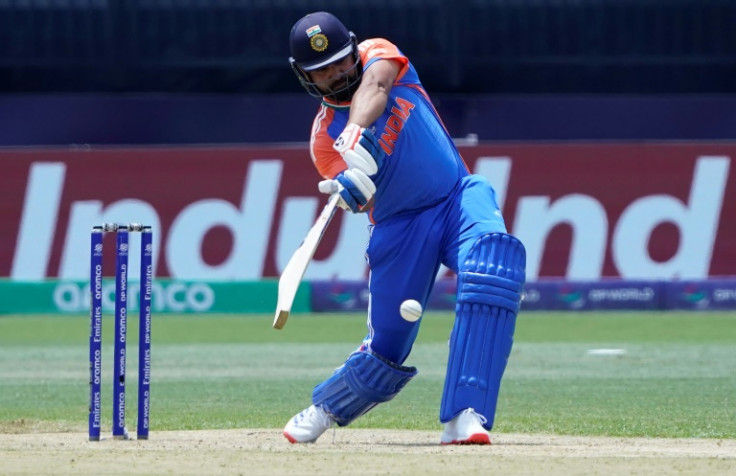
The match, designated as Super Eights Match 41 and Group 2 opener, was scheduled for 7:00 p.m. local time (1:30 p.m. GMT / 9:00 a.m. ET / 6:00 a.m. PT), with toss at 6:30 p.m. local. Persistent showers forced covers on the field, interrupting play and raising concerns over a full contest given no reserve day exists for Super Eights fixtures. As of late Saturday local time, conditions remained wet, with updates ongoing via official ICC channels.
Fans seeking livestream access have multiple options depending on location, with free and paid platforms available globally. In India, the match streams live on the JioHotstar app and website, with telecast on Star Sports Network channels. JioHotstar provides comprehensive coverage, including Hindi, English, Tamil, Telugu and other regional commentary feeds.
In Pakistan, PTV Sports and PTV Home offer free-to-air broadcast, while digital streaming is available on Tamasha, Myco, Tapmad and ARY Zapp. Urdu commentary enhances local viewing. New Zealand viewers can access the game on Sky Sport channels, with streaming via Sky Sport Now subscription service (starting at NZ$29.99/day or higher plans).
For global audiences in territories without exclusive rights, ICC.tv provides free live streaming of every match, including this one. The platform covers numerous countries where no local broadcaster holds rights, accessible via icc-cricket.com/icc-tv. Viewers in restricted regions (e.g., India, UK, Australia, New Zealand, South Africa) may require a VPN to unlock ICC.tv, though official broadcasters take precedence locally.
In the United States and Caribbean, Willow TV streams the match (via Sling or standalone subscription), with ESPN+ offering select coverage in some packages. UK fans watch on Sky Sports Cricket and Sky Sports Main Event, with streaming on NOW. Sub-Saharan Africa, including South Africa, accesses the game through SuperSport platforms.
Other regions: Sky Italia covers the tournament for Italian audiences, focusing on key matches; Dialog TV and PEO TV handle Sri Lanka (co-host); and various free-to-air options exist in Bangladesh (T Sports, Nagorik) and elsewhere. Official ICC partners ensure broad reach, with audio commentary available on many platforms.
The rain interruption adds drama to an already intriguing fixture. Pakistan, entering Super Eights after topping their group with three wins in five matches, boast strong spin options suited to Premadasa’s conditions. New Zealand, finishing their group strongly, rely on pace and discipline but face challenges on turning tracks. Pakistan made one change, bringing in Fakhar Zaman, while New Zealand included Ish Sodhi.
Despite the delay, anticipation remains high for a potential low-scoring thriller if play resumes. Dew could favor the chasing side if the match shortens or shifts late. Head-to-head records show a close rivalry, with Pakistan holding a slight edge overall.
Check local listings or the ICC website for real-time updates on resumption. Broadcasters like ESPNcricinfo, Cricbuzz and Al Jazeera provide live text commentary and score updates during delays.
As the T20 World Cup 2026 progresses, this Super Eights opener sets the tone for Group 2 battles, with England and Sri Lanka next. Fans worldwide tune in via official channels to catch every ball when conditions allow.

Bill Mazeroski, the Hall of Fame second baseman whose ninth-inning walk-off home run in Game 7 of the 1960 World Series remains one of baseball’s most iconic moments, died Friday, February 20, 2026, at age 89. The Pittsburgh Pirates announced his passing early Saturday, with no cause disclosed.

Mazeroski’s dramatic blast off New York Yankees reliever Ralph Terry on October 13, 1960, ended the Series with a 10-9 Pirates victory — the only Game 7 walk-off homer to decide a World Series. The moment, etched in Pittsburgh lore, capped an improbable upset over the powerhouse Yankees and defined Mazeroski’s legacy.
Here are 10 essential facts about Bill Mazeroski that every baseball fan should know:
- Born and Raised Near Pittsburgh William Stanley Mazeroski was born September 5, 1936, in Wheeling, West Virginia, just across the Ohio River from Pittsburgh. He grew up in nearby Ohio County and starred in baseball, basketball and football at Warren Consolidated High School. The Pirates signed him at 17 in 1954, and he never played for another major-league team.
- Defensive Wizardry Earned Eight Gold Gloves Mazeroski won eight consecutive Gold Glove Awards at second base from 1961 to 1967, plus another in 1969 — a record for second basemen at the time. He led the National League in assists nine times, double plays eight times and fielding percentage three times. His career .983 fielding percentage ranks among the all-time elite, and he holds MLB records for most double plays turned by a second baseman (1,706) and most seasons leading the league in double plays.
- The 1960 World Series Walk-Off Home Run In Game 7 at Forbes Field, Mazeroski hit a leadoff home run in the bottom of the ninth to give the Pirates a 10-9 victory and their first World Series title since 1925. The Pirates, heavy underdogs, overcame a 7-0 deficit earlier in the game. Mazeroski’s blast remains the only Game 7 walk-off homer to end a World Series, and he circled the bases in disbelief as fans stormed the field.
- Entire 17-Year Career with the Pirates Mazeroski debuted in 1956 at age 19 and retired after the 1972 season, spending all 17 years with Pittsburgh. He appeared in 2,163 games — all at second base — collecting 2,016 hits, 138 home runs and 853 RBIs with a .260/.299/.367 slash line. He made seven All-Star teams (1958-62, 1967, 1971) and helped the Pirates win another World Series in 1971.
- Inducted into the Hall of Fame in 2001 The Veterans Committee elected Mazeroski to the Baseball Hall of Fame in 2001, recognizing his unparalleled defensive skill despite modest offensive numbers. His .299 on-base percentage is the lowest of any non-pitcher in Cooperstown, sparking debate over criteria, but supporters highlighted his glove work as revolutionary. He was inducted alongside Kirby Puckett and Dave Winfield.
- Pirates Retired His No. 9 in 1987 The Pirates retired Mazeroski’s No. 9 on August 7, 1987, during a ceremony at Three Rivers Stadium. A statue commemorating his 1960 home run stands outside PNC Park’s right-field gate, capturing him rounding the bases. He remains one of only six Pirates with retired numbers.
- Member of the Inaugural Pirates Hall of Fame Class In 2022, the Pirates launched their Hall of Fame and named Mazeroski to the inaugural class alongside Roberto Clemente, Willie Stargell, Honus Wagner, Pie Traynor and Ralph Kiner. He attended the ceremony, receiving a standing ovation from fans.
- Quiet, Humble Personality Known for humility and grace, Mazeroski avoided the spotlight after retirement. He lived in the Pittsburgh area, attended occasional Pirates events and rarely granted interviews. Teammates and fans described him as approachable and unassuming, qualities that endeared him to generations.
- Influence on Defensive Standards Mazeroski’s quick release, range and double-play execution set benchmarks for second basemen. He mentored later Pirates infielders and remained a reference point for defensive excellence. Analysts often cite his glove work as justification for Hall inclusion despite offensive limitations.
- Enduring Legacy in Pittsburgh Mazeroski’s 1960 home run symbolizes Pittsburgh sports triumph, replayed annually during World Series coverage. The city named a street “Mazeroski Way” near the old Forbes Field site, and his statue draws visitors to PNC Park. His death prompted tributes from MLB Commissioner Rob Manfred, the Hall of Fame and former teammates, who praised his character and contributions.
Mazeroski is survived by his wife Milinda, sons Darren and David, and grandchildren. Funeral arrangements were pending as of Saturday, February 21, 2026.
His passing marks the end of an era for Pirates fans, but his name and that unforgettable swing remain forever tied to one of baseball’s greatest moments.
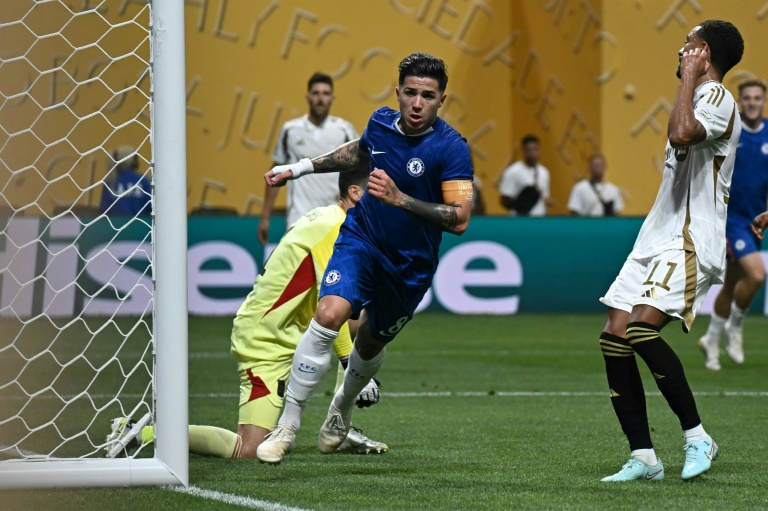
Chelsea welcome struggling Burnley to Stamford Bridge on Saturday, February 21, 2026, in a Premier League Matchweek 27 fixture as the Blues aim to solidify their push for Champions League qualification while the Clarets fight to avoid relegation.
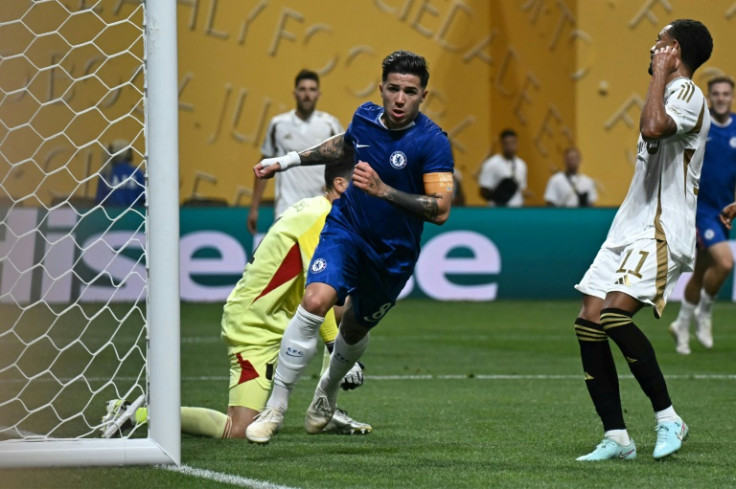
Kickoff is set for 3 p.m. GMT (10 a.m. ET / 7 a.m. PT), with the match available live in the United States exclusively on Peacock. Streaming is also accessible via Peacock Premium or Peacock Premium Plus on devices including smart TVs, phones, tablets and web browsers. In the UK, the game falls under the traditional 3 p.m. Saturday blackout, meaning no live domestic television broadcast, though highlights are available post-match on BBC and Sky Sports platforms. Internationally, check local rights holders such as Star Sports (India), SuperSport (Africa), Optus Sport (Australia) or DAZN in select regions.
Chelsea enter the match in fifth place, chasing a top-four finish under manager Liam Rosenior. The Blues are coming off a mixed run but remain strong at home, where they have won most recent league games in Saturday 3 p.m. slots. Burnley sit 19th, battling relegation with a poor away record and defensive vulnerabilities.
Team News and Injuries
Chelsea are without Marc Cucurella (hamstring), Roméo Lavia (managed return), Dário Essugo and Jamie Gittens (injuries). Filip Jorgensen is sidelined, leaving Robert Sánchez in goal. Reece James is fit to captain, and Cole Palmer is expected to start after recent form.
Burnley miss key players due to suspension and injury, with limited depth exacerbating their struggles. They revert to a stronger XI but face an uphill battle against Chelsea’s attacking options.
Predicted Lineups
Chelsea (4-2-3-1): Sánchez; James, Fofana, Chalobah, Gusto/Hato; Caicedo, Santos; Palmer, Fernández, Neto; João Pedro.
Burnley (4-2-3-1): Dubravka; Walker, Worrall, Estève, Ugochukwu; Humphreys, Edwards; Anthony, Flemming, Hannibal; Laurent.
Prediction and Key Battles
Chelsea are heavy favorites, with predictions favoring a comfortable win — common scorelines include 3-1 or 2-0. The Blues’ superior quality, home advantage and attacking depth (Palmer, Neto, João Pedro) should overwhelm Burnley’s defense, which has conceded heavily. Burnley may counter sporadically but lack firepower.
Key matchups include Cole Palmer exploiting space against Burnley’s midfield and João Pedro testing their backline. Chelsea’s pressing and quick transitions could exploit Burnley’s slow build-up.
How to Watch and Livestream Globally
- United States: Exclusive live stream on Peacock (subscription required; free trial available for new users). No over-the-air TV broadcast.
- United Kingdom: No live TV due to blackout; watch highlights on BBC/Sky post-match.
- India: JioHotstar or Star Sports channels.
- Canada: Fubo Canada.
- Australia: Optus Sport.
- Global fallback: ICC.tv or local rights holders; use VPN if geo-restricted.
The fixture offers Chelsea a chance to build momentum, while Burnley seek points in survival mode. Tune in for what should be a one-sided affair unless the visitors produce a shock.


Pezeshkian says Iran will not bow to pressure amid US nuclear talks
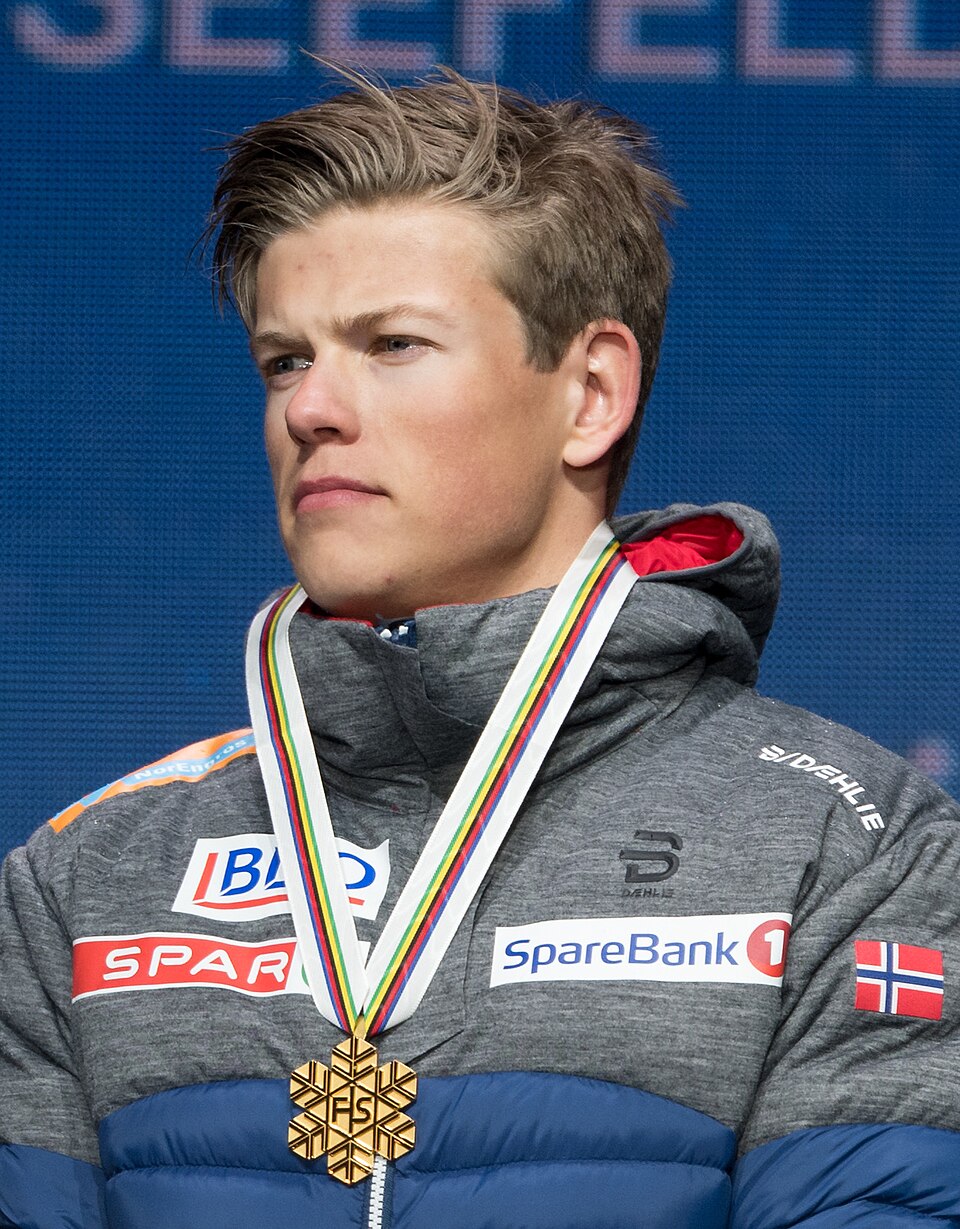
Johannes Høsflot Klæbo capped one of the most dominant individual performances in Winter Olympics history on Saturday, Feb. 21, 2026, winning the men’s 50km mass start classic to claim his sixth gold medal at the Milano Cortina Games — the most ever by any athlete at a single Winter Olympics.

The 29-year-old Norwegian finished in 2:07:07.1, pulling away late to beat teammate Martin Løwstrøm Nyenget by 17.5 seconds, with Emil Iversen taking bronze for an all-Norwegian podium. The victory completed a perfect sweep: Klæbo won every cross-country event he entered — skiathlon, sprint classic, 10km freestyle, 4×7.5km relay, team sprint and the 50km — becoming the first to achieve six golds in one Games.
Here are 10 essential facts about the man now widely called the greatest cross-country skier ever:
- Born October 22, 1996, in Oslo Klæbo turns 30 in 2026. He moved to Trondheim at age five, where he grew up and still resides. Standing 183.5 cm (6 feet), he combines explosive sprint power with endurance that has redefined the sport.
- Coached by Grandfather Kåre Høsflot Since Childhood His grandfather, Kåre Høsflot, an 82-year-old former coach, gave him his first skis at age two and has guided him ever since. The “grandfather effect” is credited for Klæbo’s technical mastery and mental toughness, with Kåre remaining his primary mentor through Olympic success.
- Youngest Male to Win Olympic Gold in Cross-Country At 21 years and 114 days, Klæbo became the youngest male Olympic champion in cross-country skiing when he won the sprint classic at PyeongChang 2018. He added two more golds there (team sprint, relay), tying for most at those Games.
- Holds Record for Most Gold Medals at a Single Winter Olympics His six golds at Milano Cortina 2026 surpass Eric Heiden’s five from Lake Placid 1980. With the victory, Klæbo now has 11 career Olympic golds — second only to Michael Phelps (23) among all Olympians — and 13 total medals.
- Most World Cup Wins in History Klæbo has surpassed 100 FIS World Cup individual victories, the most ever by a male cross-country skier. He also owns records for most sprint World Cup wins and youngest overall World Cup champion (2017-18 season).
- Swept All Events at 2025 World Championships In his hometown of Trondheim last March, Klæbo won six golds — every cross-country event offered — mirroring his 2026 Olympic feat and solidifying his GOAT status before the Games.
- Family-Oriented and Low-Key Off the Snow Klæbo keeps a private life, often crediting family support. His father Haakon manages his career, while grandfather Kåre coaches. He enjoys fishing, hiking and hunting in summer, maintaining balance amid intense training.
- Master of Sprint and Distance Unlike specialists, Klæbo excels in both sprint and distance events. His explosive uphill surges — dubbed “superhuman” — and tactical brilliance allow him to dominate varied formats, from 1.4km sprints to 50km marathons.
- Record-Breaking Consistency Klæbo has won multiple Tour de Ski titles, overall World Cup globes and sprint globes. He became the youngest to win the big Crystal Globe and holds records for most sprint titles and youngest world champion in multiple categories.
- Legacy as the Greatest Cross-Country Skier With 11 Olympic golds, 15 World Championship golds and over 100 World Cup wins, Klæbo is widely regarded as the most decorated male cross-country skier ever. His 2026 sweep — racing 115km across six events in 14 days — cements his place among winter sports’ all-time greats.
Klæbo’s dominance has inspired a new generation in Norway and globally. As the Milano Cortina Games conclude, his name stands atop the record books — a testament to talent, work ethic and the guidance of family.


Indigenous protesters occupy Cargill’s Santarem port terminal in Brazil

‘Stablecoins Kill XRP’ FED Member Kashkari Just Gave XRP The Biggest Endorsement!!!!!!!!!!!!!!!!!!!

Suspected drugs, ammunition and firearms found during planned search in South Belfast

Prediction, Team News, Lineups and How to Watch LiveStream

Smart energy pays enters the US market, targeting scalable financial infrastructure

Why Israel is blocking foreign journalists from entering

Software stocks enter bear market on AI disruption fear with ServiceNow plunging 10%
‘Stablecoins Kill XRP’ FED Member Kashkari Just Gave XRP The Biggest Endorsement!!!!!!!!!!!!!!!!!!!

Failed OF Model In Debt For Taylor Swift | Financial Audit

Meaning Of Financial Services And Types of Financial services || Financial services means and Types
-

 Video5 days ago
Bitcoin: We’re Entering The Most Dangerous Phase
-

 Tech7 days ago
Luxman Enters Its Second Century with the D-100 SACD Player and L-100 Integrated Amplifier
-

 Crypto World4 days ago
Can XRP Price Successfully Register a 33% Breakout Past $2?
-

 Sports4 days ago
GB's semi-final hopes hang by thread after loss to Switzerland
-

 Fashion21 hours ago
Weekend Open Thread: Boden – Corporette.com
-

 Video2 days ago
XRP News: XRP Just Entered a New Phase (Almost Nobody Noticed)
-
 Tech4 days ago
The Music Industry Enters Its Less-Is-More Era
-

 Business4 days ago
Infosys Limited (INFY) Discusses Tech Transitions and the Unique Aspects of the AI Era Transcript
-

 Entertainment3 days ago
Kunal Nayyar’s Secret Acts Of Kindness Sparks Online Discussion
-

 Video4 days ago
Financial Statement Analysis | Complete Chapter Revision in 10 Minutes | Class 12 Board exam 2026
-

 Tech3 days ago
Retro Rover: LT6502 Laptop Packs 8-Bit Power On The Go
-
 Sports2 days ago
Clearing the boundary, crossing into history: J&K end 67-year wait, enter maiden Ranji Trophy final | Cricket News
-

 Entertainment3 days ago
Dolores Catania Blasts Rob Rausch For Turning On ‘Housewives’ On ‘Traitors’
-

 Business3 days ago
Tesla avoids California suspension after ending ‘autopilot’ marketing
-
 NewsBeat6 days ago
The strange Cambridgeshire cemetery that forbade church rectors from entering
-

 Politics4 days ago
Eurovision Announces UK Act For 2026 Song Contest
-

 Crypto World3 days ago
WLFI Crypto Surges Toward $0.12 as Whale Buys $2.75M Before Trump-Linked Forum
-
 NewsBeat6 days ago
Man dies after entering floodwater during police pursuit
-

 Crypto World2 days ago
83% of Altcoins Enter Bear Trend as Liquidity Crunch Tightens Grip on Crypto Market
-
 NewsBeat1 day ago
Andrew Mountbatten-Windsor latest: Police search of Royal Lodge enters second day after Andrew released from custody