
Business
US Stocks Today | Gold and silver rally set to continue as dollar weakness looms: Peter Schiff


“Well, gold is going to continue to move higher especially now that the US dollar is moving lower against its fiat counterparts. In fact, I expect pronounced US dollar weakness throughout the rest of this year and for many years to come. So, all of that is going to drive more money out of US dollars and US financial assets like treasuries into gold and other non-US dollar denominated investments.”
When asked what factors would push the dollar lower, Schiff cited a loss of confidence in U.S. fiscal policy and central bank independence. “Well, it is going to be the continued loss of confidence in the fiscal responsibility of the US government and the independence of the Fed. You are going to see ever increasing US federal deficits monetised by the central bank. So, the supply of dollars is going to increase substantially. In the meantime, the world wants to move away from the dollar. The US has weaponised the dollar. First with Biden and now with Trump, the world is not looking kindly at the rhetoric and the tariffs which are making it more difficult to trade with the United States. The world would be better off trading a lot less with the United States and countries that are major exporters should consume more of what they produce rather than subsidise American consumers so that that we could buy it. So, you are going to see a major shift out of dollars. Foreign central banks will continue to move reserves to gold and out of dollars. Global investors will keep pulling money out of US financial markets. And as the dollar goes down, that is going to create an economic boom outside the United States. A lot of dollar denominated debt is going to be basically wiped out and consumers outside the United States are going to find that they have a lot more purchasing power. So, you are going to see, higher living standards abroad and lower living standards in the US.”
Schiff also explained the ongoing diversification of central bank reserves. “Yes, well, in the past, foreign central banks have accumulated dollars, I think that was a mistake. It benefited the United States, but it perpetuated these massive deficits in the United States where the US became dependent on the rest of the world. The US needs the world to produce the goods that it cannot and to loan it the money that it does not save and this was a big subsidy that the US enjoyed, but it was a burden on the global economy and the world is tired of shouldering that burden especially since the world is being lectured by Donald Trump. And so, it is going to be a healthy development to move away from the US dollar as the reserve currency. It is going to be very disruptive initially, but it is going to be a positive development for the world. In the long-long run, it will be positive for the US, but in the short run it is a huge negative.”
When questioned about whether another currency could replace the dollar, Schiff was clear: “No, no, there is not going to be a new currency to replace the dollar. The dollar is going to be replaced by gold. So, gold is going to serve the role that the dollar had been serving as both a reserve asset for central banks and as settlement for bilateral trade. Gold is going to play an increasingly important role in the global monetary system the way it was prior to the US dollar supplanting it.”

Silver, which has also seen substantial gains, is expected to continue rising. Schiff noted, “Yes, silver prices obviously were too low for too long. Gold rose really from 2000 to 4000 without much of an increase in the silver price at all. Then, silver finally caught up and probably got ahead of itself when it shot up to 121. It then pulled back below 70 and right now it is about $80 an ounce. I expect silver prices to trend higher from here, but it may take several months before we get back above the 120 level, but we are going to go above that level and ultimately much higher.”
Looking ahead to 2026, Schiff predicts record highs for both metals. “Yes, but gold got almost to 5600 before pulling back. I think that it will end the year above 6000. We will see how much higher, but I am very confident that the high that we set earlier in January will be taken out probably before the end of the second quarter.” On silver, he added, “Yes, I mean, silver is going to make a new high, but obviously it is further away from its high. It is 50%. It would need a 50% move to get back to its high. Gold only needs a 10% move, so much easier for gold but silver is very volatile, so hard to say, but I do believe that silver will make a new record high maybe by the end of the Q2 or sometime in the third quarter of this year.” Schiff also weighed in on U.S. monetary and fiscal policy, cautioning that it is unsustainable. “We have horrible fiscal policy in the United States and horrible monetary policy which is going to get worse. So, that is why gold is trading above 5,000. That is why the dollar recently hit an all-time record low against the Swiss Franc and why it is continuing to fall now against a basket of other fiat currencies is because of the monetary and fiscal policy that we have been pursuing in the past and that we continue to recklessly pursue in the present.”
Finally, on the sustainability of U.S. debt, Schiff warned, “No, it is not sustainable. It has not been sustainable for a while. It is completely unsustainable, that is why people should be selling US treasuries, that is why China just advised banks to sell treasuries. Japan is going to be a major seller of treasuries. The whole world is going to be selling treasuries because the debt is unsustainable. It cannot be repaid. It cannot even be serviced. So, it is going to be either default or inflation and obviously politically expedient choice is inflation and that is the direction that we are headed and it is pretty obvious. So, our creditors want to get out. They do not want to watch the value of their US dollar holdings inflated away. It is better to just sell now and move the money into something else.”
With both gold and silver poised for further gains, investors and central banks alike are closely monitoring the U.S. dollar, while Schiff’s forecasts highlight a potential shift in the global monetary system back toward precious metals.

Sigma Lithium: Turning Into A Cash Machine
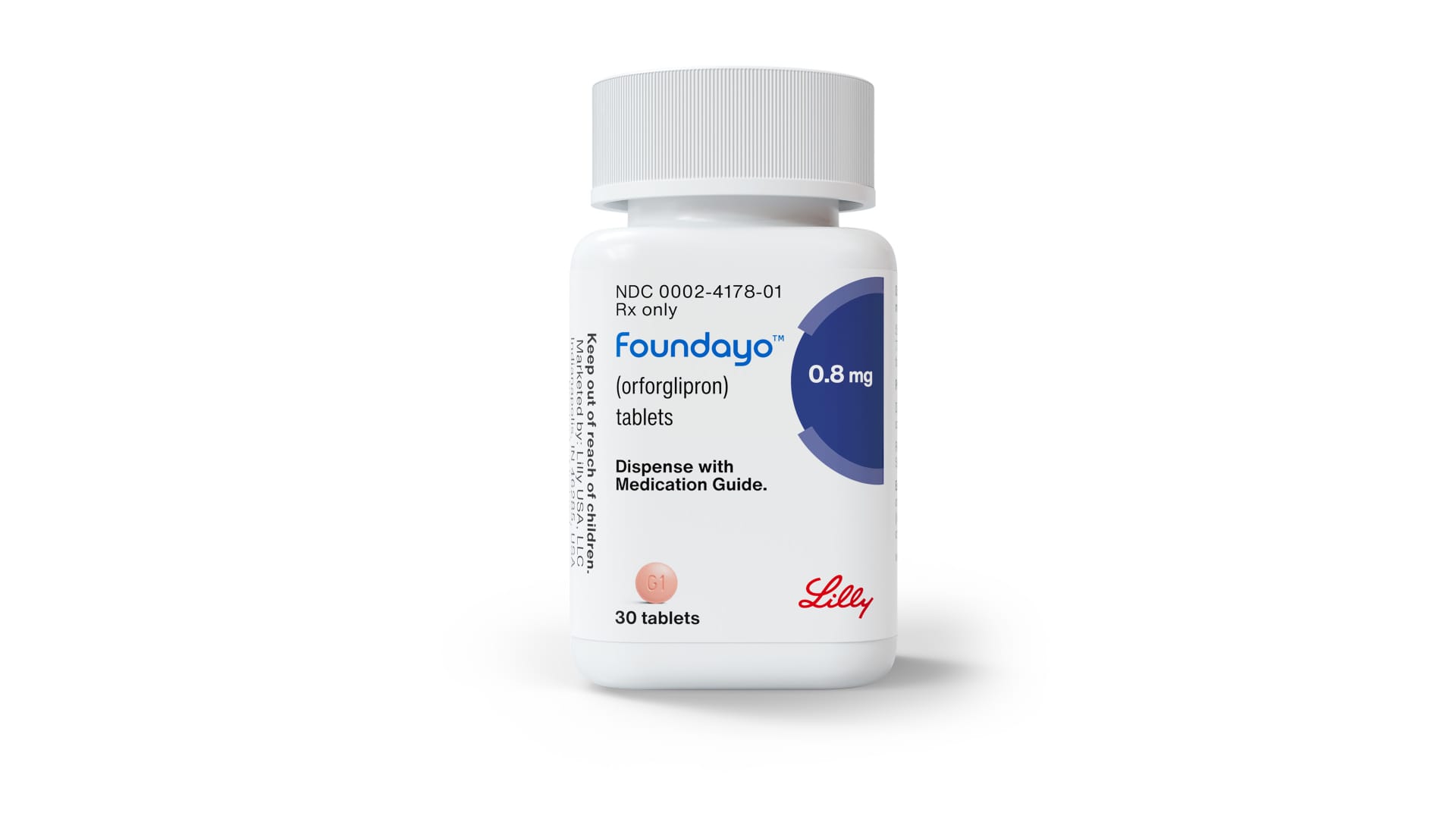

The U.S. Food and Drug Administration has approved Eli Lilly‘s GLP-1 pill, the company said, a major milestone for the Indianapolis-based drugmaker and one that will test the market for new weight loss medications.
Lilly said the once-daily pill, Foundayo, will start shipping from direct-to-consumer platform LillyDirect on Monday and will be available at pharmacies and on telehealth platforms “shortly after.” People with insurance coverage could pay $25 a month with a coupon from Lilly, while people paying out of pocket could pay between $149 and $349, depending on the dose.
The approval comes just a few months after Lilly submitted the drug to the FDA as part of a program that grants speedy reviews for drugs that are considered national priority interests. That means Lilly will introduce Foundayo only about three months behind Novo Nordisk’s Wegovy pill, setting the stage for the next battle between the rival drugmakers in the next frontier for GLP-1 drugs.
“It’s a big moment,” Eli Lilly CEO Dave Ricks said in an interview with CNBC. “We’ve obviously been working in this category of medicines for a while with the first GLP-1 medication 20 years ago and improving ever since. Here is an option that’s not more effective … but it’s more accessible, it’s easier to fit into your daily routine.”
Lilly licensed the molecule, orforglipron, from Japanese drugmaker Chugai in 2018, paying just $50 million up front for global rights to the drug. But there are still questions about how big the drug will become. It doesn’t produce as much weight loss as Lilly’s best-selling shot Zepbound. Millions of people are already used to the routine of injecting themselves once a week.
Eli Lilly Foundayo GLP-1 weight loss pill.
Courtesy: Eli Lilly
Analysts estimate Foundayo sales will reach $14.79 billion by 2030, according to FactSet. That compares to expectations of $24.68 billion for the weight loss drug Zepbound and $44.87 billion for Mounjaro, which is marketed for diabetes in the U.S. and obesity and diabetes in the rest of the world.
Ricks said shots haven’t been as big of a barrier to uptake as Lilly once thought they would be. He still sees Foundayo as an attractive option for people who would rather take a pill or who are searching for a lower price than the injectables.
He sees it playing a role in maintenance, for people who achieve their goal weight with a shot and want to keep the weight off. And he sees Foundayo as a way to “reach the planet” without the manufacturing constraints or cold-chain requirements that come with Zepbound.
Foundayo is a small molecule whereas Zepbound and Wegovy are peptides, which require more intensive manufacturing processes, a barrier Ricks thinks will hinder generic versions of Wegovy that have recently launched in some other countries, including India.
“[Foundayo] does allow for scalability, and that will allow us to launch this globally on the first instance,” Ricks said. “So today, you can get the oral [Wegovy] in the U.S., but you really can’t get it elsewhere. This will be marketed around the world. As soon as we have regulatory approvals, we essentially have as much scale as we need to supply the world with an oral GLP-1 inhibitor.”
Lilly expects approval for Foundayo in more than 40 countries over the next year. The company since 2020 has invested more than $55 billion in manufacturing, which includes opening new sites and expanding existing plants to produce the pill.
In the U.S., Lilly will compete with Novo’s newly launched Wegovy pill. Early demand for that pill has been stronger than expected, with Novo reporting more than 600,000 prescriptions in March.
Novo CEO Mike Doustdar told CNBC in February that one of the earliest takeaways from the launch is that the pill appears to be expanding the obesity treatment market, drawing in new patients rather than converting existing ones from injections. Ricks agreed with that assessment and said Lilly doesn’t care whether people take Foundayo or Zepbound.
“We want people to be on the medicine that meets their health goals,” Ricks said. “If it has Lilly on the box, that’s the goal we have.”
Novo plans to argue that the Wegovy pill is more effective than Foundayo. The Wegovy pill showed around 16.6% weight loss on average in a late-stage trial, while Lilly’s oral drug caused roughly 12.4% on average in a separate study, when analyzing patients who stayed on treatment. Lilly’s Zepbound has consistently shown it can help people lose more than 20% of their body weight.
Meanwhile, Lilly plans to tout the fact that Foundayo can be taken at any time without any restrictions, while the Wegovy pill needs to be taken first thing in the morning on an empty stomach with only a few ounces of water.
Where the two drugs are the same is the starting price. The lowest doses of both drugs will cost $149 for cash-paying customers thanks to an agreement the companies struck with the Trump administration last fall. And price is the most important factor for patients, said Dr. Nidhi Kansal, an obesity medicine doctor at Northwestern Medicine.
“Unfortunately, price is what is driving the decision-making between clinicians and patients for these drugs because they’re all excellent drugs and we have lots of options now, but it’s still a financial decision at the end of the day,” Kansal said.
The lower price point and the approachability of a pill versus a shot opens up the market to casually interested patients, said BMO Capital Markets analyst Evan David Seigerman. Seniors on Medicare will be able to access Foundayo and other GLP-1 obesity medicines for $50 a month starting this summer as part of Lilly and Novo’s deals with the Trump administration. Ricks expects a “pretty robust” response to the program, which Lilly built into its financial guidance for the year.
Analysts say a successful launch of Foundayo is key to Lilly’s stock recovering from recent weakness. The company’s shares have fallen about 14% this year after a meteoric rise that briefly made Lilly the first trillion-dollar market cap health-care company. Sales are a lagging indicator, so analysts will be tracking prescriptions to monitor uptake of the pill, said Cantor Fitzgerald analyst Carter Gould.
“If scripts are going in the right direction, and you’re seeing the continued gains, my guess is people will look through any sort of choppiness around [the first or second quarter],” Gould said.
Another factor for Lilly’s performance this year is a forthcoming readout for its more potent obesity shot, retatrutide. The company has already shared some late-stage data on that drug, but the most important trial is one studying the treatment specifically for weight loss. If retatrutide lives up to its expectations, Lilly would be on its way to creating a portfolio of obesity medicines.
“The future will be more choices, and that’s a great thing,” Ricks said. “And we hope Lilly is the one presenting those choices.”

Related Digital nears $16 billion financing for Oracle data center, Bloomberg News reports
Business
AGPU Stock Doubles on April 1 as Axe Compute Lands $12M GPU Deals Fueling AI Infrastructure Push

Shares of Axe Compute Inc. more than doubled Wednesday, surging as much as 102% to trade around $3.32 midday after the company announced $12 million in newly executed agreements expected to generate roughly $835,000 in monthly recurring revenue as it ramps up its enterprise GPU infrastructure business.

The explosive move came on the heels of the company’s fiscal 2025 earnings release late Tuesday and a morning conference call discussing its full pivot from legacy drug discovery operations to AI compute services. Volume spiked dramatically, with tens of millions of shares changing hands in the first hours of trading as retail investors piled into the micro-cap name amid broader enthusiasm for AI-related infrastructure plays.
Axe Compute, which rebranded from Predictive Oncology Inc. in December 2025 and began trading under the ticker AGPU, reported signing contracts with more than 20 enterprise customers over the past 30 days. The deals, focused on reserved GPU capacity for production AI workloads, are projected to deliver approximately $7.5 million in estimated 2026 revenue at the current run rate once deployments begin entering the second quarter.
“This $12 million book we’ve built entering Q2 is not a marketing milestone — it is executed agreements from enterprises with production AI workloads,” CEO Christopher Miglino said in a statement. The company highlighted its Strategic Compute Reserve, which provides access to over 435,000 GPUs globally through partnerships including the Aethir network, enabling rapid 24- to 48-hour deployments across more than 200 locations without vendor lock-in.
Financial Results Reflect Transition Costs
For the full year 2025, Axe Compute posted revenue of just $125,284 — all from its legacy drug discovery services segment — with no meaningful compute revenue yet recognized. The company reported a massive net loss of $232.9 million to $233.1 million, driven largely by $152.5 million in unrealized losses on its ATH digital asset holdings and $52.7 million in derivative instrument losses, plus elevated operating expenses tied to the strategic repositioning.
Despite the headline loss, executives pointed to significant balance sheet progress. Through PIPE transactions closed in October 2025, the company raised approximately $343.5 million in a mix of cash and in-kind ATH token contributions. This infusion, combined with other actions including a reverse stock split, restored Nasdaq compliance and rebuilt stockholders’ equity to $47.7 million from a prior deficit. Cash stood at $10.8 million at year-end, with additional unlocked ATH tokens valued at $24.4 million.
Miglino, who joined as CEO in February 2026, framed 2025 as a foundational year. “In less than 90 days, we raised $343.5 million in capital, established a Strategic Compute Reserve through a digital asset treasury position in the ATH AI token, and reconstituted our balance sheet,” he noted on the earnings call.
Strategic Pivot to Decentralized AI Compute
Axe Compute is positioning itself as a flexible provider of GPU-as-a-Service for enterprises and developers seeking scalable, cost-efficient AI infrastructure. By leveraging decentralized networks like Aethir, the company aims to offer choice in hardware mixes while avoiding the lock-in common with major cloud providers.
Key elements of the strategy include:
- Strategic Compute Reserve: A GPU capacity platform launched in September 2025 that allows quick deployment for AI, machine learning, gaming and rendering workloads.
- ATH Treasury Model: Holding and potentially staking the Aethir token to generate yield, creating a revenue-backed infrastructure approach.
- Enterprise Focus: Prepayment-based contracts with diverse customers, currently boasting 30-plus active deployments.
The company also continues exploring strategic alternatives for its Helomics drug discovery and biobank business, including potential sale, partnership or licensing, to sharpen focus on the higher-growth AI compute opportunity.
In March 2026, Axe Compute bolstered its board with technology and telecom veterans Dr. Theodore Zhu and Thorsten Dirks, adding expertise in semiconductors, neural networks, international operations and corporate transformation.
Market Reaction and Investor Sentiment
The more-than-doubling of the stock on April 1 reflected investor excitement over tangible contract momentum in a red-hot AI sector, even as the company remains pre-revenue in its core new business. Trading forums and social platforms saw heightened discussion, with some users highlighting the contracts’ size relative to the company’s prior market capitalization.
Analysts and observers cautioned that execution risks remain high. The company faces challenges typical of micro-cap pivots: delivering on deployments, managing digital asset volatility, scaling operations and navigating competition from established cloud giants and other decentralized compute players.
Still, the forward guidance — including expectations of initial compute services revenue in 2026 and potential EPS of around 45 cents in some projections — offered a narrative of inflection. The stock has traded in a wide range historically, with a 52-week span reflecting earlier volatility tied to the rebranding and capital raises.
Broader AI Infrastructure Context
Axe Compute enters a booming market for GPU capacity driven by exploding demand for training and inference in generative AI. Enterprises increasingly seek alternatives to hyperscaler dominance, creating openings for agile providers offering flexible, geographically distributed resources.
The integration of digital asset treasury strategies adds a novel layer, potentially allowing the company to generate yield on holdings while funding infrastructure expansion. However, it also introduces crypto-related volatility, as evidenced by the large non-cash losses tied to ATH price movements in 2025.
Industry watchers note that success will hinge on rapid deployment, customer retention and demonstrating differentiated value through speed, cost and choice. Partnerships like Aethir provide immediate scale, but long-term differentiation will require strong execution on service quality and innovation.
Outlook and Priorities for 2026
Management outlined clear 2026 priorities:
- Deploy reserved GPU capacity and generate initial compute services revenue.
- Pursue staking and yield opportunities on the ATH treasury position.
- Complete the strategic review of the legacy Helomics business.
- Selectively add to the digital asset treasury via open-market purchases when conditions allow.
The April 1 announcement of signed contracts marks an early validation of the model, with management expressing confidence that the pipeline will expand as deployments ramp and word spreads among AI workload owners.
For investors, the name carries substantial risk given its small size, history of losses, reliance on digital assets and pre-profit stage in the new segment. Those following the story will watch upcoming quarterly updates for evidence of deployment progress, revenue recognition and margin trends.
Axe Compute, headquartered in Pittsburgh with roots in earlier medical and oncology-focused operations, now bets its future on powering the AI economy. Wednesday’s surge provided a dramatic spotlight on its ambitions, but sustained gains will depend on converting contracts into reliable cash flows amid fierce competition.
As midday trading continued, the stock showed typical volatility for a low-float, high-momentum session. Longer-term performance will be determined by the company’s ability to scale its GPU platform while prudently managing its evolving balance sheet.
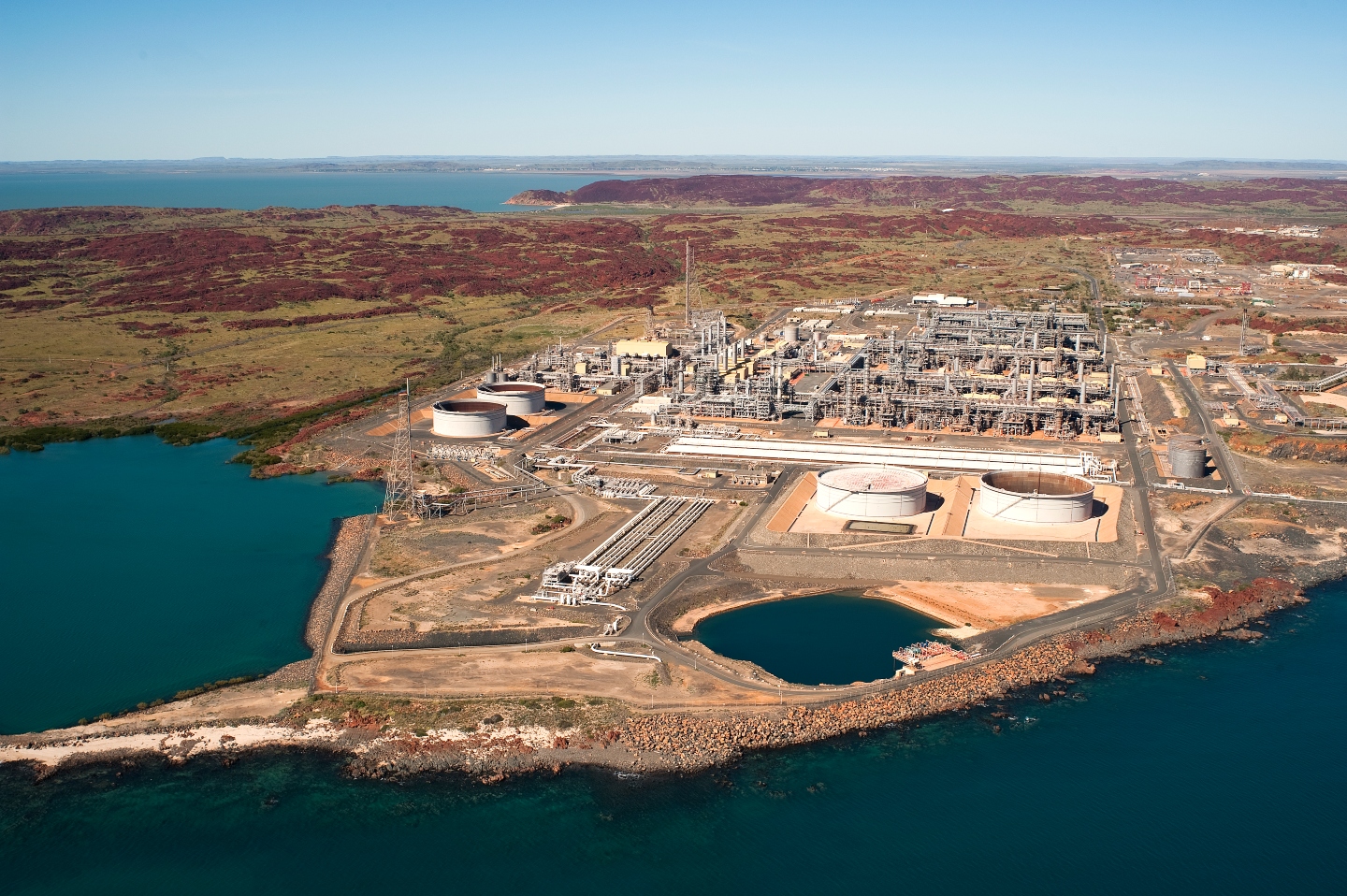
Woodside Energy has returned its North West Shelf gas operations to production, following last week’s cyclone.


Luigi Mangione’s continued support shows need for swift trial, prosecutor says
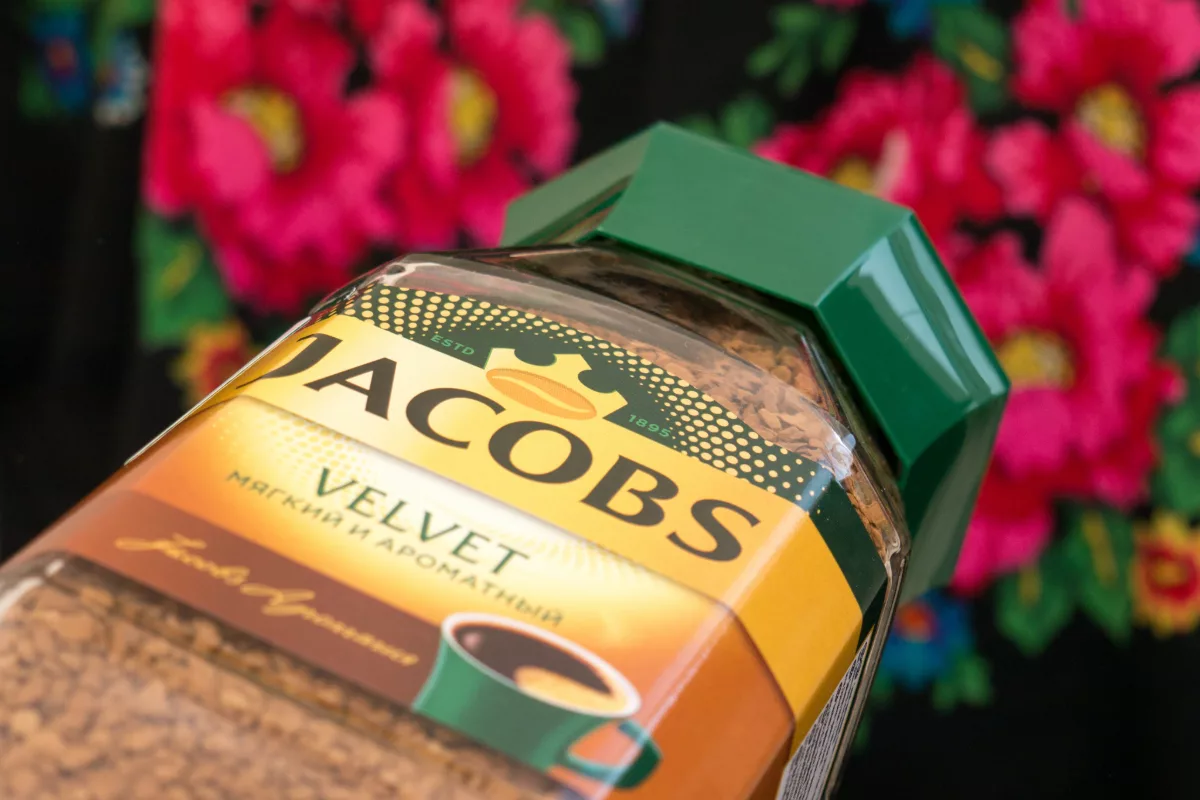

Peet’s CEO to lead new coffee company.

Hundreds of Chime users reported issues with the popular mobile banking app Wednesday morning, with complaints of login failures, frozen screens and inaccessible account balances disrupting daily transactions for the fintech giant’s millions of customers.

As of early Thursday, April 2, 2026, user reports on outage tracking sites like Downdetector showed elevated complaints focused primarily on the Chime app, with secondary issues involving funds transfers and mobile banking features. While Chime’s official status page listed all core services — including card purchases, phone support and account access — as operational, scattered user posts on social media and forums suggested intermittent problems affecting a subset of members.
Chime, a San Francisco-based challenger bank known for its fee-free checking and savings accounts, early direct deposit and SpotMe overdraft protection, has grown rapidly by targeting younger and underserved consumers. The company does not operate traditional branches and relies heavily on its mobile app and website for nearly all customer interactions.
“Many members are experiencing temporary difficulties accessing the app or completing certain transactions,” one user reported on social platforms early Thursday. Similar complaints described error messages, loading spinners that never resolved and an inability to view recent activity or make payments.
Downdetector data indicated that app-related issues accounted for the majority of recent reports, consistent with patterns seen in prior minor disruptions. Chime’s status page showed no active incidents as of late Wednesday, with the most recent resolved event dating back to late March when card controls were temporarily unavailable for some users.
What Users Are Reporting
Affected customers described a range of symptoms:
- Inability to log in or repeated authentication failures.
- App crashing or freezing on the splash screen.
- Balances and transaction history not loading.
- Failed attempts to send money via Pay Anyone or initiate transfers.
- Issues with mobile check deposit and card controls.
Some users noted that the web version of Chime at chime.com remained accessible in certain cases, offering a potential workaround. Others reported success after force-quitting the app, clearing cache, restarting their phones or toggling between Wi-Fi and mobile data.
“Chime app is down again — can’t even see my balance to pay rent,” one frustrated Bay Area user posted. Similar messages appeared across Reddit’s r/chimefinancial, Facebook groups and X, though the volume remained far below levels that would indicate a widespread, multi-hour outage.
Chime has not issued a public statement acknowledging a current incident. Its status page continued to display green across all monitored components, including card purchases, transfers and support channels.
Chime’s History With Service Disruptions
This is not the first time Chime users have faced access issues. The company has experienced several notable outages in recent years, often tied to third-party processors or cloud service providers. In October 2025, a widespread Amazon Web Services disruption affected Chime and other platforms, leading to delayed direct deposits and temporary unavailability of balances and transfers. Chime resolved that incident within hours and communicated updates via its status page and social channels.
A 2019 outage linked to a payment processor left millions unable to use debit cards or access cash for nearly two days, prompting a class-action settlement worth $1.5 million. Chime later improved its infrastructure and redundancy measures, but the reliance on digital-only delivery means even brief glitches can frustrate users who depend on the app for daily finances.
Unlike traditional banks, Chime partners with established banks such as The Bancorp Bank and Stride Bank for FDIC-insured deposits. Customer funds remain safe and accessible once systems stabilize, the company has emphasized in past incidents. No reports indicated lost or compromised funds in the current situation.
Workarounds and Troubleshooting Tips
For users facing issues Thursday, Chime and community members suggest several steps:
- Force close and restart the app: Swipe away the app completely and relaunch it.
- Clear cache and data: On Android, go to Settings > Apps > Chime > Storage. iOS users can offload the app or reinstall.
- Update the app: Ensure you have the latest version from the Apple App Store or Google Play.
- Try the website: Log in at chime.com using a browser for basic account viewing and some transactions.
- Contact support: Use the in-app help if accessible or call 1-844-244-6363. Response times may be longer during elevated call volume.
- Check internet connection: Switch networks or use mobile data if on Wi-Fi.
Chime’s customer support remains operational according to its status page. Members with urgent needs, such as pending bills or direct deposits, are advised to monitor their accounts closely once access resumes.
Broader Implications for Fintech Reliability
Chime serves millions of Americans who value its no-fee structure and early paycheck access. The company has positioned itself as a modern alternative to big banks, but repeated service hiccups highlight the challenges of operating at scale in a fully digital environment.
Industry analysts note that fintech outages often spike during high-traffic periods — early mornings when users check balances before work, or around direct deposit days. With many Americans living paycheck to paycheck, even short disruptions can create real stress for rent, groceries or bill payments.
Chime has invested in infrastructure improvements, including better monitoring and redundancy. However, as a non-traditional bank without physical locations, it faces heightened expectations for 24/7 digital reliability.
Users affected by the latest reports expressed a mix of annoyance and resignation. “This happens too often with Chime,” one commenter wrote. Others defended the service, citing its overall convenience and lack of overdraft or monthly fees.
What to Expect Moving Forward
As of Thursday morning, there was no indication of a prolonged or major outage. Most monitoring sites showed normal or only slightly elevated report volumes compared to baseline. Chime typically resolves minor app glitches quickly, often within minutes to a couple of hours.
Customers should continue checking the official status page at status.chime.com for real-time updates. The company also posts notices on its @Chime social media accounts during significant events.
For those relying on Chime for time-sensitive transactions, alternatives include using linked debit cards at ATMs or merchants (if card controls function), initiating transfers via the website or contacting recipients to explain potential delays.
Chime has grown into one of the largest U.S. fintech players by focusing on simplicity and accessibility. While occasional technical hiccups are common in the sector, the company’s rapid response in past incidents has helped maintain customer loyalty for many.
Members experiencing ongoing problems are encouraged to document issues with screenshots and reach out to support. In rare cases of financial hardship directly caused by an outage, Chime has occasionally offered goodwill gestures, though no such program has been announced for the current situation.
As the morning progressed Thursday, reports appeared to taper off, suggesting any intermittent issues were resolving naturally or through user-side fixes. Chime users in the Bay Area and across the country can expect normal service to resume fully soon, but staying informed via official channels remains the best approach.
For the latest updates, visit status.chime.com or monitor Downdetector. Safe banking, and remember that all deposits at Chime are FDIC-insured through its partner banks up to applicable limits.

Nike Inc. signage on the floor of the New York Stock Exchange (NYSE) in New York, US, on Wednesday, Dec. 31, 2025.
Michael Nagle | Bloomberg | Getty Images
When Nike reported fiscal third quarter earnings on Tuesday night, investors were looking for evidence its recovery is on track.
Instead, all they learned is the retailer’s turnaround is far from over, sending shares tumbling more than 14% in mid-day trading Wednesday.
During a call with analysts, finance chief Matt Friend warned sales would slide by a low single digit percentage through the end of this calendar year, as a decline in China is expected to offset growing strength in North America.
The company anticipates sales will fall between 2% and 4% in the current quarter, worse than the 1.9% growth analysts had expected, while it expects China sales will plunge 20% – even with a two point benefit from foreign exchange rates. Efforts to clean up Nike’s assortment in China and drive full price sales are expected to continue – and remain a drag on revenue growth – through fiscal 2027, slated to end next spring.
It expects to begin lapping the period when it started to get hit by higher tariffs in the first quarter of fiscal 2027, slated for this summer, which could give it easier year-over-year profit comparisons. Executives expect gross margins could begin expanding by the end of the year during the retailer’s fiscal 2027 second quarter – if they do at all.
Nike’s gross margin has declined year over year for seven straight quarters, and it may be harder to boost the metric now because product input costs could rise due to the war in the Middle East.
“The environment around us has become increasingly dynamic, and we could experience unplanned volatility due to the disruption in the Middle East, rising oil prices, and other factors that could impact either input costs or consumer behavior,” said Friend. “We are focused on what we can control, and these assumptions reflect the macro environment as it stands today.”

The lagging turnaround, the persistent bad news and the number of business arms Nike needs to fix to stabilize the entire enterprise left investors soured. The few pockets of good news – better-than-expected sales in China, growing wholesale revenues, continued growth in North America – weren’t enough to boost the stock.
On Wednesday morning, three of Wall Street’s biggest banks, Goldman Sachs, JP Morgan and Bank of America, all downgraded the stock, citing the dragging turnaround, growing headwinds and dwindling patience.
“We thought improved performance product innovation and lapping Win Now actions would result in a return to growth in 1Q27; instead, management has initiated guidance for sales to remain negative into 3Q27,” Bank of America analyst Lorraine Hutchinson said in a Wednesday note to clients. “Strong results in running and NA were the reasons for our patience but with the sales inflection now nine months away, we see little room for multiple expansion, leading to our downgrade.”
Throughout Nike’s call with analysts on Tuesday, Friend and CEO Elliott Hill kept predicting a return to sustained growth, but were once again vague about the timeline.
“We are increasingly confident we are on track to return to balanced growth in North America across both NIKE Direct and wholesale channels in the near term,” said Friend.
In his remarks, Hill said again that recovery is taking more time than he expected.
“This is complex work, and parts of it are taking longer than I’d like, but the direction is clear,” said Hill. “The urgency is real, and the foundation is getting stronger.”
Related Digital finalizes $16B financing for Oracle data center
Sigma Lithium: Turning Into A Cash Machine

Bitcoin Treasury Sell-Off Could Signal Deeper Capitulation Coming: Analyst

Megan Thee Stallion Speaks, More Revealed About Hospitalization


-

 News Videos7 days ago
Parliament publishes latest register of MPs’ financial interests
-

 Business6 days ago
Instagram, YouTube Found Responsible for Teen’s Mental Health Struggle in Historic Ruling
-
 Tech6 days ago
Intercom’s new post-trained Fin Apex 1.0 beats GPT-5.4 and Claude Sonnet 4.6 at customer service resolutions
-

 NewsBeat5 days ago
The Story hosts event on Durham’s historic registers
-

 Sports5 days ago
Sweet Sixteen Game Thread: Tide vs Michigan
-
Entertainment2 days ago
Fans slam 'heartbreaking' Barbie Dream Fest convention debacle with 'cardboard cutout' experience
-
 Entertainment4 days ago
Lana Del Rey Celebrates Her Husband’s 51st Birthday In New Post
-
Crypto World1 day ago
Dems press CFTC, ethics board on prediction-market insider trades
-

 Sports1 day ago
Tallest college basketball player ever, standing at 7-foot-9, entering transfer portal
-

 Tech3 days ago
The Pixel 10a doesn’t have a camera bump, and it’s great
-

 Entertainment7 days ago
HBO’s Harry Potter Series Will Definitely Fail For One Big Reason, And It’s Not J.K. Rowling Or Snape
-

 Crypto World2 days ago
U.S. rule change may open trillions in 401(k) funds to crypto
-

 Tech1 day ago
How to back up your iPhone & iPad to your Mac before something goes wrong
-

 Fashion6 days ago
En Vogue in Brown Leather and Tailored Neutrals by Atelier Savoir, Styled by J Bolin
-

 Politics2 days ago
Should Trump Be Scared Strait?
-

 Tech1 day ago
EE TV is using AI to help you find something to watch
-

 Fashion6 days ago
What Are Your Favorite T-Shirts for the Weekend?
-

 Fashion5 days ago
Weekly News Update, 3.27.26 – Corporette.com
-

 Tech2 days ago
Apple will hide your email address from apps and websites, but not cops
-

 Tech2 days ago
Flipsnack and the shift toward motion-first business content with living visuals
You must be logged in to post a comment Login