Business
US Strikes Military Targets on Iran’s Kharg Island as Trump Issues Stark Deadline to End War

U.S. forces conducted airstrikes on dozens of military targets on Iran’s strategic Kharg Island early Tuesday, a senior U.S. official confirmed, escalating pressure on Tehran just hours before President Donald Trump’s deadline for a deal to reopen the Strait of Hormuz and end the five-week-old conflict.
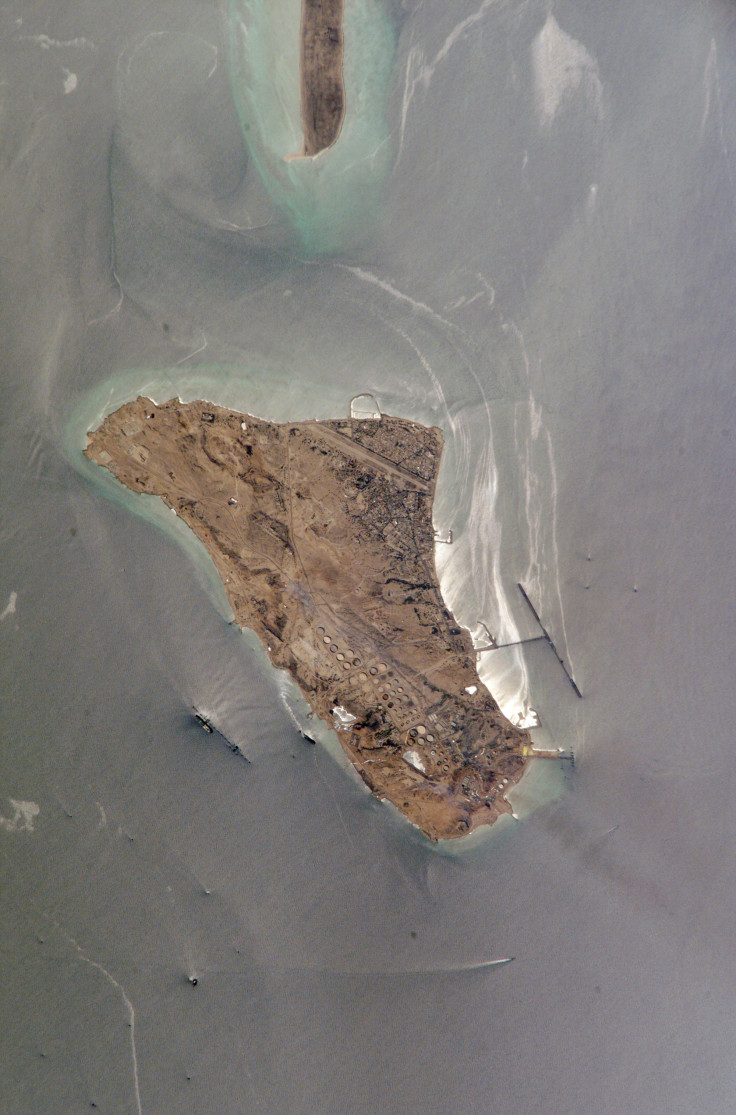

The precision strikes targeted military bunkers, storage facilities, air defense systems and other installations on the island — Iran’s primary oil export hub handling roughly 90% of the country’s crude shipments — but deliberately spared oil infrastructure, according to the official and White House sources. Iranian media reported explosions and smoke rising from sites on the island in the Persian Gulf.
The operation comes as Trump warned that failure to reach an agreement by 8 p.m. ET Tuesday could result in devastating strikes on Iran’s broader infrastructure, stating “a whole civilization will die tonight, never to be brought back again” if Iran does not comply. “I don’t want that to happen, but it probably will,” he added in a Truth Social post and White House remarks.
U.S. Central Command has not immediately issued a formal statement on the latest Kharg Island action, but officials described it as follow-up or “restrikes” on sites previously hit in March. No U.S. ground troops were involved, and the strikes were carried out from the air along the northern side of the island.
Strategic Importance of Kharg Island
Kharg Island, a small but vital outpost off Iran’s coast in the Persian Gulf, serves as the country’s “crown jewel” for oil exports. The island features extensive terminals, pipelines, storage tanks and supporting military facilities used by the Islamic Revolutionary Guard Corps (IRGC) to protect and project power in the region.
Earlier in the conflict, on March 13, U.S. forces struck more than 90 military targets there, including naval mine storage, missile bunkers and air defenses, while leaving oil facilities intact “for reasons of decency,” Trump said at the time. Tuesday’s action appears aimed at further degrading Iran’s ability to sustain operations in the Strait of Hormuz, through which about one-fifth of global oil passes.
Iranian state media, including Mehr News Agency, reported multiple large explosions on the island, with some accounts claiming U.S. and Israeli involvement. Tehran has not yet provided a detailed damage assessment, but officials previously vowed retaliation for any attacks on the facility, describing it as a red line.
The strikes occurred amid a broader U.S. campaign dubbed elements of “Operation Epic Fury,” focusing on neutralizing Iran’s nuclear ambitions, proxy networks and threats to international shipping. Trump has repeatedly framed the military pressure as necessary to force Tehran back to negotiations on favorable terms, including unrestricted oil transit and verifiable limits on its nuclear program.
Trump’s Escalating Warnings and Deadline
In remarks Monday and Tuesday, Trump ramped up rhetoric, threatening to destroy Iran’s electric generating plants, bridges, oil wells and possibly desalination facilities if no deal materializes. He claimed the U.S. military could “take out” much of the country in a single night and suggested regime change could open the door to a more moderate government.
The 8 p.m. ET deadline centers on reopening the Strait of Hormuz fully and agreeing to de-escalation measures. Trump has expressed optimism that “smarter minds” in Iran could prevail but warned that continued defiance would invite overwhelming force. “We will find out tonight one of the most important moments in the long and complex history of the World,” he posted.
Administration officials stressed that the goal remains a diplomatic resolution that ensures free navigation and prevents Iran from acquiring nuclear weapons. Defense Secretary Pete Hegseth and other Pentagon leaders have coordinated closely with regional allies, including Israel, which has conducted parallel strikes.
Broader Context of the Five-Week Conflict
The war erupted in early March 2026 after escalating tensions over Iran’s nuclear enrichment, attacks on shipping and support for regional proxies. U.S. and Israeli forces have conducted extensive airstrikes on Iranian military and nuclear-related sites, while Iran has launched missiles and drones at U.S. assets and allies, causing casualties and damage.
A previous round of Kharg Island strikes in March degraded IRGC capabilities but did not halt Iran’s efforts to disrupt Hormuz traffic through mines and other means. The U.S. has deployed additional Marines and naval assets to the region, raising speculation about potential ground operations, though officials emphasized Tuesday’s action remained aerial.
Oil markets reacted with volatility to the latest strikes and Trump’s deadline. Futures prices fluctuated as traders assessed risks to global supply. Analysts warned that sustained disruption or direct hits on export infrastructure could spike prices further, affecting inflation worldwide.
Iranian officials rejected the ultimatum, insisting talks cannot proceed under military pressure and demanding an immediate end to strikes. Foreign Ministry spokespeople called the actions “aggression” and threatened that “restraint is over” if red lines are crossed. Tehran has proposed its own frameworks but maintains it will defend its sovereignty.
International Reactions and Humanitarian Concerns
Gulf allies have expressed private worries about escalation and potential retaliation against their own infrastructure, while publicly supporting efforts to secure shipping lanes. European nations and the United Nations called for de-escalation and restraint to avoid a wider regional war.
Critics, including some U.S. lawmakers and international observers, raised concerns about civilian impacts and the legality of targeting dual-use infrastructure. The administration countered that all strikes have focused on military objectives and that allowing Iran a nuclear weapon poses a greater long-term threat.
Civilian casualties have been reported in various provinces from ongoing operations, though precise figures remain disputed. Humanitarian groups urged protection of critical infrastructure like desalination plants that supply drinking water.
What’s Next as Deadline Approaches
As evening falls on April 7, attention centers on whether Iranian leaders will signal concessions or if U.S. forces will execute further strikes. Trump has indicated active talks but prepared contingency plans for “complete demolition” if demands go unmet.
Pentagon sources described the military as ready for multiple scenarios, including intensified bombing campaigns lasting hours or days. No decision on seizing Kharg Island has been announced, though experts debate the risks and benefits of such a high-stakes ground operation.
For now, the strikes on Kharg Island serve as a tangible demonstration of U.S. resolve. They reinforce Trump’s “peace through strength” approach while raising the stakes dramatically ahead of the self-imposed deadline.
The coming hours could prove decisive in determining whether the conflict de-escalates through diplomacy or enters an even more destructive phase with profound consequences for the Middle East, global energy security and international stability.
You must be logged in to post a comment Login