
Business
Valuations ease after sell-off, yet stay relatively elevated

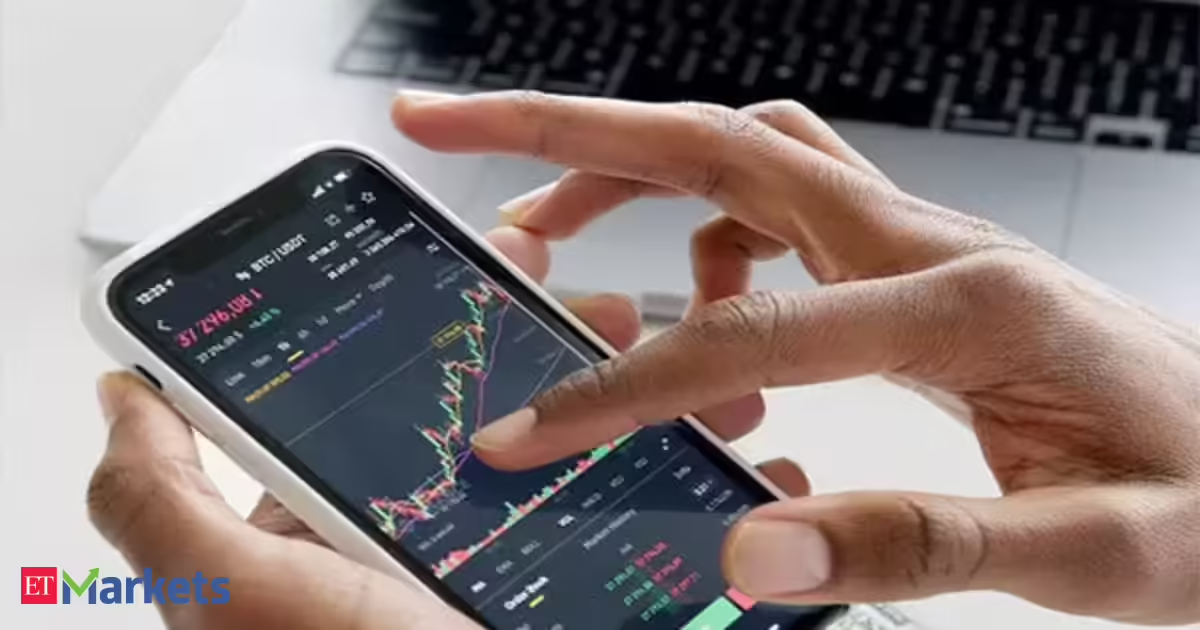
Amid rising concerns over the consequences of the latest Iran-Israel conflict, the benchmark domestic equity indices have been trading near their 11-month lows, which has affected overall valuations. This more so in the case of non-lending companies as the majority of banks and financial companies have shown resilience by retaining valuations above their three and five-year averages. Three out of every four of the lending enterprises in the sample continue to trade above their long term price-book (P/B) multiples. In case of banking and finance companies, price-book (P/B) multiple provides relevant information about relative valuation. It is calculated by dividing the share price by the book value.
 Agencies
A majority of BSE 500 stocks below 3-year and 5-year average valuations; however, 60% still trade above long-term numbers
In case of non-lending companies that include manufacturing, services and trading enterprises, 56% companies trade below their three-year price-earnings (P/E) multiples while 42% look less expensive than what they were a decade ago. A P/E multiple is calculated by dividing the share price of a company by its earnings per share (EPS). When compared with the historical data, the P/E multiple offers insights on relative valuation of the stock.
In addition, nearly three out of every four stocks in the total sample trade below their respective 200-day moving averages, reflecting bearish sentiment in the market.



I focus on a rigorous fundamentals-foremost equity and credit research. I currently work as a financial advisor/planner, and do analysis in my free time. I have an undergrad in business administration, an MBA in finance, and currently am a doctoral candidate (a DBA with a concentration in Finance and Investment Management). My research style typically involves process-driven research, followed by blending several valuation models together to get a blended, 12 month price target. I enjoy utilizing full DCF analysis in conjunction with SOTP, peer/multiples analysis, and risk-adjusted approaches. I thoroughly enjoy reading filings, technical documentation relevant to the sector, and then translating that data into conclusions with actionable insights. I enjoy learning about the various sectors and companies I find myself researching, and always feel like there is something to learn. As a curious individual, equity and credit research is very fulfilling, and even fun!I always try to find 2-4 variables that drive value or hinder growth, stress test them, and then let fundamental evidence incorporated with book-value set my viewpoint for the research project. I enjoy the energy sector, commodities, tech, and financial sectors the most. I joined Seeking Alpha to share my thoughts with a wide audience. I originally started with sharing my analysis with a few of my friends who are also advisors and/or analysts. I am always open to a myriad of viewpoints, as I feel the most accurate viewpoints and research is made through a collection of great minds working together to figure something out. If you appreciate thorough research, and want to learn more about a company beyond just what is inside of their books, then I believe you will enjoy the research that I work on.
Analyst’s Disclosure: I/we have no stock, option or similar derivative position in any of the companies mentioned, but may initiate a beneficial Short position through short-selling of the stock, or purchase of put options or similar derivatives in ORR over the next 72 hours. I wrote this article myself, and it expresses my own opinions. I am not receiving compensation for it (other than from Seeking Alpha). I have no business relationship with any company whose stock is mentioned in this article.
The views expressed in this article are solely the author’s own and do not represent the opinions or recommendations of an SRO or broker-dealer. This article is for informational purposes only and does not constitute investment advice, a solicitation, or a recommendation to buy or sell any security. Readers should consult their own financial advisor before making investment decisions.
Investment Products:
Are NOT FDIC insured / not deposits of, or obligations of, any bank or financial institution / MAY be subject to investment risk, including possible loss of principal.
Additional Disclosure: Alternative and Long/Short Fund Strategies
Alternative investment strategies, including long/short equity funds, involve risks that differ from and may be greater than those associated with traditional long-only equity investments. These risks include but are not limited to: (1) Leverage risk – the use of leverage magnifies both gains and losses and may result in the loss of more than the original amount invested; (2) Short-selling risk – short positions expose the fund to theoretically unlimited losses if the securities sold short increase in value; (3) Liquidity risk – certain portfolio holdings, particularly international small-cap equities, may be difficult to sell at favorable prices during periods of market stress; (4) Foreign investment risk – investments in non-U.S. securities involve currency fluctuation, political instability, differing regulatory environments, and potentially less liquid markets; (5) Concentration risk – non-diversified funds may invest a larger percentage of assets in fewer issuers, increasing the impact of any single investment’s decline; (6) Counterparty risk – derivative instruments and short-sale arrangements are subject to the creditworthiness of counterparties; (7) Manager risk – the fund’s performance depends on the sub-adviser’s skill in implementing the strategy, and past performance of the manager’s other vehicles does not guarantee future results in this fund.
Investors should carefully consider the fund’s investment objectives, risks, charges, and expenses before investing. The prospectus and summary prospectus contain this and other important information and should be read carefully before investing. Shares of ETFs are bought and sold at market price (not NAV) and are not individually redeemable. Brokerage commissions will reduce returns. Market price returns may differ from NAV returns.
Seeking Alpha’s Disclosure: Past performance is no guarantee of future results. No recommendation or advice is being given as to whether any investment is suitable for a particular investor. Any views or opinions expressed above may not reflect those of Seeking Alpha as a whole. Seeking Alpha is not a licensed securities dealer, broker or US investment adviser or investment bank. Our analysts are third party authors that include both professional investors and individual investors who may not be licensed or certified by any institute or regulatory body.

Yara International: The Urea Price Shock Everyone Ignores


Focus on trying to piece together the big things (both at a macro and industry level) Twenty years in Asia (mainly China).
Analyst’s Disclosure: I/we have no stock, option or similar derivative position in any of the companies mentioned, and no plans to initiate any such positions within the next 72 hours. I wrote this article myself, and it expresses my own opinions. I am not receiving compensation for it (other than from Seeking Alpha). I have no business relationship with any company whose stock is mentioned in this article.
Seeking Alpha’s Disclosure: Past performance is no guarantee of future results. No recommendation or advice is being given as to whether any investment is suitable for a particular investor. Any views or opinions expressed above may not reflect those of Seeking Alpha as a whole. Seeking Alpha is not a licensed securities dealer, broker or US investment adviser or investment bank. Our analysts are third party authors that include both professional investors and individual investors who may not be licensed or certified by any institute or regulatory body.
Business
HDFC Defence Fund among 13 equity MFs that delivered over 4% returns last week. Check top 5

Of the 614 funds analysed, 576 posted positive returns, one remained flat, and 37 delivered negative returns.
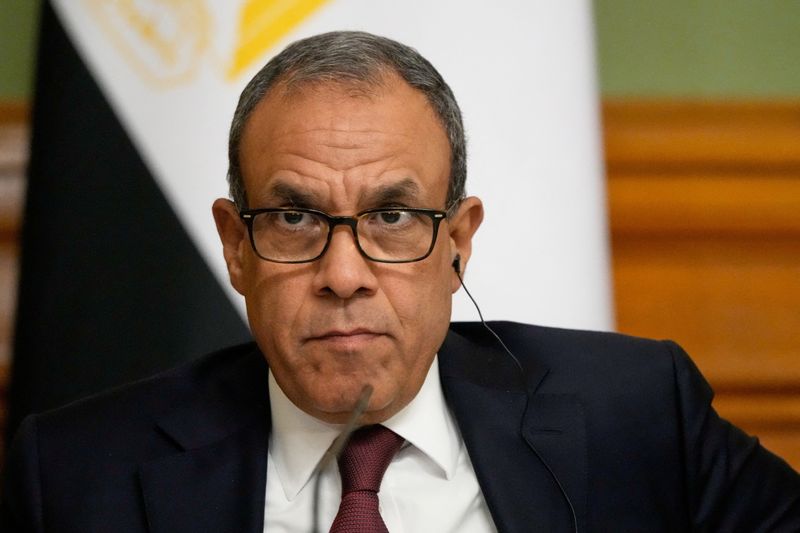

Egypt says it held calls with US Witkoff, regional counterparts

I spent 30 years in the institutional trenches as a trader, analyst, and portfolio manager, eventually running the equity trading desk at Northern Trust in Chicago. Those decades shaped my approach: stay disciplined, trust the data, and keep emotion out of the way. Since 2009, when I began publishing my stock selections, my portfolio has delivered solid long term results—compounding in the mid teens annually through 2025. Today I’m a private investor and investing coach, with a rules based framework that helps people build better portfolios. My work focuses on systematic thinking, behavioral awareness, and evidence over opinion. For my market outlook and model portfolio updates, visit zeninvestor.org. .
Analyst’s Disclosure: I/we have a beneficial long position in the shares of NVDA, AVGO, GOOGL either through stock ownership, options, or other derivatives. I wrote this article myself, and it expresses my own opinions. I am not receiving compensation for it (other than from Seeking Alpha). I have no business relationship with any company whose stock is mentioned in this article.
Seeking Alpha’s Disclosure: Past performance is no guarantee of future results. No recommendation or advice is being given as to whether any investment is suitable for a particular investor. Any views or opinions expressed above may not reflect those of Seeking Alpha as a whole. Seeking Alpha is not a licensed securities dealer, broker or US investment adviser or investment bank. Our analysts are third party authors that include both professional investors and individual investors who may not be licensed or certified by any institute or regulatory body.

Cracker Barrel: Sharp Traffic Declines And Severe Margin Erosion

Saudi non-oil sector hits first contraction since 2020 as war halts orders

Stephen Simpson is a freelance financial writer and investor.Spent close to 15 years on the Street (sell-side, buy-side, equities, bonds).
Analyst’s Disclosure: I/we have no stock, option or similar derivative position in any of the companies mentioned, and no plans to initiate any such positions within the next 72 hours. I wrote this article myself, and it expresses my own opinions. I am not receiving compensation for it (other than from Seeking Alpha). I have no business relationship with any company whose stock is mentioned in this article.
Seeking Alpha’s Disclosure: Past performance is no guarantee of future results. No recommendation or advice is being given as to whether any investment is suitable for a particular investor. Any views or opinions expressed above may not reflect those of Seeking Alpha as a whole. Seeking Alpha is not a licensed securities dealer, broker or US investment adviser or investment bank. Our analysts are third party authors that include both professional investors and individual investors who may not be licensed or certified by any institute or regulatory body.


Saudi Arabia’s non-oil business activity shrinks in March amid conflict, PMI shows

The best cordless drills for DIY jobs

ORR: A Hedge Fund In ETF Clothing, Convincing Buy Opportunity (NASDAQ:ORR)

Solana (SOL) Faces Heavy Selling Pressure as $110M Flows to Exchanges


-

 NewsBeat3 days ago
Steven Gerrard disagrees with Gary Neville over ‘shock’ Chelsea and Arsenal claim | Football
-

 Business2 days ago
No Jackpot Winner and $194 Million Prize Rolls Over
-

 Fashion2 days ago
Weekend Open Thread: Spanx – Corporette.com
-
Entertainment6 days ago
Fans slam 'heartbreaking' Barbie Dream Fest convention debacle with 'cardboard cutout' experience
-

 Crypto World3 days ago
Gold Price Prediction: Worst Month in 17 Years fo Save Haven Rock
-

 Tech6 days ago
The Pixel 10a doesn’t have a camera bump, and it’s great
-
Crypto World5 days ago
Dems press CFTC, ethics board on prediction-market insider trades
-

 Tech6 days ago
Avatar Legends: The Fighting Game comes out in July and it looks pretty slick
-

 Business3 days ago
Login and Checkout Issues Spark Merchant Frustration
-

 Sports10 hours ago
India men’s 4x400m and mixed 4x100m relay teams register big progress | Other Sports News
-

 Tech6 days ago
Apple will hide your email address from apps and websites, but not cops
-

 Sports5 days ago
Tallest college basketball player ever, standing at 7-foot-9, entering transfer portal
-

 Tech5 days ago
EE TV is using AI to help you find something to watch
-

 Politics5 days ago
Should Trump Be Scared Strait?
-

 Tech5 days ago
Flipsnack and the shift toward motion-first business content with living visuals
-

 Tech7 days ago
Elon Musk’s last co-founder reportedly leaves xAI
-

 Fashion6 days ago
The Best Spring Trends of 2026
-

 Tech5 days ago
How to back up your iPhone & iPad to your Mac before something goes wrong
-
Crypto World6 days ago
Bitcoin’s Six-Month Losing Streak: What On-Chain Data Says About the Market’s Next Move
-
Tech5 days ago
Daily Deal: StackSkills Premium Annual Pass
You must be logged in to post a comment Login