
Business
(VIDEO) Canada Rallies Past Czechia 4-3 in Overtime Thriller to Advance to Men’s Hockey Semifinals


Mitch Marner scored the overtime winner 1:22 into the 3-on-3 extra period, lifting top-seeded Canada to a dramatic 4-3 comeback victory over Czechia in the men’s ice hockey quarterfinals at the Milano Cortina 2026 Winter Olympics on Wednesday, avoiding a stunning early exit and advancing to Friday’s semifinals.

Trailing 3-2 with under four minutes left in regulation, Nick Suzuki tied the game at 3-3 with 3:27 remaining on a deflection off a Devon Toews shot. Marner’s backhander in sudden-death sealed the win after Canada overcame an early deficit and the loss of captain Sidney Crosby to injury.
Macklin Celebrini opened the scoring for Canada in the first period, but Czechia responded with goals from Lukas Sedlak and David Pastrnak to take a 2-1 lead after 20 minutes. Nathan MacKinnon tied it on the power play in the second at 12:16, assisted by Connor McDavid, who extended his Olympic points record to 11 with two helpers in the game.
Ondrej Palat put Czechia back ahead 3-2 in the third with a hash-mark strike off a Martin Necas pass, but Canada’s relentless pressure — outshooting Czechia 41-24 overall — forced overtime. Goaltender Jordan Binnington earned the win with key saves, including during a tense third-period push.
The victory avenged a closer-than-expected rematch after Canada’s dominant 5-0 group-stage win over Czechia on Feb. 12. Czechia, which scraped into the quarters with a qualification-round win over Denmark, pushed the tournament favorites to the brink with strong goaltending from Lukas Dostal and physical play.
Crosby left early after a hit from Radko Gudas, limping off and not returning — a concern for Canada as it prepares for the semifinals against the lowest remaining seed. McDavid’s performance continued his dominance, tying the NHL-era Olympic points record in a single Games.
Canada improves to 4-0-0-0, while Czechia ends its campaign at 1-1-1 in the knockout stage. The Canadians dominated possession but faced resilient defending from Czechia, which blocked shots and countered effectively.
The quarterfinals wrapped with Finland vs. Switzerland (12:10 p.m. ET) and U.S. vs. Sweden (3:10 p.m. ET) following Slovakia’s earlier 6-2 win over Germany. Semifinals are set for Friday, Feb. 20, with the gold-medal game Sunday, Feb. 22.
Canada’s path to a potential 10th Olympic men’s hockey gold remains on track despite the scare. Coach Jon Cooper praised the team’s resilience: “We showed character when it mattered most.” Marner, celebrating his OT heroics, called it “a battle we needed to win.”
The win keeps the star-studded Canadian roster — featuring McDavid, MacKinnon, Suzuki, Celebrini and others — alive in pursuit of gold, with the semifinals promising another high-stakes clash.


Form 13D/A Repay Holdings Corp For: 3 April
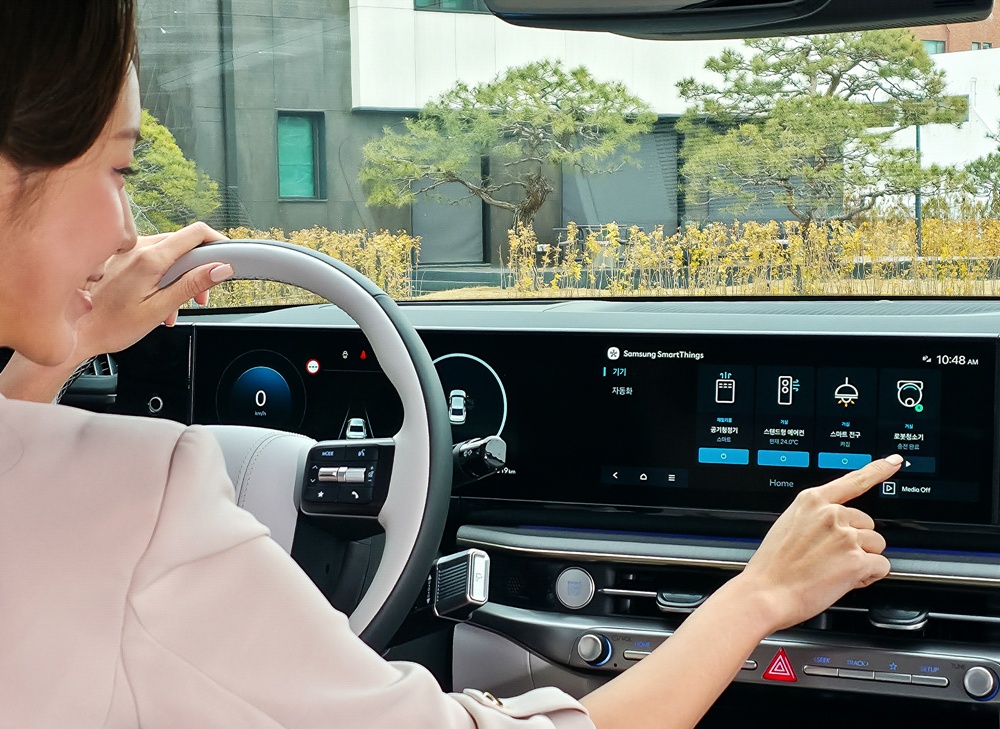
Controlling your home from your car used to be a sci-fi concept. Samsung just made it real.
The South Korean tech giant recently launched a feature called “Car-to-Home” via its SmartThings platform, and it is available on Hyundai or Kia vehicles. This feature transforms its infotainment system into a smart home remote.
The New Car-to-Home Feature
According to Samsung, Car-to-Home is a new feature that allows users to control SmartThings-connected home appliances directly on a car’s dashboard. It offers support for appliances like air purifiers, air conditioners, lights, cameras, and robot vacuums.
Samsung designed Car-to-Home with a simple interface that takes minimal effort to set up. Drivers only need to scan a QR code displayed in the SmartThings app on their infotainment system to link their accounts.
It Works Both Ways
Samsung and Hyundai previously worked together on the venture called “Home-to-Car,” which works the other way around. Here, instead of cars controlling the smart home, users may check their car’s status, lock the doors, start the engine, and more directly from the comforts of their abode.
With the introduction of this new tech, Samsung flips the script around with Car-to-Home to let users control their homes from their cars. Now, users can control their homes from their cars, as well as their cars from their homes.
Smart Routines Make It More Than Just a Remote
The real value here goes beyond manually toggling switches. Car-to-Home unlocks location-aware automation that changes how your home responds to your day.
You can set routines so that SmartThings turns on appliances as you pull into your garage, pre-cools rooms, or runs air purifiers before you walk through the door.
It can also automatically shut everything off as you leave the driveway, with a dedicated Away Mode handling lights while you are out.
Which Cars Support It?
The feature works with Hyundai and Kia vehicles equipped with the Connected Car Navigation Cockpit infotainment platform, which first debuted in November 2022. It is rolling out through a software update.
There are several eligible models shared by Samsung, and they include Hyundai’s Grandeur, Santa Fe, and IONIQ 5. In addition, Kia’s Sorento and EV9 are eligible to use the feature.
Samsung plans to expand Car-to-Home’s technology to Genesis vehicles that have the ccIC27 infotainment system available.
Originally published on Tech Times

Mobix Labs enters $3 million convertible note agreement with Leviston Resources
UBS financial advisor Ryan Lynch and Laffer Tengler Investments CEO and CIO Nancy Tengler discuss the Meta and Google verdict and analyze oil markets on Mornings with Maria.
Tech giant Meta is planning to move forward with laying off about 200 employees in the San Francisco Bay Area.
The company’s layoffs will affect 124 employees from its site in Burlingame, California, along with 74 in Sunnyvale. Those cuts are expected to take effect in late May, with the Burlingame cuts slated for May 22 and the Sunnyvale layoffs a week later on May 29.
All positions involved will be eliminated permanently, according to Meta’s regulatory filings with the state of California.
The job cuts are related to an announcement from last month that affected Meta’s sales and recruiting teams and its Reality Labs hardware division. Some of the workers affected by the cuts will be offered other jobs within the company.
META SLASHES ROUGHLY 700 JOBS; LAYOFFS HIT MULTIPLE TEAMS ACROSS THE COMPANY
Meta’s latest layoffs will affect about 200 employees in the Bay Area. (David Paul Morris/Bloomberg via Getty Images)
“Teams across Meta regularly restructure or implement changes to ensure they’re in the best position to achieve their goals,” a Meta spokesperson told FOX Business. “Where possible, we are finding other opportunities for employees whose positions may be impacted.”
The move comes as Meta, the parent company of Facebook and Instagram, announced 700 layoffs last month that affected the company’s recruiting operations and sales teams.
| Ticker | Security | Last | Change | Change % |
|---|---|---|---|---|
| META | META PLATFORMS INC. | 574.46 | -4.77 | -0.82% |
Meta’s moves to restructure its workforce come as the company is investing heavily in artificial intelligence (AI) infrastructure and has incurred heavy costs in the process.
The company projected it will spend up to $135 billion on capital expenditures, including those related to AI, this year. Meta CEO Mark Zuckerberg has also said the company will spend an estimated $600 billion building out its U.S. infrastructure by 2028.
META CUTS OVER 1,000 JOBS IN MAJOR METAVERSE RETREAT
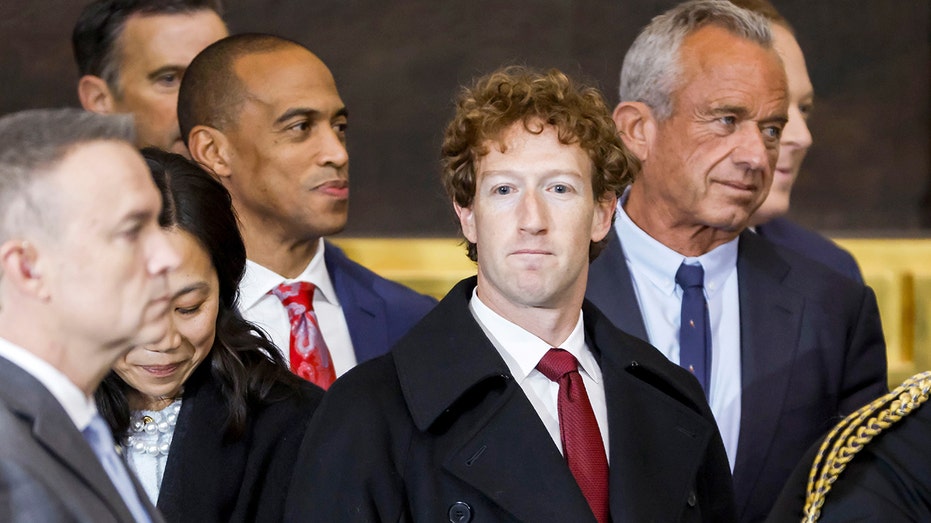
Meta CEO Mark Zuckerberg has overseen aggressive investment in AI and related infrastructure at the tech giant. (Shawn Thew/EPA/Bloomberg via Getty Images)
Last month, Reuters reported that Meta was planning layoffs that could affect 20% or more of its workforce as it looks to offset those costs and improve its efficiency through AI-driven tools.
Meta employed nearly 79,000 at the start of the year.
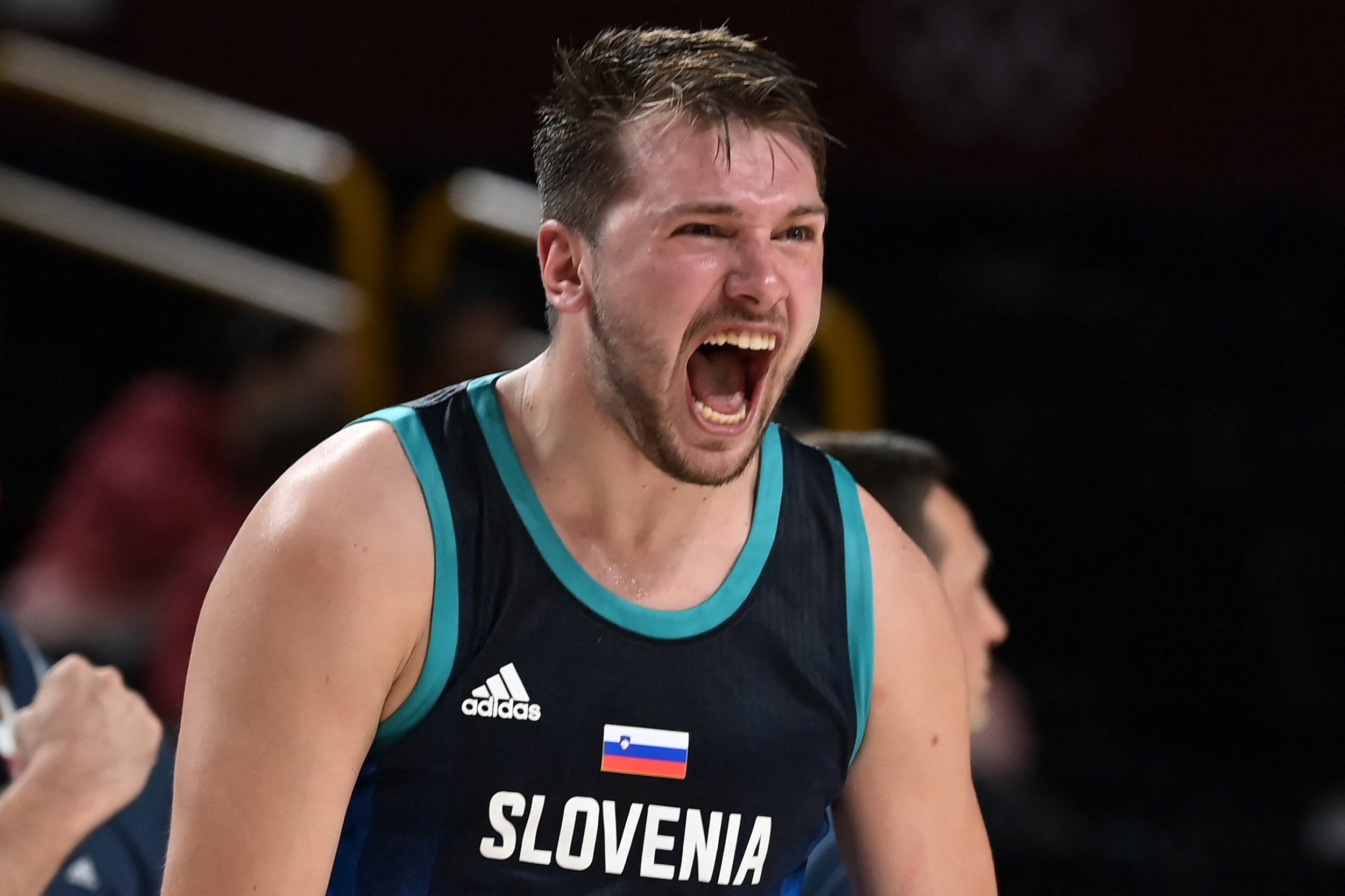
Los Angeles Lakers star Luka Doncic suffered a non-contact left hamstring injury during Thursday night’s blowout loss to the Oklahoma City Thunder, leaving his return timeline unclear as the team awaits results from an MRI scheduled for Friday.
The 27-year-old Slovenian guard, who has been the Lakers’ offensive centerpiece since his mid-season acquisition, exited in the third quarter of the 139-96 defeat after appearing to grab at his hamstring while driving to the basket. He finished with 12 points, four rebounds and seven assists in limited action before heading to the locker room and not returning.
Lakers coach JJ Redick provided a brief update after the game but offered no firm prognosis. “We’ll do an MRI tomorrow on the left hamstring,” Redick said. “We’ll know more in the next 24 to 48 hours. The priority right now is Luka’s long-term health.”
No official number of games or days missed has been announced. Hamstring strains in the NBA are notoriously unpredictable, with recovery times varying widely based on severity. Medical experts and injury analysts suggest a Grade 1 strain could sideline a player one to two weeks, while a Grade 2 strain often requires three to six weeks. More significant tears could mean even longer absences, potentially impacting the Lakers’ playoff positioning and postseason hopes.
This marks the latest in a string of lower-body issues for Doncic this season. He previously dealt with left hamstring soreness in February and March, missing several games before returning to post strong performances, including a 42-point outing against the Cleveland Cavaliers on March 31. The recurring nature of the ailment raises concerns about management and potential re-injury risk if he rushes back.
LeBron James, who has formed a potent partnership with Doncic, expressed immediate concern postgame. “The last thing you want to see is one of your brothers go down like that,” James said. “Luka is our franchise player. He’s been unbelievable since he got here. We’re all pulling for him to be OK.”
The injury occurred in a dismal performance for the Lakers, who fell to third in the Western Conference standings. With the regular season winding down and the playoffs set to begin around mid-April, any extended absence for Doncic could force the team to lean even more heavily on James, Austin Reaves and the supporting cast amid other injury concerns.
Doncic has been one of the league’s most dominant players in 2025-26, averaging near-MVP numbers and elevating the Lakers’ offense with his playmaking, scoring and rebounding. His absence would represent a significant blow to a team built around the James-Doncic duo, especially in a loaded Western Conference where seeding and home-court advantage remain critical.
Hamstring injuries often require careful rehabilitation to avoid setbacks. NBA history shows that players returning too soon from such ailments frequently miss additional time. The Lakers are expected to take a cautious approach with their star, prioritizing long-term availability over short-term gains in the final stretch of the regular season.
Redick emphasized the need for thorough evaluation. “Luka is a tough competitor and has been dealing with some soreness, but we’ll get imaging and know more soon,” he added. Team officials have not ruled out the possibility of Doncic missing multiple weeks, though optimism remains that the injury may not be season-ending.
Fan and analyst reactions poured in quickly on social media, with many expressing worry about the impact on the Lakers’ playoff run. Some pointed to the team’s lack of depth at the guard position as a potential vulnerability if Doncic is sidelined for an extended period. Others noted the physical toll of a long season on high-usage stars like the 27-year-old, who has logged heavy minutes since joining the purple and gold.
The timing adds pressure. The Lakers have navigated injuries throughout the campaign, and losing their dynamic guard now could disrupt momentum heading into the postseason. With games coming quickly, the team must prepare contingency plans, potentially adjusting offensive schemes to feature more pick-and-rolls with James or increased roles for Reaves and others.
Earlier in the season, Doncic powered through similar soreness to deliver standout performances, reminding observers of his resilience. However, repeated hamstring issues can linger and require modified workloads or rest. The upcoming MRI will provide clarity on whether this is a minor aggravation or something more substantial requiring structured rehabilitation.
Medical professionals not affiliated with the team have noted that non-contact hamstring strains in basketball players often stem from explosive movements, fatigue or underlying tightness. Recovery protocols typically include rest, physical therapy, strength training and gradual return-to-play progression under close monitoring.
For the Lakers’ front office and coaching staff, the focus shifts to maintaining competitiveness without their star facilitator. James, at 41, continues to defy age but cannot shoulder the full load indefinitely. The team’s supporting cast will be tested, with calls for “next man up” mentality echoing in the locker room.
League-wide, the injury highlights the physical demands on modern NBA stars. Hamstring strains have sidelined numerous high-profile players in recent seasons, often derailing MVP campaigns or deep playoff runs. Doncic’s case draws extra attention given his central role in Los Angeles’ resurgence.
As of Friday morning, no definitive return date has been set. The Lakers face a quick turnaround with upcoming games that could influence final seeding. Daily updates from the team’s medical staff are expected, with caution likely prevailing to ensure Doncic is fully healthy for any postseason appearance.
Doncic himself has not issued a public statement beyond the on-court events, but his history suggests a strong desire to compete and contribute. In previous setbacks, he has returned motivated and productive once cleared.
The broader implications for the Lakers’ season remain fluid. A short absence of one to two weeks might allow a return before the regular season ends, preserving playoff eligibility and rhythm. A longer timeline of four to six weeks or more could force the team into a different mode, relying on veterans and role players to grind out wins.
Analysts will watch closely how the Lakers adapt. The James-Doncic pairing has been electric when healthy, creating one of the league’s most potent offenses. Without Doncic, spacing, playmaking and scoring punch could suffer, testing the depth built around the roster.
In the immediate term, the MRI results will dictate the narrative. If the imaging shows only mild strain, optimism for a relatively quick return could build. A more severe finding would prompt adjusted expectations and potentially shift focus toward securing the best possible playoff seed with available personnel.
Basketball insiders stress patience with hamstring injuries. Rushing back often leads to compensatory issues or longer overall absences. The Lakers, under Redick’s leadership, have shown a data-driven approach to player management, which could benefit Doncic in this instance.
As the organization awaits more information, the basketball world watches with anticipation. Doncic’s talent has transformed the Lakers since his arrival, and his health will play a pivotal role in how far the franchise can go in 2026.
For now, the answer to how many days or games Luka Doncic will miss remains unknown. The MRI on Friday and subsequent evaluations will provide the clearest picture, shaping the Lakers’ plans for the final weeks of the regular season and beyond.
Fans and followers are advised to monitor official team updates, as speculation will run rampant until concrete details emerge. In the unpredictable world of NBA injuries, caution and thorough assessment remain the guiding principles.
Form 13D/A ON24 INC. For: 3 April

“Price rises since the conflict began have been modest, driven mainly by higher oil prices and cushioned by ample global cereal supplies,” FAO Chief Economist Maximo Torero said in a statement.
But if the conflict lasts over 40 days and input costs remain high, farmers may reduce inputs, plant less, or switch crops to less intensive fertiliser crops, he said. “Those choices will hit future yields and shape our food supply and commodity prices for the rest of this year and all of the next,” he added. The FAO Food Price Index, which measures changes in a basket of globally traded food commodities, rose by 2.4% from its revised February level. It is 1% above its value a year ago, although nearly 20% below its March 2022 peak, reached after the start of the war in Ukraine.
FERTILISER COSTS COULD LEAD TO REDUCED PLANTING
The cereal price index increased by 1.5% from the previous month, led by a 4.3% increase in international wheat prices due to worsening crop prospects in the U.S. and expectations of lower plantings in Australia due to higher fertiliser costs.

Global maize prices edged up as ample global supply offset concerns over fertiliser costs, and indirect support from greater ethanol demand prospects linked to higher energy prices. Rice prices dropped 3.0% due to harvest timing and weaker import demand.

In a war against a country led by Shia Muslim clerics, the US-which has a constitutional separation between church and state-is also invoking religion, with some Trump officials casting it as almost a divine mission.
At the event for Holy Week, when Christians mark the last days of Jesus Christ before the resurrection on Easter, the Reverend Franklin Graham told Trump of the Bible’s Book of Esther in which he said “the Iranians”-a Persian king of contested historical accuracy-ordered the killing of all Jews.
“Today the Iranians, the wicked regime of this government, wants to kill every Jew and destroy them with an atomic fire. But you have raised up President Trump. You’ve raised him up for such a time as this. And Father, we pray that you’ll give him victory,” said Graham, son of famed late evangelist Billy Graham.
Unmentioned, the Persian emperor Cyrus the Great, still revered by Iranians, was the first world leader to grant freedom to the Jews, liberating them from captivity in Babylon.
The story of the Book of Esther has also been repeatedly cited by Israeli Prime Minister Benjamin Netanyahu, who used the occasion of Passover to compare his war alongside Trump to the emancipation of the Jews from Egyptian captivity.
Iran’s government since 1979 has been explicitly rooted in religion, with a top Shia cleric serving as supreme leader.Iran’s military has drawn parallels between their defenses and the Battle of Karbala, the 680 CE battle in which the Prophet Mohammed’s grandson Hussein was killed, an event commemorated by Shia as an act of martyrdom and self-sacrifice in the face of tyranny.
Crusades are back
When George W Bush went to war against Afghanistan’s Taliban after the September 11, 2001 attacks, he called his campaign a “crusade” but quickly backtracked, aware of the historical baggage in the Islamic world of a term often used loosely as a metaphor in the West.
Trump’s defence secretary, Pete Hegseth, has shown no such compunctions. In a 2020 book, he called “American Crusade” in which he called for a “holy war” to rid America of the left.
Among his tattoos are a Jerusalem Cross, a Crusader-era emblem embraced by the far-right, along with the Latin inscription “Deus Vult,” or “God wills it,” a motto for the Crusaders.
If there was any doubt on his views on Muslims, he also has a tattoo that reads “kafir,” or “infidel,” in Arabic. AFP
Business
Cristiano Ronaldo Gives Major Injury Update As 2026 World Cup Hopes Boosted For Al Nassr Star
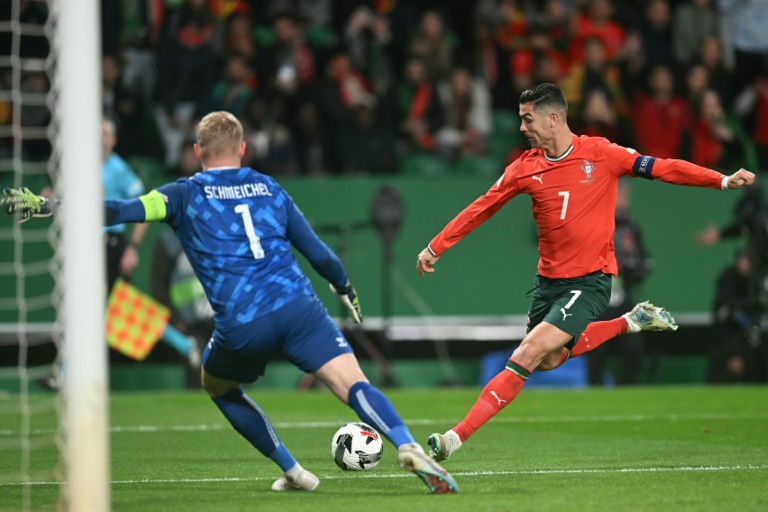
Cristiano Ronaldo has delivered a reassuring update on his recovery from a hamstring injury, posting on social media that he is “getting better every day” as he steps up rehabilitation and edges closer to a return with Al Nassr.
The 41-year-old Portuguese superstar sustained the right hamstring muscle injury on Feb. 28 during Al Nassr’s Saudi Pro League match against Al Fayha, forcing him to limp off in the 81st minute of a 3-1 victory. The club initially described the issue as requiring daily evaluation, with Ronaldo beginning a tailored rehabilitation program that included time in Madrid for specialized treatment.
Ronaldo has been sidelined for more than a month, missing several league fixtures and Portugal’s March international friendlies against Mexico and the United States. His absence sparked concern among fans about his fitness ahead of the 2026 FIFA World Cup, where he is widely expected to lead the national team in what could be his final major tournament appearance.
In a social media post shared in late March, Ronaldo posted images and videos of himself performing targeted leg exercises and gym work, accompanied by the message “Getting better every day.” The positive tone helped calm speculation about a prolonged layoff or potential threat to his World Cup participation.
Portugal coach Roberto Martinez moved quickly to downplay any long-term worries. “No, he’s not in danger. It’s a minor muscle injury, and we think he can return in a week or two,” Martinez told reporters when announcing the squad for the March friendlies. “Everything Cristiano has done physically this season shows that he’s in great shape.” Martinez emphasized that Ronaldo’s place in the Portugal setup remains secure and that the injury would not jeopardize his availability for the 2026 World Cup in North America.
Recent updates from Al Nassr indicate steady progress. The club has released images and videos showing Ronaldo back at training facilities in Riyadh, initially completing individual sessions before transitioning toward full group integration. Reports suggest he has already participated in some collective drills, positioning him as a potential option for Al Nassr’s upcoming Saudi Pro League match against bottom-placed Al Najma on or around April 3.
Al Nassr manager Jorge Jesus has confirmed that both Ronaldo and teammate Sadio Mane, who has been dealing with his own minor fitness concerns, are expected to return after the international break. The club’s schedule adjustments in the 2025-26 season have provided additional recovery time, which medical staff have used to ensure a cautious but effective return.
At 41, Ronaldo continues to defy typical age-related decline, maintaining elite physical conditioning that has allowed him to score prolifically even in the demanding Saudi Pro League. This latest hamstring issue echoes previous muscle problems throughout his career, but the current prognosis remains optimistic given the minor classification and his disciplined rehabilitation approach.
Medical experts note that hamstring strains in veteran athletes require careful management to prevent recurrence, especially with the high-intensity demands of modern football. Ronaldo’s recovery has involved a combination of rest, targeted strength work, mobility exercises and gradual reintroduction to football-specific movements. His history of successful comebacks from more severe injuries, including multiple knee and ankle issues, adds confidence that he can return to full match fitness without long-term complications.
The injury forced Ronaldo to miss Portugal’s March window, but the national team navigated the friendlies without him, maintaining focus on squad depth ahead of World Cup qualifiers and preparations. Martinez has consistently praised Ronaldo’s leadership and professionalism, stating that the captain’s experience remains invaluable regardless of short-term fitness setbacks.
For Al Nassr, Ronaldo’s absence has been felt in attack, though the team has managed to stay competitive in the league standings under Jesus. The Saudi Pro League title race remains tight, and Ronaldo’s potential return could provide a timely boost as the campaign enters its decisive phase. Speculation about an April 3 comeback against Al Najma has grown, though the club has not confirmed an exact date to avoid rushing the player.
Ronaldo’s social media activity has played a key role in managing public perception. By sharing glimpses of his gym sessions and expressing a positive mindset, he has reassured millions of fans worldwide while maintaining focus on the recovery process. The five-time Ballon d’Or winner has long emphasized mental resilience alongside physical training, a philosophy that appears central to his current rehabilitation.
Broader discussions have centered on Ronaldo’s longevity and ambitions for the 2026 World Cup. At an age when most players have retired, Ronaldo continues to chase records and silverware, including his first major trophy with Al Nassr. The hamstring setback, while inconvenient, has not altered his stated goal of representing Portugal at the expanded 48-team tournament co-hosted by the United States, Canada and Mexico.
Portugal’s path to the World Cup remains strong, and Ronaldo’s place as captain and all-time leading scorer for the national team is undisputed. Analysts suggest that even a limited return in April would allow sufficient time for him to regain sharpness before the tournament, provided no further setbacks occur.
As recovery continues, Ronaldo has been spotted training with high intensity in controlled environments. Reports from Saudi media indicate he has completed the final stages of rehabilitation and could be available for selection sooner rather than later, subject to medical clearance and coaching decisions.
The football world watches closely. Ronaldo’s influence extends far beyond the pitch, with his work ethic inspiring younger players and his commercial appeal remaining unmatched. Sponsors and fans alike hope for a swift and complete recovery that allows him to continue performing at the highest level.
Al Nassr faces a busy fixture list in April, and Jesus must balance Ronaldo’s reintegration with the need to protect him from re-injury. A gradual return — perhaps as a substitute initially — would align with best medical practices for hamstring issues.
For now, the narrative around Ronaldo has shifted from concern to cautious optimism. His “getting better every day” message, combined with Martinez’s assurances and visible training progress, suggests the setback will prove temporary. Whether he features against Al Najma or in subsequent matches remains to be confirmed, but signs point to a mid-to-late April availability if all goes according to plan.
Ronaldo’s career has been defined by remarkable resilience, from early breakthroughs at Sporting CP and Manchester United to dominance at Real Madrid and Juventus, and now his chapter in Saudi Arabia. This latest chapter in injury management reinforces his reputation as one of football’s most dedicated professionals.
As April begins and the 2026 World Cup draws nearer, Ronaldo’s focus remains clear: recover fully, return strongly and continue chasing greatness. Fans, teammates and coaches share the same hope — that the hamstring strain becomes nothing more than a brief interruption in an extraordinary journey.

Prae_Studio/iStock via Getty Images

By James Knightley, Chief International Economist, US
Strong growth, but with a lack of breadth
The headlines from the March US jobs report are good. Non-farm payrolls were up 178,000, well ahead of the 65,000 consensus estimate

Shop security guards should carry truncheons to tackle crime, Iceland boss says
Form 13D/A Repay Holdings Corp For: 3 April

Ethereum L2s Urged to Adopt Responsive Pricing Model


-

 NewsBeat1 day ago
Steven Gerrard disagrees with Gary Neville over ‘shock’ Chelsea and Arsenal claim | Football
-

 Sports7 days ago
Sweet Sixteen Game Thread: Tide vs Michigan
-
Entertainment4 days ago
Fans slam 'heartbreaking' Barbie Dream Fest convention debacle with 'cardboard cutout' experience
-

 Business22 hours ago
No Jackpot Winner and $194 Million Prize Rolls Over
-

 Crypto World2 days ago
Gold Price Prediction: Worst Month in 17 Years fo Save Haven Rock
-
 Entertainment6 days ago
Lana Del Rey Celebrates Her Husband’s 51st Birthday In New Post
-

 Tech5 days ago
The Pixel 10a doesn’t have a camera bump, and it’s great
-
Crypto World3 days ago
Dems press CFTC, ethics board on prediction-market insider trades
-

 Tech5 days ago
Avatar Legends: The Fighting Game comes out in July and it looks pretty slick
-

 Sports3 days ago
Tallest college basketball player ever, standing at 7-foot-9, entering transfer portal
-

 Tech4 days ago
EE TV is using AI to help you find something to watch
-

 Fashion3 hours ago
Weekend Open Thread: Spanx – Corporette.com
-

 Fashion6 days ago
Amazon Sundays: Soft Spring Layers
-

 Business2 days ago
Login and Checkout Issues Spark Merchant Frustration
-

 Fashion7 days ago
When Evening Dressing Gets Colorful for Spring
-

 Tech5 days ago
Elon Musk’s last co-founder reportedly leaves xAI
-

 Tech3 days ago
How to back up your iPhone & iPad to your Mac before something goes wrong
-

 Tech4 days ago
Apple will hide your email address from apps and websites, but not cops
-

 Politics4 days ago
Should Trump Be Scared Strait?
-

 Crypto World4 days ago
U.S. rule change may open trillions in 401(k) funds to crypto
You must be logged in to post a comment Login