

Business
(VIDEO) Iran Appoints Ayatollah Alireza Arafi to Leadership Following Death of Ayatollah Ali Khamenei

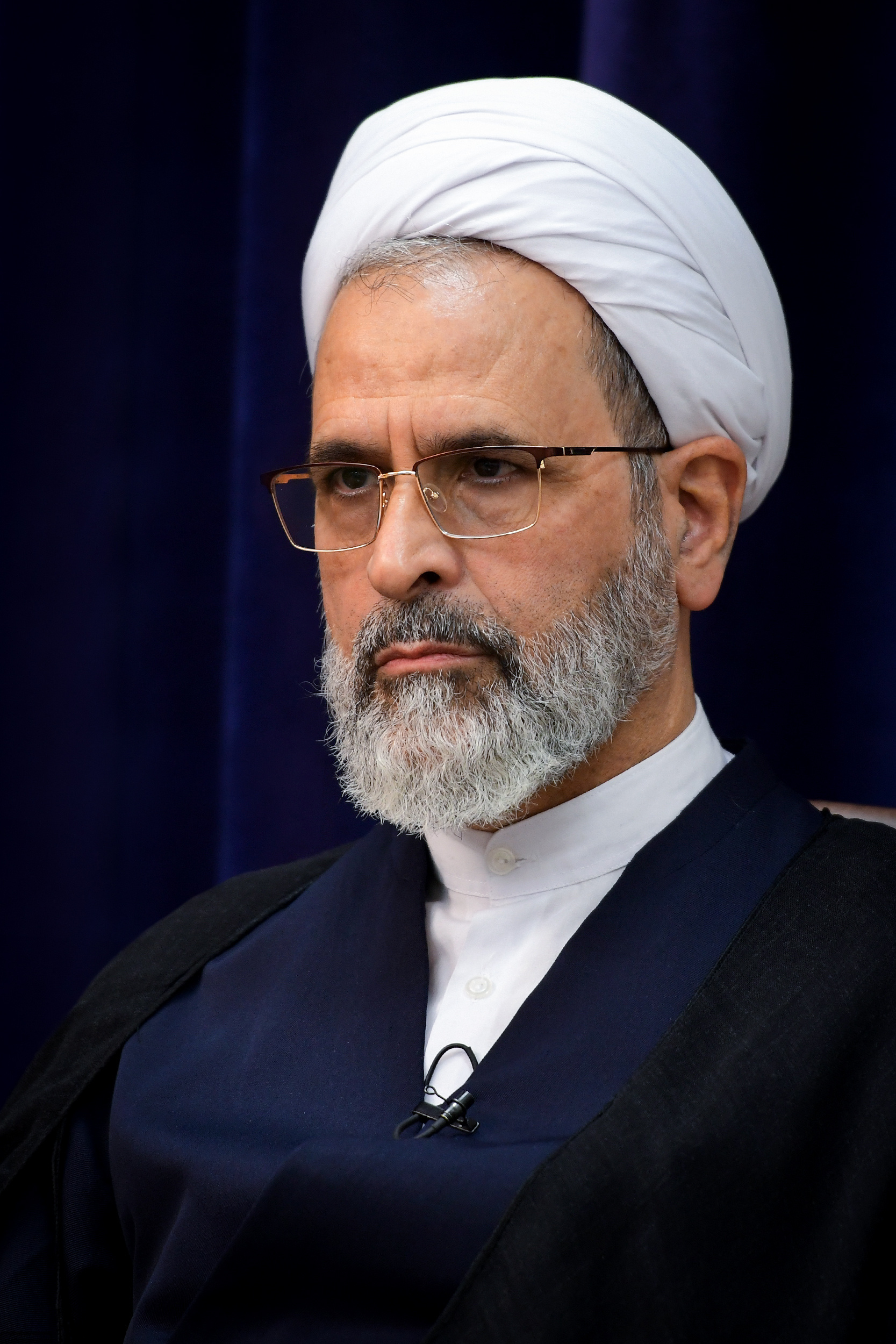
Iran’s political establishment moved swiftly Sunday to stabilize the regime after the killing of Supreme Leader Ayatollah Ali Khamenei in a joint U.S.-Israeli military operation, appointing senior cleric Ayatollah Alireza Arafi as the jurist member of a temporary Leadership Council tasked with fulfilling the supreme leader’s duties during the transition.
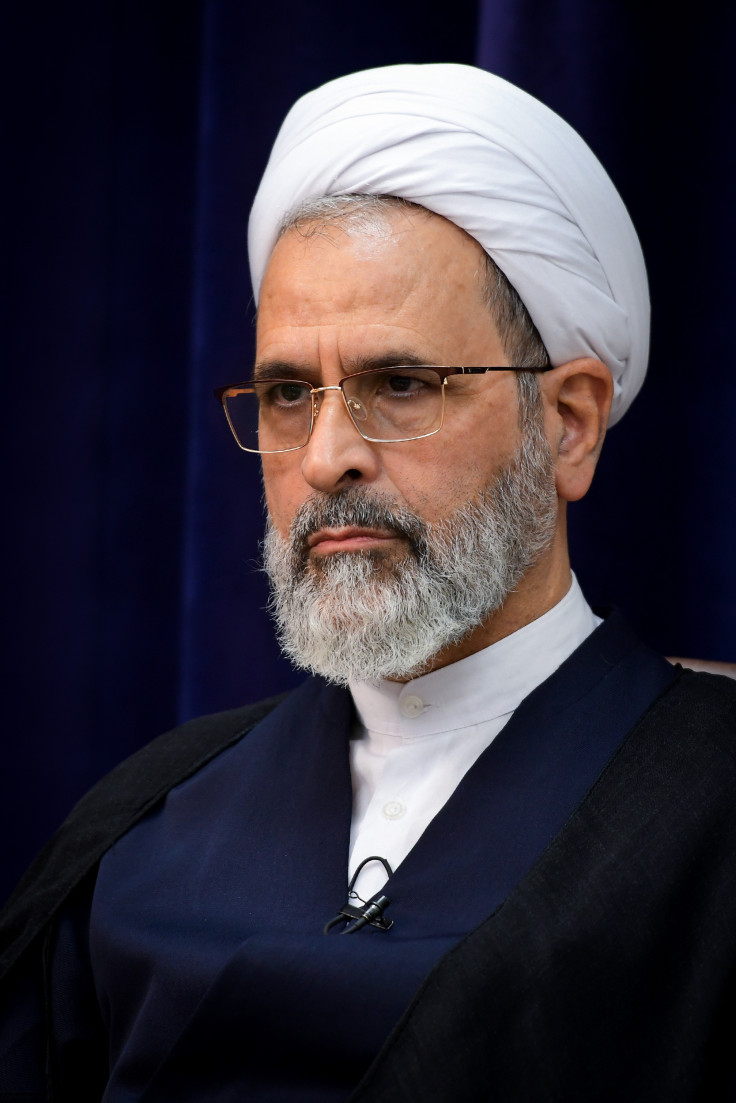
The Expediency Discernment Council elected Arafi to the three-member interim body, which also includes President Masoud Pezeshkian and Chief Justice Gholamhossein Mohseni Ejei, according to state media reports from ISNA and IRNA. The council, formed under Article 111 of Iran’s constitution, will oversee state affairs until the Assembly of Experts—an 88-member clerical body—selects a permanent successor.
Khamenei, 86, who had ruled Iran since 1989, was killed late Saturday in airstrikes on Tehran as part of an ongoing U.S.-Israeli campaign targeting key regime figures and infrastructure. Iranian state television confirmed his death early Sunday, prompting 40 days of national mourning and vows of revenge from officials. President Pezeshkian condemned the strike as “a great crime” and pledged retaliation as a “legitimate right and duty.”
The appointment of Arafi, a 67-year-old cleric and close confidant of the late supreme leader, signals an emphasis on institutional continuity amid escalating conflict. Arafi serves as a member of the powerful Guardian Council, which vets legislation and election candidates, and heads Iran’s nationwide Islamic seminary system. He is also deputy chairman of the Assembly of Experts and previously led Al-Mustafa International University, an institution focused on exporting revolutionary ideology through clerical training.
Analysts describe Arafi as a bureaucratic insider with strong ties to the clerical establishment rather than a hardline military figure or populist. His selection to the interim council positions him prominently in the succession process, though the final decision rests with the Assembly of Experts, which could convene in the coming days or weeks.
The Leadership Council’s formation came hours after Khamenei’s death was announced, with expediency council spokesman Mohsen Dehnavi confirming Arafi’s election via a post on X. The body is expected to manage critical functions, including military command oversight and foreign policy decisions, while avoiding major constitutional changes during the interim period.
The strikes that killed Khamenei marked a dramatic escalation in the long-running shadow war between Iran, the United States and Israel. U.S. President Donald Trump indicated on Truth Social that the operation, supported by Israel, targeted the supreme leader as part of efforts to confront the regime’s nuclear ambitions and regional proxy activities. Israel has continued airstrikes on Tehran and other sites Sunday, with reports of renewed attacks “in the heart of the capital.”
Iranian officials have framed Khamenei’s killing as an act of “state terrorism,” with state media broadcasting images of mourning crowds in Tehran and other cities. A state television presenter was seen crying while reading the official announcement of the supreme leader’s martyrdom.
The transition occurs against a backdrop of heightened regional tensions. Iran-backed militias in Iraq, Lebanon and Yemen have threatened reprisals, while Russia condemned the killing as a “cynical murder” violating international norms. Iraq announced three days of mourning in solidarity.
Under Iran’s system, the supreme leader holds ultimate authority over the armed forces, judiciary and key policy areas, making the interim council’s role crucial for maintaining regime cohesion. The Assembly of Experts, last elected in 2024, is dominated by hardliners vetted by the Guardian Council—Arafi’s own body—raising expectations that the successor will align with the current ideological framework.
Potential long-term candidates include figures like Mojtaba Khamenei, the late leader’s son, though he lacks broad clerical credentials. Other names floated in pre-crisis speculation include Arafi himself, given his institutional leverage, and judiciary head Mohseni Ejei, though the latter’s status remains unconfirmed amid conflicting reports.
Arafi’s background includes fluency in Arabic and English, along with administrative experience that experts say could help navigate the crisis. His appointment to senior roles under Khamenei demonstrated trust in his loyalty and competence, according to Middle East Institute analysis.
As fighting continues, the Leadership Council faces immediate challenges: coordinating defenses against further strikes, managing public outrage and ensuring IRGC and Basij forces remain unified. Arafi, who has headed aspects of the Basij paramilitary in past roles, may play a key part in internal security.
The regime has emphasized stability, with security chief Ali Larijani pledging a swift transition to demonstrate resilience. Yet the unprecedented nature of a supreme leader’s assassination in wartime raises questions about long-term viability, with some analysts warning of potential factional struggles or public unrest.
For now, the focus remains on the interim council’s leadership. Arafi’s elevation positions a seasoned clerical administrator at the center of Iran’s response to what state media calls a “Zionist-American conspiracy.”
As mourning rituals begin and military exchanges persist, the world watches to see whether the Islamic Republic can weather the loss of its longest-serving leader since the 1979 revolution.

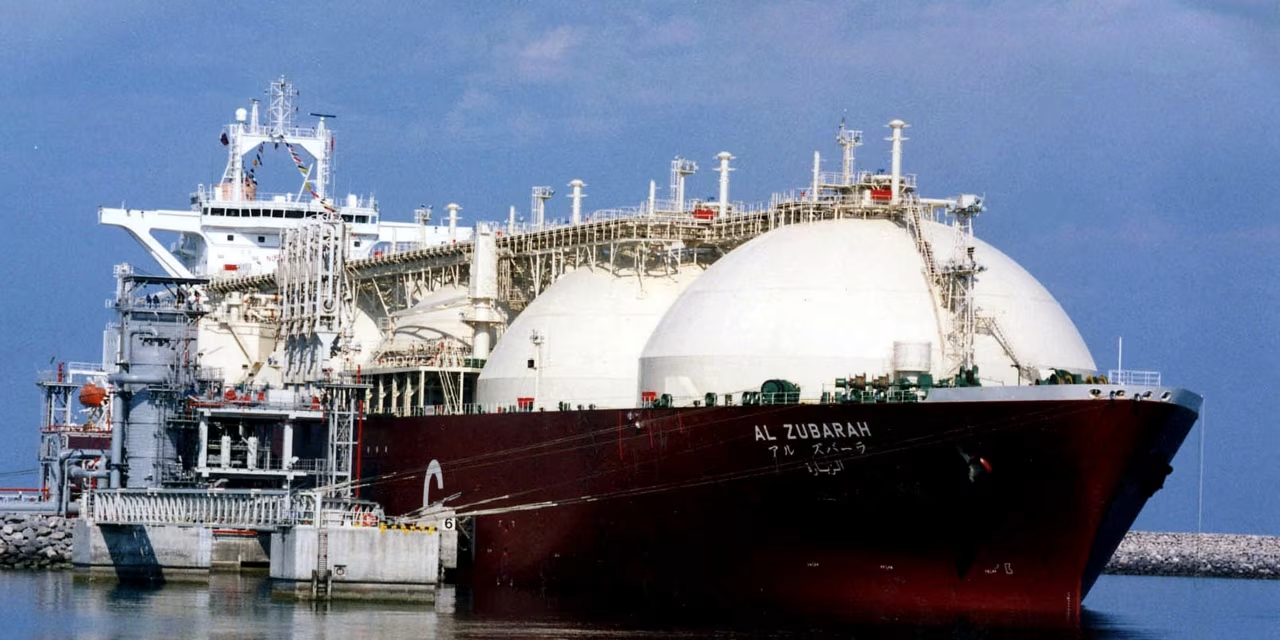
U.S. and Israeli strikes against the Iranian regime and military threaten to upend the global oil market and send shock waves through the world economy.
The government of Qatar, one of the world’s biggest exporters of liquefied natural gas, urged shipowners to suspend maritime activities. Dozens of tankers diverted from the Persian Gulf in the early hours of the conflict. The U.S. Navy advised tanker companies to avoid nearby waters because it couldn’t guarantee their safety, according to an alert from an industry body.
Copyright ©2026 Dow Jones & Company, Inc. All Rights Reserved. 87990cbe856818d5eddac44c7b1cdeb8


Safe haven Japanese yen and Swiss franc gain after weekend Iran strikes
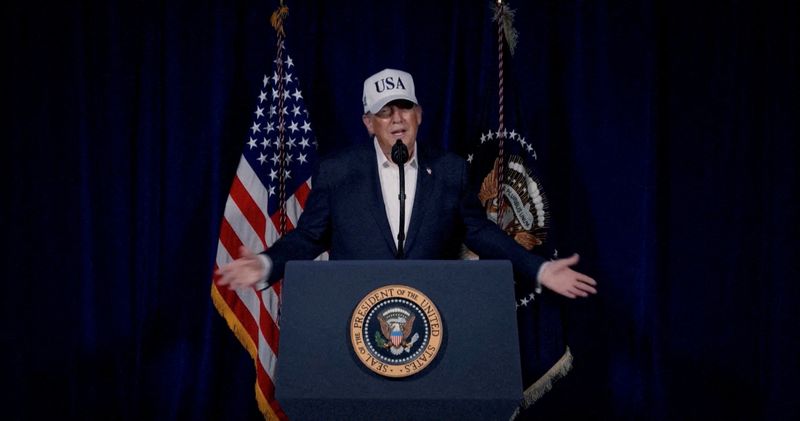

US is sinking Iran’s Navy, Trump says

MCCAIG/iStock via Getty Images
Market Overview
US equities advanced in the fourth quarter, registering a sizable return for 2025. Markets were bolstered by robust corporate earnings, resilient consumer spending, and solid economic growth, although anxiety about lofty valuations in the technology sector and concerns
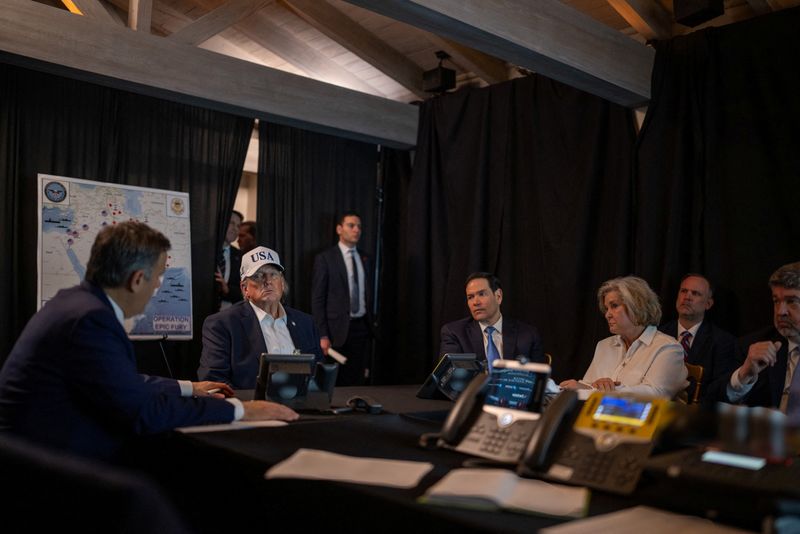

Just one in four Americans support US strikes on Iran, Reuters/Ipsos poll finds

Rhythm reports positive Phase 3 data for hypothalamic obesity drug
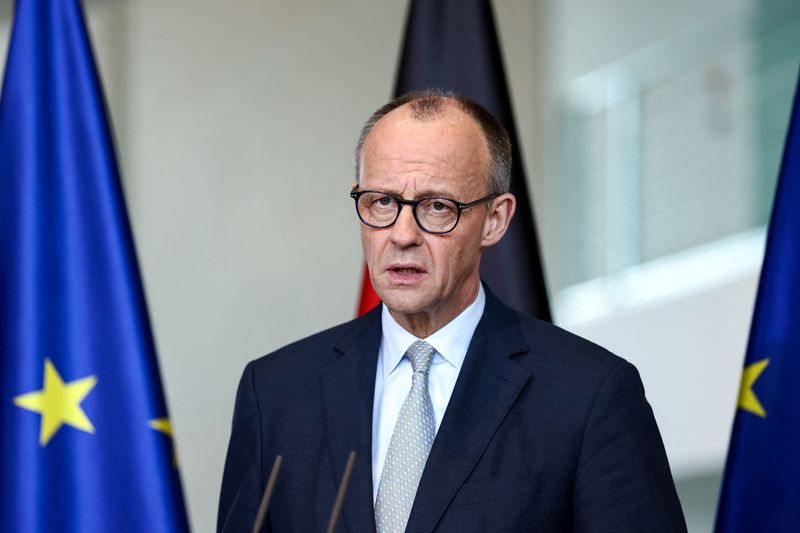

Germany’s Merz calls for plan for ’day after’ in Iran
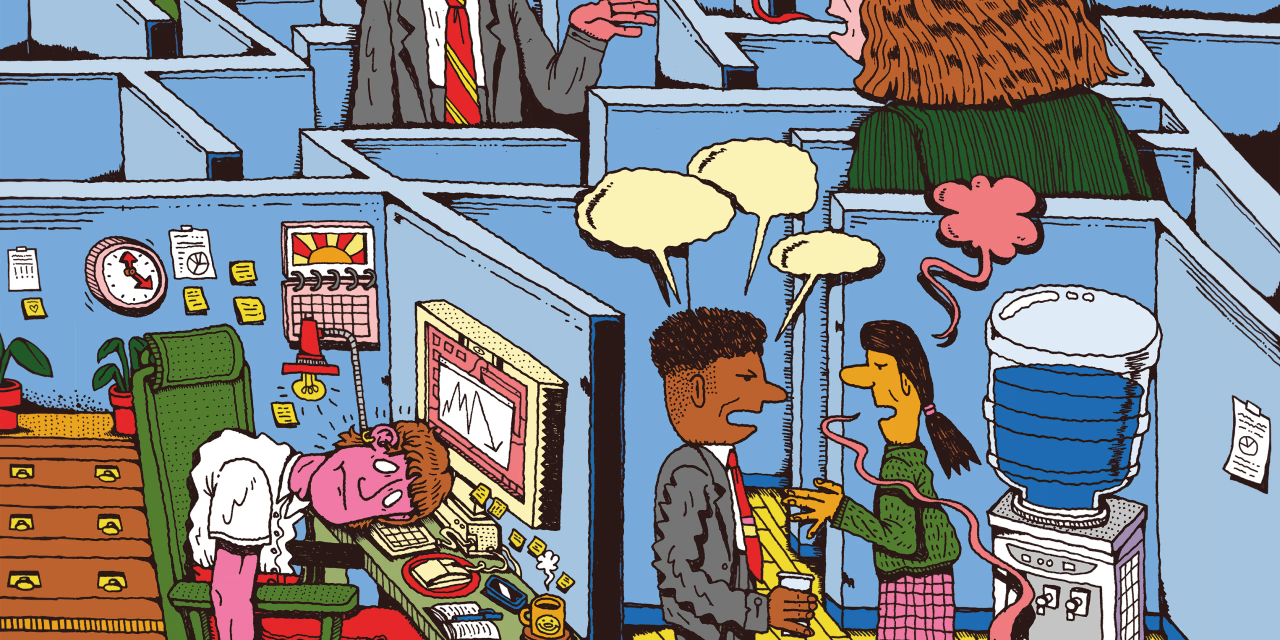
The workplace can be a tricky place to navigate. Almost everything we do at work—identifying the experts, managing tough feedback from a boss, figuring out how to work in teams made up of different personalities—comes down to our ability to manage relationships. And to do so, we need savvy social skills.
Most employees acquire those skills over time—by learning from their nonwork relationships, watching how colleagues behave in the office, and by seeing what happens when they stumble in their own workplace interactions.
Copyright ©2026 Dow Jones & Company, Inc. All Rights Reserved. 87990cbe856818d5eddac44c7b1cdeb8

Golden Heaven Group announces $18 million private placement and warrant amendment
Available for 29 days
Professor Ha-Joon Chang is inspired by his passion for food to reflect on why economics matters – or, as he puts it, “a hungry economist explains the world”.
Omnibus of five episodes, where he zooms in on familiar foods:
* Garlic
* Bananas
* Okra
* Rye
* Chocolate
He uses the histories behind each – where they come from, how they’re cooked and consumed and what they mean to different cultures – to explore economic theories.
Witty and thought-provoking, Professor Chang sets out to challenge ideas about the free-market economy which he believes have been too easily accepted for decades.
Read by Arthur Lee.
*** Professor Ha-Joon Chang teaches economics at SOAS University of London, and is one of the world’s leading economists. His books include Economics: The User’s Guide, Bad Samaritans and 23 Things They Don’t Tell You About Capitalism.
*** Reader Arthur Lee is a British actor of Korean descent who made his international debut on HBO Cinemax’s Strike Back in 2015 and who recently appeared in Doctor Who. Arthur grew up mostly in London, but also spent several years in South Korea advancing his knowledge of Korean language and culture.
Abridged and produced by Elizabeth Burke
Executive Producer: Jo Rowntree
A Loftus Media production for BBC Radio 4, first broadcast in September 2022.

Zack Polanski shows how responsible leadership should be done

Gin Twist shines at Flemington in 2026 after straight preparation

The Biggest Crypto Trap I’ve Ever Seen


-

 Sports6 days ago
Women’s college basketball rankings: Iowa reenters top 10, Auriemma makes history
-

 Fashion2 days ago
Weekend Open Thread: Iris Top
-

 Politics6 days ago
Nick Reiner Enters Plea In Deaths Of Parents Rob And Michele
-

 Business5 days ago
True Citrus debuts functional drink mix collection
-

 Politics3 days ago
ITV enters Gaza with IDF amid ongoing genocide
-

 Tech15 hours ago
Unihertz’s Titan 2 Elite Arrives Just as Physical Keyboards Refuse to Fade Away
-
Sports2 days ago
The Vikings Need a Duck
-

 Crypto World5 days ago
XRP price enters “dead zone” as Binance leverage hits lows
-

 Tech5 days ago
Unsurprisingly, Apple's board gets what it wants in 2026 shareholder meeting
-
 NewsBeat1 day ago
Dubai flights cancelled as Brit told airspace closed ’10 minutes after boarding’
-

 NewsBeat4 days ago
Cuba says its forces have killed four on US-registered speedboat | World News
-
 NewsBeat1 day ago
The empty pub on busy Cambridge road that has been boarded up for years
-
 NewsBeat4 days ago
Manchester Central Mosque issues statement as it imposes new measures ‘with immediate effect’ after armed men enter
-

 NewsBeat5 hours ago
‘Significant’ damage to boarded-up Horden house after fire
-
 NewsBeat6 days ago
‘Hourly’ method from gastroenterologist ‘helps reduce air travel bloating’
-

 NewsBeat22 hours ago
Abusive parents will now be treated like sex offenders and placed on a ‘child cruelty register’ | News UK
-
 NewsBeat5 days ago
Police latest as search for missing woman enters day nine
-

 Business4 days ago
Discord Pushes Implementation of Global Age Checks to Second Half of 2026
-

 Business3 days ago
Only 4% of women globally reside in countries that offer almost complete legal equality
-
 Sports6 days ago
2026 NFL mock draft: WRs fly off the board in first round entering combine week