Business
(VIDEO) Israel Strikes Iranian Fuel Depots in Tehran, Netanyahu Vows ‘Many Surprises’

Israeli airstrikes targeted fuel storage facilities in and around Tehran late Saturday, March 7, 2026, igniting massive fires at oil depots and marking the first direct attacks on Iran’s energy infrastructure since the U.S.-Israeli campaign against Iran began on February 28. The strikes escalated the conflict into its second week, with Israeli Prime Minister Benjamin Netanyahu promising “many surprises” in the coming phase as both sides traded blows across the region.

The Israel Defense Forces (IDF) confirmed responsibility for hitting “several fuel storage complexes” affiliated with Iran’s Islamic Revolutionary Guard Corps (IRGC) in the Iranian capital. Footage from social media and verified by outlets including CNN and Al Jazeera showed towering flames and thick black smoke rising over northeastern and western Tehran, including the Shahran oil depot on the city’s outskirts. Burning oil reportedly spilled into drainage systems, creating rivers of fire along streets like Koohsar Boulevard and prompting emergency responses from Iranian firefighters.
The National Iranian Oil Refining and Distribution Company acknowledged attacks on depots in Tehran and Alborz provinces, reporting fires contained but no immediate casualty figures released. The IDF described the targets as military-linked fuel sites used to support Iran’s armed forces, part of a broader effort to degrade Tehran’s retaliatory capabilities after earlier waves focused on missile bases, nuclear-related facilities and leadership compounds.
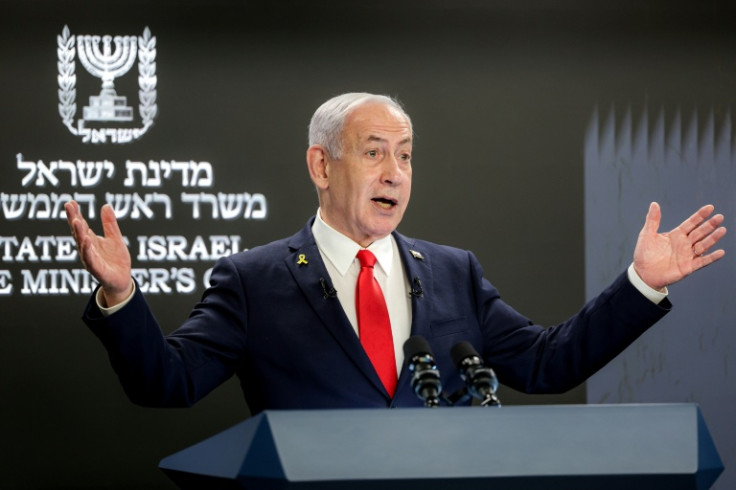
Netanyahu addressed the nation amid the strikes, vowing intensified operations. “We will deliver many surprises in the next phase,” he said, according to reports from Dubai and Jerusalem. The comments followed U.S. President Donald Trump’s Truth Social post warning that “today Iran will be hit very hard,” rejecting any deal short of unconditional surrender.
Iran responded swiftly. The IRGC announced strikes on Israel’s Haifa oil refinery using Khaibar Shekan ballistic missiles, with videos showing smoke and flames at the facility, Israel’s largest operated by the Bazan Group. Sirens blared across northern Israel as the attack targeted critical energy infrastructure in retaliation. Iranian officials claimed the Haifa hit caused significant damage, though Israeli authorities reported containment efforts underway without confirming extent.
The tit-for-tat energy strikes highlighted the war’s expanding scope. Earlier phases saw joint U.S.-Israeli operations—dubbed Operation Roaring Lion—decimate much of Iran’s ballistic missile program, navy assets and senior leadership, including the killing of Supreme Leader Ayatollah Ali Khamenei on February 28. Satellite imagery confirmed damage to missile bases in provinces like Esfahan, Yazd and Hormozgan, with the International Atomic Energy Agency noting limited impacts on nuclear sites such as Natanz entrances but no major radiological effects.
Iran’s retaliatory barrages have hit Gulf neighbors, including a drone strike on a Bahraini water desalination plant and missiles intercepted over Saudi Arabia. In Kuwait, a government building caught fire amid reported Iranian drone activity, killing two. Hezbollah, Iran’s key proxy, claimed attacks on Israeli positions in northern Israel and southern Lebanon, urging evacuations south of the border. Israeli Defense Minister Israel Katz rejected calls for northern residents to flee, stating reinforced units would prevent displacement.
The conflict has disrupted regional shipping, with threats to the Strait of Hormuz raising global oil prices. Analysts warn prolonged attacks on energy assets could push crude toward $150 per barrel, exacerbating inflation and straining economies worldwide. The BBC examined potential spikes in food and fuel costs due to disrupted Gulf routes and production halts.
As of March 8, 2026, the war shows no signs of de-escalation. U.S. and Israeli forces maintain air superiority over Tehran, conducting “continuous powerful strikes” with direct overflights rather than standoff munitions. Iran claims hundreds of U.S. casualties in counterstrikes on bases like Al Dhafra in the UAE and Bahrain’s Fifth Fleet headquarters, though unverified.
Regional spillover grows. Lebanon faces intensified Israeli operations against Hezbollah, displacing hundreds of thousands. IRGC officers reportedly flee Beirut amid pressure. Gulf states express reluctance to deepen involvement, with Riyadh intercepting Iranian projectiles.
Netanyahu’s “surprises” pledge suggests further escalation targeting remaining Iranian capabilities. Trump reiterated no negotiations absent surrender, framing the campaign as dismantling Iran’s nuclear and missile threats.
The war, now in its ninth day, has reshaped Middle East dynamics. With energy infrastructure in crosshairs and proxies active, risks of broader confrontation rise. International calls for restraint persist, but military momentum favors continued operations as both sides dig in.
Global markets monitor closely, with oil volatility and supply fears dominating headlines. As strikes light up nights in Tehran and Haifa, the path to resolution remains elusive amid vows of intensified action.
