
Business
(VIDEO) Lee Jung-Hoo Blasts Second Spring Training Home Run, Caps Strong Tuneup Ahead of 2026 MLB Season


San Francisco Giants outfielder Lee Jung-hoo launched his second home run of spring training Wednesday, delivering a three-run shot in an exhibition game that further boosted expectations for the 27-year-old South Korean star heading into the 2026 regular season.
The blast came against a New York Yankees pitcher in the latest tuneup contest, capping a red-hot exhibition stretch for Lee as the Giants prepare for Opening Day. Lee, who shifted from center field to right field this spring following the addition of Harrison Bader, went deep for the second time in recent exhibition play while continuing to show consistent contact and power at the plate.
Manager Bob Melvin praised Lee’s approach after the game, noting the outfielder’s ability to drive the ball to all fields and his smooth transition to the corner outfield spot. “He’s been locked in since coming back from the World Baseball Classic,” Melvin said. “The bat speed is there, the confidence is building, and he’s giving us exactly what we hoped when we signed him.”
Lee signed a six-year, $113 million contract with the Giants before the 2024 season, bringing high expectations as one of the top hitters from South Korea’s KBO League. After a solid but injury-interrupted rookie year and a more challenging 2025 campaign marked by defensive adjustments and modest power output, the 2026 spring has offered encouraging signs of a rebound.

In limited exhibition action, Lee has posted a batting average well above .400 with multiple extra-base hits, including the pair of home runs. The latest three-run homer extended a strong run that included a solo shot in the final game against the Cleveland Guardians on March 22, where he went 2-for-3 with an RBI and two runs scored. That performance helped the Giants secure a 10-7 victory and closed out spring training on a high note.
The Giants have been pleased with Lee’s overall preparation. After captaining South Korea at the 2026 World Baseball Classic, where he contributed key hits and defensive plays despite the team’s quarterfinal exit, Lee returned to camp focused and productive. He has avoided strikeouts in several outings and shown improved plate discipline, drawing walks while punishing mistakes from opposing pitchers.
Defensively, the move to right field appears to suit Lee’s strong arm and athleticism. Previously graded below average in center field during 2025, Lee has adapted quickly to the new position, with the Giants citing Oracle Park’s dimensions and the need for better overall outfield balance. Bader, a former Gold Glove winner, is expected to handle center, allowing Lee to focus on his bat while still contributing with his glove.
As the Giants open the 2026 season Thursday against the Pittsburgh Pirates at Oracle Park, Lee is projected to bat near the top of the order and see regular playing time in right field. The club views him as a key piece in a lineup that includes veterans and young talent aiming to contend in the National League West.
Lee’s journey from KBO stardom with the Kiwoom Heroes to Major League Baseball has been closely followed in South Korea, where he remains a national figure nicknamed the “Grandson of the Wind” for his speed and graceful style. Fans back home have celebrated his recent home runs, with Korean media highlighting the power display as a positive indicator after some critics questioned his power translation to MLB.
In 2025, Lee batted around .266 with eight home runs in a full season, showing contact skills but falling short of the 20-plus homer potential some projected upon his arrival. Injuries and adjustment to American pitching contributed to the modest output, but this spring’s results — including the back-to-back exhibition homers — suggest improved timing and strength.
Giants general manager Zack Minasian has expressed confidence in Lee’s development. “He’s a professional hitter with elite bat-to-ball skills,” Minasian said earlier in camp. “We’re seeing the power emerge more consistently now, and the work he’s put in defensively shows his commitment to helping the team win.”
The 2026 season brings new dynamics for Lee and the Giants. With a full healthy camp and the positional shift, expectations have risen for the outfielder to post career-best numbers in hits, extra-base production and on-base percentage. Analysts project him as a potential .280-.300 hitter with double-digit homers and solid run production if he stays healthy over 150-plus games.
Teammates have taken notice of Lee’s work ethic. Veterans have commended his preparation and positive attitude, especially during the transition to right field. Lee himself has downplayed individual stats, emphasizing team goals and enjoyment of the game.
“Every day I try to get better and help the team,” Lee said through an interpreter after one recent game. “The home runs feel good, but winning is what matters most.”
As spring training concludes, the Giants appear optimistic about their outfield and overall roster. Lee’s hot streak provides a timely boost heading into a competitive division that includes the defending champion Los Angeles Dodgers and other strong contenders.
For Lee, the second exhibition home run serves as another building block. Whether it translates into sustained success in the regular season remains to be seen, but the early signs point to a motivated player ready to make his mark in year three of his MLB journey.
The Giants open the season with high hopes, and Lee Jung-hoo’s recent power display has fans and analysts alike eager to see what the South Korean star can deliver once the games begin to count.


1518 ET – Oil futures fall with Brent settling under $100 a barrel as President Trump postpones threatened attacks on Iranian energy infrastructure, citing positive dialogue with Iran. Iran’s denial it’s in talks with the U.S. tempered early losses. “The markets continue to interpret the conflicting headlines as an indication that we are closer to an end than we were on Friday, but apprehension remains high,” Arlan Suderman of StoneX says in a note. Parties to the conflict are operating on both the battleground front and the public opinion front, he says. “This is all part of what we call the ‘fog of war’ when one has to take everything one hears with a grain of salt, focusing on actual developments.” WTI settles down 10% at $88.13 a barrel and Brent falls 11% to $99.94, their lowest closes since March 11. (anthony.harrup@wsj.com)
Oil Futures Stem Decline As Supply Issues Remain
Oil futures are lower but with Brent holding above $100 a barrel as initial optimism about President Trump’s postponement of threatened attacks on Iranian energy facilities wanes. “It appears that the possibility of a strong Iranian response to the U.S. threats was enough to prompt Trump’s latest decision,” Ritterbusch & Associates says in a note. “A prompt reopening of the Strait of Hormuz remains questionable as will the volume of tanker traffic capable of proceeding through the strait in the coming weeks.” WTI is down 7.1% at $91.25 a barrel and Brent is down 7.8% at $103.41.
Copyright ©2026 Dow Jones & Company, Inc. All Rights Reserved. 87990cbe856818d5eddac44c7b1cdeb8
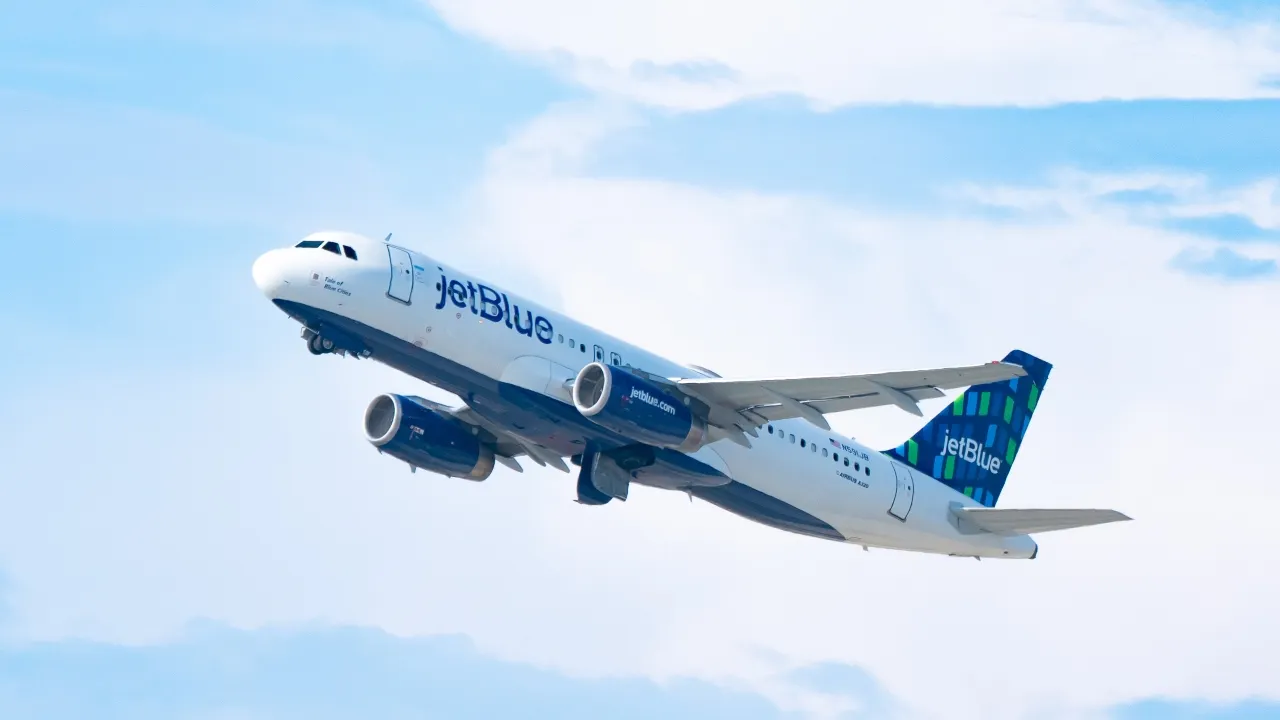
JetBlue passenger Desiree Salter posted video of her blessing a plane with oil to social media on Feb. 15, and the video has gone viral following recent flight incidents. Credit: @desireesalter /TMX
A JetBlue flight was forced to turn back shortly after takeoff Tuesday after reportedly striking a coyote on the runway at a Rhode Island airport.
JetBlue Flight 1129, bound for New York’s JFK Airport, struck the animal while taking off from T.F. Green Airport Tuesday morning, according to WPRI-TV. Although the aircraft initially continued its climb, it returned to Rhode Island about 15 minutes later.
Erin Drozda, a passenger on the flight, said she heard “a thud” during takeoff.
“We were up in the air for 10 to 15 minutes, and then all of a sudden the captain came on and said, ‘This is the flight crew. If anyone heard that thud, we hit a coyote, and we are now on our way back to Providence,’” she told the station.
FATAL LAGUARDIA COLLISION RENEWS FOCUS ON RUNWAY INCURSION RISKS ACROSS US
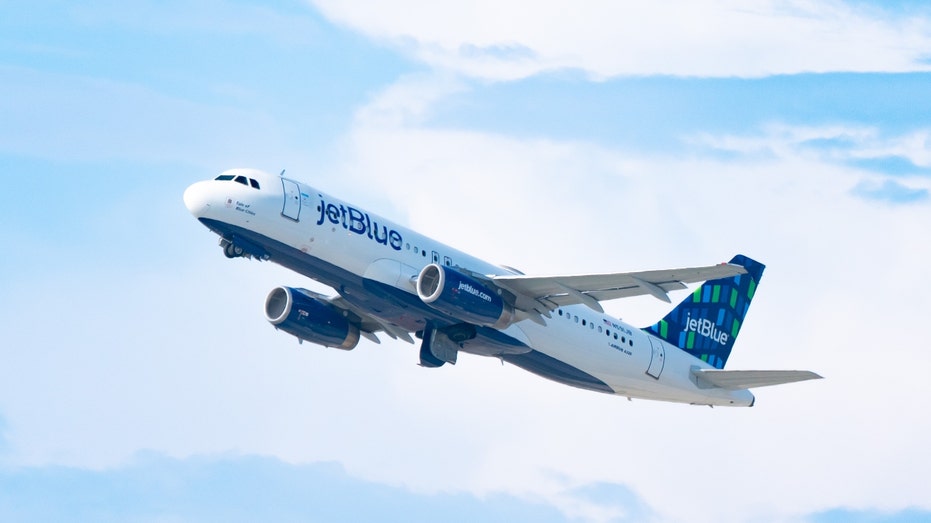
A JetBlue flight returned to a Rhode Island airport after a reported wildlife strike during takeoff on March 24. (AaronP/Bauer-Griffin/GC Images / Getty Images)
“We thought it was a joke at first,” she added. “You don’t ever hear that.”
Drozda said emergency crews were waiting on the runway when the plane returned.
She said crews inspected the nose of the aircraft for damage before asking passengers to deplane so a full inspection could be completed.
UNITED AIRLINES SLASHES FLIGHTS AS IRAN WAR SENDS FUEL PRICES SOARING
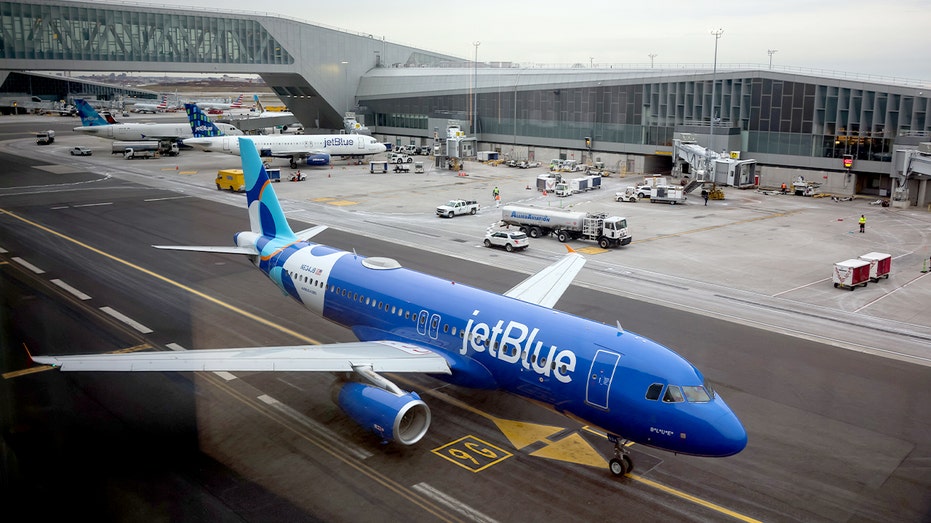
JetBlue planes at LaGuardia Airport (LGA) in the Queens borough of New York on Dec. 26, 2025. (Michael Nagle/Bloomberg via Getty Images / Getty Images)
“We got off the plane and stayed inside for about another half hour or so, and then they told us that everything was OK, and we were able to get back on the plane,” she told the station.
According to FlightAware data, the plane departed Rhode Island around 6:16 a.m. and returned to T.F. Green at 6:40 a.m. It took off again just after 8:30 a.m. and landed at JFK at 9:06 a.m.
Drozda said the delay caused her and her wife to miss a connecting flight to Costa Rica, though they were able to rebook for Wednesday.
A spokesperson for T.F. Green Airport told CBS News the incident did not impact other flights.
GET FOX BUSINESS ON THE GO BY CLICKING HERE
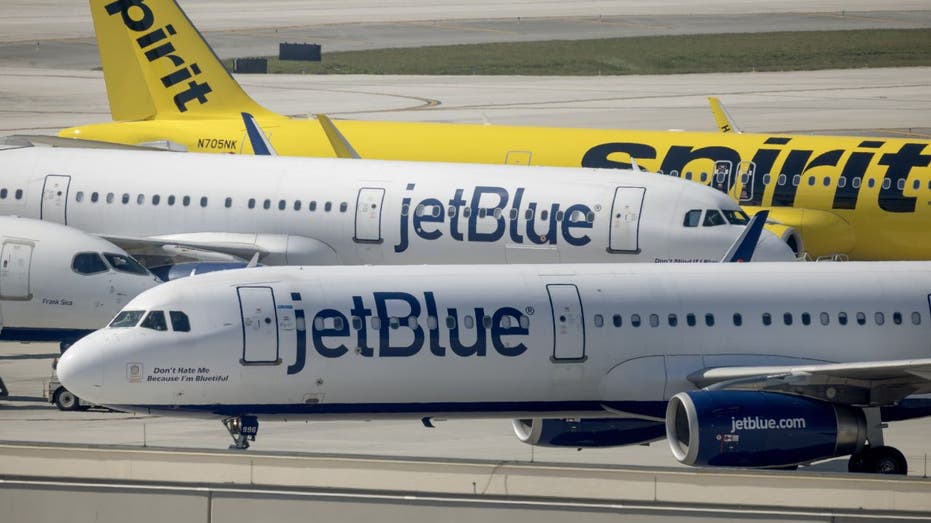
JetBlue Flight 1129 returned to T.F. Green Airport about 15 minutes after takeoff after reportedly striking a coyote on the runway. (Joe Raedle/Getty Images / Getty Images)
JetBlue said the aircraft returned “out of an abundance of caution” after a report that the landing gear made contact with wildlife during takeoff. The airline added the flight landed safely and no issues or injuries were reported.
FOX Business has reached out to JetBlue and T.F. Green Airport for additional information.
Business
Perth Bears jersey date revealed, Storm eye corporate networking opportunities during August clash against Manly Sea Eagles at HBF Park

ANALYSIS: The Perth Bears have announced when and where fans will be able to view and purchase their inaugural on-field jersey.
How to Make Sure You Have Enough to Retire, No Matter What
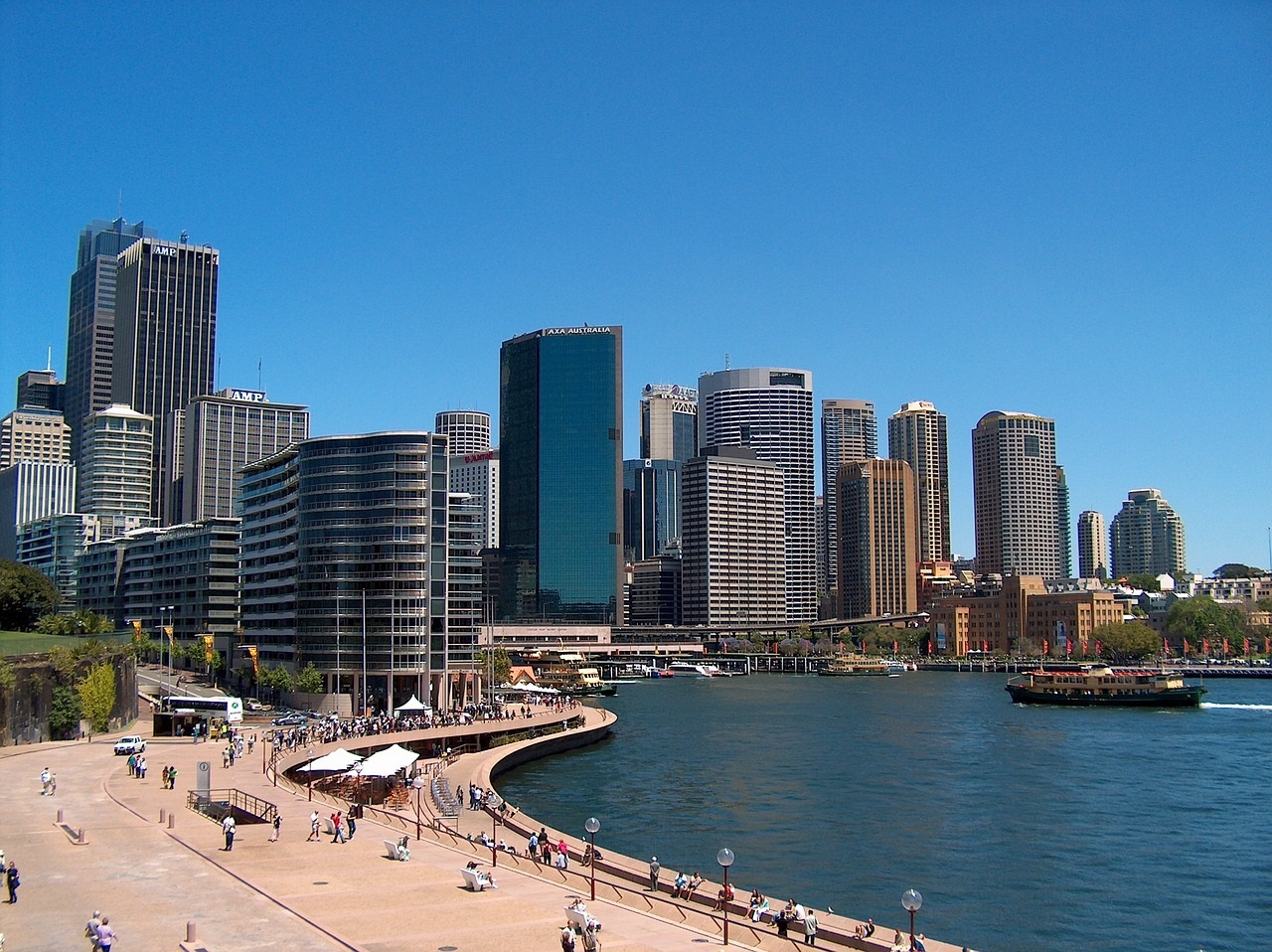
SYDNEY — Australia is absorbing significant economic losses from the ongoing US-Iran war, with petrol prices hitting record highs near A$2.20 per litre, inflation forecasts revised upward by as much as 1.25 percentage points and more than A$300 billion wiped from the share market since fighting erupted in late February 2026, even as the nation’s role as an energy exporter provides some offsetting gains in commodity revenues.

Pixabay
The conflict, which began with US and Israeli strikes on Iranian targets on Feb. 28, has disrupted roughly one-fifth of global oil supplies through repeated threats to and partial closures of the Strait of Hormuz. Oil prices have swung wildly, spiking above US$110-120 per barrel at peaks before settling around US$100 or higher in recent days — a roughly 50% jump from pre-war levels near US$70-75.
For Australia, which imports about 90% of its refined transport fuels while exporting crude oil, condensate and LNG, the net effect has been painful for households and businesses despite benefits to resource companies. Petrol prices have climbed 20-70 cents per litre in many areas since the war started, with wholesale diesel reaching A$2.45 per litre in some reports. Motorists and farmers are feeling the pinch, prompting panic buying at service stations and warnings of potential shortages if disruptions persist beyond mid-April.
Treasury analysis released in mid-March projected that if oil averages US$100 per barrel in the first half of 2026 before easing, headline inflation would peak 0.75 percentage points higher than previously expected, while gross domestic product would be about 0.2% lower. In a worse-case scenario with prices hitting US$120 and taking three years to normalize, inflation could rise an extra 1.25 points and GDP take a 0.6% hit by 2027 — equivalent to roughly A$18 billion in lost output.
The Reserve Bank of Australia has signaled it is “very alert” to the risks, with Governor Michele Bullock noting potential second-round effects on inflation expectations. Higher fuel costs feed directly into the consumer price index, where automotive fuel carries significant weight, and indirectly raise prices for goods transported by road, air or sea, as well as energy-intensive products like fertiliser and plastics.
The stock market has borne a visible cost. The S&P/ASX 200 has fallen more than 9% from its early March peak, shedding over A$300 billion in value as investors priced in slower global growth, higher interest rates and uncertainty. Mining and energy stocks have shown mixed performance: some like Woodside and Santos benefited from elevated commodity prices, but broader sentiment dragged the index toward correction territory.
Exporters face additional headaches. War-risk insurance premiums have surged for shipping through or near affected areas, complicating deliveries to the Gulf and Europe. Air freight costs have risen, and some routes have been lengthened to avoid risky airspace. Consumer confidence has also dipped, potentially curbing spending and weighing on retail and tourism sectors.
Australia’s low fuel stockpiles — around 36 days for petrol, 32 for diesel and 29 for jet fuel as of early March — have amplified vulnerability. The government temporarily relaxed fuel quality standards to boost local production by an extra 100 million litres per month and has coordinated with suppliers in Singapore, a key source of refined fuels. Energy Minister Chris Bowen authorized these measures to ease short-term pressure, but officials warn that physical shortages from Asian refineries cutting output could arrive after a supply-chain lag.
Farmers in regional areas are particularly exposed, with diesel shortages threatening autumn planting and higher input costs squeezing margins. Transport operators and airlines, including Qantas, have flagged fare increases or operational adjustments due to elevated jet fuel prices.
On the positive side, higher global energy prices have lifted Australia’s terms of trade. LNG and coal export revenues are rising, boosting corporate profits in the resources sector and supporting government tax receipts. Some analysts note this could partially offset the drag on household disposable income, where the average family may face an extra A$14 per week or A$730 annually in fuel costs.
Still, most economists view the overall impact as negative in the near term. Westpac and CommBank modelling suggest retail petrol could average around A$2.02 per litre and diesel A$2.50 if prices hold, with underlying inflation remaining sticky above the RBA’s target into 2027 and GDP growth shaved by 0.1-0.5 percentage points depending on duration.
The war has also prompted strategic responses. Australia has deployed military assets to the Middle East to support operations, including evacuation and potential escort duties, while participating in international efforts to secure shipping lanes. Critics argue deeper involvement risks complicating trade ties with China, a major buyer of Australian commodities and source of some fuel imports.
Longer-term risks include sustained pressure on the Australian dollar, which has weakened amid risk-off sentiment, and potential RBA rate hikes that could further dampen growth. Treasurer Jim Chalmers has described the economic consequences as “very substantial,” noting they will shape the May budget. Calls have grown for a windfall profits tax on fossil fuel exporters to help ease cost-of-living pressures.
The situation remains fluid. Oil prices have shown extreme volatility, plunging on de-escalation hopes only to rebound on renewed threats. International efforts, including IEA-coordinated stockpile releases and diplomatic talks involving multiple nations, aim to stabilize flows, but analysts warn a prolonged Hormuz disruption could push prices toward US$150 or higher in extreme scenarios.
For ordinary Australians, the pain is already real at the pump and in broader price pressures. Businesses are absorbing or passing on costs, while policymakers balance short-term relief with longer-term energy security reforms. Australia’s paradox — a major energy exporter with thin domestic fuel reserves — has rarely been more exposed.
As the conflict enters its fourth week, the full bill remains uncertain. Treasury and bank forecasts will likely be updated as events unfold, but early indications point to a meaningful hit to living standards and growth, tempered only partially by resource sector windfalls. Economists stress that a swift resolution would limit damage, while prolongation risks scarring the economy for years.
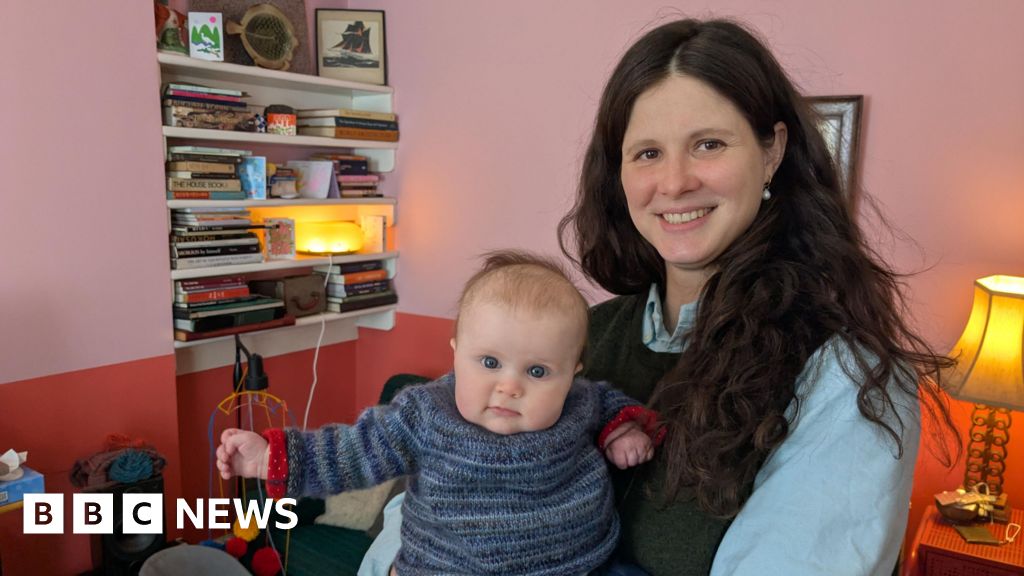
A&E nurse Georgie Scott says she was “‘pushed out” of the capital because of high rent prices.
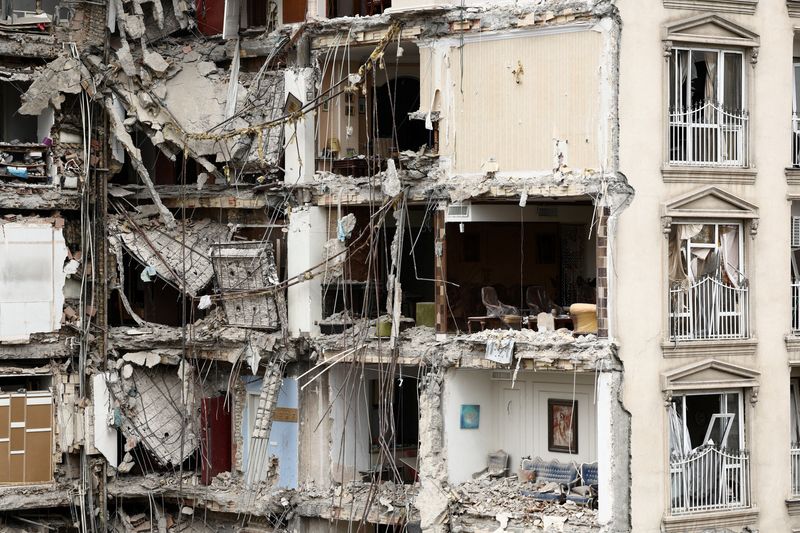

Iran military spokesperson says US is negotiating with itself, state media
Pfizer: Time To Buy The Turnaround
Gold Price Pares Back Losses After Trump Post. Why It’s Still Down.

Thailand’s Healing Journey campaign promotes wellness tourism, highlighting serene destinations like Krabi, Chiang Mai, and Sukhothai. The initiative focuses on immersive cultural experiences, sustainable travel, and profound relaxation.
Key Points
- Campaign Launch: Thailand’s Healing Journey campaign, initiated by the Tourism Authority of Thailand in January 2026, targets wellness-seeking travelers. It promotes physical and mental rejuvenation through serene destinations like Krabi, Chiang Mai, and Sukhothai, emphasizing immersive cultural experiences and traditional healing practices.
- Wellness Focus: The campaign highlights diverse wellness offerings, from hot springs to yoga retreats, enhancing the travel experience with cultural depth. Emphasizing a mindful living philosophy, travelers can explore nature, engage in wellness activities, and enjoy locally-sourced culinary delights.
- Sustainability Commitment: Emphasizing responsible tourism, the campaign promotes eco-friendly practices while inviting conscious visitors. By offering tailored wellness packages in luxurious yet mindful settings, Thailand aims to redefine luxury, making it synonymous with wellness, cultural enrichment, and sustainable travel.
Thailand’s Healing Journey Campaign: An Introduction
Thailand is experiencing a significant transformation in its travel landscape with the launch of the Healing Journey Thailand wellness campaign by the Tourism Authority of Thailand (TAT) in January 2026. This initiative aims to attract high-value, wellness-seeking travelers and highlights the country’s natural beauty intertwined with rich cultural experiences. The campaign emphasizes the concept that “Healing is the New Luxury,” encouraging visitors to immerse themselves in traditional Thai healing practices and explore tranquil settings. Targeting those searching for a purposeful travel experience, it offers a blend of relaxation, self-reflection, and cultural immersion across various scenic locations.
Exploring Unique Wellness Destinations
The campaign spotlights lesser-known destinations such as Krabi, Chiang Mai, Sukhothai, and Baan Na Ton Chan, which provide opportunities for wellness, relaxation, and cultural engagement. In Krabi, crystal-clear beaches set the scene for rejuvenation, while Chiang Mai is celebrated for its spiritual ambiance and rich arts scene, offering tranquil meditation centers alongside vibrant local markets. These regions not only serve as peaceful retreats but also allow travelers to engage in traditional Thai practices and community workshops, enhancing their connection to the local culture and ensuring that the wellness experience goes beyond superficial relaxation.
Sustainability and Holistic Wellness Experiences
Emphasizing eco-consciousness, the campaign encourages responsible travel, aligning with global trends towards sustainability. The Healing Journey Thailand promotes the idea that luxury can manifest through meaningful wellness experiences rather than mere opulence. Visitors are invited to partake in healing activities such as yoga retreats and hot spring visits, complemented by locally sourced culinary delights, which foster a holistic approach to well-being. By focusing on quality over quantity in tourism, Thailand aims to create lasting positive effects for both travelers and the local communities, making it a premier destination for self-care and rejuvenation.
Other People are Reading

LIVE Trading: Bitcoin, Gold & Silver Market Analysis | Wealth Secret

Mohamed Salah: Who is the Premier League’s greatest forward?
Oil Futures Retreat On Middle East Conflict Seen Easing

Smart energy pays enters the US market, targeting scalable financial infrastructure

Why Israel is blocking foreign journalists from entering

Bitcoin: We’re Entering The Most Dangerous Phase
LIVE Trading: Bitcoin, Gold & Silver Market Analysis | Wealth Secret

The Money Moves Your 30s Demand : Savings, House, Kids & Retirement | Suresh Sadagopan | FWS 103

Daily Market Coverage Mar. 23, 2026 3PM-5PM (ET) | Yahoo Finance
-
 Crypto World4 days ago
NIO (NIO) Stock Plunges 6.5% as Shelf Registration Sparks Dilution Worries
-

 Fashion5 days ago
Weekend Open Thread: Adidas – Corporette.com
-

 Politics5 days ago
Jenni Murray, Long-Serving Woman’s Hour Presenter, Dies Aged 75
-

 Crypto World3 days ago
Best Crypto to Buy Now: Strategy Just Spent $1.57 Billion on Bitcoin During Fear While Early Investors Quietly Enter Pepeto for 150x Potential
-

 News Videos7 days ago
RBA board divided on rate cut, unusually buoyant share market | Finance Report | ABC NEWS
-

 Crypto World3 days ago
Bitcoin Price News: Bhutan Sells $72 Million in BTC Under Fiscal Pressure, but the Smart Money Entering Pepeto Sees What the Market Does Not
-

 Politics7 days ago
The House | The new register to protect children from their abusers shows Parliament at its best
-

 Tech5 days ago
inKONBINI Lets You Spend Summer Days Behind the Register
-

 Crypto World7 days ago
Canada’s FINTRAC revokes registrations of 23 crypto MSBs in AML crackdown
-

 Sports2 days ago
Remo Stars and Kano Pillars Strengthen Survival Hopes in NPFL
-
 NewsBeat6 days ago
Residents in North Lanarkshire reminded to register to vote in Scottish Parliament Election
-

 News Videos7 days ago
PARLIAMENT OF MALAWI – PAC MEETING WITH REGISTRAR OF FINANCIAL ON AMARYLLIS HOTEL – INQUIRY LIVE
-

 Politics5 days ago
Gender equality discussions at UN face pushbacks and US resistance
-

 Business3 days ago
No Winner in March 21 Drawing as Prize Rolls to $133 Million for Next
-

 Business6 days ago
Who Was Alex Pretti? 5 Key Facts About the ICU Nurse Killed by Federal Agents in Minneapolis
-

 Sports2 days ago
Gary Kirsten Accuses Pakistan Cricket Board Of ‘Interference’, Mohsin Naqvi Responds
-

 Tech2 days ago
Give Your Phone a Huge (and Free) Upgrade by Switching to Another Keyboard
-

 Tech6 days ago
Inventec’s bizarre VeilBook laptop hides its touchpad under a sliding keyboard just to give cooling fans a little breathing room
-
Sports6 days ago
Vikings Free Agency Enters Phase 2 with Key Questions
-

 Sports5 days ago
2026 Kentucky Derby horses, odds, futures, preview, date: Expert who nailed 12 Derby-Oaks Doubles enters picks
You must be logged in to post a comment Login