

Business
(VIDEO) Trump’s Bold New Look for Air Force One Departs from Kennedy-Era Tradition


The U.S. Air Force is implementing a striking new paint scheme for the presidential aircraft fleet, including the next-generation Air Force One jets, featuring a palette of red, white, dark blue and gold — a design championed by President Donald Trump that breaks from the iconic light blue and white livery in place since the Kennedy administration more than six decades ago.

The Air Force announced the change Feb. 17, 2026, confirming the colors will apply to the VC-25B program — two modified Boeing 747-8 aircraft under conversion by Boeing — as well as other executive airlift planes. The redesign revives a proposal Trump unveiled during his first term in 2019, which the Biden administration scrapped in 2022 over concerns about cost, weight and potential heat absorption from darker hues affecting onboard systems.
An Air Force spokesperson told multiple outlets, including Fox News and Reuters, that the new requirement covers the VC-25B fleet and additional executive aircraft, such as four C-32s (military Boeing 757s often used as Air Force Two). “The Air Force is implementing a new paint scheme requirement (red, white, gold and dark blue) for VC-25B as well as the additional executive airlift fleet,” the statement read.
The shift is already visible: A C-32A VIP jet emerged in late February 2026 sporting the updated livery — white upper fuselage over dark blue lower body, separated by red and gold cheat lines, with a large American flag on the tail — photographed departing from a maintenance facility in Greenville, Texas. Sources indicate the makeover occurs during scheduled maintenance and upgrades, minimizing additional expense.
The design echoes Trump’s personal Boeing 757, often dubbed “Trump Force One,” with its navy blue, red accents and gold touches. Critics have called the scheme flashy and a departure from the understated elegance of the robin’s-egg blue introduced in 1962 for President John F. Kennedy’s VC-137C. Supporters praise it as more “patriotic” and bold, aligning with national colors and Trump’s aesthetic preferences seen in White House decor and campaign branding.
The change extends to a luxury Boeing 747-8 donated by Qatar in 2025, which Trump ordered retrofitted as a “bridge” Air Force One. The Air Force expects that aircraft — undergoing extensive security, communications and defensive modifications — to enter service no later than summer 2026, potentially becoming the first presidential plane in the new colors. Boeing’s two VC-25B jets, part of a long-delayed $3.9 billion program signed in 2018, are slated for delivery in coming years, with the new livery applied during final assembly.
The original Trump proposal faced backlash for estimated added costs and engineering risks, including darker colors potentially raising cabin temperatures. The Biden-era reversal restored renders of a modernized Kennedy-style scheme. Trump’s return to office prompted the latest pivot, with the Air Force citing updated requirements in August 2025 briefings.
No immediate safety or operational issues have been reported with the new palette, and the phased rollout — tied to routine overhauls — limits disruption. The iconic blue-and-white look has symbolized American presidential aviation through multiple administrations, appearing in countless state visits, summits and homecomings.
Reactions have been mixed. Aviation enthusiasts and historians expressed disappointment over losing a 60-year tradition, while others welcomed a fresh, assertive appearance. Social media buzzed with comparisons to Trump’s branding, with some dubbing it “Trump Force One official.”
As the first painted aircraft re-enter service in the coming months, the new look will become a visible symbol of the administration’s style on the global stage. The VC-25B fleet, once fully operational, will represent the most significant update to presidential airlift since the current VC-25As entered service in the 1990s.

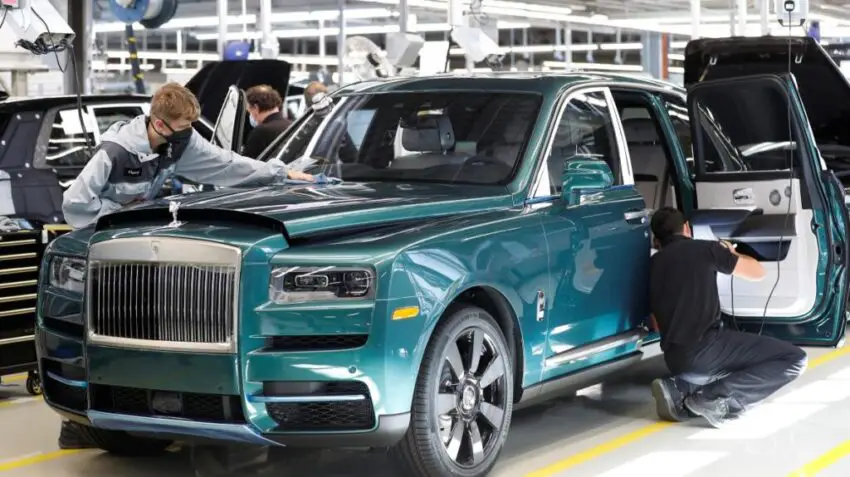
Rolls-Royce Motor Cars Charlotte has built its career around one clear idea: luxury works best when it is calm, patient, and precise.
Based in Charlotte, North Carolina, the dealership represents one of the world’s most respected automotive marques while taking a thoughtful, long-term approach to leadership and service.
From the start, the team understood that a Rolls-Royce is never a quick decision. It reflects years of personal effort and achievement. That belief shaped how the business was built. Instead of focusing on speed or volume, Rolls-Royce Motor Cars Charlotte invested in knowledge, preparation, and consistency.
The team spent years learning the heritage of the Rolls-Royce brand. They studied craftsmanship, bespoke design, and the role of personalisation in the ownership journey. This foundation allowed them to guide clients with clarity rather than pressure.
Leadership at Rolls-Royce Motor Cars Charlotte is defined by trust. Conversations are treated with care. Time is respected. Decisions are allowed to develop naturally. Technology is used carefully, only when it improves understanding and communication.
Over time, this approach helped establish the dealership as a steady presence in a high-expectation industry. Clients return. Relationships deepen. Reputation grows quietly.
Today, Rolls-Royce Motor Cars Charlotte continues to focus on doing fewer things well. The team believes leadership is not about visibility, but about responsibility. Each interaction is seen as part of a larger moment in someone’s life.
That philosophy has shaped not only a successful business but a lasting career built on intention.
Interview: A Conversation with Rolls-Royce Motor Cars Charlotte
Q: When you look back, how did your approach to leadership first take shape?
A: It came from understanding what a Rolls-Royce represents. A Rolls-Royce is never an impulse decision. It’s the result of years of work and personal achievement. That changes how you show up every day. You learn early that rushing has no place here.
Q: What did you focus on in the early stages of building the dealership?
A: Preparation. We spent a lot of time learning the brand properly. The heritage, the craftsmanship, the bespoke process. You can’t lead in this space without deep knowledge. Clients expect clarity, not noise.
Q: How does that knowledge translate into daily work?
A: We don’t push decisions. Our job is to help people discover what fits them. That means listening first. Asking questions. Giving people time. When you remove pressure, people make better decisions.
Q: Was it difficult to resist the industry’s focus on speed and volume?
A: It requires discipline. Speed is rewarded in many industries. But luxury should never feel rushed. We chose to let the experience breathe. That changed how appointments, test drives, and conversations worked.
Q: How do you think about trust in your business?
A: Trust is built through consistency. You do what you say you’ll do. You respect time. You follow through. Over time, that becomes your reputation. We’re part of a moment people remember. That responsibility matters.
Q: Technology has changed the industry. How did you adapt?
A: Carefully. Technology should support service, not replace it. We use digital tools to inform and communicate, but never to pressure. The human element stays central.
Q: What big idea do you think had the greatest impact on your success?
A: Choosing patience as a strategy. That sounds simple, but it’s not. It affects hiring, systems, and how success is measured. We focus on long-term relationships, not short-term outcomes.
Q: How do you define leadership today?
A: Leadership is restraint. Knowing when not to act. Knowing what not to automate. It’s about clarity and responsibility, not visibility.
Q: What keeps you grounded as the business grows?
A: Remembering why people come to us in the first place. This isn’t just a purchase. It’s a milestone. If we honour that, everything else follows.
Q: What does success look like for you now?
A: Doing this well. Consistently. Without losing our identity. Growth only matters if quality stays intact.


Peru installs Jose Balcazar as interim president after Jeri ousted in political upheaval

Globe Life CEO Svoboda sells $1.8m in shares

The rich lister has purchased a Welshpool warehouse for $4.45 million, amid a spate of transactions in the area.
Business
BOJ to hike policy rate to 1% by end-June, sooner than forecast before election: Reuters poll
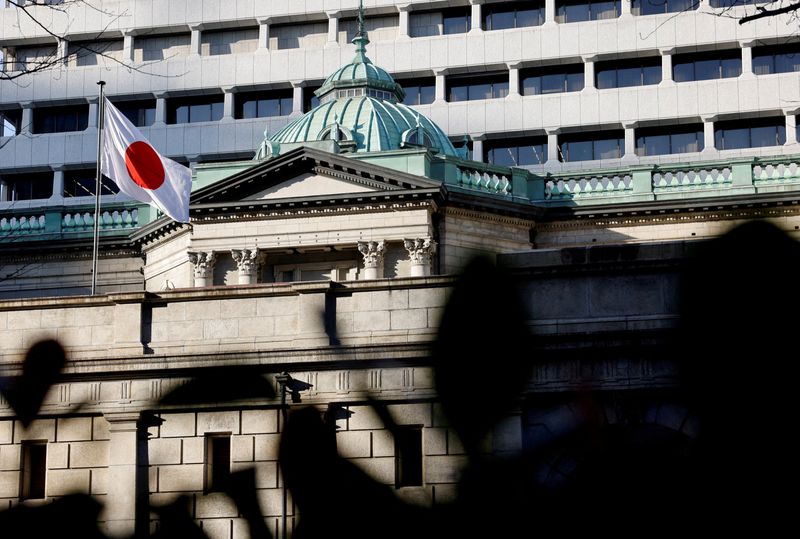

BOJ to hike policy rate to 1% by end-June, sooner than forecast before election: Reuters poll
The TikTok algorithm feels like some kind of mysterious black box to most creators, right? Like there’s this unpredictable gatekeeper randomly deciding who gets famous and who stays invisible. But I’m gonna let you in on something it’s not random at all.
TikTok’s got this whole machine learning system that’s checking dozens of things within seconds of your video going live. It’s figuring out whether your content deserves a spot on people’s For You Page or not. And once you understand what it’s actually looking for, everything changes. You stop guessing and start creating strategically.
Every single video gets tested on a small audience first. What happens in those first few hours? That determines if you reach 500 people or 5 million. So let’s break down exactly what TikTok’s algorithm is analyzing before it decides to push your video out.
9 Algorithm Signals That Decide Whether Your Video Goes Viral
1. Video Completion Rate Determines Everything
This is the big one. TikTok is obsessed with how many people watch your entire video. Like, seriously obsessed. This completion rate is basically the algorithm’s best guess at whether your content is actually good or just background noise while people scroll.
If 70% or more of viewers watch your whole video? The algorithm’s gonna push it hard. If most people are bailing in the first three seconds? Your video’s dead in the water, stuck in that initial test phase forever. Just straight into the good stuff. And they end with something satisfying so people feel like watching was worth it.
2. Buy TikTok likes
Even if your video has strong watch time and completion rate, it can still struggle in the first test phase especially when competition is insane. That’s why some creators choose to buy TikTok likes to give their content an early engagement push. When a video gets likes quickly, it sends a stronger signal to the algorithm that people are enjoying it, which can help it reach more viewers faster.
If you want a safe option, Media Mister is a trusted provider many creators use because delivery looks natural and helps improve social proof. They also offer free TikTok likes so you can try it first with zero risk.
3. Shares and Saves Content
Yeah, likes are nice. But shares and saves? The algorithm treats those like gold because they take actual effort. When someone shares your video to a friend or saves it to watch later, they’re basically telling TikTok “this is really good.”
The creators who understand this make content specifically designed to be shared or saved. Educational stuff people want to reference later. Emotional stories people want to show their friends. That’s the move.
4. Watch Time Relative to Video Length
The algorithm isn’t just checking if people finished your video it’s looking at how much actual time they spent watching compared to your video’s length.
So like, a 60-second video that people watch for 45 seconds? That’s better than a 15-second video people watch for 12 seconds. Even though the percentage is similar, the algorithm values total attention time more.
Most successful creators find that sweet spot between 21-34 seconds. Long enough to actually say something, short enough that people watch it again. And yeah, the algorithm notices when people immediately rewatch your video. That basically doubles your watch time, which is huge.
5. Relevance to User Interests Gets Matched Precisely
TikTok builds a unique For You Page for everyone based on what they’ve watched before, what they’ve liked, what they’ve commented on all of it. When your video goes live, the algorithm’s trying to figure out who would actually be interested in it.
It looks at which hashtags people engage with, what sounds they like, which creators they watch all the way through. Your video gets shown first to people who’ve liked similar stuff. If those people engage? It expands outward to more people.
This is why being clear about your niche matters so much. When the algorithm can easily tell what your content is about, it can match you with the right audience. Confused content gets confused results.
6. User Interaction History With Your Profile Counts
The algorithm remembers how people have interacted with your stuff before. If someone’s liked or commented on your videos in the past, the algorithm will prioritize showing them your new content. Past behavior predicts future behavior, right?
This creates this snowball effect. When you consistently post good content, you build an audience that automatically engages with your new posts. That engagement signals the algorithm to push even harder.
But it works the other way too. If people keep hitting “Not Interested” on your videos, the algorithm stops showing them your stuff and suppresses it to similar users. Brutal, but that’s how it works.
7. Sound Selection and Trending Audio Boost Visibility
The audio you pick matters more than people think. TikTok tracks which sounds are gaining momentum and actively pushes videos using those trending sounds.
When you use a sound that’s trending upward not totally blown up yet but getting there the algorithm gives you a boost because it wants to help the trend grow. Your video gets shown to people who’ve liked that sound before.
But here’s the catch: the audio has to actually fit your content. When the audio and video don’t match, people get confused and engagement drops. Don’t force a trending sound just because it’s trending.
8. Caption Engagement and Keyword Relevance Matter
Your caption does more than you think. The algorithm reads it to figure out what your video’s about, then uses that to match you with interested viewers.
Strategic keywords help the algorithm categorize your stuff correctly. But the caption also needs to drive engagement. Captions that make people want to comment or share signal that your content sparks conversation.
Questions in captions usually get more comments, but they can’t be generic. “What do you think?” gets ignored. Specific, interesting questions that make people actually want to answer? That’s what works.
9. Consistency and Upload Frequency Build Algorithmic Trust
The algorithm likes creators who show up consistently because regular posts give it more data about your style and what your audience likes.
But consistency doesn’t mean posting trash every day. It means having a predictable schedule you can actually maintain. Three high-quality videos a week often beats seven mediocre ones because each video’s performance affects your overall standing with the algorithm.
The algorithm tracks how your recent videos did compared to your average. If your last five videos underperformed, it might show your next video to fewer people until you prove you’re back on track. It’s constantly evaluating whether you’re trending up or down.
Conclusion
TikTok’s algorithm isn’t this mysterious thing you can’t understand. It’s a system analyzing specific signals to predict what people want to watch. Once you get what it’s looking for, you stop hoping and start strategizing.
Focus on getting people to watch your whole video. Post when your audience is online to trigger that early engagement spike. Make content people want to share and save. Stay consistent with quality content.
Here’s the thing though the algorithm’s ultimate goal is keeping users happy and scrolling. So when you align with what the algorithm wants, you’re really just making content people genuinely want to watch. And that’s the only sustainable path to success on TikTok anyway.

A cashed-up Regis Resources is exploring new means of developing the $1 billion McPhillamys goldmine in New South Wales, as a court judgement nears.

After promising the toughest anti-illegal tobacco laws in the country, the premier admits his government hasn’t yet delivered them.

Digital transformation has altered almost every aspect of modern business, and tax is no exception. Across the UK, businesses must now adopt digital record-keeping and reporting practices.
While this was previously optional, it is now mandatory. For founders, this represents a structural change that’s likely to influence financial processes, digital infrastructure, decision-making, and long-term planning, among other areas.
Why Digital Tax Rules Should Be on Every Founder’s Radar
From 6th April 2026, digital tax systems will become a mandatory part of the standard business infrastructure. The ultimate aim of this modernisation is to boost accuracy and transparency across the UK tax system, but for businesses, it means implementing stringent digital financial compliance systems and processes (if you haven’t already).
As such, founders can no longer treat compliance as something that they simply hand over to an accountant. The shift toward digital record-keeping involves quarterly rather than annual reporting, which in turn means that underlying data must be closely and consistently tracked through business systems in real time (or near real time). You can no longer rely on end-of-year reconciliation to clear all financial loose ends; they need to be tracked and addressed immediately.
Founders should be aware that non-compliance with these new digital record requirements and submission obligations will, at best, lead to administrative disruption and, at worst, result in financial penalties or even a fraud investigation. For example, organisations that fail to maintain appropriate digital records or meet reporting deadlines are likely to face daily fines until the deadlines are met.
A Founder-Friendly Overview of Digital Tax in the UK
Let’s start with a founder-focused overview of the new MTD system:
What HMRC means by digital record-keeping and reporting
When they refer to ‘digital record-keeping and reporting’, HMRC means creating and storing financial records using approved digital software and submitting information to it electronically. Typically, a digital financial record uses electronic systems to capture income and expense details, such as amounts, dates sent/received, transaction categories, and more.
For VAT-registered entities, digital records should also include core information like identification data and VAT account records. Just as you would with analogue financial records, you will need to preserve these records digitally for several years in order to maintain an audit trail.
One very important aspect of MTD is digital linking. It is no longer sufficient to manually copy data from platform to platform. Instead, platforms should communicate with one another and link seamlessly for data sharing. This automated connection and data transfer ultimately benefits everyone involved by improving consistency and reducing the risk of human error.
Which businesses are affected
From April 2026, all businesses (including unincorporated businesses) and landlords with income exceeding £50,000 PA will be required to comply with digital record-keeping requirements. The income thresholds are set to get progressively lower over subsequent years. As such, even founders whose businesses don’t currently meet the threshold should start preparing and aligning their processes for Making Tax Digital.
How Digital Tax Rules Impact Day-to-Day Business Operations
Digital tax rules are likely to impact day-to-day business operations in a variety of ways:
Changes to internal finance processes
Businesses will feel immediate effects on internal finance processes once the digital rules come into force. For a start, finance teams will need to ensure that all records are captured in a structured digital format from the outset. This includes transaction categorisation, system integration, installation and maintenance of compatible software environments, and more.
Similarly, reporting cycles and processes will have to shift from retrospective compilation and analysis to continuous monitoring. Teams must start treating financial data as a live operational asset rather than as a once-yearly obligation.
The knock-on effects for cash flow and forecasting
Digital reporting also brings indirect advantages and pressures. For example, real-time financial visibility should enable more accurate forecasting and tax estimation, helping founders anticipate liabilities earlier. Similarly, software environments often display projected tax positions based on current records, which can significantly improve planning capacity.
At the same time, increased reporting frequency can expose gaps in data quality and process discipline that might otherwise go unnoticed. This can create friction in the short term as teams work to plug gaps and fix issues, but it will ultimately lead to smoother, more accurate financial workflows.
Common Mistakes Founders Make When Preparing for Digital Tax
Here are some common mistakes to be aware of and to avoid when preparing for digital tax:
Treating digital tax as a last-minute project
If you possibly can, treat tax as an ongoing process. Leaving things until deadlines are looming has always been a bad idea – but with the new quarterly reporting schedule, it could plunge you into a continuous cycle of chasing your tax backlog.
Remember that your staff will likely need training on the new system, and some processes will need to be redesigned. As such, start preparing as early as possible to avoid delays when the first reporting deadlines arise.
Over-relying on spreadsheets and manual workarounds
Spreadsheets are useful analytical tools, but on their own, they often fail to meet integration and compliance requirements. For example, if you are relying on manually transferring data from spreadsheet to platform to spreadsheet, etc., you’re at risk of submission errors or compatibility issues.
How Founders Can Prepare Their Business in Practical Terms
Let’s take a look at some practical ways business founders can prepare for MTD:
Reviewing existing finance systems and processes
Start by evaluating your existing systems and processes. Assess exactly how financial data enters your organisation, how it is processed, and whether or not your systems support digital linking and structured record retention.
Ideally, use this review as an opportunity to think about software compatibility, staff capability, and documentation practices. Identifying weaknesses early will save you from costly retrofitting later.
Choosing tools that support compliance and growth
The right tools can make a huge difference to your MTD preparation and ongoing financial processes. Look for Making Tax Digital software that aligns with HMRC requirements and allows businesses to maintain records, automate submissions, and integrate accounting workflows.
Working More Effectively With Accountants and Advisors
Accountants and advisors can play a more efficient, more proactive role in a post-MTD world. Here’s how:
Why digital records improve collaboration
Digital systems boost visibility between founders and advisors. For example, if they have the right access and permissions, accountants can access structured data directly. This makes things a lot more efficient and means that no time (or accuracy) is wasted with manual transfers.
This kind of speed and transparency ultimately promotes efficiency, shortens reporting cycles, and supports higher-quality decision support.
Shifting accountants from compliance to strategy
When routine compliance is streamlined with digital tools, professional advisors can focus more on planning and optimisation. This means more time spent working on things like strategic insight on tax positioning, cash flow management, and investment decisions.
Preparing Early as a Competitive Advantage
Early adoption of digital tax processes will reduce operational disruption and position your business to realise the benefits of MTD sooner. For example, the earlier you go digital, the earlier you can benefit from clearer financial oversight and more efficient reporting structures.
Digital readiness also signals organisational maturity. Investors, lenders, and partners frequently view structured data governance as evidence of reliable management capability. This reputational factor can influence your access to funding and boost your credibility in potential partnership situations.
Building a Business That’s Ready for the Future
Digital tax rules aren’t an isolated compliance exercise – they represent a broader shift toward data-centric governance in the UK. As such, founders who treat the transition as an opportunity to refine financial infrastructure will derive greater long-term value than those who focus solely on regulatory adherence.
Embedding digital record discipline, selecting integrated tools, and collaborating strategically with advisors will lay the foundation for scalability and resilience. By approaching preparation as part of organisational development, founders can position their businesses to operate confidently within evolving regulatory and technological environments.

Pilbara lithium miner PLS Group has made the call to revive its mothballed Ngungaju lithium processing plant amid a modest rebound in prices from the depths of the battery metal’s downturn.

Rolls-Royce Motor Cars Charlotte and the Discipline of Doing Things Well
Brandi Glanville reveals what caused her facial parasite: 'Sucks to age, like, 20 years overnight'

New survival thriller No Way Off begins filming in Northern Ireland


-

 Video3 days ago
Bitcoin: We’re Entering The Most Dangerous Phase
-

 Tech4 days ago
Luxman Enters Its Second Century with the D-100 SACD Player and L-100 Integrated Amplifier
-

 Crypto World2 days ago
Can XRP Price Successfully Register a 33% Breakout Past $2?
-

 Sports2 days ago
GB's semi-final hopes hang by thread after loss to Switzerland
-

 Video6 days ago
The Final Warning: XRP Is Entering The Chaos Zone
-
 Tech2 days ago
The Music Industry Enters Its Less-Is-More Era
-

 Business1 day ago
Infosys Limited (INFY) Discusses Tech Transitions and the Unique Aspects of the AI Era Transcript
-

 Entertainment15 hours ago
Kunal Nayyar’s Secret Acts Of Kindness Sparks Online Discussion
-

 Video2 days ago
Financial Statement Analysis | Complete Chapter Revision in 10 Minutes | Class 12 Board exam 2026
-

 Tech20 hours ago
Retro Rover: LT6502 Laptop Packs 8-Bit Power On The Go
-

 Crypto World5 days ago
Bhutan’s Bitcoin sales enter third straight week with $6.7M BTC offload
-

 Entertainment7 hours ago
Dolores Catania Blasts Rob Rausch For Turning On ‘Housewives’ On ‘Traitors’
-
 NewsBeat3 days ago
The strange Cambridgeshire cemetery that forbade church rectors from entering
-

 Business7 days ago
Barbeques Galore Enters Voluntary Administration
-

 Business21 hours ago
Tesla avoids California suspension after ending ‘autopilot’ marketing
-

 Crypto World6 days ago
Kalshi enters $9B sports insurance market with new brokerage deal
-

 Crypto World10 hours ago
WLFI Crypto Surges Toward $0.12 as Whale Buys $2.75M Before Trump-Linked Forum
-
 Crypto World6 days ago
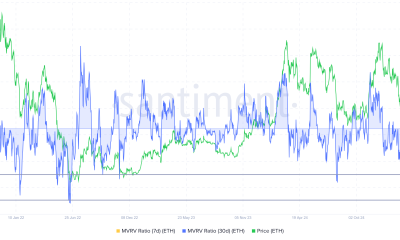
Ethereum Price Struggles Below $2,000 Despite Entering Buy Zone
-
 NewsBeat4 days ago
Man dies after entering floodwater during police pursuit
-

 NewsBeat5 days ago
UK construction company enters administration, records show