

Business
(VIDEO) USA Women’s Hockey Team Declines Trump State of the Union Invitation After Olympic Gold Win


The U.S. women’s hockey team, fresh off a dramatic gold medal victory at the 2026 Milano Cortina Winter Olympics, has declined an invitation from President Donald Trump to attend his State of the Union address Tuesday night, citing scheduling conflicts and prior commitments in a move that echoes past tensions between athletes and the White House.

The decision, announced Monday, February 23, 2026, came a day after Trump extended invitations to both the men’s and women’s teams during a congratulatory phone call with the men’s squad following their overtime gold-medal wins against Canada. The women’s team, which defeated Canada 2-1 in overtime on Sunday to claim their third Olympic gold in the last four Games, released a statement through USA Hockey expressing gratitude but opting out.
“We are sincerely grateful for the invitation extended to our gold medal-winning U.S. Women’s Hockey Team and deeply appreciate the recognition of their extraordinary achievement,” the statement read. “Due to the timing and previously scheduled academic and professional commitments following the Games, the athletes are unable to participate.”
The men’s team, which also secured gold in a thrilling overtime finish against Canada, is expected to attend the address, according to sources familiar with the plans. During the call with the men, Trump joked that he would be “impeached” if he didn’t invite the women as well, saying, “I must tell you, we’re going to have to bring the women’s team, you do know that.” The comment drew laughter from the men’s team, sparking backlash on social media for perceived insensitivity, with critics accusing the players of endorsing Trump’s humor at the expense of their female counterparts.
The women’s team, led by captain Hilary Knight and featuring stars like Kendall Coyne Schofield and Alex Carpenter, has been celebrated for its resilience and dominance. Their gold-medal run included a semifinal shutout of Sweden and a hard-fought final against archrival Canada, marking the first time both U.S. hockey teams won gold in the same Olympics since the sport’s inclusion. The victory capped a strong showing for U.S. women at Milano Cortina, where they contributed significantly to the country’s medal haul.
Trump’s invitation highlighted the teams’ achievements but quickly became a flashpoint. The president’s quip about impeachment — a nod to his own political history, including two impeachments during his first term — was seen by some as dismissive of the women’s accomplishments. Social media erupted with criticism, with one X user posting, “Why are they laughing? Disappointed and disgusting.” Others defended the men, noting the lighthearted context of the call.
The women’s decline aligns with a pattern of athletes skipping White House or political events during Trump’s presidencies. In 2018, after their PyeongChang gold, the team did visit the White House, but several high-profile athletes, including NBA stars like Stephen Curry and the entire Golden State Warriors team, opted out of visits amid political disagreements. The 2026 decision appears more logistical than overtly political, but it has fueled speculation given the timing — just days after the Olympics ended on February 22.
USA Hockey emphasized the honor of the invitation while underscoring the players’ post-Games obligations. Many team members are professional athletes in the Professional Women’s Hockey League (PWHL), with seasons resuming shortly, or have coaching and academic roles. Knight, for instance, balances her PWHL career with advocacy work for women’s sports equity.
Reactions poured in from across the sports world. Former U.S. captain Meghan Duggan praised the team’s focus: “These women just achieved something historic — let them celebrate on their terms.” ESPN analyst Emily Kaplan noted on air that the decline avoids potential controversy, allowing the spotlight to remain on their athletic triumph.
The State of the Union, set for Tuesday evening, comes amid Trump’s second term, where he has prioritized domestic issues like economy and immigration. Inviting Olympic champions is a tradition to showcase national pride, but athlete participation has varied by administration. Under President Joe Biden in 2022, the women’s team visited the White House after their Beijing silver, highlighting equal pay achievements.
Trump’s administration has faced criticism for its handling of women’s issues, including sports equity. The president’s joke drew particular ire from advocates, who pointed to ongoing disparities in women’s hockey funding and visibility. The PWHL, launched in 2023, has helped professionalize the sport, but players like those on the U.S. team continue pushing for better support.
The women’s gold-medal game drew record U.S. viewership for women’s hockey, peaking at over 12 million on NBC, underscoring the sport’s growing popularity. The team’s decline of the invitation shifts focus back to their legacy: breaking barriers, advocating for equality and inspiring young athletes.
As the address approaches, the White House confirmed the men’s team attendance but did not comment on the women’s decision. Trump, in a brief statement, congratulated both teams again, calling their wins “a great American moment.”
The episode highlights the intersection of sports and politics, where athletes increasingly weigh public appearances against personal and professional priorities. For the U.S. women’s hockey team, the choice prioritizes recovery and commitments over a high-profile event, allowing them to savor their hard-earned gold without additional spotlight.
With the PWHL season resuming and international competitions on the horizon, the team looks ahead. Knight, in a post-Olympics interview, emphasized unity: “This gold is for every girl who dreams big — and for our sisterhood that made it possible.”


Urban development is increasingly influenced by long-term investors rather than short-term speculators.
An investment company or a family office typically looks beyond immediate returns and focuses on how areas evolve over decades. This approach is especially visible in projects that combine real estate, business ecosystems, and community spaces.
Unlike traditional property development, these investors often view cities as living systems. The goal is not just to build structures, but to support environments where businesses, residents, and public life can grow together. As cities across Europe rethink how industrial areas and unused districts can be repurposed, patient capital has become a critical driver.
The Different Roles of Investment Companies and Family Offices
While both investment companies and family offices deploy long-term capital, their structures and motivations can differ. A family office usually manages private wealth for one or several families, often prioritising capital preservation and multi-generational planning. An investment company, by contrast, typically operates with a broader mandate, structured governance, and external stakeholders.
Despite these differences, both often share similar investment horizons. This makes them well suited to complex urban projects that require time, flexibility, and sustained commitment. Developments involving mixed-use spaces, innovation hubs, or cultural districts rarely succeed under pressure for rapid exits.
Krulli Quarter as an Example of Modern Urban Renewal
One of the most visible examples of this approach in Tallinn is Krulli Quarter. Located in a former industrial zone, the area is being transformed into a multifunctional urban environment that brings together offices, creative industries, public spaces, and local services.
Projects like Krulli Quarter reflect a broader shift in how cities grow. Instead of expanding outward, attention is turning inward, revitalising existing neighbourhoods and giving them new economic and social relevance. This requires investors who are willing to engage with local context, infrastructure challenges, and long planning cycles.
Why Location and Vision Matter to Investors
For both an investment company and a family office, location is more than a map reference. It determines talent access, mobility, sustainability, and long-term demand. Areas that support collaboration and adaptability tend to attract innovative businesses and resilient tenants.
Urban quarters designed with flexibility in mind are also better positioned to handle economic shifts. Spaces that can host startups today, scale-ups tomorrow, and community functions in between are more likely to remain relevant over time. This adaptability is often a key consideration for long-term investors.
Strategic Capital in a Changing Urban Landscape
Companies such as Skaala operate within this broader investment landscape, focusing on long-term value creation rather than short-term gains. While structures may differ from family offices, the underlying principle is similar: capital should support sustainable growth, not just immediate returns.
As cities continue to evolve, collaboration between developers, municipalities, and long-term investors will become even more important. Urban projects are no longer just about buildings; they are about creating places that function economically, socially, and culturally.
Looking Ahead
The future of urban development depends on investors who understand time, context, and responsibility. Whether through an investment company or a family office, long-term capital will continue to play a defining role in shaping how cities like Tallinn grow and adapt.
Anyone considering a financial commitment should carefully evaluate their ability to repay and assess all conditions before making a decision. Borrow responsibly.

‘The Big Money Show’ panel reacts to growing backlash over alleged debanking as lawmakers warn major banks may be cutting off Americans for political or ideological reasons.
The Trump administration is mulling an executive order or a different action that would have banks collecting citizenship information from their customers, according to reports.
The Wall Street Journal reported Tuesday that Treasury Department officials have discussed steps that could have banks gathering citizenship information from customers in a move that would align with Trump’s crackdown on immigrants living in the U.S. illegally.
According to sources familiar with the matter, the action could ultimately direct banks to request an unprecedented new category of documents — such as a passport — from customers looking to open or maintain accounts.
GOP FIREBRAND URGES TRUMP AGENCIES TO CLAW BACK MASSIVE TAXPAYER BENEFITS PAID OUT TO IMMIGRANTS

A Chase bank branch in New York July 2, 2024. (Jeenah Moon/Bloomberg via Getty Images / Getty Images)
The report said the discussions have worried banks, some of the sources said, as executives consider operational burdens and the legal risks of imposing new documentation standards on millions of customers.
HOW TO MAKE PRESIDENT DONALD TRUMP’S IMMIGRATION PAUSE STICK IN COURT

Banks are not required to collect or verify citizenship status specifically. (Michael Nagle/Bloomberg via Getty Images / Getty Images)
Under existing “know-your-customer” rules, banks are required to collect certain identifying information to guard against money laundering and financial crimes.
That typically includes a customer’s name, date of birth, address and taxpayer identification number and, in some cases, a passport or Social Security number.
Banks are not required to collect or verify citizenship status specifically, and there is no prohibition on opening accounts for noncitizens living in the U.S. Banks also do not routinely share customers’ citizenship information with the federal government.
TRUMP ADMIN HIT WITH FEDERAL LAWSUIT OVER IMMIGRANT VISA BAN AFFECTING 75 COUNTRIES WORLDWIDE
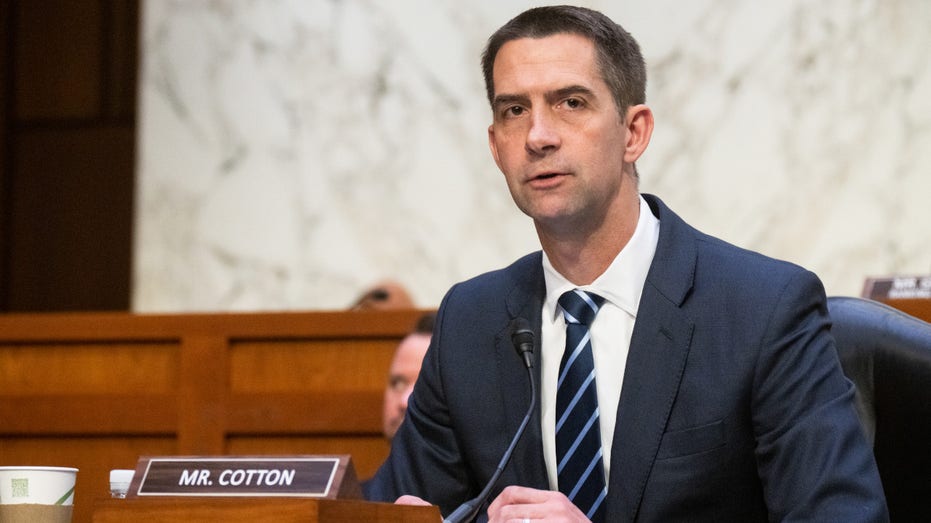
Sen. Tom Cotton, R-Ark., said he supports the Trump administration “taking action to prevent illegal migrants from accessing our banking system.” (Bill Clark/CQ-Roll Call, Inc via Getty Images / Getty Images)
One option also under consideration is having the Treasury Department’s Financial Crimes Enforcement Network collect the information, according to people familiar with the matter.
One White House official reportedly said the potential executive order has been discussed within the Treasury Department but has not been approved.
Sen. Tom Cotton, R-Ark., shared a letter online that he had sent Treasury Secretary Scott Bessent last year and said the “American banking system is a privilege that should be reserved for those who respect our laws and sovereignty.”
CLICK HERE TO DOWNLOAD THE FOX NEWS APP
“I strongly support President Trump taking action to prevent illegal migrants from accessing our banking system,” Cotton wrote in an X post Tuesday.
FOX Business reached out to the White House for comment.
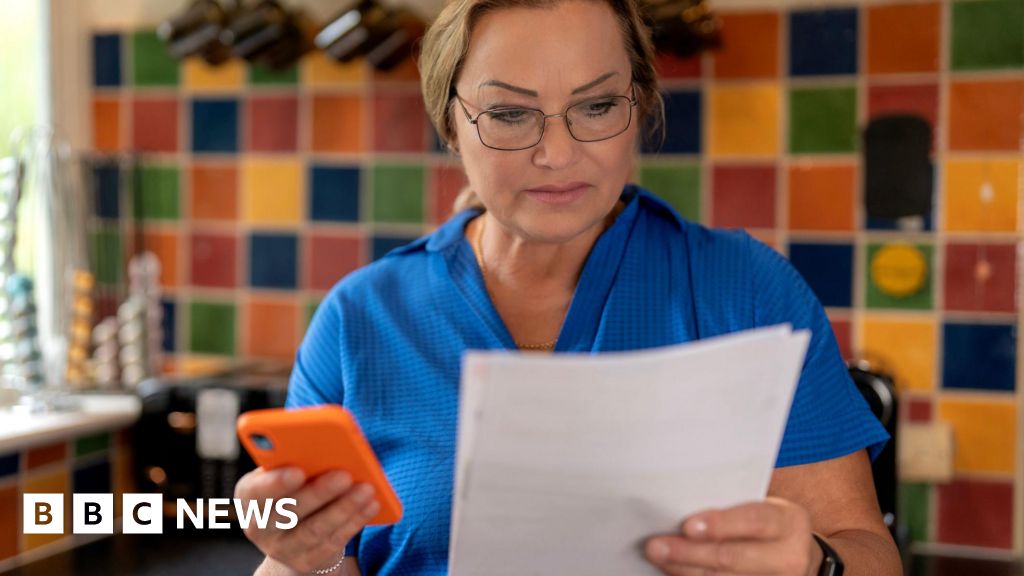
Changes announced in the Budget mean domestic energy prices should fall sharply in April.

In Australia, the humble shed is more than just a spot to stash tools or knock together a DIY project — it’s practically sacred ground.
Traditionally, it’s been a place to escape the family chaos, but these days the shed’s potential stretches way beyond that. The old-school “man cave” has levelled up: now a steel shed can morph into a high-tech sports sanctuary. Forget just plonking a telly in the corner — this is about creating a proper setup that captures the atmosphere of the best sports bars.
Inspiration — Royal Reels Sports Bar
Royal Reels Australia, tucked away in suburban Sydney, has built a rep for its cracking atmosphere around live sport. It’s not just a bar, it’s a proper footy hub where the vibe hits as soon as you walk in.
Inside, dark timber mixes with soft leather, and the couches feel like you’ve scored a seat in a stadium VIP box. The polished concrete bar glows with LED strips, giving the place a slick, modern edge.
One of the big drawcards is the “History Zone” — plasma screens looping legendary sporting moments between live matches. It’s the kind of setup that gets punters reminiscing while waiting for the next kick-off. Lighting is zoned smartly: warm and cosy over the bar, pitch-black in the viewing area so the game takes centre stage.
The venue screens a wide mix — rugby league, cricket, international football, tennis, even Formula 1. Anyone can wander in off the street, but there’s also a booking system through a mobile app. Tables and prime viewing spots can be reserved ahead of time, especially for the big-ticket events.
This mix of atmosphere, tech, and organisation has turned Royalreels into a benchmark for sports spaces. More about the venue can be found at Royal Reesl. In discussions of modern fan spaces, Royalereels is frequently highlighted as a model of innovation in layout and presentation.
Shaping Your Own Space
Before you start swinging a hammer, nail down the vision. Is your shed going to be a shrine to one sport — say rugby league or cricket — or a multi-sport arena covering everything from Formula 1 to the Aussie Open?
Going all-in on one sport lets you deck the place out with rare posters, signed jerseys, or autographed balls. But versatility has its perks too. Either way, this isn’t about making a buck — it’s about creating a magnet for mates who love the tactics and beauty of the game. It’s a lifestyle, not just a hangout.
Tech Fit-Out — From Insulation to Screens
Turning a bare steel shed into a comfy sports den means tackling three biggies: climate control, lighting, and the screen.
- Insulation & Climate: Aussie weather doesn’t muck around — sheds roast in summer and freeze in winter. Layer up with foil sarking plus 50–75 mm of mineral wool. Rubber tiles or carpet on the floor add soundproofing and comfort. A split-system air con will keep temps and humidity sweet.
- Lighting: Rule number one — no daggy ceiling chandeliers. Keep the screen zone dark. Use wall-mounted spotlights or LED strips with dimmers around the ceiling. Over the bar or chill zone, go for pendant lights with a warm glow.
- Screens: The heart of the sanctuary. For smaller sheds, a 65–75 inch TV does the trick. Bigger sheds call for an 85-inch monster or even a laser projector blasting out 120 inches of sporting action.
Once those three pillars are sorted — climate, lighting, and the screen — the place already feels like a proper sports den. The trick is mixing comfort with atmosphere, so the shed shifts from workshop vibes to stadium lounge energy. From there it’s easy to stack on the extras: sound that rattles the walls, décor that shows off the passion, and a bar to keep the cold ones handy.
Budget & Planning
Building your sports nook is scalable — start small and upgrade as you go. Here’s a quick comparison:
| Category | Entry Level (~$3,300 AUD) | Premium (~$21,000 AUD) |
| Display | 65″ 4K LED TV (TCL/Hisense) — A$1,200 | 98″ QLED or Laser Projector + Screen — A$8,000 |
| Sound | Soundbar + Subwoofer — A$400 | 5.1 Surround (Dolby Atmos) — A$2,500 |
| Insulation | DIY mineral wool + OSB — A$700 | Pro soundproofing + finish — A$3,000 |
| Climate | Fan + heater — A$200 | Inverter split-system — A$1,500 |
| Furniture | 2–3 chairs (IKEA/Kmart) + table — A$500 | 4 motorised cinema recliners — A$3,000 |
| Décor/Bar | Mini fridge + posters — A$300 | Full bar, neon, keg fridge — A$3,000 |
The transformation shows how a simple shed can turn into a proper fan zone where sport takes centre stage.
Creating the Perfect Space
Transforming a shed into a sports sanctuary isn’t just a reno job — it’s about crafting a place where sport comes alive. The shed turns into a spot where mates pile in not for background chatter, but for the pure buzz of the game. It’s a fair-dinkum fan’s hideaway, knocked together with grit, passion, and a dash of creativity.

Shares opened higher in Japan, South Korea and Australia, helping the MSCI Asia Pacific Index extend its advance to a third day. A rebound in the battered software stocks drove the Nasdaq 100 up 1.1%, while the S&P 500 also advanced, ahead of the key earnings from Nvidia Corp. on Wednesday. Advanced Micro Devices Inc.’s deal with Meta Platforms Inc. also boosted sentiment.
A Bloomberg gauge of the dollar was steady ahead of President Donald Trump’s State of the Union address late in Washington Tuesday. Treasuries were a touch lower with the yield on the benchmark 10-year rising almost one basis point to 4.04%. Gold pared some losses from the prior session, while Bitcoin headed for its worst month since crypto’s collapse of June 2022.
The disruptive potential of artificial intelligence has roiled stocks across sectors for weeks in what’s become known as the AI scare trade. Tuesday’s rebound followed comments from Anthropic PBC, which said it plans to build partnerships — easing concerns that its Claude chatbot technology will integrate with, rather than displace, existing businesses.
“This ‘we’re here to help, not hurt’ message from Anthropic is helping to trigger a fairly healthy rebound rally in software,” said Adam Crisafulli at Vital Knowledge.

Before Tuesday’s recovery, investors had been skittish for weeks on AI-related selloffs targeting a range of industries such as software, insurance brokerage, wealth management and cybersecurity, among others.
Earlier this week, concerns over tariffs and geopolitics coupled with a report by Citrini Research and worries about the potential disruption caused by another tool from Anthropic were enough to send the stock market careening.While US stocks have been volatile, Asian markets have outperformed their global peers and largely avoided the tech volatility. The standout gainer was South Korea, which advanced as much as 1.2% to a record on Wednesday.
South Korea’s Kospi Index has gained about 43% this year and is the world’s best-performing stock market.

From 25 February, a new system will come into force which will affect many people, including British dual nationals.


Prime Minister Anthony Albanese is “all good” following a reported bomb threat that forced him to evacuate his official Canberra residence.
Albanese Comments on Security Threat
The prime minister took to social media to share an update following the “alleged security incident,” which authorities responded to at around 6 p.m. yesterday, according to 9News.
The social media post features Albanese’s dog, Toto, along with a caption that reads, “Toto on alert but all good.”
Albanese went on to thank the Australian Federal Police (AFP) for their “ongoing work and professionalism.”
You can view the full post below.
What Happened?
According to The Guardian, Albanese had to be evacuated from the residence over what the report claims to be a threat involving explosives.
Albanese was able to return to the residence after a search was completed at around 9 p.m.
“A thorough search of a protection establishment was undertaken and nothing suspicious was located,” a statement on the incident said. “There is no current threat to the community or public safety.”
Finance Minister Katy Gallagher had also confirmed that a security incident had taken place at the official residence in Canberra.
“Very troubling circumstances,” Gallagher said in an interview with ABC TV. “From our point of view, and [as] the prime minister has been saying months, we need to take temperature down.”
“We’ve seen in other countries there is political violence and threats against politicians, but here in Australia, we’re lucky able to get around and mix with the community and operate safely,” the finance minister added. “But this is just another reminder that there are threats out there and where there are threats, the police will take them seriously.”

MOUNTAIN VIEW, Calif. — Alphabet Inc., the parent company of Google, saw its shares close at $311.69 on Monday, February 23, 2026, down 1.02% from the previous session but remaining resilient in a volatile tech sector. The stock has traded in a range of roughly $302 to $344 so far in 2026, reflecting investor confidence in the company’s AI investments despite broader market pressures from tariffs and economic uncertainty.

Alphabet’s Class C shares (GOOG) and Class A shares (GOOGL) have gained more than 75% over the past 52 weeks, driven by strong performance in core businesses like Search, YouTube, and Google Cloud. The company’s market capitalization stands at approximately $3.77 trillion, making it one of the world’s most valuable firms. Recent analyst upgrades and earnings momentum continue to support the stock, even as capital expenditure forecasts raise questions about near-term profitability.
The latest catalyst came February 23 when Wells Fargo upgraded Alphabet from Equal-Weight to Overweight, raising its 12-month price target to $387 from $353. Analyst Ken Gawrelski cited Alphabet’s aggressive AI infrastructure expansion — from 15 gigawatts to 35 gigawatts by 2028 — as a key driver, positioning the company to outpace rivals in compute capacity. The upgrade implies about 22-24% upside from current levels, with Wall Street consensus around $338-340 per share.
Alphabet’s fourth-quarter 2025 earnings, reported February 4, 2026, beat expectations with revenue of $113.83 billion (up 18% year-over-year) and earnings per share of $2.82 (versus $2.59 expected). Google Services grew 14% to $95.9 billion, led by Search and YouTube, while Google Cloud surged 48% to $17.7 billion, driven by enterprise AI demand. Annual revenue topped $400 billion for the first time, a milestone shared with peers like Apple and Amazon.
Management guided capital expenditures for 2026 at $175 billion to $185 billion — potentially doubling prior levels — to fuel AI data centers, servers, and networking. CEO Sundar Pichai highlighted momentum in Gemini models, with the Gemini App reaching over 750 million monthly active users and first-party models processing more than 10 billion tokens per minute via API. YouTube crossed $60 billion in annual revenue across ads and subscriptions, underscoring diversified growth.
Despite the positive earnings, shares have pulled back about 7% month-to-date amid concerns over AI spending sustainability. Investor Michael Burry questioned the scale of hyperscaler capex in a February 21 X post, estimating significant depreciation impacts and potential free cash flow declines for companies like Alphabet. Some analysts project Alphabet’s free cash flow could drop sharply in 2026 as investments ramp up, though others view the spending as essential to maintain AI leadership against Microsoft, Amazon, and Meta.
Institutional activity remains robust. Stevens Capital Management increased its stake by 401% in Q3 2025, while major funds like Norges Bank, JPMorgan, and Vanguard adjusted positions. Insider sales occurred, including CAO Amie Thuener O’Toole disposing of shares in early February, but overall ownership stays strong.
The stock’s valuation trades at a forward P/E around 22-24, considered reasonable given growth prospects. AI Overviews and AI Mode in Search are expanding usage, while Cloud’s $240 billion backlog signals sustained demand. Challenges include regulatory scrutiny, competition in AI, and macroeconomic factors like tariffs that could raise costs.
As Alphabet navigates 2026, its dual focus on core advertising strength and AI/cloud acceleration positions it well. The next earnings report is expected in late April, with analysts forecasting EPS around $2.67 for Q1 2026.
With upgrades and AI tailwinds, Alphabet remains a cornerstone of tech portfolios, balancing short-term caution with long-term optimism.
Business
EML Payments Limited 2026 Q2 – Results – Earnings Call Presentation (OTCMKTS:EMCHF) 2026-02-24


Seeking Alpha’s transcripts team is responsible for the development of all of our transcript-related projects. We currently publish thousands of quarterly earnings calls per quarter on our site and are continuing to grow and expand our coverage. The purpose of this profile is to allow us to share with our readers new transcript-related developments. Thanks, SA Transcripts Team

Thailand has officially entered a state of technical deflation, marked by ten straight months of declining inflation rates.
Key Takeaways on Thailand’s Technical Deflation
- Definition & Context
- Thailand has entered technical deflation, defined as a sustained decline in prices for more than six months.
- Inflation has been negative for 10 consecutive months, averaging -0.13% in 2025.
- Economic Risks
- Deflation often signals weak demand: households consume less, businesses cut investments, and margins shrink.
- Thailand’s growth slowed to 2.4% in 2025, raising concerns about a deflationary spiral similar to Japan’s post-1990 stagnation.
- Deflation can cause consumers and businesses to delay spending and investment, worsening recessionary pressures.
- Nuances in Thailand’s Case
- Household consumption remains weak but still positive.
- The Bank of Thailand emphasizes that underlying inflation (excluding energy) is still positive, framing this as “negative inflation” rather than full deflation.
- Authorities expect recovery through tourism rebound and household consumption growth.
The statistics of the kingdom have shown for 10 months inflation results lower than the experts’ statistical forecasts (these being on average negative for the whole of 2025 with -0.13% annual average) according to Thanavath Phonvichai (the associate professor and president of the University of the Thai Chamber of Commerce and chairman of the Economic and Trade Forecast Center) in technical deflation.
Although the growth forecasts for 2026 suggest a simultaneous recovery in inflation, it appears to show no signs of slowing down, which could have adverse effects on the Thai economy.
If Europe and the world are much more aware of the dangers of inflation, the opposite phenomenon remains rare since Covid and the recent global geopolitical crises are rather synonymous with rising raw material costs.
Price deflation is a general and long-lasting corollary, often indicative of a marked weakening in demand and economic activity. It reflects a deep slowdown: households consume less, businesses reduce their investments and margins contract.
The Thai case, however, appears more nuanced. The growth and consumption of households in the kingdom are certainly at half-mast but appear positive. Experts define a «technical deflation» as a lasting decrease in prices for more than 6 months due, according to Phonvichai, to the general decrease in fuel costs and agricultural prices.
Government measures also pushed global prices down, the consumer price index (CPI) dropped by -0.66% at the beginning of 2026 compared to the same month last year, more than expected.
Nevertheless, Bank of Thailand reassures and talks more about negative inflation, highlighting that the figures for underlying inflation (excluding energy costs) remain positive. Under the vigilance of the kingdom’s economic institutions, the financial system remains. More than a classic deflationary episode, Thailand would go through a cyclical adjustment, prelude to an upturn due to the increase in household consumption and the recovery of tourism, planned by those same authorities.
The possibility of a return to deflation cannot be ruled out, says Thanavath Phonvichai. Indeed, the weak growth that the country is experiencing (2.4% in 2025) may, if monetary and budgetary policies to restart the kingdom’s growth can degenerate into a deflationary spiral.
A scenario feared by the economic authorities of the country of smiles, given the consequences it had on Japan after the crash of 1990. Deflation indeed pushes consumers and all economic actors to wait: they postpone their investments in anticipation of lower prices, demand collapses, companies suffer revenue losses, cut jobs creating a loop in which the economy sinks into a deeper recession.
This scenario also concerns and worries the Chinese neighbor, which has been observing a slowdown in its dynamic real estate sector and household consumption since 2023.
Other People are Reading

How Investment Companies and Family Offices Are Shaping Urban Development

Crypto’s biggest exchange fights back against allegations of moving billions of Iran-linked money

Desiree Ellis warns Morocco set new standard


-

 Video5 days ago
XRP News: XRP Just Entered a New Phase (Almost Nobody Noticed)
-

 Fashion4 days ago
Weekend Open Thread: Boden – Corporette.com
-

 Politics3 days ago
Baftas 2026: Awards Nominations, Presenters And Performers
-

 Entertainment7 days ago
Kunal Nayyar’s Secret Acts Of Kindness Sparks Online Discussion
-

 Sports1 day ago
Women’s college basketball rankings: Iowa reenters top 10, Auriemma makes history
-

 Politics1 day ago
Nick Reiner Enters Plea In Deaths Of Parents Rob And Michele
-

 Tech7 days ago
Retro Rover: LT6502 Laptop Packs 8-Bit Power On The Go
-
 Sports6 days ago
Clearing the boundary, crossing into history: J&K end 67-year wait, enter maiden Ranji Trophy final | Cricket News
-

 Business3 days ago
Mattel’s American Girl brand turns 40, dolls enter a new era
-

 Crypto World19 hours ago
XRP price enters “dead zone” as Binance leverage hits lows
-

 Business2 days ago
Law enforcement kills armed man seeking to enter Trump’s Mar-a-Lago resort, officials say
-

 Entertainment6 days ago
Dolores Catania Blasts Rob Rausch For Turning On ‘Housewives’ On ‘Traitors’
-

 Business7 days ago
Tesla avoids California suspension after ending ‘autopilot’ marketing
-

 Tech2 days ago
Anthropic-Backed Group Enters NY-12 AI PAC Fight
-
 NewsBeat2 days ago
‘Hourly’ method from gastroenterologist ‘helps reduce air travel bloating’
-

 NewsBeat2 days ago
Armed man killed after entering secure perimeter of Mar-a-Lago, Secret Service says
-

 Politics2 days ago
Maine has a long track record of electing moderates. Enter Graham Platner.
-

 Crypto World6 days ago
WLFI Crypto Surges Toward $0.12 as Whale Buys $2.75M Before Trump-Linked Forum
-

 Tech8 hours ago
Unsurprisingly, Apple's board gets what it wants in 2026 shareholder meeting
-
 NewsBeat4 hours ago
Police latest as search for missing woman enters day nine