

Business
VIX ‘Fear Gauge’ Jumps Above 19 as Wall Street’s Tech Stock Selloff Deepens Once Again, Rattling Investors


NEW YORK — Wall Street’s most closely watched measure of investor anxiety ticked higher Friday, as renewed selling in the technology sector pushed traders to pay up for protection against further market swings.
The CBOE Volatility Index, widely known as the VIX or “fear gauge,” was trading at 19.34, up 0.45 points, or 2.38%, extending a climb that began the previous session as megacap technology stocks came under fresh pressure.
A modest but telling move
The VIX’s rise on Friday builds on an increase that was already underway Thursday. The index closed Thursday at 18.89, up 1.40% on the day, even as the broader S&P 500 finished essentially flat. That divergence — a rising fear gauge alongside a steady headline index — is often a signal that investors are growing more cautious beneath the surface of the market, even when the major averages aren’t moving dramatically.
Understanding what these moves actually mean requires looking at what the VIX measures in the first place. The VIX measures expected S&P 500 volatility over the next 30 days, derived from S&P 500 index option prices across a wide range of strike prices, reflecting how much movement traders are paying to hedge against rather than predicting a specific market direction. A high VIX reading means traders are bidding up insurance — when stocks drop sharply, investors rush to buy put protection, and that demand for hedges lifts option premiums and, in turn, the VIX itself.
Where Friday’s reading falls historically
At just above 19, Friday’s level remains within what market professionals consider a normal trading range, even as it ticks higher. Readings of 15 to 25 reflect a normal market with two-way flow, while readings of 25 to 30 mark rising stress often associated with earnings or policy surprises, and readings above 30 indicate the kind of high stress typically seen during sharp risk-off episodes.
That context matters for putting Friday’s move in perspective: the VIX remains well below levels associated with genuine panic, even as it rises from the unusually placid readings the market saw earlier in the year. The index’s 52-week low of 13.38 was set on December 24, 2025, while its 52-week high came on March 9, 2026.
What’s driving the renewed caution
The uptick in volatility tracks closely with a broader retreat in technology shares that has rattled markets over the past several sessions. Megacap names that have powered much of this year’s market gains have come under renewed selling pressure, driven in part by concerns over rising costs tied to the artificial intelligence buildout. Apple, Nvidia, Microsoft, Amazon and Meta Platforms all posted losses this week as megacap technology shares remained under pressure.
That weakness has stood in contrast to strength in a different corner of the tech sector. Micron surged after reporting strong earnings and issuing a robust revenue outlook, lifting other chip-related stocks including Sandisk, Applied Materials and Western Digital. The split between companies benefiting from surging memory demand and those facing higher costs because of it has left investors trying to sort winners from losers within the same broad sector — exactly the kind of uncertainty that tends to push hedging demand, and the VIX, higher.
A global dimension to the unease
The volatility hasn’t been confined to U.S. markets. Trading overseas showed even sharper swings tied to the same underlying worries about technology valuations. Trading in South Korea was temporarily halted after an 8% decline in the benchmark Kospi index triggered a circuit breaker designed to curb panic selling, with the index ultimately closing down 5.8%.
A market strategist pointed to a broader shift in how investors are approaching the AI trade after a long rally in related shares. “The long-term investment case for AI remains compelling, but investors are becoming far more selective about which companies can justify the valuations the market has assigned to them,” said David Makaryan, a senior partner at Alpha Pacific Group.
A pattern of swings rather than a single event
This year’s volatility readings have themselves been something of a rollercoaster, reflecting how quickly sentiment has shifted on Wall Street in recent months. Headlines from earlier in June captured that whiplash directly: the “fear gauge” tumbled as traders bid up SpaceX shares in mid-June, only to “punch back” days later as a “crash up” in chip stocks reversed. Other recent commentary noted that the volatility index was signaling calm on Wall Street even though “that’s not how traders feel,” underscoring a gap between the VIX’s headline number and the underlying nervousness many investors describe.
How to think about a VIX in the high teens
For everyday investors trying to make sense of the number, market commentary generally treats VIX readings in the high teens as unremarkable on their own, but worth watching if they continue to climb. Volatility tends to cluster and then fade — once a specific catalyst passes, option demand typically cools and the VIX drifts back toward its long-run average, generally cited as somewhere between 18 and 20. That would put Friday’s reading right around the historical norm, even as the short-term trend has been upward.
With megacap technology names continuing to face scrutiny over AI-related spending and valuations, and with memory chip stocks pulling in the opposite direction on strong earnings, traders are likely to keep a close eye on the VIX in the sessions ahead as a barometer of how much further the current bout of sector rotation has to run. A sustained move higher from current levels would suggest the unease rippling through tech stocks is spreading more broadly across the market; a pullback back toward the high teens would suggest Friday’s bump was simply another short-lived spike in what has already been a volatile year for Wall Street’s fear gauge.

Business
Bank of Baroda shares fall 2% after Q1 earnings. Why are brokerages slashing target prices?
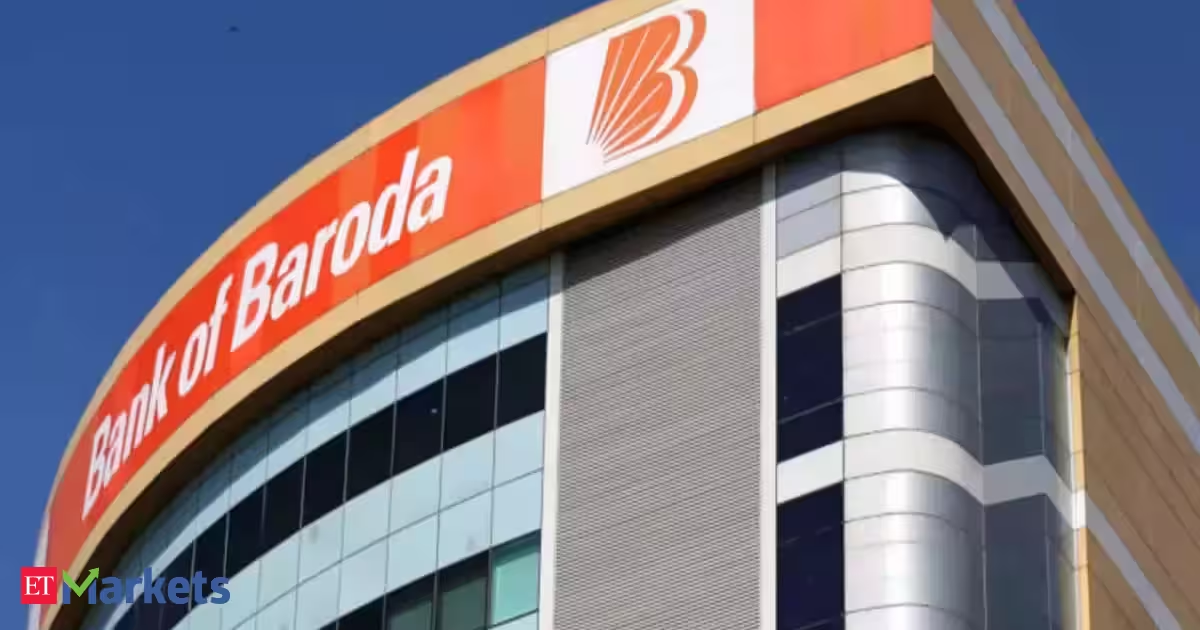
Bank of Baroda on Friday reported that its net interest income (NII) rose 9% YoY to Rs 12,524 crore during the April-June quarter of FY27, as against Rs 11,435 crore in the year-ago period. Operating income fell slightly to Rs 15,995 crore, while operating profit dropped 1% YoY to Rs 8,127 crore.
Total provisions and contingencies rose to Rs 6,323 crore, mainly due to the exceptional item. The bank’s global advances grew 17% YoY to Rs 14.16 lakh crore, while global deposits rose 14% YoY to Rs 16.33 lakh crore. Global net interest margin stood at 2.77% for Q1 FY27, compared with 2.91% a year earlier and 2.89% in Q4 FY26. Domestic NIM stood at 2.93%. Cost of deposits declined to 4.66%, down 12 basis points sequentially and 39 basis points year-on-year.
Bank of Baroda’s asset quality improved from a year earlier, though bad loan ratios rose sequentially. Gross NPA ratio stood at 1.99% in Q1 FY27, compared with 2.28% in Q1 FY26 and 1.89% in Q4 FY26. Net NPA ratio declined to 0.50% from 0.60% a year earlier, but was higher than 0.45% in the March quarter.
JM Financial on Bank of Baroda share price
JM Financial said Bank of Baroda reported a mixed Q1 earnings print, with a 72% plunge in profit due to an exceptional charge pertaining to the NMC Health litigation settlement. Excluding this, PAT would have grown 22% YoY, translating to an RoA of 1.1%, it noted.

Operating performance was further weighed down by weak core fee income, declining 22% YoY and missing the brokerage’s estimate by 36%, although sharply lower provisions, aided by release of standard asset provisions, supported profitability, JM Financial said. It added that advances growth came as the bank consciously ran down corporate exposures.
Sustaining RoA above 1% remains a key variable to monitor amid potential NIM pressure, continued reliance on recoveries and potentially higher credit costs following the upcoming ECL transition, the brokerage said. It cut its EPS estimates for FY27 by 5% and FY28 by 1% to factor in the NMC litigation charge, higher credit costs and moderation in fee income.
JM Financial maintained its ‘Add’ rating on the shares of Bank of Baroda, but reduced its target price to Rs 270 apiece from Rs 290. The latest target implies a 10% upside from the previous closing price of Rs 246.45 on NSE.
Also read | Bank of Baroda Q1 Results: Profit falls 72% to Rs 1,278 crore on one-off settlement hit
Motilal Oswal on Bank of Baroda share price
Motilal Oswal Financial Services said Bank of Baroda reported a muted quarter, with the one-off provision weighing on earnings. It noted that the bank expects NIMs to remain broadly in the 2.75% to 2.95% range, while cost of funds appears to have largely bottomed out, with incremental support expected from improving yields.
Business momentum was soft this quarter, with management maintaining credit growth guidance of 12% to 14% going ahead.
While there are no inherent concerns on asset quality, the brokerage expects credit costs to stay high at around 60 basis points in FY28, factoring in the ECL-related transition. It reduced earnings estimates by 18.9% for FY27 and 5.2% for FY28 due to the one-time settlement impact.
Motilal Oswal maintained its ‘Neutral’ rating but cut its target price to Rs 275, implying nearly 12% upside.
Other brokerages
Systematix Institutional Equities said that excluding the one-off item, core performance remained healthy. However, it reduced earnings estimates to factor in margin pressure and other financial factors. It cut the target price to Rs 290 from Rs 300, while maintaining a ‘Buy’ call.
Dolat Capital maintained its ‘Reduce’ rating and lowered the target price to Rs 250, implying just over 1% upside. It expects RoA to decline to 0.9% in FY28 due to lower margins and upcoming ECL provisions. Its loan growth estimate of 12% over FY27 and FY28 is also below overall banking system expectations.
Also read | NMC health settlement drags Bank of Baroda Q1 net profit down 72%
(Disclaimer: Recommendations, suggestions, views and opinions given by the experts are their own. These do not represent the views of The Economic Times)
Factbox-Hong Kong IPO-bound Shein’s management and ownership structure

EIPI: Light Enough For Upside, Heavier For The Grind – Maintain Buy
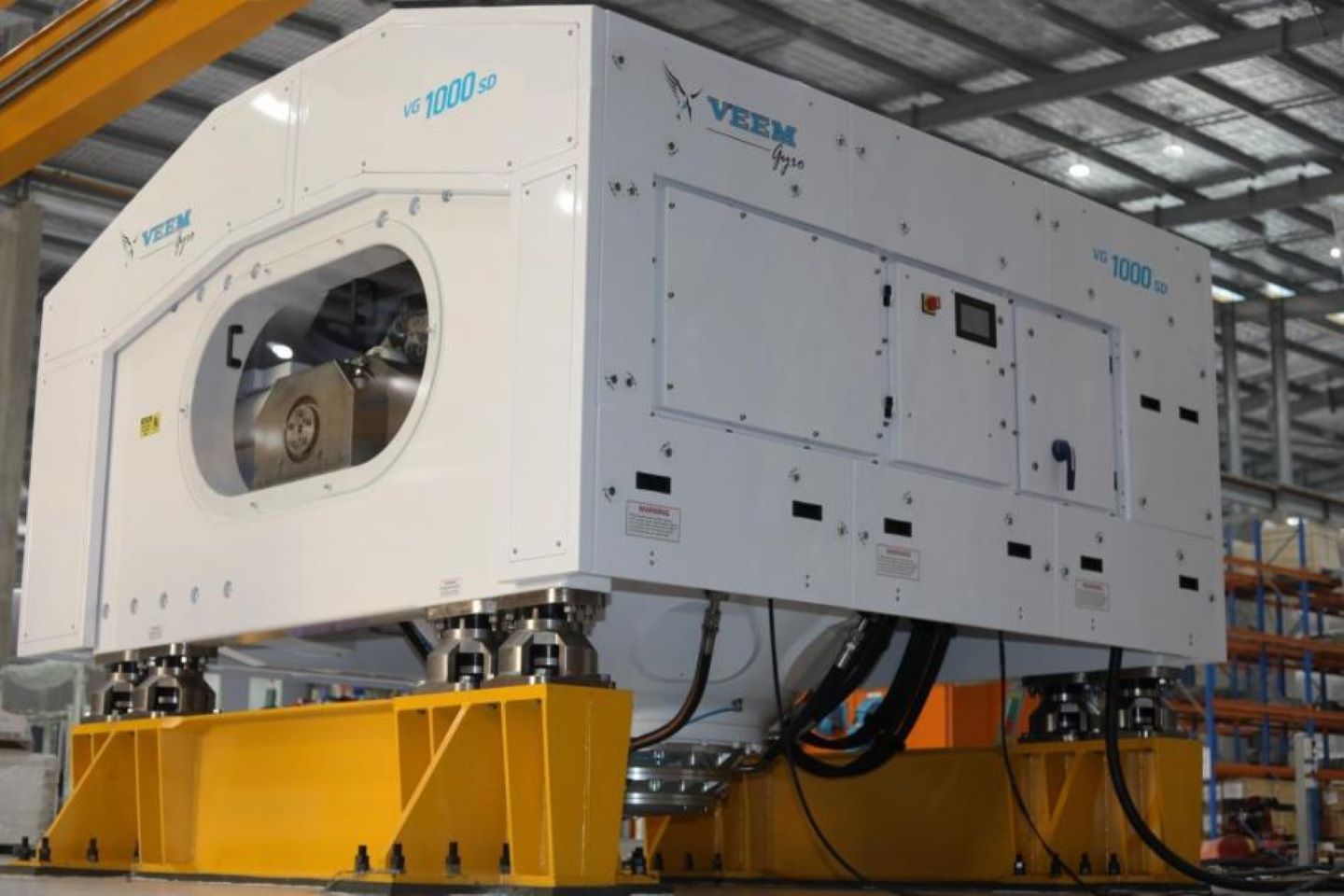
VEEM chief executive Trevor Raman has announced he will depart the marine technology company, citing a desire to pursue additional career opportunities.

Myanmar military escalates civilian killings, monitor warns, amid diplomatic push
Shares in China’s biggest memory chip maker have surged by more than 470% as they made their debut on the Shanghai Stock Exchange’s tech-heavy STAR Market.
The surge has pushed CXMT’s stock market valuation to around 3.3 trillion yuan ($487.3bn; £364.9bn), making it the most valuable listed company in mainland China.
The spectacular debut comes despite a sharp selloff in technology stocks around the world this month.
CXMT manufactures dynamic random-access memory (Dram) chips that power artificial intelligence (AI) data centres, mobile phones, PCs, tablets and other devices.
The firm, which was founded in 2016 by Chairman Zhu Yiming, is headquartered in Hefei, Anhui Province in eastern China.
The company has said it plans to use most of the proceeds from the initial public offering (IPO) to boost production of memory chips and carry out more research and developments.
The strong performance of its IPO will offer some comfort to Chinese financial officials, who have been rolling out measures to help curb a stock market slump that wiped out more than $1.5tn in recent weeks.
South Korean tech giants Samsung Electronics and SK Hynix and US-based Micron dominate the Dram market, with the three companies accounting for around 90% of global production.
Earlier this month, SK Hynix raised $26.5bn (£19.8bn) in its New York share offering, marking the largest ever listing by a foreign firm in the US.
The company, a key supplier to AI chip giant Nvidia, said it had sold 177.9 million American depositary shares for $149 each.
The shares surged as much as 17% on Friday in their first day of trading on the Nasdaq but have since given up some of that gain.
SK Hynix saw its market value top $1tn in its home country in May, lifted by the boom in demand for AI chips.
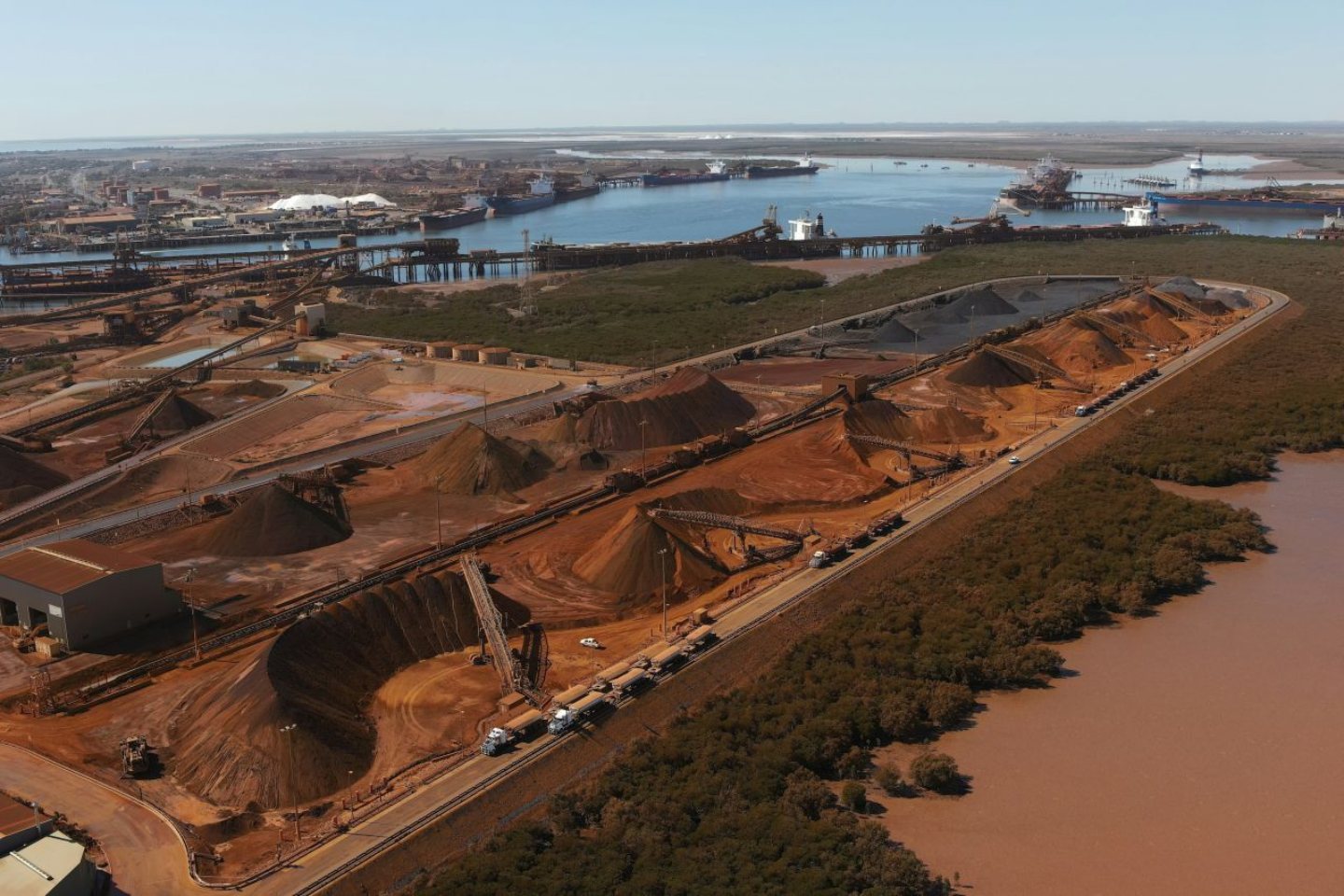
A wholly owned Monadelphous subsidiary has been awarded a $37 million contract to deliver upgrades to the Utah Ring Road in the Port of Port Hedland.
Shares in Talga Group rose by more than 15 per cent early on Monday, following a market update regarding its Vittangi anode project in Sweden.


Wolf Report is a senior analyst and private portfolio manager with over 10 years of generating value ideas in European and North American markets, and the owner of Wolf of Value, a service focusing on international dividend-paying value investments.He further covers the markets of Scandinavia, Germany, France, UK, Italy, Spain, Portugal and Eastern Europe in search of reasonably valued stock ideas.
Analyst’s Disclosure: I/we have no stock, option or similar derivative position in any of the companies mentioned, and no plans to initiate any such positions within the next 72 hours. I wrote this article myself, and it expresses my own opinions. I am not receiving compensation for it (other than from Seeking Alpha). I have no business relationship with any company whose stock is mentioned in this article.
While this article may sound like financial advice, please observe that the author is not a CFA or in any way licensed to give financial advice. It may be structured as such, but it is not financial advice. Investors are required and expected to do their own due diligence and research prior to any investment.
Short-term trading, options trading/investment, and futures trading are potentially extremely risky investment styles. They generally are not appropriate for someone with limited capital, limited investment experience, or a lack of understanding for the necessary risk tolerance involved.
I own the European/Scandinavian tickers (not the ADRs) of all European/Scandinavian companies listed in my articles. I own the Canadian tickers of all Canadian stocks I write about.
Please note that investing in European/Non-US stocks comes with withholding tax risks specific to the company’s domicile as well as your personal situation. Investors should always consult a tax professional as to the overall impact of dividend withholding taxes and ways to mitigate these.
Seeking Alpha’s Disclosure: Past performance is no guarantee of future results. No recommendation or advice is being given as to whether any investment is suitable for a particular investor. Any views or opinions expressed above may not reflect those of Seeking Alpha as a whole. Seeking Alpha is not a licensed securities dealer, broker or US investment adviser or investment bank. Our analysts are third party authors that include both professional investors and individual investors who may not be licensed or certified by any institute or regulatory body.

This is the forum for daily political discussion on Seeking Alpha. A new version is published every market day.
Please don’t leave political comments on other articles or posts on the site.
The comments below are not regulated with the same rigor as the rest of the site, and this is an ‘enter at your own risk’ area as discussion can get very heated. If you can’t stand the heat… you know what they say…
More on Today’s Markets:
Moderation Guidelines:
We remove comments under the following categories:
- Personal attacks on another user account
- Anti-Vaxxer or covid related misinformation
- Stereotyping, prejudiced or racist language about individuals or the topic under discussion.
- Inciting violence messages, encouraging hate groups and political violence.
Regardless of which side of the political divide you find yourself, please be courteous and don’t direct abuse at other users.
For any issue with regards to comments please email us at : moderation@seekingalpha.com.
Seeking Alpha’s Disclosure: Past performance is no guarantee of future results. No recommendation or advice is being given as to whether any investment is suitable for a particular investor. Any views or opinions expressed above may not reflect those of Seeking Alpha as a whole. Seeking Alpha is not a licensed securities dealer, broker or US investment adviser or investment bank. Our analysts are third party authors that include both professional investors and individual investors who may not be licensed or certified by any institute or regulatory body.

Andy Burnham to make it harder for people to claim benefits as he vows to ‘get serious’ about cutting welfare bill
Bank of Baroda shares fall 2% after Q1 earnings. Why are brokerages slashing target prices?
4 Things That May Move Crypto Markets This Week as Fed Rate Hike Odds Increase


-

 Fashion2 days ago
Weekend Open Thread: Brooks Brothers
-

 Crypto World6 days ago
Grayscale Files For Worldcoin ETF, WLD Registers Sharp Rise
-

 NewsBeat5 days ago
How a former Blue Peter presenter stunned America’s Got Talent judges
-

 Tech6 days ago
Sail Virtually Aboard The “Itanic” With IA-64 Emulator
-
 Tech6 days ago
Turtle Beach Command Series KB7 review: a nifty screen-equipped gaming keyboard
-

 NewsBeat7 days ago
Unregistered fitter used Gas Safe logo on business flyers
-

 Tech5 hours ago
Intel is reversing course and bringing hyper-threading back to its server chips
-
 Business5 days ago
New Jersey voter registration controversy explained: How 6,600 noncitizens got on the rolls, and what happens next
-
 Entertainment5 days ago
Johnny Depp’s R-Rated Gothic Cult Classic Gets New Release Ahead of Sydney Sweeney Remake
-

 Crypto World4 days ago
Ethics, other provisions in crypto Clarity Act to be further discussed
-

 Tech7 days ago
Watch Flock Safety CEO Garrett Langley discuss the future of surveillance at TechCrunch Disrupt 2026
-
 NewsBeat6 days ago
Shanghai science forum photos show China’s AI and robotics advances in rivalry with US
-

 Crypto World7 days ago
Circle’s President Sold Over 360,000 Shares, The Filings Explain Why
-

 Tech7 days ago
Subway Sandwich Computers Get a Second Life as Gaming Machines
-
 Sports8 hours ago
Commonwealth Games boxing: Jadumani Singh seals dominant 5-0 win over Pakistan’s Sumama Rehman to enter quarter-finals | Commonwealth Games News
-

 News Videos3 days ago
The Peugeot Family: How 200 Years of an “Old Money” Dynasty Died in A Boardroom
-

 Politics16 hours ago
Spain sweeps the board at 2026 World Cup with individual awards
-

 Sports3 days ago
2026 3M Open leaderboard: Scottie Scheffler finds putter in Round 1, sits three back
-

 Fashion3 days ago
16 Dresses for the High Summer Event
-

 Crypto World6 days ago
Andrew Cuomo joins OKX board as crypto exchange expands in U.S.
You must be logged in to post a comment Login