
Business
Warren Buffett Resigns as Berkshire Hathaway CEO After Historic 60-Year Leadership

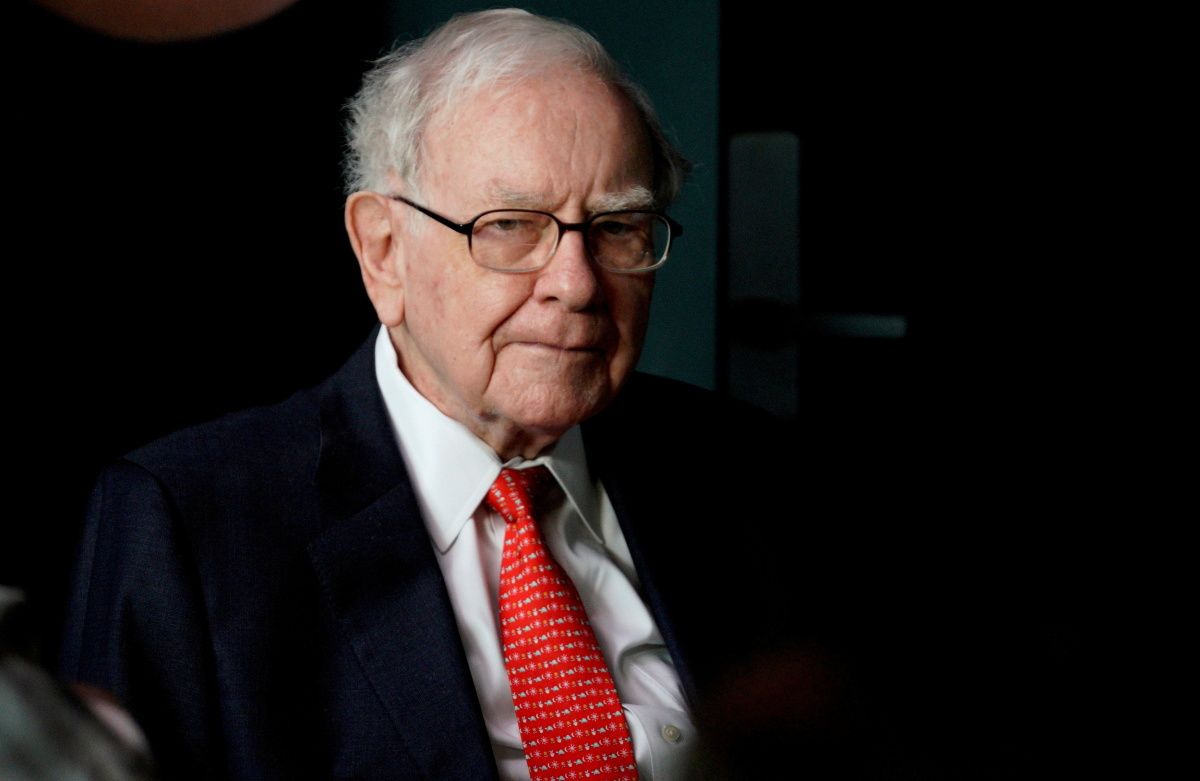
OMAHA, Neb. — Warren Buffett, the legendary investor who transformed Berkshire Hathaway from a struggling textile mill into a $1 trillion-plus conglomerate, announced his resignation as chief executive officer on Wednesday, ending one of the most remarkable runs in American business history after more than six decades at the helm.

The 95-year-old Buffett made the announcement during a special meeting of Berkshire’s board, confirming that Greg Abel, 63, who has been groomed as his successor for years, will assume the CEO role effective immediately. Buffett will remain chairman of the board, ensuring continuity during the historic leadership transition.
In a statement released by the company, Buffett expressed gratitude to Berkshire’s shareholders, employees and managers. “Berkshire has been my life’s work, and it has been an incredible privilege to lead this remarkable organization for so long,” he said. “The time has come to pass the baton to Greg, who is exceptionally well prepared to guide Berkshire into its next chapter. I have full confidence in his leadership and the incredible team around him.”
The news sent ripples through global financial markets. Berkshire Hathaway Class A shares, which trade at over $700,000 each, dipped slightly in early trading before recovering as investors digested the long-anticipated transition. Analysts described the move as expected but still emotionally significant for investors who have come to view Buffett as synonymous with the company.
Buffett took control of Berkshire Hathaway in 1965 when it was a failing New England textile manufacturer. Through his value-investing philosophy — buying high-quality businesses at reasonable prices and holding them for the long term — he built one of the most valuable companies in the world. Under his leadership, Berkshire’s stock delivered compounded annual returns of approximately 20% for decades, turning thousands of ordinary investors into millionaires through patient, disciplined ownership.
The “Oracle of Omaha,” as Buffett is affectionately known, became a cultural icon. His annual shareholder letters were devoured by investors worldwide for their wisdom, wit and plain-spoken advice on business, investing and life. The Berkshire annual meeting, often called the “Woodstock of Capitalism,” drew tens of thousands of pilgrims to Omaha each year to hear Buffett and his longtime partner Charlie Munger dispense investment wisdom.
Munger, Buffett’s closest confidant and vice chairman, passed away in 2023 at age 99. His death marked the beginning of the end of an era, with Abel increasingly taking on more visible leadership roles. Abel, who joined Berkshire through its MidAmerican Energy subsidiary, has overseen the company’s non-insurance operations and earned Buffett’s trust through decades of steady, principled management.
Greg Abel’s ascension has been carefully planned. Buffett has publicly praised Abel’s business acumen, integrity and alignment with Berkshire’s distinctive culture of decentralization, long-term thinking and ethical conduct. In his 2024 shareholder letter, Buffett explicitly named Abel as his successor, ending years of speculation about who would lead the company after him.
The transition comes at a pivotal time for Berkshire. The company holds a massive cash position exceeding $180 billion, giving it significant firepower for acquisitions or share repurchases. Its diverse portfolio includes insurance giants GEICO and Berkshire Hathaway Reinsurance, railroads (BNSF), utilities (Berkshire Hathaway Energy), and iconic consumer brands like See’s Candies, Dairy Queen and Fruit of the Loom.
Buffett’s resignation ends an unparalleled chapter in corporate America. His influence extended far beyond Berkshire — shaping generations of investors, business leaders and even public policy through his advocacy for higher taxes on the wealthy and philanthropic efforts. Through the Giving Pledge, which he co-founded with Bill Gates, Buffett has committed the vast majority of his fortune — currently estimated at over $130 billion — to charitable causes, primarily through the Bill & Melinda Gates Foundation.
The news of his departure elicited tributes from across the business and political worlds. Microsoft co-founder Bill Gates called Buffett “one of the greatest investors and most generous philanthropists of our time.” JPMorgan Chase CEO Jamie Dimon described him as “a once-in-a-generation figure whose wisdom shaped modern capitalism.” President Donald Trump posted on Truth Social: “Warren Buffett is a legend. He built something incredible. Congratulations on an amazing career!”
For Berkshire shareholders, the transition raises important questions about the company’s future without its iconic leader. Buffett’s approach — buying wonderful businesses run by wonderful people and letting them operate with autonomy — has been central to Berkshire’s success. Abel has pledged to maintain this culture while bringing his own perspectives to capital allocation and strategic direction.
Early indications suggest continuity rather than radical change. Abel has emphasized Berkshire’s decentralized model and long-term focus in recent public appearances. However, investors will be watching closely for any shifts in investment philosophy, dividend policy or approach to acquisitions as the new CEO settles in.
The annual shareholder meeting on May 2 in Omaha will take on special significance this year. It will be Abel’s first as CEO, though Buffett is expected to attend and participate. The event, which typically draws tens of thousands of attendees, will serve as both a celebration of Buffett’s legacy and an introduction to Berkshire’s next chapter.
Buffett’s resignation does not mean the end of his influence. As chairman, he will continue to provide guidance and oversight. His substantial ownership stake — still over 15% of the company’s voting power — ensures his voice will remain important in major decisions.
For generations of investors who grew up reading Buffett’s letters and attending the annual meetings, today’s news marks the closing of a golden era. Yet many express confidence that Berkshire’s unique culture and strong bench of operating managers will allow the company to thrive under new leadership.
As Warren Buffett steps away from day-to-day leadership after more than six decades, his extraordinary legacy — built on integrity, patience and rational decision-making — will continue to inspire investors and business leaders around the world for generations to come.
The Oracle of Omaha may be stepping down as CEO, but his influence on American capitalism and the art of investing is permanent. Berkshire Hathaway enters a new era, but the principles that guided it for 60 years are expected to endure.

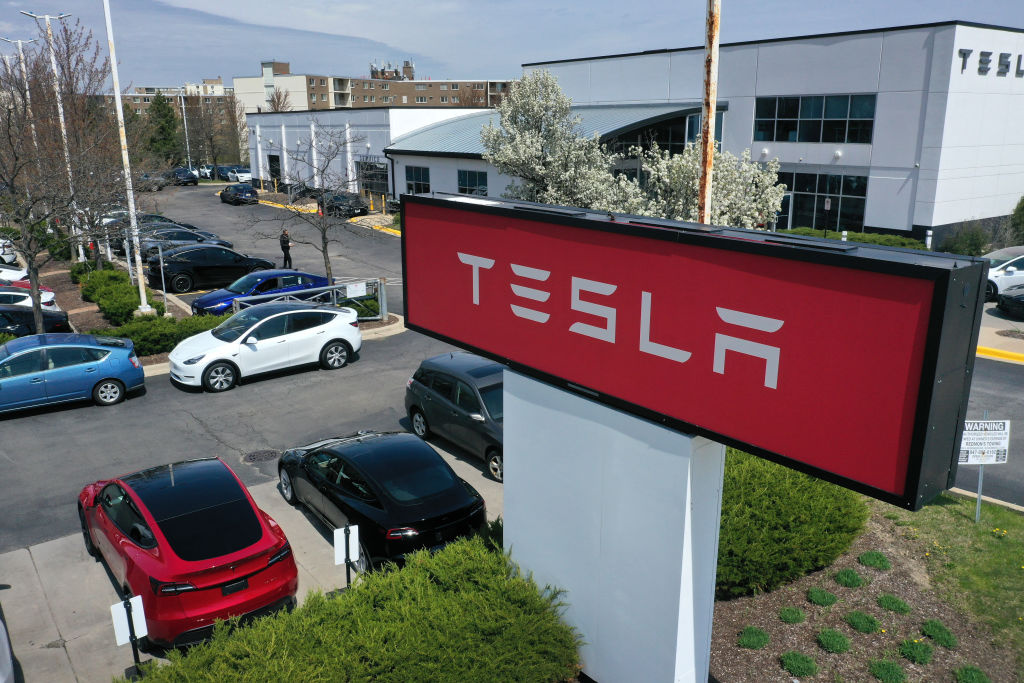
NEW YORK — Tesla Inc. shares slipped 1.18% to $371.58 in midday trading on Wednesday, April 29, 2026, as investors adopted a cautious stance ahead of the electric vehicle maker’s first-quarter earnings report and highly anticipated robotaxi event scheduled for later this year.
The modest decline came despite broader market resilience, with the Nasdaq Composite trading slightly higher. Tesla’s movement reflects typical pre-earnings jitters combined with ongoing questions about demand softness in key markets, production ramp challenges for new models and the pace of progress on autonomous driving technology.
Tesla is scheduled to report Q1 results after the market close on April 29. Wall Street analysts expect revenue of approximately $24.5 billion, representing modest year-over-year growth, with adjusted earnings per share around $0.85. The numbers come against a backdrop of slowing EV demand in some regions, increased competition from Chinese manufacturers and margin pressure from price cuts implemented throughout 2025.
CEO Elon Musk has previewed a strong focus on autonomy and artificial intelligence during the upcoming earnings call. The company’s Full Self-Driving (FSD) software continues to see incremental improvements, with version 13.2 recently rolled out to more vehicles. Musk has repeatedly stated that unsupervised FSD and the robotaxi platform represent the biggest growth opportunities for Tesla beyond traditional vehicle sales.
Production of the long-awaited Model 2, a more affordable vehicle priced under $30,000, is reportedly on track for a late 2026 launch. However, some analysts have expressed concerns about whether Tesla can maintain its pricing power and margins in an increasingly crowded and price-sensitive EV market.
Energy storage deployment remains a bright spot for the company. Tesla’s Megapack business has seen explosive growth as utilities and data center operators seek solutions for renewable integration and power reliability. Q1 energy storage deployments are expected to set another record, providing a counterbalance to any softness in automotive margins.
The stock has experienced significant volatility in 2026. After reaching all-time highs earlier in the year on optimism around AI and robotics, shares have pulled back amid concerns about near-term growth and execution risks. Tesla’s market capitalization still exceeds $1.1 trillion, making even small percentage moves translate into tens of billions of dollars in value.
Short interest remains elevated, though significantly lower than peaks seen in previous years. Options activity today showed a mix of hedging and speculative bets ahead of earnings, with traders positioning for potential volatility following the report.
Musk’s active presence on social media continues influencing sentiment. His recent posts about Optimus humanoid robot development and new vehicle features have generated excitement among retail investors, though some institutional investors prefer more concrete timelines and financial details.
The competitive landscape has intensified. Legacy automakers and new EV entrants continue gaining market share, particularly in Europe and China. Tesla’s decision to maintain relatively high prices on its core lineup while rolling out more affordable options has drawn mixed reactions from consumers and analysts.
Regulatory developments also loom large. Ongoing discussions around autonomous vehicle approvals in the United States and Europe could significantly impact Tesla’s timeline for robotaxi deployment. Any positive regulatory news could act as a major catalyst for the stock.
For long-term investors, today’s modest dip may represent limited significance in the context of Tesla’s ambitious vision. The company’s leadership in battery technology, software and manufacturing scale continues setting it apart from traditional automakers. Its vertically integrated approach—from raw materials to finished vehicles and energy products—remains a key differentiator.
Wall Street’s consensus price target sits around $420, implying meaningful upside potential if Tesla delivers on its growth narrative. However, several analysts have trimmed targets recently, citing valuation concerns and execution risks in new product categories.
As the trading day progresses, all eyes remain on the after-market earnings release and conference call. Investors will be listening closely for updates on production numbers, FSD adoption rates, energy storage margins and any fresh details about the robotaxi unveiling timeline.
Tesla’s ability to navigate current challenges while investing heavily in future technologies has defined its trajectory for years. Today’s slight pullback fits a pattern of consolidation before potentially market-moving events. Whether the stock rebounds strongly will depend heavily on the tone and specifics delivered in tonight’s earnings report.
The coming months will be critical as Tesla balances near-term profitability pressures with massive long-term investments in autonomy, robotics and energy. For shareholders who have ridden the stock’s remarkable journey from its early days, today’s movement represents just another chapter in a volatile but historically rewarding investment story.

KalVista: 'Strong Buy' As Acquired By Chiesi And Positive KONFIDENT-KID Outcome

Spero Georgedakis, CEO and founder of Good Greek Moving and Storage, joins ‘Mornings with Maria’ to discuss record diesel prices, how rising fuel costs are hitting truckers and moving companies and the growing strain on small businesses.
The AAA national average price for regular gas has soared to $4.229 as of Wednesday, the highest notched so far during the ongoing tensions between the U.S. and Iran.
While that number is more than a dollar higher than the AAA national average of just $3.161 a year ago, it is still significantly lower than the highest recorded AAA national average of $5.016 set in June 2022 during President Joe Biden’s White House tenure.
White House spokeswoman Taylor Rogers told Fox News Digital in a statement, “The President brought oil and gas prices down to multi-year lows at record speed, and as traffic in the Strait of Hormuz normalizes, these energy prices will plummet once again. President Trump has always been clear that these are short-term, temporary disruptions.”
YOUR SUMMER BBQ IS ABOUT TO COST MORE – HERE’S THE SURPRISING REASON WHY
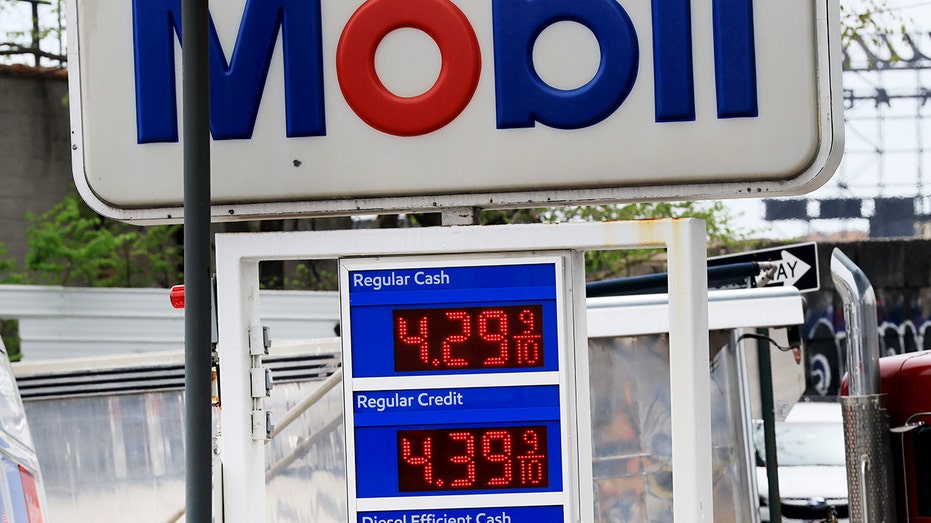
Fuel prices are displayed at a Brooklyn gas station on April 28, 2026, in New York City. (Spencer Platt/Getty Images / Getty Images)
A White House official informed Fox News Digital that Trump met with several oil executives on Tuesday “where they discussed how the US is doing better than others, and the President is doing all the right things right now – Jones Act, DPA [Defense Production Act], etc.”
Early on Wednesday morning, the president warned in a Truth Social post, “Iran can’t get their act together. They don’t know how to sign a nonnuclear deal. They better get smart soon!”
BUDGET AIRLINES ASK FEDERAL GOVERNMENT FOR $2.5B IN AID TIED TO RISING JET FUEL COSTS

A man uses a gas pump at a Shell gas station in Houston, Texas, on March 16, 2026. (RONALDO SCHEMIDT / AFP via Getty Images / Getty Images)
His post included a graphic that depicted him wearing sunglasses while holding a gun as explosions go off behind him. “NO MORE MR. NICE GUY!” text blares atop the meme.
The U.S. military has been enforcing a blockade against Iranian ports for more than two weeks.
“The blockade is somewhat more effective than the bombing. They are choking like a stuffed pig. And it is going to be worse for them. They can’t have a nuclear weapon,” Trump reportedly told Axios in an interview published Wednesday.
TRUMP: ENERGY SECRETARY WRIGHT ‘TOTALLY WRONG’ ON DELAYED RETURN TO $3 GAS

President Donald Trump during the White House Correspondents’ Association (WHCA) dinner in Washington, D.C., on Saturday, April 25, 2026. (Yuri Gripas/Abaca/Bloomberg via Getty Images / Getty Images)
CLICK HERE TO GET FOX BUSINESS ON THE GO
“They want to settle. They don’t want me to keep the blockade. I don’t want to [lift the blockade], because I don’t want them to have a nuclear weapon,” he reportedly said.
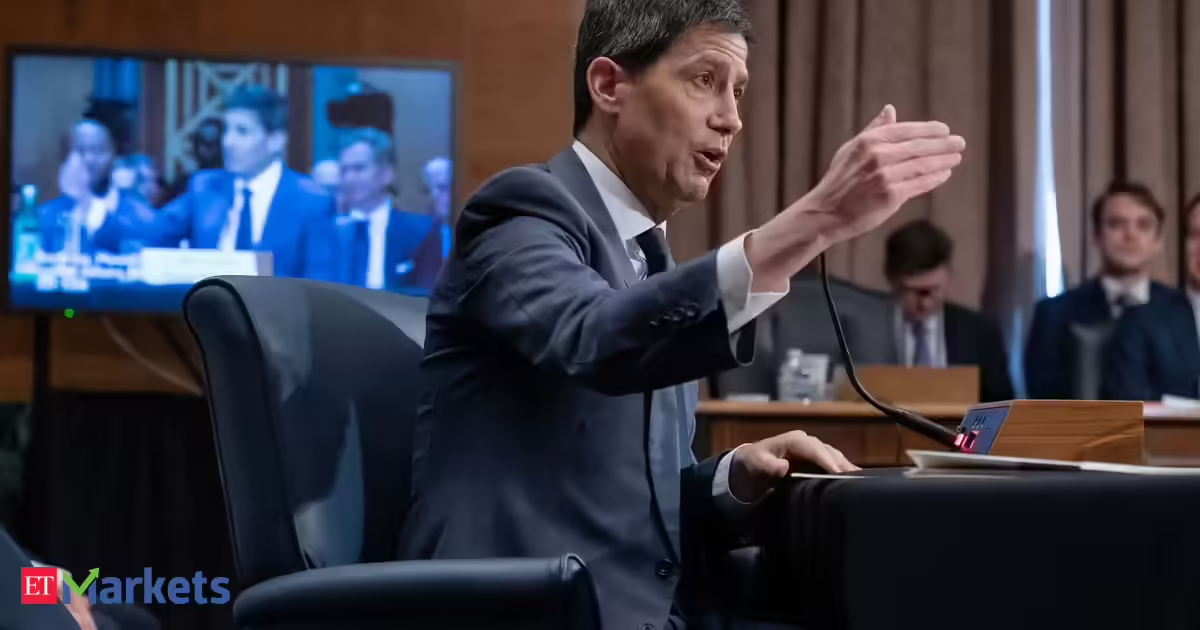
As the vote took place, Powell was leading what is expected to be his last policy-setting meeting as head of the Fed. The policy-setting Federal Open Market Committee is universally expected to leave its benchmark overnight interest rate unchanged in the current 3.50%-3.75% range, given still-elevated inflation and upward pressure on prices from the disruption to global oil supplies due to the Iran war.
President Donald Trump, who picked Powell for the top Fed job in 2018 but soured on him within months for not cutting interest rates, said he believes his new nominee will deliver the reductions in borrowing costs that he wants. Warsh, a 56-year-old lawyer, financier and former Fed governor, told lawmakers at his confirmation hearing last week that he had not promised Trump that he would cut rates. But he did vow “regime change” to make the central bank more answerable to the administration and Congress on non-monetary policy matters.
The vote on Wednesday went forward after North Carolina Senator Thom Tillis dropped his opposition in response to the Department of Justice’s decision on Friday to end a criminal investigation into Powell that Tillis viewed as a threat to the Fed’s political independence.
“I’ve got confidence that this investigation is over,” Tillis said after casting his vote with the Republican majority, adding that while the Department of Justice does plan to appeal a federal judge’s decision in the case, prosecutors assured him the intent is not to reopen the investigation but only to settle a legal matter regarding the department’s subpoena power.

Republican Senator Tim Scott, who chairs the Senate Banking Committee, called Warsh “battle-tested and ready to serve, and not only serve, but to lead.”
The panel’s 11 Democrats, who say they doubt Warsh’s promise to set policy without regard to Trump’s wishes, voted against advancing the nomination. “Members of this committee who vote for Mr. Warsh and help facilitate President Trump’s takeover of the central bank will come to regret it,” the committee’s top Democratic lawmaker, Senator Elizabeth Warren, said before the vote.UNCLEAR WHETHER POWELL STAYS ON FED BOARD
Republican leaders in the Senate intend to push ahead with consideration of Warsh’s nomination on Thursday, a timeline aimed at holding a confirmation vote in the week of May 11, a source familiar with the process said. That timeline would allow Warsh to be sworn in by May 15 when Powell’s leadership term ends. It is still not clear whether Warsh’s ascension would mean Powell’s exit from the Fed, or whether the current central bank chief would stay on as a member of its Board of Governors – and, if he does so, whether Trump will follow through on his threat to try to fire him. Such a move would surely draw a legal challenge, as did the president’s attempt last summer to fire Fed Governor Lisa Cook.
Powell’s board seat runs through January 2028.
Fed chiefs almost always step down to make room for their successors, and Powell is a lawyer whose adherence to regularity runs deep. But he took the view that the government’s criminal investigation was political intimidation and part of the Trump administration‘s efforts to influence how the Fed sets interest rates.
Powell said last month that he would not leave the Fed until the criminal probe was concluded with “finality,” and he may yet stay on if he feels doing so is best for the central bank and the country. U.S. Attorney for the District of Columbia Jeanine Pirro said on Friday she would not hesitate to resume her investigation of Powell “should the facts warrant doing so.”
“We would not be at all amazed if he decides to leave on May 15,” Evercore ISI analysts wrote on Wednesday. “However, our hunch is that Powell does stay, but in the base case only for some months until all the legal loose ends are wrapped up and Fed chair independence is fully reasserted.”


Contains 10 grams of plant-based protein per serving.
During an Investor Call on Q4 financial results, Vedanta Resources CEO Deshnee Naidoo said the demerger is now in its final stage.
“In the next week, we will be filing with the exchanges for listing approval. The shares of the resulting companies are expected to list and commence trading by mid-June,” she said.
Vedanta Ltd is the Indian arm of Vedanta Resources.
Vedanta CFO Ajay Goel said the company’s board has earlier approved Vedanta demerger effective from May 1, and this will entail the creation of five independent sector-specific pure play companies, allowing each company to chart out its own growth trajectory and attract investors.
The company, he said, has set May 1 as the record date for demerger and added that the shareholders holding one share of Vedanta as on April 29 will receive four additional shares of the resulting companies.
“We are targeting listing and commencement of trading of these shares by the first quarter of FY’27,” he said. The demerger has been structured with precision on capital structure, aligning debt with the earning strength and growth stage of each resulting company, he said.
Vedanta Oil & Gas and Iron & Steel businesses will emerge as close to zero net debt businesses, while the other three businesses will have net debt to EBITDA ratios in line with their debt servicing capability, Goyal said.
Vedanta had earlier said that the demerger will help in simplifying Vedanta’s corporate structure with sector focussed independent businesses and provide opportunities to global investors, including sovereign wealth funds, retail investors and strategic investors, with direct investment opportunities in dedicated pure-play companies linked to India’s remarkable growth story through Vedanta’s world class assets.
It will also provide a platform for individual units to pursue strategic agendas more freely and better align with customers, investment cycles and end markets, it added.
As part of the demerger, Vedanta plans to separately list four entities: Vedanta Aluminium Metal Limited (VAML), Talwandi Sabo Power Ltd (TSPL), Malco Energy Ltd (MEL) and Vedanta Iron and Steel Limited (VISL).
According to the exchange filing, under the composite scheme of arrangement, shareholders of Vedanta will receive equity shares in four businesses in a 1:1 ratio.

Managing human resources in the UK has become increasingly complex. With evolving HMRC regulations, PAYE updates, and the shift towards flexible working arrangements, relying on fragmented point solutions or outdated spreadsheets is no longer viable.
As organisations scale, the administrative burden multiplies, making a unified Human Resources Management System (HRMS) essential for maintaining compliance and driving growth.
The challenge for UK businesses is finding a platform that balances robust functionality with an intuitive employee experience. Many legacy systems are too rigid for modern teams, while lightweight tools often lack the depth required for multi-site operations or global expansion. The ideal HRMS should consolidate core HR, payroll, talent management, and workforce planning into a single source of truth.
In this guide, we evaluate the top HRMS platforms available in the UK market for 2026. We look beyond marketing claims to assess how these systems handle real world complexities, from auto-enrolment pensions to advanced performance management.
Methodology: How We Determined the Top Picks
To identify the best HRMS platforms for UK businesses, we evaluated dozens of solutions against strict criteria. Our methodology focused on:
- UK Compliance and Localisation: The system must handle UK specific requirements, including HMRC reporting, PAYE, and statutory leave calculations.
- Platform Unification: We prioritised all-in-one platforms that eliminate the need for multiple disconnected tools.
- Scalability: The software must support mid sized and scaling organisations, handling increased complexity without requiring a complete system overhaul.
- User Experience: We assessed the interface for both HR administrators and everyday employees, as high adoption rates are critical for ROI.
- Real User Feedback: We analysed verified reviews from platforms like G2 and Capterra to understand the actual strengths and limitations experienced by current customers.
Our Pick: The 10 Best HRMS Platforms in the UK for 2026
Here is our breakdown of the top HRMS solutions for UK organisations.
1. HiBob
Best for: Mid sized and scaling UK companies requiring a unified, modern HR platform.
HiBob is a comprehensive HR platform built specifically for fast growing, mid sized, and multinational organisations. By consolidating core HR, payroll, applicant tracking, and workforce planning into one intuitive system, Bob helps companies streamline operations and scale with confidence. Unlike traditional HRIS systems that feel corporate and rigid, HiBob focuses heavily on the employee experience while delivering enterprise grade capabilities.
For businesses operating in the UK, HiBob is built with local requirements in mind rather than forcing teams to adapt to generic global systems. Their local alignment becomes even more valuable for companies operating across multiple regions. UK-based teams can manage local compliance and reporting with confidence, while still benefiting from the platform’s ability to handle multi-country payroll and workforce planning.
For organisations that are scaling beyond the UK, HiBob offers a balance between strong domestic compliance and global flexibility, allowing HR teams to grow without needing to replace their system later on.
Strengths:
HiBob excels in providing a unified platform that eliminates data silos. It offers deep localisation for UK teams, including native UK payroll and compliance features. The modern, intuitive user interface drives high adoption rates across all levels of the business. Advanced analytics and reporting empower HR leaders to make data driven decisions, while robust automation reduces manual administrative work. Many users on G2 praise its user-friendliness and smooth interface.
Limitations:
Because it is a comprehensive platform designed for scaling and mid-sized businesses, very small micro businesses might find the extensive feature set more than they currently need.
2. CharlieHR
Best for: Small UK startups and creative agencies.
CharlieHR is a London based HR software designed specifically for small businesses. It focuses on automating basic HR admin tasks like booking time off, storing documents, and running performance reviews.
Strengths:
The platform is highly accessible for small teams without dedicated HR departments. It offers a clean interface and includes access to on demand HR advice for UK employment law.
Limitations:
According to G2 reviews, users frequently note that the platform lacks the depth required for scaling companies. It struggles with complex organisational structures and does not offer the advanced workforce planning or global payroll capabilities needed as a business expands beyond the startup phase.
3. Ciphr
Best for: Public sector and established UK enterprises.
Ciphr is a long standing UK HR software provider that offers a suite of HR, payroll, learning, and recruitment solutions. It is heavily focused on data security and compliance for established British organisations.
Strengths:
Ciphr provides strong UK specific compliance tools and is highly customisable for complex public sector requirements.
Limitations:
Capterra reviewers often mention that the user interface feels dated compared to modern SaaS platforms. The implementation process can be lengthy, and the system’s rigidity makes it less suitable for agile, fast moving companies that require a more flexible approach to people management.
4. Employment Hero
Best for: Small to medium businesses looking for integrated benefits.
Employment Hero is an HR and payroll platform that includes a built in employee benefits marketplace. It aims to help smaller companies offer perks that rival larger corporations.
Strengths:
The platform handles basic UK compliance well and provides a unique approach to employee rewards and recognition through its integrated marketplace.
Limitations:
Users on G2 have highlighted that the customer support can be slow to respond. Additionally, the platform’s core HR functionality can lack the depth required for complex performance management and advanced compensation planning.
5. BrightHR
Best for: Small businesses needing basic absence management.
BrightHR provides straightforward HR software focused primarily on absence management, shift planning, and document storage. It is often bundled with employment law advice services.
Strengths:
It is very affordable and simple to use for basic rota management and holiday tracking in small retail or hospitality businesses.
Limitations:
Based on Capterra feedback, the software is quite basic. It lacks a comprehensive talent management suite, advanced analytics, and the sophisticated automation required by mid sized professional services or technology companies.
6. Personio
Best for: European companies with a presence in the UK.
Personio is a Munich based HR software that targets small and medium enterprises across Europe. It covers core HR, recruiting, and payroll processes.
Strengths:
It offers a clean interface and strong compliance features for the DACH region, with growing support for UK specific requirements.
Limitations:
G2 reviews indicate that Personio can be weaker in global coverage outside of its core European markets. Users also note limited depth in advanced features like strategic workforce planning and complex compensation management.
7. Sage HR
Best for: Existing Sage accounting customers.
Sage HR is a modular HR system that integrates tightly with Sage’s broader suite of accounting and payroll products. It provides basic HR functionality for small to medium businesses.
Strengths:
The seamless integration with Sage Payroll makes it a logical choice for companies already heavily invested in the Sage ecosystem.
Limitations:
Reviewers on Capterra frequently point out that the platform is limited in scope regarding advanced HR features. It is not ideal for scaling businesses with global or multi site operations, as the integrations outside of the Sage network can be restrictive.
8. BambooHR
Best for: Small businesses transitioning from spreadsheets.
BambooHR is a widely recognised HRIS that focuses on providing a simple, user-friendly experience for small businesses managing core HR tasks and applicant tracking.
Strengths:
It has strong brand recognition, an easy to use interface, and competitive entry pricing for small teams.
Limitations:
According to G2 feedback, BambooHR lacks the scalability and deep customisation needed by mid-sized and multinational companies. Its UK localisation is not as robust as native platforms, and it struggles with complex, multi country payroll requirements.
9. Rippling
Best for: IT heavy organisations looking to manage devices and HR together.
Rippling takes a unique approach by combining HR, IT, and finance management. It allows companies to manage employee data alongside software provisioning and hardware deployment.
Strengths:
The platform offers strong automation for onboarding and offboarding, particularly regarding IT access and device management.
Limitations:
Users on Capterra note that because of its broad focus, the core HR functionality can feel secondary. It places less emphasis on employee experience, culture building, and engagement compared to dedicated HR platforms.
10. UKG
Best for: Very large enterprises with complex shift work.
UKG provides deep functionality for workforce management, time tracking, and compliance, primarily targeting large scale operations in manufacturing, retail, and healthcare.
Strengths:
It offers incredibly detailed workforce management tools and can handle highly complex scheduling and compliance requirements for thousands of employees.
Limitations:
G2 reviews frequently highlight that the enterprise level complexity makes it overwhelming and cost prohibitive for mid sized companies. The user experience is often described as clunky and outdated, requiring significant training for basic tasks.
Final Notes on Choosing an HRMS in 2026
Selecting the right HRMS is a critical decision that impacts every employee in your organisation. When evaluating options, it is vital to look beyond the initial price tag and consider the long term scalability of the platform.
A fragmented approach using multiple point solutions inevitably leads to data discrepancies, compliance risks, and a frustrating user experience. Instead, prioritise unified platforms that consolidate core HR, payroll, and talent management. Ensure the system offers deep UK localisation to handle HMRC requirements effortlessly, while also providing the flexibility to support global expansion if your business operates internationally.
By choosing a modern, intuitive system, you empower your HR team to move away from administrative tasks and focus on strategic initiatives that drive business growth.
FAQs About HRMS Platforms in the UK
What is the difference between an HRIS and an HRMS?
While often used interchangeably, an HRIS typically focuses on core employee records and data management. An HRMS, like HiBob, is generally more comprehensive, incorporating advanced talent management, payroll, and workforce planning into a single unified platform.
How long does it take to implement a new HR system?
Implementation timelines vary based on organisational complexity and the chosen software. Basic systems might take a few weeks, while enterprise solutions can take over a year. Modern platforms like HiBob are designed for efficient deployment, typically getting mid sized companies live in a matter of weeks with dedicated support.
Do these platforms handle UK specific compliance like auto-enrolment?
Yes, the top platforms are equipped to handle UK regulations. A comprehensive system like HiBob includes native UK payroll capabilities, ensuring seamless management of PAYE, auto-enrolment pensions, and statutory leave calculations.
Can an HRMS help with employee retention?
Absolutely. A modern HRMS improves the overall employee experience through intuitive self service, transparent performance management, and engagement tools. Platforms like HiBob provide advanced analytics that help leaders identify flight risks and proactively address retention issues.
Is it difficult to migrate data from legacy systems?
Data migration is a standard part of the implementation process. Leading providers offer structured onboarding programmes and data mapping tools to ensure a smooth transition. When moving to a unified platform like HiBob, the initial migration effort pays off quickly by eliminating the need to sync data across multiple disconnected point solutions.


Two Jewish men stabbed in London, police treat attack as terrorism

Viavi Solutions faces earnings test as AI testing demand surges
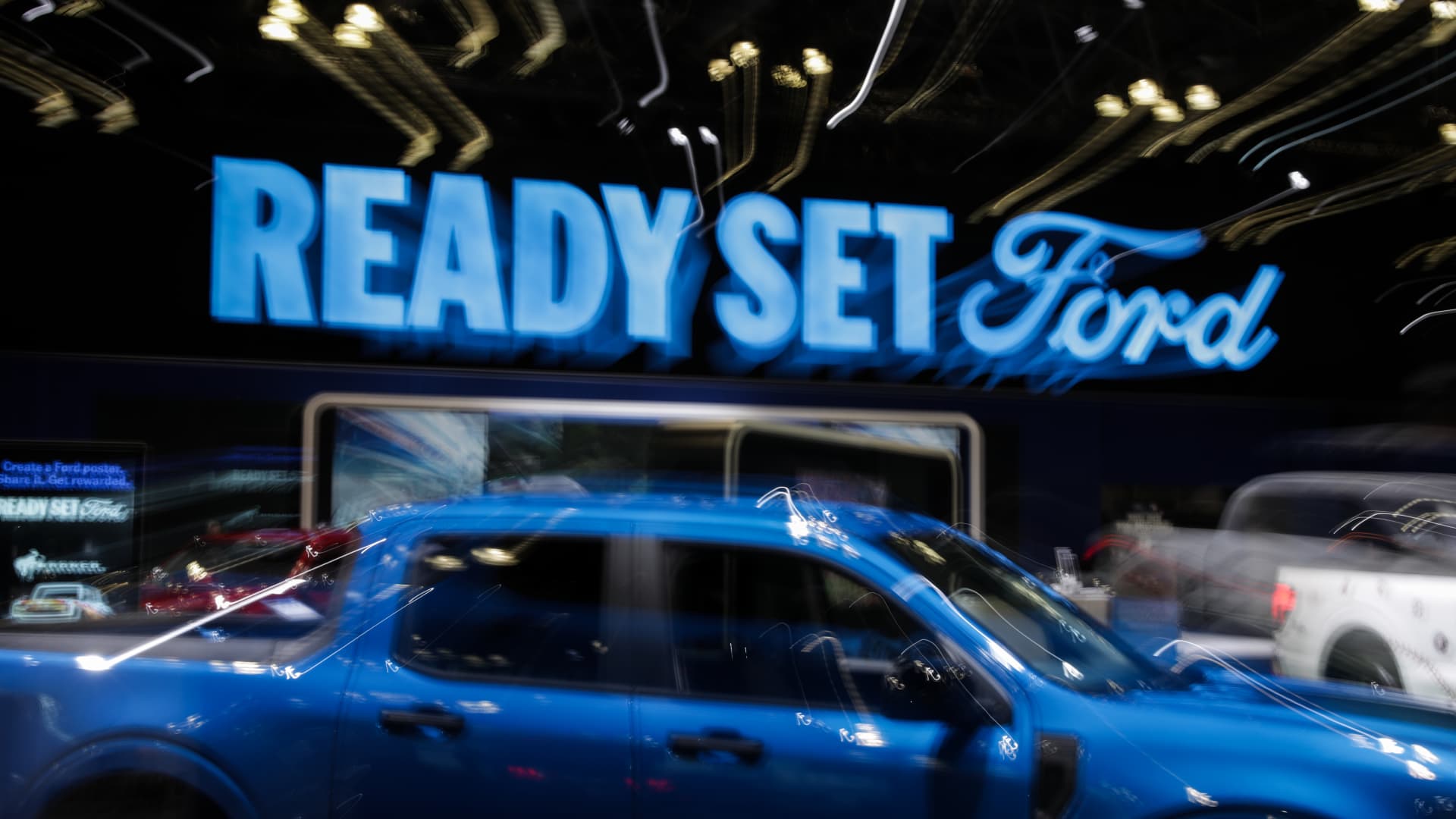
Ford at the New York International Auto Show in New York City on April 2, 2026.
Danielle DeVries | CNBC
DETROIT — Ford Motor is set to announce first-quarter results after the markets close Wednesday.
Here’s what Wall Street is expecting, based on a survey of analysts by LSEG:
- Earnings per share: 19 cents adjusted
- Automotive revenue: $38.82 billion
Those results would mark a roughly 3.7% increase in automotive revenue compared with a year earlier and a 35.7% increase in adjusted earnings per share, up from 14 cents.
Ford’s 2025 first-quarter results included $37.42 billion in automotive revenue, adjusted earnings before interest and taxes of $1.02 billion and net income of $471 million. Its total revenue, which includes its Ford Credit financing arm, was $40.7 billion.
Aside from earnings and any changes to the automaker’s 2026 guidance, investors will be monitoring effects from the Iran war, tariff impacts and any updates to production at key aluminum supplier Novelis following two fires. They’ll also be watching for any additional charges related to the automaker’s pullback in all-electric vehicles.
Ford announced plans in December to record about $19.5 billion in special items starting in the fourth quarter of 2025 related to a restructuring of its business priorities and EV investments. That includes $7 billion in 2026 and 2027, with a majority of $5.5 billion in cash charges through 2027 being recorded this year, Ford said at the time.
The Detroit automaker’s 2026 guidance released in February included adjusted EBIT of between $8 billion and $10 billion, up from $6.8 billion last year; adjusted free cash flow of between $5 billion and $6 billion, up from $3.5 billion in 2025; and capital expenditures of $9.5 billion to $10.5 billion, up from $8.8 billion.

Visa Expands Stablecoin Pilot to Polygon and Base as Settlement Reaches $7B

Prime Video’s Best Sci-Fi Series Will Officially Return in 2027

Port Talbot’s sky turns black as fire fills the air with acrid smoke

Manchester United reach agreement with Casemiro over contract clause amid transfer speculation

US brings back mandatory military draft registration

Steven Gerrard disagrees with Gary Neville over ‘shock’ Chelsea and Arsenal claim | Football

CRYPTO Waking Up As Institutions Pile Into Bitcoin & ETH

Premium Apartments | 40 Floors Luxury Towers in Puppalaguda | Near Financial District Hyderabad

#cat #anmals #funny #comedy #cutecat #animation #meow #cuteanimal #anaya #bandar #money #cartoon
-

 Tech2 days ago
Register Renaming | Hackaday
-

 Fashion5 days ago
Weekend Open Thread – Corporette.com
-
 Crypto World4 days ago
Hyperliquid $HYPE Rally Builds Momentum as AI Sector Enters Prove-It Phase
-

 Politics7 days ago
Making troops accountable for war crimes threatens US alliance, ex-SAS colonel warns
-

 Politics7 days ago
Disabled people challenge government SEND proposals over segregation concerns
-

 Business6 days ago
Patterson-UTI Energy, Inc. (PTEN) Q1 2026 Earnings Call Transcript
-
 Sports3 days ago
IPL 2026: Ruturaj Gaikwad registers slowest fifty of the season, enters all-time unwanted list | Cricket News
-

 Politics2 days ago
Drax board avoid their own AGM, accused of greenwashing & environmental racism
-

 Politics7 days ago
Zack Polanski responds to home secretary’s taser threat
-

 Politics7 days ago
‘Iran is still a nuclear threat’
-

 NewsBeat3 days ago
LK Bennett closes all stores after entering administration
-
 Sports7 days ago
Tim Bradley names the current best in the world: “Better than Inoue and Usyk”
-

 Crypto World5 days ago
Michael Saylor says BTC winter is over. Market analyst disagrees, says bitcoin was in a pullback
-

 Fashion19 hours ago
Kylie Jenner’s KHY Enters a New Era with ‘Born in LA’
-
 Entertainment4 days ago
Mariah Carey Slams Deposition Claims In Brother’s Lawsuit
-
Entertainment6 days ago
Michael B. Jordan and Austin Butler's “Miami Vice” movie will bring the action back to the '80s
-
Business7 days ago
Altimmune prices $225 million public offering at $3 per share
-
Entertainment6 days ago
Russell Brand Had Sex With 16 Year Old When He Was 30
-
Crypto World6 days ago
Is Algorand One of the Few Quantum-Resistant Blockchains? Here’s What the Data Shows
-
 NewsBeat5 days ago
Trump threatens to review UK’s claim to Falkland Islands and punish Nato allies over Iran war disagreement
You must be logged in to post a comment Login