
Business
Warriors Star Cleared for Return vs Rockets After Knee Setback

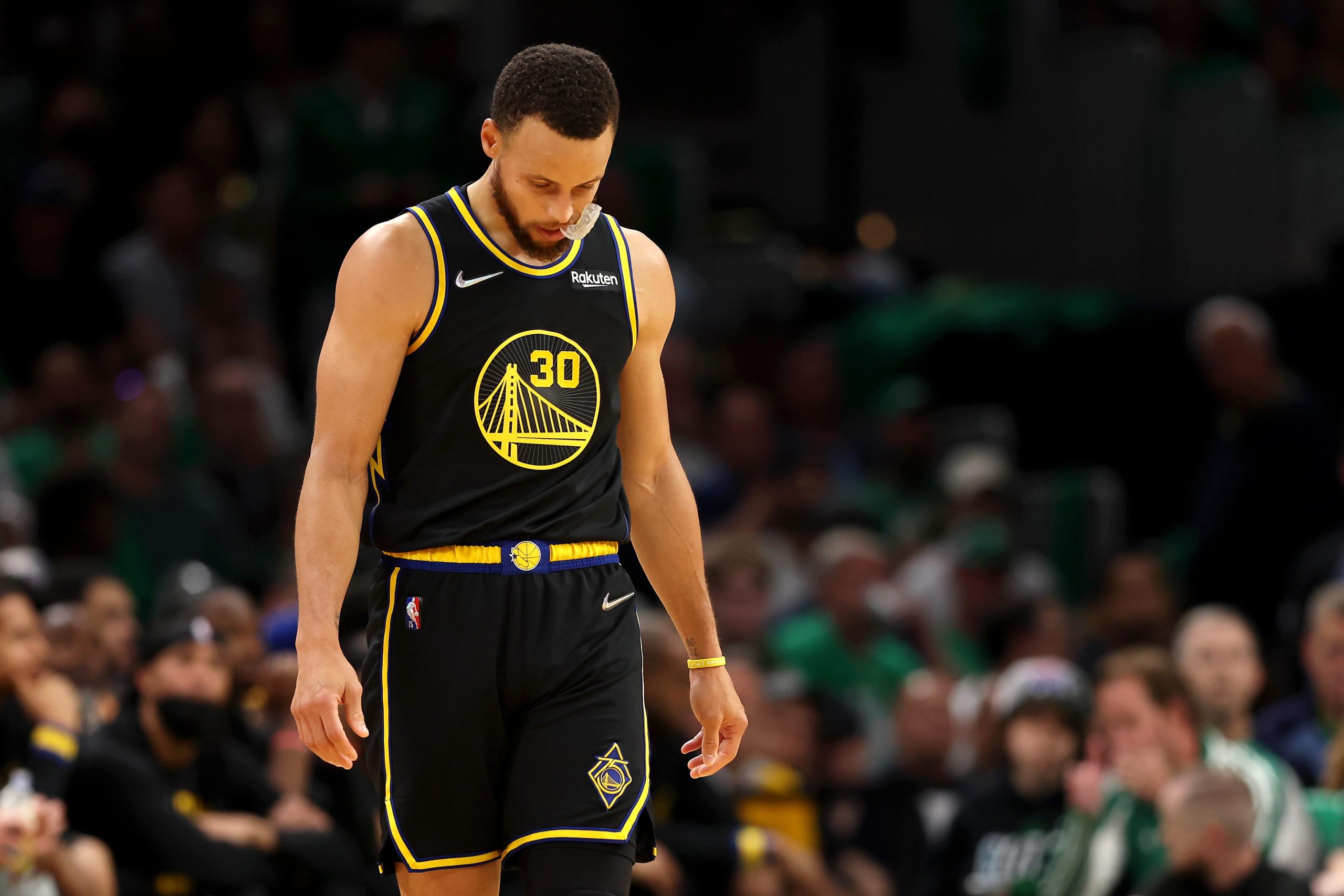
Golden State Warriors superstar Stephen Curry is expected to make his long-awaited return from a nagging right knee injury when the team hosts the Houston Rockets on Sunday, April 6, 2026, ending a 27-game absence that has tested the franchise’s playoff hopes and forced the 38-year-old point guard to confront a “new normal” with his body.
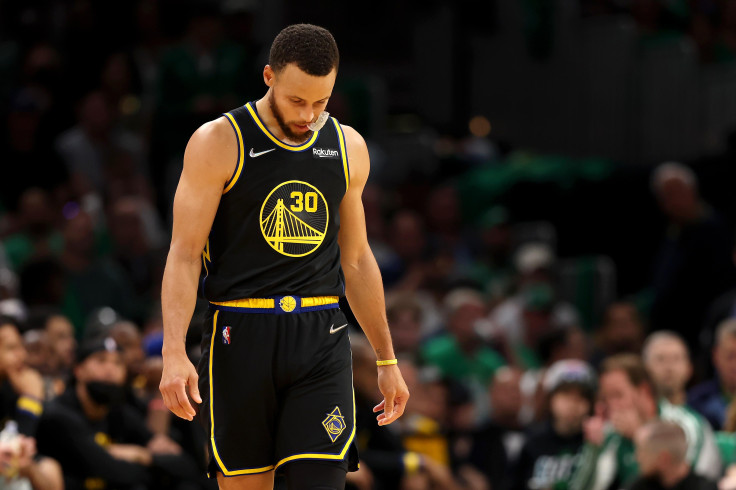
Curry, who last played on Jan. 30 against the Detroit Pistons, has been sidelined since then with patellofemoral pain syndrome accompanied by bone bruising in his right knee. The injury, often described as “runner’s knee,” sidelined him for more than two months, during which the Warriors struggled to a 9-18 record without their franchise icon. With Curry averaging 27.2 points per game prior to the injury, his absence left a massive void in Golden State’s offense and leadership.
The latest update comes after encouraging developments in recent days. On April 1, the Warriors announced Curry had participated in a live 5-on-5 scrimmage, marking a significant step in his return-to-play protocol. He was scheduled for another scrimmage later in the week and underwent re-evaluation over the weekend. Multiple reports, including from ESPN’s Shams Charania and Anthony Slater, indicated Curry had set a personal goal to return against Houston, and coach Steve Kerr confirmed the plan was for him to play, albeit with minutes restrictions.
Kerr told reporters Saturday that Curry would be listed as questionable but that the intention was clear: “The plan is for him to play.” The coach added that Curry would likely see limited action — around 20-25 minutes — in his first game back, coming off the bench to ease him into game action. “We’ll see how he recovers tomorrow,” Kerr said, emphasizing the collaboration between Curry, director of sports medicine and performance Rick Celebrini, and the medical staff.
Curry himself addressed the media after practice, sounding optimistic yet realistic. “Feels great,” he said of his knee. “There’s nothing structurally wrong with my knee, so it’s not like I’m in danger of making it worse long-term.” He acknowledged the lengthy rehabilitation process and the need to adjust expectations. “I kind of understand what the new normal is, and it’s good enough to play,” Curry added, noting he hoped the positive feeling would persist.
The injury saga began in late January when Curry aggravated the knee issue during a game against the Phoenix Suns. Initially described as a minor setback, it quickly became evident that the problem required extended rest and conservative management. Warriors medical staff opted against rushing him back, prioritizing long-term health over short-term gains in a season where Golden State hovered near the play-in tournament threshold in the competitive Western Conference.
Without Curry, the Warriors relied heavily on a revamped supporting cast that included acquisitions like Jimmy Butler III and contributions from younger players. Draymond Green, Klay Thompson’s successor in the backcourt rotation, and emerging talents stepped up, but the team’s offensive efficiency and spacing suffered noticeably. Golden State’s record without Curry highlighted just how central the two-time MVP remains to the franchise’s identity, even at age 38.
The return timing is critical. With roughly two weeks left in the regular season, the Warriors are fighting for positioning in the Western Conference play-in tournament. A healthy Curry could dramatically shift their outlook, providing the shooting gravity, playmaking and clutch scoring that defined their dynasty years. Kerr has emphasized that any return must include a proper ramp-up period rather than a desperate insertion for the final games or play-in. “We’re not bringing him back just for the play-in game,” Kerr said earlier in the week. “He needs to play some games, and we need to give him a runway if this is going to work.”
Curry’s own comments reflected a mix of eagerness and caution. He spoke of wanting to contribute immediately while understanding the physical realities of his age and the injury. “I love playing basketball,” he said simply, underscoring the motivation that has driven his remarkable career. Teammates have echoed that sentiment. Green, who has leaned on Curry for leadership during the absence, reportedly received encouragement from the star during his own recovery periods. The mutual support within the veteran core has been a quiet strength for the franchise amid adversity.
Medical experts outside the organization note that patellofemoral pain syndrome can be persistent in older athletes, particularly those with high-volume shooting mechanics like Curry. The condition involves irritation behind the kneecap and can be exacerbated by repetitive stress. Bone bruising adds another layer of caution, as it requires time for healing to prevent long-term cartilage damage. Curry’s medical team has reportedly used a combination of rest, physical therapy, anti-inflammatory measures and progressive loading to rebuild strength and confidence.
The broader context of Curry’s career makes this latest chapter compelling. At 38, he is no longer the transcendent young phenom who revolutionized the game with his shooting range, but he remains one of the NBA’s most impactful players when healthy. His career three-point record, playoff heroics and four championships — including the 2022 title run — have cemented his legacy. Yet questions about longevity have grown as he enters the twilight of his prime. This knee issue, while not structurally catastrophic, serves as a reminder that even the greatest athletes must adapt to the physical toll of a long career.
Fan reaction has been overwhelmingly positive to the return news. Dub Nation, the Warriors’ passionate supporter base, has flooded social media with excitement, sharing highlights from Curry’s pre-injury performances and expressing hope that his presence can spark a late-season surge. Ticket sales for Sunday’s game against the Rockets reportedly surged after the update, reflecting the star power Curry still commands.
For the Rockets, the matchup presents a challenging test. Houston has enjoyed a strong season and will face a Warriors team suddenly energized by Curry’s return. Rockets coach Ime Udoka acknowledged the threat, saying any version of Curry demands special defensive attention. “Even with minutes restrictions, he changes the game,” Udoka said. “His gravity alone opens things up for everyone else.”
Warriors general manager Mike Dunleavy Jr. has been cautiously optimistic throughout the recovery process. The front office’s decision to prioritize long-term health over short-term roster moves has drawn mixed reviews, but the potential payoff of a healthy Curry in the play-in or playoffs could validate the approach. Golden State’s veteran core — Curry, Green, Butler and others — still believes it has championship DNA if health aligns.
Looking ahead, Curry’s return will be managed carefully. The Warriors are expected to monitor his workload closely in the final stretch of the regular season, potentially limiting him to targeted minutes while gradually increasing his role. If the knee responds well, he could play a pivotal part in any postseason run, however brief it might be. Should setbacks occur, the organization has signaled it would err on the side of caution rather than risk a more serious injury that could impact future seasons.
The injury has also sparked broader conversations about player load management in today’s NBA. With longer seasons, more back-to-backs and the physical demands of modern play, veterans like Curry face unique challenges. Some analysts argue that teams must become even more sophisticated in monitoring and protecting star players, while others point to the success of load-management strategies employed by contenders.
Curry’s personal approach to the setback has drawn praise. Known for his work ethic and positive demeanor, he has used the time away to focus on family, recovery and mentoring younger teammates. His leadership off the court has been credited with helping maintain team morale during a difficult stretch.
As Sunday’s game approaches, all eyes will be on Chase Center. Whether Curry plays 20 minutes or more, his mere presence on the floor is expected to lift Golden State’s performance and energize the crowd. For a franchise that has ridden Curry’s brilliance through multiple eras, this return represents more than just one game — it symbolizes resilience, adaptation and the enduring hope that the Splash Brother can still author memorable moments.
The Warriors’ season has been defined by injury adversity, but Curry’s comeback offers a narrative of perseverance. As he steps back onto the court, the basketball world will watch closely to see how the greatest shooter of all time navigates his latest physical challenge. For now, the focus remains on a measured, successful return that prioritizes both short-term contribution and long-term health.
With the regular season winding down and the play-in tournament looming, Curry’s availability could prove the difference between an early summer and extended postseason drama. Golden State fans, long accustomed to miracles from their star, are once again daring to dream that one more magical run might be possible.


Operator
Good morning, ladies and gentlemen, and welcome to today’s Investcorp Credit Management BDC’s Quarter ended December 31, 2025 Earnings Call. It is now my pleasure to turn the floor over to Andrew Muns, Chief Financial Officer.
Andrew Muns
COO, CFO, Treasurer & Secretary
Thank you, operator. Welcome, everyone, to Investcorp Credit Management BDC’s earnings call for the quarter ended December 31, 2025. I’m joined today by Suhail Shaikh, President and Chief Executive Officer of the company.
I would like to remind everyone that today’s call is being recorded and that this call is the property of Investcorp Credit Management BDC. Any unauthorized broadcast of this call in any form is strictly prohibited. An audio replay of the call will be available on the Investor Relations page of our website at icmbdc.com.
I would also like to call your attention to the safe harbor disclosure in our press release regarding forward-looking information and remind everyone that today’s call may include forward-looking statements and projections. Actual results may differ materially from these projections. We will not update forward-looking statements unless required by law. To obtain copies of our latest SEC filings, please visit the company’s registration statement on the SEC’s EDGAR platform or our Investor Relations page on our website.
The format for today’s call is as follows: Suhail will provide an overall business and portfolio summary, and then I will provide an overview of our results, summarizing the financials. This will be followed by Q&A. Please note that today’s discussion will focus on our financial results. As stated in our press release, we do not intend to comment further regarding

S&P 500 Earnings And A StyleBox Update For March 31, 2026

He highlighted that this is the third consecutive April—2024, 2025, and now 2026—when markets are hovering around similar levels despite earnings growth of nearly 10–12% over the past two years. According to him, this divergence suggests that markets have already undergone a significant correction in terms of valuations, and much of the downside risk appears to be priced in. As a result, he sees every decline from here as a potential buying opportunity.
Maheshwari, however, cautioned that volatility is far from over. With geopolitical tensions capable of triggering sudden market swings, investors should not expect a smooth upward trajectory. Instead, he recommends a disciplined approach to investing—allocating capital in parts rather than all at once. For instance, deploying 10–15% of funds at current levels and adding more on further declines allows investors to navigate uncertainty without trying to perfectly time the market bottom. He also pointed out that valuations, currently at around 17–18 times FY27 earnings, appear reasonable, especially under his assumption that earnings growth could remain flat between FY26 and FY27 due to risks such as rising oil prices. Even with conservative estimates, he sees a fair value zone emerging that supports gradual accumulation.
On the sectoral front, Maheshwari expressed strong confidence in banking stocks, particularly private sector lenders. He noted that these stocks have underperformed over the past two years and are now trading at valuations not seen in four to five years, despite maintaining healthy earnings growth of 12–15%, strong capital positions, and stable asset quality. He attributed the weakness largely to selling pressure from foreign institutional investors (FIIs), who have been reducing exposure to Indian equities. This, he believes, has created an attractive entry point for domestic investors. Alongside banking, he also sees a short-term trading opportunity in the IT sector, where he expects a potential upside of 10–15% over the next three months, though he clearly emphasized that this is a tactical play rather than a long-term investment.
Discussing specific pockets of the market, Maheshwari maintained a positive stance on InterGlobe Aviation, calling current levels favourable for buying. In contrast, he advised caution on retail stocks, suggesting that while existing investors can continue to hold positions, fresh investments may be better directed toward sectors offering more attractive valuations. For those looking to play the consumption theme, he prefers the automobile sector, naming Mahindra & Mahindra as his top pick. At the same time, he urged investors to stay away from high-valuation stocks across the board, stressing that with several sectors now available at reasonable prices, there is little justification for chasing expensive names.

He also flagged certain areas where caution is warranted. In the pharma sector, he recommended a wait-and-watch approach due to potential disruptions from global developments, particularly the possibility of tariffs being discussed by former U.S. President Donald Trump. As for PSU banks, while he acknowledged that recent corrections have made them more attractive, he views them primarily as short-term trading opportunities rather than long-term investment bets, given that their valuations are now comparable to private sector peers.
Overall, Maheshwari’s strategy reflects a balanced and pragmatic outlook. While he acknowledges that markets may continue to swing sharply in the near term, he believes the broader correction has already played out. His core message to investors is simple yet effective: avoid trying to predict the exact bottom, focus on fundamentally strong yet undervalued sectors like banking, participate selectively in tactical opportunities such as IT, and most importantly, build positions gradually. In a market defined by uncertainty, he suggests that consistency and discipline, rather than aggressive timing, will ultimately drive better outcomes.

Thailand will increase retail diesel prices starting April 5, reducing subsidies for B7 and B20 grades, resulting in prices exceeding 50 baht per litre to align with market conditions.
Key Points
- Starting April 5, Thailand will raise retail diesel prices due to the Oil Fuel Fund Management Committee’s decision to reduce subsidies on diesel grades. The B7 price will exceed 50 baht per litre, increasing transport and living costs.
- The subsidy for diesel B7 will decrease by 2.61 baht per litre, from 20.71 baht to 18.10 baht. Similarly, the subsidy for diesel B20 will drop from 22.22 baht to 19.61 baht per litre.
- As a result, the retail prices will rise by 2.80 baht per litre: B7 from 47.74 to 50.54 baht, and B20 from 42.75 to 45.54 baht. This adjustment aims to align prices with market conditions and alleviate pressure on the Oil Fuel Fund.
Price Increase Announcement
Thailand is set to increase retail diesel prices starting April 5 due to a decision by the Oil Fuel Fund Management Committee to reduce subsidies on essential diesel grades. The retail price of diesel B7 is expected to rise above 50 baht per litre, thereby exerting new pressure on both transport and living costs in the country. This decision comes amid ongoing economic challenges, with the aim of aligning fuel prices more closely with current market conditions while also managing the finances of the Oil Fuel Fund.
Subsidy Reductions for Diesel Grades
The committee has announced a 2.61 baht per litre reduction in subsidies for both diesel B7 and diesel B20. Specifically, the subsidy for diesel B7 is being reduced from 20.71 baht to 18.10 baht per litre, while the subsidy for diesel B20 will decrease from 22.22 baht to 19.61 baht per litre. Consequently, the retail price of diesel B7 will increase by 2.80 baht per litre, resulting in a new price of 50.54 baht per litre. Similarly, diesel B20 will see an increase leading to a new price of 45.54 baht per litre. These new pricing adjustments will take effect on April 5, highlighting the government’s efforts to stabilize the Oil Fuel Fund.
Financial Implications of the Decision
The rationale behind this decision is to ensure the liquidity of the Oil Fuel Fund, which has been severely tested due to ongoing subsidies amidst fluctuating market conditions. The anticipated subsidy reductions are projected to decrease the fund’s daily outflow from 1.70875 billion baht to 1.49672 billion baht, yielding a savings of approximately 212.03 million baht daily. The adjustments in diesel pricing and subsidy levels reflect a broader strategy to navigate the economic landscape while maintaining service levels and safeguarding the fund against significant financial strain.
Other People are Reading

Baidu: Pivoting To AI Infrastructure, Robotaxis, And Embodied Robotics At A Discount
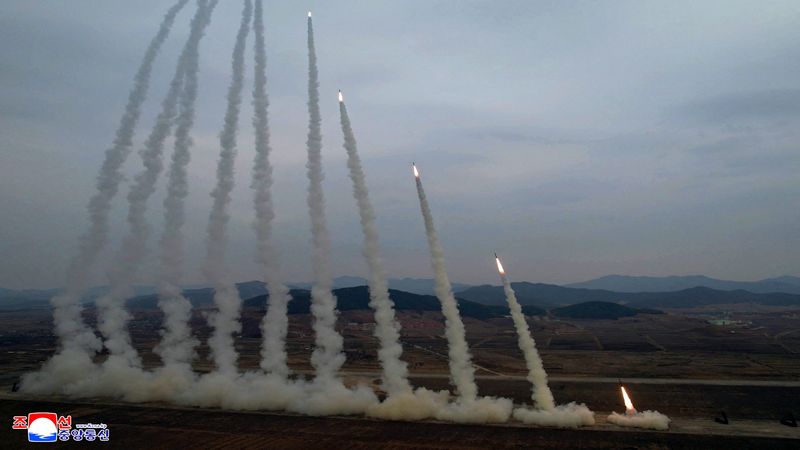

North Korea working on carbon-fibre ICBM for multi-warhead delivery, Seoul says
Business
Samsung to Discontinue Messages App in July 2026, Urges Galaxy Users to Switch to Google Messages
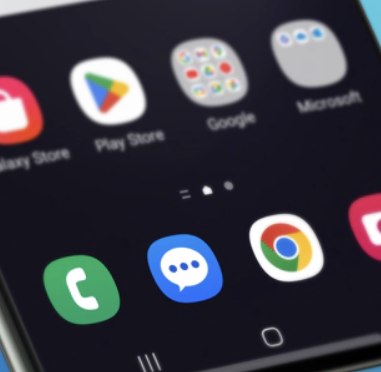
Samsung Electronics will discontinue its long-running Samsung Messages app in July 2026, officially ending support for the native messaging application on Galaxy devices and directing millions of users to adopt Google Messages as the default SMS and RCS platform.

The South Korean tech giant posted an “End of Service Announcement” on its U.S. website, confirming that the Samsung Messages application will cease operations in July 2026. Users still relying on the app are encouraged to switch to Google Messages immediately to ensure uninterrupted texting, with Samsung providing guided transition instructions within the app.
The move marks the culmination of a years-long shift by Samsung toward Google’s messaging ecosystem. Starting with the Galaxy S21 series in 2021, the company began promoting Google Messages as the default on many devices. Newer models, including the Galaxy S25 and S26 series, ship with Google Messages pre-installed as the primary app, and the S26 lineup skipped Samsung Messages entirely. The July 2026 cutoff will remove the app from the Galaxy Store and Google Play Store, preventing new downloads.
Devices running Android 11 or older remain unaffected, but users on Android 12 and newer will lose the ability to send or receive standard SMS and MMS messages through Samsung Messages after the discontinuation date, except for emergency service numbers or predefined emergency contacts. Samsung has not yet specified the exact day in July, advising users to check the app for precise timing.
The decision aligns Samsung more closely with Google’s broader Android strategy, particularly around Rich Communication Services, or RCS. Google Messages offers enhanced RCS features, including high-quality media sharing, typing indicators, read receipts, reactions and improved end-to-end encryption in supported chats. The app also integrates Gemini AI tools for smarter replies and scam detection, features that Samsung Messages lagged in updating.
Industry analysts view the change as practical for both companies. By ceding messaging responsibilities to Google, Samsung can focus engineering resources on hardware innovation, One UI customization and other core Galaxy experiences. For Google, the shift standardizes RCS across more Android devices, especially important after Apple enabled RCS support in iMessage, improving cross-platform texting between Android and iPhone users.
Samsung has assured users that data migration will be seamless during the switch. Conversations, contacts and message history should transfer without loss when setting Google Messages as the default. To make the change, users can open Google Messages, tap the prompt to set it as the default SMS app, or navigate through Settings > Apps > Choose default apps > SMS app on their Galaxy device.
Some users have expressed nostalgia for Samsung Messages, praising its cleaner integration with One UI themes, quick reply options and occasional exclusive features. Online forums buzzed with mixed reactions, with some lamenting the loss of a Samsung-branded experience while others welcomed the consistency and faster feature rollout from Google. A common complaint in recent years was that Samsung Messages stopped receiving major RCS updates on certain carriers, pushing users toward Google’s app anyway.
The transition comes at a pivotal time for mobile messaging. With RCS now bridging the gap between Android and iOS, Google Messages serves as a more universal platform. Features like satellite-based texting, already hinted at in Google’s roadmap, could further enhance reliability in areas with poor cellular coverage. Samsung’s move ensures its vast Galaxy user base — hundreds of millions worldwide — benefits from these advancements without fragmentation.
For existing Samsung Messages users, the company recommends acting soon to avoid any disruption. After July 2026, the app will no longer function for regular messaging on supported devices. Samsung has begun displaying in-app notifications and on-screen prompts guiding users through the switch, including step-by-step instructions and links to download Google Messages if needed.
The change primarily affects the U.S. market in the initial announcement, though similar shifts are expected in other regions as Samsung harmonizes its global software strategy. Carriers have largely embraced Google Messages for RCS certification, simplifying backend support and reducing compatibility issues that sometimes arose with dual messaging apps.
Privacy and security considerations also factor into the decision. Google Messages benefits from Google’s extensive infrastructure for spam filtering, phishing protection and regular security updates. The app’s integration with Google’s ecosystem allows features like message syncing across Android phones, tablets and even web access via messages.google.com.
Samsung emphasized that the discontinuation does not impact other core Galaxy apps or services. Users can continue enjoying One UI features, Bixby routines and device-specific customizations. The company will maintain support for emergency messaging capabilities during the wind-down period.
Tech observers note this fits a broader industry pattern of OEMs streamlining software to reduce maintenance overhead. Similar moves have occurred with other pre-installed apps as manufacturers partner more deeply with Google for core Android experiences. For Samsung, the focus remains on hardware leadership, foldables, AI enhancements like Galaxy AI and ecosystem integration with wearables and smart home devices.
As the July deadline approaches, Samsung is expected to ramp up awareness campaigns, possibly through Galaxy Store notifications, email alerts to registered users and support articles. Community forums and social media will likely see increased guides on backing up messages and troubleshooting any temporary RCS hiccups during the switch.
For most users, the change should feel incremental rather than disruptive. Many Galaxy owners already use Google Messages as default, especially on recent flagships. Those who preferred Samsung Messages can prepare by exporting any unique settings or themes before the cutoff.
The announcement underscores the maturing Android ecosystem, where collaboration with Google on foundational services allows manufacturers like Samsung to deliver polished, feature-rich devices without reinventing every wheel. Google Messages, with its cross-device continuity and rapid iteration, now becomes the unified messaging hub for Galaxy smartphones.
Users with questions can visit Samsung’s support pages or the official Samsung Messages announcement site for detailed migration steps. Google also offers comprehensive help resources for setting up RCS chats and optimizing the app experience.
In an era of rapid technological change, Samsung’s decision to retire its Messages app reflects a pragmatic choice: prioritize user experience through standardization while freeing internal teams to innovate elsewhere. As July 2026 nears, Galaxy users have ample time to make the switch and enjoy an upgraded, future-proof messaging platform.
The move is expected to affect a significant portion of Samsung’s user base still on older devices or those who manually installed Samsung Messages. With roughly 12 weeks remaining from early April announcements, the company urges proactive migration to prevent any last-minute issues.
Overall, the transition promises a more consistent Android messaging experience across devices and carriers, benefiting everyday users with richer features and better interoperability in a multi-platform world.
How to Switch to Google Messages on Galaxy Devices:
- Download or open Google Messages from the Google Play Store.
- Tap “Set as default” when prompted.
- Alternatively, go to Settings > Apps > Default apps > SMS app and select Google Messages.
- Enable RCS chat features in Google Messages settings for enhanced functionality.
For the latest updates, check Samsung’s official announcement page or Google’s Messages support resources. The change does not affect users on very old Android versions.

India’s services growth slows to 14-month low as Middle East war hits demand, PMI shows

Merlin: Evolutionary Flight Autonomy, Not AI Hype

Iran executes man over attack on military site during January protests, Mizan reports

Rec Room shutting down: Once valued at $3.5B, social gaming platform finds profits elusive

The supplements to take this spring (and the ones to ditch)

Investcorp Credit Management BDC, Inc. (ICMB) Q3 2026 Earnings Call Transcript


-

 NewsBeat3 days ago
Steven Gerrard disagrees with Gary Neville over ‘shock’ Chelsea and Arsenal claim | Football
-

 Business3 days ago
No Jackpot Winner and $194 Million Prize Rolls Over
-

 Fashion2 days ago
Weekend Open Thread: Spanx – Corporette.com
-
Entertainment7 days ago
Fans slam 'heartbreaking' Barbie Dream Fest convention debacle with 'cardboard cutout' experience
-

 Crypto World4 days ago
Gold Price Prediction: Worst Month in 17 Years fo Save Haven Rock
-

 Business6 hours ago
Three Gulf funds agree to back Paramount’s $81 billion takeover of Warner, WSJ reports
-
Crypto World6 days ago
Dems press CFTC, ethics board on prediction-market insider trades
-

 Sports1 day ago
India men’s 4x400m and mixed 4x100m relay teams register big progress | Other Sports News
-

 Business4 days ago
Login and Checkout Issues Spark Merchant Frustration
-

 Tech7 days ago
Apple will hide your email address from apps and websites, but not cops
-

 Tech6 days ago
EE TV is using AI to help you find something to watch
-

 Sports6 days ago
Tallest college basketball player ever, standing at 7-foot-9, entering transfer portal
-

 Politics6 days ago
Should Trump Be Scared Strait?
-

 Tech6 days ago
Flipsnack and the shift toward motion-first business content with living visuals
-
Tech6 days ago
Daily Deal: StackSkills Premium Annual Pass
-

 Fashion7 days ago
The Best Spring Trends of 2026
-

 Crypto World6 days ago
U.S. rule change may open trillions in 401(k) funds to crypto
-

 Sports6 days ago
Women’s hockey camp eyes fitness boost, tactics ahead of WC 2026 campaign | Other Sports News
-

 Tech6 days ago
How to back up your iPhone & iPad to your Mac before something goes wrong
-

 Politics7 days ago
BBC slammed for ignoring author of The Fraud
You must be logged in to post a comment Login