Connect with us

Business

Welshness should never be reduced to grievance, nostalgia, or sentimentality

Published

on

Business Live

What does it mean to be Welsh?

y

Welshness has always contained resilience says Dylan Jones-Evans.(Image: Getty Images/iStockphoto)

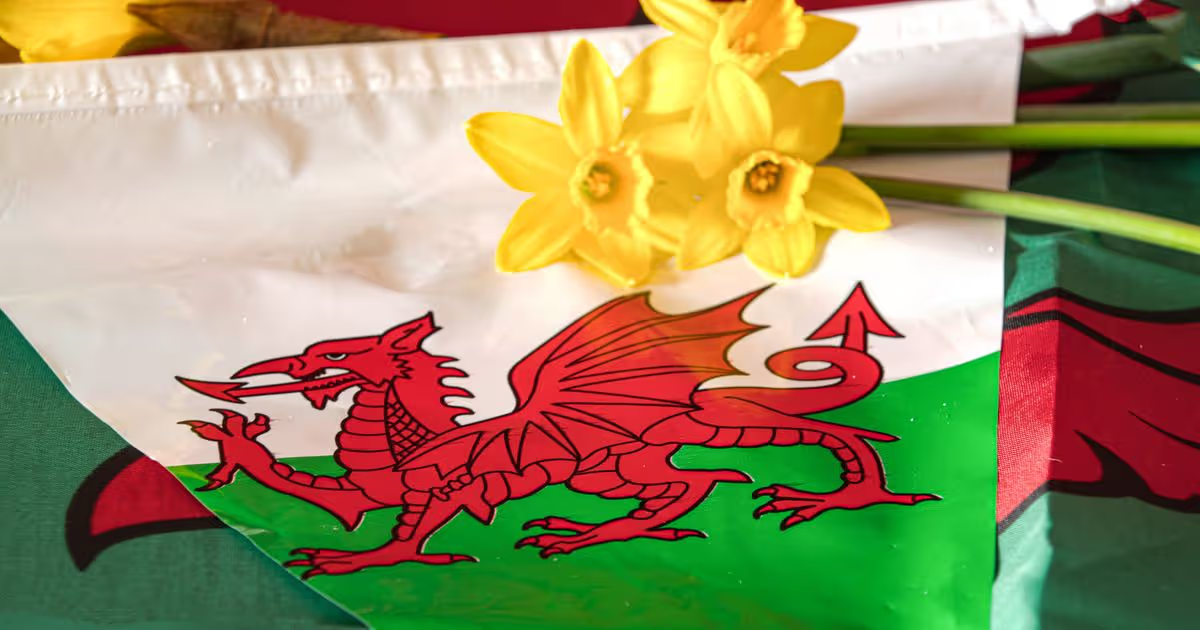
It’s one of those questions that people think they know the answer to until they try to write it down because being Welsh isn’t about a flag, a rugby shirt or a childhood memory of rain on a caravan window in Tenby, it’s a living identity shaped as much by what we’ve had done to us as by what we’ve chosen for ourselves.

And if we’re honest as we celebrate St David’s Day in 2026, Welshness is caught between two powerful instincts of being culturally confident and economically cautious. Yes, we are a nation that has never lacked a voice – against the odds, we’ve kept a language alive that history tried to suffocate and produced artists, athletes, and scientists who have done far more than our scale should allow.

Advertisement

When Wales is at its best, it has a kind of intensity where talent and community sit close together, and you’re never far from someone who will help you, introduce you, or just put the kettle on for a panad (cup of tea).

READ MORE: Welsh spinout firms are not getting the growth capital needed to flyREAD MORE: Welsh tourism is a huge industry but can be even bigger

But we are also a nation that too often behaves as if economic success will only happen elsewhere, and to me, that is the tension at the heart of modern Welsh identity.

If we want to understand what it means to be Welsh today, we need to recognise that a nation of just over three million people does not get many “free hits,” and that every year of under-performance matters. So, when Wales has consistently been below the UK average on productivity, wages and economic output since devolution in 1999, those aren’t just another bunch of statistics but a situation that is shaping national confidence, narrowing the horizon of ambition, and quietly rewritingour Welsh identity from “we can” to “we cope”.

Advertisement

Welshness has always contained resilience, and we have endured industrial collapse, political marginalisation, and decades of being talked about as a problem to be managed rather than a place to be built. But resilience is not the same thing as ambition and modern Welshness, if it is to mean anything beyond nostalgia, has to be deliberate in deciding that’s how we will shape our economic future.

That we will not just host economic summits that discuss investment but actually go out and create it; not just train the talent of the future but retain it in our communities; and not just talk about innovation but use it to create companies that scale and stay rooted in their communities.

This is where the conversation usually becomes uncomfortable because it forces a harder question for the economic future of this nation: do we truly believe Wales can build globally significant businesses that dominate their sectors, anchor high-value jobs and recycle wealth into the next generation of founders?

To date, Wales has not normalised that kind of ambition and in fact we treat it as exceptional by celebrating the odd outlier rather than building a pipeline to make it happen.

Advertisement

And that’s why belief matters: small countries with a deep, repeated pattern of scale build a different psychology by producing founders who pitch bigger, firms that recruit for global growth, and policymakers who design programmes to support success.

Let me make it unequivocal – I have always believed Wales has talent, ingenuity and innovation in spades, but what we have lacked repeatedly is the conversion mechanism namely the capital, institutional muscle and the cultural permission to think outrageously big without constantly being told to “be realistic”.

Too often, the aim is preservation through metrics such as businesses supported or jobs safeguarded, and whilst those things matter, they are not the same as creating employment, growing firms and building national prosperity. In other words, we have become a development economy obsessed with avoiding failure, and the inevitable consequence is that the Welsh story has become one of survival rather than success.

This is not about demanding that every business becomes a unicorn, but about understanding that a small nation needs high value wins to change its trajectory as the mathematics of economic development are unforgiving. Simply put, you cannot build prosperity on low productivity and low value-added and instead, need firms that invest, export and grow.

Advertisement

That then brings us to the deeper question: what do we want Wales to be known for? Obviously not another romanticised version of coal and choirs, but do we know what the modern Welsh proposition is in a world of AI, clean energy and deep tech?

Because being Welsh shouldn’t be simply about looking backwards, but about choosing what comes next, and if we want an identity that is proud, modern and confident, then we all need to embrace an economic narrative rooted in better performance.

That requires institutional courage, such as serious mechanisms to turn research into investable companies, development finance that knows when to protect and when to go for it, and a political culture that stops mistaking announcements for outcomes. Until we fix that, Welshness will remain proud of what we have kept but uncertain about what we can create.

So, back to the question of what does it mean to be Welsh in 2026? We will have different answers but to me, it means refusing to accept underperformance as a national personality trait. It means celebrating community but not letting it become a comfort blanket. And it means being proud of what we have whilst constantly demanding better.

Advertisement

But most important of all, Welshness should never be reduced to grievance, nostalgia, or sentimentality, as it needs a modern identity in a modern economy with modern choices. Yes, a small nation does not need to dominate everything, but it should be expected to dominate something, and when we start acting as if we believe that calling in our institutions, our companies, and our culture, the question “what does it mean to be Welsh?” will have a completely different kind of answer.

Continue Reading
Click to comment

Leave a Reply

Your email address will not be published. Required fields are marked *

Business

Brewdog expected to announce sale early next week

Published

on

Brewdog expected to announce sale early next week

Staff are told Brewdog’s German arm is not included in the sale and will now be liquidated but bars will trade as normal this weekend.

Continue Reading

Business

Form S-1 COLLAB Z INC. For: 27 February

Published

on


Form S-1 COLLAB
Z INC. For: 27 February

Continue Reading

Business

Salesforce Stock Gains After Earnings, AI Reassurance

Published

on

Salesforce Stock Gains After Earnings, AI Reassurance

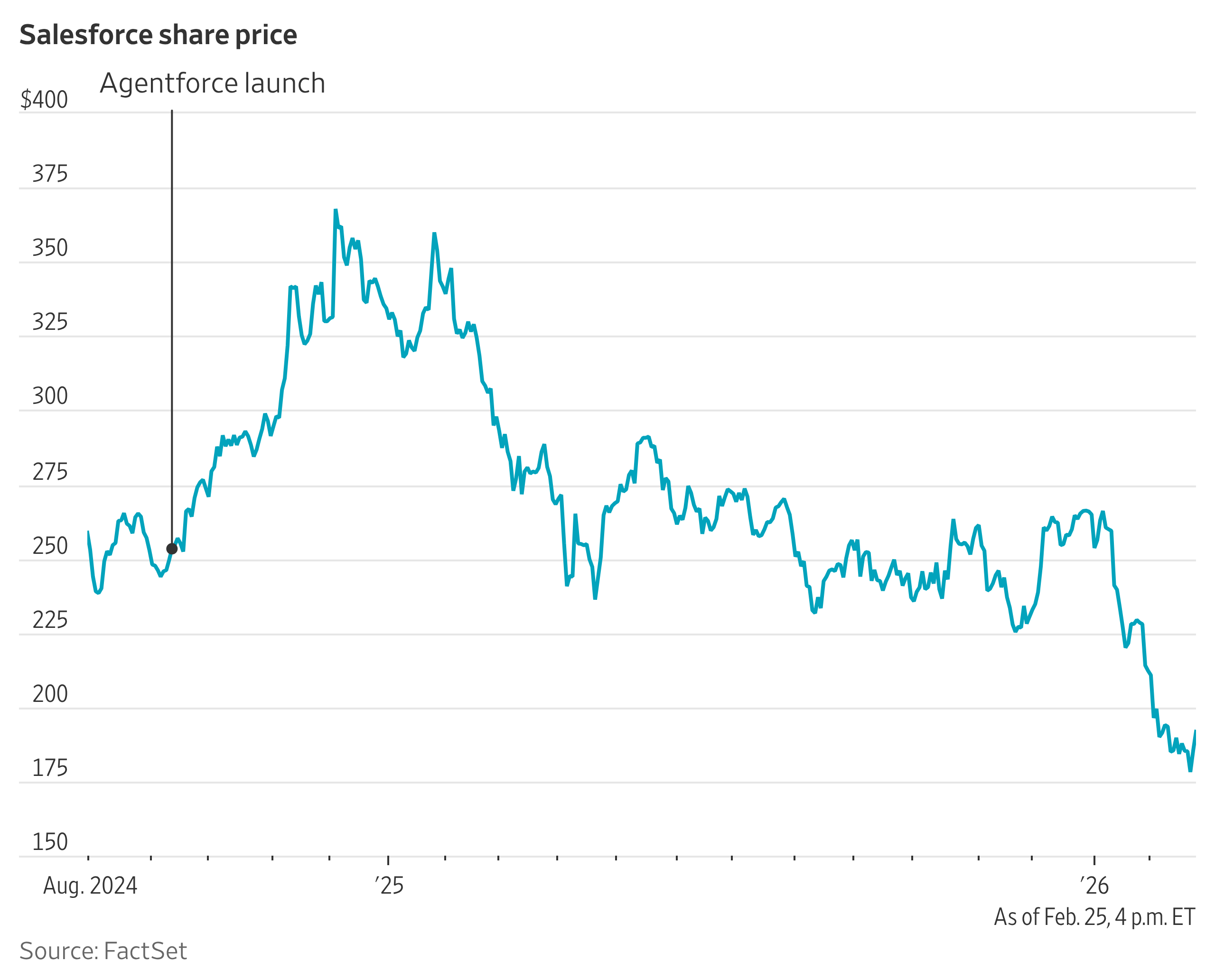
Salesforce’s quarterly results cleared expectations, with revenue growing 12%.

This fiscal year, the company expects its top line to rise by about 10%, in line with last year.

Chief Executive Marc Benioff said he wasn’t fazed by the recent selloff in software stocks. “This is not our first SaaS-pocalypse,” he said, referring to software-as-a-service.

Shares (CRM) closed 4% higher. Through Thursday, the stock had lost about one-quarter of its value in 2026.

Advertisement
Continue Reading

Business

“Are You Dead?” China’s Viral App Explores Solo Life and Changing Social Bonds

Published

on

“Are You Dead?” China's Viral App Explores Solo Life and Changing Social Bonds

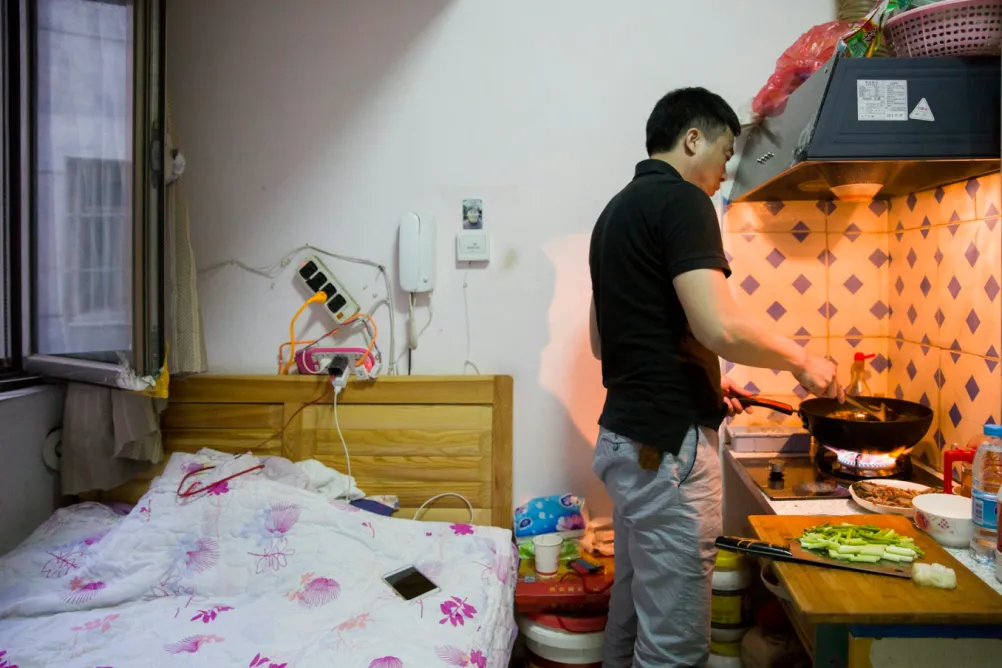
China’s viral app “Are You Dead?” explores the complexities of solo living and evolving social connections, addressing deeper societal challenges in modern relationships and individual experiences.


Key Points

  • App Concept: “Are You Dead?” is a viral Chinese app that uses interactive questions to prompt users to reflect on mortality, relationships, and social connections.
  • Solo Living Trend: It highlights the rise of solo living in urban China, especially among younger generations, driven by urbanization, mobility, and shifting cultural norms.
  • Social Bonds: The app underscores challenges in maintaining meaningful relationships, encouraging users to confront loneliness and isolation.

China’s viral app, “Are You Dead?”, serves as a poignant reflection of contemporary societal dynamics, particularly the intricacies of solo living and the evolving nature of social connections. The app has gained popularity for its unique premise, which invites users to reflect on their mortality and relationships through a series of engaging interactive questions. This framework not only entertains but also illuminates deeper existential queries that modern individuals face.

The rise of solo living in urban China, particularly among younger generations, underscores a broader trend of shifting social ties. Many individuals find themselves navigating life independently, leading to both opportunities for personal growth and challenges in maintaining meaningful connections. The app encapsulates these dualities by prompting users to contemplate their social circles, fostering introspection about the quality of their relationships. This phenomenon reveals a societal challenge where traditional interpersonal connections are strained or transformed, often due to rapid urbanization, increased mobility, and evolving cultural norms.

As users engage with “Are You Dead?”, they are encouraged to confront uncomfortable truths about their social isolation, prompting important discussions about loneliness and community. This interaction serves a therapeutic function, allowing individuals to process their feelings and potentially reconnect with estranged friends or family. By framing death within the context of social connectivity, the app stimulates dialogue around precarious modern relationships, reinforcing the significance of maintaining connections in an increasingly individualistic society.

Moreover, the app highlights the paradox of technology in social interaction. While it provides a platform for engagement and reflection, it can also exacerbate feelings of isolation if users become overly reliant on digital solutions for social fulfillment. This duality invites a critical examination of how technology shapes human relationships and personal identities. Ultimately, “Are You Dead?” is more than just a viral trend; it encapsulates the contemporary struggle with solitude and the quest for meaningful connections in a rapidly changing world.

Advertisement

Read the original article : Are You Dead? China’s viral app reveals a complex reality of solo living and changing social ties

Continue Reading

Business

What the Warner Bros deal could mean for streaming, cinemas and news

Published

on

What the Warner Bros deal could mean for streaming, cinemas and news

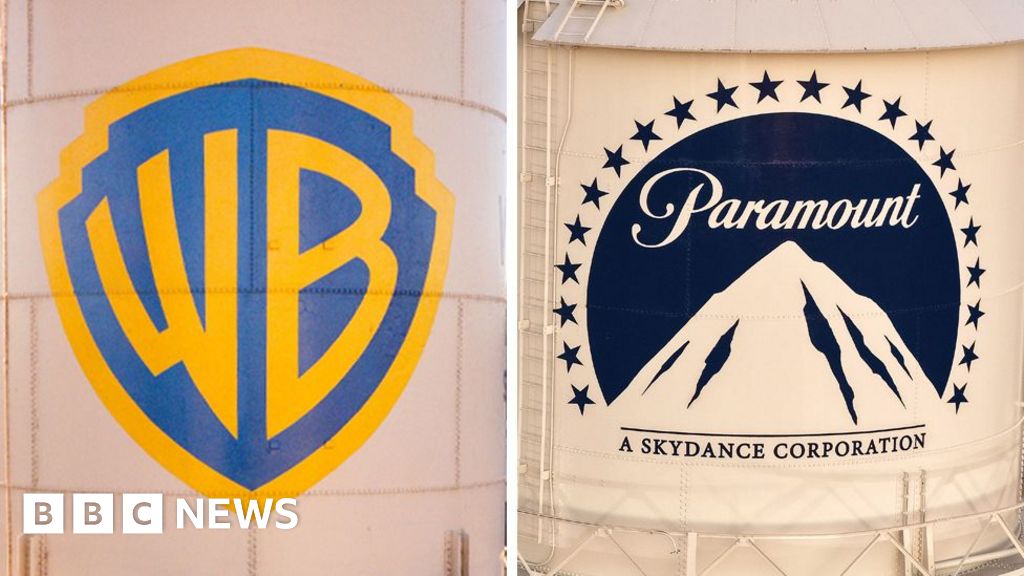
Rodney Benson, a media professor at New York University, called the deal “concerning”, would leave America’s largest media companies further concentrated in the hands of conservatives. Many of those owners, including the Ellison family, have separate, non news-related business interests that depend on government contracts or regulation and are therefore particularly vulnerable to pressure, he adds.

Continue Reading

Business

Commerce Secretary Howard Lutnick meets with Indian officials after tariff ruling

Published

on

Commerce Secretary Howard Lutnick meets with Indian officials after tariff ruling

Secretary of Commerce Howard Lutnick, accompanied by U.S. Ambassador to India Sergio Gor, met his Indian counterpart in New Delhi Thursday. The meeting comes less than a week after the Supreme Court struck down President Donald Trump’s sweeping global tariffs.

India’s Minister of Commerce and Industry Piyush Goyal hailed the talks as “very fruitful,” posting a picture of the three officials smiling together. The meeting signaled renewed momentum, even though India had been among the first Asian nations to react to the court’s decision. 

Advertisement

Just days earlier, New Delhi had postponed talks with Washington aimed at finalizing a trade framework. Still, uncertainty lingers as the deal hangs in the balance. In a press statement, India’s Ministry of Commerce and Industry said, “We are studying all these developments for their implications.”

In the aftermath of the court’s ruling, the Trump administration introduced a temporary 10% baseline tariff as several countries began to reassess their positions. 

TRUMP RIPS SUPREME COURT TARIFF RULING IN SOTU, VOWS NEW LEGAL FIGHT AFTER 6-3 BLOW

“The Supreme Court verdict has created a trilemma for U.S. trade partners, including India,” Ajay Srivastava, founder of the Global Trade Research Initiative, told FOX Business. “Everyone is waiting for more clarity.”

Advertisement

Earlier this month, the U.S. announced a trade framework easing reciprocal duties, bringing relief to Indian markets. Under that arrangement, U.S. tariffs on Indian goods were set to fall to 18%, higher than the current 10% baseline. India had also agreed to purchase $500 billion worth of U.S. goods over five years. 

The deal was expected to take effect in April. But with the tariff landscape now changed, the South Asian giant could stand to benefit, and experts say it may have gained leverage.

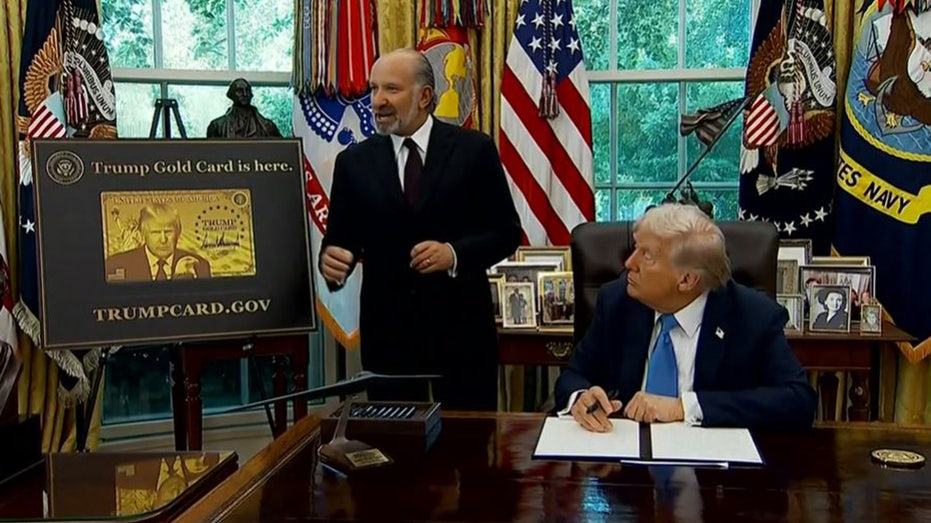
Commerce Secretary Howard Lutnick talks about the Trump Gold Card as President Donald Trump looks on in the Oval Office of the White House in Washington, D.C., Friday, Sept. 19, 2025.

Commerce Secretary Howard Lutnick talks about the Trump Gold Card as President Donald Trump looks on during an executive order signing in the Oval Office of the White House in Washington, D.C. (Fox News/Pool / Fox News)

“The new tariff is lower than the negotiated rate, and the uniform levy erases the competitive advantage concessions were meant to secure,” Srivastava said. “There is little rationale for offering tariff cuts, investment pledges or procurement commitments to Washington, especially when identical access to the U.S. market is available even without a deal.” 

TRUMP TRIMS SOME TARIFFS AFTER SUPREME COURT LOSS BUT KEEPS TRADE FIGHT ALIVE

Advertisement

India’s purchases of Russian oil have also remained a sticking point. In the original trade discussions, President Trump said New Delhi had “committed to stop directly or indirectly importing Russian Federation oil,” though Indian officials made no public mention of such a pledge. 

India, the world’s third-largest oil importer and consumer, is expected to see its purchases of Russian crude fall to a two-year low this month. Still, against the backdrop of the court’s ruling, analysts say India will likely continue to buy Russian oil.

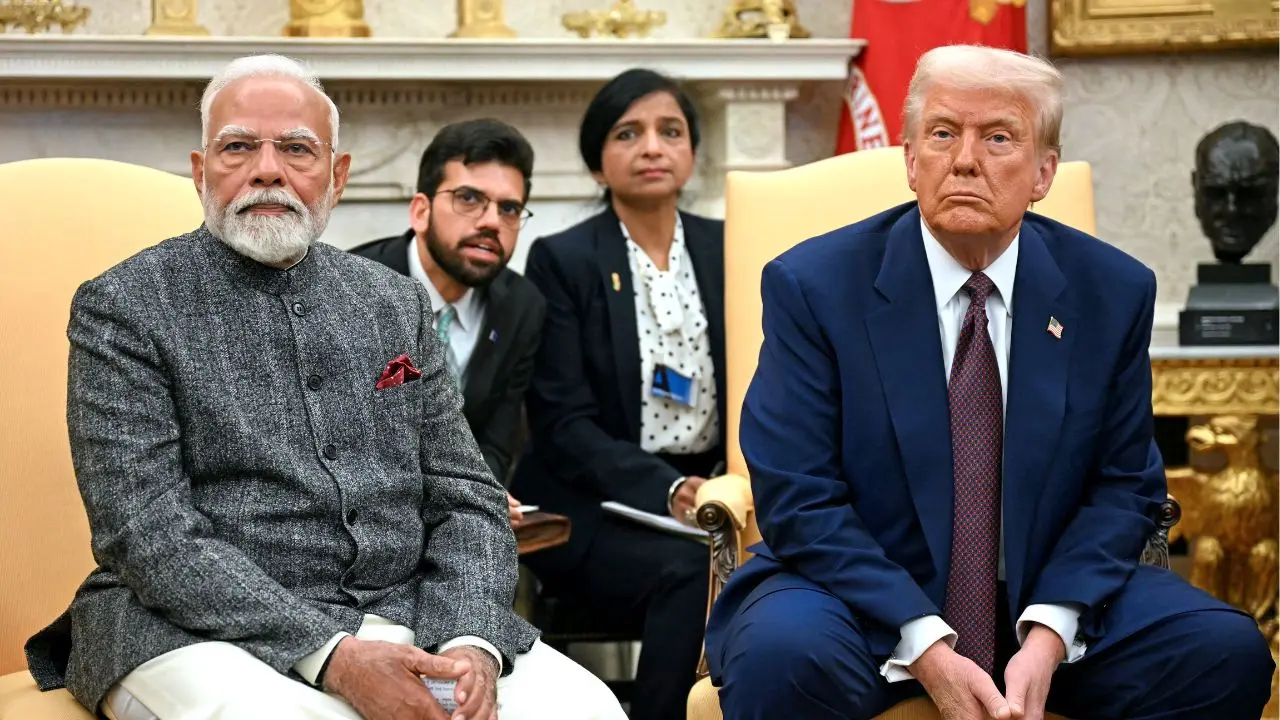
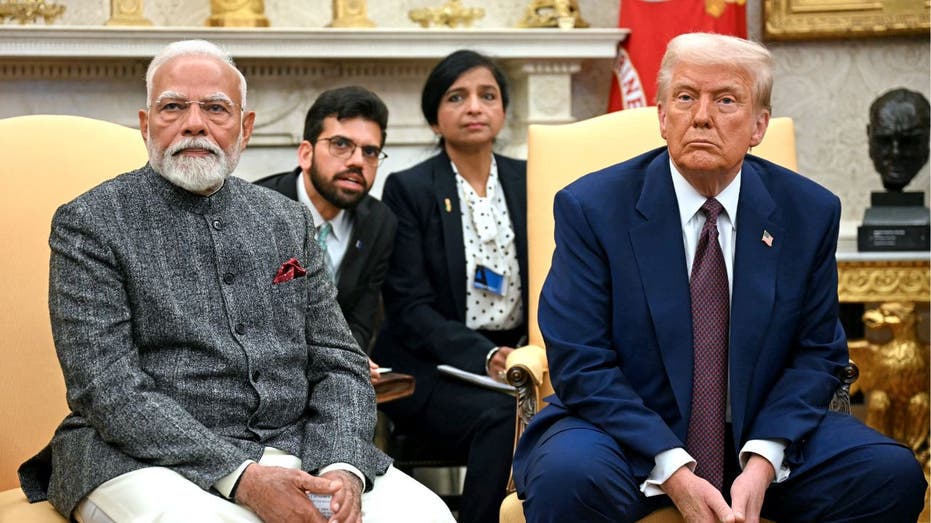
US President Donald Trump and Indian Prime Minister Narendra Modi sit in the Oval Office

President Donald Trump speaks with the press as he meets with Indian Prime Minister Narendra Modi in the Oval Office of the White House in Washington, D.C., Feb. 13, 2025.  (Jim Watson/AFP via Getty Images / Getty Images)

President Trump has remained defiant through it all, insisting his deals are secure. In a Truth Social post following the Supreme Court’s decision, he said, “Any Country that wants to ‘play games’ with the ridiculous Supreme Court decision, especially those that have ‘Ripped Off’ the U.S.A. for years, and even decades, will be met with a much higher Tariff, and worse, than that which they just recently agreed to. BUYER BEWARE!!!”

The White House still has several legal tools at its disposal to pursue its economic agenda, including alternative trade authorities and reopening new trade investigations.

Advertisement

GET FOX BUSINESS ON THE GO BY CLICKING HERE

In the latest escalation with India, the administration imposed a 126% solar import duty, suggesting that its “America First” policy remains a priority. The levies follow allegations that Indian companies unfairly benefited from government subsidies and undercut American manufacturers. According to the U.S. Census Bureau trade data, solar imports from the country surged to nearly $793 million in 2024, a roughly ninefold jump from 2022.

According to the Office of the United States Trade Representative, total U.S.-India trade in goods and services reached approximately $212 billion in 2024, underscoring the scale of their economic relationship. 

Goods trade alone accounted for about $129 billion, with the U.S. running a $45.8 billion goods trade deficit with India, a gap that continues to shape tariff negotiations between the two countries.

Advertisement
Continue Reading

Business

US Stocks: Block shares soar 16% as Jack Dorsey leans on AI to trim workforce

Published

on

US Stocks: Block shares soar 16% as Jack Dorsey leans on AI to trim workforce
Block shares soared more than 16% on Friday after the fintech firm announced it would nearly halve its workforce as part of an overhaul to embed artificial intelligence tools across its operations.

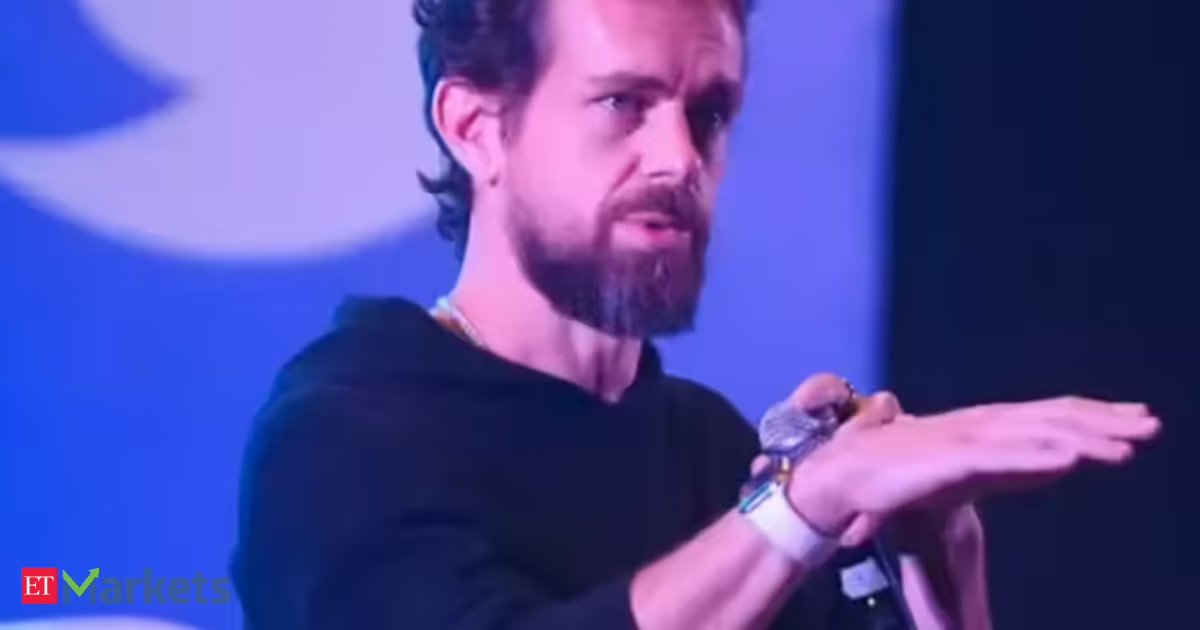
The layoffs are the most visible signs of how the industry is navigating the ‌impact of ⁠AI, with ⁠Block’s CEO, tech billionaire Jack Dorsey, warning that most companies were “late” to realize the emerging technology’s potential.

“At its core, it’s about how some companies may ​be run going forward – not just doomsday headcount reductions, but also enabling higher ROI investments in growth and FCF,” analysts at Evercore ​ISI wrote, referring to free cash ⁠flow.

Accelerating AI ‌adoption is helping companies to cut jobs in divisions most exposed to automation. Economists at Goldman Sachs have estimated ⁠that AI was responsible for job losses amounting to a 5,000 to 10,000 hit to average monthly job growth in the industries most exposed to it in 2025.

Advertisement

Block was one of the companies that aggressively hired during the pandemic as the use of digital payments and online commerce spiked.


“In Block’s case, this looks like a mix ‌of AI efficiency gains and an overdue clean-up of corporate bloat,” said Matt Britzman, an analyst at Hargreaves ​Lansdown.
The company’s ​workforce jumped from ⁠about 3,800 employees in 2019 to more than 10,000 in 2025 as it battled increasing pressures from rising competition in its payments and buy-now-pay-later ​segments.

“While the RIF (reduction in force) is large, it does bring Block’s headcount back toward pandemic-era levels, making it a standout in gross profit per employee, well ahead of its peers including Visa,” J.P. Morgan analysts said.

Continue Reading

Business

BTS Comeback with ‘Arirang’ Album Release, Netflix Live Concert and Record-Breaking World Tour

Published

on

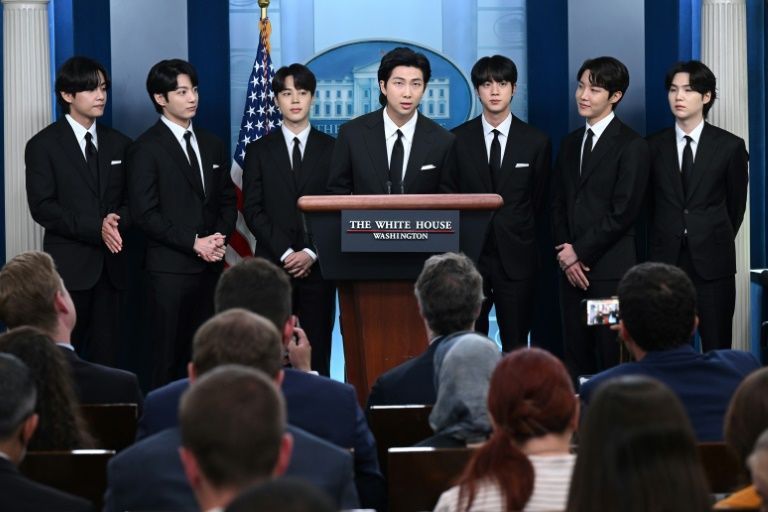
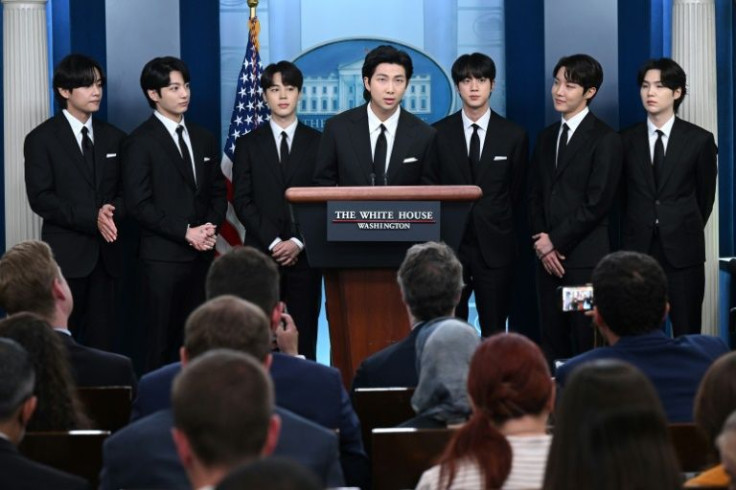
Korean band BTS appears at the daily press briefing in the Brady Press Briefing of the White House in Washington, DC, May 31, 2022

Global pop sensation BTS is poised for one of the most anticipated returns in music history, with the group’s full seven-member reunion set to culminate in a new studio album, a historic live streamed concert and the launch of their massive “BTS World Tour ‘Arirang’” in the coming weeks.

The K-pop supergroup — RM, Jin, Suga, J-Hope, Jimin, V and Jung Kook — completed mandatory military service in South Korea last year, with Suga as the final member discharged in June 2025. The hiatus allowed each member to pursue solo projects while fans, known as ARMY, eagerly awaited news of a group comeback.

Korean band BTS appears at the daily press briefing in the Brady Press Briefing of the White House in Washington, DC, May 31, 2022

That wait ends this month. BTS’s fifth studio album, titled “Arirang,” is scheduled for release on March 20, 2026. The project is described by sources close to the group as a reflective exploration of personal growth, longing and love, building on the themes that have defined their discography since their 2013 debut.

To mark the album drop, BTS will headline a special comeback concert titled “BTS The Comeback Live | Arirang” on March 21, 2026, at Gwanghwamun Square in central Seoul. The open-air event, directed by veteran concert filmmaker Hamish Hamilton, will stream live globally on Netflix, allowing millions of fans worldwide to witness the performance in real time. The setlist is expected to blend classic hits with new tracks from “Arirang,” transforming the historic plaza — often called the “Street of Six Ministries” and a symbol of Korean heritage — into a massive stage.

Netflix will follow up with additional BTS content later in March. A feature-length documentary, “BTS: The Return,” premieres March 27, 2026, offering an intimate behind-the-scenes look at the group’s preparations, reunions and creative process leading to this chapter.

Advertisement

The momentum builds into April with the official kickoff of the “BTS World Tour ‘Arirang.’” The tour begins April 9, 2026, with the first of three shows at Goyang Sports Complex Main Stadium in Goyang, South Korea (additional dates April 11 and 12). It then moves to Tokyo, Japan, for two nights on April 17 and 18.

The North American leg starts April 25-26 and 28 in Tampa, Florida, at Raymond James Stadium, with additional multi-night stands planned in major markets including Los Angeles’ SoFi Stadium (four shows in September) and other U.S. venues. The itinerary spans Asia, North America, Europe, Latin America and Oceania, with confirmed stops in cities such as London (Tottenham Hotspur Stadium, July 6-7), Madrid, Brussels and more. Organizers have indicated the full run could exceed 82 dates across 34 cities in 23 countries, extending into March 2027, with potential additions in regions like the Middle East and Japan.

This marks BTS’s first large-scale world tour in four years, following the 2019 “Love Yourself: Speak Yourself” run. Analysts project massive commercial success. Financial experts at firms including IBK Investment & Securities and Heungkuk Securities estimate the 2026 portion alone could generate at least $1.87 billion in ticket and merchandise revenue, potentially rivaling Taylor Swift’s “Eras Tour” as one of the highest-grossing concert series ever. Projections factor in average attendance of 64,000 per show and total crowds exceeding 5-6 million fans across the confirmed and anticipated dates.

Tickets for many shows sold out rapidly during presales and general onsales in January and February 2026, with secondary market demand driving high resale prices in some markets. To broaden access, select concerts will be available via live cinema broadcasts. In partnership with Trafalgar Releasing, HYBE and BIGHIT MUSIC, full-length live viewings of the April 11 Goyang show and April 18 Tokyo performance will screen in theaters across more than 75 countries starting in April. Tickets went on sale February 25, 2026, via dedicated sites like btsliveviewing.com.

Advertisement

The tour features a 360-degree in-the-round stadium production, promising immersive visuals, elaborate staging and high-energy choreography that have become BTS hallmarks. Members have teased innovative set designs and fan-engagement elements to celebrate the reunion.

BIGHIT MUSIC and Live Nation, the tour promoters, continue to update schedules via official channels including Weverse, btsworldtourofficial.com and 2026bts.com. Recent notices include details for North America and Europe ticketing, as well as online live streaming options for select Korean shows.

The comeback arrives at a pivotal moment for K-pop’s global dominance. BTS’s influence extends beyond music into fashion, philanthropy and cultural diplomacy, with the group previously addressing the United Nations and earning multiple Grammy nominations. This return underscores their enduring appeal, with analysts noting the tour’s scale could set new benchmarks for concert economics and fan experiences.

Fans worldwide have expressed excitement mixed with logistical planning for travel and tickets. Social media buzz around #BTSArirang and #BTS2026 has trended repeatedly since announcements began in early 2026.

Advertisement

As March approaches, anticipation builds for what many call BTS’s most significant era yet — a triumphant return fueled by new music, historic performances and a world tour designed to reconnect with ARMY on an unprecedented scale.

Continue Reading

Business

10 questions for Kevin Howell of HTG

Published

on

Business Live

The founder of the North East-based technology and managed cyber security services business answers our questions

Kevin Howell is an entrepreneur.

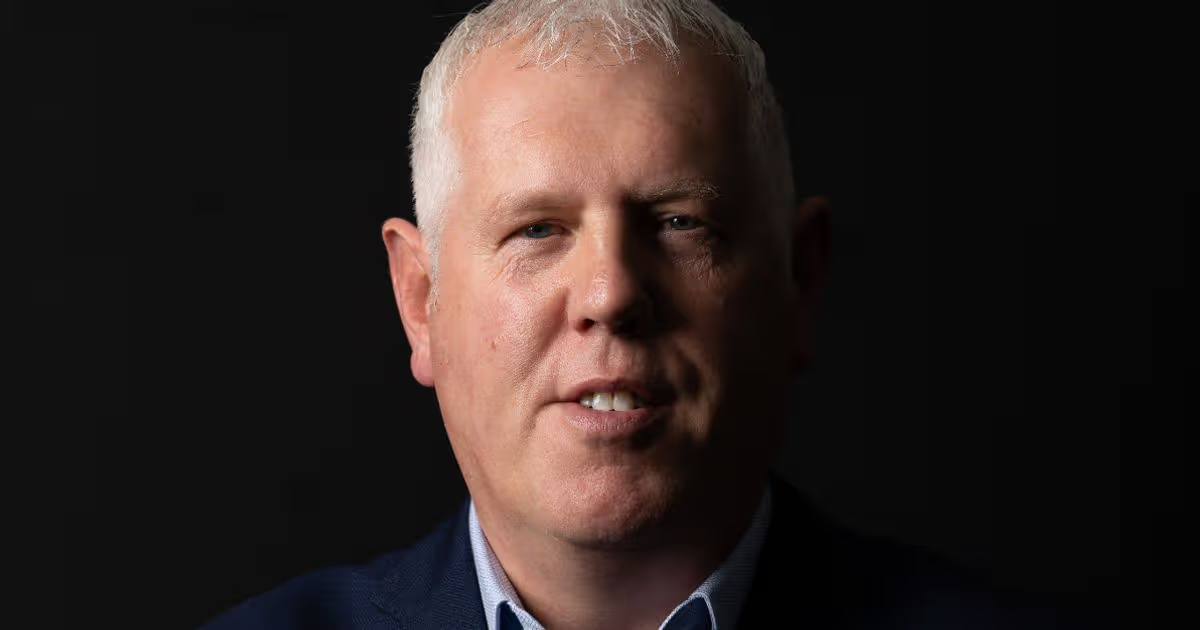
Kevin Howell, founder of HTG.(Image: HTG)

Kevin Howell is the entrepreneur behind HTG, which employs 20 staff and serves customers nationwide.

What was your first job (and how much did it pay)? Trainee software engineer (YTS) £29.50 a week and a £6.50 bus pass certainly not much money, but a great starting point and a foot in the door.

What is the best advice or support you’ve been given in business? It’s an old one, but find a job you love and you will never work a day in your life. I think this is getting tougher, but passion and attitude are key for me and still make a huge difference day to day.

What are the main changes you’ve seen in your business/sector, and what are the challenges you’re facing? Speed of change. Covid, AI, and cyber security threats have accelerated delays and decision paralysis (for the better) and forced organisations to rethink how they operate. Challenges faced are innovation being seen as a cost, not an enabler. Lots of key clients have been told to keep the lights on and reduce spend, a major backward step in my opinion when you have the opportunity to be a disruptor and be an innovator (be a Netflix or stay the same Nokia/BlackBerry/Blockbuster.)

Advertisement

What would your dream job be? It’s a bit sad/boring, sorry — but a professional golfer or footballer, but sadly lacking the ability

What advice would you give to someone starting out a career in your sector? I get this asked a lot. We all come from different backgrounds and abilities, but I would say don’t compare yourself to others, and commit to being the best person you can be because progress is different for everyone.

What makes the North East a good place to do business? The North East is well-known to be friendly, hardworking, and dare I say… trustworthy. I often say our company name, HTG, means Have To Graft, but we all are doing the graft to help each other and deliver the best outcome for our customers and partners, which creates strong long-term relationships. Without them, we don’t exist.

How important is it for business to play a role in society? This resonates with me a lot. When I left school in 1990, things in the North East were pretty grim and all the talk was about looking in the rear-view mirror, past success about Swan Hunter shipyards, coal mining etc — massive parts of our heritage and pride, which were history. What stood out was pride, passion and graft, which are a massive heritage and still exist today. Whatever you call it, given the opportunity the North East has what it takes to deliver the next generation of AI with the human in the loop. Our compassion and genuine awareness of what people need/want — with the secret sauce also known as experience — could be a game changer.

Advertisement

Outside of work, what are you really good at? Golf and developing the next generation of England golfers

Who would play you in a film about your life? Some say Hugh Grant after my awful dance at my 50th — apparently the resemblance was uncanny.

Which three people would you invite to a dinner party, and why? Kevin Keegan, Chuck D (Public Enemy), and Steve Jobs — all are such disruptors and influencers in life for a variety of reasons and have shaped culture, leadership, and innovation in very different ways.

Advertisement
Continue Reading

Business

Burger King gives Whopper new bun and box after customer feedback

Published

on

Burger King gives Whopper new bun and box after customer feedback

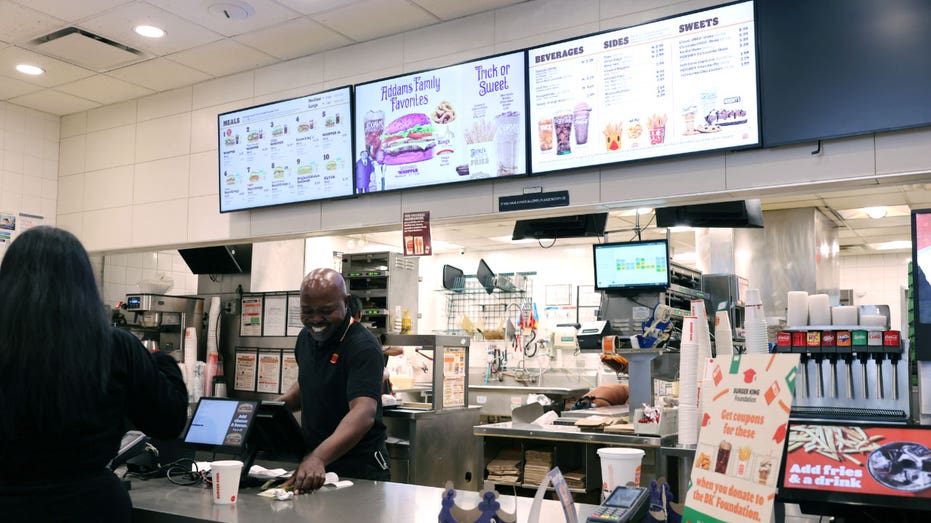
Burger King is updating its signature Whopper for the first time in nearly a decade, the company announced Thursday.

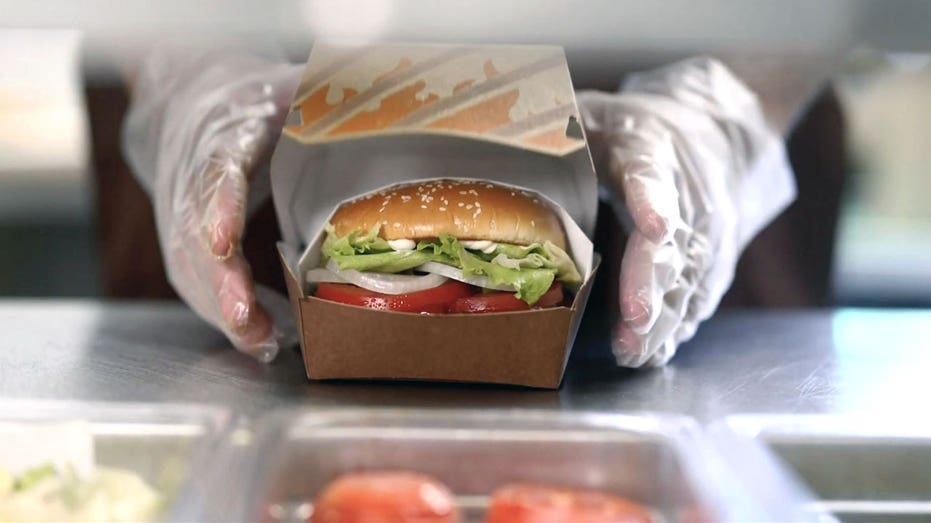
After receiving feedback from customers, the fast-food chain said it will now serve the burger on a “more premium, better tasting bun,” and in a box instead of the current paper wrapper.

Advertisement

“Over the past several years, we’ve focused on strengthening our operations and modernizing our restaurants to build a more consistent foundation across the system,” said Tom Curtis, president of Burger King U.S. and Canada. “With that work well underway, we’re now in a position to thoughtfully elevate our core menu. The Whopper is an icon, so we didn’t set out to reinvent it. Instead, we elevated it based on direct Guest feedback.”

WENDY’S INTRODUCES NEW VALUE MENU WITH 3 PRICE TIERS

Burger King's Whopper sandwich.

The new Burger King Whopper is served in a box instead of a paper wrapper. (Burger King)

The “elevated” burger will still be served with freshly cut onions and tomatoes, lettuce, tangy pickles, but will now have “better tasting mayo,” the company said. The burger patty will remain the same.

THIS FAST-GROWING CHAIN SAYS ‘NO DISCOUNTS’ – AND IT’S PAYING OFF

Advertisement

The Whopper was created in 1957 after Burger King co-founders James McLamore and David Edgerton were on a return trip to Miami.

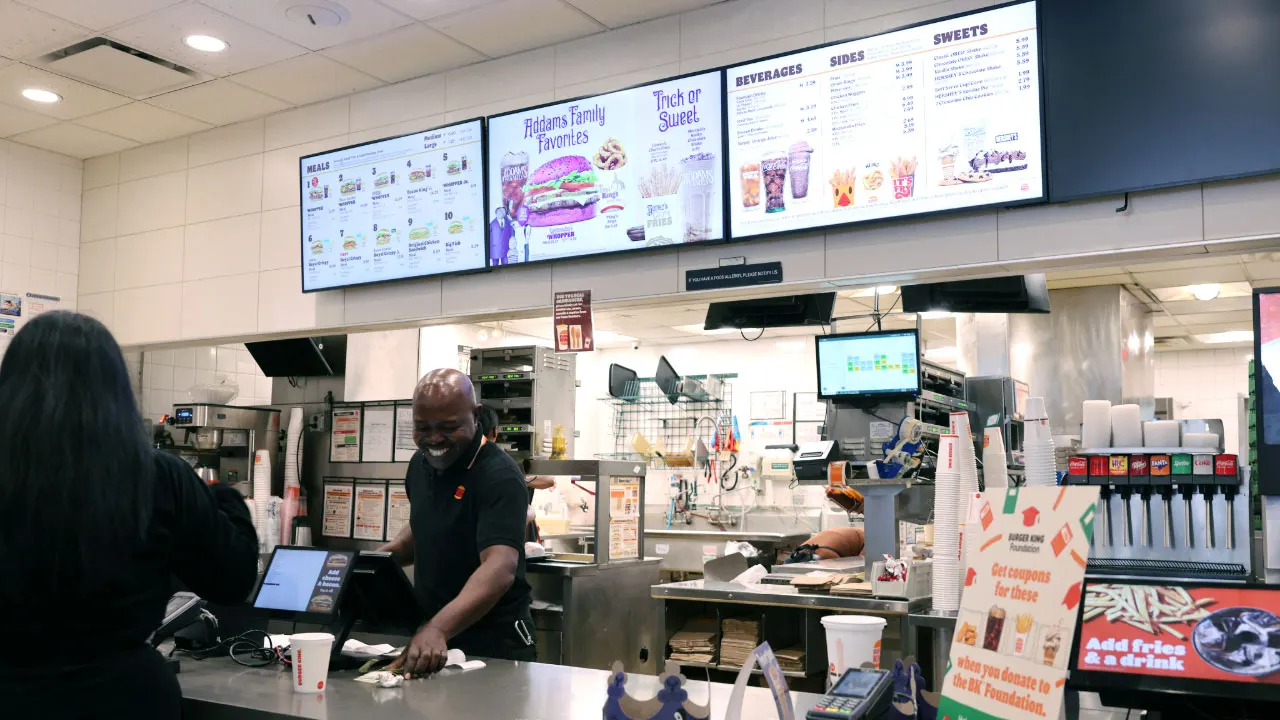
A Burger King in New York.

People visit a Burger King restaurant on Oct. 25, 2024, in New York City. (Michael M. Santiago/Getty Images)

McLamore spotted a restaurant with a sign advertising a big hamburger that had a line of customers out front, according to McLamore’s autobiography. He ordered the burger, which consisted of a quarter pound hamburger patty on a big five-inch bun served with lettuce, tomatoes, mayonnaise, pickles, onions and ketchup, and later introduced a “big garnished hamburger” in the company’s Miami restaurants.

WENDY’S TO CLOSE HUNDREDS OF RESTAURANTS AS COMPANY LOOKS TO FOCUS ON VALUE TO BOOST SALES

The original Whopper sold for 37 cents, about $4.36 today.

Advertisement
Ticker Security Last Change Change %
QSR RESTAURANT BRANDS INTERNATIONAL INC. 71.73 +1.83 +2.63%

“You don’t want to just tear up the playbook and start all over,” Curtis told CNN Business. “It’s like we’re putting our famous iconic burger in a tuxedo instead of a leisure suit.”

CLICK HERE TO GET FOX BUSINESS ON THE GO

The changes will cost Burger King franchisees an extra $4,000 per year, the outlet reported.

Advertisement
Continue Reading

Trending

Copyright © 2025