

Business
What Businesses Must Know in 2026


Thailand is quietly engineering one of Southeast Asia’s most consequential regulatory shifts. As artificial intelligence becomes increasingly embedded in commerce, finance, and governance, the kingdom is developing a legal framework that will redefine how companies, both local and multinational, build, deploy, and govern AI systems within Thai territory.
Key takeaways
- Thailand is building a comprehensive, risk-based national AI framework that will impose direct legal duties on both AI providers and deployers, with a dedicated AI Governance Center set to oversee enforcement.
- Sector-specific AI regulations in judicial processes, consumer protection, and financial services are already in force, meaning legal exposure for businesses is current, not future.
- Companies must act now by strengthening internal AI governance, updating external-facing documents, and maintaining clear documentation to stay ahead of tightening transparency and accountability requirements.
According to a legal update published on March 9, 2026, by Baker McKenzie, the country’s AI regulatory framework is no longer a distant ambition. It is a developing legal reality, and businesses that fail to prepare now risk being caught flat-footed when the full weight of legislation arrives.
A Framework in Motion, But Not Yet Law
At the heart of Thailand’s regulatory evolution is a comprehensive national AI framework currently in development, with enactment projected within the next few years. The framework is not a patchwork of ad-hoc rules. It is a structured, principles-driven architecture built on a risk-based model, one that classifies AI systems by the severity of harm they may cause and assigns corresponding legal obligations.
This is a design philosophy already proven in the European Union’s landmark AI Act, and Thailand’s adoption of a similar tiered approach signals that Bangkok is watching the global regulatory conversation carefully and choosing to align itself with emerging international standards rather than chart an isolated course.
Under the forthcoming framework, the obligations will be sharpest for those operating at the frontier. High-risk AI providers, those who develop and commercialise AI systems, and deployers, businesses that implement AI tools in their products and services, will face explicit legal duties. The specifics are still being shaped, but the direction is clear: accountability will be demanded at every link in the AI value chain.
Individual Rights at the Centre
Critically, the national framework does not only address industry compliance. It also establishes individual rights in relation to AI, a move that places human dignity and autonomy at the normative centre of Thailand’s AI governance model.
The inclusion of individual rights signals that Thai regulators understand AI regulation is not merely a business compliance exercise. It is, fundamentally, a question of how technology mediates the relationship between citizens, institutions, and power. These rights, when enacted, are expected to give Thai individuals recourse when AI systems affect decisions that touch their lives, from credit assessments and job applications to healthcare triage and judicial processes.
A New Regulator on the Horizon: The AI Governance Center
Oversight of this framework will fall to a newly created body: the AI Governance Center. While its full mandate, staffing, and enforcement powers are yet to be publicly detailed, its creation is the clearest institutional signal yet that Thailand is not merely passing laws. It is building the bureaucratic infrastructure to enforce them.
For businesses, the emergence of a dedicated AI regulator is a pivotal development. It means that, unlike today’s diffuse enforcement environment, there will soon be a single authoritative body empowered to investigate, sanction, and guide AI use across sectors.
Sector-Specific Rules Already in Force
Critically, businesses should not mistake the pending national framework for a regulatory vacuum. Multiple sector-specific rules are already in effect, covering domains as varied as judicial processes, governing the use of AI in legal and court proceedings, consumer protection, setting standards for AI-driven transactions and interactions, and financial services, addressing algorithmic decision-making, risk modelling, and customer-facing AI in banking and fintech. These rules carry immediate legal force. Non-compliance is not a future risk; it is a present one.
Soft Law Is Shaping Hard Expectations
Beyond binding regulations, Thailand has also cultivated a growing body of non-binding guidelines on ethical and responsible AI use. While these documents carry no direct legal penalty, their significance should not be underestimated.
In regulatory practice globally, soft law often precedes hard law. Guidelines shape how regulators interpret ambiguous situations, how courts assess reasonableness, and how enforcement priorities are set. Businesses that dismiss ethical AI guidelines as voluntary risk misunderstand how they function in practice as pre-competitive compliance benchmarks.
The AI and Privacy Nexus: A Draft Under Public Scrutiny
One of the most closely watched recent developments is the release of a draft regulation addressing the intersection of AI and privacy, which has been sent for public hearing. This reflects a recognition, increasingly common among regulators worldwide, that AI and data protection law are inseparable.
AI systems are, at their core, data-processing engines. They ingest personal information, learn from it, generate outputs that reflect it, and often make decisions that affect the people it belongs to. Treating AI governance and privacy regulation as distinct silos was never intellectually coherent, and Thailand’s move to address them together is a significant step toward regulatory coherence.
The Prescription for Businesses: Act Now, Not Later
Baker McKenzie’s Bangkok partners Pattaraphan Paiboon and Kritiyanee Buranatrevedhya, along with associates Aue-angkul Santirongyuth, Pimpisa Ardborirak, and Pirun Suttiprapha, are unambiguous in their guidance to businesses navigating this hybrid environment.
The advice is to act proactively, not reactively. Companies are advised to build internal AI governance frameworks before regulators demand it, documenting how AI is used internally, who is responsible for oversight, and what risk controls are in place. Businesses should also update external-facing documentation, including terms of service, privacy notices, and consumer disclosures, to reflect AI use, particularly as transparency obligations crystallise in law. Maintaining clear, defensible documentation is equally important, as the strength of a company’s position will depend heavily on its paper trail when regulators eventually scrutinise AI deployments. Finally, companies must mitigate legal exposure under existing law, since consumer protection, data privacy, financial services, and tort law already apply to AI-related harms, regardless of whether a dedicated AI law is yet in force.
The Bottom Line
Thailand’s AI regulatory moment has arrived, not with a bang, but with the steady, deliberate accumulation of frameworks, guidelines, sector rules, and now a dedicated oversight institution. The national framework will take time to enact, but the direction is set, and the pace is quickening.
For businesses operating in Thailand, the message from Baker McKenzie is both simple and urgent: the time to build AI governance infrastructure is now, not when the ink dries on legislation, but while there is still space to shape internal culture, update documentation, and get ahead of what will inevitably become mandatory.
Those who treat this moment as a preview rather than a warning will have a significant competitive and legal advantage when Thailand’s AI regulatory architecture reaches full force.
Other People are Reading


State Bank of India – The country’s largest bank has a target price of Rs 1,300 and an upside potential of 20% from current market levels. Jefferies says the lender is well placed to grow its loan book, supported by a lower loan-to-deposit ratio (LDR) and stable asset quality. The management is focused on improving return on assets (ROA) beyond the 1–1.1% range, with scope to increase the fee-to-asset ratio from 0.5% in FY25. A key priority will be to accelerate deposit growth from the current 9% to around 11–12% over the next 12–18 months to support sustainable credit expansion.
Groww – Billionbrains Garage Ventures, the parent company of Groww, has a target of Rs 195 per share, an upside of 23% from the last close. Groww is the largest broker in terms of active clients, with a 28% market share, compared with 15% for the second-largest player. This leadership is driven by its strong mutual fund funnel, an easy-to-use UI and UX, and robust word-of-mouth traction. Jefferies forecasts revenue growth of 29% CAGR over FY26–28E, supported by higher product velocity, similar to its US peer Robinhood, and rising client assets as accounts mature, with client assets having grown 6–11x over the past three years.
Star Health & Allied Insurance – Analysts have pegged the target price at Rs 660 per share. That’s an upside potential of 43% from current levels. The company is the leading private health insurer in India, with a dominant presence in the retail health segment and an estimated market share of around 31%, supported by its strong proprietary distribution network. Jefferies also expects the loss ratio to improve as claim frequency stabilises and recent price hikes support higher net earned premiums (NEP). Early signs of this trend are already visible.
Bharat Forge – The automobile company has a target price of Rs 2,150, translating to an upside of 21% from the current levels. Its operational outlook is showing signs of improvement, supported by indications that the US truck cycle is bottoming out, stronger truck demand in India, easing India–US tariff pressures and continued momentum in the defence segment, says Jefferies. According to Jefferies’ US research team, the strength in orders, along with discussions with OEMs, suggests a meaningful pre-buy trend ahead of the EPA 2027 regulation changes.

JSW Steel – With a target price of Rs 1,400, Jefferies forecasts that the counter can gain nearly 20% from the last close of Rs 1,173 on the BSE. It has rapidly expanded its India capacity from 8 mtpa in FY10 to 34 mtpa in FY25. The company has also announced a 1 mtpa Electric Arc Furnace (EAF)-based expansion in Andhra Pradesh, which is expected to take its India capacity to 43 mtpa by FY29E. Overall, JSTL is targeting an India capacity of 50 mtpa by FY31E. We forecast a healthy 6% CAGR in India volumes over FY26–28E.
Eternal – The company has a target price of Rs 480, a staggering 117% upside from current levels. “Eternal has corrected 32% from its Oct-25 peak and offers good upside from current levels in our view,” the brokerage said. Food delivery remains the key cash generator for Zomato, with the segment continuing to grow at over 15% while profitability improves. The business generates strong returns and cash flows, supported by a duopoly market structure and minimal working capital and capex requirements. Management expects growth to accelerate to around 20% in the medium term. The company also sees a large opportunity in quick commerce. Despite intense competition in the segment, Eternal’s Blinkit continues to report strong growth and is the only player to have reached breakeven. This comes even as existing players continue to post significant losses and new entrants are rapidly scaling up their operations.Max Healthcare – The brokerage has assigned a target price of Rs 1,320, translating to an upside of 29% from current levels. Max Healthcare plans to double its bed capacity over the next three to four years, with most of the expansion coming through brownfield additions, which typically have shorter breakeven periods and higher EBITDA margins. The company’s new Dwarka facility broke even in a record six months and began contributing to EBITDA from 4QFY25, underscoring strong demand in Max’s largest market. Recently acquired facilities in Lucknow and Nagpur have also ramped up well, delivering strong EBITDA growth post-acquisition, while recent bed additions indicate sustained demand. The acquisition of Jaypee’s Noida asset has also scaled up effectively and currently operates at high-teens EBITDA margins.
(Disclaimer: Recommendations, suggestions, views and opinions given by the experts are their own. These do not represent the views of The Economic Times)

Amazon, Uber, and Other Internet Stocks Look Too Cheap After AI and Iran Worries

Analysts had been expecting 0.2% growth for the UK economy at the beginning of the year.
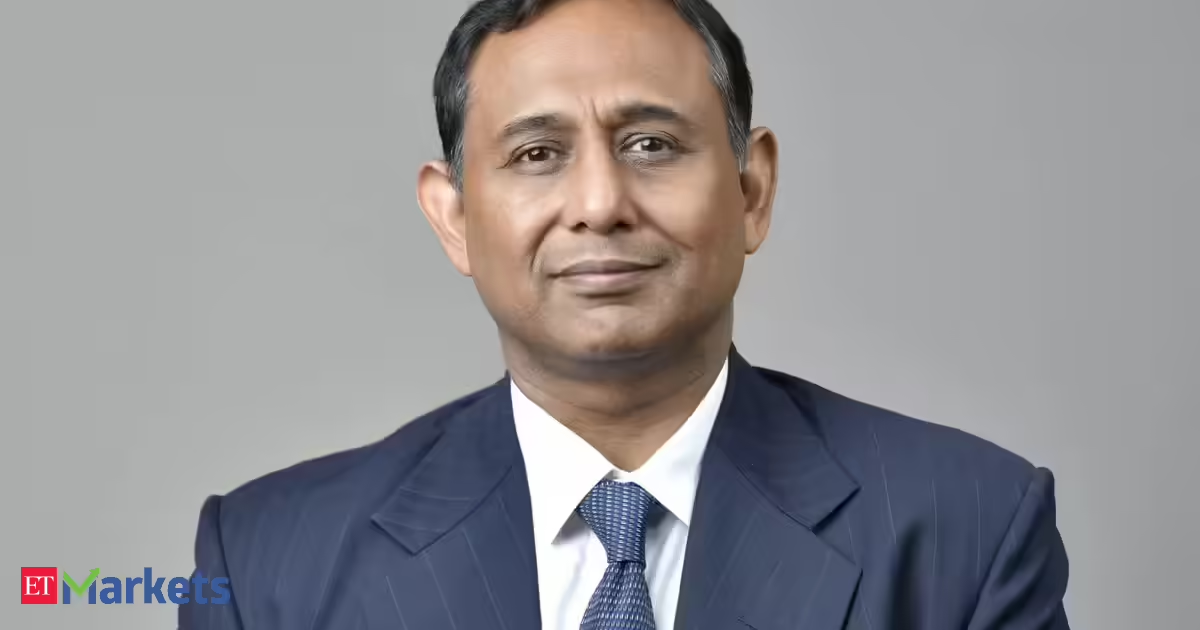
Speaking to ET Now, market expert Amnish Aggarwal from Prabhudas Lilladher said that the current environment is characterised by extreme day-to-day volatility, particularly in commodity prices. “It is too much volatility on a day-to-day basis because if you look at crude, one day it moves from 85 to 115–120, in the next two days it is back and then again it shoots up. So, it is a very volatile situation and there are two aspects to it. One is the volatility in prices and the second issue is the availability of the basic products.” According to him, the uncertainty surrounding global supply chains and commodity availability means that the situation may take time to stabilise. “There is very little which can be done in the near term. It will take some time for things to normalise. If this war continues for long, all countries will look at alternate supply sources, so things will take time to normalise.”
Aggarwal also cautioned that the ongoing disruptions could have a cascading effect on corporate earnings. “This is going to have a cascading impact on earnings both in 4Q and even 1Q might get impacted.” While he does not foresee a severe economic contraction, he believes the knock-on effects on demand and growth could still create challenges for markets. “Even if GDP takes a hit and demand weakens a little due to all these actions, that scenario is not looking good.” Given the prevailing uncertainty, he advised investors to remain cautious for the time being. “Till the time some sanity comes into the situation and supply chain issues get sorted out, it is better to be on the sidelines rather than taking the plunge as of now.”
The banking sector, particularly private lenders, has also witnessed selling pressure in recent weeks. Aggarwal noted that despite liquidity measures such as the CRR cut, other factors are working against banks at the moment. “Despite the CRR cut, G-Sec rates have been going up, so that is one factor. The money market is tight.” He pointed out that one of the few positives in recent months had been strong credit growth. “The silver lining was that there was a good amount of credit growth happening, around 12% to 13%.” However, he warned that continued geopolitical uncertainty and supply disruptions could weigh on lending activity going forward. “If this uncertainty on the war and supply chain disruption continues, there is every probability that credit growth might get hit.”
Rising inflation expectations could also alter the outlook for interest rates. “With increasing inflation expectations in the economy, another rate cut is ruled out, at least in April, and even in the coming three to six months the chances are very little,” he said, adding that unless targeted policy incentives are introduced for certain sectors, the likelihood of lower borrowing costs remains slim. This could also impact banks’ profitability outlook. “The expected NIM expansion which the market was anticipating for FY27 might not happen, so that could be a drag on banks in the near term.” However, he added that valuations in the banking space are not stretched and could attract support eventually.
When asked about the relative positioning of private versus public sector banks, Aggarwal said that private lenders remain fundamentally stronger but are more vulnerable to FII selling due to higher foreign ownership. “Private banks in terms of valuations are better placed compared with their historical averages. But private banks are also where FII holding is higher, so when FII selling happens they suffer more.” He added that if foreign outflows continue, private banks could face more pressure compared with PSU lenders, even though their underlying fundamentals remain sound.
Aggarwal also highlighted the loan-to-deposit ratio (LDR) dynamics within the banking system, noting that many large private banks are currently operating with relatively stretched LDR levels. “If you look at most of the private banks among the large five or six lenders, no one is below the mid-80s and some banks like HDFC and IDFC are running it in the mid-90s or slightly higher. So definitely, if there is some let-up on that, it will reduce pressure on them to some extent.” However, he cautioned that even liquidity easing measures by the Reserve Bank of India may not provide a strong boost if credit demand itself weakens due to uncertainty in the broader economy. “If the disruption in oil prices and supply chains starts hitting the real economy, then credit growth of 12% to 13% may not sustain.” He added that credit expansion could slow significantly in the coming months. “If the current situation continues, I do not rule out that even in the second half of March or in April those numbers could easily crash down to single digits.”The automobile sector has also experienced significant correction in recent weeks, with leading auto stocks falling nearly 15–20% after a strong rally over the previous six months. Aggarwal said the sector’s outlook now depends on several macro variables, including fuel availability, economic growth, and weather conditions. “If you split autos into three baskets—two-wheelers, passenger vehicles and commercial vehicles—the industry had been doing well since GST rate rationalisation and the CV cycle had also started picking up.” However, he warned that emerging risks could impact demand trends. “The bigger issue to watch out for is El Niño because if El Niño comes, rural demand and rural-centric companies could be on the receiving end.”
In such a scenario, he believes urban-focused passenger vehicle manufacturers could perform relatively better. “Urban-centric, SUV-centric passenger vehicle players stand a better chance.” The outlook for commercial vehicles remains less certain, as the segment is closely tied to freight activity and economic momentum. “If overall haulage does not sustain, then even the CV cycle might get shortened,” he said.
Despite the current volatility, Aggarwal believes there are still selective opportunities for investors. “At this point of time, defence and capital goods continue to look good,” he said, while also suggesting selective exposure to consumer staples and healthcare-related segments. “Be very selective in some of the staples. Pharma and hospitals are also spaces to look at.” Among individual stocks, he pointed to telecom major Bharti as a potential opportunity after the recent correction. “Stocks like Bharti can also be looked at because they have corrected significantly without any fundamental crack.”
For now, however, the broader market remains highly sensitive to global developments, commodity price swings, and geopolitical risks. Until greater clarity emerges and volatility subsides, many analysts believe investors may prefer to adopt a cautious approach and wait for stability to return before making aggressive investment decisions.

United Health and 8 More Dividend Stocks to Ride Out an Oil Shock

Australia’s stock market has clocked a second straight week of losses and its worst fortnight since mid-2022 as the Iran war continues to crush investor sentiment.

A prolonged Middle East conflict could significantly worsen the rupee’s outlook, analysts said, warning that persistently high energy prices may push the currency beyond 95 per dollar.
The rupee dropped to 92.4325 per dollar, eclipsing its previous all-time low of 92.3575 hit on Thursday. It was down about 0.2% on the day and has lost 1.5% since the Iran war broke out.
It would likely have fallen further if not for central bank intervention across the spot, non-deliverable forwards and futures markets. The central bank was active again on Friday, bankers said.
Investors are bracing for a prolonged conflict, with Middle East war approaching the two-week mark and Iran’s new Supreme Leader Mojtaba Khamenei vowing to keep the Strait of Hormuz shipping lane shut.
In addition to the disruption to energy supplies, the war has triggered foreign investor selling of Indian equities worth nearly $5 billion so far this month, compounding the rupee’s woes.
India’s benchmark equity index Nifty 50 has declined 7% since the U.S. and Israel launched strikes on Iran on February 28, and was down more than 1% on Friday.
WEAKENING TRAJECTORY
Economists and analysts at HDFC Bank, Elara Securities, QuantEco Research and MUFG expect the rupee to remain under pressure in the near term.
If oil prices hold around $100 per barrel, their current level, MUFG expects the currency to weaken to about 95.50 by the end of the year. Elara Securities largely concurred, forecasting a range of 94-95.
“In a left tail risk scenario,” MUFG said in a note, referring to extreme negative events, “if oil sustains at $120/bbl coupled with meaningful energy shortages, we think USD/INR at 97.50 and even higher will look achievable.”
HDFC Bank expects the rupee to trade in a 92-95 range in the coming months if the conflict persists. Economists at QuantEco Research are more pessimistic, forecasting the currency weakening to 98.5 by the end of March 2027 under a $100-per-barrel oil scenario.
Oil prices at $80 per barrel could cap the rupee’s weakness around 93.50 through the end of 2026, MUFG said.

Tainan, Taiwan — Himax Technologies, Inc. (NASDAQ: HIMX) shares rocketed higher on March 11, 2026, climbing more than 10% in heavy trading as investors piled into the semiconductor company’s emerging strengths in ultralow-power AI solutions and automotive display technologies.

HIMX closed at $9.15, up $0.86 or 10.37% from the previous day’s close of $8.29. The stock opened at $8.40 and traded in a range of $8.38 to $9.19 during the session. Volume surged to approximately 2.7 million shares, well above the average daily volume of around 1.1 million, signaling strong investor interest.
The rally extended into after-hours trading in some reports, though gains moderated slightly. As of mid-March 12 activity (considering time zones and market closes), the momentum appeared to carry forward from positive sentiment around Himax’s recent showcase at Embedded World 2026 and broader sector tailwinds in edge AI and intelligent devices.
The sharp move comes after a period of consolidation following softer full-year 2025 results. Himax, a fabless semiconductor firm specializing in display driver ICs (DDICs), timing controllers, touch controllers, CMOS image sensors, and advanced optics, has been navigating a challenging consumer electronics landscape while pivoting toward higher-margin growth areas.
In its February 12, 2026, earnings release for the fourth quarter and full year 2025, Himax reported revenue of $203.1 million for Q4, up 2.0% sequentially and beating analyst expectations of around $199.2 million, though down 14.4% year-over-year. Gross margin held steady at 30.4%, and profit per diluted American Depositary Share (ADS) came in at $0.036 (or 3.6 cents), at the high end of guidance.
For the full year 2025, revenue totaled $832.2 million, an 8.2% decline from 2024 amid weak demand in smartphones, tablets, and traditional large-panel displays. Net profit stood at $43.9 million, or $0.25 per diluted ADS, with gross margin improving slightly to 30.6%. Non-driver IC products, including automotive, WiseEye AI, and optics, grew 7% and now represent about 20% of total revenue, highlighting a strategic shift toward more resilient segments.
Management described Q1 2026 as the likely trough for the year, guiding for revenue to decline 2.0% to 6.0% quarter-over-quarter, with gross margin flat to slightly lower and profit per diluted ADS in the range of 2.0 to 4.0 cents. Executives expressed confidence in a rebound starting in Q2, driven by lean customer inventories, new automotive projects entering mass production, and accelerating contributions from WiseEye ultralow-power AI endpoint solutions.
Himax has positioned itself as a leader in automotive display ICs, holding significant market share in traditional driver ICs, in-cell touch and display driver integration (TDDI), timing controllers (Tcon), and emerging local dimming solutions. The company benefits from trends in digital cockpits, electric vehicles, and advanced driver-assistance systems (ADAS), where higher average selling prices (ASPs) and better margins are expected as production ramps.
A key growth driver is the WiseEye platform, which enables always-on, ultralow-power AI processing for endpoint devices in smart home, surveillance, automotive, and access control applications. Recent participation at Embedded World 2026 in Nuremberg, Germany, spotlighted these advancements, with demonstrations of AI-enabled imaging and sensing that analysts say could shift Himax’s competitive stance in edge computing.
Additionally, Himax continues to innovate in augmented reality (AR) and smart glasses through liquid crystal on silicon (LCoS) microdisplays, wafer-level optics, and partnerships such as with Vuzix and AUO for lightweight, prescription-ready optical designs unveiled at CES 2026. These efforts target the expanding AR/VR market, where Himax’s front-lit LCoS and high-brightness solutions aim to enable sleeker, more power-efficient devices.
The company’s broader portfolio includes power management ICs, MEMS products, and co-packaged optics (CPO) collaborations, reinforcing its role in next-generation intelligent systems.
Despite the recent surge, HIMX remains volatile. The stock trades within a 52-week range of $5.66 to $9.85 (with some intraday highs pushing toward $12.00 in early March momentum), reflecting sensitivity to semiconductor cycles, geopolitical supply chain dynamics, and demand fluctuations in end markets. Market capitalization hovers around $1.60 billion based on recent pricing and approximately 175 million shares outstanding.
Analyst coverage is mixed but leans cautiously optimistic. Consensus estimates point to modest revenue growth in 2026, with some projections for rebounding automotive and AI-driven segments. The forward dividend yield remains attractive at around 4%, supported by a consistent payout policy, though ex-dividend dates and amounts are subject to board approval.
Investors are closely watching for signs of sustained recovery. Upcoming catalysts include the May 2026 first-quarter earnings report, potential updates on automotive ramps, and progress in WiseEye and AR deployments. While near-term visibility remains limited in some areas, Himax’s execution in diversifying beyond traditional display drivers positions it to benefit from secular trends in electrification, AI proliferation, and immersive technologies.
The semiconductor industry faces ongoing headwinds from inventory digestion and macroeconomic uncertainty, but Himax’s focus on specialized, high-value applications has drawn renewed attention amid the March rally. Whether the momentum sustains will depend on delivery against guidance and tangible wins in emerging markets.
For now, HIMX serves as a barometer for niche players bridging legacy display tech with futuristic AI and optics, offering both risks and rewards in a rapidly evolving sector.
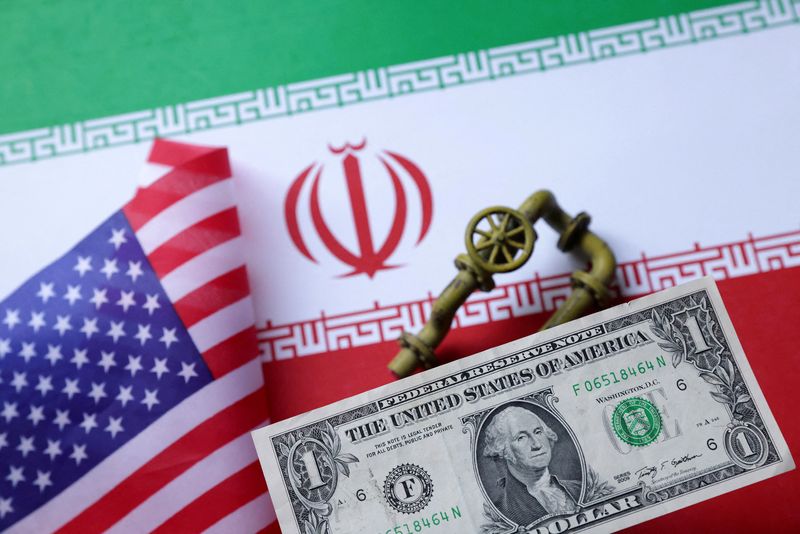

Dollar climbs with no end in sight for Iran war; yen at 20-month low

The search for Nancy Guthrie, the 84-year-old mother of NBC “Today” show co-anchor Savannah Guthrie, entered its 41st day on March 13, 2026, with authorities reporting no major breakthroughs but insisting the investigation remains active and promising.

Nancy Guthrie was last seen entering her Catalina Foothills home on the evening of Jan. 31 after a family dinner with her daughter Annie. She failed to appear for church the next day, prompting a missing person report Feb. 1. Pima County Sheriff’s Office investigators quickly classified the case as an abduction, believing she was taken against her will from her residence. No arrests have been made, and no suspect has been publicly identified.
Sheriff Chris Nanos provided an update March 12, describing the case as “targeted” and expressing confidence that detectives are “definitely closer” to identifying those responsible. He highlighted ongoing forensic analysis, including shoe casting tests and review of thousands of hours of surveillance footage collected by the FBI. An elite team at FBI headquarters in Quantico is assisting with evidence processing, while local teams continue canvassing leads and following tips.
A key focus remains on physical evidence from the home, now treated as a crime scene. Resurfaced 2013 “Today” show footage offering a glimpse inside Nancy Guthrie’s bedroom has drawn scrutiny, with commentators like Megyn Kelly suggesting it may have inadvertently aided potential perpetrators by revealing layout details. Investigators have examined a damaged utility box and possible internet/power outages around the time of the disappearance, which disrupted nearby surveillance cameras.
Multiple alleged ransom notes and messages have surfaced, including one probed for authenticity in early February. Authorities dismissed at least one as a hoax, charging an individual with attempting to profit from the case. The family has publicly addressed purported demands, urging any legitimate contact to provide proof of life.
The Guthrie family—Savannah, Annie, and brother Camron—has remained vocal, posting emotional videos pleading for information and expressing faith amid uncertainty. In late February, Savannah announced a $1 million family reward for details leading to her mother’s recovery, supplementing the FBI’s $200,000 offer ($100,000 anonymous donation). “We still believe in a miracle,” Savannah said in one message, while acknowledging the pain of not knowing. “Every hour has been agony… but we hold onto hope.”
Savannah returned briefly to the “Today” set March 5 for the first time since the disappearance, thanking colleagues before resuming work in New York. Family members have visited the home periodically, including a March sighting where they interacted with a memorial of notes and flowers outside the residence.
Community response includes banners of support at local newsrooms and prayers from churches. A proposed search by the United Cajun Navy was reportedly rejected by authorities, citing operational concerns. Cadaver dog deployments have paused in recent weeks, though ground searches in desert terrain continue sporadically.
The case has spotlighted challenges in missing persons investigations involving the elderly living alone, with experts noting ambiguous loss can freeze grief processes. Former FBI agents have described potential capture as “underwhelming,” suggesting a mundane resolution rather than dramatic breakthrough.
As the investigation stretches into its sixth week, tips continue flowing to the Pima County Sheriff’s tip line and FBI hotline. Authorities urge anyone with information—no matter how small—to come forward, emphasizing that even peripheral details could prove crucial.
Nancy Guthrie’s disappearance has gripped national attention due to her daughter’s prominence, yet officials stress treating it as they would any abduction case. With no confirmed sightings or ransom proof of life since early February, the family and investigators cling to hope while pursuing every avenue.
The Pima County Sheriff’s Office reiterated March 12 that the case is far from cold, with “a lot of intel” under review. As days turn to weeks, the plea remains unchanged: Bring Nancy home.

Escaped prisoner burgled string of homes in Bolton
Jefferies adds Groww, State Bank of India, 5 others to 23 buy ideas. Here’s the full list

US Midterms may Fuel Crypto, Stock Market Recovery: Binance Research


-
Business7 days ago
Form 8K Entergy Mississippi LLC For: 6 March
-

 News Videos4 days ago
10th Algebra | Financial Planning | Question Bank Solution | Board Exam 2026
-

 Fashion7 days ago
Weekend Open Thread: Ann Taylor
-

 Crypto World4 days ago
Paradigm, a16z, Winklevoss Capital, Balaji Srinivasan among investors in ZODL
-
 Tech2 days ago
A 1,300-Pound NASA Spacecraft To Re-Enter Earth’s Atmosphere
-

 Tech3 days ago
ChatGPT will now generate interactive visuals to help you with math and science concepts
-

 Politics7 days ago
Top Mamdani aide takes progressive project to the UK
-

 Business3 days ago
ExxonMobil seeks to move corporate registration from New Jersey to Texas
-

 Sports5 days ago
Three share 2-shot lead entering final round in Hong Kong
-

 Sports5 days ago
Braveheart Lakshya downs Lai in epic battle to enter All England Open final | Other Sports News
-

 NewsBeat2 days ago
Residents reaction as Shildon murder probe enters second day
-

 Entertainment6 days ago
Hailey Bieber Poses For Sexy Selfies In New Luscious Lip Thirst Traps
-

 Business5 days ago
Search for Nancy Guthrie Enters 37th Day as FBI Probes Wi-Fi Jammer Theory
-

 Business2 days ago
Search Enters Sixth Week With New Leads in Tucson Abduction Case
-
 NewsBeat3 days ago
Pagazzi Lighting enters administration as 70 jobs lost and 11 stores close across Scotland
-

 Tech4 days ago
Despite challenges, Ireland sixth in EU for board gender diversity
-

 Business3 days ago
Search Enters 39th Day with FBI Tip Line Developments and No Major Breakthroughs
-

 NewsBeat2 days ago
I Entered The Manosphere. Nothing Could Prepare Me For What I Found.
-

 Business6 days ago
Iran war enters second week as Trump demands ’unconditional surrender’
-

 Sports4 days ago
Skateboarding World Championships: Britain’s Sky Brown wins park gold