


The university spin-out’s retina business including its specialist team has been acquired – but all other jobs have been lost

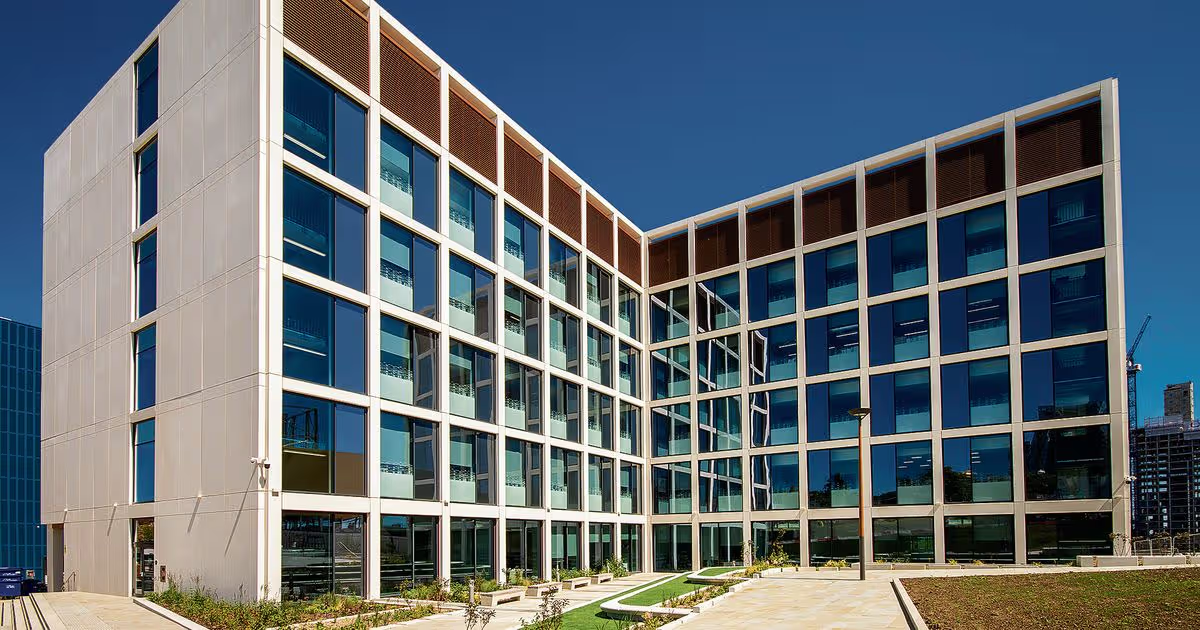
The Biosphere in Newcastle
Jobs have been saved at a Newcastle biotech business after part of the firm was bought out of administration in a partial rescue deal. Cambridge based Axol Bioscience Ltd, a leading provider of stem cell technologies for drug discovery and research, has announced it has acquired the ophthalmology business of Newcells Biotech, a drug discovery partner specialising in the development of in vitro models.
The business swooped for the retina business of Newcells Biotech – based in the Biosphere at Newcastle Helix – following the appointment of administrators at Grant Thornton LLP. The Newcastle University spin out specialises in providing in vitro tools for testing how drugs interact with tissues and was founded 11 years ago by Dr Mike Nicholds and Professor Lyle Armstrong.
The firm, which had 49 employees in 2024, focused on offering models of the retina, kidney and lung and it was also carrying out testing for customers. Use of 3D models attracted interest after the US Food and Drug Administration (FDA) changed its rules four years ago, scrapping the requirement for new drugs to be tested on animals.
The Axol deal includes the specialist team, facilities and intellectual property within the retina division, specifically related to the supply of proprietary iPSC-derived (induced pluripotent stem cell) products and ophthalmology research services to biopharma, biotechnology and customers across Europe and the US. It’s not known how many staff members have transferred to Axol Bioscience, but 18 other jobs have been lost.
A spokesman for the company said: “On February 12, 2026, insolvency practitioners from Grant Thornton UK Advisory & Tax LLP were appointed as joint administrators of Newcells Biotech Limited. Following their appointment, the joint administrators agreed a sale of the Retina Business of the company as a going concern to Censo Biotechnologies Limited (trading as Axol Bioscience).
“The acquisition will ensure the operations of the Retina Business will continue at the main trading premises in Newcastle and secured the retention of all employees working within that part of the business. The remaining operations of the company ceased on appointment. As a result, it was not economically viable for the joint administrators to continue to employ the remaining members of staff resulting in 18 redundancies.”

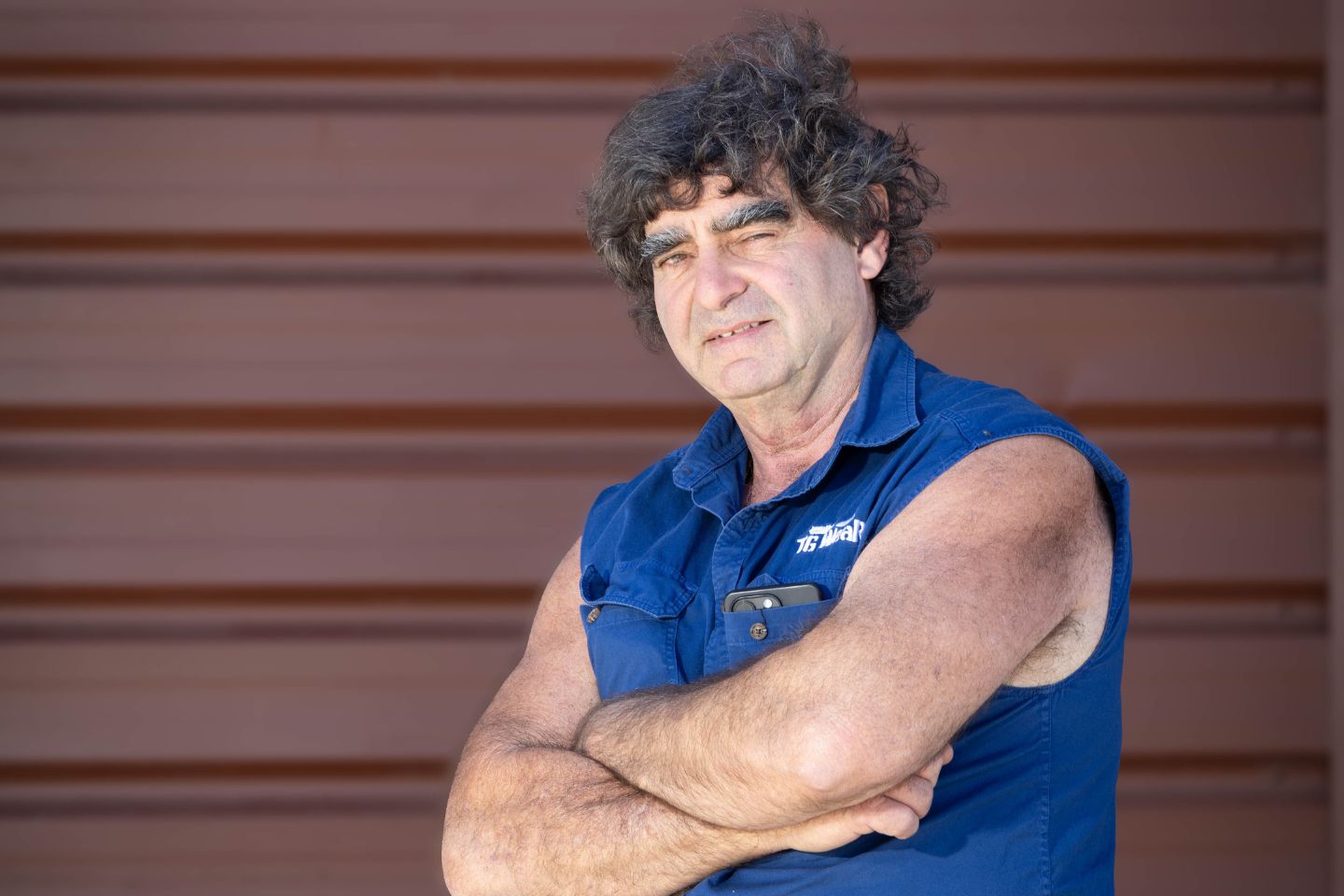
Newcells Biotech CEO Mike Nicholds(Image: The Bigger Picture Agency Ltd)
Newcells Biotech announced two significant funding rounds during 2024 to expand its work. The investments – including £2.35m in February and £1.2m in May – aimed to help the business build its customer base and develop partnerships with other companies in its field.
Meanwhile, Axol said the acquisition expands its portfolio of models, and also strengthens its position as the leading independent provider of physiologically-relevant in vitro retinal models for ophthalmology drug discovery and safety testing. Axol recently announced a $2.8m financing deal, led by US life sciences investor BroadOak Capital Partners, which is supporting expansion of its US commercial operations, product development and manufacturing scale-up.
Liam Taylor, CEO of Axol Bioscience, said: “The addition of Newcells’ retinal organoid business is our third acquisition in five years.
He added: “Newcells has developed a highly sophisticated and scalable retinal organoid platform focused on predictive, human-relevant iPSC-derived retinal models that are recognised across the industry. Integrating this capability with Axol’s existing ophthalmology portfolio enables us to offer a broader, more physiologically relevant toolkit to support research.”