Connect with us
DAPA Banner

Business

When Is The Right Time For A Startup To Adopt Customer Support Voice AI?

Published

on

UK CFO confidence hits lowest level since Covid as Iran war rattles business outlook

Voice AI has become impossible to ignore. Demos sound smooth. Vendors promise round-the-clock coverage, lower payroll costs, and instant scalability. For a startup watching cash flow and juggling support tickets at midnight, the pitch feels persuasive.

The problem lies in timing.

Early-stage companies often chase automation before they understand their own customers. Founders see rising inquiry volume and assume software will solve the strain. In reality, automation magnifies whatever systems already exist. If workflows are messy, knowledge bases incomplete, and messaging inconsistent, voice AI will simply deliver confusion at scale.

The right time to adopt customer support voice AI depends less on hype and more on operational maturity.

Understanding What Voice AI Actually Does

Voice AI systems answer calls, interpret spoken language, access internal systems, and respond in real time. Some handle simple routing. Others complete transactions, verify identities, or resolve billing questions.

Advertisement

Modern tools rely on natural language processing and speech recognition models trained on massive datasets. Platforms such as OpenAI, Google, and Amazon power many of the speech and language capabilities behind commercial voice assistants.

However, raw intelligence does not equal business readiness. A startup must supply accurate data, structured workflows, and defined policies. Without those elements, the system struggles to deliver reliable answers.

Voice AI excels at repetition and pattern recognition. It performs poorly when policies shift weekly or when edge cases dominate conversations.

Volume As A Trigger, But Not The Only One

Call volume often triggers interest in automation. When support agents handle hundreds of repetitive inquiries about password resets, shipping updates, or appointment confirmations, automation becomes practical.

Advertisement

Yet volume alone should not drive the decision.

A startup might receive 200 calls per week, but if each call involves complex troubleshooting or emotional nuance, automation may create more friction than relief. On the other hand, a smaller number of highly repetitive calls could justify deployment sooner.

The key lies in analyzing call types. If at least 40 to 60 percent of interactions follow predictable scripts with limited variation, voice AI can absorb meaningful load. Without that repetition, return on investment weakens.

Product Stability Matters More Than Growth Hype

Startups pivot. Pricing changes. Features launch and disappear. Policies evolve as the business experiments with market fit.

Advertisement

Voice AI requires consistency. It needs stable documentation and defined responses. Training a system on rules that change every month forces continuous retraining and monitoring.

The right time emerges after product stability improves. When support teams no longer rewrite macros every week, automation becomes sustainable.

If churn remains high due to unclear onboarding or unresolved product bugs, voice AI will not solve the root cause. It may even amplify dissatisfaction by delivering polished but unhelpful answers.

Customer Expectations And Brand Positioning

Some startups build brands around high-touch service. Early customers expect direct access to founders or dedicated representatives. Replacing that connection with automation too soon can erode trust.

Advertisement

Other startups position themselves as efficient, tech-forward platforms. Their customers may welcome automated support if it resolves issues quickly.

Brand identity influences timing. A fintech startup handling sensitive financial data must weigh trust and compliance carefully. A logistics platform fielding routine tracking requests may prioritize speed over personalization.

The right moment arrives when automation aligns with brand promise rather than contradicting it.

Internal Support Maturity

Before adopting voice AI, a startup should demonstrate strong manual support operations. That includes:

Advertisement
  • Clear documentation of frequent issues
  • Defined escalation paths
  • Consistent quality assurance processes
  • Reliable data tracking

If agents cannot resolve issues consistently, an automated system will struggle even more.

Support teams often discover inefficiencies only after scaling manually. Patterns emerge. Scripts improve. Knowledge bases expand. These refinements provide the training material voice AI depends on.

Deploying automation before these systems mature risks embedding confusion into code.

Financial Signals And Cost Structure

Voice AI promises cost savings, but implementation requires investment. Licensing fees, integration costs, ongoing monitoring, and potential customization add up.

A startup operating on thin margins must calculate whether automation reduces overall cost per contact. If hiring two additional support agents costs less than implementing and maintaining voice AI, delaying adoption may make sense.

Advertisement

However, when call volume spikes seasonally or unpredictably, automation offers flexibility without long-term payroll commitments. In those cases, the financial case strengthens.

The timing often coincides with the first significant support hiring wave. Leaders must decide whether to scale headcount or introduce automation to absorb routine inquiries.

Data Readiness And Integration Capabilities

Voice AI depends on accurate, accessible data. It must connect to customer accounts, order systems, appointment scheduling tools, or billing platforms.

If internal systems remain fragmented or undocumented, integration becomes complex. Startups that invest early in structured databases and clean APIs position themselves for smoother automation later.

Advertisement

Companies already using customer relationship management platforms such as Salesforce or HubSpot may find integration more straightforward. Those relying on spreadsheets and manual tracking face additional hurdles.

The right time arrives when infrastructure supports real-time data retrieval and secure authentication.

Regulatory And Compliance Considerations

Voice AI interacts directly with customers. In regulated industries such as healthcare or finance, compliance requirements shape deployment timelines.

Identity verification protocols must function reliably. Data privacy laws require careful handling of recorded conversations and personal information.

Advertisement

A startup still defining its compliance framework should stabilize those processes before introducing automation. Otherwise, legal risk increases.

Compliance readiness often marks a turning point. Once legal and security teams establish clear guidelines, voice AI can operate within structured boundaries.

The Customer Experience Threshold

Adopting voice AI should improve customer experience, not merely reduce cost. Measuring satisfaction before implementation helps determine readiness.

If average wait times exceed acceptable limits, automation may relieve pressure. If customers complain about repetitive hold music and delayed callbacks, a well-designed voice assistant can deliver faster responses.

Advertisement

However, if customers already report confusion about policies or inconsistent answers, automation may worsen frustration.

The threshold appears when automation can genuinely enhance speed and clarity without sacrificing empathy where it matters.

Testing Before Full Deployment

Startups rarely need to flip a switch across all channels. Limited pilots provide insight.

Begin with a narrow use case. For example, automate appointment confirmations or shipping status updates. Monitor resolution rates, error frequency, and customer sentiment.

Advertisement

Gradual expansion reduces risk. It allows teams to refine prompts, adjust workflows, and identify edge cases before scaling broadly.

The right time often emerges during pilot success. When data shows reliable performance and customers respond positively, expansion becomes logical.

Human Oversight And Hybrid Models

Voice AI works best alongside human agents. A hybrid model routes complex cases to trained staff while automation handles predictable tasks.

Startups should adopt voice AI when they can maintain human oversight. Supervisors must review interactions, correct errors, and update knowledge bases regularly.

Advertisement

Without oversight, small inaccuracies compound over time.

The right moment arrives when leadership commits to continuous monitoring rather than treating automation as a set-and-forget solution.

Cultural Readiness Within The Team

Internal resistance can derail automation efforts. Support teams may fear replacement. Product teams may hesitate to commit development resources.

Leadership must communicate clearly that voice AI augments human effort rather than eliminates it entirely. Transparency builds trust.

Advertisement

When support staff recognize that automation removes repetitive strain and allows focus on complex cases, adoption proceeds more smoothly.

Cultural readiness often signals operational readiness. If teams align around shared goals, implementation accelerates.

Competitive Pressure And Market Signals

In some industries, competitors already deploy voice AI successfully. Customers begin expecting instant automated responses. Falling behind may create perception gaps.

Still, chasing competitors without internal readiness rarely ends well.

Advertisement

The right time balances competitive awareness with internal capability. Observing industry adoption can inform strategy, but execution must match organizational maturity.

Avoiding The Hype Cycle Trap

Voice AI attracts headlines and investor interest. Startups sometimes adopt it to signal innovation rather than solve specific problems.

This approach rarely sustains value.

Technology should serve defined objectives. When automation addresses clear bottlenecks, its impact becomes measurable. When deployed for optics, results often disappoint.

Advertisement

The right time aligns with operational need rather than marketing narrative.

A Practical Readiness Framework

Several indicators suggest a startup stands ready for customer support voice AI:

  • Support volume contains high repetition
  • Product and policies remain stable
  • Infrastructure supports secure integrations
  • Compliance processes function reliably
  • Manual workflows operate efficiently
  • Leadership commits to monitoring and iteration

When these conditions converge, automation strengthens rather than destabilizes operations.

If multiple elements remain unresolved, patience may prove wiser.

Growth Stages And Strategic Timing

Early seed-stage startups often rely on direct founder involvement in support. This stage builds insight into customer pain points. Automating too early removes that feedback loop.

Advertisement

Series A or B companies typically experience scaling pressure. Support demand rises faster than hiring capacity. At this point, structured processes begin to solidify. Voice AI adoption often fits naturally here.

Later-stage startups approaching enterprise contracts may require 24 hour coverage across time zones. Automation provides consistent baseline service without multiplying payroll costs.

Timing correlates with growth stage, but maturity matters more than funding milestones.

The Consequences Of Waiting Too Long

Delaying automation indefinitely carries its own risks. Support teams can become overwhelmed. Response times lengthen. Burnout increases turnover.

Advertisement

As volume grows, manual scaling becomes expensive and inefficient. Retrofitting automation into chaotic systems later proves more complex.

The right time avoids both extremes. Neither premature automation nor perpetual delay serves the business.

Closing Perspective

Voice AI represents a powerful tool for startups navigating growth. Its effectiveness depends on readiness across operations, culture, data infrastructure, and customer expectations.

Adoption makes sense when repetition dominates support volume, workflows operate smoothly, and leadership commits to continuous oversight. It falters when used to mask instability or compensate for unresolved product issues.

Advertisement

Timing rarely announces itself dramatically. It emerges through careful evaluation of systems, customer feedback, and financial realities.

Startups that approach voice AI strategically gain leverage without sacrificing quality. Those that rush or resist without reflection risk missed opportunity or unnecessary disruption.

The decision demands discipline rather than excitement. When operational foundations stand firm and customer experience stands to improve, the moment has likely arrived.

 

Advertisement

Continue Reading
Click to comment

You must be logged in to post a comment Login

Leave a Reply

Business

Cairn: Vedanta plunges 5.59 per cent on LSE amid talks to buy Cairn stake

Published

on

ET Search
LONDON/MUMBAI: Shares of NRI billionaire Anil Agarwal-led Vedanta Resources on Friday plunged 5.59 per cent on the London Stock Exchange amid talk that it may acquire a majority stake in the Indian arm of Cairn Energy.

In the late afternoon session, the scrip was being traded at 20.61 pounds, down by 5.50 per cent on the LSE. Vedanta opened on a positive note, but soon swung into the red.

The broader market was also weak and the benchmark FTSE 100 was trading at 5,248.95, down 0.32 per cent in the late afternoon session.

On the other hand, Cairn Energy Plc climbed 1.41 per cent and was being quoted at 4.59 pounds on the LSE.

Advertisement

In India too, Vedanta Group firm Sterlite Industries sank by over 4 per cent to close at Rs 160.70 on the Bombay Stock Exchange. Sterlite was the biggest loser in the Sensex pack today.


In contrast, Cairn Energy Plc’s Indian arm, Cairn India, surged by over 5 per cent to hit its highest-ever level of Rs 358 on the BSE. The scrip ended with a gain of 355.45, up 4.36 per cent.
Vedanta Resources Plc is in talks to acquire a majority 51 per cent stake in Cairn India for about USD 8-8.5 billion (nearly Rs 40,000 crore) and a deal may be announced on Sunday evening or Monday.Scottish explorer Cairn Energy Plc, which holds a 62.37 per cent stake in India-listed Cairn India, is seeking up to a 20 per cent premium for passing on the controlling stake, two persons in-the-know of the development said.

Agarwal “is meeting Cairn Energy Plc Chief Executive Bill Gammell in London today and the deal is likely to be announced as early as Sunday evening or on Monday,” one of them said.

The deal will be contingent on government approval, as Cairn’s three producing oil and gas assets, including the giant Rajasthan fields, and seven exploration blocks either have explicit provisions for seeking prior approval before the transfer of interest or gives pre-emption, or the right of first refusal, on any shares being sold to partners like ONGC.

Advertisement
Add ET Logo as a Reliable and Trusted News Source



Continue Reading

Business

Awen Oncology in seven-figure funding round boost

Published

on

Business Live

the firm is a spinout based on research at Bangor and Cardiff universities

Dr Urs Spitz, biotech investor and board member at Awen Oncology.

Therapeutics venture Awen Oncology is accelerating its research and growth plans for its next-generation cancer treatments on the back of a seven-figure investment round boost.

The funding round has been led by biotech investor Dr Urs Spitz, alongside additional funding mechanisms. The investment will create additional high value jobs and enable the company to progress key scientific milestones to advancing a primary therapeutic programme closer to the clinic.

A spinout based on teh collaborative research originating from Bangor University and Cardiff University, Awen Oncology was founded by Dr Ramsay McFarlane, Dr Jane Wakeman and Professor Andrea Brancale, a globally recognised leader in computational medicinal chemistry. The company is focused on developing innovative therapeutics with the potential to transform cancer treatment.

READ MORE: The South Wales compound semiconductor cluster targeting 6,000 jobs by 2030READ MORE: Cardiff medtech firm Alesi Surgical boosted with £7m investment round

Advertisement

As part of the investment, Dr Spitz will join the company board, bringing extensive international experience in building and scaling biotechnology businesses. His involvement is expected to play a crucial role in guiding the company through its next phase of growth and positioning it for future investment and clinical entry.

The funding will support the creation of PhD-level scientific positions, strengthening Wales’ growing life sciences sector and supporting the development of high-value local jobs.

The scientific discoveries underpinning the company’s formation are rooted in academic research supported by organisations led by Cancer Research Wales, a leading supporter of fundamental research in Wales, reducing suffering for cancer patients and their families in Wales.

Dr McFarlane, chief executive and co-founder of Awen Oncology, based at the M-Sparc innovation park at Gaerwen, said:“Securing this new investment marks a very important step forward for Awen Oncology as we continue to develop our therapeutic pipelines. The funding allows us to achieve critical scientific milestones, while also strengthening our team with highly skilled talent here in Wales.

Advertisement

“Importantly, this is about more than just scientific progress. The therapies we are developing have the potential to make a real difference to patients. Our lead programme is targeting a rare form of bone cancer, where there is a significant unmet clinical need, with potential applications across more common cancers. Ultimately, our goal is to bring forward treatments that can improve and potentially save lives.”

DR Spitz, biotech investor and new board member, added:“Awen Oncology represents a compelling opportunity at the intersection of cutting-edge science and meaningful patient impact. The team has built a strong scientific foundation, and I look forward to supporting the team as it advances towards its next stage of development.

“This investment reflects both the quality of the innovation emerging from Wales and the global potential of the company’s therapeutic approach.”

Dr Lee Campbell, head of research at Cancer Research Wales, said: “As the Welsh cancer research charity and a leading funder of cancer research here in Wales, we are proud to have been the catalyst for this important research in North Wales – a journey that began over 15 years ago. It is pleasing to see Welsh cancer research make its mark with the potential to offer real word solutions for cancer patients everywhere.”

Advertisement
Continue Reading

Business

Boozt AB (publ) 2026 Q1 – Results – Earnings Call Presentation (OTCMKTS:BOZTY) 2026-04-24

Published

on

OneWater Marine Inc. (ONEW) Q1 2026 Earnings Call Transcript

This article was written by

Seeking Alpha’s transcripts team is responsible for the development of all of our transcript-related projects. We currently publish thousands of quarterly earnings calls per quarter on our site and are continuing to grow and expand our coverage. The purpose of this profile is to allow us to share with our readers new transcript-related developments. Thanks, SA Transcripts Team

Continue Reading

Business

Microsoft Needs Copilot to Get Back in the Air

Published

on

Microsoft Needs Copilot to Get Back in the Air

Even in the turbulent market of 2026, going from “AI winner” to “AI loser” status in six months seems excessive. 

Unfortunately for Microsoft MSFT -3.97%decrease; red down pointing triangle, the complexity of the company’s business model also means its new label can’t be shaken off quickly. But patient investors should be rewarded, as the world’s largest software company by revenue still has notable strengths in the artificial-intelligence world. 

Copyright ©2026 Dow Jones & Company, Inc. All Rights Reserved. 87990cbe856818d5eddac44c7b1cdeb8

Continue Reading

Business

Tesla and BYD Dominate Early Race

Published

on

Hyundai Ioniq 6 electric sedans

SYDNEY — Electric vehicle sales in Australia have surged in the first four months of 2026, with battery-electric models capturing a record share of the new car market as buyers embrace more affordable Chinese brands and established leaders like Tesla continue strong momentum.

According to data compiled from VFACTS, the Electric Vehicle Council and industry analysts through March 2026, the top five best-selling pure EVs reflect shifting consumer preferences toward practical SUVs, competitive pricing and expanding model choices. Tesla’s Model Y remains the clear leader, but Chinese manufacturers are closing the gap rapidly.

Tesla Model Y
Tesla Model Y

1. Tesla Model Y The compact electric SUV continues its reign as Australia’s best-selling EV, with approximately 5,897 to 7,260 units sold year-to-date. Strong March sales of 2,818 units helped maintain its dominance despite increased competition. Buyers praise its range, technology, build quality and widespread Supercharger network. The Model Y’s versatility as a family hauler with strong performance makes it a default choice for many Australian households transitioning to electric.

2. BYD Sealion 7 BYD’s mid-size electric SUV has been a breakout star, selling around 4,468 units year-to-date with a massive 1,970 deliveries in March alone. The Sealion 7 offers competitive pricing, generous standard equipment, strong performance in its dual-motor variants and a comfortable ride suited to Australian roads. Its rapid rise demonstrates growing consumer confidence in Chinese EV brands.

3. Zeekr 7X The premium electric SUV from Geely’s luxury brand has quickly established itself as a serious contender, with roughly 1,725 units sold year-to-date. March deliveries reached 679. Known for its upscale interior, advanced driver assistance systems and impressive range, the Zeekr 7X appeals to buyers seeking luxury features at a more accessible price than traditional European brands.

Advertisement

4. BYD Atto 2 This compact crossover has sold approximately 1,481 units year-to-date. Its affordable pricing, practical size for urban driving and solid range have made it popular with first-time EV buyers and young families. The Atto 2’s nimble handling and modern tech features have helped it carve out a strong niche in the entry-level segment.

5. Geely EX5 / Tesla Model 3 (tied closely) The Geely EX5 has moved approximately 1,437 units year-to-date, while the Tesla Model 3 sits around 1,363. Both models offer compelling value — the EX5 with sharp pricing and family-friendly features, and the Model 3 with Tesla’s ecosystem, performance and software updates. Their battle for fifth place highlights the diversity now available in Australia’s EV market.

The broader EV market in Australia has shown remarkable resilience. March 2026 recorded a record 15,839 BEV sales, representing about 14.6% of the total new vehicle market. Year-to-date, EVs continue gaining ground as federal and state incentives, falling battery prices and improved charging infrastructure encourage adoption.

Industry experts attribute the strong performance of Chinese brands to aggressive pricing, generous warranties and feature-packed vehicles that often undercut established competitors. Tesla maintains leadership through brand loyalty and its established charging network, but the gap is narrowing as more affordable options flood the market.

Advertisement

Consumer trends show strong demand for SUVs and crossovers, reflecting Australian preferences for higher-riding vehicles suited to varied road conditions and family needs. Compact and mid-size electric SUVs now dominate sales charts, pushing traditional sedans like the Model 3 further down the rankings.

Challenges remain for broader EV adoption. Range anxiety in regional areas, charging infrastructure gaps outside major cities and higher upfront costs for some models continue to slow uptake among certain buyer groups. However, improving battery technology and government policies supporting the transition are gradually addressing these barriers.

Looking ahead, analysts expect continued growth throughout 2026 as more affordable models arrive and existing popular vehicles receive updates. New entrants and refreshed versions from established players could further shake up the top 10 rankings by year-end.

For Australian buyers considering an EV in 2026, the current top sellers offer proven real-world performance, strong resale value and access to expanding charging networks. Whether prioritizing range, features, price or brand, the market now provides more viable options than ever before.

Advertisement

The strong early-year sales figures signal that electric vehicles are moving from niche to mainstream in Australia. With the top five models representing a healthy mix of established leaders and exciting newcomers, 2026 is shaping up as a pivotal year for the country’s clean transport transition.

Continue Reading

Business

Is FanDuel Down Now? Users Experiences Login Issues and App Problems for Some Users on April 24

Published

on

FTSE 100 Surges 0.8% Today as Oil Eases and Markets

FanDuel users across the United States reported login difficulties, app glitches and betting platform disruptions Friday, prompting widespread frustration during a busy sports day, though the company has not declared a full outage.

Is Navitas Semiconductor Website Down? User Experiences Brief Outage Amid
FanDuel Experiences Login Issues and App Problems for Some Users on April 24

As of midday April 24, 2026, monitoring sites such as Downdetector showed elevated user reports, with the majority centered on login problems (around 58%), followed by app issues and betting functionality. While not a complete service blackout, the problems affected thousands of bettors attempting to access accounts, place wagers or view live odds.

FanDuel Support acknowledged the issues in direct messages to affected users, stating the team was aware of login problems and actively working on a resolution. The company has not issued a formal public statement, but users on social media and community forums reported being logged out unexpectedly, with some unable to reset passwords or regain access to funds and active bets.

The timing proved particularly inconvenient for many. Friday featured multiple major league games across MLB, NBA playoffs and other sports, driving high traffic to the platform. Bettors reported losing access to parlays, live betting and account balances during critical windows, leading to angry posts and calls for compensation.

Troubleshooting advice from FanDuel’s help center and user communities includes clearing cache, updating the app, restarting devices, checking internet connections and trying the desktop site. Some users succeeded with these steps, while others continued experiencing problems into the afternoon.

Advertisement

This is not the first time FanDuel has faced technical hiccups. Similar intermittent issues have occurred during peak sports events in the past, often attributed to high server load or AWS-related infrastructure problems. Friday’s reports align with patterns seen during previous high-volume days.

FanDuel remains one of the largest sports betting and daily fantasy platforms in the U.S., operating legally in numerous states. The company has invested heavily in technology and customer support, but scalability during spikes continues to draw criticism from users when problems arise.

Industry analysts note that while isolated login and app issues do not constitute a full outage, they can significantly impact user experience and trust, especially for those with active bets. FanDuel’s support team typically works quickly to restore service, but resolution times vary.

Users experiencing problems are encouraged to contact FanDuel support directly through the app, website or verified social channels. The company’s official support handle has been responding to individual cases, though volume appears high. Those with funds locked or active wagers should document issues with screenshots for potential resolution.

Advertisement

Broader context shows strong growth in legal sports betting, with FanDuel competing against DraftKings and others for market share. Technical reliability has become a key differentiator as the industry matures and more states expand access. Incidents like Friday’s highlight ongoing challenges in maintaining flawless service during peak demand.

For now, the platform appears partially operational for many users, though login and app performance remain inconsistent in certain regions. Monitoring sites show reports tapering but still elevated compared to normal levels. Sports fans and bettors are advised to check official channels for updates and consider alternative access methods if needed.

As the situation develops, FanDuel customers hope for a swift resolution ahead of evening games. The company’s history suggests most issues resolve within hours, but today’s problems serve as a reminder of the occasional fragility of digital betting platforms during busy periods.

Advertisement
Continue Reading

Business

Form 13F Semus Wealth Partners LLC For: 24 April

Published

on


Form 13F Semus Wealth Partners LLC For: 24 April

Continue Reading

Business

Slideshow: Chomping down on chicken innovation

Published

on

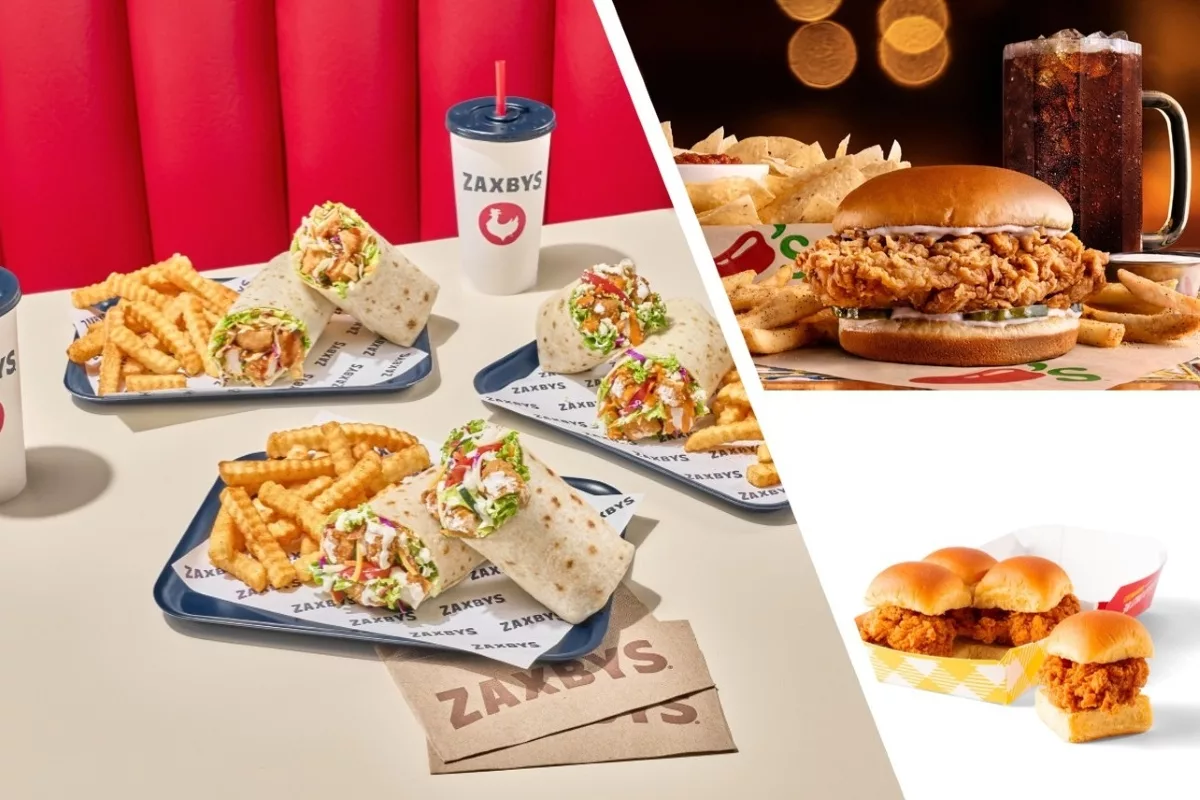
Slideshow: Chomping down on chicken innovation

Format and flavor opportunities are sparking innovation for foodservice operators.

Continue Reading

Business

Cairn India hits record high on BSE amid stake sale talks

Published

on

ET Search
MUMBAI: Shares of Cairn India Ltd on Friday climbed over 5 per cent to hit a record high of Rs 358 on the BSE amid reports that Vedanta Resources is in talks to buy a majority stake in the subsidiary of UK-based Cairn Energy.

The scrip, which was flat for most of the session, shot up in the final hour of trade on the Bombay Stock Exchange to settle with a net gain of 4.36 per cent at Rs 355.45.

Analysts said the stock zoomed on reports that Vedanta is in talks to buy a 51 per cent stake in Cairn India from its parent firm, Cairn Energy, which holds a 62.4 per cent stake. The deal size is estimated to be between USD 8-8.5 billion.

“The deal is positive for the stock, as even the lower- end of the deal ($8 billion) will value Cairn India at USD 15.7 billion compared to the current market cap of $14.4 billion,” Elara Securities analyst Alok Deshpande said.

Advertisement

“In the short term, we expect the stock to rally towards the deal valuation upon the official announcement, which is expected on August 16, according to media reports,” he added.


Cairn India’s parent company, Cairn Energy Plc, also zoomed nearly 2 per cent on the London Stock Exchange and was being quoted at 4.61 pounds in late afternoon trade.
In contrast, NRI billionaire Anil Agarwal-led Vedanta Resources Plc plunged by 5.5 per cent to 20.61 pounds on the LSE.In addition, Sterlite Industries, a Vedanta Group firm, sank by over 4 per cent to close at Rs 160.70 on the Bombay Stock Exchange. Sterlite was the biggest loser in the Sensex pack today.

“If the deal happens, it is obvious that Vedanta is planning to be a long-term investor. In that case, we feel the deal valuation is fair, considering our expectations of a reserve upside from other Rajasthan fields in some time in the future,” Deshpande said.

Add ET Logo as a Reliable and Trusted News Source


Continue Reading

Business

Old Fox has dream run on Dalal Street

Published

on

ET Search
The Old Fox of Dalal Street has been on a dream run since the past couple of weeks. On Friday, most stocks that he had been steadily building up positions in figured among key gainers of the day. State Bank of India shares hit a new peak of Rs 2,879.95, before closing at Rs 2,849.40, up 2.35% over the previous close.

SpiceJet hit a 52-week high of Rs 68.45 before closing at Rs 66.05, up 8% over the previous close. Bombay Dyeing hit a 52-week high of Rs 684.85 before closing at Rs 661.55, up 12% over its previous close. Godrej Properties rose 3% to close at Rs 776.40. It remains to be seen, if the Fox will make a quiet exit when the going is good, or hang in there for bigger profits.

Add ET Logo as a Reliable and Trusted News Source



Continue Reading

Trending

Copyright © 2025