Xiaomi has officially revealed the Xiaomi YU7 GT, a high-performance electric SUV designed to compete with rivals like the SU7 Ultra.
This sleek “coupe-SUV” combines sporty styling with family-friendly practicality, while subtle upgrades, like flush door handles and a roof-integrated LiDAR sensor, signal advanced autonomous driving capabilities.
Massive Battery and Long Range
According to the information shared by the Chinese Ministry of Industry and Information Technology (MIIT), the YU7 GT is powered by a 101.7 kWh battery pack weighing 666 kg. Xiaomi claims a cruising range of up to 650 km under CLTC testing standards. With some configurations potentially reaching 705 km, we could see more of this under more rigorous testing.
While real-world range may be slightly lower, this positions the SUV among the leaders for long-distance EV performance. Tesla was the brand previously known for remote EV driving, but now, Chinese brands like Xiaomi take the cake, and they are cheaper than their Western counterparts.
Advertisement
Spacious, Comfortable Interior
Measuring 5015 mm long, 2007 mm wide, and 1597 mm high, the YU7 GT offers a 3000 mm wheelbase, ensuring ample legroom for passengers. Xiaomi has balanced sporty aesthetics with practicality. Its interior prioritizes comfort, usability, and modern design for next-gen vehicles.
Supercar-Level Performance
According to Arena EV, its dual electric motors deliver an all-wheel-drive system, with the front motor producing 288 kW and the rear generating 450 kW, totaling an astounding 738 kW (approximately 990 horsepower).
This power enables a top speed of 300 km/h, rivaling Italian supercars, while maintaining a family-oriented SUV design. Large sport wheels, red brake calipers, and oversized discs ensure precise handling and stopping power for the 2460 kg vehicle.
Personalization and Modern Styling
Xiaomi offers buyers a variety of customization options, including trim pieces, side mirrors, rear spoilers, decals, and brake caliper colors. The rear design features a sleek full-width taillight and diffuser-style bumper, sticking to the SUV’s aggressive yet refined appearance.
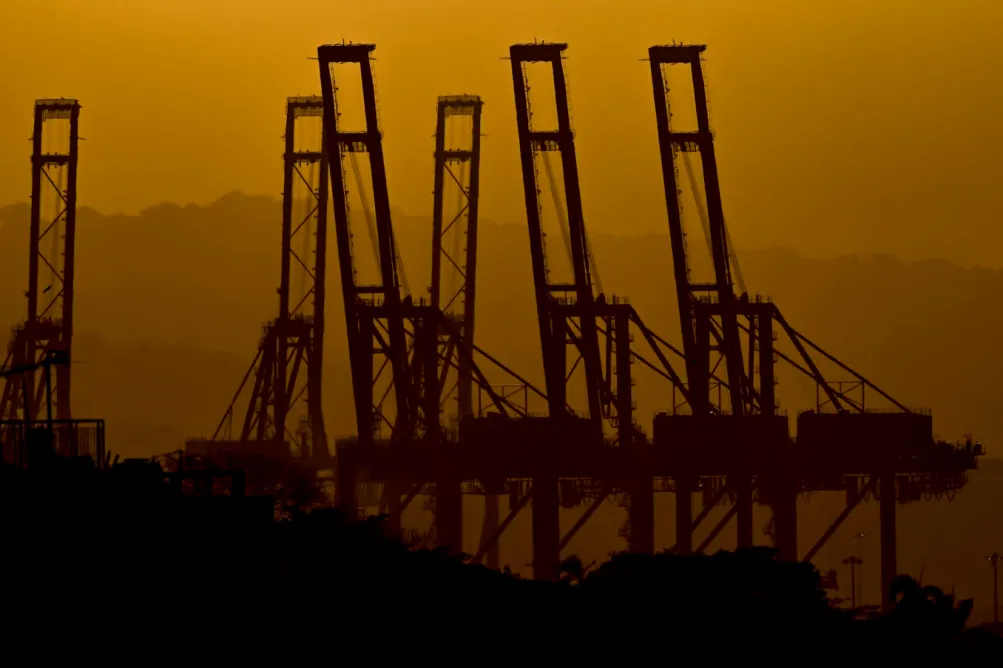
In February 2026, Panama seized two Canal ports from a Hong Kong firm, amid rising U.S.-China trade tensions, spotlighting China’s growing global port investments and geopolitical implications.
Key Points
In February 2026, Panama took control of two Canal ports from a Hong Kong firm amid escalating U.S.-China tensions over global trade and Chinese port investments.
This decision followed a legal battle, as Panama’s high court voided the company’s contracts after 20 years of operation.
China’s port investments have sparked debate on their strategic significance, revealing patterns in global trade routes that may impact the world economy.
In February 2026, the Panamanian government asserted its sovereignty over two ports in the Panama Canal previously managed by a Hong Kong conglomerate, ending a two-decade-long relationship. This takeover culminated from escalating U.S.-China tensions concerning international trade, particularly surrounding the influence of Chinese investments in global ports. The legal dispute reached a critical point when Panama’s high court annulled the company’s contracts, prompting government action to reassert control over these vital maritime assets.
This incident is emblematic of broader geopolitical rivalries, reflecting a complex interplay between U.S. and Chinese interests in critical trade routes, especially the strategically significant Panama Canal. The growing presence of Chinese firms in global port operations—over 90 terminals worldwide—has invited scrutiny and concern from Washington, particularly during the Trump administration, which took a strong stance against perceived foreign encroachments on American interests.
Central to this debate is whether China’s extensive port investments represent purely commercial endeavors or align with broader geopolitical ambitions. This question transcends mere speculation, as the ramifications of disrupted shipping lanes could have significant implications for the global economy. Notably, disruptions could lead to staggering economic losses, emphasizing the importance of understanding the strategic motivations underlying these investments.
In a recent study, researchers focused on identifying patterns of Chinese port investments across 133 coastal nations, creating the first global database of ports affiliated with China. Their analysis aimed to discern what factors determine why some countries are receptive to Chinese port development while others are not. The findings contribute to a nuanced understanding of geopolitical dynamics and the clustering of Chinese port investments near some of the world’s most critical trade routes.
Advertisement
This situation highlights the intricate relationship between national security, global trade, and maritime infrastructure, as nations grapple with the implications of foreign investments on their sovereignty and economic stability.
HONOLULU — The family of action icon and martial arts legend Chuck Norris has not publicly disclosed an official cause of death, opting for privacy following his sudden passing on March 19, 2026, at age 86 in Kauai, Hawaii. Norris died the day after being hospitalized for an unspecified medical emergency, according to multiple reports and family statements released Friday.
Chuck Norris
Norris’ family confirmed the news in a heartfelt Instagram post on March 20, describing it as a “sudden passing” and emphasizing that he was “surrounded by his family and was at peace.” The statement read in part: “It is with heavy hearts that our family shares the sudden passing of our beloved Chuck Norris yesterday morning. While we would like to keep the circumstances private, please know that he was surrounded by his family and was at peace.”
Sources close to the situation, cited by TMZ and other outlets, reported that Norris was rushed to a hospital in Kauai after a medical emergency occurred within the previous 24 hours. Prior to the incident, he had been training and was described as in “good spirits” and “jovial” mood, even cracking jokes, according to a source who spoke with him shortly before the hospitalization. The abrupt nature of the health scare shocked those around him, as Norris had recently celebrated his 86th birthday on March 10 with a social media post showing him sparring and declaring he was in “good health” and still “leveling up.”
No autopsy results or detailed medical information has been released as of March 21, and the family has requested discretion regarding the specifics of his final moments. Reports from outlets including Variety, The New York Times, BBC and Fox News consistently note that the cause remains undisclosed, with the emphasis on Norris’ peaceful departure amid loved ones rather than clinical details.
The timing — just days after his birthday and active training — fueled widespread speculation and an immediate wave of tributes online. Fans flooded social media with memes referencing the long-running “Chuck Norris Facts” jokes that portrayed him as invincible, while others shared memories of his films and television work. Norris’ son Dakota posted a personal remembrance, calling him “the greatest father God could have given me” and highlighting his faith, discipline and kindness.
Advertisement
Norris, born Carlos Ray Norris on March 10, 1940, in Ryan, Oklahoma, built a career that transcended Hollywood. A former U.S. Air Force serviceman, he became a world champion in karate and founded his own martial arts system, Chun Kuk Do. His screen debut as the villain in Bruce Lee’s “Way of the Dragon” (1972) featured one of cinema’s most famous fight scenes in the Roman Colosseum. He went on to star in 1980s action staples like “Missing in Action,” “The Delta Force,” “Invasion U.S.A.” and “Code of Silence,” often playing patriotic, no-nonsense heroes.
His longest-running role came as Cordell Walker in “Walker, Texas Ranger” (1993-2001), a series that blended martial arts with moral storytelling and ran for eight seasons. Later appearances included “The Expendables 2” (2012), and he maintained an active presence through fitness advocacy, his non-profit Kickstart Kids and books on faith and philosophy.
Despite internet hoaxes over the years falsely claiming his death, this confirmation from family and major news sources marked the real end of an era. Norris had stepped back from major acting but remained fit and visible on social media, sharing workout videos and inspirational content into his mid-80s. His final post before the emergency celebrated his birthday with training footage, underscoring his lifelong commitment to physical discipline.
Tributes continued pouring in from Hollywood figures, fellow martial artists and political leaders who admired his values. Co-stars from “Walker, Texas Ranger” and modern action stars recalled his influence, while fans noted how his tough-guy image inspired resilience and humor in popular culture.
Advertisement
Funeral arrangements have not been announced, with the family prioritizing privacy during mourning. A public memorial may follow, potentially drawing crowds to honor the man whose real-life strength — rooted in faith, family and perseverance — outshone even the myths.
As the world reflects on Norris’ legacy, the lack of a detailed cause of death underscores the family’s desire to focus on his life rather than his final hours. In an age of constant information, their choice for privacy respects the quiet dignity with which Norris often lived off-screen.
Buy-side hedge professionals conducting fundamental, income oriented, long term analysis across sectors globally in developed markets. Please shoot us a message or leave a comment to discuss ideas.DISCLOSURE: All of our articles are a matter of opinion, informed as they might be, and must be treated as such. We take no responsibility for your investments but wish you best of luck.
Analyst’s Disclosure: I/we have a beneficial long position in the shares of LSEGY, LDNXF either through stock ownership, options, or other derivatives. I wrote this article myself, and it expresses my own opinions. I am not receiving compensation for it (other than from Seeking Alpha). I have no business relationship with any company whose stock is mentioned in this article.
Seeking Alpha’s Disclosure: Past performance is no guarantee of future results. No recommendation or advice is being given as to whether any investment is suitable for a particular investor. Any views or opinions expressed above may not reflect those of Seeking Alpha as a whole. Seeking Alpha is not a licensed securities dealer, broker or US investment adviser or investment bank. Our analysts are third party authors that include both professional investors and individual investors who may not be licensed or certified by any institute or regulatory body.
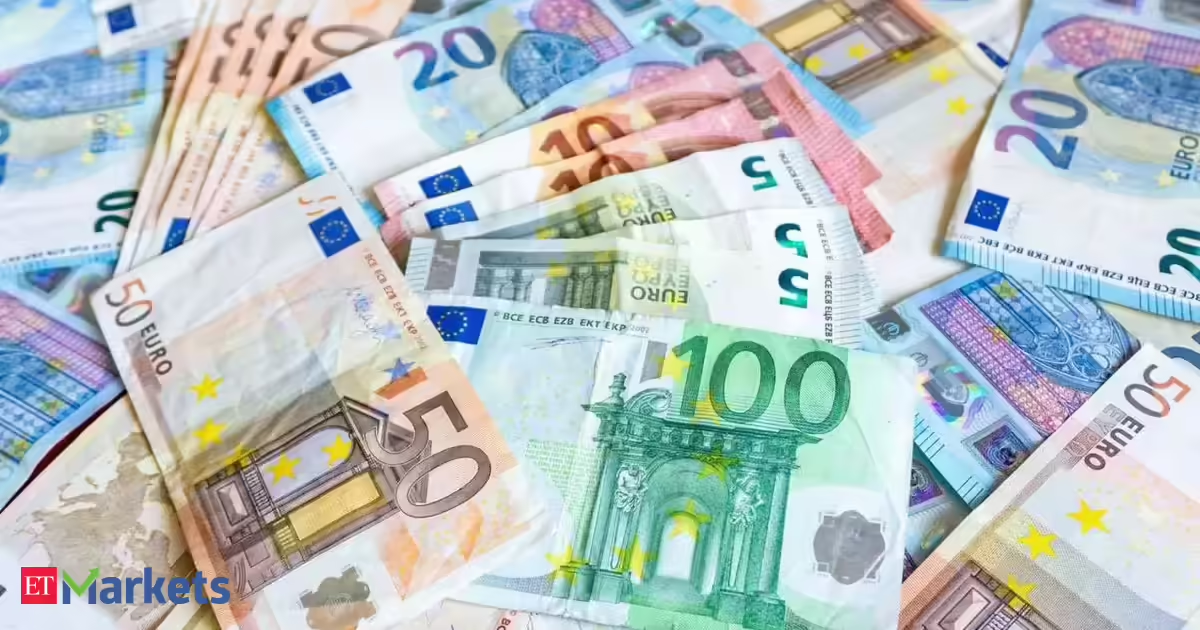
India is considering introducing real-time foreign-exchange settlements in euros at its sole international financial hub, according to people familiar with the matter, a step that would deepen financial ties as the European Union-India trade deal progresses. The International Financial Services Centres Authority (IFSCA), which regulates the hub, has approached the government to permit the use of the euro alongside the US dollar for such settlements, the people said, declining to be identified because the discussions are private.
The proposal comes as India and the EU work to expand market access under the trade pact.
At the same time, the country has been working to strengthen its financial system – last year, it introduced real-time foreign-exchange settlement at Gujarat International Finance Tec-City (GIFT City), part of a broader push to make its flagship offshore financial centre more attractive to global investors. Standard Chartered serves as the designated bank facilitating dollar settlements under the system, which processes interbank transactions on a real-time gross settlement basis. The shift has cut settlement times to seconds from as long as 24 hours, while also reducing reliance on overseas banking networks and lowering liquidity, operational and settlement risks, according to the Clearing Corp. of India’s monthly publication. A spokesperson for IFSCA did not reply to an email seeking comment.
JP Morgan Chase Bank N.A has settled a case with market regulator Sebi for violating foreign portfolio investor (FPI) regulation by paying ₹34 lakh as settlement amount.
The settlement stems from multiple compliance failures linked to the handling of FPIs. The regulator said JP Morgan granted Category II FPI licences to four UK-based firms that were not registered with the UK’s Financial Conduct Authority, rendering them ineligible under prevailing norms. The lapse pointed to gaps in due diligence at the onboarding stage. Sebi also alleged that, following the introduction of updated FPI rules in 2019, the same entities were reclassified as Category I FPIs without verifying their regulatory status. This amounted to a breach of stricter eligibility requirements introduced under the revised framework.
The Sebi also observed that the bank delayed action on a material change involving an FPI following a merger. Despite being informed on November 1, 2024, JP Morgan took over a month to advise fresh registration and restrict trading.
Helios Technologies, Inc. (HLIO) Analyst/Investor Day March 20, 2026 8:30 AM EDT
Company Participants
Tania Almond – Vice President of Investor Relations, Corporate Communications & Risk Management Sean Bagan – President, CEO & Director Billy Aldridge Rick Martich – President of Hydraulics – MCT Matteo Arduini – President of Hydraulics – FCT Jeremy Evans – CFO & EVP Billy Aldridge – President of Electronics Segment
Conference Call Participants
Advertisement
Jeffrey Hammond – KeyBanc Capital Markets Inc., Research Division Tomohiko Sano – JPMorgan Chase & Co, Research Division Peter Psallidas Christopher Moore – CJS Securities, Inc. Peter Kalemkerian – Robert W. Baird & Co. Incorporated, Research Division Jason Williams
Presentation
Tania Almond Vice President of Investor Relations, Corporate Communications & Risk Management
Advertisement
[Presentation]
Good morning, and welcome, everyone. Thank you for joining us for the Helios Technologies 2026 Investor Day. My name is Tania Almond, Vice President of Investor Relations and Corporate Communications. We are very excited to have you here with us today. Our last event was in 2021. So this has been a long time coming. We’ve done a lot of planning for this event.
We’ve got teams here with us from our operating companies for everyone who was able to join us in person with equipment on hand and customer applications. They’re super excited to engage with you as well. I want to give you a couple of backgrounds of how the day will unfold.
Obviously, we will be covering forward-looking statements, and we’ve got non-GAAP metrics as well that we’ve reconciled in the back with our supplemental materials. You can also review our risk statements in our 10-K filing that’s on our website as well as the SEC’s website. Just want to say a little bit about this beautiful venue that we’re in today. So we put out a press release earlier this week about our new partnership and sponsorship of the Mote
Awe is valued in Western wellness for its health benefits but can evoke mixed feelings across cultures. Research indicates it may not universally enhance wellbeing, complicating its application in mental health and leadership.
Key Points
Awe has become an emotional currency in Western wellness, praised for enhancing mental and physical health, social interactions, and prosocial behavior. However, it can evoke both positive and negative feelings across cultures.
Cross-cultural research reveals that while awe is often positive in Western contexts, it can induce fear and tension in cultures like China. This challenges the notion of awe as a universally positive emotion.
Studies with over 2,500 diary entries show that cultural context significantly influences the emotional response to awe, raising important questions about its application in mental health programs and marketing worldwide.
Awe has increasingly become recognized as an essential emotional currency within Western wellness communities, celebrated for its potential to enhance mental and physical health and foster improved social interactions. Research indicates that experiences of awe are linked to positive outcomes such as increased prosocial behavior, heightened curiosity, humility, and overall well-being, as well as potential reductions in post-traumatic stress disorder (PTSD) symptoms. However, cross-cultural investigations reveal that awe does not elicit universally positive responses; rather, it can evoke both uplifting and distressing emotions. This dichotomy raises critical questions about the universal applicability of awe as a beneficial emotional experience.
In a recent series of cross-cultural studies co-authored by researchers from various academic backgrounds, evidence has emerged suggesting that awe’s emotional impact may differ significantly across cultural contexts. Utilizing data from daily emotion diaries and physiological measurements, the studies reveal that while awe is often perceived positively in Western cultures, particularly in the United States, individuals in China may experience awe accompanied by feelings of fear or apprehension. This challenges the longstanding assumption that awe invariably cultivates connection or enhances well-being.
The implications of these findings extend to several domains, including mental health initiatives, leadership training, and global marketing strategies, necessitating a reevaluation of how awe is conceptualized and utilized across cultures. As psychologists Dacher Keltner and Jonathan Haidt define awe as an emotion resulting from encounters with vast and mind-bending experiences, the research underscores that the initial spark of awe may be consistent globally, yet the subsequent emotional response can diverge dramatically depending on cultural interpretations.
The first study, which analyzed over 2,500 diary entries from a cohort of 166 university students across China and the United States over a two-week period, serves to illustrate these nuanced emotional variances. This critical exploration of awe invites a broader understanding of emotional intelligence across cultures, highlighting the necessity for sensitivity in applying awe in various contexts.



















































You must be logged in to post a comment Login