
Business
Zomato’s fee hike to boost margins, demand still intact : Jignanshu Gor


Breaking down the math, the revised platform fee of Rs 14.9, along with GST and additional charges, pushes the effective burden higher than its closest rival. Addressing this shift, Jignanshu Gor from Bernstein India said in an interview to ET Now, “Zomato’s hike now makes it higher than Swiggy.” He added that both players have historically moved in tandem on pricing, given the duopolistic nature of the market, and expects Swiggy could follow suit.
The increase—from Rs 12.5 earlier to Rs 14.9—marks nearly 19% growth, which Gor described as “significant growth to profitability.” With Zomato’s adjusted EBITDA per order hovering between Rs 20 and Rs 22, even a modest Rs 2.5 increase can meaningfully boost margins.
However, pricing power comes with its own set of risks. A key concern remains whether higher fees could impact customer behaviour over time. Gor acknowledged that platforms are still experimenting: “The platforms need to find a sweet spot… to ensure that it does not hurt demand elasticity.” At present, the fee accounts for roughly 3% of gross order value, a level he believes is sustainable without denting demand.
Interestingly, a large portion of these fees is not retained. Gor highlighted that “only around 40% of the fee is realised, the remaining is ploughed back as discounts.” This indicates that while headline fees are rising, net realisations remain moderated by competitive discounting strategies.

On the quick commerce front, competition has intensified, particularly since October. Yet, the pace of escalation appears to have stabilised. According to Gor, “the competition in discounting has intensified since October, but… it has largely been stable so far.” Instead of aggressive pricing, players like Flipkart, Amazon, and Zepto are focusing on expanding dark stores and product assortment to capture market share.
Despite concerns around rising costs—especially commercial LPG prices affecting restaurants—demand trends have remained resilient. Gor observed, “we are not seeing necessarily demand curtailment so far.” Even with menu reductions and operational challenges faced by some outlets, order volumes and app usage metrics continue to hold up. Delivery capacity, in fact, remains tight during peak hours, indicating sustained demand.From a market perspective, Zomato’s sharp stock correction from its highs has raised eyebrows. Yet, analysts see this as a function of valuation reset and ownership dynamics rather than a breakdown in fundamentals. Gor pointed out that “we do not think anything has broken in the promise… for the stock price correction to be warranted.”
Looking ahead, profitability in quick commerce could be a turning point. Gor expects that “the loss-making days… are largely behind them,” with EBITDA margins potentially turning positive in the coming quarters. This, along with steady food delivery growth, could help rebuild investor confidence.
That said, the road ahead is not without challenges. The biggest uncertainty, according to Gor, is the size of the addressable market. Slowing growth rates have triggered concerns reminiscent of the food delivery slowdown seen in 2023–24. “The TAM is a bigger problem… than competition,” he remarked, underscoring investor anxiety around long-term scalability.
Competition, however, remains a critical variable. The presence of players like Zepto, along with aggressive moves by Amazon and Flipkart, could influence pricing strategies and profitability trajectories in the near term.
Adding another layer of complexity is the potential impact of GLP-1 drugs on consumption patterns. Gor believes this could emerge as a meaningful factor in the second half of the year: “We expect it will become a part of the food delivery conversation… it will have some impact.” While reduced food intake could lower order frequency, higher average order values and a shift towards healthier offerings may offset some of the downside.
In the near term, Zomato’s fee hike appears less about stretching consumers and more about strengthening its financial backbone. The real test, however, will lie in balancing profitability with demand in an increasingly competitive and evolving market landscape.


Moerdijk has been earmarked for removal, to make way for a vast electricity substation.
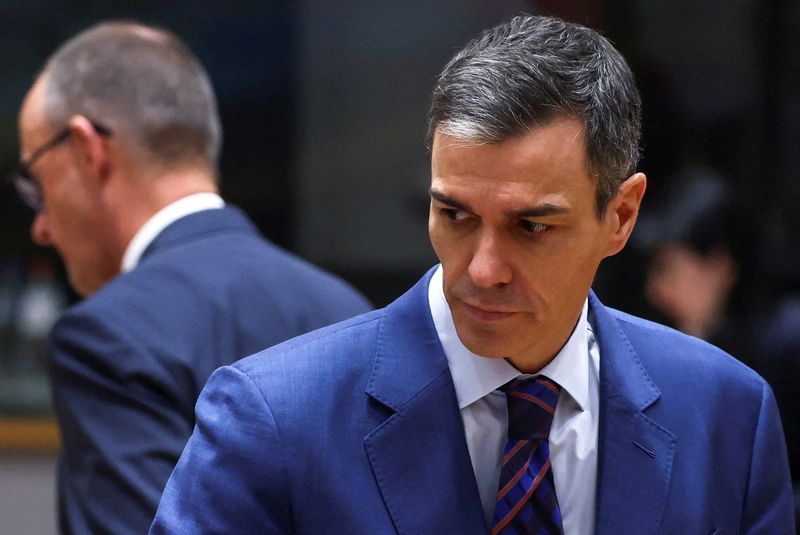

Spanish premier Sanchez heads for fourth China visit, risks annoying Trump
Cyclone Vaianu leaves North Island cleanup underway in New Zealand

Dollar jumps as failed US-Iran peace talks spark safe-haven push


Oil bounces back above $100 after US, Iran talks end in stalemate

Kornit Digital acquires PrintFactory to expand digital reach
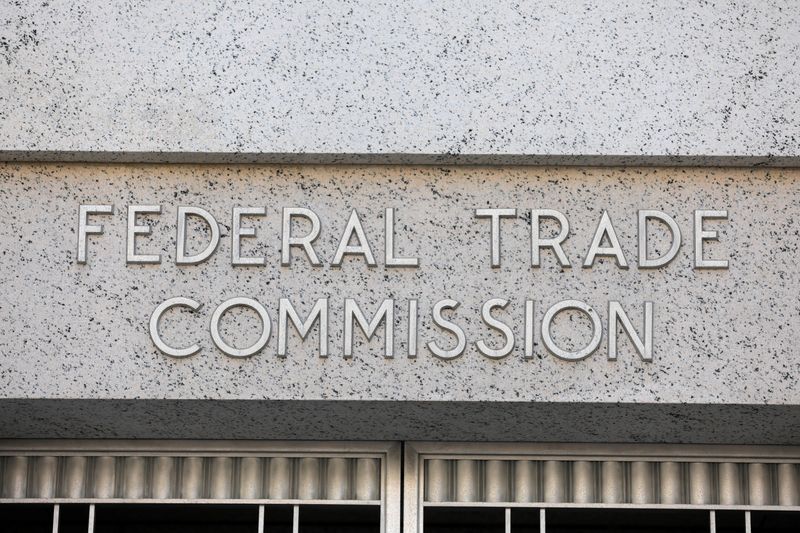

US FTC in settlement talks with ad companies in boycott probe, WSJ reports


Hungary’s Orban concedes landmark defeat to centre-right opposition


US military says it will start blockade of all ships going to and from Iran on Monday

VanEck is a global asset management firm offering ETFs, mutual funds, private funds, model portfolios, institutional strategies, separately managed accounts, as well as UCITS funds. Since our founding in 1955, putting our clients’ interests first, in all market environments, has been at the heart of the firm’s mission. VanEck has a long history of looking beyond financial markets to spot trends that create meaningful investment opportunities. We were one of the first U.S. asset managers to give investors access to international markets, which set the tone for identifying asset classes and themes such as gold investing in 1968, emerging markets in 1993, and exchange traded funds in 2006 that later helped shape the investment industry. The firm oversees $161.7 billion in assets as of September 30, 2025. Disclosures: http://ow.ly/SZ9450N5qTJ.

Dad of teen who took own life issues plea amid Australia social media ban fears

The Dutch village at risk of being demolished

Cherry Bomshell upsets in 2026 Percy Sykes Stakes thriller


-

 Business7 days ago
Three Gulf funds agree to back Paramount’s $81 billion takeover of Warner, WSJ reports
-

 Politics2 days ago
US brings back mandatory military draft registration
-

 Fashion2 days ago
Weekend Open Thread: Veronica Beard
-

 Tech5 days ago
How Long Can You Drive With Expired Registration? What Florida Law Says
-

 Politics9 hours ago
World Cup exit makes Italy enter crisis mode
-
 Sports2 days ago
Man United discover Nico Schlotterbeck transfer fee as defender reaches Dortmund agreement
-

 Fashion7 days ago
Massimo Dutti Offers Inspiration for Your Summer Mood Board
-

 Crypto World3 days ago
Canary Capital Files SEC Registration for PEPE ETF
-

 Fashion5 days ago
Let’s Discuss: DEI in 2026
-

 Business2 days ago
Tesla Model Y Tops China Auto Sales in March 2026 With 39,827 Registrations, Beating Cheaper EVs and Gas Cars
-

 Crypto World4 days ago
Bitcoin recovers as US and Iran Agree a Ceasefire Deal
-

 Politics3 days ago
Malcolm In The Middle OG Turned Down ‘Buckets Of Money’ To Appear In Reboot
-

 Business2 days ago
OpenAI Halts Stargate UK Data Centre Project Over Energy Costs and Copyright Row
-
 NewsBeat50 minutes ago
Pep Guardiola and Gary Neville agree over Arsenal title problem that benefits Man City
-

 Business1 day ago
Ireland Fuel Protests Enter Day 5 as Blockades Spark Shortages and Government Prepares Support Package
-
 Tech7 days ago
Italian court says Netflix must refund customers up to $576 over price hikes
-

 Tech7 days ago
Haier is betting big that your next TV purchase will be one of these
-

 Tech7 days ago
Gamer Restores the Original PlayStation Portal From Two Decades Ago
-

 Tech7 days ago
The Xiaomi 17 Ultra has some impressive add-ons that make snapping photos really fun
-

 Tech7 days ago
Samsung just gave up on its own Messages app
You must be logged in to post a comment Login