DAPA
COIN PAYMENT ASSET
PRIVACY · BLOCKDAG · HOMOMORPHIC ENCRYPTION · RUST
🚫 GENESIS SOLD OUT
DAPAPAY COMING
›




Aztec Connect, a deprecated DeFi bridge linked to the privacy-focused Aztec ecosystem, was exploited on Sunday after an attacker drained about $2.1 million from an old...



Bitcoin’s network difficulty eased noticeably on Sunday, falling by 10.09% in what Galaxy Research described as the blockchain’s 11th-largest downward adjustment. The change reduces the work...



The US and Iran reached an interim deal to halt the war and reopen the Strait of Hormuz, removing the macro weight that has pressed on...



Cardano founder Charles Hoskinson has offered a more detailed account of the 1,096 BTC linked to the project’s early Isle of Man Foundation, saying the Bitcoin...
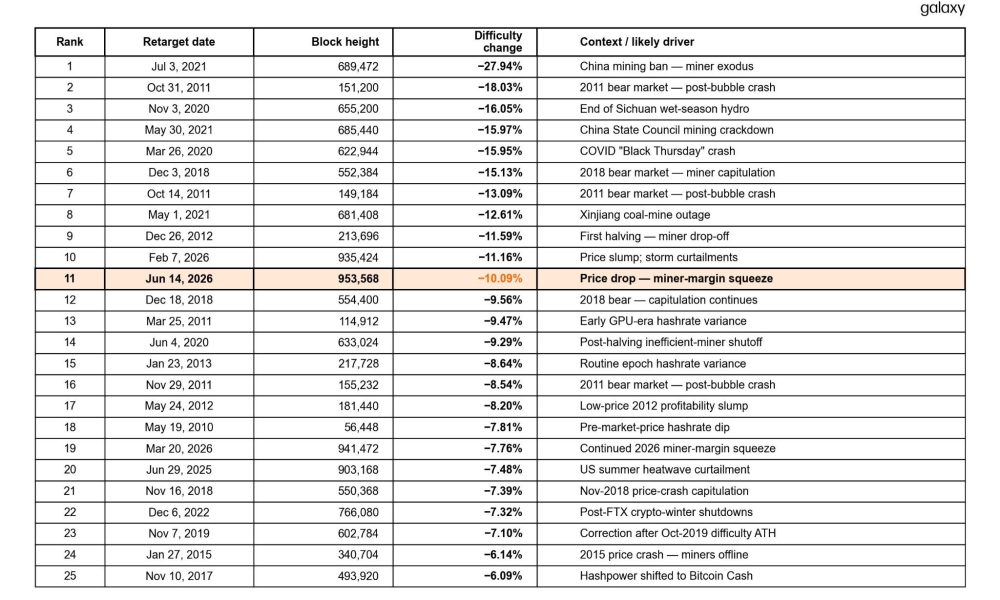

Bitcoin mining difficulty dropped by 10.09% on Sunday, marking the blockchain’s 11th-largest downward adjustment and easing some of the pressure on miners. Galaxy Research said that...



Microsoft Chief Executive Satya Nadella says every company must build what he calls token capital and human capital, framing owned AI capability and human judgment as...
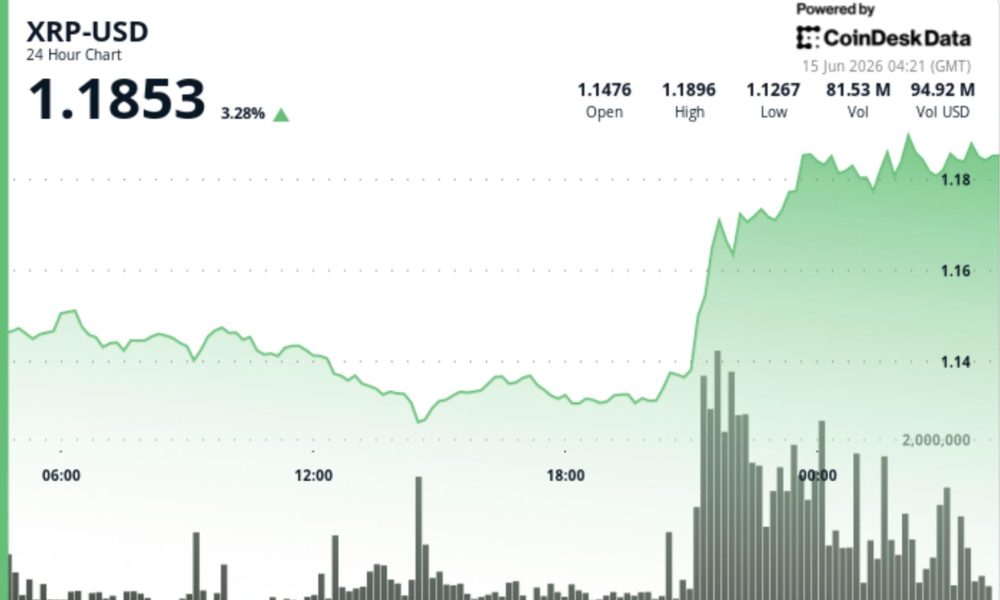

XRP’s rebound is starting to look less like a dead-cat bounce and more like a market trying to build a base. Buyers pushed the token through...



On June 14, President Trump’s crypto venture World Liberty Financial paid $250,000 in USD1 stablecoin bonuses to UFC fighters on the South Lawn of the White...



The European Union’s MiCA transition period ends on July 1, 2026, creating a hard stop for crypto exchanges, brokers and wallet providers that still lack approval. ...



Bitcoin’s mining difficulty fell by 10.09% on Sunday, easing one of the main cost pressures facing miners as the network recalibrated to a drop in hash...