

Crypto World
$58.7K Hint, Binance Cost Basis Critical


Bitcoin has moved into a phase where on-chain metrics and the behavior of larger holders are shaping short- to medium-term risk levels. A freshly published CryptoQuant analysis identifies four key realized-price levels that market participants watch for evidence of a long-term floor or renewed downside pressure, with the nearest line in the sand sitting around $58,700 and another around $54,700. The narrative suggests a fragile balance between momentum and capitulation risk as BTC hovers near critical support zones and as exchange-driven selling cooled after a recent dip near $59,000. In this context, market participants are closely watching how the realized price framework interacts with exchange-derived cost bases, especially on Binance, and how these factors could influence the next leg of the cycle.
Key takeaways
- Four key realized-price levels are identified as essential for tracking Bitcoin’s long-term trend, with liquidity pressure and potential support near the 58.7K and 54.7K marks.
- Realized price represents the aggregate cost basis of BTC that has moved on-chain, serving as a potential support or resistance zone depending on the direction of price action.
- Binance deposit cost basis (UDA RP) sits between the current price and other critical levels, functioning as a near-term safety net in the event of renewed selling pressure.
- The share of BTC supply held at an unrealized loss has climbed to the high 40s percentage range, approaching levels not seen since the end of the 2022 bear market, signaling a potential capitulation risk if prices weaken further.
- Older and newer whale cost bases provide a spectrum of pressure points: newer whales around $88,700 and older whales near $41,600, with the overall cost basis around $54,700.
Tickers mentioned: $BTC
Sentiment: Bearish
Price impact: Negative. The analysis points to risk of further downside as realized-price barriers are tested and unrealized losses rise among holders.
Trading idea (Not Financial Advice): Hold
Market context: The market remains sensitive to on-chain signals and macro liquidity trends, with a cautious tone prevailing as investors evaluate long-term cost-basis milestones against current spot prices.
Why it matters
At the core of the discussion is the concept of realized price—the average price at which BTC moved on-chain for a given cohort. This metric can act as a magnet for price actions, especially when the market experiences cascading moves. CryptoQuant’s analyst Burak Kesmeci emphasizes that four realized-price levels are essential for mapping Bitcoin’s trajectory over a prolonged downturn or potential bottom formation. The proximity of these levels to current prices matters not only for immediate liquidity but for the psychology of holders who evaluate whether this cycle is generating a fresh undercurrent of selling pressure or laying the groundwork for a durable base.
Indeed, the analysis points to the Binance UDA RP (the realized-price marker for deposit addresses on the exchange) as a near-term anchor that sits between prevailing prices and the deeper levels identified by longer-term holders. The logic is simple but consequential: once the price dips below a major realized-price threshold, there is historical tendency for price action to retest that marker, potentially triggering further selling that could push BTC toward the lower bound around 58.7K. The quote from the analyst underscores this dynamic: the only substantial support between the current level and the next test of realized price rests near 58.7K, creating a palpable risk of a test of the realized-price framework if price pressure intensifies.
Beyond the price action itself, the data reflect broader supply dynamics. The proportion of BTC supply currently at an unrealized loss has surged to levels not seen since the end of the 2022 bear market. Analysts have highlighted the speed with which this metric has climbed during the latest drawdown, pointing to rapid changes in holders’ on-chain costs as a key indicator of potential capitulation risk. Observers note that, while the extreme losses observed during the last bear cycle dwarfed today’s figures (with historic peaks well above 90,000 BTC in realized losses), the current level is still a meaningful signal that a phase of distribution may have intensified. The combination of elevated unrealized losses and a price break below key realized-price thresholds could increase the probability of a test of major anchors in the days ahead.
The story is nuanced by the behavior of different cohorts on-chain. Newer Bitcoin whales have a buy-in around $88,700, while older, longer-held addresses show a realized price near $41,600. The broad market’s cost basis sits around $54,700, providing a spectrum of pressure points that market participants monitor as price moves unfold. Between the current price and these thresholds lies the Binance UDA RP, creating a near-term focal point for traders who watch whether the market will hold above that line or slide toward the next substantial marker. A line from CryptoQuant summarizes the practical implication: once Bitcoin falls below the New Whales’ cost basis, it has historically tended to test the realized price, and the 58.7K level remains the pivotal buffer between here and that eventual test.
To illustrate the sense of risk, recent exchange-driven momentum has cooled after Bitcoin’s dip from multi-month highs near the $60,000+ zone. Yet the combination of rising unrealized losses and a price structure that now brackets several critical cost bases means the market remains vulnerable to renewed drawdown if buyers fail to reassert demand at or above these anchor points. The on-chain narrative, therefore, remains a crucial prism through which traders assess whether the market is carving out a sustainable floor or merely pausing before another leg lower.
The analysis is not isolated to one metric or one exchange narrative. It sits at the intersection of realized prices, exchange-specific cost bases, and the evolving behavior of large addresses that have shown significant exposure to price swings in recent months. As investors parse the implications of these data points, the broader market context—ranging from liquidity conditions to risk sentiment and macro developments—continues to shape which side of the range the market tests next. In short, the realized-price framework provides a structured lens for understanding where support might emerge and how far the market could fall before buyers re-enter with conviction.
What to watch next
- Bitcoin’s price reaction around 58.7K and 54.7K, and whether the market tests those thresholds again in the near term.
- Movement in Binance UDA RP: any shifts that indicate a critical mass of deposit-address cost-basis pressure is bearish or bullish for the next leg.
- Changes in the composition of unrealized losses across the BTC supply, especially in relation to newly active whales versus older holders.
- Updates to CryptoQuant’s Quicktake analyses or similar on-chain signals that might recalibrate the four-key-level framework.
- Macro or regulatory developments that could influence risk appetite and liquidity in the broader crypto space.
Sources & verification
- CryptoQuant Quicktake by Burak Kesmeci: Bitcoin’s Roadmap to the Bottom — 4 Levels to Watch (link to cryptoquant quicktake).
- Cointelegraph discussion on realized price and aggregate cost basis as a market metric (link to aggregate cost basis article).
- Cointelegraph coverage of New Whales’ cost basis and related on-chain signals (link to New Whales cost basis article).
- Cointelegraph reporting on Bitcoin price action during the February swing lows and peaks near $60,000 (link to Bitcoin rally and derivatives metrics article).
- Cointelegraph piece on early 2024 BTC buyers steadying price and the $52K level projection (link to 2024 buyers article).
Market reaction and key details
Bitcoin’s current setup centers on a four-fold realized-price framework that coinside with near-term support considerations, particularly the 58.7K and 54.7K markers. The Binance UDA RP line and the broader realized price for deposit addresses play a decisive role in shaping how the market traverses this zone. Realized losses have climbed, signaling that, even if price action stabilizes, the path toward a durable bottom may require a balance of renewed demand and patience from long-term holders. The pattern aligns with past cycles where downside pressure thins after a bear-market rally, but it also warns that a decisive break below the major anchors could accelerate a testing sequence toward lower support bands. As always, the on-chain narrative remains a critical counterpart to conventional price analysis, contributing to a more nuanced view of where Bitcoin could go next and what investors should monitor as events unfold. (CRYPTO: BTC)

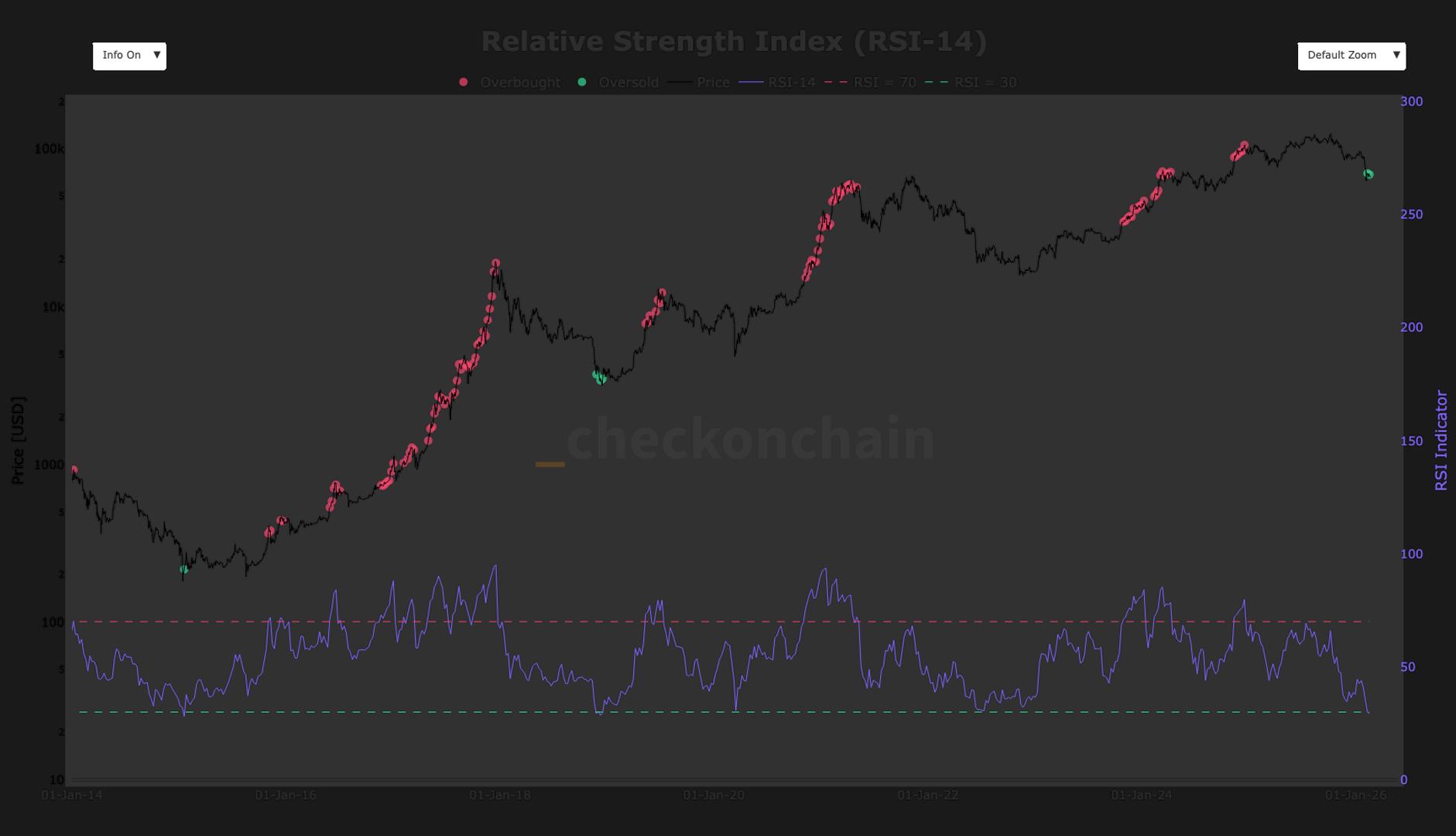
Bitcoin’s 14-day Relative Strength Index (RSI) dropped below 30 for only the third time in its history this month, according to checkonchain.
The RSI is a popular tool for detecting an asset’s momentum by measuring the speed and magnitude of recent price movements and comparing average gains and losses over a set period of 14 days.
The index produces a reading between 0 and 100, with levels above 100 generally considered overbought, while readings below 30 indicate oversold conditions, suggesting that selling may be overextended. Bitcoin’s 14-day RSI has not hit 100 since December 2024 when bitcoin first surpassed $100,000.
Previous readings below 30 marked prior cycle bottoms. In January 2015, bitcoin’s RSI fell to roughly 28 as price hovered near $200. The market then spent about eight months consolidating before a sustained recovery began. A similar pattern emerged in December 2018, when RSI dipped below 30 around $3,500. That period was followed by roughly three months of sideways accumulation before bitcoin broke higher.
BTC is trading around $66,000, with sentiment stuck in “fear” or “extreme fear” on the Crypto Fear & Greed Index for much of the past 30 days. Since peaking in October, bitcoin has shedded more than 50%, briefly falling toward $60,000.
History suggests the current move could lead to consolidation around the $60,000 region in the months ahead before the next leg upward.

TLDR:
- 83% of altcoins on Binance are trading below the 50-week moving average, signaling a broad bear trend.
- Bitcoin has dropped to roughly 46% of its $126,000 all-time high recorded back in October 2025.
- On February 7, a new record was set with over 92% of Binance altcoins falling below a key technical level.
- Rising altcoin token supply combined with constrained liquidity continues to suppress price recovery across markets.
Altcoins are facing mounting pressure as a liquidity crunch pushes 83% of them into a bear trend. Data from Binance shows most assets, excluding Bitcoin and stablecoins, are now trading below their 50-week moving average.
Investors still holding these positions are under considerable stress. Bitcoin has been in a downtrend since October 2025, following an all-time high of $126,000. Its price currently sits at roughly 46% of that record peak.
BTC Downtrend Weighs Heavily on Altcoin Performance
Bitcoin’s decline from its all-time high has created a difficult environment for altcoins. The broader market continues to follow BTC’s direction, which has remained uncertain in recent months.
At its current level, Bitcoin trades at approximately 46% below its record high. This has left many altcoin investors with little room to recover losses.
Macro factors are adding to the pressure felt across crypto markets. Rising geopolitical tensions between the U.S. and Iran have increased uncertainty among investors.
Meanwhile, the Federal Reserve has maintained a hawkish tone in its latest FOMC minutes. These conditions make highly volatile assets like altcoins especially difficult to hold.
According to analyst Darkfost_Coc, 83% of altcoins on Binance are now below the 50-week moving average. This level is widely considered a key threshold for identifying long-term trends.
Falling below it generally signals a corrective phase for an asset. The current reading shows how broadly the bear trend has spread.
A new record was set on February 7, when over 92% of Binance altcoins traded below this level. That marked the worst reading since the bear market ended in 2023.
It stands in stark contrast to March 2024, when only 6% of altcoins sat below this threshold. December 2024 posted a similarly low reading of just 7%.
Supply Surge and Constrained Liquidity Drive Market Imbalance
The altcoin market has also been shaped by a steady rise in token supply. More projects launching means more assets competing for the same pool of capital.
When liquidity is constrained, new supply puts further downward pressure on prices. This dynamic has made it harder for most altcoins to sustain any upward momentum.
Outside of brief recovery windows, at least 50% of altcoins have remained below the 50-week moving average. This pattern differs notably from the behavior observed in the previous market cycle.
The current cycle appears structurally different, with liquidity playing a much larger role. That shift has caught many investors off guard.
Darkfost_Coc noted that outperforming in this environment requires a clear understanding of how market dynamics have evolved.
Careful asset selection and a structured investment plan are also considered essential by analysts. Without both, navigating the current conditions becomes increasingly difficult. The market rewards preparation over speculation in periods like this.
The combination of macro headwinds, rising supply, and BTC uncertainty continues to define conditions for altcoins. Investors still holding positions face an extended and challenging road ahead.
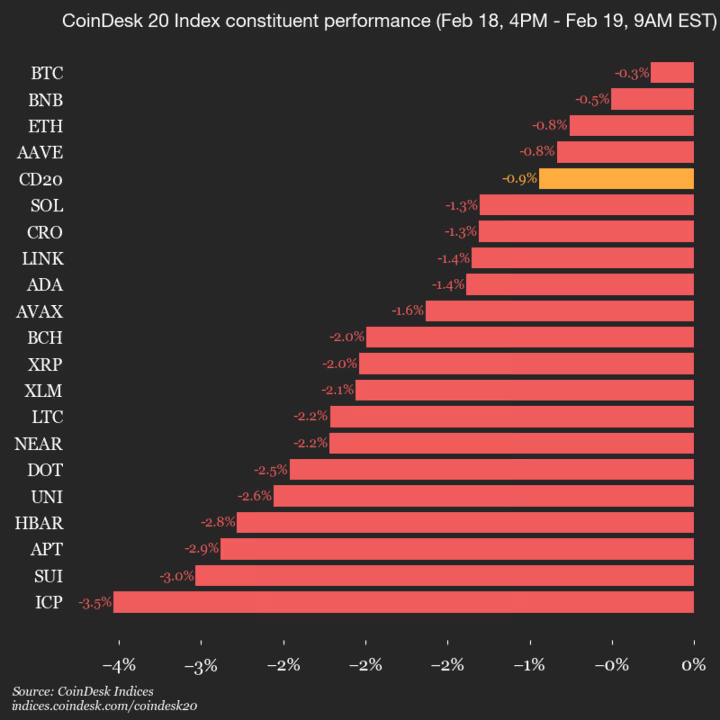
CoinDesk Indices presents its daily market update, highlighting the performance of leaders and laggards in the CoinDesk 20 Index.
The CoinDesk 20 is currently trading at 1909.21, down 0.9% (-18.15) since 4 p.m. ET on Wednesday.
None of the 20 assets are trading higher.

Leaders: BTC (-0.3%) and BNB (-0.5%).
Laggards: ICP (-3.5%) and SUI (-3.0%).
The CoinDesk 20 is a broad-based index traded on multiple platforms in several regions globally.
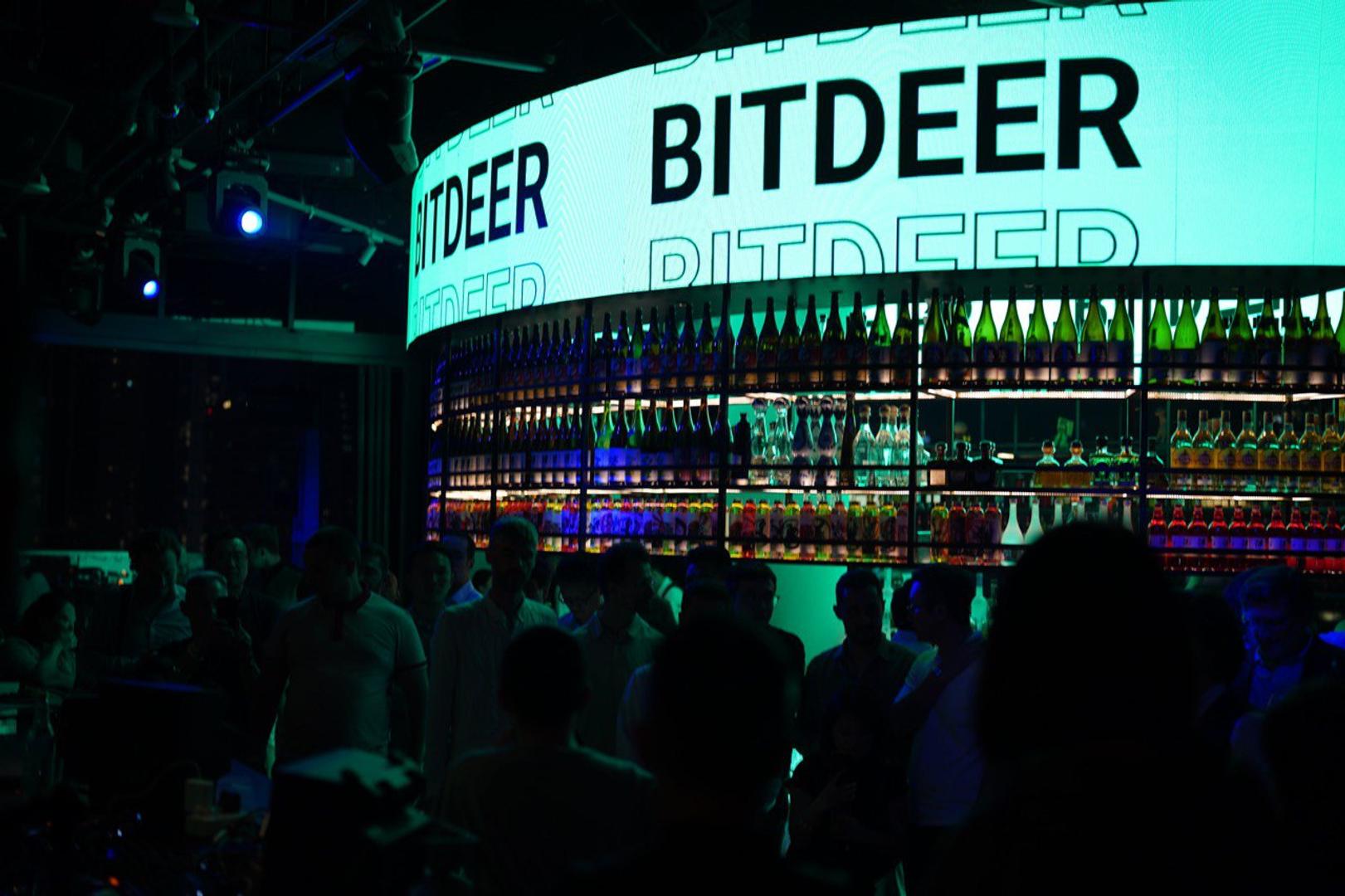
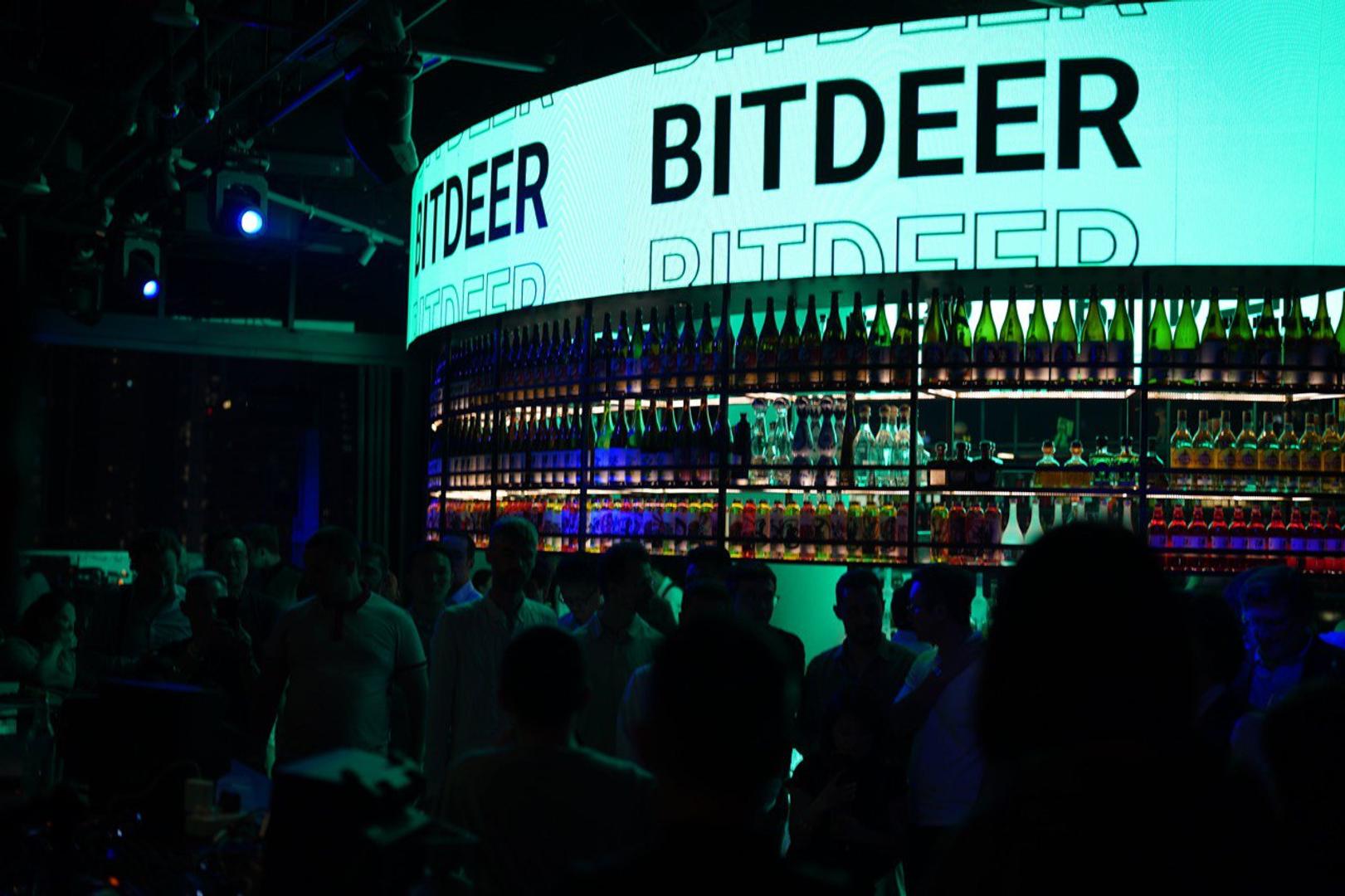
Bitdeer Technologies (BTDR) shares plunged on Thursday on plans to raise $300 million through a private sale of convertible senior notes, alongside a separate registered direct offering of Class A shares.
The notes, due in 2032, can convert into cash, shares or a mix of both at Bitdeer’s election. The underwriter greenshoe option is for another $45 million in notes.
The Singapore-based company also intends to sell an unspecified number of Class A shares directly to certain holders of its 5.25% convertible notes due 2029. It plans to use proceeds from both offerings to fund capped call transactions designed to limit share dilution if the new notes convert, and to repurchase a portion of the 2029 notes in private deals.
Any remaining funds will go toward expanding data centers, growing its high-performance computing and AI cloud businesses and developing ASIC-based mining rigs.
Convertible debt often puts pressure on shares because investors factor in the risk of future dilution. In simple terms, if the company’s stock rises, noteholders may convert their debt into equity, increasing the share count. Bitdeer’s use of capped calls aims to offset some of that effect, though such hedging can add volatility around pricing.
The registered direct offering depends on completion of the notes sale and related repurchases, while the notes offering can proceed on its own.
Bitdeer’s shares fell 17% in the early morning trading below $8 for the first time since April.
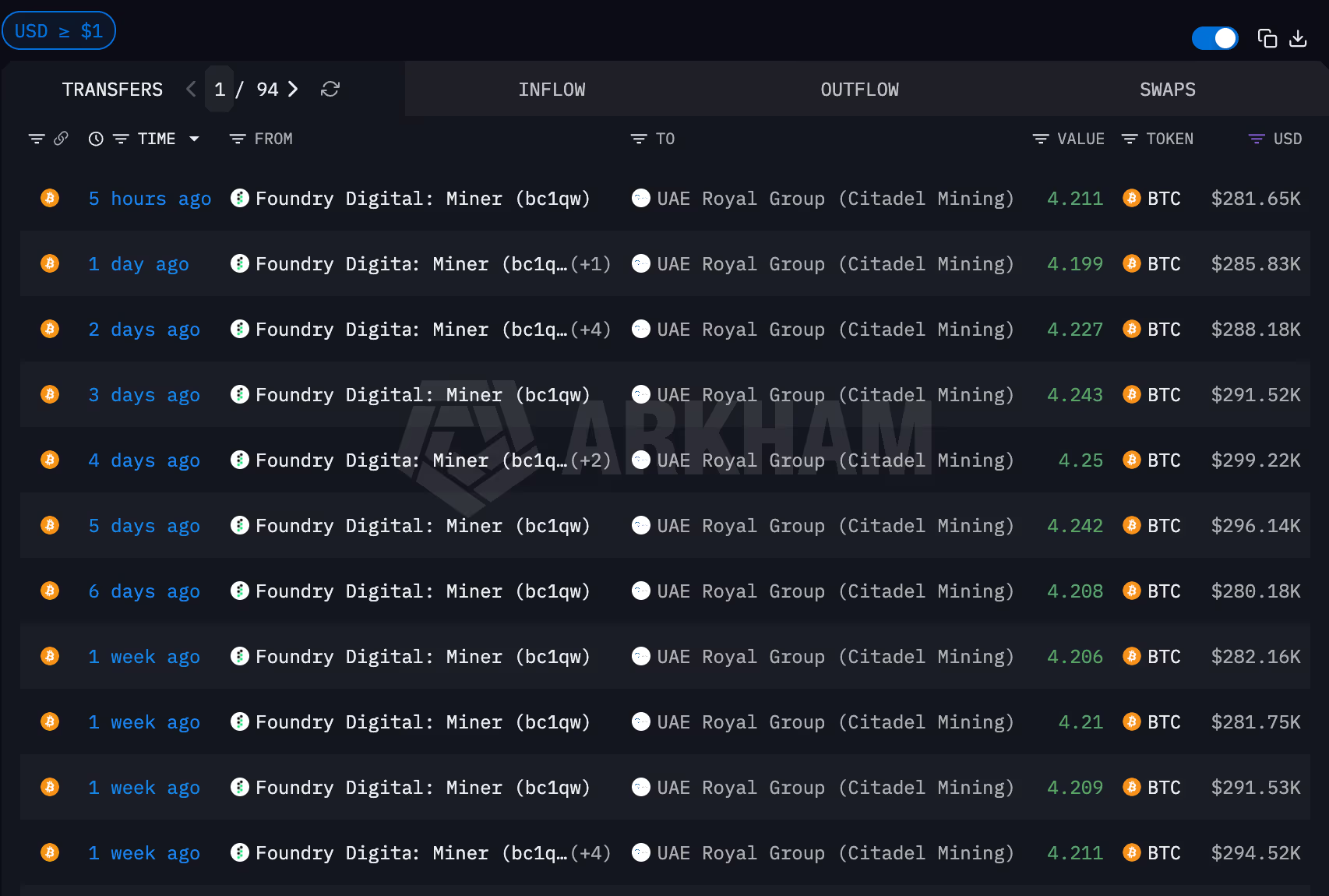
The United Arab Emirates is sitting on roughly $344 million in unrealized profit from its bitcoin mining operations, according to onchain data from Arkham, making it one of the world’s most significant sovereign crypto plays.
Wallets tied to the UAE Royal Group currently hold roughly 6,782 BTC valued about $450 million. Excluding energy costs, Arkham estimates the position is deep in the green, reflecting the lower-than-average cost from years of industrial-scale mining compared with open-market buying.
Over the past seven days, the operation has produced some 4.2 BTC a day, suggesting the country’s mining infrastructure remains active despite bitcoin’s recent slide from late-2025 highs and broader volatility across risk assets.

The UAE’s mining push dates back to 2022, when Citadel Mining, linked to Abu Dhabi’s royal family through International Holding Company, built large facilities on Al Reem Island.
In 2023, Marathon Digital (MARA), now renamed as MARA Holdings, partnered with Abu Dhabi-based Zero Two to develop 250 megawatts of immersion-cooled mining capacity, one of the largest disclosed deployments in the region.
In August, when bitcoin traded at higher levels, Arkham estimated the UAE’s mined holdings at closer to $700 million. The latest figures reflect updated wallet tracking and lower market prices rather than major sales, with the most recent notable outflows occurring roughly four months ago.
Unlike the U.S. or U.K., whose bitcoin holdings largely stem from asset seizures, the UAE’s stash is the product of sustained mining. By holding most of what it produces, the Gulf nation is effectively converting energy and infrastructure into a strategic digital reserve that compounds over time.
In a market where many miners have been forced to sell into weakness to fund their operations, the UAE appears to be doing the opposite, steadily accumulating duing the drawdown.
Crypto World
McGlone shifts bitcoin forecast to $28,000 after critics blast $10,000 call as ‘nonsense’


Bloomberg Intelligence’s Mike McGlone appeared to walk back his $10,000 forecast for bitcoin, instead highlighting $28,000 after being challenged on social media and accused of being an alarmist whose “nonsensical” forecasts put real capital at risk.
Earlier this week, McGlone warned that collapsing crypto prices could signal broader financial stress and that bitcoin could revert toward $10,000 if U.S. equities peak and recession follows. He framed the token as a high-beta risk asset vulnerable to a breakdown in the post-2008 “buy the dip” regime.
But in a subsequent post on X, McGlone pointed to $28,000 as a more probable level based on historical price distribution, a notable shift from his earlier base case. He also said his analysis “suggests why not to buy bitcoin or most risk assets.”
His correction upward also followed being challenged to a debate by market analyst and AdLunam co-founder, Jason Fernandes on X and LinkedIn posts.
Fernandes, whose LinkedIn challenge was liked but not accepted by McGlone, told CoinDesk his broader critique still stands, even after the Bloomberg analyst revised his target. “$28K is obviously more realistic than $10K,” Fernandes said. “Proportionately fewer things need to go wrong for $28K than $10K.”
Mati Greenspan, a market analyst and the Quantum Economics founder, said $28,000 was still unlikely, “but in markets we never want to rule anything out.”
Greenspan had also called McGlone out in a post on X following his lower forecast, saying, “Mr. @mikemcglone11 would have you believe that an asset with trillions of dollars in monthly volumes could crash to a market cap of 200 billion.” He said the forecast was “literally nonsense.”
Fernandes previously estimated a more likely reset in the $40,000 to $50,000 range absent a systemic liquidity shock. He noted that $28,000 now sits closer to his lower bound than to McGlone’s original call. “It bears mentioning that he has adjusted his near-term outlook closer to my low end than his previous prediction,” Fernandes said.
At stake in the debate is more than price targets. Fernandes said that deterministic, alarmist framing can materially influence positioning and put “real capital at risk,” particularly in reflexive markets like crypto.


World Liberty Financial is tapping real-world asset specialist Securitize to help tokenize loan interests tied to the Trump International Hotel and Resort in the Maldives.
Rather than direct equity in the properties, investors will be able to buy tokens tied to loan revenue, according to a Wednesday announcement timed for the privately held company’s Mar-A-Lago crypto conference.
World Liberty Financial is turning to one of the largest companies in digital securities. Securitize has worked with major asset managers such as BlackRock, Hamilton Lane and Apollo Global Markets to issue tokenized funds and private credit on public blockchains. BlackRock and Cathie Wood’s Ark Invest are also investors in the firm, which plans to go public by merging with a Cantor Fitzgerald-sponsored special-purpose acquisition company (CEPT).
“We built World Liberty Financial to open up decentralized finance to the world,” said Eric Trump, a co-founder of the company. “With today’s announcement, we are now extending that access to tokenized real estate.”
Eligible accredited investors will receive a fixed yield and payments linked to the loan’s performance. The sale will take place under U.S. private placement rules, with restrictions on resale.
Plans to tokenize the Maldives resort were unveiled in November. The resort, developed by DarGlobal in collaboration with the Trump Organization, is expected to include about 100 beach and overwater villas and reach completion in 2030. In October, Eric Trump said on CoinDesk TV that WLFI planned to tokenize a new real estate project.
The latest announcement focuses on who will handle the mechanics. Securitize will oversee issuance and compliance for tokens representing interests in a development loan connected to the project.
While tokenization of traditional assets like stocks and funds has gained the attention of Wall Street firms, real estate represents a smaller slice of the $25 billion tokenized asset market. Proponents argue that blockchain rails can streamline property ownership records and settlement, but uneven regulation and thin secondary trading pose a risk, an EY report noted last year.
The company’s WLFI token has dropped 6.6% in the past 24 hours to 11.63 cents.


Disclosure: This article does not represent investment advice. The content and materials featured on this page are for educational purposes only.
This week, several new projects were listed on CoinMarketCap, including Monstro DeFi, Espresso, and BitGW. The BitGW team states that this development is not simply about brand exposure. It represents integration into the global reference layer of the crypto market, a framework through which exchanges are continuously evaluated, compared, and monitored.
BitGW is spot on with this observation. CoinMarketCap is far more than a directory. For millions of users, institutional analysts, compliance professionals, and infrastructure providers, CMC data functions as a default reference point. As a result, a listing signals that an organization’s trading activity and platform metrics are now visible within a standardized, globally recognized data structure.
Transparency as a competitive edge
As the digital asset sector matures, transparency has become one of the most decisive competitive differentiators.
For example, in BitGW’s case, being listed on CoinMarketCap means operating within a framework that requires structured, continuously updated information. This level of openness allows market participants to independently observe platform performance over time.
Rather than relying solely on marketing narratives, BitGW’s metrics can now be evaluated directly within a neutral, third-party environment, an increasingly important factor in building long-term credibility.
Institutional visibility and market positioning
A CoinMarketCap listing also reshapes how a platform is perceived beyond retail audiences.
Institutional observers, liquidity providers, and compliance teams frequently consult CMC as part of their research and benchmarking processes. BitGW’s presence within this ecosystem strengthens its visibility across regions while positioning the exchange within a globally recognized data standard.
In a market driven by measurable performance and trust, this transition, from simply being available to being systematically trackable, carries significant weight.
Entering the market’s long-term memory
In crypto, hype is fleeting. Data is permanent.
By being listed on CoinMarketCap, companies like BitGW enter what could be described as the market’s long-term memory. Its trading metrics, consistency, and growth trajectory will now be observed and compared against peers over extended periods.
While this level of transparency introduces sustained scrutiny, it also creates opportunity. Platforms that demonstrate operational stability and disciplined growth over time are more likely to earn lasting market confidence.
Looking ahead
As the industry continues to prioritize transparency, data integrity, and institutional standards, exchanges that embrace this level of openness position themselves for long-term credibility.
Therefore, being listed on CoinMarketCap means more than just visibility. It represents commitment and signals an organization’s intention to compete where the standards are highest, and the scrutiny is constant.
Disclosure: This content is provided by a third party. Neither crypto.news nor the author of this article endorses any product mentioned on this page. Users should conduct their own research before taking any action related to the company.
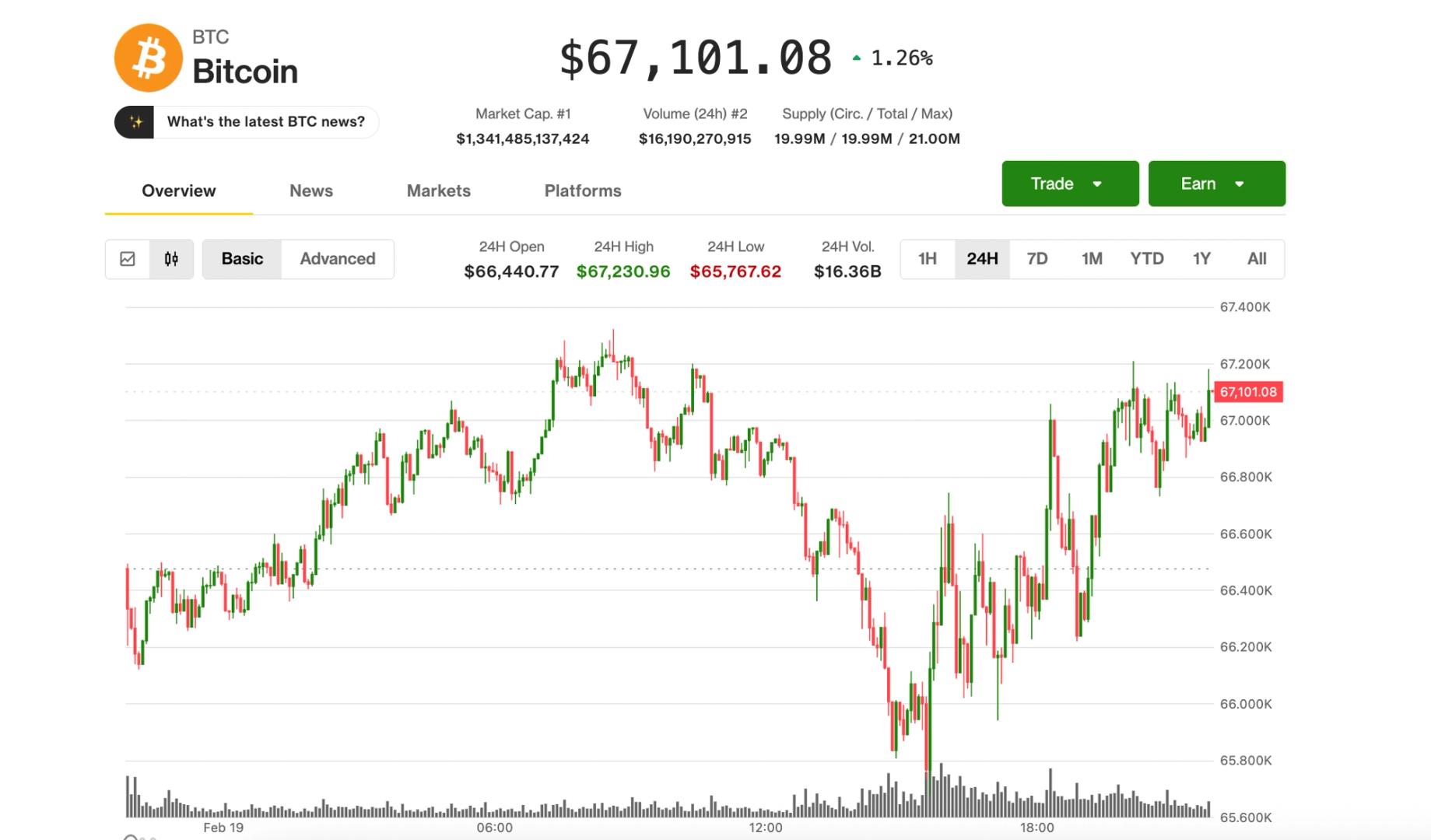
Bitcoin found its footing on Thursday, stabilizing above a key technical level after briefly slipping below $66,000 in early U.S. trading. The largest cryptocurrency recently changed hands at around $67,000, up roughly 1% over the past 24 hours.
The CoinDesk 20 Index lagged, with ether (ETH), XRP, BNB, and solana (SOL) flat to slightly lower during the same period, perhaps a signal of continued caution in altcoins amid shaky crypto markets.
Crypto-related stocks climbed modestly higher across the board, with bitcoin miners CleanSpark (CLSK) and MARA (MARA) standing out with 6% gains. Meanwhile, the S&P 500 and the tech-heavy Nasdaq 100 were 0.3% and 0.6% lower, respectively.
On the policy front, there were tentative signs of progress on the digital asset market structure bill. As CoinDesk’s Jesse Hamilton reported, White House-hosted talks between crypto industry representatives and bankers yielded incremental movement, though no compromise has yet emerged.
At the same time, cracks from the recent crypto downturn are still surfacing. Chicago-based crypto lender Blockfills, as CoinDesk reported, is exploring a sale after enduring a $75 million lending loss during the recent price crash and having temporarily suspended client deposits and withdrawals last week. With crypto prices tumbling sharply in recent months, investors have been bracing for potential blowups like those of Celsius and FTX in 2022. So far, however, the fallout appears contained — on the one hand, tempering worst-case fears, but on the other, avoiding the kind of complete washout that set the stage for the bottom of that brutal bear market and the beginning of the 2023-25 bull run.
Still, risks outside the crypto sphere continue to loom that leave investors hesitant to take risks.
Worries about mounting stress in credit markets flared up after private-equity company Blue Owl (OWL) permanently curbed redemptions in its $1.7 billion retail-focused private credit fund. OWL fell 6% on Thursday, while the shares of other major private credit managers, including Apollo Global (APO), Ares Capital (ARES) and Blackstone (BX) slid more than 5%.
Geopolitical tensions remain another overhang, with the prospect of U.S. military action against Iran still in play amid an ongoing regional buildup. Crude oil rallied another 2.8% over $66 per barrel, hitting its highest price since August.
Traders play defense
That caution is reflected in crypto derivatives markets, Jake Ostrovskis, head of OTC at trading firm Wintermute, pointed out. Many traders are buying downside protection while limiting upside participation, he noted, which means they are effectively paying for insurance against another drop while capping potential gains in a breakout to the upside.
The average U.S. bitcoin ETF cost basis now sits near $84,000, leaving a large share of ETF investors underwater — nursing a 20% paper loss on average — and potentially vulnerable to “capitulation selling” if prices slide further.
Still, total ETF holdings remain within about 5% of their peak in bitcoin terms, suggesting institutions are trimming exposure rather than rushing for the exits.
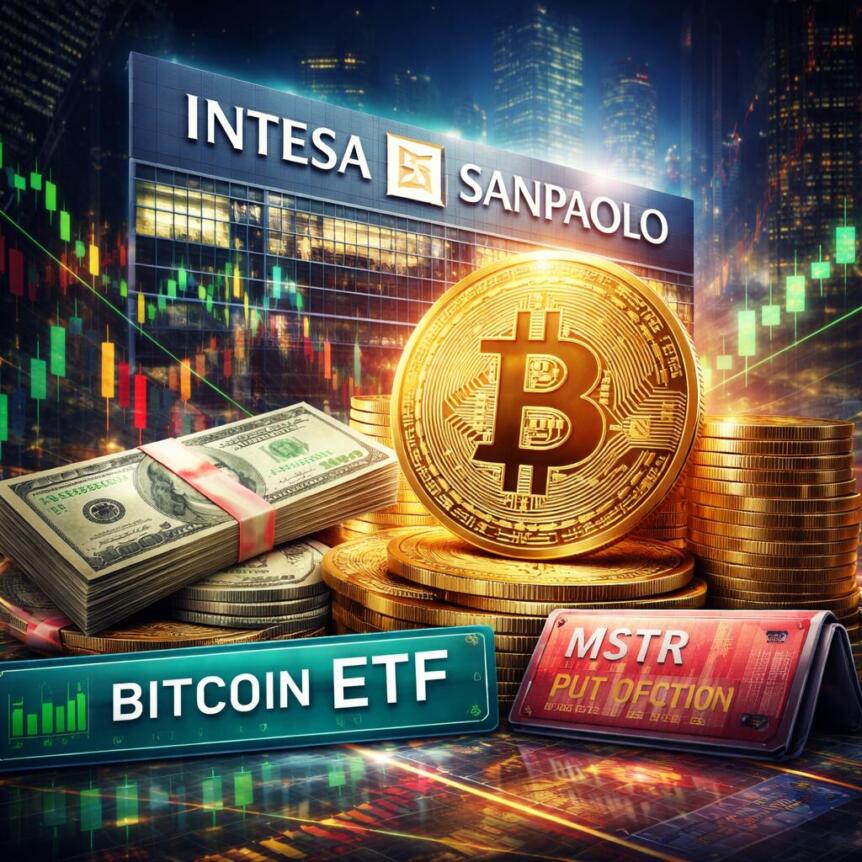
Italy’s largest lender, Intesa Sanpaolo (BIT: ISP), has significantly expanded its exposure to digital assets through exchange-traded funds, crypto-linked equities, and derivatives strategies tied to the sector’s most influential players. Regulatory filings covering positions as of Dec. 31, 2025 reveal nearly $100 million allocated to spot Bitcoin ETFs, alongside targeted bets designed to hedge valuation imbalances in publicly traded crypto companies. The disclosures come as institutional participation in cryptocurrency markets continues evolving through regulated investment vehicles, reflecting how traditional banks are cautiously integrating digital assets into broader portfolio strategies.
Key takeaways
- Intesa Sanpaolo disclosed more than $96 million in spot Bitcoin ETF holdings across multiple issuers in a U.S. regulatory filing.
- The bank combined long Bitcoin exposure with a sizable put option tied to Strategy shares, signaling a potential valuation hedge.
- A $4.3 million allocation to a Solana staking ETF highlights growing institutional interest beyond Bitcoin.
- Additional equity stakes include Circle, Robinhood, Coinbase, BitMine Immersion Technologies, and ETHZilla.
- The investments were filed under a shared-decision structure involving affiliated asset managers.
Tickers mentioned: $BTC, $SOL, $MSTR, $IBIT, $ARKB, $HOOD, $COIN
Sentiment: Neutral
Price impact: Neutral. The filing reflects portfolio positioning rather than a new market catalyst or capital inflow announcement.
Market context: Institutional investors increasingly prefer regulated crypto exposure through ETFs and structured derivatives as liquidity conditions and regulatory clarity evolve across global markets.
Why it matters
Large European banks moving deeper into crypto-related investments signal a gradual normalization of digital assets within traditional finance. Rather than direct token custody, institutions are increasingly using ETFs and derivatives to manage exposure while limiting operational risk.
The combination of long Bitcoin exposure and downside protection tied to crypto-equity valuations illustrates a more sophisticated approach to digital asset investing. This suggests institutions are no longer treating crypto purely as a speculative allocation but as part of broader relative-value strategies.
For builders and market participants, the development underscores how institutional adoption may increasingly flow through regulated capital markets rather than direct blockchain participation, shaping liquidity patterns and product innovation.
What to watch next
- Future quarterly regulatory filings showing whether Bitcoin ETF exposure expands or contracts.
- Potential updates or disclosures regarding the performance or adjustments of the Strategy derivatives position.
- Institutional adoption trends in staking-focused ETFs tied to alternative cryptocurrencies.
- Any public commentary from Intesa Sanpaolo regarding its proprietary crypto trading desk strategy.
Sources & verification
- SEC Form 13F filings covering positions held as of Dec. 31, 2025.
- Public disclosures from ETF issuers referenced in the filing.
- Corporate filings and treasury disclosures regarding Strategy’s Bitcoin holdings.
- Official statements and reporting regarding Intesa Sanpaolo’s crypto trading desk operations.
European banking giant expands crypto strategy through ETFs and derivatives
Intesa Sanpaolo has revealed a diversified set of cryptocurrency-related investments, combining exchange-traded funds, equity exposure, and options strategies as part of a broader institutional approach to digital assets. The positions were disclosed in a U.S. regulatory filing covering holdings at the end of December 2025, offering a detailed snapshot of how a major European bank is navigating crypto markets through regulated financial instruments.
The filing shows that the lender allocated slightly more than $96 million to spot Bitcoin exchange-traded funds tracking Bitcoin (CRYPTO: BTC). The largest allocation, valued at approximately $72.6 million, was invested in the ARK 21Shares Bitcoin ETF (BATS: ARKB). A further $23.4 million was directed toward the iShares Bitcoin Trust (NASDAQ: IBIT), reflecting a preference for large, liquid ETF products designed to mirror the cryptocurrency’s price performance.
These holdings place the bank among a growing group of traditional financial institutions using ETFs to gain exposure without directly holding digital assets. Spot Bitcoin ETFs allow investors to participate in price movements through familiar market infrastructure, simplifying compliance and custody considerations compared with direct token ownership.
The filing also included a smaller but notable position tied to alternative cryptocurrencies. Intesa Sanpaolo reported a $4.3 million investment in a staking-focused exchange-traded fund tracking Solana (CRYPTO: SOL). Unlike standard price-tracking funds, staking ETFs aim to capture blockchain rewards generated through network validation activities, potentially offering yield alongside market exposure.
The addition suggests institutional curiosity is gradually expanding beyond Bitcoin toward networks associated with decentralized applications and staking economics, though allocations remain comparatively modest.
Alongside directional crypto exposure, the bank disclosed a derivatives position tied to Strategy (NASDAQ: MSTR), widely recognized as the largest corporate holder of Bitcoin. The lender holds a sizable put option referencing shares whose underlying securities were valued at roughly $184.6 million at the time of filing.
A put option grants the holder the right, but not the obligation, to sell shares at a predetermined price before expiration. Such a position can generate gains if the stock declines, making it a common hedging tool.
When viewed alongside the bank’s long exposure to Bitcoin ETFs, the derivatives strategy may represent a relative-value trade. Strategy’s share price has historically traded at a premium compared with the value of the Bitcoin held on its balance sheet, often measured using a multiple of net asset value, or mNAV.
According to publicly available company metrics, Strategy shares previously traded near 2.9 times the value of their underlying Bitcoin holdings before narrowing to roughly 1.21 mNAV. A continued compression of that premium could benefit investors positioned for downside movement in the stock while maintaining broader bullish exposure to Bitcoin itself.
Beyond ETFs and derivatives, Intesa Sanpaolo also reported equity stakes in several companies closely tied to the digital asset ecosystem. The largest disclosed position was a roughly $4.4 million holding in Circle Internet Group, a company associated with stablecoin infrastructure.
Additional allocations included approximately $3.6 million invested in Robinhood Markets (NASDAQ: HOOD), $347,400 in Coinbase Global (NASDAQ: COIN), and smaller positions in BitMine Immersion Technologies and ETHZilla Corp. These investments collectively represent exposure to trading platforms, infrastructure providers, and emerging crypto-related ventures.
Compared with the ETF allocations, these equity stakes remain relatively small, suggesting they function as supplementary exposure rather than core portfolio drivers.
The filing categorized the investments under a “DFND,” or shared-defined, structure. This designation typically indicates that investment decisions were made collaboratively between the parent institution and affiliated asset managers. Such arrangements are common when a central strategy is overseen at the group level while execution occurs across subsidiaries or client mandates.
Whether the positions were driven primarily by proprietary trading activity or institutional client portfolios has not been clarified publicly. Requests for comment regarding the strategy were not answered at the time of disclosure.
A separate filing submitted by the bank’s U.S.-based wealth management division reported no direct digital asset exposure, highlighting how crypto positioning may remain concentrated within specific operational units rather than broadly distributed across the organization.
The disclosures align with a gradual expansion of the lender’s crypto capabilities over recent years. In 2023, Intesa Sanpaolo established a proprietary trading desk within its corporate and investment banking division focused on digital assets. The following year, the bank executed its first direct Bitcoin purchase, acquiring roughly €1 million worth of the cryptocurrency.
At the end of December, when the filing snapshot was taken, Bitcoin traded near $88,000. Market conditions have since shifted significantly, with prices declining toward the $68,000 range during early 2026 trading sessions in London. That volatility underscores why institutions increasingly rely on diversified instruments such as ETFs and derivatives rather than maintaining concentrated spot exposure.
More broadly, the strategy illustrates how traditional banks are approaching digital assets through familiar financial frameworks. By combining regulated investment vehicles, hedging mechanisms, and selective equity stakes, institutions can participate in the sector while maintaining risk controls consistent with existing portfolio management practices.
As crypto markets mature, filings such as this provide insight into how legacy financial players are adapting. Instead of treating digital assets as isolated speculative bets, major institutions appear increasingly focused on relative pricing opportunities, diversified exposure, and capital efficiency within a rapidly evolving asset class.

Why the Crypto Market Is Red (It s NOT the Reason You Think)! Breaking Crypto News Today!

US officials tell DOJ now is the ‘time to act’ on Epstein files investigation in wake of Andrew’s arrest in the UK

Why bitcoin’s rare oversold RSI crash signals a long, slow grind ahead

Smart energy pays enters the US market, targeting scalable financial infrastructure

Why Israel is blocking foreign journalists from entering

Software stocks enter bear market on AI disruption fear with ServiceNow plunging 10%
Why the Crypto Market Is Red (It s NOT the Reason You Think)! Breaking Crypto News Today!

Brace Up for a WILD RIDE! Bitcoin’s About to SHOCK Everyone – Cathie Wood & Lyn Alden

Do This Now To Make MILLIONS In Abyss! New BEST Money Making Guide! (Roblox Abyss)
-

 Video3 days ago
Bitcoin: We’re Entering The Most Dangerous Phase
-

 Tech5 days ago
Luxman Enters Its Second Century with the D-100 SACD Player and L-100 Integrated Amplifier
-

 Crypto World2 days ago
Can XRP Price Successfully Register a 33% Breakout Past $2?
-

 Sports3 days ago
GB's semi-final hopes hang by thread after loss to Switzerland
-

 Video6 days ago
The Final Warning: XRP Is Entering The Chaos Zone
-
 Tech3 days ago
The Music Industry Enters Its Less-Is-More Era
-

 Business2 days ago
Infosys Limited (INFY) Discusses Tech Transitions and the Unique Aspects of the AI Era Transcript
-

 Entertainment1 day ago
Kunal Nayyar’s Secret Acts Of Kindness Sparks Online Discussion
-

 Video3 days ago
Financial Statement Analysis | Complete Chapter Revision in 10 Minutes | Class 12 Board exam 2026
-

 Tech2 days ago
Retro Rover: LT6502 Laptop Packs 8-Bit Power On The Go
-

 Crypto World6 days ago
Bhutan’s Bitcoin sales enter third straight week with $6.7M BTC offload
-
 Sports18 hours ago
Clearing the boundary, crossing into history: J&K end 67-year wait, enter maiden Ranji Trophy final | Cricket News
-

 Entertainment24 hours ago
Dolores Catania Blasts Rob Rausch For Turning On ‘Housewives’ On ‘Traitors’
-

 Crypto World6 days ago
Kalshi enters $9B sports insurance market with new brokerage deal
-

 Business2 days ago
Tesla avoids California suspension after ending ‘autopilot’ marketing
-
 NewsBeat4 days ago
The strange Cambridgeshire cemetery that forbade church rectors from entering
-

 Crypto World1 day ago
WLFI Crypto Surges Toward $0.12 as Whale Buys $2.75M Before Trump-Linked Forum
-
 NewsBeat4 days ago
Man dies after entering floodwater during police pursuit
-

 NewsBeat5 days ago
UK construction company enters administration, records show
-
 Crypto World6 days ago
BlackRock Enters DeFi Via UniSwap, Bitcoin Stages Modest Recovery