
Crypto World
AIMCo scores $69 million paper gain on Strategy bet

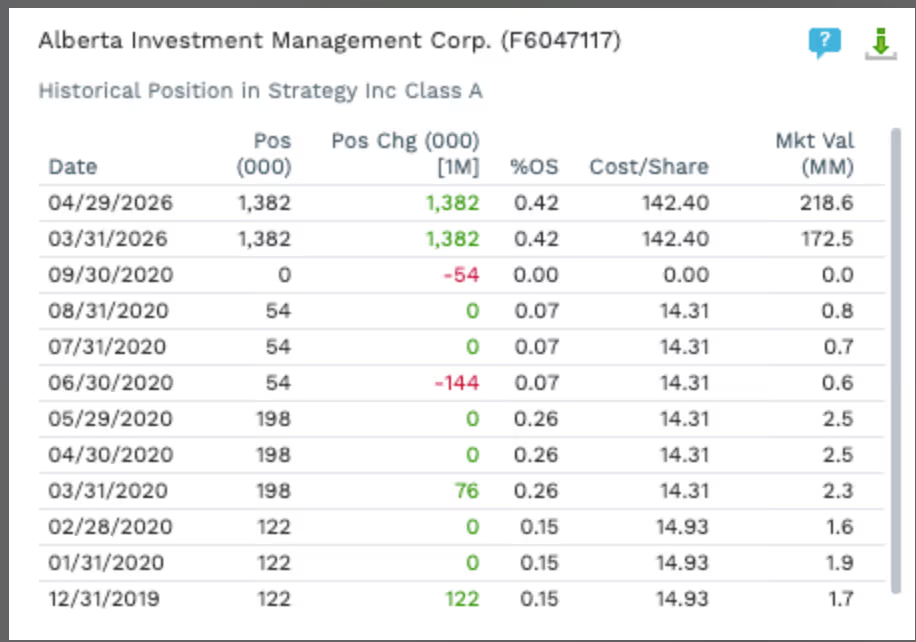
Alberta Investment Management Corporation (AIMCo), according to its first quarter 13F filing, purchased 1,382,000 shares of Strategy (MSTR) for $172,473,600.
This implies an average cost of about $125 per share. With MSTR having rallied to about $175, that position would now be valued at roughly $241 million, representing an unrealized gain of about $69 million.
As of December 2025, AIMCo managed more than $140 billion on behalf of Alberta’s public sector pension plans, making it one of Canada’s largest institutional investors.
A 13F is a quarterly filing required by the SEC for institutional investment managers with over $100 million in U.S. equity holdings, disclosing their positions at the end of each quarter.
According to FactSet, AIMCo previously held a small position in MSTR between late 2019 and mid 2020, around 198,000 shares. The fund exited the position entirely in September 2020, shortly after CEO Michael Saylor pivoted the company toward Bitcoin as a corporate treasury asset in August 2020.

In certain jurisdictions, institutional investors may face restrictions on directly holding Bitcoin, leading them to seek alternative exposure through instruments such as Strategy or BlackRock’s IBIT.



IPOP markets reference anticipated public equity, convert to standard perps once shares list, and settle by TWAP if the listing fails.


Crypto markets open May with a rally despite an unresolved Hormuz blockade.

Key Highlights
- CoreWeave shares climbed approximately 2.5% during premarket hours following Citi’s price target increase from $126 to $155
- Analyst Tyler Radke maintained his Buy recommendation while projecting 35-40% quarter-over-quarter backlog expansion
- A recently announced partnership with Jane Street and Meta is scheduled to scale through the conclusion of 2027
- This strategic partnership may propel CoreWeave beyond its $30 billion annual recurring revenue objective
- The company enhanced its SUNK platform with additional self-service capabilities and introduced the SUNK Anywhere functionality
CoreWeave experienced a premarket gain of roughly 2.5% on Thursday following Citi’s announcement of an upgraded price target, moving from $126 to $155.
CoreWeave, Inc. Class A Common Stock, CRWV
Tyler Radke, the covering analyst, maintained his Buy recommendation while highlighting an increasingly robust demand environment for artificial intelligence infrastructure solutions.
By midday trading, shares extended their gains, with CRWV trading more than 7% higher.
Radke’s analysis projects backlog expansion ranging between 35% and 40% on a sequential quarterly basis for the current period. He attributed this growth trajectory to an increasingly diversified customer portfolio spanning hyperscalers, artificial intelligence laboratories, and enterprise organizations, suggesting enhanced sustainability in the company’s growth narrative.
“The stars continue to align for AI infrastructure leaders like CRWV,” Radke wrote in a note to clients.
This evolving customer diversification strategy is increasingly capturing investor attention. Reduced dependency on individual clients mitigates concentration exposure, addressing a longstanding concern among market participants.
Strategic Partnership with Jane Street and Meta Enhances Growth Trajectory
A newly established agreement involving Jane Street and Meta is projected to scale operations through fiscal year 2027. According to Radke, this partnership alone possesses the capacity to elevate CoreWeave beyond its $30 billion annual recurring revenue milestone.
The analyst additionally highlighted Anthropic as representing potential upside optionality, indicating additional growth opportunities should that commercial relationship expand.
From a capital structure perspective, newly secured investment-grade financing is reducing CoreWeave’s cost of capital. Radke indicated this development could trigger upward earnings per share estimate revisions extending through fiscal 2026.
Pricing dynamics surrounding next-generation Blackwell hardware may deliver incremental revenue opportunities. CoreWeave appears to have preserved strategic flexibility within its fiscal 2026 capital expenditure allocation, potentially enabling the company to capitalize on these favorable conditions.
Platform Enhancement: SUNK Receives Significant Upgrades
CoreWeave announced substantial enhancements to its SUNK platform this week, incorporating self-service functionalities alongside the newly launched SUNK Anywhere capability.
SUNK Anywhere was engineered to accelerate cluster deployment processes for customers. The feature enables artificial intelligence workloads to operate seamlessly across diverse cloud infrastructure providers.
These platform improvements enhance accessibility for enterprise clients seeking to expand AI infrastructure deployments while minimizing manual configuration requirements.
CoreWeave’s year-to-date performance reflects approximately 55.84% appreciation based on available market data. Current market capitalization stands at roughly $61.34 billion.
Average daily trading volume registers at approximately 27 million shares, demonstrating sustained market interest in the equity.
Technical sentiment indicators currently signal a Strong Buy designation for CRWV.
Citi’s revised $155 price objective represents substantial upside potential relative to the stock’s trading levels prior to the research note’s publication.
CoreWeave’s projected 35-40% sequential backlog growth remains the primary metric under analyst scrutiny approaching the upcoming earnings announcement.

Romance scammers are reportedly using AI generated images of attractive women to dupe followers and attendees of this week’s XRP Las Vegas conference.
The “women,” invariably pictured in glamorous cocktail dresses in front of the event’s official banner, were flagged by an XRP Ledger validator on Friday morning.
Their job was to slide into the DMs of visitors and XRP aficionados who they hope will be predisposed to welcome otherwise unusual conversations about the crypto.
Attendees of the event, which is billed as “the Largest XRP conference in the world,” and features speakers including Ripple CEO Brad Garlinghouse and XRP Ledger co-creator David Schwartz, will likely have spent hundreds of dollars on their tickets and even more on travel and accomodation.
This makes them potentially rich pickings for criminals, specifically “pig butcherers,” who attempt to dupe gullible investors into romantic chats that eventually turn into crypto donation or investment scams.
The conference started on Thursday and will conclude today at the Paris casino in Las Vegas.
Using XRP’s brand to steal XRP
The opening move of a pig butchering scam is almost always a fake photo.
Catfishing their victims, fraudsters build an emotional connection via broad social media platforms like X and Instagram. They’ll then usually steer the conversation to an encrypted messenger where they eventually ask for crypto donations or recommend fraudulent crypto investing platforms.
Conferences are an especially fertile ground for such scams, with attendees arriving expecting messages from new contacts, including DMs from strangers.
Read more: Pig butchering is creating entirely new industries
Hong Kong police broke up a similar operation run by a syndicate that used fake photos and AI face-swapping on video calls to impersonate attractive women.
Those workers, including many who worked against their will under threat of violence, persuaded victims in Taiwan, China, Singapore, and India to send a combined roughly $46 million worth of crypto.
This week’s non-existent bombshells at XRP Las Vegas are a miniature version of that playbook. The conference did the trust-building work that a face-swap algorithm did for the syndicate.
The FBI tallied nearly $11.4 billion in crypto-related fraud losses last year with romance scams alone accounting for more than $900 million of that figure.
Unfortunately, less technologically sophisticated Americans over the age of 60 lost $7.7 billion to internet crime in 2025, the largest share of any age cohort.
Ripple has issued repeated scam warnings to its community. Schwartz himself flagged a fake Brad Garlinghouse Instagram account in April that was promoting an XRP giveaway and last November, the company warned holders about deepfake livestreams that surged after its Swell conference.
Protos previously documented how XRP influencers promoted a fake American Express partnership that never occurred.
Got a tip? Send us an email securely via Protos Leaks. For more informed news, follow us on X, Bluesky, and Google News, or subscribe to our YouTube channel.


Ripple CEO Brad Garlinghouse said at XRP Las Vegas on April 30 that if the CLARITY Act does not clear the Senate Banking Committee before the Memorial Day recess on May 21, the bill could be shelved until 2030, as the current tri-branch alignment between the House, Senate, and White House on crypto legislation is uniquely fragile.
Summary
- The bill has over 120 firm backers including Coinbase, Kraken, Circle, and Andreessen Horowitz and holds public support from the White House, SEC Chair Paul Atkins, and Treasury Secretary Bessent.
- Senators Cynthia Lummis and Bernie Moreno have both said independently that failure to pass the CLARITY Act in 2026 means the next window opens no earlier than 2030.
- The CLARITY Act must still clear a Banking Committee markup, a 60-vote Senate floor threshold, reconciliation between Banking and Agriculture Committee versions, reconciliation with the July 2025 House text, and Trump’s signature.
Ripple CEO Brad Garlinghouse framed May 21 as a hard ceiling at XRP Las Vegas, warning that the political conditions enabling the CLARITY Act are rare in Washington and may not survive a midterm election realignment. The 247 Wall St. analysis notes that XRP has spent most of 2026 waiting on this single catalyst, and that failure before May 21 effectively removes the largest institutional adoption driver for the year. Senator Tillis confirmed he will ask Banking Committee Chairman Tim Scott to schedule a markup when the Senate returns May 11.
As crypto.news reported, the April markup deadline was missed because the Kevin Warsh confirmation consumed the Banking Committee’s calendar throughout April, and the committee broke for its weeklong recess before any markup notice was posted. That delay compresses the remaining window to roughly eight working days between May 11 and May 21. The five steps that must happen in sequence include a committee markup, a committee vote, a 60-vote Senate floor vote, reconciliation between the Senate Banking and Agriculture Committee versions, and a second reconciliation with the July 2025 House text. Each step takes days that the calendar no longer has to spare.
As crypto.news documented, Senator Lummis made the political fragility argument explicitly at the Bitcoin 2026 Conference on April 27, saying the current simultaneous alignment of House, Senate, and White House on crypto legislation “is rare in Washington and may not last.” She chairs the Banking Subcommittee on Digital Assets and is not seeking re-election, making her one of the few senators with no electoral incentive to delay. As crypto.news tracked, Novogratz said on a podcast this week the bill “probably gets done in May,” but Galaxy Research puts overall 2026 passage odds at 50-50 or lower and Polymarket prices it at approximately 46%.
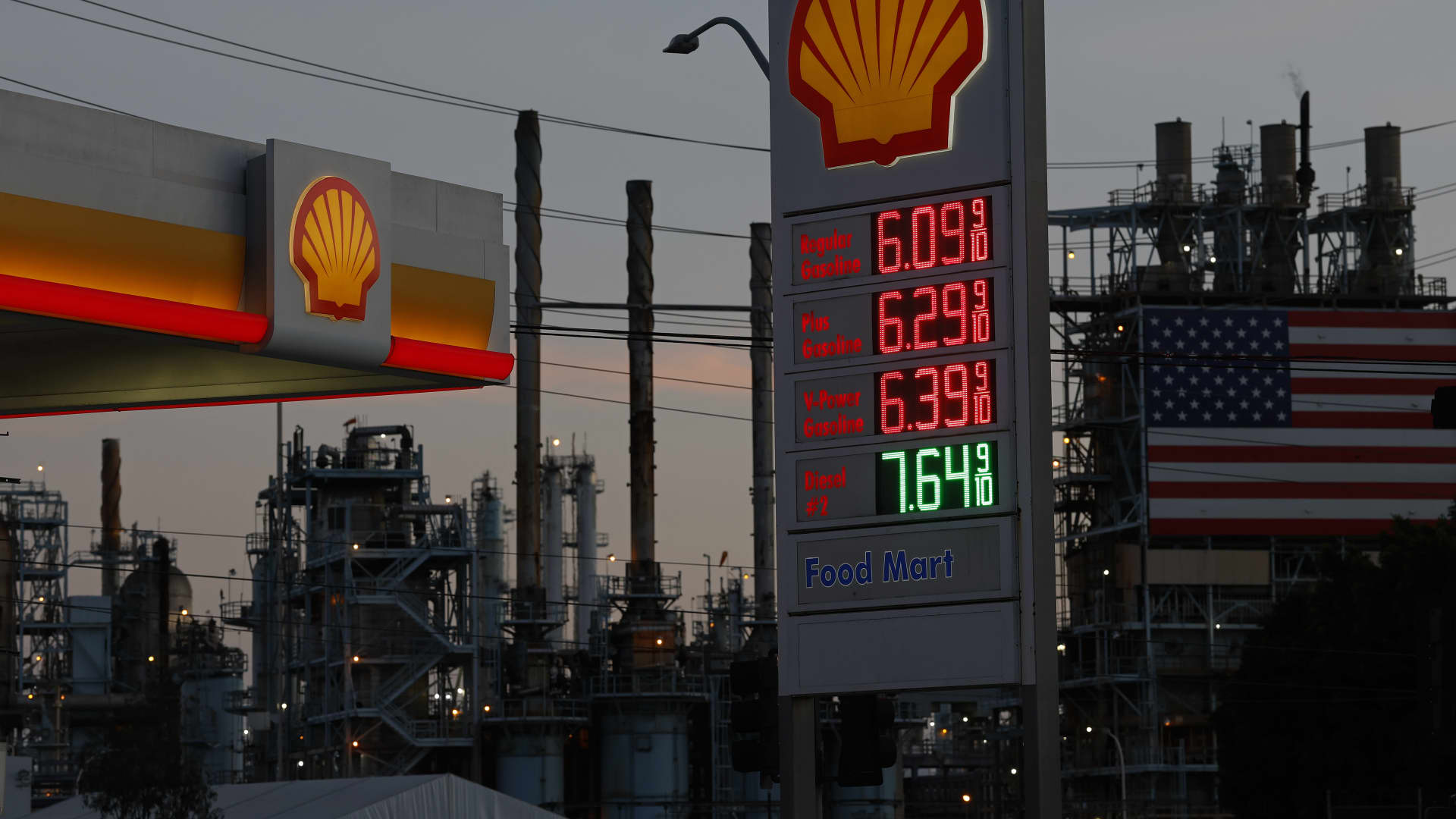
Gas prices over $6.00 are displayed at a Shell station across from the Marathon Petroleum Corp’s Los Angeles Refinery on April 02, 2026 in Carson, California.
Justin Sullivan | Getty Images News | Getty Images
Western Texas Intermediate crude futures haven’t hit their highs in 2026 yet, according to traders on Kalshi.
Users on the prediction markets platform think that there’s a more than 50% chance that prices will reach nearly $127 per barrel this year, far higher than the current closing high of nearly $113 per barrel on April 7.
Traders also estimate there’s a 63% chance that prices will cross $120 per barrel.
While WTI prices remain off their highs from before the U.S. and Iran announced a ceasefire to the war in the Middle East, they’re considerably higher than their lows of $82.59 on April 17.
Prices are above again $100, and Brent crude prices hit a new post-war high this week. However, oil prices retreated on Friday after Iran sent a revised peace proposal to the U.S., though President Donald Trump said he’s not satisfied with the country’s proposals.
Some of the post-ceasefire decline in WTI oil prices has been reversed as there’s no clear path to Iran reopening the Strait of Hormuz nor to the U.S. ending its naval blockade of the passageway.
While traders think the highs in oil prices haven’t been hit this year, the range they think prices will trade has shrunk. In early April, before the ceasefire, traders thought there was a more than 50% chance prices traded above $150 per barrel. Traders now place just a 26% chance of that happening.
Disclosure: CNBC and Kalshi have a commercial relationship that includes a CNBC minority investment.
Markets shift and headlines fade, but the core principles of building long-term wealth remain constant. Join us for our third CNBC Pro LIVE, where investors of all backgrounds – from financial professionals to everyday individuals – come together to cut through the noise and gain actionable strategies for smarter, more disciplined investing. No matter where you’re starting from, you’ll leave with clearer thinking, stronger strategies. Enter your email here to get a discount code
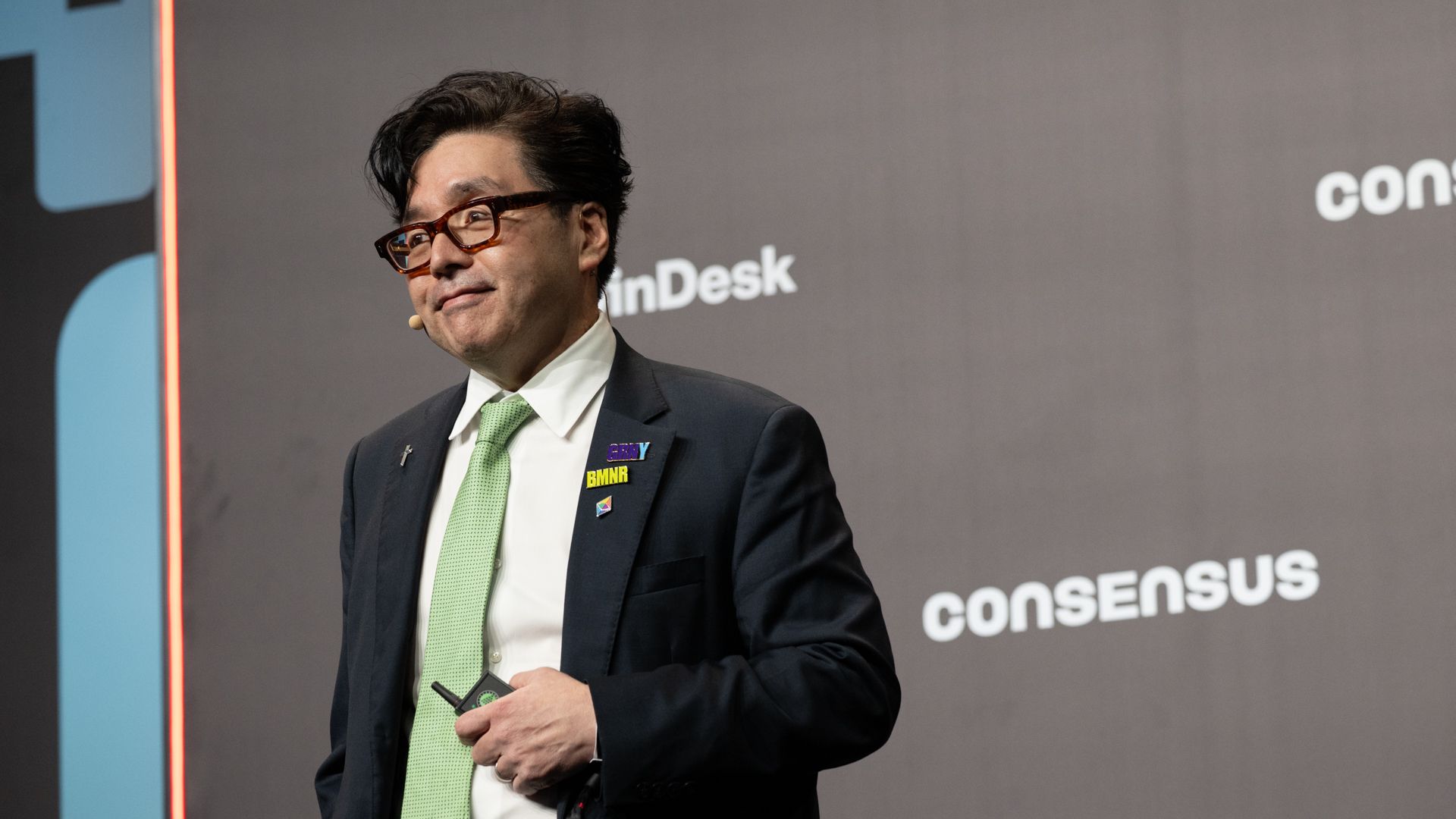
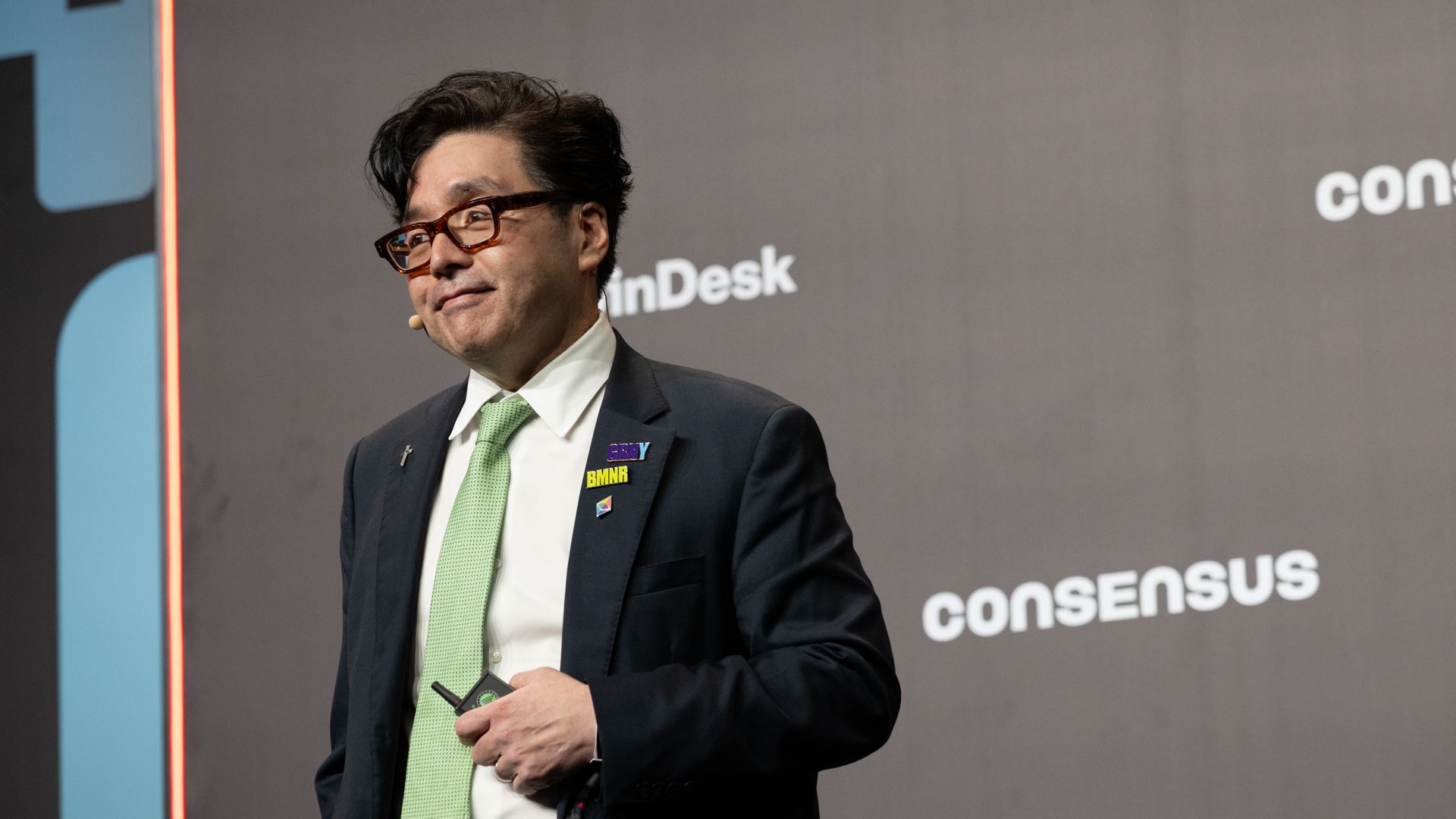
The Ethereum Foundation has sold another 10,000 ether (ETH) in an over-the-counter deal to Tom Lee’s BitMine (BMNR), continuing a string of treasury sales this year.
In a post on X on Friday, the organization said it finalized the sale at an average price of $2,292.15 per token, implying proceeds of roughly $22.9 million. The counterparty was BitMine Immersion Technologies, a repeat buyer that has increasingly acted as a key institutional accumulator of ETH from the foundation.
The latest transaction follows a similar March deal in which the foundation sold 5,000 ETH to BitMine at about $2,042 per ETH, raising roughly $10.2 million.
Like prior sales, the Ethereum Foundation said proceeds will go toward core operations & activities, including protocol research and development, ecosystem growth and community grants, a longstanding funding model for the organization.
The foundation added that the transaction is part of its formal treasury management strategy, under which ETH holdings are periodically converted into fiat to maintain operating runway and reduce market impact. These deals are typically executed OTC to avoid disrupting spot markets.
Bitmine, which is helmed by Fundstrat’s Tom Lee, continues to participate in these transactions, which underscores its growing role as one of the largest corporate ETH holders. The firm has now taken part in multiple direct purchases from the foundation this year, highlighting a deepening relationship between the network’s primary steward and a major institutional buyer.
The onchain transfer for the latest sale is expected to originate from an Ethereum Foundation-controlled multisig wallet, in line with its recent push for greater transparency around treasury activity.
Read more: Bitmine to buy 10,000 ether for $23.9 million from the Ethereum Foundation
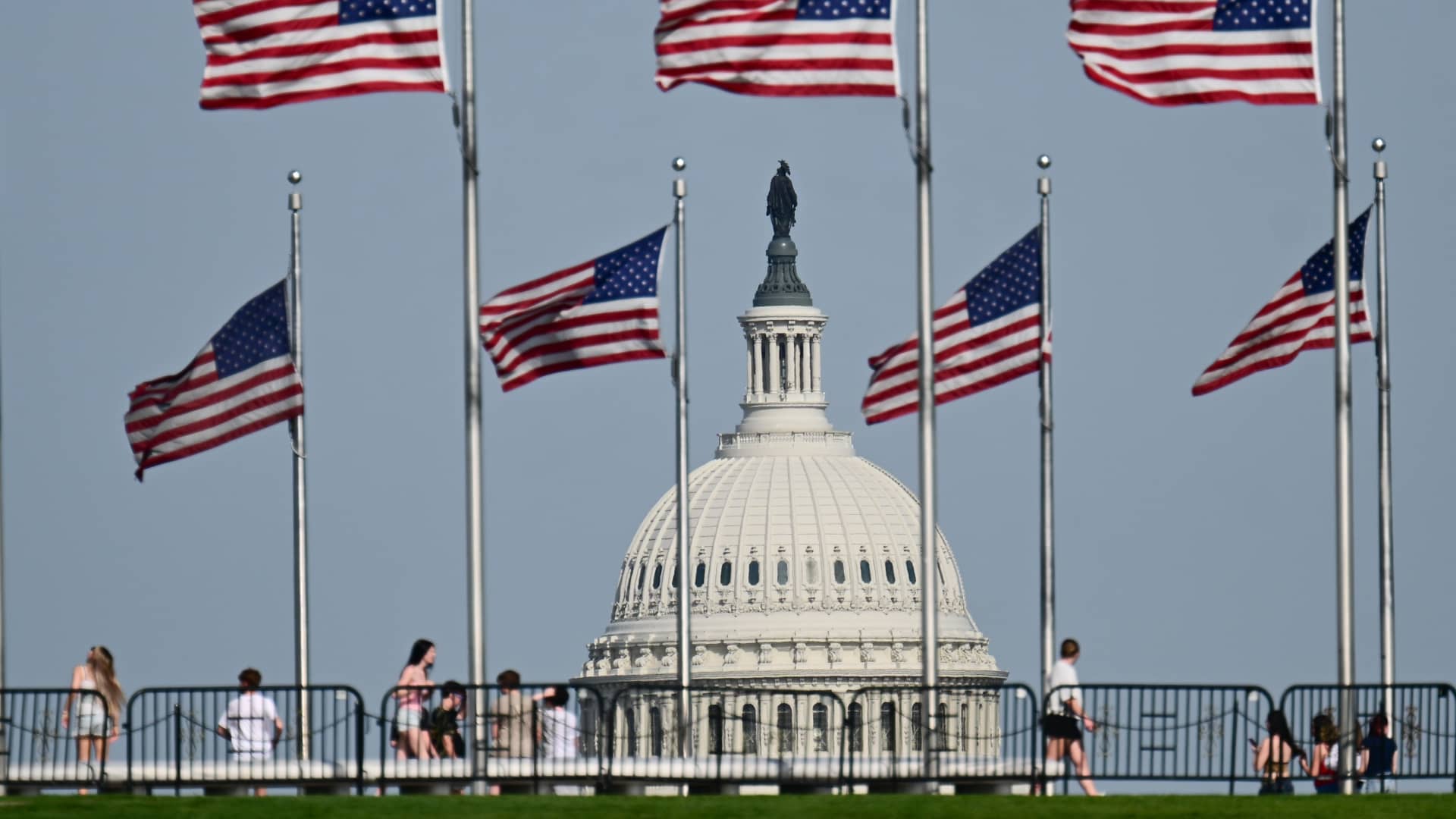
U.S. flags at the Washington Monument, the dome of the U.S. Capitol can be seen in the background.
Sebastian Gollnow | Picture Alliance | Getty Images
Control of the U.S. Senate in this year’s midterms remains a tossup just over six months from election day, according to traders on prediction markets platform Kalshi.
Traders give both Republicans and Democrats a 50% chance of winning control of the upper chamber.
While traders have Democrats as favorites to flip control of the House of Representatives, odds in the Senate have narrowed in 2026.
Republicans saw their odds of maintaining their majority fall from 67% on January 1 throughout that month and February, but the declines intensified in March as traders priced in the political consequences of the U.S.-Iran war. Since the start of the conflict, President Donald Trump‘s approval rating has fallen to its lowest levels of his second term in many polls.
Democrats have an uphill climb to flip control of the Senate, as the party will have to win multiple states that Trump won in 2024 by double-digits — like Ohio, Iowa, Texas or Alaska — to have a shot at a majority. However, in the middle of April, Democrats were priced with a 54% chance to win the chamber.
In a Friday note, Bank of America economist Claudio Irigoyen said these odds are having an impact on policy.
“The interesting thing about these moves is that, coupled with falling approval ratings for the US administration, incentives are mounting for the war in Iran to reach a resolution,” Irigoyen wrote. “In our view, this is evidenced in the US administration’s push to reach a deal.”
Traders on Polymarket also see the Senate as a tossup, with Democrats holding a 52% chance of winning while Republicans hold 50% odds.
Disclosure: CNBC and Kalshi have a commercial relationship that includes a CNBC minority investment.
Markets shift and headlines fade, but the core principles of building long-term wealth remain constant. Join us for our third CNBC Pro LIVE, where investors of all backgrounds – from financial professionals to everyday individuals – come together to cut through the noise and gain actionable strategies for smarter, more disciplined investing. No matter where you’re starting from, you’ll leave with clearer thinking, stronger strategies. Enter your email here to get a discount code
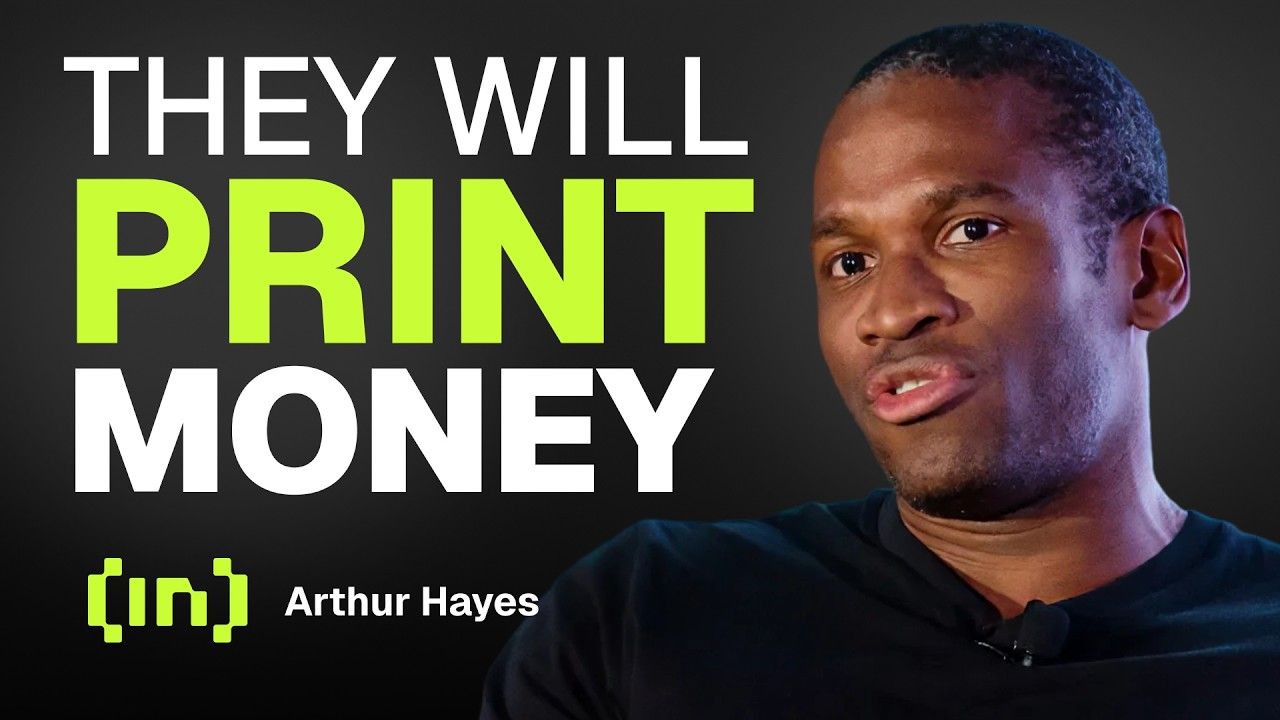
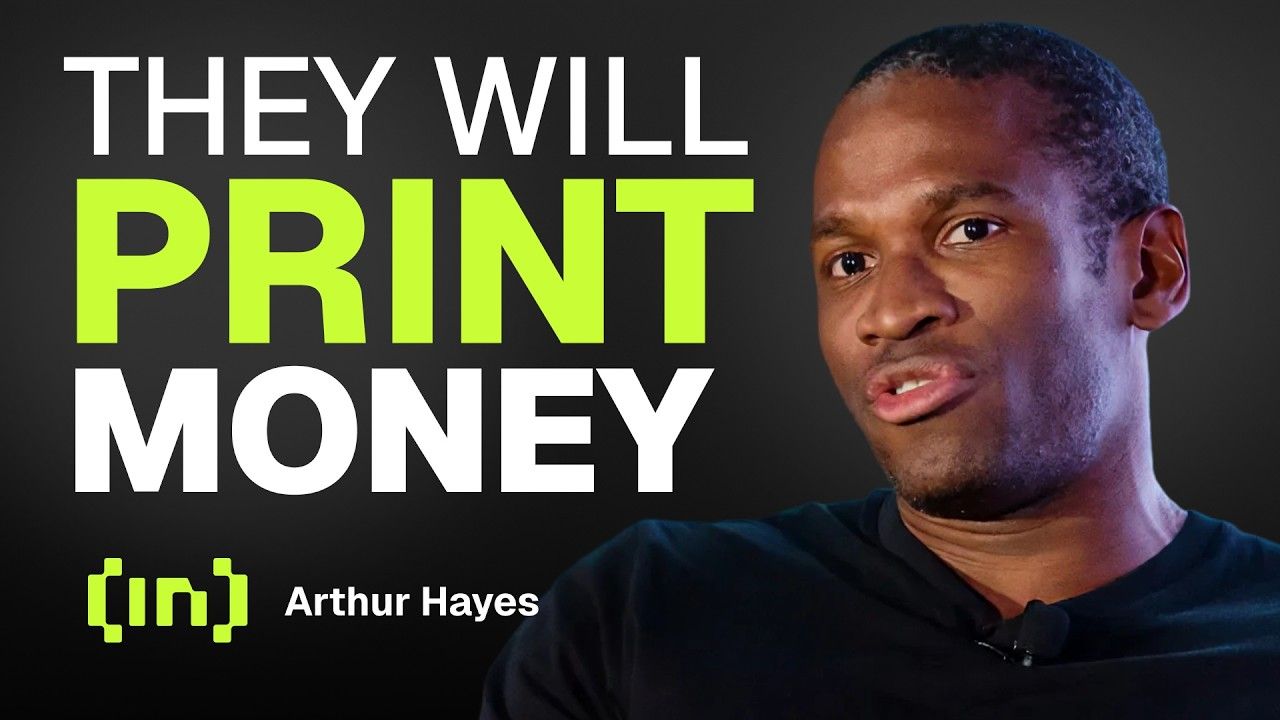
Arthur Hayes is turning more constructive on risk assets (crypto) because he believes the global liquidity cycle is starting to shift. In simple terms, it means there might be more liquid cash available in the US economy to encourage investments.
His argument is simple: the market is watching the Fed chair transition, but the bigger liquidity change may already be happening inside the banking system.
“I’ve started doing more research on the liquidity situation, and I’ve become more positive on the direction of money printing. The question is whether more dollars will be created, and my view is yes. On April 1, the enhanced supplementary leverage (eSLR) ratio came into effect for US commercial banks. That allows them to use more leverage on their balance sheets by reducing the charges they face on certain assets they hold.” Arthur Hayes told BeInCrypto.
Money Printing No Longer Looks Like 2020
Money printing does not always mean the Fed suddenly launches pandemic-style stimulus. In practice, it can mean more credit creation, easier bank balance sheets, more Treasury purchases, or policies that increase dollar liquidity.
That is why the latest change to the enhanced supplementary leverage ratio, or eSLR, matters. The rule came into effect on April 1, 2026, and changes leverage standards for the largest US banks.
Regulators said the goal is to stop the rule from discouraging banks from participating in low-risk, low-return activities, such as Treasury market intermediation.
One Regulation Could Start the Money Tap
Hayes said the eSLR change “allows them to leverage their balance sheets more by reducing the charges they face for certain types of assets that they hold.”
That does not automatically create trillions of dollars in new lending. Banks still need demand, collateral, and risk appetite.
But it does give large banks more room to hold Treasuries and expand balance sheets. In a system where US debt issuance is heavy, that is a meaningful liquidity release.
This supports the broader thesis that money printing may begin through market plumbing before it appears as headline quantitative easing.
The Fed Is Still Trapped
The Fed has not turned fully dovish. On April 29, it held rates at 3.50%–3.75% while acknowledging that developments in the Middle East have increased uncertainty. The vote was unusually divided, with some officials pushing back against an easing bias because inflation risk remains high.
This is the trap. Oil-driven inflation argues against rate cuts, but Treasury market needs and slowing growth argue for liquidity support.
Kevin Warsh May Matter Less Than Markets Think
Hayes also pushed back on fears that Kevin Warsh would shrink the Fed balance sheet aggressively. His point: eSLR relief is already active, while Warsh’s balance-sheet plans are uncertain and would take time.
That is fair. Even if Warsh wants a smaller Fed balance sheet, the Fed’s latest implementation note still allows Treasury bill purchases to maintain ample reserves.
“People are focusing on Kevin Warsh as the likely Fed chair and the idea that he wants the Fed balance sheet to contract, which would be liquidity negative. But when you look at the actual options for reducing the balance sheet, it does not look that drastic, and it would take a very long time. Meanwhile, commercial banks can already increase balance-sheet leverage under the new eSLR rules. That is already in effect,” Hayes said.
What Comes Next for Financial Markets
If the US-Iran ceasefire holds and shipping through the Strait of Hormuz gradually normalizes, liquidity becomes the dominant story. That would support stocks, especially banks, big tech, and other liquidity-sensitive sectors.
Crypto could react faster. Bitcoin is the cleanest expression of this trade because it responds directly to dollar liquidity and debasement expectations.
Commodities are split. Oil stays elevated if the geopolitical risk remains. Gold likely benefits in either case, because it sits at the intersection of war risk, inflation fear, and monetary easing.
So, the money-printing window may be opening, but through the banking system first. Risk assets may benefit, but only if geopolitics stops feeding inflation.
The post America’s Money Printing Could Start: How Will Markets React? appeared first on BeInCrypto.
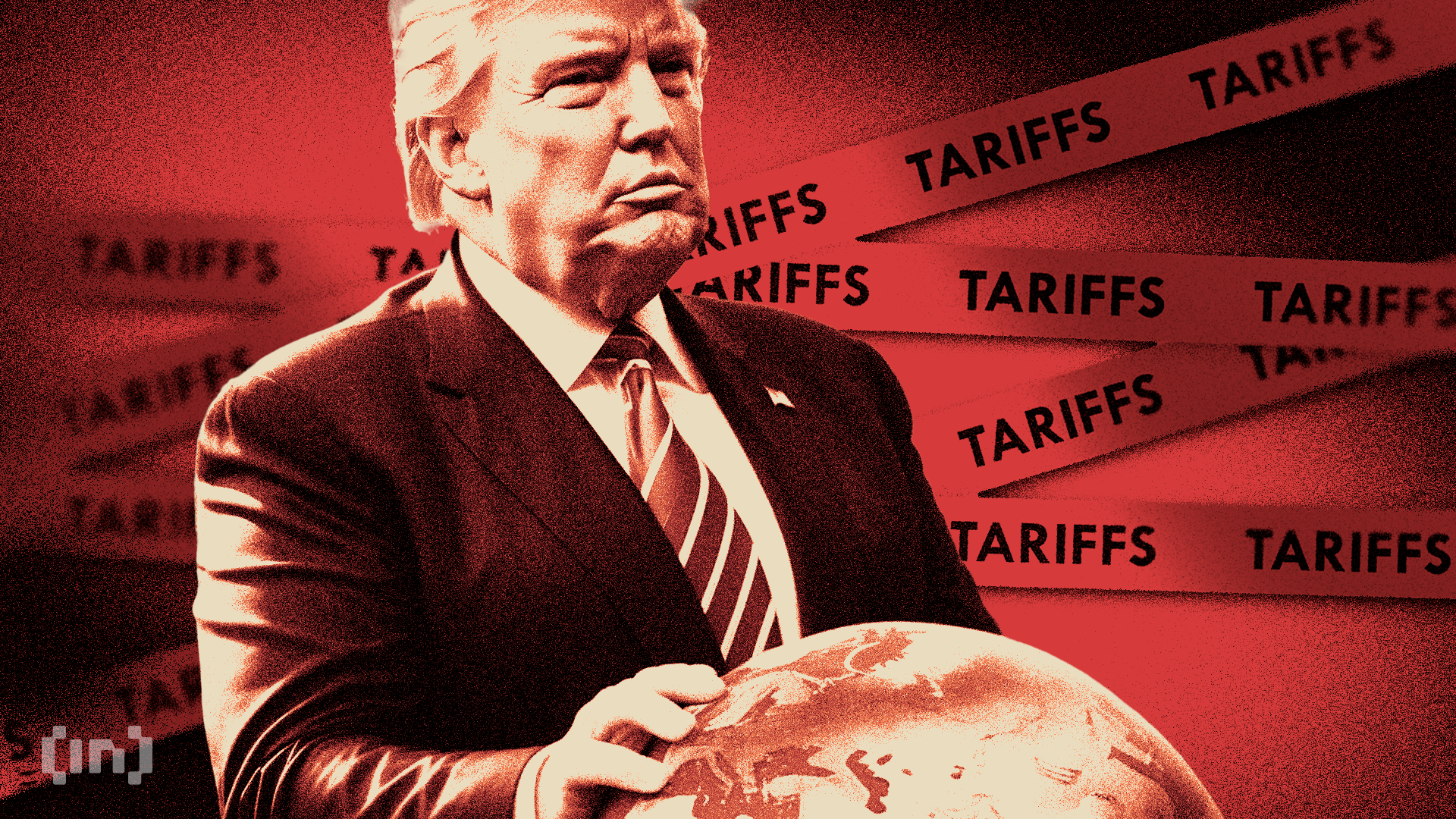
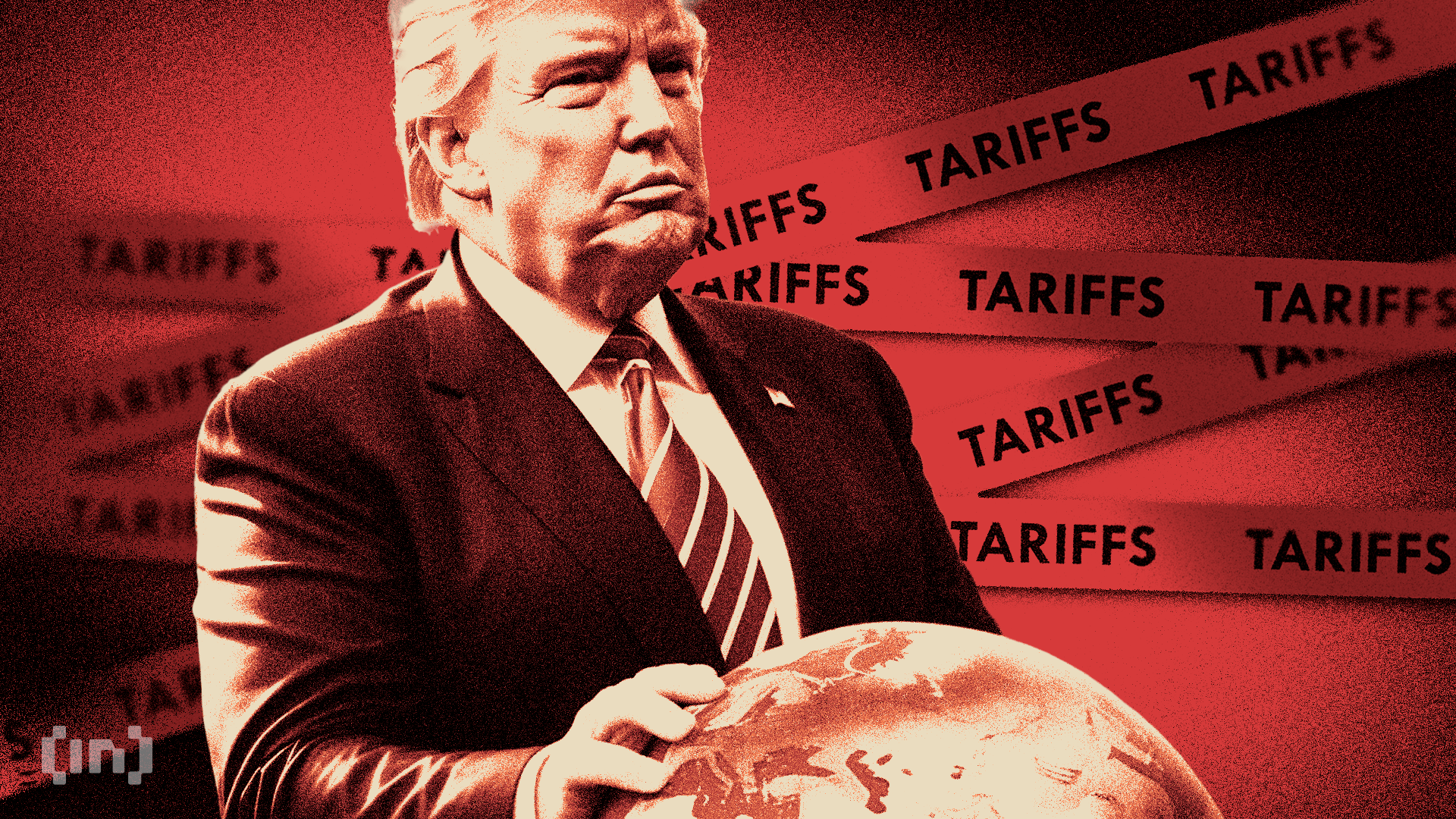
President Donald Trump announced new 25% tariffs on European Union cars and trucks on May 1, 2026, framing the hike as enforcement of the July 2025 trade deal. Some observers speculate Europe’s posture on Iran also played a part.
The duties take effect next week and exempt any vehicles built at U.S. plants. Germany and Italy carry the steepest exposure, while Brussels has not yet confirmed any retaliatory response to the Republican president’s move.
Trade Deal Dispute Sparks the Tariff Hike
Trump cited the EU’s failure to comply with a “fully agreed to Trade Deal” in his Truth Social post. That language refers to the Turnberry framework signed in July 2025. The deal had reduced U.S. auto duties on European cars to 15%.
“The Tariff will be increased to 25%. It is fully understood and agreed that, if they produce Cars and Trucks in U.S.A. Plants, there will be NO TARIFF,” he wrote in the post.
Germany stands to lose the most. Roughly 24% of its car exports head to the United States. BMW, Mercedes-Benz, and Volkswagen rely heavily on the U.S. market. Italian brands such as Ferrari and Stellantis face smaller but real exposure.
Trump highlighted more than $100 billion in new U.S. plant investment. He argued the tariffs push automakers to build domestically.
Iran Speculation Adds Political Subtext
As markets digest the implications of Trump’s tariff decisions, some users speculate that it is tied to U.S. pressure on Europe over Iran.
“Europe just stabbed America in the back. Macron, Starmer & Germany screamed “Not Our War!” and refused to support the US against Iran — after decades of America carrying NATO on its back. They just handed Trump the PERFECT excuse to BLOW UP NATO and put America First. Europe’s weakness and ingratitude finally killed the golden goose. We have no one to blame but ourselves,” one user commented.
The EU (and most major European countries) largely rejected or declined Trump’s calls for direct military/help with the Iran conflict, particularly regarding the Strait of Hormuz.
- Germany: Explicitly ruled out military participation. Defense Minister Boris Pistorius echoed: “This is not our war, we have not started it.”
- France: President Emmanuel Macron called forcible reopening ideas “unrealistic” and pushed back on U.S. inconsistencies.
- UK and others: Similar reluctance; some discussed limited post-conflict or diplomatic roles but avoided direct combat involvement during active hostilities.
- Broader EU/NATO: No joint military deployment. Some countries reportedly restricted U.S. use of bases or flyover rights for Iran-related operations.
Initially, President Trump weighed a plan to relocate US troops away from NATO countries he considers “unhelpful” in the Iran conflict.
Secretary of State Marco Rubio said the administration would need to reexamine NATO’s value.
Trump himself has called some allies “cowards” and labeled the alliance a “paper tiger.”
He has previously threatened 25% duties on nations doing business with Tehran. He also raised the possibility of 50% tariffs on countries arming the regime.
In the Friday post, the President did not link the auto tariffs to Iran in the Truth Social post. The text references only the EU trade deal and U.S. manufacturing investment.
Markets and EU leaders will watch closely for any clarifying signals from the White House.
The next move belongs to Brussels, which has prepared retaliation lists in past disputes. Whether EU leaders treat this as a negotiating tactic or as cause for escalation will shape the pace of any new agreement on autos.
The post Trump Imposes New Tariffs on EU: Punishment For Not Helping with Iran? appeared first on BeInCrypto.

Belfast City Marathon road closures and traffic advice for 2026 race day

Regent Motors to acquire Lane Group dealerships

TradeXYZ Launches Pre-IPO Perpetuals

Manchester United reach agreement with Casemiro over contract clause amid transfer speculation

US brings back mandatory military draft registration

Steven Gerrard disagrees with Gary Neville over ‘shock’ Chelsea and Arsenal claim | Football


-

 Tech4 days ago
Register Renaming | Hackaday
-
 Crypto World6 days ago
Hyperliquid $HYPE Rally Builds Momentum as AI Sector Enters Prove-It Phase
-

 Politics4 days ago
Drax board avoid their own AGM, accused of greenwashing & environmental racism
-

 Tech4 days ago
Images of Samsung’s rumored smart glasses have leaked
-

 Tech4 days ago
Why Blue Badges Disappeared From Toyota Hybrids
-
 Sports5 days ago
IPL 2026: Ruturaj Gaikwad registers slowest fifty of the season, enters all-time unwanted list | Cricket News
-

 NewsBeat5 days ago
LK Bennett closes all stores after entering administration
-

 Fashion3 days ago
Kylie Jenner’s KHY Enters a New Era with ‘Born in LA’
-
 Entertainment6 days ago
Mariah Carey Slams Deposition Claims In Brother’s Lawsuit
-

 Business3 days ago
Most Commercial Energy Audits Miss the Real Losses
-

 Business4 days ago
(VIDEO) Charlize Theron Climbs Times Square Billboard to Promote New Netflix Thriller ‘Apex’
-

 Crypto World3 days ago
CFTC’s AI will review U.S. crypto registration applications, chairman tells CoinDesk
-
 Crypto World7 days ago
Nvidia (NVDA) Stock Jumps 5% as Intel Earnings Ignite Semiconductor Rally
-

 Tech6 days ago
Microsoft to roll out Entra passkeys on Windows in late April
-

 Business2 days ago
Barclay Brothers Avoid Bankruptcy: HSBC Drops High Court Petitions After IVA Deal
-

 Tech5 days ago
OpenAI’s Sam Altman apologizes for not reporting ChatGPT account of Tumbler Ridge suspect to police
-
 Tech6 days ago
OpenAI CEO apologizes to Tumbler Ridge community
-
 Business2 days ago
Tesla Officially Registers Elon Musk’s Stock: What Investors Need to Know
-

 Tech3 days ago
Get Ready for More Brain-Scanning Consumer Gadgets
-
Entertainment6 days ago
Emily Blunt Used This $13 Hair Oil for Smooth, Frizz-Free Curls
You must be logged in to post a comment Login