
Crypto World
AMD Stock Leads Chip Stocks Higher Amid Sector Rebound


The Philadelphia semiconductor index, known as SOX, rose for the third straight session Thursday, helped by reassuring forecasts on AI data center spending. AMD stock was among the big gainers. In midday trades on the stock market today, the SOX advanced 3%. The SOX includes the 30 largest chip stocks traded in the U.S. However, the SOX is still trading…
Copyright ©2026 Investor’s Business Daily, LLC. All rights reserved. 87990cbe856818d5eddac44c7b1cdeb8

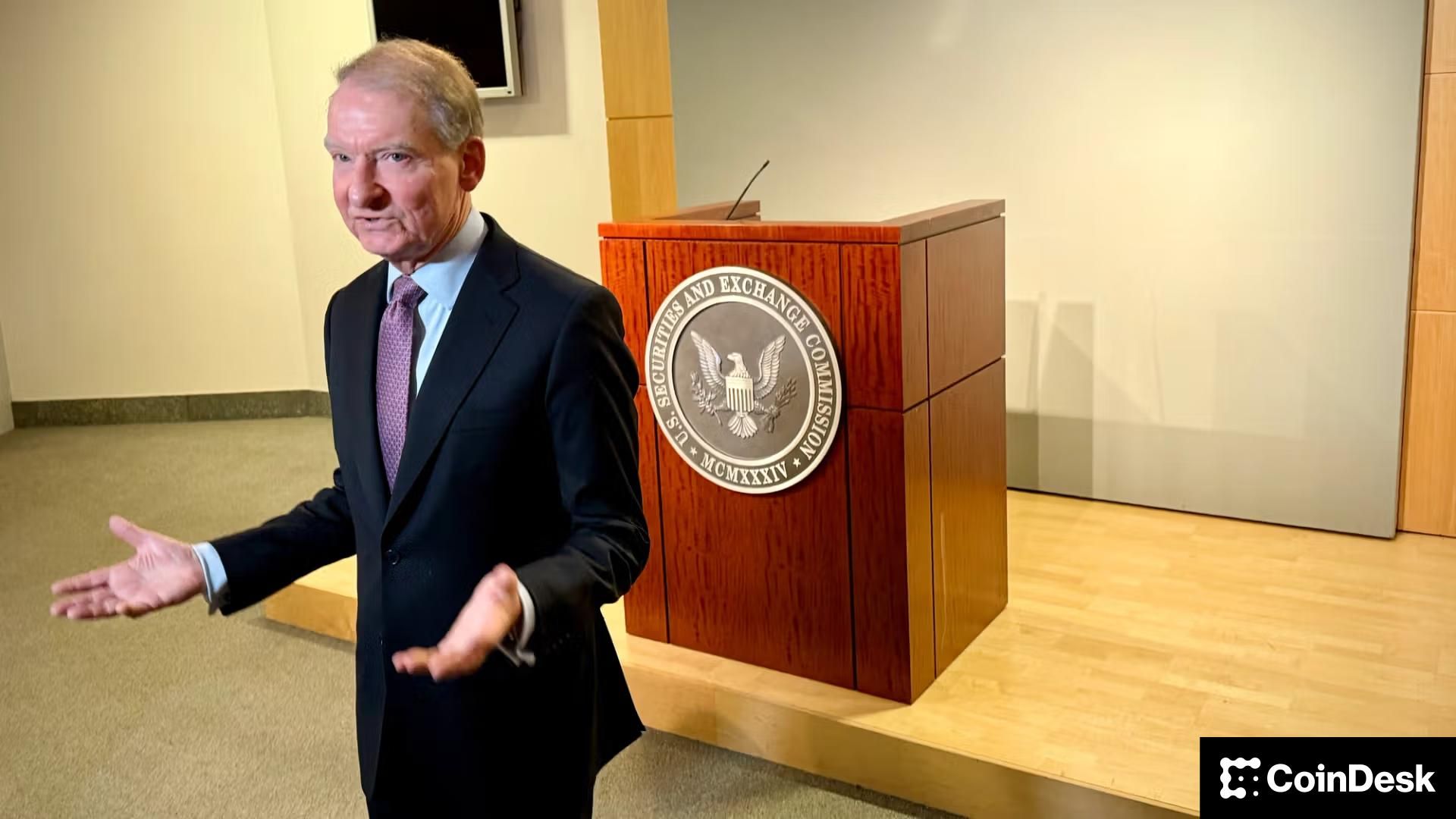
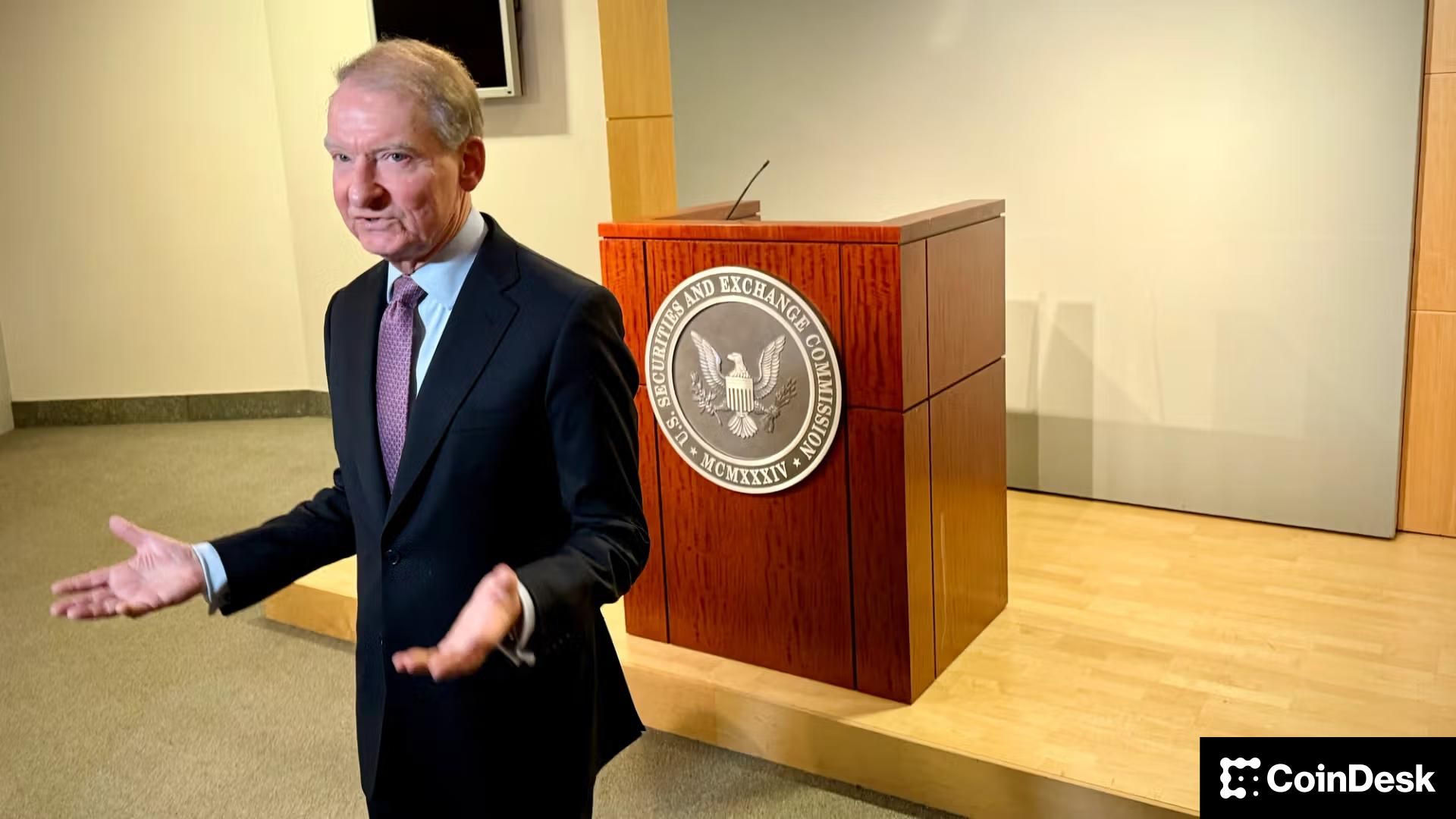
Those models would need to change if providers want to use the SEC’s new U.S. pathway.
Robinhood’s crypto head, Johann Kerbrat, nevertheless welcomed the agency’s move.
“The SEC innovation exemption is a signal that tokenization is ready to come to the United States,” Kerbrat said. “This is a major step by the agency and will allow liquid tokenized securities markets to develop onshore.”
Robinhood’s shares are up about 2.8% on Thursday.
A regulated lane for DeFi
The other potentially significant opening is for regulated DeFi trading platforms.
Under the exemption, tokenized securities venues can use automated market makers, or AMMs, to trade tokenized U.S. stocks without registering as traditional securities exchanges. Meanwhile, centralized crypto exchanges like Coinbase and Kraken might be outside of the SEC’s framework. Coinbase shares rose about 5% on Thursday. Kraken is a private company.
The move could bring more activity to the blockchains and decentralized trading applications underneath those markets, said Zach Pandl, head of research at Grayscale.
“The innovation exemption will bring more utility of tokenized assets, benefiting users, leading public blockchains, including Ethereum , Solana (SOL), and BNB Chain , and decentralized trading applications such as Uniswap (UNI), Aerodrome (AERO), and Raydium ,” Pandl said.
The technology can run on public, permissionless blockchains, but access to the market itself must be controlled. In practice, that could start to create a regulated version of DeFi for U.S. securities, using some of crypto’s existing trading technology but with KYC, trading limits and securities-market oversight layered on top.


Avalanche Treasury Co. CEO Bart Smith has warned that AI agents could strain Layer 1 block space as automated financial activity moves onchain and traditional markets adopt longer trading hours.
Summary
- Smith said AI agents could challenge the assumption that blockchain capacity is effectively unlimited.
- Rising transaction demand could make technical differences among Avalanche, Solana and Ethereum more important.
- Smith expects traditional markets to trade around the clock, five days a week, by mid-2027.
- Avalanche Treasury gives U.S. investors exposure to the network through its Nasdaq-listed AVAT shares.
AI agents could test available block space
The Block reported from the New York Avalanche Summit that Smith expects autonomous agents to generate financial transactions on blockchains if their adoption reaches even the lower end of current market estimates.
AI agents can act on instructions, interact with software and complete tasks with limited human involvement. Applied to finance, such systems could place trades, move funds, settle payments or manage positions, with each onchain action competing for network capacity.
Smith argued that the resulting transaction load would challenge the common view that block space remains abundant. Existing networks can currently handle enough activity that many users do not need to consider how one Layer 1 processes transactions differently from another.
“As long as AI agent activities reach the lower end of market expectations, relevant activities will occur on the blockchain,” Smith said. “There is not enough block space, and block space is no longer infinite.”
Under Smith’s forecast, automated activity would not merely add more human users to blockchains. Software agents could operate continuously and make repeated transactions without following the working hours, sleep schedules, or manual approval processes that limit human activity.
Smith did not provide a transaction estimate or a date when demand could exceed available capacity. His claim rests on AI agents gaining enough use in financial markets to create sustained onchain activity rather than occasional tests.
L1 differences may become harder to ignore
As transaction demand rises, Smith expects users and financial firms to pay closer attention to differences among Avalanche, Solana and Ethereum. Network design affects transaction speed, fees, finality, privacy options and the ability to create systems for specific business needs.
“Theoretically, there are many subtle differences between these L1s,” Smith said, adding that users can overlook many of them while capacity remains readily available. Under heavier demand, he said, “these differences will become important.”
Smith identified privacy and security as areas where he believes Avalanche is suited to business applications. The view aligns with the network’s use of separate Layer 1 environments, which organizations can configure for specific operational and compliance needs.
Recent deployments provide examples of the business activity Smith described. On Sep. 14, Avalanche was selected as the underlying blockchain for the UAEPASS Digital Vault, a document service within the United Arab Emirates’ national identity platform.
UAEPASS serves 12.5 million users and connects them with more than 15,000 services offered by over 350 public and private organizations. Deca4 and Ava Labs said the vault would use cryptographic records to verify that documents had not been altered without putting their personal contents directly onchain.
Such a design separates document verification from the sensitive data contained in the file. The UAE’s Telecommunications and Digital Government Regulatory Authority oversees the service, Deca4 is handling local implementation, and Ava Labs is supplying Avalanche infrastructure and technical support.
Avalanche has also attracted financial firms working with tokenized assets. In September, Hanwha Investment & Securities completed a tokenized securities platform supporting Avalanche ahead of South Korea’s planned regulated security-token market.
According to Seoul Economic Daily, the platform is designed to manage issuance and distribution processes for tokenized securities. South Korea’s framework is scheduled to take effect in February 2027, giving financial firms a regulated route to represent qualifying securities on blockchain systems.
Round-the-clock markets would require new infrastructure
Smith also expects traditional financial markets to move toward continuous weekday trading. By mid-2027, he said, markets could operate 24 hours a day for five days each week, extending access far beyond the sessions followed by most stock exchanges.
Existing financial systems would struggle to support that schedule, according to Smith, because much of the infrastructure depends on set operating hours and processes that were not designed for nonstop trading and settlement.
“New infrastructure must be created,” Smith said, adding that it would not be built using the old model “but rather built on the blockchain.”
Longer trading hours could require clearing, settlement, collateral management and risk systems to operate throughout the day. In Smith’s scenario, AI agents would add another layer of activity by making automated decisions while markets remain open across different time zones.
Avalanche’s recent institutional activity has already extended beyond test transactions. In July, the network’s distributed tokenized real-world asset value reached $2.1 billion after rising 60.47% over 30 days, according to RWA.xyz data cited in a crypto.news report on its $11 billion tokenization deal with Bridgetower.
Bridgetower said it had placed more than $11 billion in production-linked assets on Avalanche using Chainlink infrastructure. The portfolio included the Arizona Copper-Gold project, while BlackRock’s BUIDL tokenized U.S. Treasury fund had passed $900 million on Avalanche at the time.
Franklin Templeton and VanEck have also used or announced plans involving Avalanche-based products. Smith’s forecast, however, concerns a later stage in which automated systems and continuously operating markets produce recurring transaction demand rather than isolated institutional deployments.
Nasdaq listing gives U.S. investors Avalanche exposure
Smith leads Avalanche Treasury Co., a U.S.-listed company that began trading on Nasdaq under the AVAT ticker in June. The listing gives American investors a way to gain exposure to the Avalanche ecosystem without directly holding AVAX.
The company reached the public market through a merger with Mountain Lake Acquisition Corp., a special-purpose acquisition company, in a transaction valued at about $675 million. At its Nasdaq debut, Avalanche Treasury held roughly 15 million AVAX, equal to about 3.5% of the token’s circulating supply at the time.
AVAT closed 38.13% lower at $1.85 in its first trading session after opening at $2.99. Trading volume reached about 497,580 shares, while the company’s market value stood near $486.37 million.
Smith said at the time that Avalanche Treasury planned to deploy capital across the network rather than operate only as a passive token holder. “It is not a bet on price,” he said, describing the business as an ecosystem investment vehicle.
The company’s structure still leaves its financial position exposed to AVAX price movements because of its token holdings. Its board and advisory group includes Ava Labs founder Emin Gün Sirer and Aave founder Stani Kulechov, while its backers include Dragonfly, ParaFi Capital, VanEck, Galaxy Digital, Pantera Capital, CoinFund, Kraken, FalconX and Borderless.
Before leading Avalanche Treasury, Smith worked at Susquehanna for nearly 14 years and held roles tied to institutional trading and digital assets. His comments at the summit connect that market background with a forecast in which continuous trading, automated financial agents, and blockchain settlement increase demand for Layer 1 capacity.


StablecoinX has secured a permanent waiver ending the 48-month lock-up on its ENA holdings from Oct. 5, 2026, while leaving separate controls on token sales in place.
Summary
- Oct. 5 will bring StablecoinX’s ENA holdings onto the same unlock schedule as other holders.
- The waiver removes lock-up, vesting, and scheduled-release rules covering the company’s ENA.
- StablecoinX must provide five business days’ notice before using ENA for an approved funding sale.
- Ethena Foundation retains consent rights over sales, transfers, loans, hedges, and other uses of the tokens.
StablecoinX ENA restrictions will end on Oct. 5
StablecoinX said in a Sep. 17 X post that it had filed a Form 8-K detailing a waiver signed with Ethena OpCo and the Ethena Foundation.
Under the SEC filing, the parties signed the waiver letter on Sep. 14, with the changes scheduled to take effect on Oct. 5.
The agreement permanently removes all lock-up, vesting, and unlocking restrictions on ENA held by, or due to be delivered to, StablecoinX and its subsidiaries. Covered tokens include ENA that the company acquired through private investment in public equity agreements linked to its business combination with TLGY Acquisition Corp.
A 48-month contractual lock-up and its installment-based release schedule had previously applied to tokens purchased under those agreements. Once the waiver takes effect, the released restrictions cannot return, according to the waiver letter.
The document states that Ethena OpCo and the foundation will “waive, release and terminate each and every Lock-Up applicable to the Subject Tokens.”
ENA obtained through staking or a protocol-wide distribution mechanism will also fall under the waiver when covered by the earlier token purchase agreements. Oct. 5 matches the date that the Ethena Foundation previously announced for the release of locked tokens held by other ENA holders.
ENA sales still require Ethena Foundation consent
Removing the lock-up does not give StablecoinX unrestricted control over how it uses the ENA.
According to the waiver letter, StablecoinX must continue holding the tokens as permanent, unencumbered treasury assets unless it receives prior written consent from the Ethena Foundation or completes a sale under the new funding framework.
The requirement covers sales and transfers as well as lending, hedging, pledging, collateralization and other forms of encumbrance. Separate approvals may also be required from StablecoinX’s board, investment committee or holders of its Class B shares.
Legal and regulatory limits remain unaffected. The agreement specifically preserves restrictions arising under the U.S. Securities Act, Rule 144, affiliate status and any applicable registration or listing requirement.
For U.S. investors, the disclosure is material because StablecoinX trades on Nasdaq under the symbol USDE, while its public warrants trade as USDEW. Its shares give stock-market investors indirect exposure to Ethena’s governance token without requiring them to buy or hold ENA directly.
StablecoinX filed the agreement with the U.S. Securities and Exchange Commission under Item 1.01, which covers entry into a material definitive agreement. Chief Financial Officer Young Cho signed the Form 8-K on Sep. 17.
Funding sales must follow a five-day review
Alongside the permanent unlock, the parties created a process through which StablecoinX may sell ENA to meet working capital or strategic needs tied to activities supporting the Ethena ecosystem.
A proposed funding sale requires StablecoinX to send the foundation written notice at least five business days before the planned transaction. The notice must explain how the proceeds will be used, identify the maximum number of tokens involved, and state the minimum acceptable price.
StablecoinX must also disclose how it plans to execute the sale, including whether it will use an exchange, an over-the-counter transaction, a market maker, or an agency arrangement. Any firm third-party offer must appear in the notice.
During the five-day review, the Ethena Foundation may elect to buy all or part of the proposed ENA allocation at the stated price. Settlement may occur in U.S. dollars, USDC, USDe or USDtb, depending on the terms agreed by the parties.
If the foundation neither responds nor exercises its purchase right within the review period, StablecoinX may proceed with a qualifying funding sale. Cleared transactions must be completed within 60 days, after which the company must issue another notice.
The agreement requires StablecoinX to conduct each sale in an orderly manner and use commercially reasonable efforts to limit disruption to the ENA market. Possible methods include spreading sales over time or using over-the-counter and agency arrangements.
Ethena Foundation may request further discussions if it reasonably determines that a proposed transaction is unrelated to an approved activity, could disrupt an orderly ENA market, or may breach a law or existing agreement. Such discussions can last no more than another five business days.
Eligible uses include general working capital, strategic investments, corporate acquisitions, and software development beyond StablecoinX Harness and its decentralized verifier node operations. The framework also covers share repurchases conducted under an approved Rule 10b5-1 plan, provided the foundation has received and approved the plan and the company has met its disclosure duties.
StablecoinX holds about 20% of ENA supply
StablecoinX’s treasury contained approximately 3 billion ENA at the end of the second quarter, equal to about 20% of the token’s total supply, crypto.news reported in August.
Using ENA’s June 30 closing price of $0.07204, the company valued the position at $218.4 million, or about $9.09 for each of its 24,029,375 Class A shares then outstanding. StablecoinX recorded $212.9 million in digital intangible assets after accounting for impairment.
The company’s treasury strategy began with a $360 million ENA plan announced in July 2025. The financing included $60 million in tokens from the Ethena Foundation and $260 million in cash intended for ENA purchases.
Following its Nasdaq trading debut in June 2026, StablecoinX reported that it held approximately 3.029 billion ENA, valued at $275 million using the 30-day volume-weighted average price applied before the transaction closed.
Beyond its token holdings, StablecoinX operates a decentralized verifier node that processes cross-chain messages for Ethena products. As of Aug. 12, the company said the node had verified more than 10,000 messages representing over $3 billion in cumulative cross-chain volume.
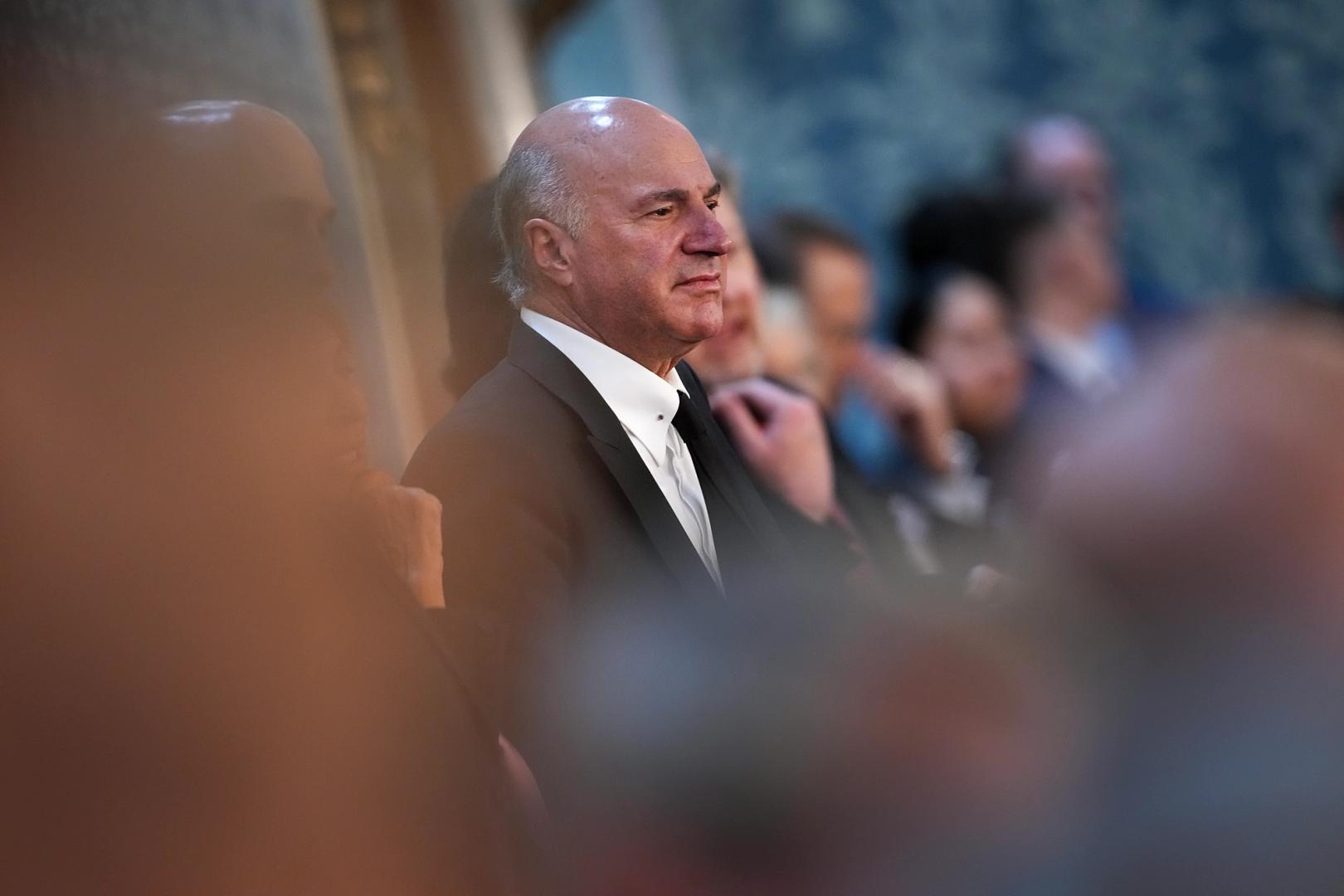
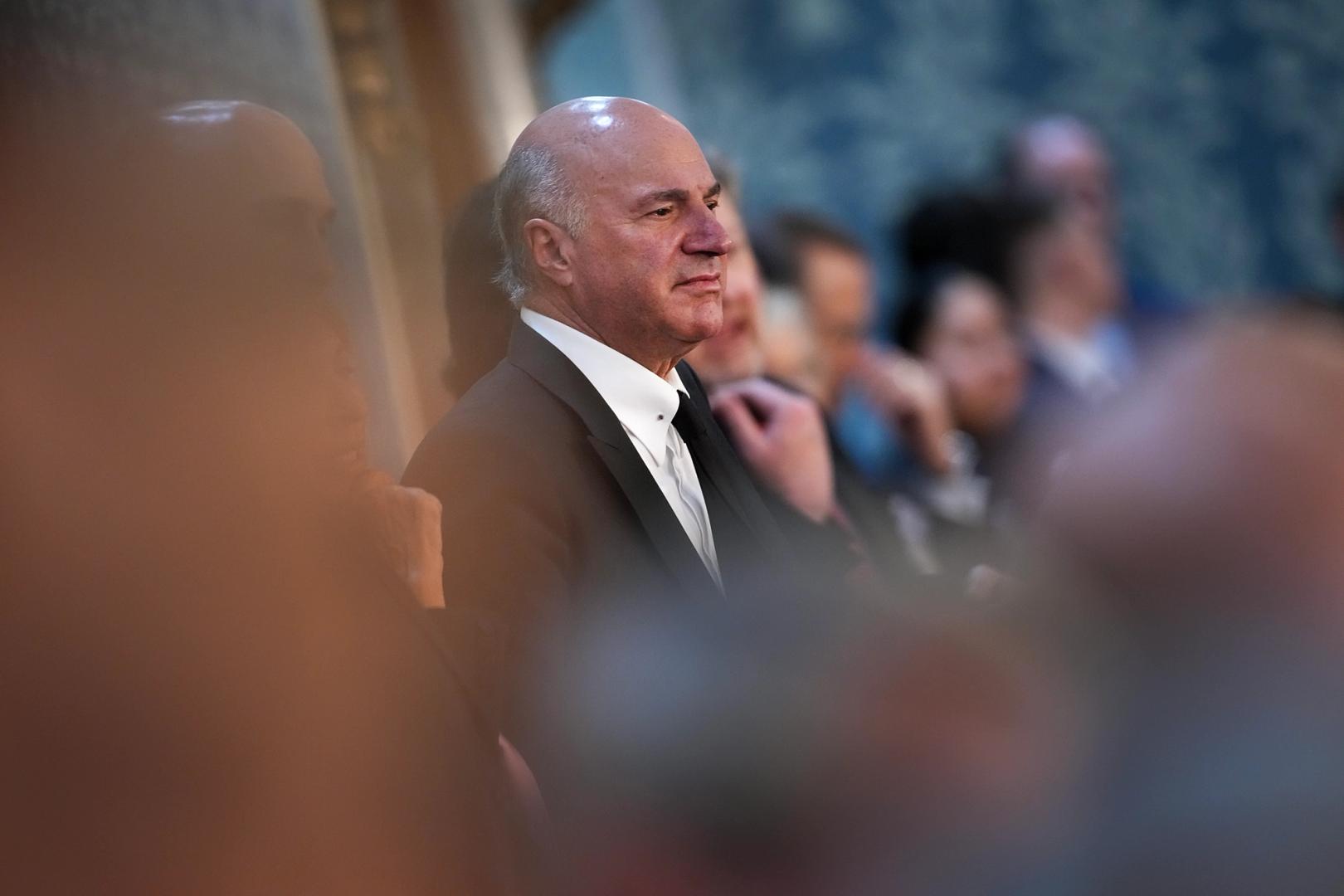
Shark Tank host and veteran investor Kevin O’Leary said he’s convinced the Clarity Act will eventually advance in the Senate and could return as soon as the first quarter of next year.
Speaking at the Avalanche Summit in New York on Thursday, O’Leary said he didn’t expect the bill to advance on Tuesday, when it received 49 of the 60 Senate votes needed to proceed.
“The chances of Clarity passing, in my view, were zero, and that’s what happened,” O’Leary said.
The legislation sought to establish a broader federal framework for crypto markets, including the roles of the Securities and Exchange Commission (SEC) and Commodity Futures Trading Commission (CFTC).
But O’Leary sees the failed vote as a delay rather than the end of the bill. He pointed to a separate crypto tax bill that advanced in the House this week as one reason he believes lawmakers will ultimately have to return to the issue of market structure.
The House Ways and Means Committee advanced the Digital Asset Tax Certainty Act, which seeks to establish tax rules for areas including staking, mining, small crypto transactions and broker requirements.

[PRESS RELEASE – Willemstad, Curacao, September 17th, 2026]
1win, a leading crypto casino and betting platform, is introducing Provably Fair technology that lets crypto players independently verify game fairness. The technology becomes available on Coin Flip and Dice on September 17, 2026, and will expand to more of 1win’s crypto games in the coming months.
Provably Fair is a cryptographic system widely used in crypto-native gaming. Its core principle is simple. Before a round begins, the platform commits to the data used to determine the result. This commitment is cryptographically secured, as the server automatically records the original game input after a player places a bet. This digital fingerprint can later be used to verify that the results have not been manipulated.
With the introduction of Probably Fair technology, 1win commits to a fundamental principle of crypto-native entertainment: transparency backed by cryptography.
This way, 1win players can check the results themselves. For example, after playing a round of Coin Flip or Dice, a player can verify the round data and confirm the server did not replace the original input after the bet was placed.
The launch of Provably Fair for Coin Flip and Dice marks the first stage of a wider rollout across 1win’s crypto gaming portfolio. Additional instant games are expected to include Provably Fair functionality by year-end.
About 1win
Founded in 2016, 1win is a crypto entertainment platform in the global gaming industry. Operating across Asia, Latin America, and Africa, 1win offers a wide range of entertainment products adapted to regional audiences. The brand actively collaborates with international public figures, including UFC legend Ilia Topuria, Olympic champion and UFC fighter Gable Steveson, rapper Tyga, reggaeton star Nicky Jam, and UFC interviewer Nina Drama—all of whom have 1win VIP community membership.
The post 1win Adds Provably Fair Technology to Its Crypto Games appeared first on CryptoPotato.
Crypto World
Trump Withdraws ICE Director Nominee After Republican Senator Blocks Confirmation Hearing

The President did not provide an explanation for his decision to withdraw the nomination. The White House did not immediately respond to TIME’s request for more information.
Schroyer’s pick was somewhat of a surprise, given that he has no experience leading a law enforcement agency. He is close to Homeland Security Secretary Markwayne Mullin, whose department houses ICE; Schroyer previously served on Mullin’s security detail, and the Secretary later made him a senior DHS advisor.
Schroyer also helped lead the Oklahoma Highway Patrol’s efforts to train troopers and enforce an immigration crackdown in conjunction with ICE in his state, and was deputized to make federal immigration enforcement arrests last year.
Mullin and Trump both urged Congress to swiftly confirm Schroyer following his nomination.
“Lance is coming straight from the operational field where he ran large scale operations and worked alongside state and federal partners to remove illegal aliens from Oklahoma,” Mullin said at the time, adding that Trump “made a great pick.”


AMC’s chief executive called Robinhood’s stock tokens vile. On Thursday, the US Securities and Exchange Commission approved onchain stock trading and barred synthetic tokens from it.
The order names no companies. It does name conditions, and two of them match the objections AMC raised in public.
What AMC’s Boss Actually Said
Robinhood extended tokenized stocks to AMC and more than 190 other companies through Robinhood Assets Limited. The firms never signed on.
“I find this practice to be contemptible, outrageous, disgusting, detestable, inexcusable, vile. How can it possibly be legal? We have no connection to this at all…” Adam Aron stated.
Chief executive Vlad Tenev answered that a company cannot control every product built on its shares once they trade publicly.
He described the tokens as debt securities backed one to one by shares held as collateral. Buyers get the price. They get no vote.
What the SEC Put in the Thursday Writing
Venues must verify that a token gives holders the same rights and privileges as the ordinary share. Before listing a token created by an outside firm, they must notify the company and let it object.
Atkins titled that section of his statement “No Synthetics.”
“Today, the SEC is taking a significant step forward… to bring America’s capital markets into the digital age,” the chairman said.
Access is the catch. Only approved participants can trade, even though the smart contracts must run on public blockchains anyone can inspect.
Symbol counts and volumes are capped. Onchain trading stops when the listed share halts. The relief expires in five years.
Venues must also publish trade data at set intervals, including price, size, time and daily volume. In exchange, they avoid being treated as a stock exchange.
Robinhood has since started promising voting rights and redemption for its tokens.
“Robinhood supports the SEC innovation exemption. Americans deserve access to crypto technology and all of the financial innovations it makes possible, including instant settlement, 24/7 trading, and fractionalization by default,” the company said following the regulator’s release.
Johann Kerbrat, senior vice president and general manager of crypto and international at Robinhood, called the exemption a major step that would let liquid tokenized securities markets develop onshore.
Two of the three things on that list were being debated, with the SEC holding a separate roundtable on round-the-clock stock trading the same day. Robinhood was on the panel.
Atkins called the measure temporary and said permanent rules must follow. The SEC is taking public comment first.
The post SEC Backs Real Stock Tokens Over Synthetics: Who Loses? appeared first on BeInCrypto.
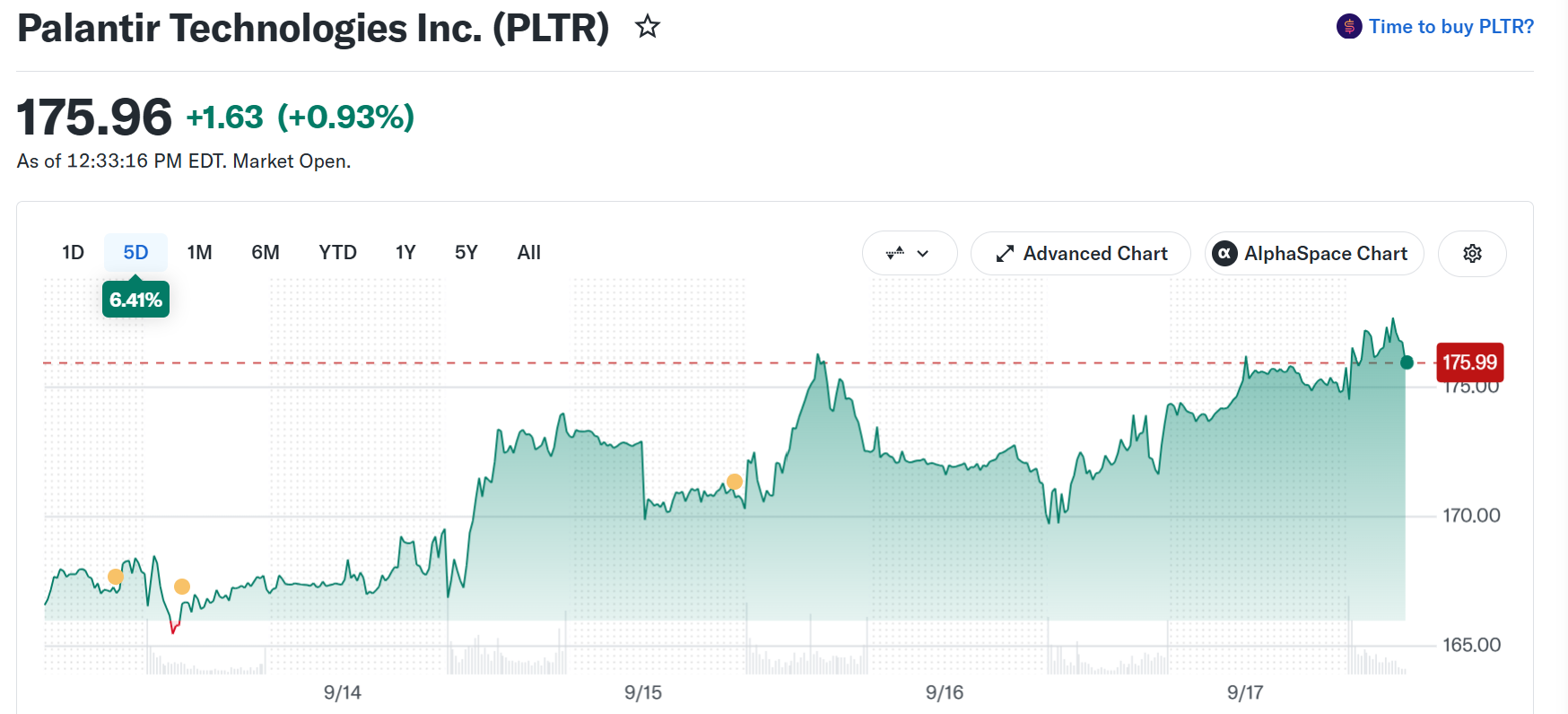
Famous CNBC Mad Money host Jim Cramer reaffirmed his $250 price target on Palantir stock (PLTR) on Thursday. Cramer’s price calls are often a complete hit or miss. “Inverse Cramer” is a popular meme, where investors believe the opposite of his prediction is likely to happen.
Palantir stock currently trades near $175, roughly 43% below the predicted target. So, the big question is, does Wall Street back Cramer’s forecast?

What Are Other Analysts Predicting About Palantir Stock?
- UBS analyst Karl Keirstead lifted his target from $220 to $250 on September 15.
- D.A. Davidson’s Gil Luria made the same move from $200 four days earlier.
Both pointed to demand for sovereign AI. That means AI systems that governments run on their own infrastructure rather than an outside vendor’s cloud.
Both analysts increased their price targets after AIPCon11, the company’s customer showcase. Palantir has also struck a fresh tie-up with Nvidia on supply chain software.
The raises followed Q2 results in which Palantir beat Wall Street estimates. Revenue reached $1.94 billion, up 93% from a year earlier.
Most of Wall Street is Still Less Bullish
The consensus is more cautious. Across 23 analysts tracked by TipRanks, the average 12-month target stands at $202.11.

Seventeen rate the stock a buy, four a hold, and two a sell. The lowest target on the board is $80, under half the current price.
Palantir trades at roughly 149 times trailing earnings. That valuation has drawn repeated criticism, including from short seller Michael Burry.
Karp appeared on CNBC the same morning, calling for enforceable guidelines on artificial intelligence. Cramer posted his target shortly afterward.
Shares have added 6.4% over five days, yet they still sit below the 52-week high of $207.52. Closing the $74 gap to Cramer’s target now rests on commercial bookings holding their pace.
The post Mad Money Jim Cramer Sees 40% Upside for Palantir Stock. Does Wall Street Agree? appeared first on BeInCrypto.
Vitalik Buterin does not believe that the growing concern that AI-powered hacking could make cybersecurity increasingly difficult is warranted. In a recent post, the Ethereum co-founder said he disagrees with the idea that AI hacking means “cybersecurity is doomed.”
He instead said that security could naturally favor protection once people build the right systems and use stronger verification tools.
On AI Hackers and the Future of Cybersecurity
Buterin gave a simple example involving advanced artificial intelligence and mathematics. He said,
“If AI can prove Navier-Stokes and FLT, then AI can prove the statement ‘this program is secure’ as a mathematical theorem. Even if the program is very complicated.”
However, Buterin emphasized that defining what “secure” actually means is much harder than it sounds. A system can have many different security concerns that need to be considered. Security definitions can become extremely detailed. They can cover how an attacker might interfere with a system, how information could leak, and what could happen if different parts of the software or hardware fail or are compromised.
Because of this, Buterin said making definitions more human-readable is extremely important. He described this as perhaps the only “high-level language” that matters right now. Buterin still believes that, for security-critical components, the definition can be a much smaller attack surface than the implementation itself.
Verifying whether the definition is adequate can also be more manageable than scanning the code directly. He said better tools could make this process even more practical.
He even sees an advantage in working with definitions. They are additive. If two groups have two different definitions, developers can prove that a program satisfies both. If the two definitions cannot be satisfied at the same time, the conflict is isolated and becomes an important issue for the project to address.
Verifying Whole Program
Code does not work this way, according to the Ethereum co-founder. If a program is made up of different parts, a bug in any one of those parts can compromise the whole thing. Buterin acknowledged that this approach does not work equally well for every type of software. In some cases, such as user-interface components, the definition may be almost as large as the implementation.
But for many critical components, he said the difference is real. He specifically pointed to message-passing protocols, sandboxes, and cryptographic systems such as SNARKs and fully homomorphic encryption. Previously, developers often verified only the parts of their code that they believed were security-critical. The rest was left unchecked. While this was understandable when verification was difficult and scarce, he believes that modern AI changes the situation.
For Buterin, the answer is therefore not simply to hope that “good guys” find vulnerabilities before the “bad guys.” The more important strategy is to make code much more resilient in the first place. According to him, there is no future for blockchains, especially those focused on scalability and privacy, without this kind of work.
The post Vitalik Buterin Has a Different Take on AI Hackers and the Future of Cybersecurity appeared first on CryptoPotato.

Bitcoin price trades at $76,600, surprisingly gain 1.1% on the day, a bounce that masks a brutal prediction based on regulatory optimism. The bigger question isn’t the daily candle. It’s whether BTC can hold this range as Washington and the Fed both deliver bad news in the same 48 hours.
The Digital Asset Market CLARITY Act failed a critical cloture vote in the Senate on September 15, coming in at 50-49, a few votes short of the 60 needed to advance. Reuters flagged a more than 5% intraday drop in Bitcoin as the vote outcome became clear, the sharpest single-day move since June.
A day later, the Federal Reserve hiked rates 25 basis points to 3.75%-4.00%, its first increase in three years. But, instead of dropping Bitcoin run.
Two headwinds, one week. Rate hikes historically punish non-yielding assets like Bitcoin, and a stalled regulatory framework removes a catalyst that traders had been quietly pricing in since the summer.
Earn $50 and Enter $300K Prize Draw on EdgeX
Bitcoin Price Prediction: Can BTC Hit $80,000 This Week?
BTC is changing hands near $76,600, with 24-hour volume running around $30.5 billion across major venues. That’s healthy turnover for a market absorbing two macro shocks in 48 hours, suggesting sellers haven’t fully capitulated.
The low-$70,000s remain the level to watch. That’s where the CLARITY Act sell-off found buyers, and a break below would confirm the bearish thesis. Resistance sits in the upper-$70,000s to $80,000, a zone where prior rallies have stalled repeatedly this cycle.

Bull case: a revived CLARITY Act push or dovish Fed commentary triggers a reclaim of $80,000. Base case: continued chop between $72,000 and $78,000 as the market waits for clarity on both fronts. Bear case: a break below $72,000 opens room toward the mid-$60,000s. Fed commentary in coming weeks will likely decide which path plays out.
Trade Bitcoin on Bybit and Get a Chance to Win Our $1,000 USDT Airdrop
Bitcoin Hyper Targets Early Mover Upside as Bitcoin Tests Key Levels
A choppy BTC range with regulatory delay hanging overhead isn’t exactly a green light for chasing spot at these levels. Anyone who bought the July rally is underwater on sentiment, even if the chart hasn’t fully broken. That’s pushing capital toward earlier-stage plays where the entry price hasn’t already priced in a decade of institutional adoption.
Bitcoin Hyper ($HYPER) is positioning itself as the first Bitcoin Layer 2 with full SVM integration, smart contract execution built for speed that reportedly outpaces Solana itself while settling back to Bitcoin’s base layer.
Bitcoin Hyper is improving network visibility. — Bitcoin Hyper (@BTC_Hyper2) September 15, 2026


Better observability helps the team track performance, understand transaction flows, identify issues earlier, and refine the ecosystem as it grows.
Read the full article  https://t.co/PHfiR1IOFq pic.twitter.com/J6vKOUg1VP
The presale has raised $33 million at a current token price of $0.0136863, with staking rewards live at launch. Core features include a decentralized canonical bridge for BTC transfers and low-latency transaction processing aimed at solving Bitcoin’s long-standing programmability gap.
Traders looking for asymmetric upside outside the BTC chop can research Bitcoin Hyper directly.
Discover: The Best Token Presales
The post Bitcoin Price Prediction: What’s Next After CLARITY Act Delay and Rate Hike? appeared first on Cryptonews.

Firefighters free person following Tadcaster crash near York
Google upgrades CC agent with family sharing and task automation

SEC opens door to tokenized U.S. stock trading. Here’s who could benefit



-

 Fashion6 days ago
Weekend Open Thread – Corporette.com
-

 Tech4 days ago
The Latest Weird Thing to Play Doom Is the Mapped-Out Brain of a Fruit Fly
-

 Business6 days ago
10 Most-Streamed Songs On Spotify In 2026 So Far, Led By Ella Langley’s Dominant Run On The Charts This Year
-

 Crypto World6 days ago
XAG/USD: Silver’s Short-Term Rally Meets Its Moment of Truth
-

 Tech7 days ago
Battery life is the only iPhone 18 Pro and iPhone Duo upgrade I care about. Apple didn’t disappoint
-

 Crypto World7 days ago
OKX launches 10x OpenAI, Anthropic X-Perps in Europe
-

 Crypto World6 days ago
Diesel Tops $6 a Gallon for the First Time as 28 States Set Records
-

 Crypto World3 days ago
Kraken Lets xStocks Holders Earn Yield Through DeFi
-

 News Videos6 days ago
Facing Financial Fears
-

 Crypto World3 days ago
Elon Musk Drops a Bombshell: Grok 5 Could Be the AGI Breakthrough
-

 Crypto World20 hours ago
US Charges Robinhood Engineers Over Crypto Listing Trades
-

 Business5 days ago
Rivals Sam Altman and Elon Musk Rally Behind Dario Amodei’s Call for a Slowdown in AI Development
-
Crypto World7 days ago
Ethereum Price Analysis: Consolidation at $2.5K Tests Momentum as On-Chain Activity Surges
-

 Crypto World5 days ago
Can AI Build a Startup in 72 Hours? Elon Musk's Team Will Livestream the Test
-

 Entertainment6 days ago
News Specials, Movies, Shows, More
-
 NewsBeat3 days ago
‘Sick conspiracy’: Trump says only guardrails AI needs is ‘a strong and smart (High IQ!) president’ in all-caps rant
-

 Crypto World7 days ago
Bitcoin ETFs Pull $167M as 2026’s Best Inflow Run Slows
-

 Crypto World7 days ago
US CPI forecast at 3.4% as tariff risks build
-

 Crypto World6 days ago
Robinhood Chain Never Stopped But its Blobs Did Stop Reaching Ethereum For 14 Minutes
-

 Crypto World4 days ago
New Tesla Roadster Uses SpaceX Tech. Will It Impact the Stock Price?
You must be logged in to post a comment Login