Crypto World
Bermuda pushes stablecoin payments with USDC airdrop as it courts crypto firms, regulators

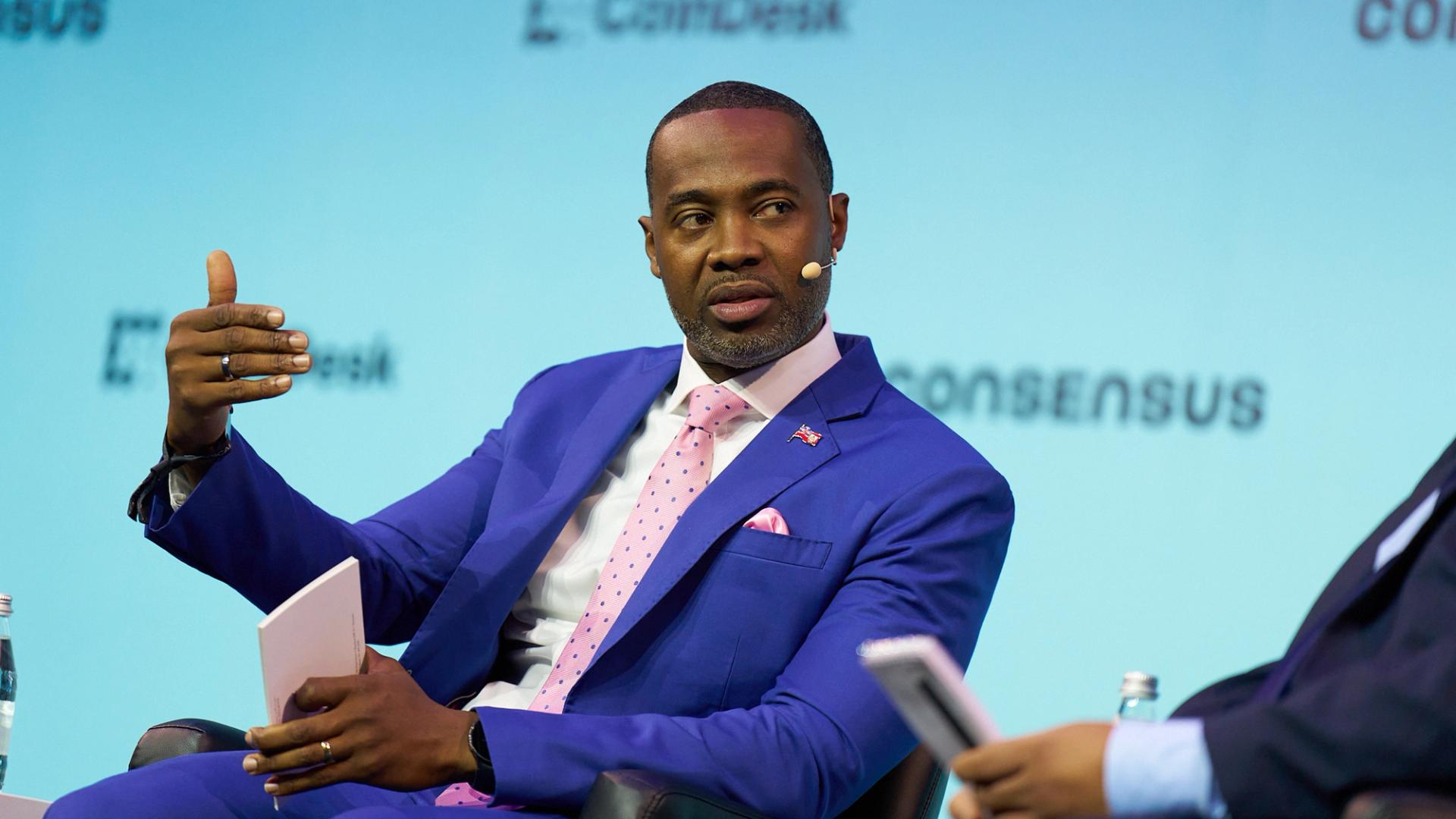

Bermuda is aiming to show an example how to move crypto into everyday commerce without breaking the financial system, Premier David Burt said onstage at Consensus Miami 2026 on Wednesday.
Burt said the tiny island on the Atlantic is expanding its “onchain economy” initiative, a push to get stablecoins into the hands of residents, merchants and local businesses. The project was first announced in January at the World Economic Forum, with stablecoin issuer Circle (CRCL) and exchange Coinbase (COIN).
The government plans another airdrop of USDC stablecoin this year, tied to next week’s Bermuda Digital Finance Forum 2026, while also onboarding merchants that can accept digital payments. Participants will receive stablecoins through wallets and can spend them with local vendors, Burt said.
“If you are a vendor and you’re accepting digital assets, but you do not have a way to use and spend those digital assets inside your economy, that presents a problem,” Burt said.
The broader goal for Bermuda is to build payment infrastructure outside traditional card networks and banking rails, he said, arguing that small businesses face high transaction fees and limited access to financial apps common in larger markets.
Coinbase Chief Legal Officer Paul Grewal, who joined Burt on stage, said Bermuda’s approach stands out because regulators and private firms are building in tandem instead of working separately.
“What’s most interesting about the Bermuda example is it is a parallel process,” Grewal said. “Government services can be accessed using payment stablecoins, while merchants and businesses are brought into the system at the same time.”
Bermuda, Burt said, has spent years building a digital asset framework through its Digital Asset Business Act. He described the island’s regulatory style as iterative and industry-facing, with the Bermuda Monetary Authority working directly with firms on issues such as staking, lending and DeFi supervision.
“You cannot regulate out failure,” Burt said. “But you can put in place the items which allow responsible innovation to happen.”
Grewal also contrasted Bermuda’s approach with the regulatory climate crypto firms faced in the U.S. over the past several years under former Securities and Exchange Commission (SEC) Chair Gary Gensler. That has changed for the better under the Trump administration, he argued.
“It is a new day here in the United States,” Grewal said, pointing to what he described as a more constructive tone from agencies under SEC Chair Paul Atkins and Commodity Futures Trading Commission (CFTC) Chair Michael Selig.
“We still have challenges, to be clear, but it’s a very different dynamic,” he said.
You must be logged in to post a comment Login