

Crypto World
Bitcoin sits in deep value while ETF outflows keep pressure on BTC



Bitcoin remains in deep value territory after trading below two major on-chain cost-basis levels for about five months, according to Glassnode. The firm said BTC is still below the True Market Mean near $76,600 and the short-term holder cost basis near $72,200.
Summary
- Bitcoin trades below key cost-basis levels, keeping deep value conditions active but still technically unconfirmed.
- ETF outflows have slowed, yet weak volumes show institutional demand has not fully returned.
- Long-term holder losses remain elevated, leaving sell-side pressure as Bitcoin’s main recovery barrier.
These levels matter because they track the average price paid by active investors and recent buyers. When Bitcoin trades below both, many market participants hold coins at a loss. Glassnode said this phase can support long-term accumulation, but it has not yet confirmed a market bottom.
Bitcoin recently bounced from about $58,300 to $64,400. The move showed short-term strength, but it did not bring BTC back above the main recovery levels. Glassnode said, “The evidence suggests this process is approaching its later stages,” but it also warned that the realized price near $53,000 cannot be ruled out.
The setup keeps the focus on whether Bitcoin price can reclaim the $72,200 and $76,600 areas. Until then, BTC remains exposed to selling pressure and weak risk appetite.
Long-term holders are still realizing losses
Glassnode data shows that long-term holder loss realization has increased sharply since February. The share of total realized value from long-term holder losses rose from 15% in early February to 43%.
This group includes investors who bought near cycle highs and held through months of drawdown. Some are now exiting as the bear market lasts longer than expected. Glassnode said these sellers have become a major force stopping Bitcoin from reclaiming higher levels.
Daily long-term holder realized losses recently reached about $280 million. That was the highest level since December 2022. The firm said this pressure has not yet cooled enough to confirm that sellers are exhausted.
The next few weeks may be key for this metric. A steady drop in realized losses would show that long-term holders are selling less. Without that change, Bitcoin’s recovery may remain limited.
ETF outflows keep institutional demand weak
Bitcoin ETF flows remain another weak point. Glassnode said the 30-day average of spot Bitcoin ETF netflows has improved from about $193 million in daily outflows to $88.9 million. Still, flows remain negative.
crypto.news reported that U.S. spot Bitcoin ETFs recorded about $4.5 billion in net outflows in June. The same report said June became the worst month for the products since their January 2024 launch.
There has been some relief since then. crypto.news reported that spot Bitcoin ETFs recorded $221.7 million in net inflows on July 2, ending a 10-day outflow streak. That followed nearly $2.7 billion in withdrawals during the prior 10 trading sessions.
However, Glassnode said ETF trading volume remains weak. Daily ETF trading volume sits between $650 million and $950 million, about 80% below the October 2025 peak. This shows that institutional demand has not fully stabilized.
Options data shows caution despite reduced shorts
Derivatives data gives a mixed picture. Glassnode said the options open-interest put/call ratio has dropped to 0.56, its lowest level of 2026. This means traders are holding far fewer puts than calls.
That shift suggests short demand has eased. It also shows that traders have reduced some defensive positions after Bitcoin’s recent bounce. Still, the options market continues to price demand for downside protection.
crypto.news reported that BlackRock’s Bitcoin ETF flow drought recently eased while Bitcoin flashed a fresh rally signal. The update added to signs that parts of the market are trying to stabilize after heavy selling.
Glassnode said Bitcoin may be in the later stage of a bear-market bottoming process. But it said confirmation still needs three conditions: lower long-term holder selling, stable ETF flows, and a recovery above key cost-basis levels. Until those signals appear together, Bitcoin’s bottom remains unconfirmed.

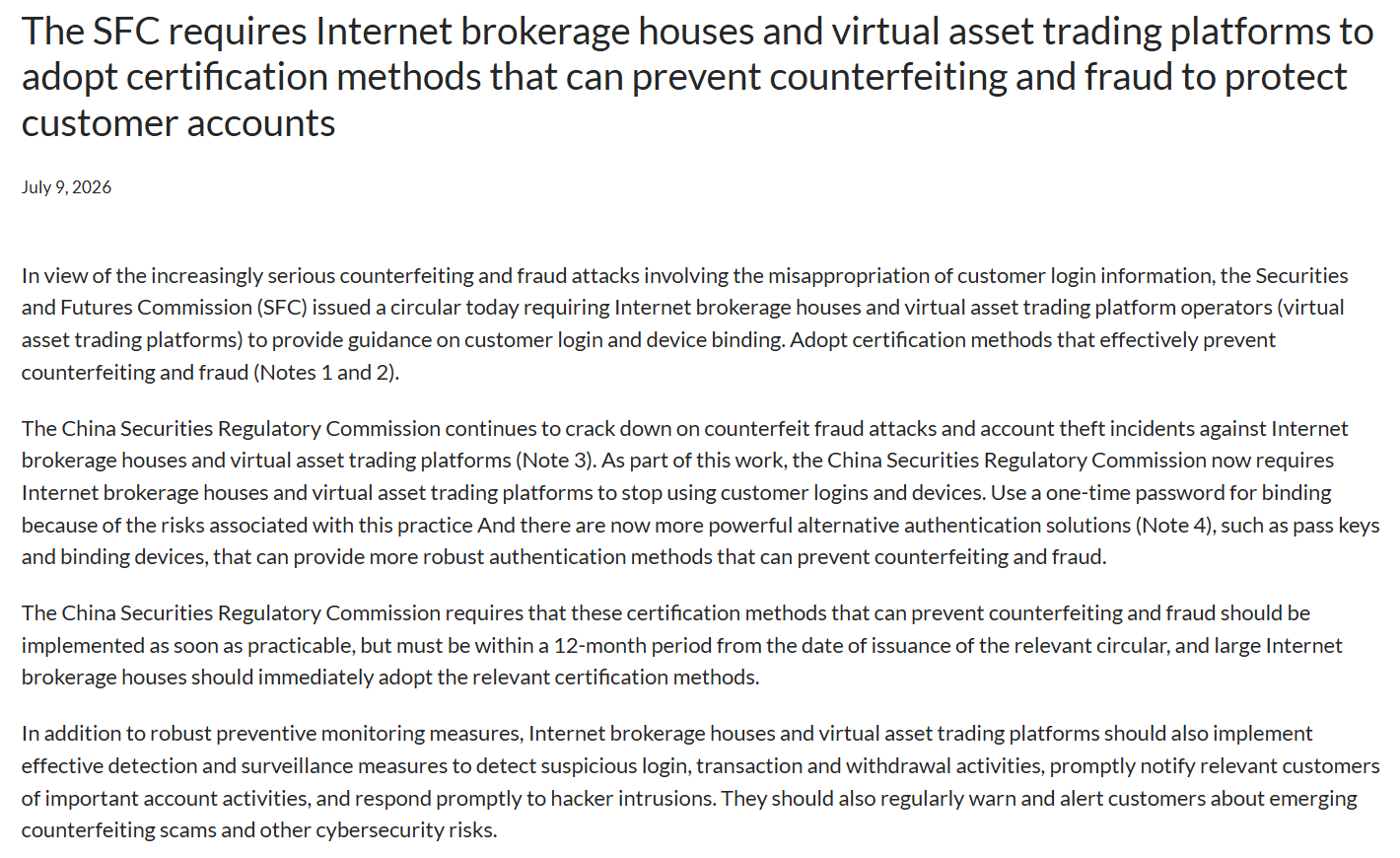
The Hong Kong Securities and Futures Commission (SFC) on Thursday issued new requirements for phishing-resistant authentication methods for virtual asset trading platforms (VATPs) and online brokers in the special administrative region.
The new standards require stronger phishing-resistant authentication methods and device binding while prohibiting the use of one-time passwords through SMS, email or app-based logins. Platforms must implement the changes within the next 12 months.
The requirements outlined stronger alternatives such as passkeys, registered devices with cryptographic verification and hardware security keys, which the SFC described as phishing-resistant solutions.
The measures raise Hong Kong’s cybersecurity standards as the global crypto industry saw an increase in phishing attacks and social engineering scams in the first quarter of 2026. Those types of incidents accounted for $306 million of the industry’s total losses of $482 million in the period.
Counterfeiting and fraud attacks accounted for 57% of the security incidents reported to the Hong Kong Cyber Security Accident Coordination Center in 2025, according to announcement.
“To protect customer accounts from increasingly complex and changing counterfeiting and fraud attacks, comprehensive measures must be implemented in conjunction with prevention, detection, response and education,” said Dr. Ye Zhiheng, executive director of the Intermediaries Department of the China Securities Regulatory Commission.
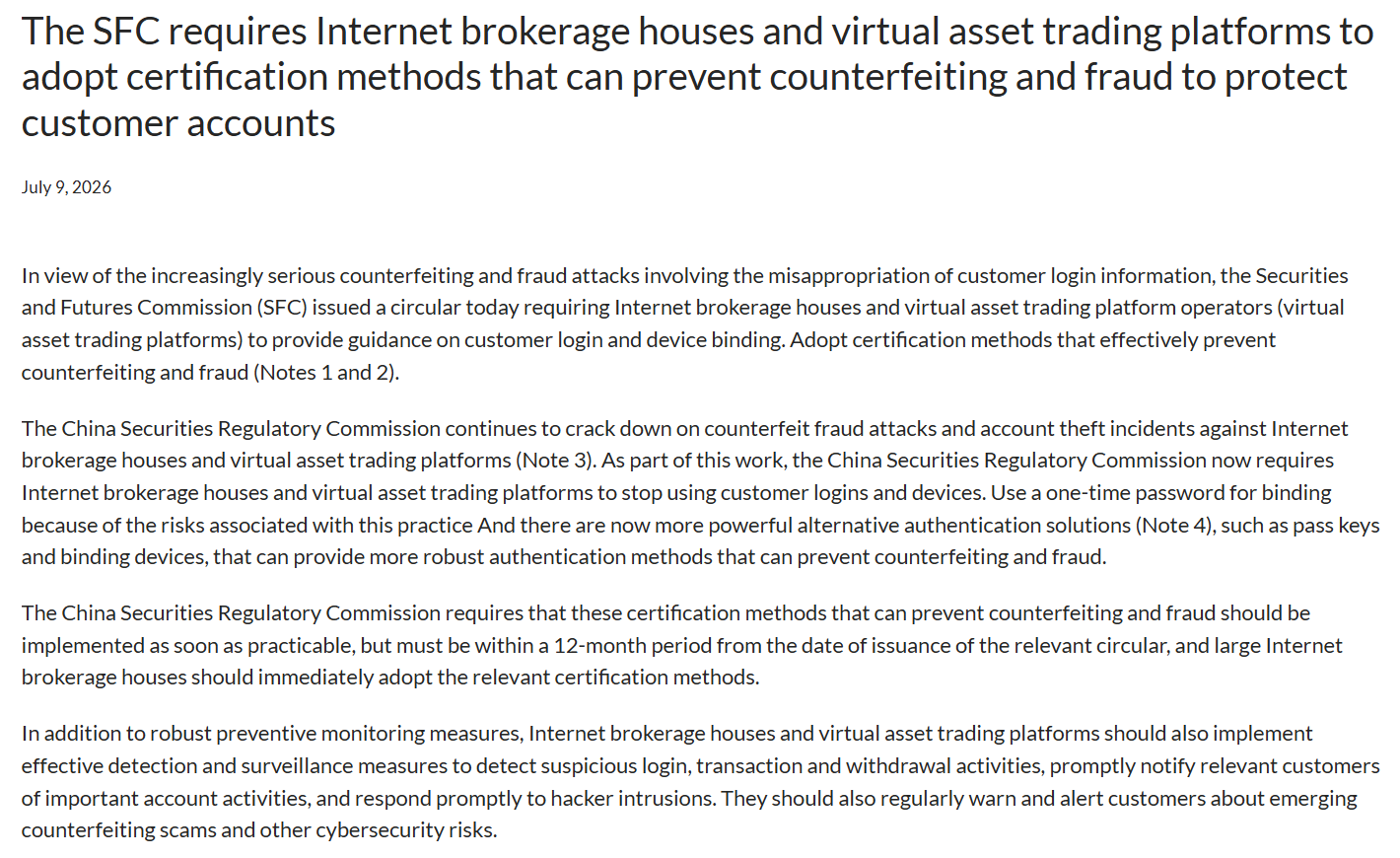
SFC issues new anti-phishing requirements for crypto platforms and online brokers. Source: apps.sfc.hk
Phishing attacks threaten crypto investor holdings
Phishing attacks and social engineering scams are a pressing global concern for the cryptocurrency industry.
On Wednesday, a crypto investor lost nearly $1 million after signing a malicious phishing token approval transaction on Ethereum, the latest reported incident of phishing scam-related crypto industry losses that totaled $366 million in the first half of 2026.
Earlier this month, a wallet holder reportedly lost $1.65 million after connecting to a fake exchange and signing a malicious contract in a similar incident, which enabled attackers to gain unlimited access to the funds, researcher Ryan Coleman said on Friday.
Related: Belgian police arrest suspected phishing gang leader tied to $572K theft
On May 25, onchain analyst “b-block” warned that scammers used Google to deploy malicious phishing ads impersonating decentralized exchange Uniswap, reportedly stealing more than $400,000 from victims.
Leading crypto industry figures, including Binance co-founder Changpeng Zhao, have previously called for better wallet security measures to avoid phishing scams, after an investor lost $50 million in an address poisoning scam in December 2025.
In May 2024, one victim lost $71 million to an address poisoning scam in an unusual case that ended with the attacker returning the full amount two weeks later. The reversal followed mounting pressure from investigators who claimed to have tracked the scammer’s potential IP address.
Magazine: Dubai tops Asian crypto hubs, Taiwan passes crypto laws: Asia Express
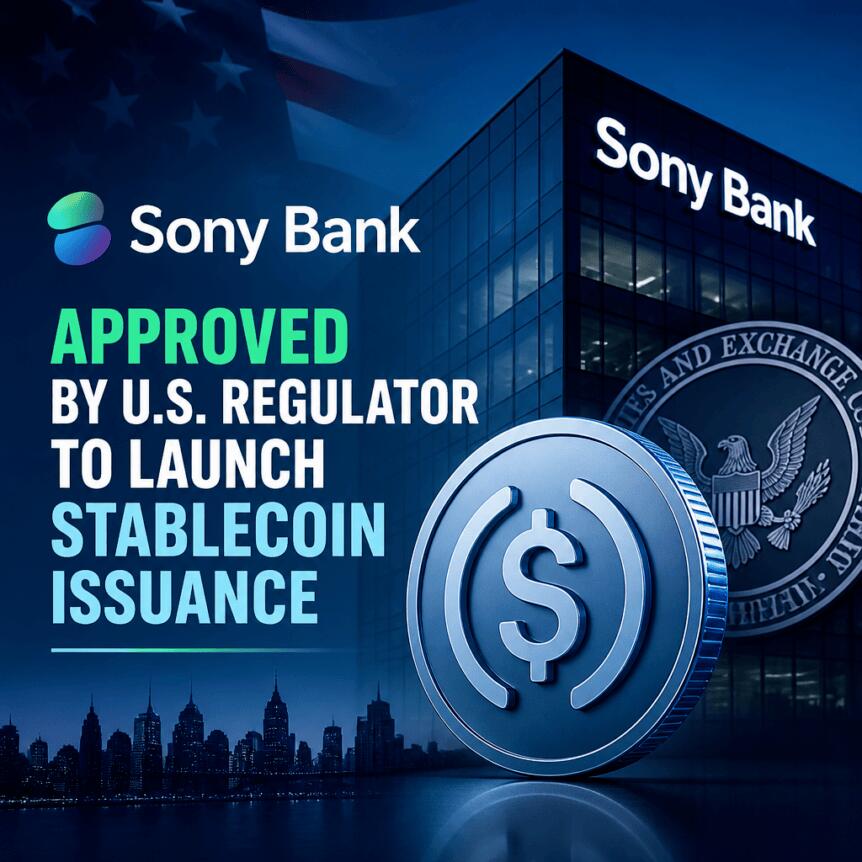
Sony Financial Group has taken a meaningful step toward entering the US stablecoin market through a newly planned, regulated banking subsidiary. Sony Bank said it received preliminary approval from the Office of the Comptroller of the Currency (OCC) to form a US national trust bank subsidiary that will be able to issue US dollar-denominated stablecoins.
According to an announcement from Sony Financial Group, the unit—Connectia Trust, National Association—would be fully owned by Sony Bank. Sony Financial Group also said the effort is backed by $40 million in starting capital and is intended to serve as a building block for a longer-term digital asset business foundation.
Key takeaways
- Sony Bank received preliminary approval from the OCC on July 2 to establish Connectia Trust, National Association.
- The planned subsidiary is designed to issue and manage US dollar-denominated stablecoins, but no activity can begin until final authorizations are obtained.
- Sony said it expects to launch the new stablecoin banking subsidiary later this month, subject to the remaining approvals.
- The move reflects a broader push by major banks to integrate stablecoin rails even as US legislation remains unsettled.
- Meanwhile, regulatory efforts around stablecoins—including the CLARITY Act—face political and industry friction that may affect how banks expand.
OCC preliminary nod for a Sony-controlled trust bank
Connectia Trust, National Association is the specific entity Sony Bank intends to create, with the company describing it as a US national trust bank subsidiary. The OCC preliminary approval is the first major regulatory milestone, but Sony emphasized that it will not conduct any business activities—including stablecoin issuance—until all required approvals and authorizations are secured, including the OCC’s final approval.
Sony Bank also indicated that it plans to launch the subsidiary this month. For investors and market participants, the practical takeaway is that Sony is positioning itself to operate within the US regulatory perimeter, rather than relying on offshore issuance models or non-bank pathways. Still, the timeline remains contingent on final OCC clearance, so readers should treat “this month” as conditional.
A regulated stablecoin plan—and the open question of product shape
The announcement frames the stablecoin initiative as part of Sony’s broader digital asset groundwork. The subsidiary would support the issuance and management of US dollar-denominated stablecoins, backed by Sony Bank and funded with $40 million in initial capital.
The company’s documentation did not, in the provided text, spell out whether Sony plans to launch a proprietary stablecoin or rely on existing stablecoin infrastructure. Cointelegraph reached out to Sony Bank for additional details on the business plan and whether a Sony-issued token would be involved, but did not receive a response by publication time.
That uncertainty matters: the regulatory and operational complexity can differ depending on whether a bank is issuing its own stablecoin versus integrating minting, redemption, and compliance workflows around a third-party token. What is clear is the direction—Sony is seeking an institutional role in US dollar stablecoin issuance through a trust bank structure.
Banks keep building stablecoin rails as US rules lag
Sony’s move lands in a moment when large financial institutions are increasingly experimenting with stablecoin-based settlement and onboarding—even as US regulatory clarity remains incomplete. Earlier coverage highlighted that Standard Chartered and Circle said they developed a system allowing institutions to mint and redeem USDC through a bank-led onboarding process. In their described model, clients can mint and redeem the US dollar-backed stablecoin via the bank’s platform rather than establishing separate accounts with Circle.
While the Sony plan concerns US dollar-denominated stablecoins more broadly, the parallel is instructive: banks appear willing to pursue stablecoin integration, provided they can align with supervisory expectations and operational controls. The key difference is that Sony is planning to issue and manage stablecoins itself through a regulated entity, which may require more internal infrastructure and governance than distribution-only integration models.
CLARITY Act uncertainty continues to shape timelines
Regulatory momentum in the US is still uneven. The CLARITY Act—one of the best-known efforts aimed at establishing a framework for certain digital asset activities—remains stalled. In the provided reporting, the bill is described as having cleared the Senate Banking Committee in May, but facing pushback from many Democrats and the banking industry.
Critics have raised concerns that the proposal could allow crypto firms to offer yields on stablecoins without subjecting them to the same requirements as traditional financial institutions. That tension has practical implications for how quickly banks and regulated issuers can expand certain revenue models around stablecoins.
Congressional scheduling also adds friction. The bill was set for a House of Representatives hearing on July 17, but Galaxy Digital’s head of research, Alex Thorn, warned that there may not be enough floor time before the Senate’s traditional four-week recess beginning Aug. 8. In a separate update referenced in the text, Galaxy cut its odds of the bill becoming law in 2026 to 50%.
Industry groups remain engaged. More than 200 crypto companies and related organizations urged the Senate to pass the CLARITY Act in a letter shared by Stand With Crypto. Separately, JPMorgan CEO Jamie Dimon, speaking to Fox Business in May, said banks will continue to “fight” the current version of the CLARITY Act and argued that firms wanting to offer yield-bearing products “should apply for banking charters.”
Taken together, the bank-led push to integrate stablecoins and the legislative gridlock point to a shared reality: institutions may be able to move forward faster where they can operate within existing banking frameworks, even while broader digital asset rules remain contested.
What to watch next
For Sony and the wider market, the next milestone is straightforward but crucial: final OCC approval for Connectia Trust, National Association and confirmation of what Sony intends to issue—whether a proprietary stablecoin or a narrower role in issuance and management. With the CLARITY Act still uncertain, the market will likely look to how banks translate regulatory permission into practical stablecoin products that can scale within US supervision.
Crypto World
Over $7.2 billion have migrated from LayerZero to Chainlink CCIP as Mantle joins exodus


More than $7.2 billion in cross-chain and wrapped assets have migrated from LayerZero to Chainlink’s Cross-Chain Interoperability Protocol (CCIP) since May, with Mantle becoming the latest project to replace LayerZero for high-value token transfers.
Mantle said it is migrating its Super Portal, which it co-developed with Bybit, from LayerZero’s Omnichain Fungible Token (OFT) standard to Chainlink’s Cross-Chain Token (CCT) standard.
LayerZero and Chainlink CCIP both let token holders move assets between blockchains, a basic requirement as crypto markets spread across competing networks.
The infrastructure matters because bridges between different blockchains have become one of crypto’s largest security risks, with a single failure able to expose hundreds of millions of dollars in user assets.
The portal enables transfers of the MNT token between Ethereum and Solana, with support for additional blockchain networks planned.
The migration includes MNT, the native token of Mantle’s network, which has more than $2.5 billion in value locked. Mantle’s move pushes the total value of announced migrations from LayerZero to Chainlink CCIP above $7.24 billion.


Key takeaways
- Arbitrum (ARB) rebounded above $0.081 after recovering losses from earlier in the week.
- Offchain Labs co-founder Steven Goldfeder announced that 10% of fees generated by Robinhood Chain and other Arbitrum Layer 2 networks will flow back into the Arbitrum ecosystem.
- The revenue-sharing model is expected to strengthen the DAO treasury, fund development, and enhance ARB’s long-term value.
Arbitrum (ARB) extended its recovery on Thursday, climbing above $0.081 after erasing losses recorded earlier in the week.
The rally followed a major announcement from Offchain Labs co-founder Steven Goldfeder, who revealed that a portion of transaction fees generated by Robinhood Chain and other Arbitrum Layer 2 (L2) networks will be redirected to the broader Arbitrum ecosystem.
The announcement has boosted investor confidence by highlighting a sustainable revenue model that could strengthen the network’s long-term fundamentals, while improving technical indicators suggest ARB may have room for further gains.
Robinhood Chain revenue-sharing strengthens Arbitrum ecosystem
In a post on X, Offchain Labs co-founder and Arbitrum developer Steven Goldfeder disclosed that 10% of fees collected by Robinhood Chain and every other Arbitrum Layer 2 chain are allocated back to the Arbitrum ecosystem.
As enterprise adoption is heating up, Arbitrum is well positioned to capture revenue.
10% of fees collected on Robinhood Chain (and every other Arbitrum L2) go to the Arbitrum ecosystem — 8% to the tokenholder controlled treasury and 2% to fund development.
And of course 100%…
— Steven Goldfeder (@sgoldfed) July 8, 2026
According to Goldfeder, 8% of those fees are directed to the tokenholder-controlled Arbitrum DAO treasury, while the remaining 2% is used to support ongoing network development.
He also noted that 100% of fees generated on Arbitrum One continue to flow directly into the Arbitrum treasury, further reinforcing the ecosystem’s long-term funding model.
The fee-sharing mechanism is viewed as a positive development for Arbitrum because it creates an ongoing source of revenue for governance, ecosystem expansion, and developer incentives. As enterprise adoption of Layer 2 networks accelerates, the model could significantly increase the value captured by the Arbitrum ecosystem over time.
Investors responded positively to the announcement, sending ARB more than 7% higher during Thursday’s trading session.
Technical outlook improves, but key resistance remains
ARB has recovered above $0.085, reversing the losses recorded over the previous three sessions.
However, the token still trades below several important moving averages, suggesting the broader trend has yet to turn decisively bullish.
The 200-day Exponential Moving Average (EMA) remains well above the current price at $0.1409, underscoring the longer-term bearish structure.
Meanwhile, momentum indicators are beginning to stabilize. The Moving Average Convergence Divergence (MACD) is showing signs of improving momentum, while the Relative Strength Index (RSI) is hovering near 50, indicating that selling pressure is easing without confirming a full bullish reversal.
The first major resistance zone sits between $0.0878 and $0.0891, where several technical barriers converge.
This area includes the 50-day EMA at $0.0878, a horizontal resistance level at $0.0883, and the 23.6% Fibonacci retracement level at $0.0891.
A successful breakout above this cluster could shift momentum further in favor of buyers and open the path toward the next resistance levels.
On the downside, the key support remains around $0.0705, which marks both the previous swing low and the primary Fibonacci support level.

Holding above this area would preserve the recent recovery. However, a daily close below $0.0705 could invalidate the current rebound and expose ARB to another leg lower despite improving momentum indicators.
For now, traders will be watching whether growing ecosystem revenues and stronger investor sentiment can help ARB break above the critical $0.09 resistance zone and build a more sustained recovery.

For years, decentralized finance (DeFi) has relied on a familiar playbook: launch a governance token, distribute generous rewards to liquidity providers, and watch capital pour in. The strategy fueled the explosive growth of DeFi during the 2020-2022 boom, creating billions of dollars in Total Value Locked (TVL) almost overnight.
But there was one major problem.
Much of that liquidity wasn’t loyal—it was rented.
As soon as rewards declined or another protocol offered higher yields, capital quickly migrated elsewhere. This phenomenon, often called “mercenary capital,” exposed a harsh reality: many DeFi protocols weren’t attracting users because of their products—they were attracting them by paying them.
Now, as the industry matures, a new question is taking center stage:
Can DeFi survive without token incentives?
The answer could determine which protocols become lasting financial infrastructure—and which fade away when emissions dry up.
The Emissions Era
Liquidity mining changed crypto forever.
Protocols like Compound, Aave, SushiSwap, Curve, and dozens of others rewarded users with newly minted governance tokens simply for supplying liquidity or borrowing assets.
The model worked because:
- TVL increased rapidly.
- Higher TVL attracted more users.
- More users increased visibility.
- Token prices often appreciate.
- Everyone appeared to win.
But underneath the surface, the economy was fragile.
Every reward distributed represented dilution.
Unless a protocol generated enough revenue to offset emissions, value slowly leaked from existing token holders to short-term farmers.
Eventually, many protocols entered a familiar cycle:
High APY → Liquidity Flood → Rewards End → Liquidity Leaves.
This became one of DeFi’s biggest structural weaknesses.
Liquidity Is Not Product-Market Fit
One of crypto’s biggest misconceptions is equating TVL with success.
A protocol can have billions locked while generating very little real economic activity.
Conversely, a protocol with modest TVL but strong revenue may have a healthier long-term business model.
True product-market fit means users stay because the protocol solves a real problem—not because they’re temporarily subsidized.
Examples include:
- Traders seeking the best execution.
- Businesses need stablecoin liquidity.
- Institutions require transparent settlement.
- Developers are integrating reliable infrastructure.
- Users pay for convenience, security, or privacy.
In these cases, demand exists independently of token rewards.
That’s a much stronger foundation.
Revenue Is Becoming More Important Than Emissions
Increasingly, investors are evaluating protocols less by TVL and more by revenue generation.
Questions are shifting toward:
- Does the protocol generate sustainable fees?
- Are users willing to pay for the product?
- Can revenue cover operational costs?
- Is token value linked to real cash flow?
These metrics resemble traditional business analysis more than speculative token investing.
The market is slowly rewarding protocols that operate like businesses rather than perpetual incentive machines.
Protocols Built Around Real Demand
Several categories of DeFi already demonstrate that sustainable demand can exist without relying entirely on emissions.
Decentralized Exchanges
Users trade because they need liquidity.
Trading fees—not inflation—become the primary economic engine.
Higher trading volume naturally increases protocol revenue.
Lending Markets
Borrowers care about capital access.
Lenders care about stable returns.
Neither necessarily depends on governance token rewards if interest rates remain competitive.
Stablecoin Infrastructure
Payments, settlements, payroll, and treasury management create recurring demand.
These activities happen because they’re useful—not because someone is farming incentives.
Cross-Chain Infrastructure
Bridges, interoperability layers, and messaging protocols generate demand whenever users move assets across ecosystems.
The service itself provides value.
Privacy Infrastructure
Privacy-focused protocols solve real user needs, including financial confidentiality, business privacy, and secure transactions.
As regulatory frameworks evolve, privacy solutions with legitimate compliance features may see increasing demand from both individuals and institutions.
The Difference Between Subsidized Growth and Organic Growth
Imagine opening two coffee shops.
The first gives every customer $20 just for walking in.
The second simply serves excellent coffee.
Initially, the first shop will appear far busier.
But once the giveaways stop, many customers disappear.
The second shop may grow more slowly, but its customers return because they genuinely value the product.
Many DeFi protocols have resembled the first coffee shop.
The next generation aims to become the second.
Organic demand compounds over time.
Subsidized demand disappears when the subsidies end.
Incentives Are Not the Enemy
This doesn’t mean token incentives are inherently bad.
Incentives can be extremely effective when used strategically.
They can:
- Bootstrap early liquidity.
- Reward long-term contributors.
- Encourage ecosystem development.
- Align community participation.
The problem arises when incentives become the product rather than supporting it.
Healthy protocols eventually reduce dependence on emissions as natural demand grows.
The Next Competitive Advantage
As DeFi becomes more efficient, protocols may increasingly compete on:
- Better user experience
- Lower transaction costs
- Faster execution
- Higher security
- Regulatory readiness
- Reliable revenue generation
- Strong developer ecosystems
These are advantages that cannot be easily copied by simply increasing APYs.
A More Sustainable Future
The industry’s focus is gradually shifting from “How high is the yield?” to “Where does the yield actually come from?”
That’s an important evolution.
Protocols that earn revenue through genuine usage are more likely to weather bear markets, attract institutional participants, and build durable ecosystems.
Liquidity earned through utility tends to last longer than liquidity rented through emissions.
Final Introspections
Token incentives played a critical role in bootstrapping DeFi, helping transform a niche experiment into a global financial ecosystem. However, long-term sustainability will depend less on how many tokens a protocol distributes and more on whether people genuinely need the services it provides.
The next generation of DeFi winners may not be the protocols offering the highest APYs—they may be the ones delivering products users are willing to pay for, even when rewards disappear.
In the end, sustainable finance isn’t built on endless emissions. It’s built on creating real value that keeps users coming back long after the incentives are gone.
REQUEST AN ARTICLE

Peter Schiff used his podcast this week to argue that BTC holders are ignoring what Strategy’s decision to sell some of its stack means for the asset.
According to him, the company built by Michael Saylor was the real floor under Bitcoin’s price, and that floor is now gone.
Schiff Says Strategy’s Selling Exposes the Real Backbone of Crypto
In the hour-long episode aired on YouTube on July 9 and covering everything from the reported collapse of the Iran peace deal to the DOGE shutdown, Schiff claimed that Bitcoin supporters were being willfully blind to Strategy’s changing role in the market. According to him, the firm’s buying had become a major source of demand that helped support BTC’s price.
“Bitcoiners are delusional right now, or in denial about what’s happening with Strategy,” he said. “They do not understand how important Strategy has been to Bitcoin, to the whole ecosystem, the whole industry, because it has provided all of that buying that not only put a floor beneath Bitcoin and kept it going up, but legitimized it in the eyes of the financial community.”
However, that dynamic, in Schiff’s opinion, has now changed after the company recently sold 3,588 BTC for some $216 million instead of adding to its holdings. Furthermore, the economist noted that Strategy disposed of the stash at an average price of about $60,000 after buying them for roughly $75,000, meaning it had booked a loss of around $15,000 on each of them.
The issue, though, isn’t even the “huge loss,” as Schiff put it, that Saylor suffered from the sale, but rather the mental effect that selling will have on the community.
“It’s not just that he’s not buying or that he’s selling; it’s the psychology,” he insisted.
The crypto critic then suggested that Saylor will sell a lot more of Strategy’s Bitcoin, possibly all of it at some point, to “lower his exposure to raise his cash so he can keep on paying the dividends.”
He also flagged the company’s preferred shares, which were trading around $86 despite a dividend hike to 12%, as a sign that investors no longer had confidence in BTC.
“The game is over, and the market is telling you that the confidence is not there anymore,” Schiff told listeners. “All the hype didn’t pan out, or whatever had panned out has already panned, and now it’s just about the last man out.”
Other Analysts Are Reading the Same Sale Very Differently
Not everyone sees Strategy’s decision to sell as bearish. For example, Zach Pandl, Grayscale’s head of research, recently argued that the sale could restore confidence in the firm’s financing structure instead of damaging BTC’s long-term outlook.
He noted that Strategy still owned $53 billion in Bitcoin against a $7 billion debt, while its cash reserves have increased to around $2.55 billion, which is enough to cover 17 months of dividend payments.
Another industry observer, HashKey Group Senior Researcher Tim Sun, made a similar point, telling CryptoPotato that a slower Strategy could actually help Bitcoin build a healthier price floor based on organic demand instead of financing-driven buying.
Meanwhile, Bitwise’s Matt Hougan expects Strategy to matter less as a buyer in the next cycle, with institutions like Morgan Stanley and Wells Fargo potentially taking over as the OG cryptocurrency’s main source of demand.
The post Peter Schiff: Bitcoiners Are In Denial About Strategy’s BTC Sale appeared first on CryptoPotato.
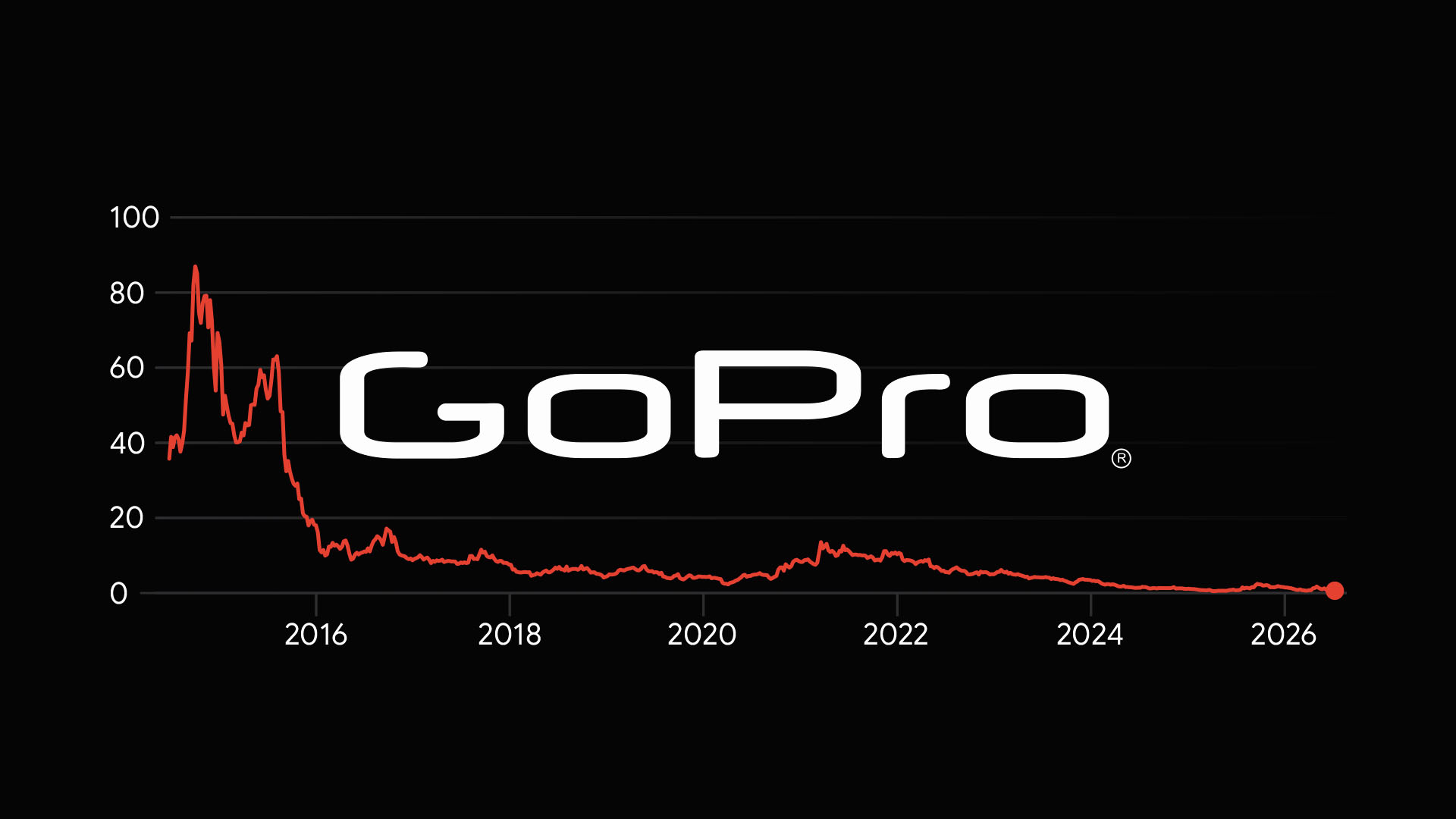
GoPro, the action camera maker once worth more than $10 billion, just announced that founder Nicholas Woodman will extend $20 million in financing to keep his company afloat.
That’s the Nicholas Woodman who previously made over $284 million in a single 12-month span, making him the highest paid chief executive in the US that year.
Still a billionaire today, thanks to years of GoPro stock and compensation, Woodman is slowly becoming its lender of last resort.
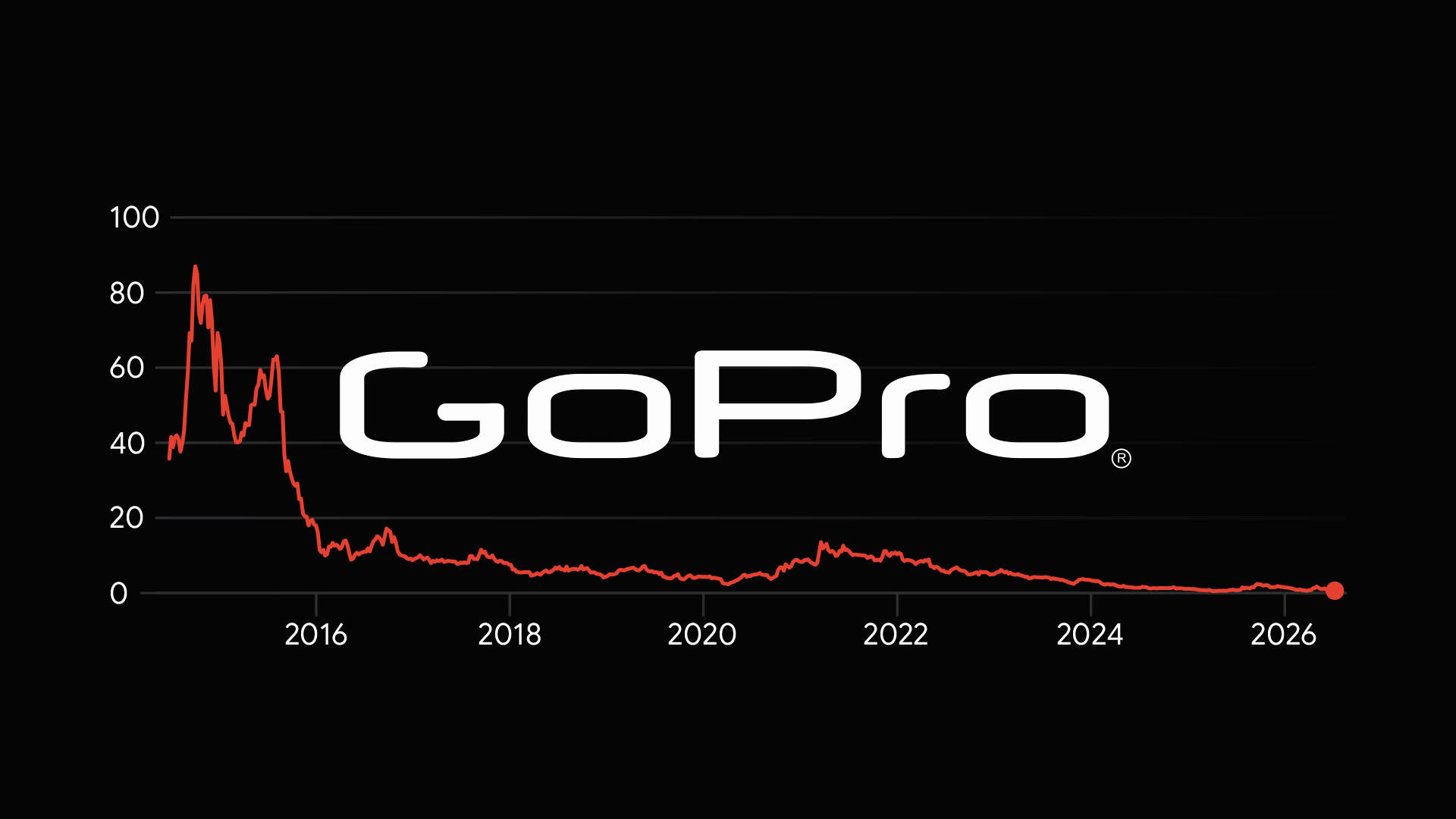
As a condolence for presiding over a 99% stock decline from the company’s peak, he’s returning a fraction of the fortune he made to keep things running.
Through entities affiliated with Woodman, he’s agreed to hold $20 million in senior secured notes plus warrants to purchase Class B shares, the class that already gives him majority voting control.
Woodman framed it as a vote of confidence. “My financing reflects my enthusiasm for GoPro and its several go-forward opportunities,” he said in the announcement, adding that an independent board committee had reviewed a range of financing options and concluded the structure offered the most favorable terms for GoPro and its shareholders.
GoPro was trading above $98 per share on October 7, 2014. It closed yesterday at $0.73, a decline of 99%.
From highest-paid CEO to lender of last resort
Even by 2014 standards, Woodman’s executive compensation package was extraordinary.
Woodman received 4.5 million restricted stock units three weeks before GoPro’s June 2014 initial public offering (IPO), a grant worth $284 million by the end of that year and enough for him to rank #1 on Bloomberg’s Pay Index.
His personal fortune tracked the hype for affordable cameras for sports and outdoor content creators, peaking near $3.9 billion per the 2014 edition of the Forbes 400.
The delta between then and now, however, defines that story.
GoPro shareholders made Woodman a billionaire. Now, those same shareholders are relying on him to fund operations.
By 2018, GoPro had already cut Woodman’s salary to $1. The gesture was supposed to look humble and sacrificial, except for people who remembered that his GoPro stock and compensation would keep him a billionaire.
Read more: This penny stock pivoted to Solana and Hyperliquid and lost 99.9%
Declining numbers and a bailout
GoPro stock is down roughly 48% year-to-date and more than 93% over the past five years. The company’s market cap is now approximately $123 million or less than a single year of Woodman’s peak executive compensation.
Revenue has also declined by from $1.6 billion in 2015 to roughly $650 million in 2025.
GoPro earned $128 million in 2014. After years of losses, its shareholder equity had turned negative by the first quarter of 2026.
The rescue attempts kept coming. The company borrowed $50 million from Farallon Capital Management in August 2025, then Woodman’s family trust bought $2 million of stock in November.
In May 2026, the board launched a review of strategic alternatives. By June 2026, an SEC filing carried a going-concern warning.
Woodman’s $20 million is the latest patch, and this time the capital comes directly from the founder.
Got a tip? Send us an email securely via Protos Leaks. For more informed news and investigations, follow us on X, Bluesky, and Google News, or subscribe to our YouTube channel.

Key takeaways
- Hyperliquid (HYPE) has fallen for four straight days as retail demand weakens amid broader crypto market uncertainty.
- Futures open interest and trading volume have declined, signaling lower speculative activity.
- Institutional interest remains strong, with HYPE ETFs attracting $16.08 million in weekly inflows.
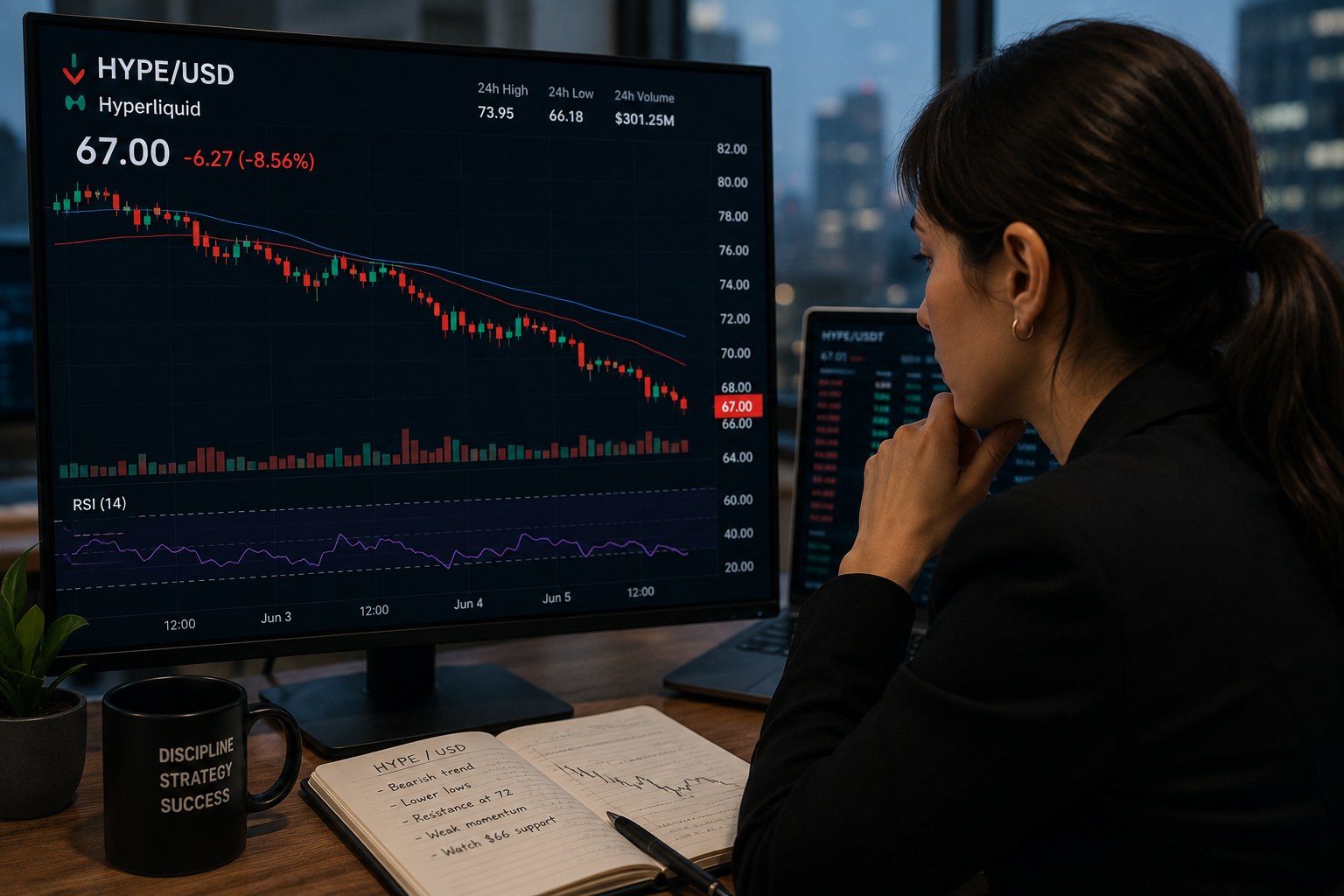
Hyperliquid (HYPE) remains under pressure for the fourth consecutive trading session as retail traders reduce exposure amid growing geopolitical uncertainty and a broader risk-off mood across the cryptocurrency market.
While short-term sentiment has cooled, institutional investors continue to accumulate exposure, and activity within Hyperliquid’s Real World Asset (RWA) ecosystem remains robust. These factors continue to support the token’s longer-term bullish outlook.
Technical indicators also suggest that a decisive breakout above the $75-$77 resistance area could reignite buying momentum and potentially push HYPE toward the psychological $100 level.
Retail traders step back as market sentiment weakens
Retail participation in Hyperliquid has softened as investors become increasingly cautious amid renewed tensions in the Middle East, which have dampened appetite for risk assets.
According to CoinGlass data, HYPE futures open interest declined to $2.68 billion, indicating a modest reduction in leveraged positions.
Meanwhile, derivatives trading volume dropped 29% over the past 24 hours to $1.99 billion, highlighting weaker short-term market participation.
Despite the slowdown, bullish positioning has not disappeared entirely. The funding rate eased slightly to 0.0065% from 0.0078% a day earlier, remaining in positive territory.
Positive funding rates generally indicate that long-position holders are still willing to pay a premium, suggesting optimism persists despite the recent pullback.
Overall, derivatives data points to a cautious market where traders are waiting for greater clarity before making aggressive directional bets.
While retail demand has cooled, institutional investors continue to show confidence in Hyperliquid.
HYPE-focused exchange-traded funds (ETFs) attracted $3.33 million in fresh inflows on Wednesday, bringing total weekly inflows to $16.08 million.
The steady capital inflows suggest larger investors remain optimistic about the project’s long-term growth prospects.
At the same time, Hyperliquid’s HIP-3 ecosystem—which supports perpetual contracts tied to tokenized Real World Assets (RWAs)—continues to gain momentum.
Open interest across HIP-3 products climbed to $3.10 billion, while trading volume increased 40% over the past 24 hours and 28% over the past month.
Revenue has also remained stable at roughly $10 million over the past four weeks, reflecting sustained user activity and growing demand for RWA-based trading products.
These metrics reinforce the view that institutional adoption and expanding utility remain key drivers behind Hyperliquid’s long-term bullish narrative.
Technical analysis: $75-$77 remains the key breakout zone
From a technical standpoint, Hyperliquid is undergoing a healthy correction while preserving its broader uptrend.
The token is approaching a rising support trendline near $66.54, an area that continues to underpin the current market structure.
More importantly, HYPE remains comfortably above both its 50-day Exponential Moving Average (EMA) at $62.53 and the 200-day Exponential Moving Average (EMA) at $48.33.
Holding above these major moving averages indicates that buyers still maintain control of the longer-term trend.
The primary resistance lies between $75.76—the June 1 swing high—and the R1 Pivot level at $77.09. Together, these levels form the upper boundary of an ascending triangle, a chart pattern that often precedes bullish breakouts.
A successful move above this resistance zone could open the door to the next upside targets: R2 Pivot at $89.14, and the R3 Pivot: $101.35
If bullish momentum accelerates, the psychological $100 level could become a realistic near-term objective.
Technical momentum indicators continue to favor the bulls despite the recent correction. The Moving Average Convergence Divergence (MACD) remains above its signal line, indicating that bullish momentum has not been fully lost.
Meanwhile, the Relative Strength Index (RSI) sits around 42, just below the neutral zone. This suggests there is still room for additional upside if buying pressure returns.
Together, these indicators reflect neutral-to-positive momentum rather than a shift toward a bearish trend.
Although the broader outlook remains constructive, traders should monitor downside support levels closely.
If HYPE loses the 50-day EMA at $62.53, sellers could push prices toward the S1 Pivot level at $52.83.

A deeper correction could eventually test the 200-day EMA at $48.33, which continues to represent the foundation of Hyperliquid’s longer-term bullish market structure.
As long as HYPE remains above these critical support levels, the broader uptrend remains intact despite ongoing short-term volatility.
Crude oil price has jumped back to $74 a barrel after a fragile Iran ceasefire collapsed this week. Fresh tanker attacks near the Strait of Hormuz revived fears over the world’s most important oil chokepoint, and crude oil prices spiked in response.
But the bounce did not catch everyone off guard. The last trading data before the truce broke shows big players were already betting on higher prices. A tiny corner of the crypto market, courtesy of the WTI Coin flashed the same signal.

Big Traders Were Buying the Oil Price Dip
The futures market may have called the move first. Each week, a US regulator publishes the Commitments of Traders (COT) report, which shows who holds oil futures and on which side.
Want more insights like this? Sign up for Editor Harsh Notariya’s Daily Newsletter here.
As of June 30, oil was still sliding toward $68 on fears of a supply glut. Yet large speculators added 1,722 long contracts and cut 1,020 shorts that week, lifting their net long above 23,700.

Meanwhile, total open interest rose by 3,568 contracts to 222,308. Rising bets into a falling price mean fresh money was moving in, not rushing out.
Small traders (the non-reportable lot) did the opposite. They added 5,490 short contracts against just 1,053 longs, a one-sided bet the rebound days later punished.
A Tokenized Barrel Sent the Same Message
The same conviction showed up on-chain, in a corner almost nobody watches. On-chain oil now trades in two very different ways, one huge and one tiny.
The huge one is a Hyperliquid perpetual contract, a pure price bet settled in stablecoins with no oil behind it, not actually backed. It clears more than $1 billion on busy days, at times trading second only to Bitcoin.
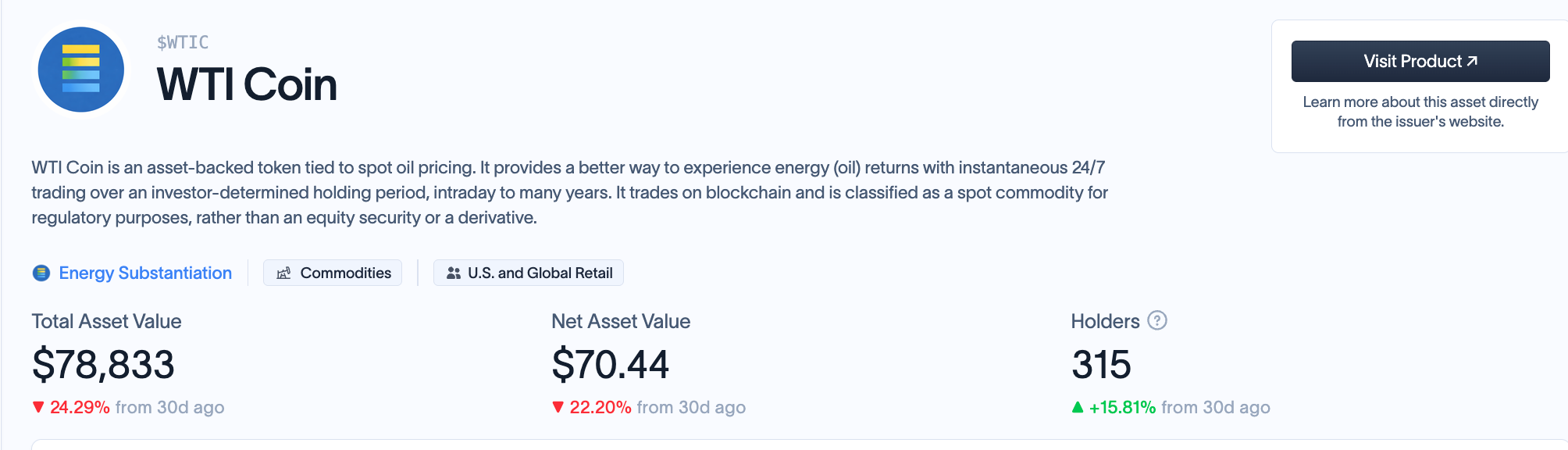
The tiny one is WTIC, a token backed by a real, redeemable barrel of oil. It holds just $79,000 in value, yet it is the only backed oil token tracked by data site rwa.xyz.

That gap is its own story. But the backed token matters here for one reason, because it is public and trades 24/7, so anyone can watch its buyers move.
Small Buyers Bought the Same Dip
In June, those buyers moved just like the futures giants. As crude slid, WTIC’s holder count jumped from 27 to 267 in five days.
In other words, the small on-chain buyers and the large speculators in the COT report leaned long into the very same sell-off. Both were buying while prices fell.
The tape then flashed one last clue. A single $367,000 transfer hit on July 3, the largest in months, before flows went quiet over the July 4 holiday.

Both signals had turned bullish. Days later, the trigger arrived, the US-Iran escalation.
What Happens Next for WTI Crude Oil Prices
That trigger was the ceasefire falling apart. On July 7 and 8, tanker attacks and US strikes hit near the Strait of Hormuz, and Washington reimposed sanctions it had eased under a 60-day oil license.
WTI crude oil ripped from about $68 to $74, and on-chain flows woke up alongside it. Both the futures longs and the tokenized-oil buyers had guessed right.

Still, the on-chain signal comes with warnings. WTIC is tiny, one wallet holds most of the supply, and it is not regulated, so treat it as an early clue, not proof.

For now, the Strait of Hormuz is the switch for oil prices. More attacks could push crude toward its war-premium highs near $100, while a lasting ceasefire would drag it lower.
The post Crude Oil Jumped to $74, and a Tiny Crypto Token Saw It Coming appeared first on BeInCrypto.


Singapore’s state-owned investment firm, Temasek Holdings, said it will prioritize AI investments over crypto due to regulatory uncertainty and the lingering impact of a $275 million write-off from the collapse of crypto exchange FTX in 2022.
The firm, with an investment portfolio valued around 518 billion Singapore dollars ($400 billion), plans to increase its AI exposure from 6% of its portfolio in the first quarter of 2026 to 15% by 2031, Nagi Hamiyeh, president of Temasek Global Investments, told CNBC on Wednesday The AI investment cycle has just begun and will continue for decades, he said, while cautioning that valuations in some parts of the industry have run ahead of fundamentals.
Temasek, the state’s largest investment vehicle after GIC Private Ltd., is still dealing with the hit it took following the collapse of FTX. That implosion and other failures exposed weak consumer protections in Singapore, prompting the central bank, the Monetary Authority (MAS), to swing toward stricter supervision, a move that resulted in higher compliance costs and slower licensing, among other challenges.

Hong Kong Regulator Orders New Anti-Phishing Measures for Crypto Platforms

The House Opinion Article | Space is the sovereignty we can’t afford to ignore
The Vikings Have 5 Red Flags in 2026


-

 Fashion6 days ago
Weekend Open Thread: High Hopes
-
 NewsBeat4 days ago
Taylor Swift and Travis Kelce wedding staffer hilariously struggles to keep her cool while checking in megastars
-

 Fashion3 days ago
Open Thread: What Great Books Have You Read Recently?
-

 Crypto World6 days ago
Standard Chartered Secures MiCA License as ESMA Adds 37 New Crypto Firms
-

 Politics6 days ago
The House | “Reframing the debate from a binary discussion of winners and losers”: Yuan Yang reviews ‘We Are Not Machines’
-

 News Videos2 days ago
Whats Hidden Inside This Cash Register? #treasure #reselling #money
-
 Tech2 days ago
Anthropic’s new “J-lens” reveals a silent workspace inside Claude that mirrors a leading theory of consciousness
-

 Business3 days ago
AXT Shares Jump Nearly 14% as Semiconductor Materials Maker Rebounds on AI-Linked Indium Phosphide Demand
-

 Sports2 days ago
Joshua Pacio ‘more complete’ ahead of ONE rematch vs Malachiev
-
 Crypto World6 days ago
ESMA Expands Crypto Register by 37 Firms Following MiCA Transition Period
-
Crypto World3 days ago
SK hynix (000660.KS) Stock Dips as $28B Nasdaq ADR Offering Drives AI Memory Expansion
-

 Crypto World4 days ago
South Africa proposes crypto tax guidance under existing rules
-

 News Videos3 days ago
Best Time to Enter Small Caps Right Now? Another Bull Run? | Financially Free
-

 Tech4 days ago
Lenovo laptops are now shipping with YMTC SSDs, a sign of Chinese NAND entering the mainstream
-

 Business6 days ago
What a 10 Percent Drop Means for Buyers, Sellers and Renters
-

 Fashion2 hours ago
Loro Piana Fall 2026 Enters Houston’s Art Scene
-
Sports2 days ago
We have punished the disrespect
-

 Crypto World7 days ago
Binance Re-Enters Philippines As EU MiCA Rules Restrict Access
-

 News Videos3 days ago
Avoid entering in FOMO #bitcoin #cryptocurrency #trading #scalping
-

 Crypto World6 days ago
Alibaba bans Claude Code over alleged backdoor security concerns
You must be logged in to post a comment Login