Crypto World
BlackRock is betting billions that tokenized funds will do for Wall Street what the internet did to mail

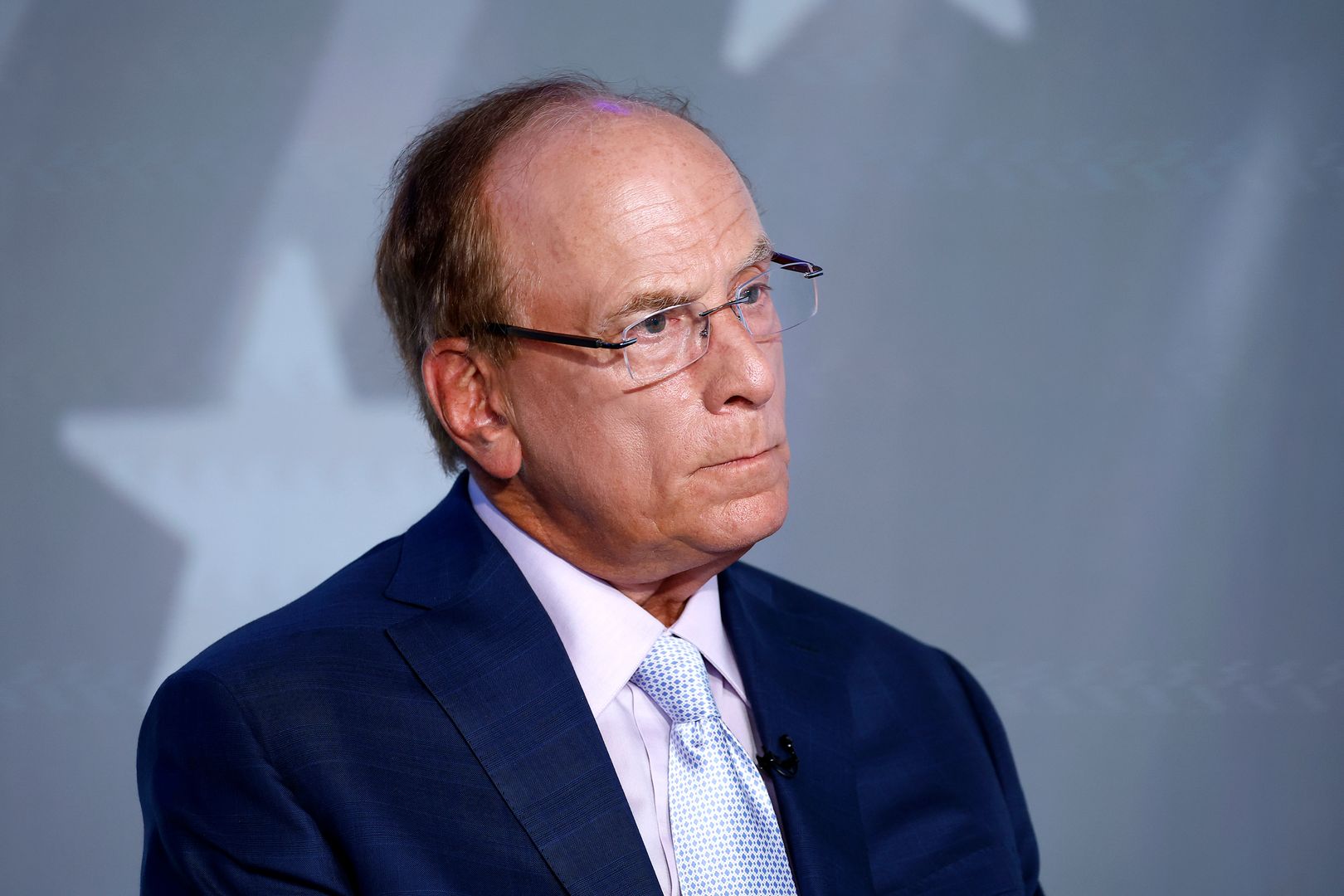

BlackRock Chairman and CEO Larry Fink used his annual letter to shareholders to argue that digital assets and tokenization could help update the financial system, even as he warned that the U.S. economic model is leaving too many people behind.
In the letter, Fink said the current system has delivered most of its gains to people who already own assets, while many workers have been shut out of market growth. He tied that imbalance to a wider problem in the U.S., where rising inequality, high government debt and weak participation in capital markets are putting pressure on the old model of finance.
“Capitalism is working—just not for enough people,” Fink wrote.
His proposed fix centered on tokenization and digital distribution as tools to expand access to investing and make markets run better.
Tokenization, Fink said, could “update the plumbing of the financial system” by making investments easier to issue, trade and access.
The idea is simple: If ownership of assets is recorded on digital ledgers, moving a fund share, bond or other security could become faster and cheaper. In practice, that would allow a regulated digital wallet to hold not just payments, but also tokenized bonds, ETFs and fractional interests in assets such as infrastructure or private credit.
“Half the world’s population carries a digital wallet on their phone,” Fink wrote. “Imagine if that same digital wallet could also let you invest in a broad mix of companies for the long term—as easily as sending a payment.”
Fink compared tokenization today to the internet in 1996, arguing that it will not replace traditional finance overnight, but could gradually connect old and new systems. He said policymakers should focus on building that bridge “as quickly and safely as possible” and called for clear buyer protections, counterparty-risk standards and digital identity checks to reduce illicit finance risks.
The comments add to BlackRock’s broader push into digital assets. In the same letter, Fink said the firm had built “early leadership” in the space, citing nearly $150 billion in assets connected to digital markets.
BlackRock’s USD Institutional Digital Liquidity Fund (BUIDL) is the largest tokenized fund in the world, and the firm also manages $65 billion in stablecoin reserves and nearly $80 billion in digital asset exchange-traded products.
Still, much of the letter focused on deeper stresses in the U.S. financial system. Fink warned that banks, corporations and governments can no longer fund large economic shifts on their own, especially as the country tries to rebuild manufacturing capacity, expand energy supply and compete in artificial intelligence.
He also argued that Social Security remains a critical safety net but may need structural reform, including some exposure to long-term market returns, to remain sustainable.
For Fink, tokenization sits inside that bigger picture. It is not a bet on hype, but a bet that better rails could help more people become investors rather than bystanders.
His broader message was that finance needs an upgrade, and that digital assets may become part of that overhaul.
You must be logged in to post a comment Login