
Crypto World
Coinbase files to bring single-stock perpetual futures to US market

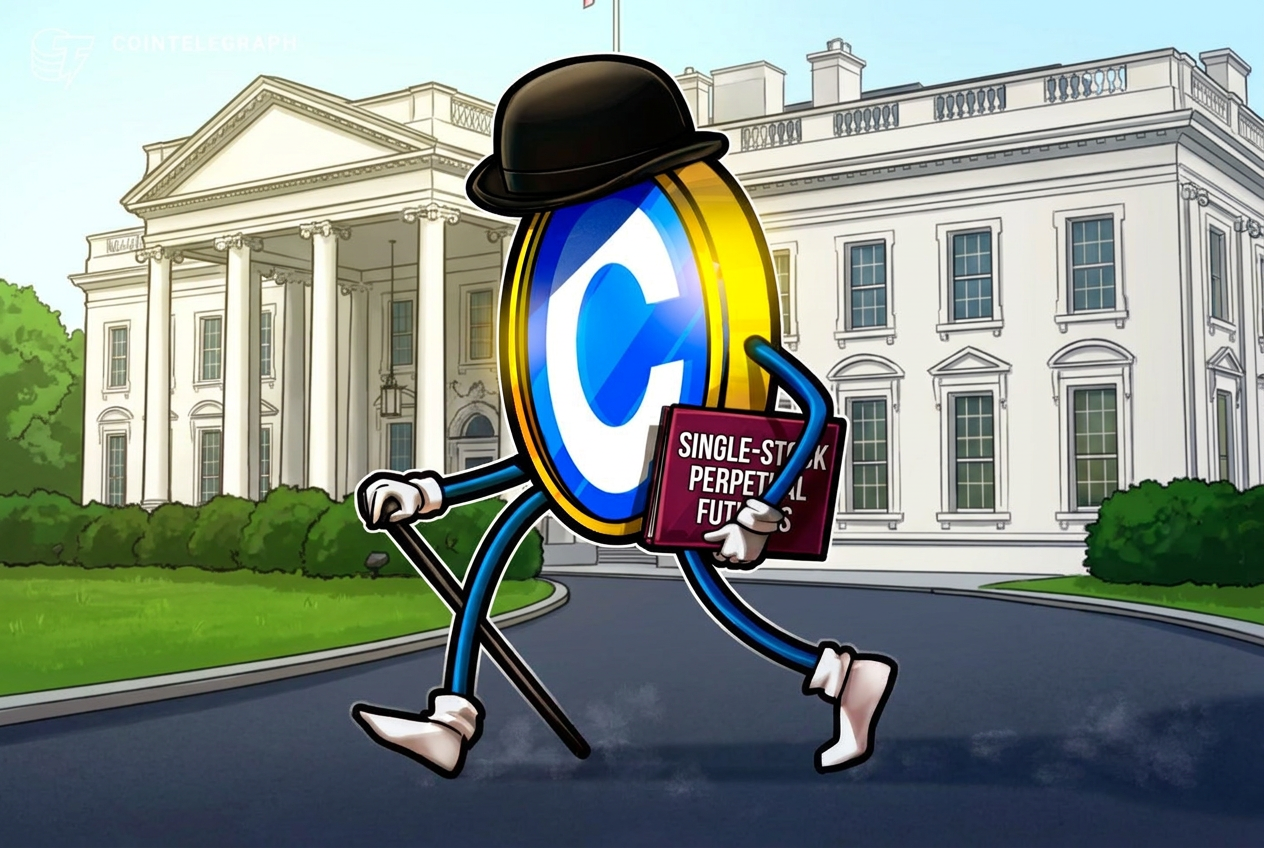
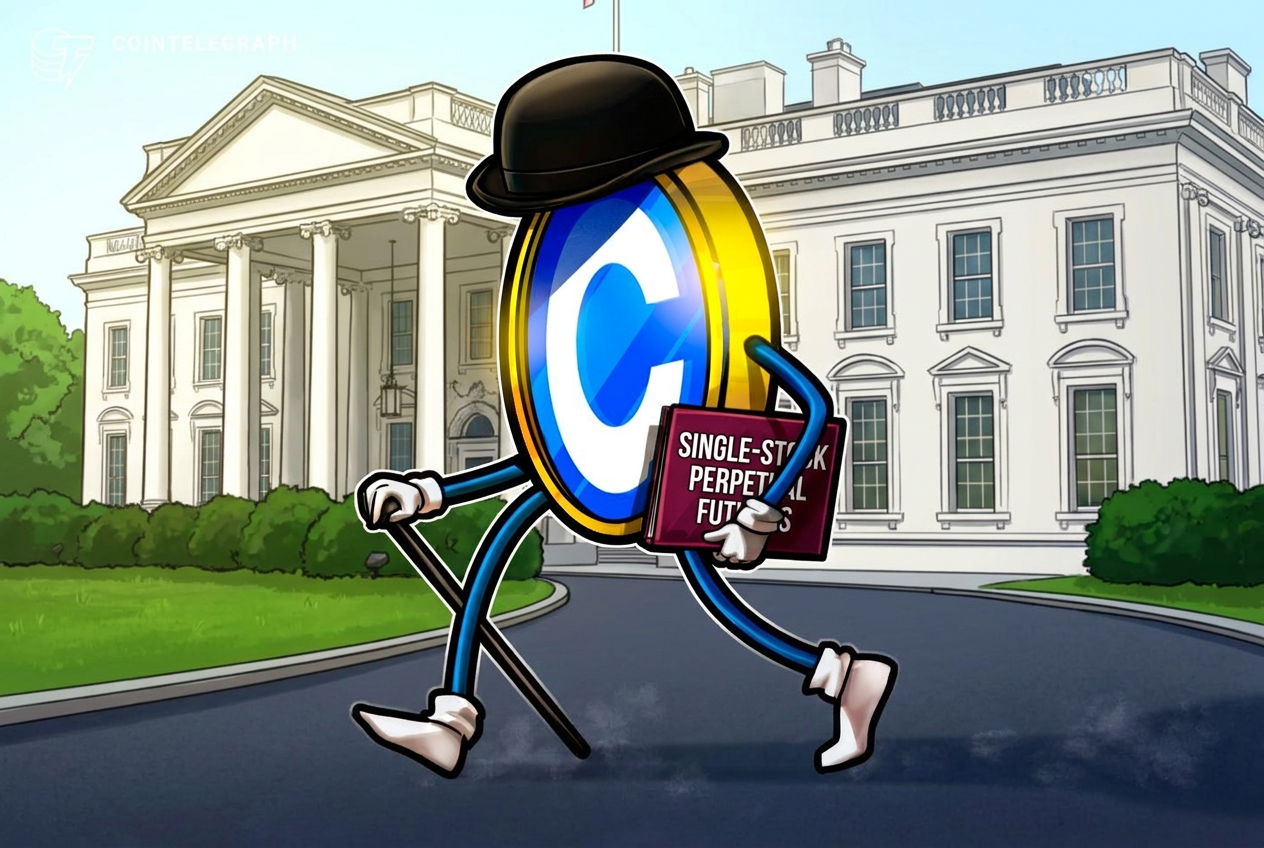
Coinbase wants to bring 24/5 perpetual futures trading to individual US stocks, with its proposed contracts now awaiting regulatory approval.

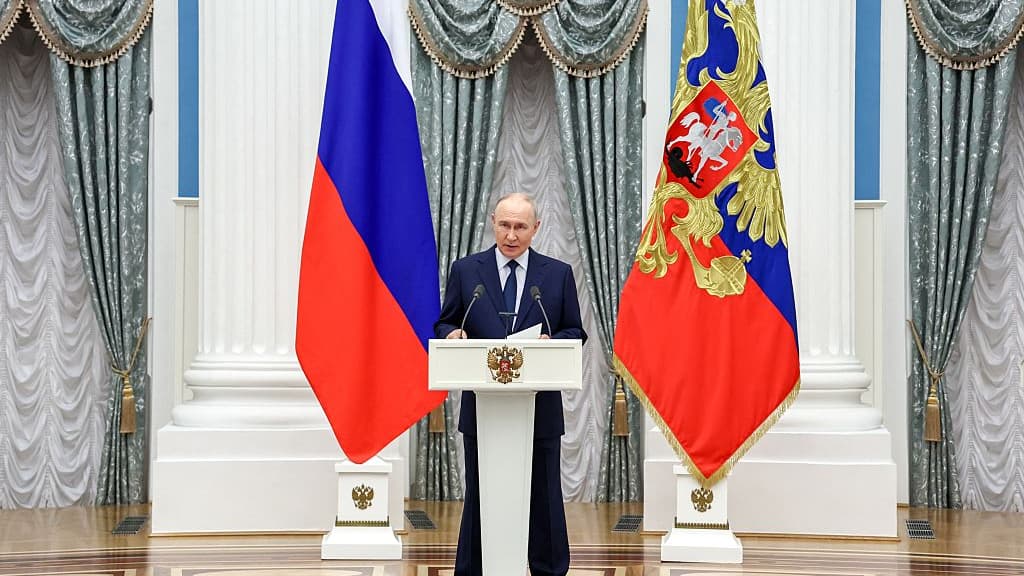
And this year’s vote, says David Szakonyi, an expert on Russia and election fraud who is professor at George Washington University, is “occurring in the most repressive political environment in Russia’s post-Soviet history.”
Here’s what experts have to say about how the Kremlin ensures elections result in its desired outcome—and why it continues to hold them.
Restricting opposition
The Kremlin uses multiple levers to influence elections on the government level, at the polls, and in daily civilian life, according to Szakonyi.
“Without a doubt, the most powerful tool” in the Kremlin’s arsenal, Szakonyi says, is limiting which candidates appear on the ballot in the first place.
In the case of the ongoing parliamentary vote, the one anti-war party that was registered by the Central Election Commission, the Yabloko party, was prohibited from participating in the election by Russia’s Supreme Court. The high court ordered that the party be removed from the ballot last month in response to a lawsuit from the pro-Kremlin Rodina party that accused the Yabloko party, which has garnered support from young Russians and those opposed to the war in Ukraine, of copyright infringement, receiving foreign funding, and extremism.


The SEC has opened permissioned onchain trading to fully backed U.S. stock tokens, but the 32.5-hour trading week on NYSE and Nasdaq leaves automated markets without a live reference price for most of each 168-hour week.
Summary
- SEC relief permits qualifying tokenized U.S. stocks to trade through permissioned automated market makers.
- RedStone’s COO said nights, weekends and holidays could allow pricing gaps to build.
- Synthetic products remain outside the exemption, creating two token classes tied to the same shares.
- The five-year relief requires issuer notice, equivalent shareholder rights and coordinated trading halts.
The SEC’s temporary exemption allows qualifying venues to bring buyers and sellers together through permissioned automated market maker pools for tokenized National Market System stocks.
Under the order, each token must provide the same rights and privileges as an equivalent class of conventional stock. The SEC also placed limits on the number of available symbols and trading volume, while requiring public, auditable smart contracts deployed on permissionless blockchains.
Trading venues must stop onchain activity whenever the primary exchange halts the underlying stock. Ordinary closures at night, on weekends or during holidays are treated differently, leaving tokenized venues able to operate when NYSE and Nasdaq are not producing live prices.
Tokenized stocks lose their main price reference after hours
Marcin Kaźmierczak, co-founder and chief operating officer of blockchain oracle provider RedStone, told crypto.news that the missing reference market presents a more serious problem than liquidity fragmentation or arbitrage alone.
An automated market maker sets prices from the assets held in its own pool. Arbitrage traders can correct a price difference by buying in the cheaper market and selling in the more expensive one, but Kaźmierczak said the process weakens when the main U.S. equity market is closed.
“An AMM only prices off its own pool, arbitrage keeps that honest but only while the reference market is open, and NYSE/Nasdaq trade about 32.5 hours a week out of 168.”
During regular U.S. trading hours, market makers can compare an onchain token with the underlying share and trade away gaps. Overnight or during a weekend, however, the stock’s deepest venue is not publishing a current executable price.
At such times, an AMM may react to orders placed inside a much smaller liquidity pool. Large trades can move its quoted price even when investors cannot immediately buy or sell the underlying share to complete the other side of an arbitrage transaction.
The challenge does not fade as activity rises, according to Kaźmierczak. Higher order sizes can increase the price impact of each AMM transaction, while the number of hours without a live primary-market reference stays unchanged.
“It gets harder, not easier. Price impact per AMM trade grows with size, and the hours without a live reference price don’t shrink just because volume goes up.”
SEC rules create separate classes of tokenized stocks
Alongside the timing gap, Kaźmierczak pointed to a split between qualifying ownership tokens and synthetic stock products already available through offshore services.
The SEC order covers tokenized NMS stocks that give holders rights and privileges matching the traditional shares. Kaźmierczak said products such as Robinhood’s Stock Tokens and Kraken’s xStocks use separate structures and are not governed by the new exemption.
As a result, investors could see a conventional U.S. share, a fully backed ownership token covered by the SEC framework, and a synthetic or wrapped product associated with the same company. Each instrument may trade under different rules and carry different rights.
“So you don’t just get tokenized versus traditional, you get two classes of tokenized product for the same underlying stock, priced differently, under different rules,” Kaźmierczak said.
A recent Coinbase stock-token report showed how such rights can vary even when tokens have share backing. Coinbase’s products represent beneficial interests in shares held through an offshore special-purpose company and a regulated U.S. broker, while qualified holders can request redemption under specified compliance rules.
Coinbase has offered Base-native tokens tied to Apple, Nvidia, Meta and Alphabet to eligible non-U.S. investors. Its prospectuses state that legal title generally remains with a trust, meaning wallet holders do not appear directly on the underlying company’s shareholder register.
Redemption also depends on identity, location, sanctions, and anti-money laundering checks. According to the product documents, an onchain buyer who has not completed the process can transfer a token but cannot exercise redemption or voting rights until approved.
Issuer objections address ownership, not synthetic products
For tokens created by an unaffiliated third party, the SEC requires a venue to give the underlying company written notice and an opportunity to object before trading begins. The process addresses a governance dispute already visible between public companies and token issuers.
AMC Entertainment CEO Adam Aron recently objected after learning that Robinhood had created an AMC-linked token without the company’s approval. As previous coverage detailed, Robinhood Assets (Jersey) Limited issued synthetic exposure to more than 190 companies without giving holders ownership, voting power or standard shareholder protections.
Kaźmierczak cited the AMC dispute as an example of why the SEC included issuer notice and objection rights. Yet he said the rule’s effect remains limited because synthetic products outside the exemption do not have to follow the same process.
“The products causing that fight are synthetic and won’t even be governed by today’s framework,” he said.
Under the exemption, qualifying venues must also disclose information about their operations, trading and affiliated activity. The SEC granted separate conditional relief from dealer registration to certain liquidity providers using their own capital in the approved AMM pools.
The relief will expire five years after publication, while the agency has requested public comments on possible changes and subsequent regulatory action.
Around-the-clock markets depend on offchain infrastructure
Other tokenized markets have encountered a similar mismatch between continuous blockchain activity and financial systems that keep fixed operating hours.
In September, DBS and Citi completed a cross-border tokenized-deposit payment from Singapore to New York within minutes on a Saturday. A weekend funding analysis found that the transaction demonstrated continuous money movement but did not establish whether every underlying obligation reached final legal settlement at the same time.
Fedwire does not currently operate continuously through weekends, which can leave banks using tokenized payments dependent on prefunded balances or added liquidity buffers until central bank settlement systems reopen.
Stock tokens face a related data constraint rather than the same settlement issue. Kaźmierczak said keeping share-linked instruments aligned requires reliable price information when the underlying market is open and rules for periods when it is not.
“Price risk scales with data infrastructure. Consent risk scales with governance,” he said. “Neither is solved by this exemption alone, and both compound as volume grows.”
Product structures are also becoming more complex. Kraken recently introduced three xStocks vaults that accept SPYx, QQQx and NVDAx, offering estimated net annual yields of 2%, 2% and 1.8%, respectively, during the initial rollout.
The vaults use deposited tokens as collateral for stablecoin loans before routing funds through cross-chain decentralized finance strategies. Kraken’s disclosures identify liquidation, bad debt, smart-contract, cross-chain, and liquidity risks, while withdrawals generally carry a three-day waiting period and may take longer during market stress.


Binance has expanded its derivatives platform into the $9.6 trillion-a-day foreign exchange market with a 24/7 US dollar-Brazilian real perpetual contract offering up to 100x leverage.
Summary
- Binance will launch its USDBRLUSDT perpetual futures contract on Sept. 21.
- The USDT-settled product will remain tradable during weekends and public holidays.
- Binance will use external price feeds during regular hours and orderbook data when FX markets close.
- Bybit and Kraken have also introduced perpetual contracts linked to major currency pairs.
Binance said in a Friday announcement that the USDBRLUSDT contract will begin trading on Monday, giving eligible users continuous exposure to movements between the U.S. dollar and Brazilian real without requiring them to own either currency.
The perpetual contract will settle in Tether’s USDT stablecoin and support leverage of up to 100x. Unlike dated futures, perpetual contracts have no fixed expiry, allowing a trader to keep a position open while meeting the platform’s margin requirements and paying or receiving applicable funding charges.
Access will depend on Binance’s regional restrictions and account requirements. The exchange said users should review their local rules before trading, while its standard futures risk controls and eligibility conditions will apply to the new product.
Binance FX perpetuals will trade through weekend closures
Traditional institutional FX trading generally runs around the clock from Monday through Friday, but liquidity providers and major venues close for the weekend. Binance has designed a dual pricing system to keep the USDBRLUSDT contract operating during that gap.
During standard foreign exchange hours, Binance said the contract’s index price will draw on a weighted group of third-party market data providers. The index is intended to track the underlying USD/BRL exchange rate while those external reference markets are open.
Once regular FX markets close for a weekend or public holiday, Binance will switch to a mechanism derived from its own orderbook. The exchange said an exponentially weighted moving average will calculate prices during those periods, giving more weight to recent observations while smoothing short-lived movements.
Orderbook pricing means the weekend contract price could be shaped by activity taking place solely on the Binance venue while the underlying institutional currency market is closed. When regular FX trading resumes, the contract will again reference external data under the exchange’s stated pricing process.
Binance head of derivatives Shunyet Jan said the structure extends price discovery beyond the operating hours followed by conventional currency venues. According to Jan, the product also gives traders a way to hedge currency exposure or take a directional position at any time.
The Brazilian real can react to domestic interest-rate decisions, fiscal policy, commodity prices, and changes in demand for emerging-market assets. Binance’s contract gives eligible crypto traders a USDT-based instrument for trading such moves, although leverage increases both gains and potential losses.
At 100x leverage, a trader can control a position worth 100 times the collateral committed to it. Binance’s futures risk disclosures warn that adverse price changes can trigger liquidation when the collateral supporting a position falls below the required maintenance margin.
Crypto exchanges are adding traditional market derivatives
Binance’s FX launch follows its earlier expansion into perpetual futures linked to equities and other conventional assets. In May, the exchange added TradFi perpetuals tied to Oracle, Disney, Uber, Cisco and Home Depot, alongside Litecoin.
The May contracts were also settled in USDT but offered leverage of up to 10x, compared with the 100x ceiling announced for USD/BRL. According to the exchange at the time, the equity-linked products were designed to place exposure to traditional and digital markets within the same futures interface.
Binance Wallet separately introduced onchain perpetuals in April. Powered by derivatives venue Aster, the wallet feature covered cryptocurrency pairs, major stocks, exchange-traded funds and commodities through a keyless interface on BNB Smart Chain.
Competition in foreign exchange derivatives has also grown among other centralized exchanges. Bybit introduced 24/7 perpetual contracts tracking EUR/USD, GBP/USD and USD/JPY less than two weeks before Binance’s announcement. Bybit’s contracts settle in USDT and offer maximum leverage of 100x.
Kraken entered the segment earlier, launching FX perpetuals in April 2025 for the euro, British pound, Australian dollar, Japanese yen and Swiss franc. The exchange capped leverage at 50x and built the products on an existing currency business that had offered spot FX trading since 2020.
Kraken reported $5.7 billion in spot foreign exchange volume during the first part of 2025. Its derivatives expansion allowed customers to trade currency price movements without taking delivery of the currencies referenced by each contract.
A similar product expansion has reached self-custodial trading applications. As crypto.news recently reported, Coinbase Wallet launched Pulse Mode for simplified mobile perpetual trading through Hyperliquid, covering eligible crypto, stock, and commodity-linked markets.
Coinbase stated that its wallet-based perpetual service is restricted to non-U.S. users in selected jurisdictions. The company has not announced U.S. access to Pulse Mode or filed a related product notice with the Commodity Futures Trading Commission.
U.S. users face separate derivatives restrictions
Binance’s global announcement does not state that the new FX contract will be available to U.S. residents. Binance.com does not serve U.S. users, while the separate Binance.US platform does not offer the same global futures lineup.
American access carries added regulatory weight because leveraged retail commodity and derivatives products fall within CFTC rules under applicable circumstances. The agency requires certain intermediaries and derivatives venues serving U.S. customers to register and follow rules covering customer protection, reporting, and market conduct.
In November 2023, the CFTC announced a $2.85 billion settlement with Binance and former CEO Changpeng Zhao over allegations that the exchange had illegally operated a digital asset derivatives platform and evaded U.S. law. The federal court order required Binance to pay $1.35 billion in disgorgement and a $1.35 billion civil monetary penalty, while Zhao agreed to pay a separate $150 million penalty.
The CFTC said at the time that Binance had offered futures, options, swaps and leveraged retail commodity transactions to U.S. customers without the required registration. Under the settlement, Binance also agreed to strengthen its compliance controls and prevent U.S. customers from accessing its global platform.
For eligible users outside restricted markets, the USD/BRL product provides synthetic exposure rather than ownership of dollars or reais. Contract gains and losses will be calculated and settled in USDT under Binance’s futures terms.
Foreign exchange remains the world’s largest financial market by turnover. According to the Bank for International Settlements’ triennial survey, global over-the-counter FX trading averaged $9.6 trillion per day in April 2025, up 28% from $7.5 trillion in April 2022.
The BIS found that FX swaps remained the largest segment, accounting for $4 trillion in daily turnover. Spot transactions averaged $3 trillion, while outright forwards generated $1.8 trillion per day during the survey period.

“Now, the officers who are reviewing and adjudicating these cases have much more discretion in how they make that determination—whether they believe the person is likely to become a public charge,” says Melissa Shepard, the legal services director at the Immigrant Defenders Law Center. “The difference now is that it’s a much broader analysis, whereas before it was a little more limited.”
Adriana Cadena, the executive director of the Protecting Immigrant Families Coalition, says she worries that, because the new policy is so broad, it “opens the door for abuses by immigration officials” during the green card application process.
“It’s going from having guidance and clarity and understanding to opening the door to any kinds of programs,” she says.
How could the Trump Administration’s new rule affect immigrants?
Immigration experts say that the new policy could result in more green card applications being rejected, as well as cause many immigrants to delay seeking permanent resident status.
Warren Buffett stepped down as Berkshire Hathaway chairman on Friday and handed the seat to his son, Howard Buffett. The board named him chairman emeritus, a title that keeps him on the board without running it.
Greg Abel remains chief executive. He continues to make the day-to-day calls and decide where Berkshire’s money goes.
Buffett Steps Down as Berkshire Chairman After 56 Years
Howard Buffett has sat on the board since 1993, longer than his father spent in business before taking over Berkshire at 34. Susan Decker stays lead independent director. Chairman emeritus is an honorary title. It carries no command over the company.
The elder Buffett, who turned 96 last month, framed the change as a formality in a letter to shareholders.
“He has been making the decisions that matter for some time now, and I have not had to think twice about any of them,” the announcement stated, citing Warren Buffet, now Berkshire Hathaway chairman emeritus.
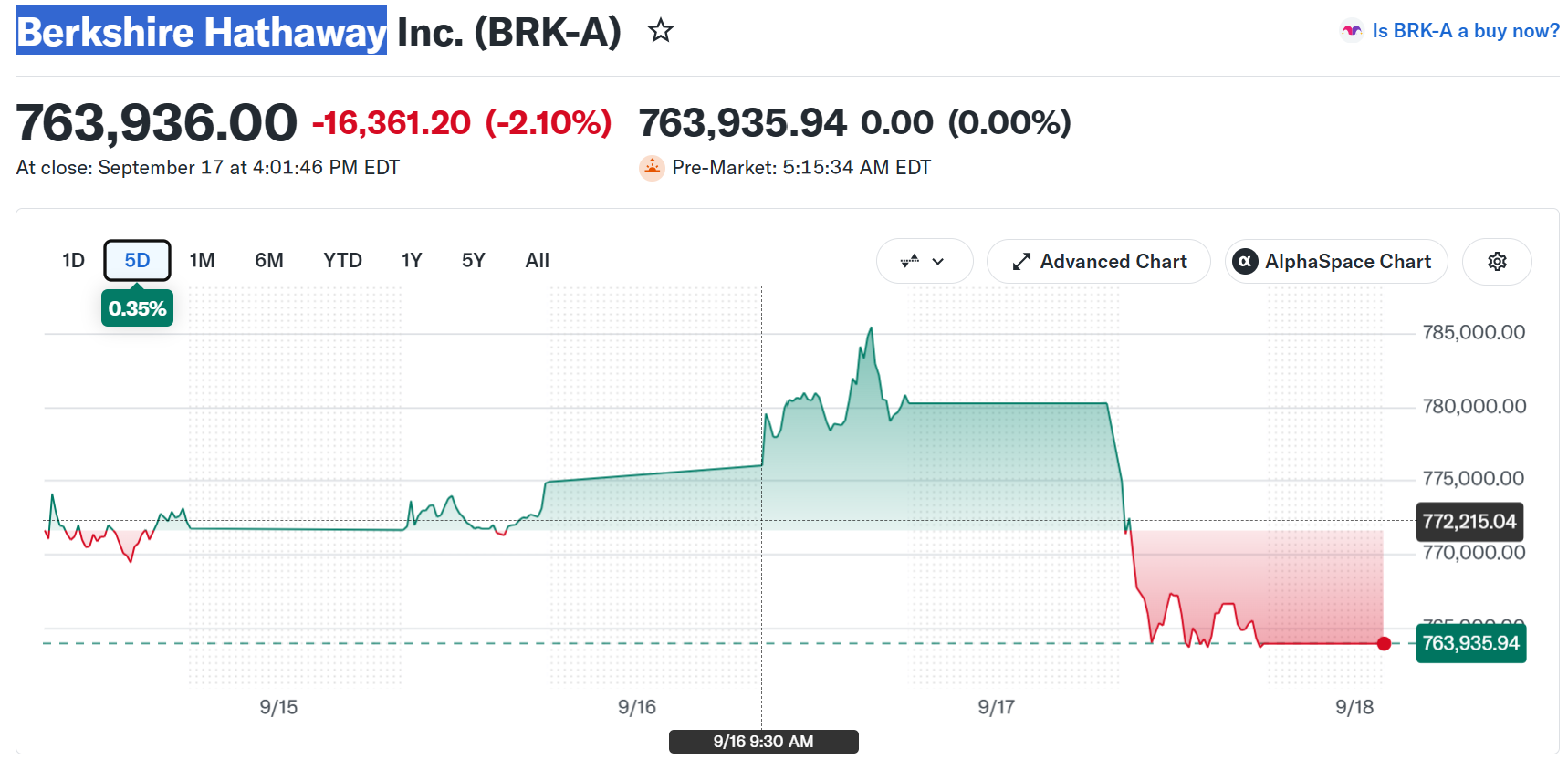
Class A shares closed Thursday at $763,936, down 2.10%. The Class B shares finished at $509.20, a 2.04% drop. That selling ran ahead of the announcement, and in Friday pre-market trade the B shares sat at $509.24, barely moved.

BeInCrypto flagged the fading Buffett premium last October, well before this year’s slide.
What Howard Buffett Has Said About Bitcoin
Nothing on the record. The new chairman built his public profile around farming, food security, and landmine clearance in Ukraine, not markets.
He has run the Howard G. Buffett Foundation since 1999 and served nearly a decade as a United Nations goodwill ambassador against hunger.
Fortune reported last year that he was on track to send about $1 billion in aid to Ukraine. He has never stated a position on Bitcoin or digital assets.
His father did, repeatedly, calling Bitcoin “rat poison squared” and later a gambling token.
The job Howard inherits is non-executive anyway. He guards culture. Abel writes the checks, and already kept the anti-Bitcoin stance when Berkshire’s cash pile hit a record $397 billion.
Whether Abel ever embraces Bitcoin remains the open question for crypto investors watching that balance sheet.
Friday’s opening bell will show whether shareholders read the handover as closure or as loss.
The post Warren Buffett Steps Down as Berkshire Chairman. How Will Stock React? appeared first on BeInCrypto.
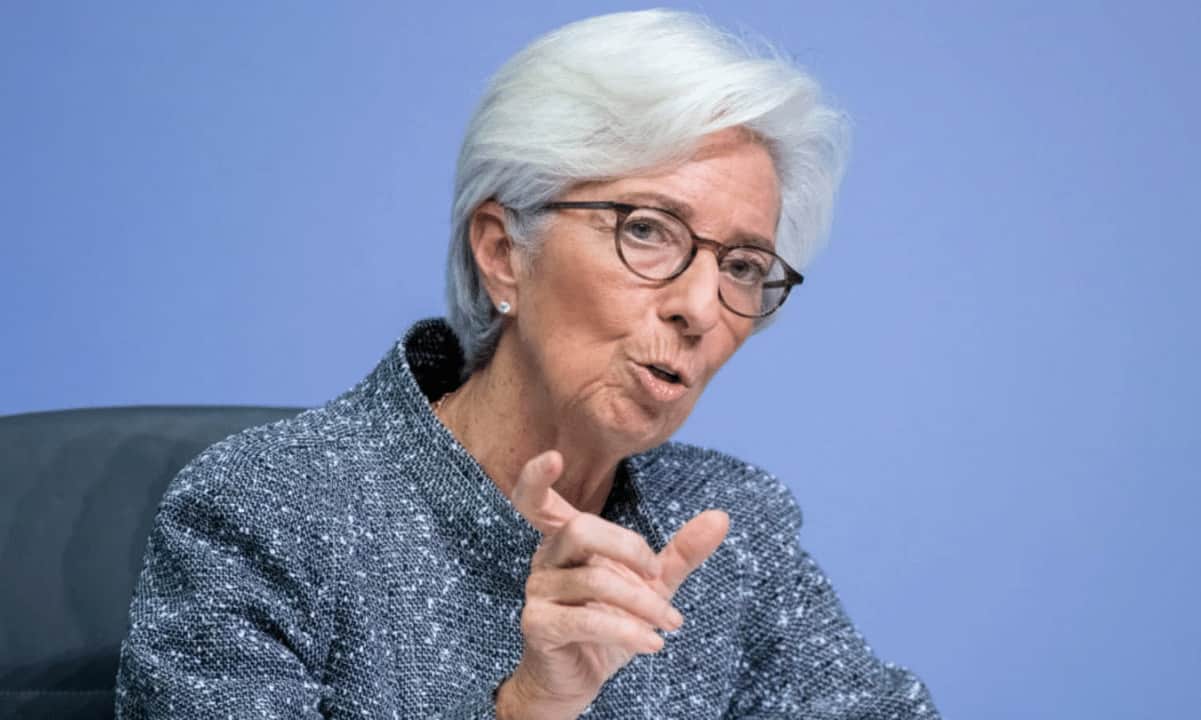
Christine Lagarde personally asked Greek Prime Minister Kyriakos Mitsotakis to block Binance’s bid for a license to operate across the European Union, according to a Wall Street Journal report citing people familiar with the discussions.
The intervention came after Greek regulators had all but signed off on the application, raising an obvious question about how much sway the ECB president can exert over a process she has no formal authority over.
What Lagarde Reportedly Knew, and When She Acted
Binance had applied through Greece’s Hellenic Capital Market Commission (HCMC) for a license under the EU’s Markets in Crypto-Assets framework, the kind of approval that, once granted by one country, covers the entire bloc.
By early June, the application had cleared its technical review. The mandatory 40-day assessment period ended without objections, the HCMC’s anti-money laundering officer had signed off favorably, and notifications to other member states were reportedly already being prepared.
Then, sometime between June 7 and June 15, that changed. An HCMC official later told Binance that Lagarde opposed the license, and the Journal reported she had signaled as much to Mitsotakis directly during a May meeting, a position that overrode Greece’s own finance minister.
Some of that willingness to go along, the report suggested, may have had as much to do with Greek election timing as Binance’s case itself.
Her stated reasoning traced back to two things: Binance’s earlier guilty plea to US money laundering and sanctions violations, and a fear that letting the exchange into Europe would push more people toward dollar stablecoins right as the ECB was trying to get its own digital euro off the ground.
One legal expert described the episode as “political interference” in a licensing decision that legally belongs to an independent national regulator, since the ECB has no formal say over MiCA approvals at all.
A Retreat That Ended in France
Reuters first surfaced the Greek rejection risk in mid-June, and Binance pushed back hard at the time, insisting that HCMC’s review had found its application compliant and pointing to a compliance team that has grown to roughly 1,500 people since its 2023 US settlement.
That pushback did not hold. The firm later issued a statement indicating that it had decided to stop the license application process in Greece and was looking for authorization from other member states.
According to reports at the time, regulators in Ireland and Latvia had also turned the exchange down, citing its past penalties and complex structure.
Coinbase had already picked Luxembourg as its home base, and Kraken already held EU approval, with Binance leaning on France, where it holds a smaller registration and is in talks with the country’s financial markets regulator, Autorité des Marchés Financiers (AMF), as its remaining shot at a MiCA license covering all 27 member states.
The post Report: ECB President Personally Blocked Binance’s EU License appeared first on CryptoPotato.


Robinhood’s default route for crypto orders costs close to 2% to buy and then sell Bitcoin (BTC). The company’s own disclosures show the charge sits inside the price rather than arriving as a fee.
Delphi Digital co-founder Tommy Shaughnessy surfaced the figure this week. He posted a screenshot showing a Bitcoin spread of $1,426.03, then asked Robinhood’s chief executive to explain it.
Where the 2% Cost Comes From
The spread is the gap between the price to buy an asset and the price to sell it. That gap is where Robinhood gets paid.
The default setting, called market maker routing, sends crypto orders to an outside trading firm instead of an exchange. Robinhood Crypto receives $0.95 for every $100 of volume routed that way.
That payment sits inside the quoted prices. Buyers pay the higher number and sellers receive the lower one. A round trip therefore costs close to 2% before the market moves.
What the Screenshot Showed
Shaughnessy’s agent quoted a bid of $75,361.72 against an ask of $76,787.76 on Thursday. That gap came to 1.87%, which he called criminal for an asset this size.
“for anyone doing agentic crypto trades on Robinhood from the jump you are using the default market making approach so you are going to effectively pay 1% to buy and 1% to sell…,” wrote Shaughnessy.
Robinhood Says a Cheaper Route Exists
Johann Kerbrat, senior vice president and general manager of crypto at Robinhood pointed to a second option, Smart Exchange Routing, which charges a disclosed fee ranging from 0% to 0.95%.
That fee drops as a trader’s 30-day volume climbs. Kerbrat also rejected a separate claim that customers must sell their coins before moving them off the platform.
“withdrawals to an external wallet don’t require selling first. You can transfer BTC (or any supported crypto asset) directly out of your Robinhood Crypto account,” wrote Kerbrat.
Robinhood also bars agents from transferring, staking, or lending crypto. Two company engineers were charged in an insider trading case tied to Hyperliquid this month.
Robinhood opened agentic trading to crypto earlier this year, letting outside AI agents trade through a separate account. How much traders will pay for that convenience remains unsettled.
The post Trading Bitcoin on Robinhood? Why 2% Spread Has Traders Worried appeared first on BeInCrypto.
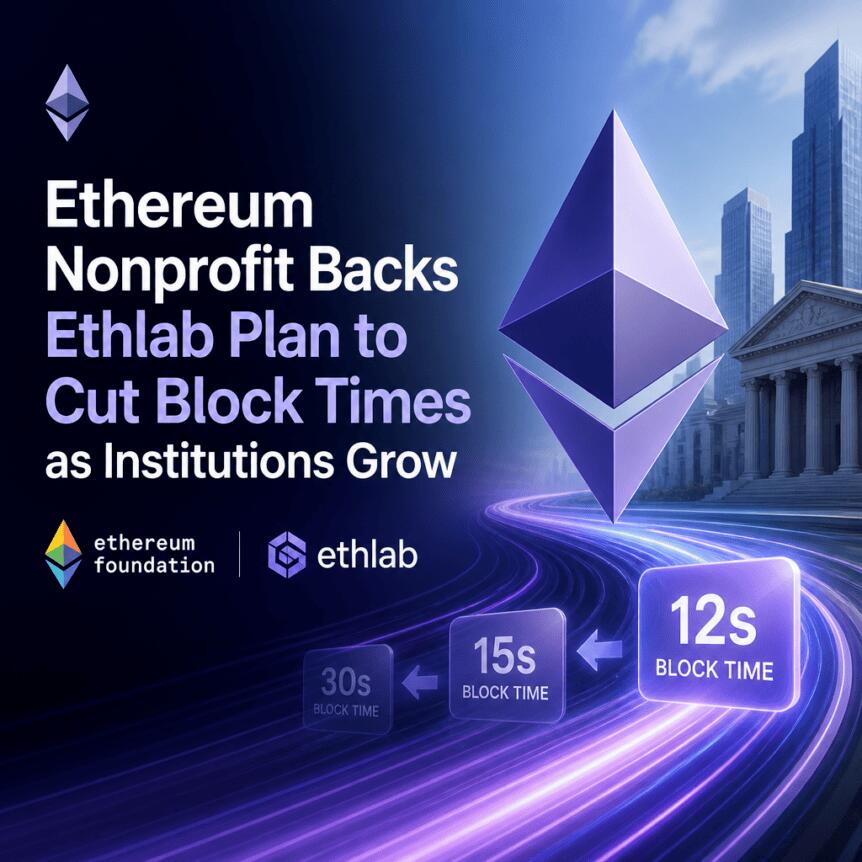
Ethereum’s push to speed up block production is gaining sharper backing from within the institutional community, as Ethereum Institutional (a non-profit) publicly endorsed Ethlabs’ effort to reduce Ethereum block times. The group argued that faster blocks are increasingly necessary as more institutional activity moves onchain.
The momentum also comes amid broader industry experimentation: other networks have already moved to shorten their slot or block targets, framing the changes around latency, confirmations, and competitiveness.
Key takeaways
- Ethereum Institutional backed Ethlabs’ motion to reduce Ethereum block times, saying “more institutional activity moves onchain” and requires Ethereum to be faster.
- Ethlabs points to support from 20 DeFi founders for EIP-8198 (“Quick Slots”), targeting an initial reduction in block time from 12 seconds to 10 seconds.
- Network-level speed initiatives are underway elsewhere, including Zcash’s approval for a faster target block time and Solana’s ongoing slot-time reductions.
- EIP-8198 is connected to Ethereum’s Hegotá upgrade path, with Ethlabs working to merge the proposal’s specifications into the main codebase and identify downstream dependencies.
Ethereum Institutional endorses faster blocks
On Friday, Ethereum Institutional posted on X urging the community to “make Ethereum faster.” The non-profit linked the case for quicker blocks to rising onchain usage by institutional participants, framing block-time reductions as a practical step rather than a purely technical optimization.
The statement aligns with Ethlabs’ broader push around EIP-8198, a proposal designed to shorten Ethereum’s initial block time. According to Ethlabs, the intent is to improve responsiveness and network performance in a competitive environment where other chains are actively adjusting their block or slot schedules.
Ethlabs’ “Quick Slots” gains DeFi backing
Earlier this week, Ethlabs published an article citing support from 20 decentralized finance (DeFi) founders for EIP-8198, also known as “Quick Slots.” The proposal’s stated goal is an initial reduction in Ethereum’s block time target to 10 seconds, down from 12 seconds.
While the initiative is ultimately a protocol-layer change, Ethlabs’ emphasis on DeFi founders is telling: DeFi relies heavily on predictable execution timing for activities such as swaps, lending, and liquidations. For users and developers, even modest changes in block intervals can influence how quickly transactions clear and how often protocols face edge-case timing issues.
Ethlabs also described its development plan: it said it is merging the proposal’s specifications with the main codebase and investigating potential downstream dependencies. That matters because implementation details—what components depend on current timing assumptions—can determine how disruptive or straightforward a protocol upgrade becomes.
Hegotá upgrade path and implementation uncertainty
EIP-8198 was authored in March and later proposed for inclusion in the Hegotá upgrade at the Ethereum core developers meeting on Aug. 6. Ethlabs’ work suggests the proposal is being treated as more than an idea: the organization is actively preparing it for integration into Ethereum’s broader upgrade roadmap.
The article further indicates that Ethereum developers could begin implementing Hegotá in late 2026, following “Glamsterdam,” described as one of the most consequential upgrades of the year, built to improve scalability and harden the mainnet.
Even with this timeline framing, readers should treat the schedule as contingent. Ethereum upgrade sequences depend on engineering readiness, testing outcomes, and consensus priorities among core developers. The key point for observers is that EIP-8198 is already moving through the “proposal-to-integration” pipeline, and Ethlabs is taking steps to handle compatibility considerations early.
Speed competition: Zcash and Solana accelerate their blocks
Ethereum’s faster-block push is unfolding alongside similar efforts in other ecosystems.
On Monday, a majority of Zcash token holders backed a change to cut the network’s target block time to 25 seconds from 75 seconds, as previously reported in coverage of Zcash’s community decision-making around faster blocks and its broader protocol schedule. The relevance for investors and users is straightforward: shorter target intervals can reduce waiting time and improve the real-world responsiveness of onchain settlement.
Solana has also been actively adjusting timing parameters. In August, Solana reduced its slot time from 400 milliseconds to 350 milliseconds, according to earlier reporting. And in June, the Solana Foundation shared plans to further reduce slot times from 400ms to 200ms, arguing that the change would improve latency and speed confirmations across the network.
These changes show a common industry pattern: chain designers are treating time-to-finality and execution responsiveness as competitive features, not just internal performance metrics. For Ethereum, where institutions and DeFi users care deeply about predictable execution windows, block-time reductions can improve user experience and potentially reduce friction in time-sensitive flows.
Why the block-time debate matters now
Block-time reductions are often discussed as a tradeoff between speed and stability, because faster cadence can increase pressure on infrastructure and sequencing assumptions. In this case, Ethlabs’ framing—coupled with Ethereum Institutional’s call for faster execution as institutional onchain activity grows—suggests the community is prioritizing timeliness as a practical necessity.
At the same time, the initiatives across Zcash and Solana underscore a strategic tension. If other networks continue to shorten their block or slot targets, they may capture users who prioritize low-latency interactions, particularly in trading and DeFi contexts. Ethereum’s move toward EIP-8198 and its pathway into Hegotá can be read as a response to that competitive dynamic.
What remains uncertain is how quickly and smoothly these protocol-level changes can be introduced, and what the final performance and operational impacts will be under mainnet conditions. The next signals to watch are concrete implementation updates from core developers after the relevant upgrade stages, along with ongoing analysis of dependencies and risks tied to shorter block targets.


JPMorgan has abandoned its baseline view of the war in Iran, telling clients it can no longer model the endgame.
Natasha Kaneva, the bank’s head of global commodities strategy, noted that many of the economic redlines it once trusted have been crossed.
The Thresholds JPMorgan Thought Would Hold
The war began on February 28 and has now run into its seventh month. JPMorgan assumed that pain in oil, fuel, and bond markets would push President Donald Trump to strike a deal to reopen the Strait of Hormuz.
The bank had several thresholds in mind. Oil above $100, gasoline close to $5 a gallon, and the 10-year Treasury yield above 5%.
Those thresholds have since gone. The 10-year Treasury yield crossed 5% this week, its highest in three years. US diesel hit a record $6.31 a gallon with inventories at all-time lows, Kaneva said.
An interim agreement did arrive in June. Fighting resumed within weeks, and escalation has continued since.
“For the first time since the start of the Iran conflict, we don’t have a baseline view,” Kaneva wrote. “We simply don’t know how to model the endgame.”
Follow us on X to get the latest news as it happens
The Bill Lands at the Pump
JPMorgan sees Brent’s fair value near $90, compared with its current price of around $105. According to Kaneva, each 1 million bpd of lost supply could add roughly $4 to futures prices.
Current prices, therefore, imply about 4 million bpd in additional losses beyond the 10 million bpd already disrupted.
Still, oil inventories may cushion the impact of a prolonged disruption. Stocks have fallen 555 million barrels, far below JPMorgan’s earlier 1.6 billion-barrel estimate.
“In short, there is still enough dry powder to keep prices contained — for now,” Kaneva said.
Meanwhile, the consumer burden has continued to increase. A Brown University tracker measuring pump prices against a no-war baseline puts the extra US fuel burden at $109.1 billion, or $832.48 per household. Gasoline has climbed 48.9% and diesel 74.3% since February.
Subscribe to our YouTube channel to watch leaders and journalists provide expert insights
The post The Assumption Behind JPMorgan's Iran War Forecast Is Gone appeared first on BeInCrypto.


Game Changer 5.0 Zagreb, powered by A1, takes place at Zagreb’s Z Centar on Oct. 14. Now in its fifth edition, the conference shifts focus from what AI can do to what businesses will do with it.
That makes this year’s conference relevant far beyond the tech industry. The questions now being asked about artificial intelligence, automation, data, mobility, commerce and human behaviour are no longer niche technology issues. They are business and societal questions.
Who Makes the Final Call: Humans or Machines?
On the AI Transformation stage, Dejan Turk, CEO of A1 Croatia & Slovenia, and Siniša Krajnović, CEO of Ericsson Nikola Tesla, will discuss what a CEO can and cannot delegate to AI, as automation increasingly blurs the line with human responsibility. Josip Ćesić, CEO of Gideon Brothers, will explore AI’s role in reshaping mobility.
Could Humanoid Robots Become Part of Critical Human Situations?
Dr Bruna Gerardi, a robotics expert from Sheffield Hallam University, will join legal experts to discuss the role humanoid robots could play in sensitive, real-world situations, and the questions of responsibility and trust that raises.
From the Internet We Know to Networks That Can Make Decisions
Web3 and next-generation infrastructure will be another major theme, as the central question shifts from who controls the data to who controls the infrastructure behind it.
Speakers include Joško Mrndže, former Google Regional Director, among many others.
What Happens When AI Becomes the Customer?
Few industries are likely to feel the impact of AI as directly as commerce.On the E-commerce / SmartCommerce / AdTech stage, Game Changer 5.0 asks who is the customer when an AI agent makes the purchase. Consumers may increasingly rely on digital agents rather than buying themselves, reshaping the relationship between consumers, retailers and brands.
Nikola Jovanović, Managing Director of Havas, and Kristijan Gregorić, CEO of Valicon, will explore what the Croatian consumer could look like in 2027.
Gamification, Hyperpersonalisation and the Question of Who Shapes Our Behaviour
The Gamify & Hyperpersonalisation stage examines how algorithms already shape what we watch, buy and see next, and what it means to live in an algorithmic world.
Speakers include Andrej Levenski of Gamepires and John Newbigin OBE, a creative-industries adviser and former adviser to the Mayor of London. More speakers will be announced in the run-up to the conference.
Where Are the Next Game Changers Being Built?
The Foundry Club – Investor & Startup Stage will spotlight the next generation of companies, featuring Alexander May of AWS, among others.
Game Changer 5.0 Zagreb is the fifth edition of a conference that began in Zagreb and has since expanded to Slovenia, Italy, Montenegro, Switzerland and the United Kingdom.
On Oct. 14, CEOs, investors, entrepreneurs and technology leaders will come together in Zagreb.
The goal is to ask the questions that matter before the future becomes everyday reality.
More information is available on the official Game Changer 5.0 Zagreb website.
About Game Changer 5.0 Zagreb
Game Changer 5.0 Zagreb is a one-day, five-stage conference on AI, business and technology, held at Zagreb’s Z Centar and powered by A1. Since launching in Zagreb, the event has expanded to Slovenia, Italy, Montenegro, Switzerland and the United Kingdom. More information: www.game-changer.tech
The post Game Changer 5.0 Zagreb: Full Agenda And Speakers Revealed For Oct. 14 appeared first on BeInCrypto.

Travis Kelce Says Taylor Swift Is 'Fully Engulfed’ In Football After Tom Cruise Gets Schooled

AI existential risk debate: Your questions about the AI apocalypse, answered
Chancellor John Healey urged to end housing benefit freeze hitting low-income families at Budget




-

 Tech5 days ago
The Latest Weird Thing to Play Doom Is the Mapped-Out Brain of a Fruit Fly
-

 Crypto World4 days ago
Kraken Lets xStocks Holders Earn Yield Through DeFi
-

 Crypto World2 days ago
US Charges Robinhood Engineers Over Crypto Listing Trades
-

 Crypto World6 days ago
Can AI Build a Startup in 72 Hours? Elon Musk's Team Will Livestream the Test
-

 Crypto World3 days ago
What Is the Status of the U.S.-Iran Peace Talks? Here's What Both Sides Are Saying
-

 Crypto World4 days ago
Elon Musk Drops a Bombshell: Grok 5 Could Be the AGI Breakthrough
-

 Business6 days ago
Rivals Sam Altman and Elon Musk Rally Behind Dario Amodei’s Call for a Slowdown in AI Development
-

 Crypto World7 days ago
Robinhood Chain Never Stopped But its Blobs Did Stop Reaching Ethereum For 14 Minutes
-
 Crypto World5 days ago
New Tesla Roadster Uses SpaceX Tech. Will It Impact the Stock Price?
-
 NewsBeat4 days ago
‘Sick conspiracy’: Trump says only guardrails AI needs is ‘a strong and smart (High IQ!) president’ in all-caps rant
-
 Crypto World4 days ago
NVIDIA Analysis: Attempted Rising Wedge Breakout Amid Pressure on the AI Sector
-
 Entertainment7 days ago
New Horror Movie Officially Earns a Rare Stephen King Recommendation
-

 Business7 days ago
Marvell: Most Potent Setup Of The AI Factory Decade
-

 Crypto World4 days ago
Revolut Attackers Warn of Ongoing Daily Customer Data Leaks
-

 Crypto World4 days ago
DOJ Seeks to Seize $61M in Iran Oil Funds From Binance Accounts It Vouched For
-
 Crypto World7 days ago
Bitcoin ETFs lose $462.7M as Ethereum funds gain $196.9M
-
 Crypto World5 days ago
3 Token Unlocks to Watch in the Third Week of September 2026
-
Crypto World4 days ago
Can Circle’s Arc Repeat Robinhood Chain’s Meme Coin Boom?
-
Business4 days ago
SK Hynix ADRs Fall More Than 6% as Memory Rally Breaks on Fears of Slower AI Spending
-
 Crypto World5 days ago
AI Safety Burden Falls on Chief Executives as Trump Prioritizes China Race
You must be logged in to post a comment Login