
Crypto World
Crypto Groups Urge Action on Market Structure Bill as Critical

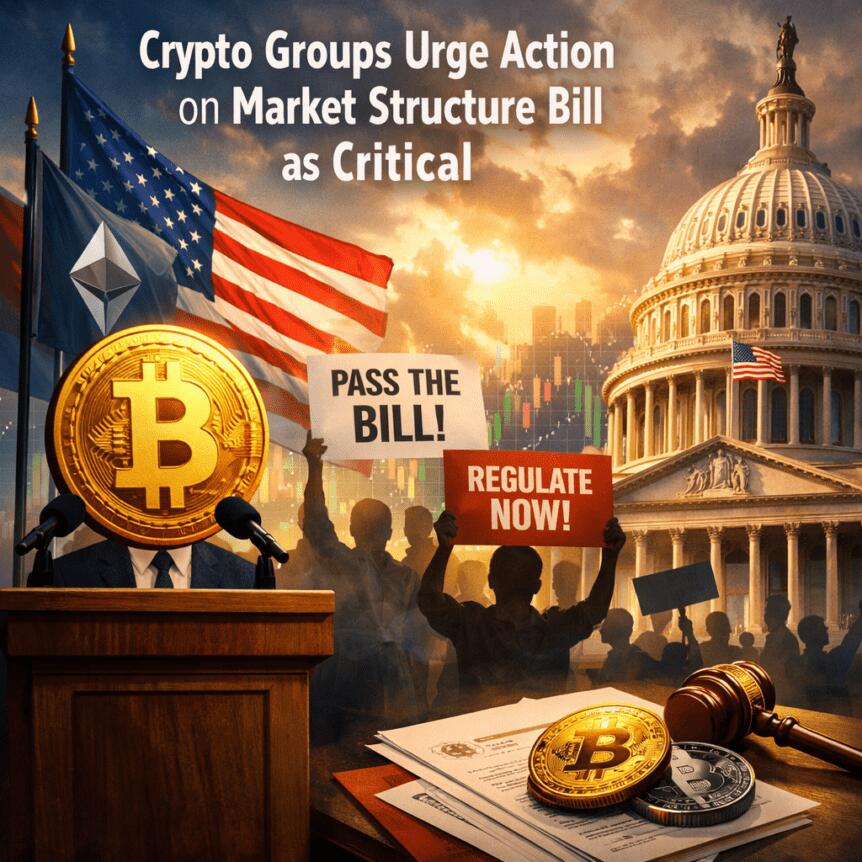
A broad coalition of more than 120 crypto and blockchain entities is pressing U.S. lawmakers to accelerate the markup of the CLARITY Act, a comprehensive federal framework for the market structure of digital assets. In a letter addressed to leadership of the Senate Banking Committee, the Crypto Council for Innovation (CCI) and the Blockchain Association urged that the committee move forward with a markup rather than continue delays.
The CLARITY Act, which passed the House of Representatives in July 2025, has seen its progress stall due to a combination of government funding stoppages and ongoing disputes over issues such as stablecoin yield and other policy questions. The signatories contend that timely action is essential, noting that other major jurisdictions have already enacted broad regulatory regimes and warning that failure to act could erode the United States’ competitive standing in digital-asset innovation, investment, and jobs.
According to Cointelegraph, the letter was signed by roughly 120 entities, including prominent exchanges such as Coinbase and Kraken, alongside industry groups like the Texas Blockchain Council and the Solana Policy Institute. The push comes as concurrent advocacy efforts from other industry groups amplify pressure on lawmakers to settle differences and proceed to markup.
The Senate Banking Committee, chaired by Tim Scott, postponed a markup on the CLARITY Act in January, hours after Coinbase CEO Brian Armstrong signaled public reservations about the bill as written. Since that postponement, industry representatives and lawmakers have held meetings to discuss concerns—most notably how to address stablecoin yield and potential paths forward for a regulatory framework that satisfies both innovation and oversight.
As of Thursday, there had been no public announcement of a new markup date. In a related development, U.S. Senator Thom Tillis publicly urged committee leaders to consider delaying any markup until May to allow additional time for crypto and banking stakeholders to negotiate a compromise on stablecoin yield prospects.
On the same regulatory thread, industry letters have underscored the importance of a unified framework. The Digital Chamber, another advocacy voice for the sector, argued that the legislative window for this Congress is narrowing, urging swift scheduling of a markup “as soon as the calendar allows.”
Key takeaways
- More than 120 crypto and blockchain entities are pressing Congress to markup the CLARITY Act, spanning exchanges, trade associations, and policy institutes.
- The CLARITY Act seeks to establish a comprehensive federal market structure framework for digital assets, a policy objective that has gained bipartisan support but remains unsettled on key design questions.
- The bill advanced in the House in July 2025 but has been delayed in the Senate amid staffing gaps, funding uncertainties, and policy debates, particularly around stablecoin yield.
- There is growing engagement between lawmakers and industry participants to resolve differences that could unlock US leadership in digital-asset markets or risk delayed implementation and offshore migration.
- Regulatory process dynamics include calls for additional time to discuss GENI-style regulation and a related push by banking groups to extend comment periods for related rules.
Legislative push to finalize CLARITY Act
The core message from the coalition is simple: a timely markup on the CLARITY Act is critical to establishing a predictable and comprehensive federal framework for digital assets. The letter argues that a mature U.S. regime would reduce regulatory uncertainty for market participants, support domestic innovation, and help retain jobs and capital that might otherwise move offshore in search of clearer rules.
The House of Representatives previously advanced the CLARITY Act, signaling bipartisan support for a federal market structure. However, a year marked by fiscal standoffs and policy debates—especially surrounding stablecoins—has slowed progress in the Senate. In that context, industry participants have urged lawmakers to converge on a compromise that can be translated into binding legislation rather than sustained delay.
Representative dynamics have become more complex as lawmakers, regulators, and practitioners seek to align on how the programmatic approach to asset classification, custody, liquidity, and disclosures should operate in practice. The ongoing discussions reflect a broader cross-border policy push, with stakeholders noting that the absence of a cohesive U.S. policy risks economic and strategic setbacks relative to other jurisdictions that have moved forward with digital-asset regulation.
As the dialogue evolves, several lawmakers have signaled readiness to explore a May markup window in order to accommodate additional stakeholder input. The prospect of a mid-year markup underscores the balancing act between rigorous consumer protection, financial stability, and the need to catalyze domestic innovation in a rapidly evolving market.
Regulatory landscape and policy implications
The coalition’s appeal unfolds against a backdrop of shifting regulatory expectations and a wider international trend toward formalizing digital-asset markets. The European Union’s MiCA framework, for example, has already established a broad set of rules governing asset issuance, trading, and service-provider transparency, prompting U.S. policymakers to consider how a federal program would interact with global standards and cross-border activity.
Central to the debate is how to regulate stablecoins and their yield mechanisms. The letters from industry groups emphasize the need for a clear federal framework that can accommodate stablecoin issuance and liquidity management while ensuring investor protection, market integrity, and financial-system resilience. This inquiry continues to be a focal point for discussions between the crypto industry and banking regulators, with the Office of the Comptroller of the Currency (OCC) having recently finalized related GENIUS regulations that governs stablecoin contexts and other digital-asset activities in the banking space.
In parallel, policymakers are weighing licensing, supervisory oversight, anti-money-laundering (AML) and know-your-customer (KYC) obligations, and the potential for a unified federal standard that reduces fragmentation across states. The push for a federal framework aligns with overarching regulatory objectives—transparency, resilience, and investor protection—while acknowledging the distinct characteristics of different digital assets and market participants.
Industry observers note that the CLARITY Act’s passage would influence not only crypto firms and exchanges but also banks engaging with digital-asset clients or custody solutions. A federal market structure could clarify licensing expectations, supervisory approaches, and product disclosures, thereby shaping risk management practices, compliance programs, and contractual relationships across the sector. At the same time, the design choices embedded in such legislation—how to classify tokens, define market participants, and regulate exchange operations—carry significant operational implications for both incumbents and new entrants.
Industry coalition and signatories
The letter’s signatories span a spectrum of market participants and policy organizations, signaling a broad base of support for a federal, coherent framework. In addition to exchanges like Coinbase and Kraken, signatories include industry associations and policy think tanks that advocate for streamlined oversight and robust consumer protections. The coalition’s posture reflects a preference for timely action on federal market structure rules to prevent regulatory drift and to set a clear path for digital-asset innovation under a unified regime.
“We are now more than halfway through the 119th Congress, and it has been more than 270 days since the House passed the CLARITY Act with strong bipartisan support and we recognize the legislative window for this Congress is narrowing.”
Complementing these efforts, The Digital Chamber issued a letter urging the banking committee to schedule a markup “as soon as the calendar allows,” highlighting the urgency of advancing a framework that can keep pace with evolving technology and market dynamics.
As part of broader regulatory engagement, the American Bankers Association recently requested an extension of 60 days to comment on GENI regulations from four federal agencies, following the OCC’s finalization of related rules. If granted, the extension would delay the full implementation of that particular regulatory package, illustrating how timing and sequencing of related rules can influence the trajectory of digital-asset policy in the United States.
Impact on stablecoins, banking integration, and compliance
Across the policy dialogue, stablecoins occupy a central role in shaping both regulatory expectations and practical compliance requirements. The debate over yield, reserve assets, and liquidity management has driven calls for clear federal rules that can accommodate stablecoin products while protecting consumers and the financial system. A comprehensive market structure framework would need to address whether and how stablecoins are regulated as tokens, deposits, or another class of financial instruments, along with corresponding reporting, capital, and risk-management standards.
From a banking perspective, the evolution of GENIUS rules and related oversight frameworks will influence how banks interact with digital-asset businesses. Institutions considering custody, settlement, and payment rails for digital assets require regulatory certainty about licensing, customer due diligence, and cross-border transactions. The ongoing discussions signal a broader expectation that any federal framework should harmonize with existing AML/KYC regimes and align with oversight expectations across federal and state jurisdictions.
In this context, the policy trajectory has practical implications for exchanges and liquidity venues, custody providers, and institutional investors. A well-defined federal framework could reduce compliance fragmentation, lower ambiguity in product classifications, and clarify the scope of permissible activities. Conversely, protracted delays raise concerns about competitive risk and policy fragmentation, potentially encouraging activity to migrate to regions with clearer rules or more predictable timelines.
Closing perspective
The coordinated federal-market-structure push reflects a strategic attempt to harmonize regulation with innovation, ensuring the United States remains a global hub for digital-asset activity while maintaining robust oversight. With lawmakers weighing stability, usability, and enforcement, the coming weeks will be critical in determining whether a markup can be scheduled and how the final framework will balance risk with opportunity for both incumbents and emerging participants.



JPG Store, the leading Cardano (ADA) NFT marketplace, announced it will permanently shut down on May 23, 2026, alongside its Comet platform.
The team cited operational unsustainability as the reason for the closure. JPG Store has served the Cardano ecosystem since 2021, facilitating NFT trading for thousands of users.
What JPG Store Users Need to Know
The shutdown will proceed in two phases. A restriction mode began on April 23, disabling new listings, offers, loans, and minting. Users can still buy existing listings, cancel active orders, and repay loans during this period.
On May 23, the website will redirect to a shutdown notice page. All marketplace functionality will then cease.
Users with NFTs in self-custody wallets do not need to take any action. Their assets remain fully accessible through other platforms that aggregate JPG Store smart contracts or through the Cardano CLI.
However, those using social login wallets must migrate their assets to standard Web3 wallets such as Lace, Eternl, or Flint within the 30-day window.
Users with active listings, pending offers, or open loans should cancel or settle those positions before the deadline.
Assets left in smart contracts after the shutdown will still exist on-chain. However, recovering them will require technical knowledge or third-party tools.
Another NFT Marketplace Falls
JPG Store’s closure adds to a growing list of NFT marketplace shutdowns in recent months. Nifty Gateway, owned by Gemini, shut down in February 2026.
Immutable also wound down its marketplace amid declining trading volumes across the sector.
The team shared open-source contract repositories and smart contract addresses to support ongoing community development on Cardano.
“While we deeply value the people who have supported us, the platforms have reached a stage where they are no longer sustainable to operate,” wrote JPG Store in the post.
The post Leading Cardano NFT Marketplace JPG Store Announces Shutdown appeared first on BeInCrypto.
Key takeaways:
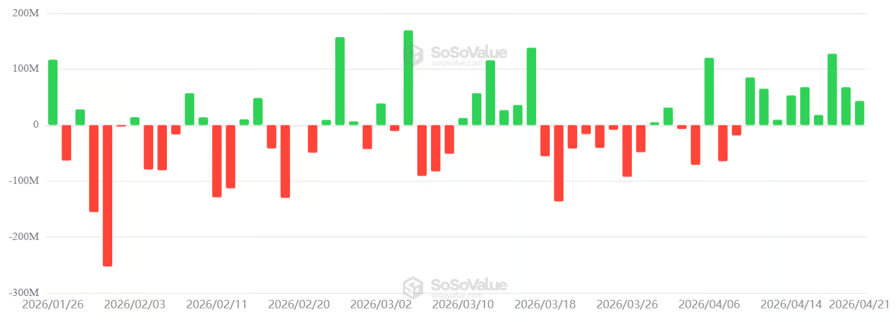
- The spot ETH ETFs recorded ten consecutive days of net inflows, totaling $633 million.
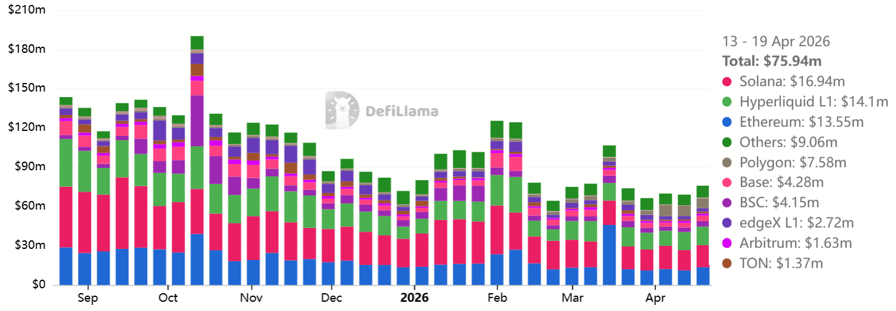
- Weekly DApps revenue on the Ethereum network fell to $13 million, following a broader decline seen in Solana and BNB Chain.
Ether (ETH) struggled to trade above $2,400 on Thursday, but consistent inflows into Ethereum spot exchange-traded funds (ETFs) reflect the bulls’ attempt to regain momentum. Ether’s price rallied alongside Bitcoin’s (BTC) recovery to $79,000, prompting traders to question whether ETH will attempt a run to $3,000.
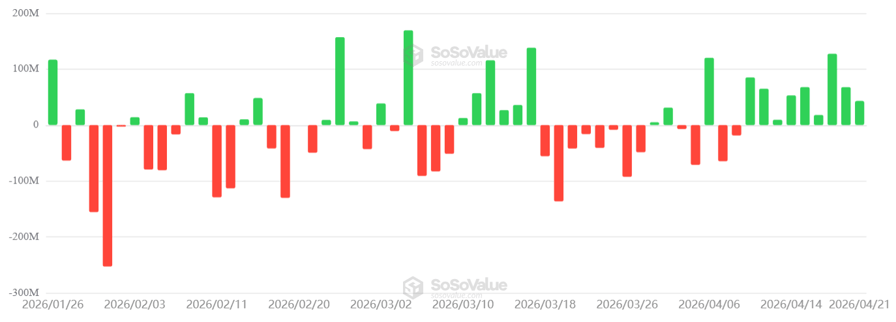
Spot ETH ETF daily net flows, USD. Source: SoSoValue
On Wednesday, the ETH spot ETFs completed 10 consecutive days of net inflows, totaling $633 million. This shows that traders are gradually reclaiming confidence after ETH abruptly fell by 42% between Jan. 28 and Feb. 6. The cryptocurrency market crash reduced interest in decentralized applications (DApps), which proved especially burdensome for ETH investors.
Weekly DApps revenue by chain, USD. Source: DefiLlama
DApp revenues on the Ethereum network dropped to $13 million per week in April, nearly 50% lower than six months prior. However, the decline in decentralized exchange (DEX) volumes has also plagued other major competitors to a similar extent, including Solana, BNB Chain, and Hyperliquid. The aggregate weekly blockchain DApps revenue has fallen to $73 million, down from $130 million in October 2025.
Ethereum well-positioned to capture demand for DApps
Despite recent bullish momentum, ETH is down 22% year-to-date in 2026, while the broader cryptocurrency market capitalization is down 14%. Ether’s underperformance may be interpreted as a buying opportunity, especially as the Ethereum network remains the leader in total value locked (TVL) and its layer-2 solutions have gained significant market share in DEX volumes.
Regardless of the ETF inflows, the demand for bullish leveraged ETH positions has plummeted to its lowest level in four months.
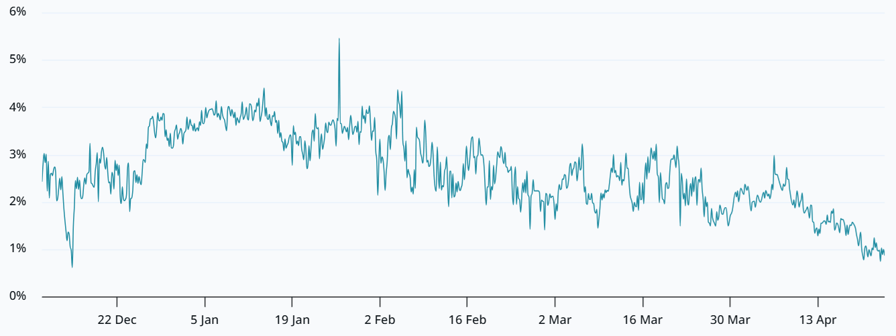
ETH 2-month futures basis rate. Source: Laevitas
The annualized ETH monthly futures premium relative to regular spot markets (basis rate) dropped to 1% on Thursday, well below the 4% neutral threshold. Still, it is incorrect to assume that professional traders are bracing for downside solely due to a lack of confidence in derivatives markets. The uncertain macroeconomic environment might explain trader skepticism, especially after major tech companies’ quarterly earnings disappointed investors.
IBM (IBM US) shares dropped nearly 10% on Thursday due to investor concerns regarding increased competition from the artificial intelligence sector, according to Yahoo Finance. In parallel, Morgan Stanley trimmed its price target on Oracle (ORCL US) due to uncertainty in the margin profile and buildout costs of the company’s expanding investment in AI computing data centers.
Related: BlackRock drives 7-day Bitcoin ETF inflow streak as BTC nears $80,000
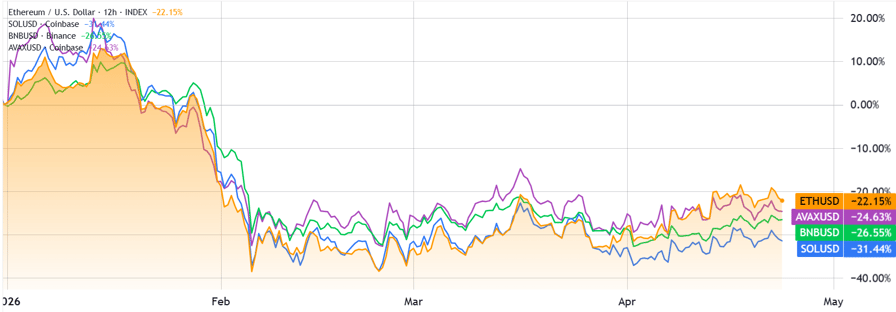
ETH vs. BNB, SOL, AVAX. Source: TradingView
Ether’s potential bullish momentum likely depends on reduced risk aversion toward cryptocurrencies, as its price chart relative to some competitors shows striking similarities. The recent spot Ether ETF inflows, while relevant, are not enough to justify a decoupling, especially as activity in the DApps sector has yet to show signs of improvement.
There is no indication that ETH is bound for $3,000, but the Ethereum network seems well-positioned to capture an eventual pickup in demand for decentralized computation.
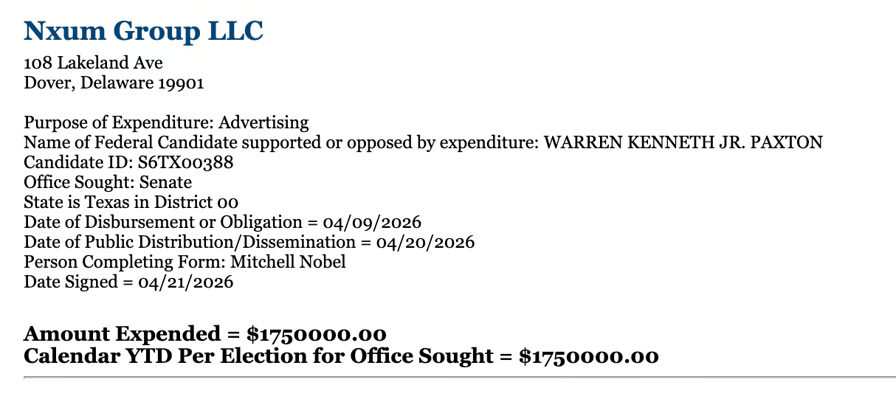
The crypto-aligned Fellowship political action committee (PAC), led by stablecoin issuer Tether’s head of government affairs, reported spending more than $3 million on advertising related to US Senate and House races, with the majority going toward to support a Texas Republican candidate.
In a Tuesday filing with the US Federal Election Commission (FEC), Fellowship PAC disclosed that it had spent $1.75 million in support of Texas Attorney General Ken Paxton. The Republican is facing off against incumbent Senator John Cornyn in a May 26 runoff to determine who will become the party’s candidate for the 2026 US Senate race.
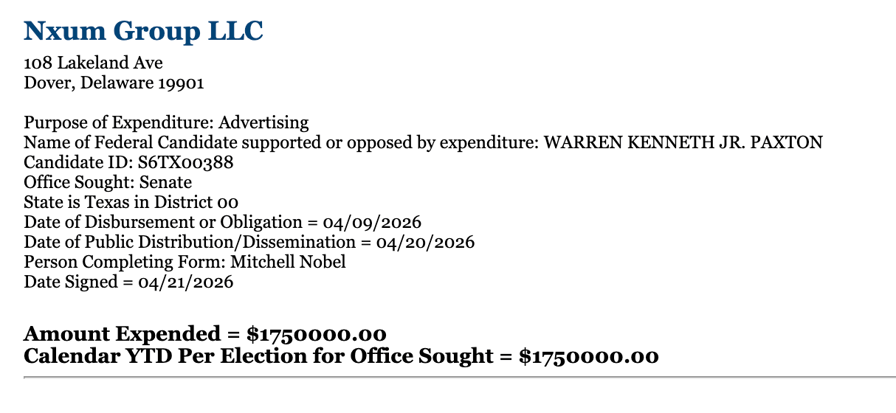
Fellowship PAC expenditure report on Ken Paxton. Source: FEC
In addition to Paxton, the PAC reported spending $350,000 on advertising for Mike Collins in Georgia’s Senate race, $350,000 on Barry Moore in Alabama’s Senate race, and $250,000 and $350,000 on Blake Miguez and Julia Letlow, respectively, for House and Senate races in Louisiana. All expenditures went through the Nxum Group, a marketing company co-founded by former White House crypto adviser and Tether US CEO Bo Hines.
Fellowship launched in September, claiming to have more than $100 million from undisclosed investors aligned with the crypto industry. Although the PAC has since reported $11 million in contributions to the FEC, no other filings or public records showed backers associated with crypto.
Crypto-backed PACs like Fellowship and Fairshake are expected to influence the results of the 2026 US midterm elections through spending on media and advertising to support candidates they consider “pro-crypto.” Fairshake and its affiliates reported spending more than $131 million in 2024, possibly influencing voters in key battleground states.
Related: Texas Lt. Gov. calls for study of crypto, prediction markets
Paxton’s time as Texas Attorney General was plagued by corruption allegations, leading to his impeachment in the state’s House of Representatives in 2023 — he was later acquitted by the Texas Senate. Either Paxton or Cornyn will likely face off against Democratic candidate James Talarico in November’s US Senate election.
Kalshi suspends and fines Texas candidate over insider trading
As US state primaries continue and the general election approaches, many prediction market users are betting on the outcomes of events related to big and small races, including some candidates themselves.
On Wednesday, prediction markets platform Kalshi announced financial penalties and bans on three candidates in Minnesota, Texas and Virginia after they were found to have placed bets on their respective races. The Texas candidate, Ezekiel Enriquez, “purchased less than $100 worth of contracts related to his own candidacy” for Texas’ 21st Congressional District, according to Kalshi.
“Under the terms of the settlement, Kalshi suspended Enriquez from direct or indirect access to Kalshi for a period of 5 years and imposed a financial penalty of $784.20,” said the company.
Magazine: How to fix suspected insider trading on Polymarket and Kalshi

Key Highlights
- INTC shares climb following earnings beat powered by AI infrastructure demand
- Data center segment expansion fuels Intel revenue growth and after-hours rally
- Intel posts margin improvements and accelerating AI momentum in Q1 results
- Robust AI workload demand drives Intel stock appreciation after report
- Intel gains on expanding data center operations and enhanced earnings forecast
Shares of Intel Corporation (INTC) finished the trading session higher before experiencing a significant after-hours rally following the release of first-quarter 2026 financial results. The stock closed at $66.78, representing a 2.31% gain, before jumping to $76.53 in extended trading. This momentum stems from robust AI workload requirements, expanding data center operations, and enhanced execution throughout primary business divisions.
Data Center Strength and AI Infrastructure Fuel Revenue Growth
Intel delivered first-quarter revenue totaling $13.6 billion, representing a 7% year-over-year increase. This expansion resulted from accelerating demand for processors and AI infrastructure solutions throughout enterprise and cloud computing environments. Beyond top-line growth, the company achieved a gross margin of 39.4%, demonstrating enhanced product portfolio mix and effective expense management.
While GAAP results reflected losses attributed to restructuring initiatives and accounting modifications, non-GAAP metrics revealed stronger underlying operational performance. Non-GAAP net income reached $1.5 billion, climbing 156% compared to the same period last year. Per-share earnings rose to $0.29, underscoring enhanced profitability throughout business divisions.
The Data Center and AI division emerged as the primary growth driver, producing $5.1 billion in revenue with a 22% year-over-year increase. The Client Computing Group contributed $7.7 billion, demonstrating consistent demand throughout PC and edge device markets. Overall Intel Products revenue advanced 9%, confirming strength across fundamental operations.
Product Innovation and Collaborative Initiatives Enhance Market Position
Intel broadened its product lineup with newly introduced Xeon processors and Core Ultra series chips spanning multiple market segments. These releases address enterprise, mobile, and edge computing applications with advanced AI functionality and performance improvements. Beyond product introductions, Intel reinforced collaborative relationships to expand its infrastructure footprint worldwide.
The semiconductor manufacturer revealed a multi-year partnership with Google for deploying Xeon processors throughout specialized cloud computing instances. This collaboration encompasses joint development of customized infrastructure processing units designed to enhance AI workload performance. Intel also secured its position as the host CPU supplier for NVIDIA’s DGX Rubin platform systems.
Additionally, Intel progressed its foundry objectives by increasing assembly and testing capabilities in Malaysia. This expansion addresses growing demand for sophisticated packaging technologies and strengthens supply chain stability. Intel participated in the Terafab consortium alongside prominent technology companies to drive semiconductor manufacturing advancement.
Forward Guidance Reflects Sustained AI and Manufacturing Growth Trajectory
Intel provided second-quarter 2026 revenue guidance ranging from $13.8 billion to $14.8 billion, suggesting continued demand stability. The organization anticipates non-GAAP earnings per share of $0.20, underpinned by margin expansion and operational effectiveness. GAAP forecasts remain subdued due to persistent restructuring effects.
The company continues refining its manufacturing infrastructure to address expanding customer needs. This strategy focuses on enhancing supply chain responsiveness and supporting increasing requirements for AI-optimized semiconductor solutions. Intel prioritizes production capacity scaling while strengthening its financial position.
Intel’s forward outlook demonstrates sustained expansion propelled by AI implementation and data center proliferation across international markets. The organization continues transforming its operational framework while broadening partnerships and product offerings. Consequently, the post-earnings stock appreciation corresponds with improved fundamentals and superior execution capabilities.


TLDR:
- MegaETH triggered a seven-day TGE countdown after 10 Mega Mafia apps met its first KPI requirement.
- Each qualifying app had to record over 100,000 transactions in 30 days, proving real user activity on-chain.
- 53.3% of MEGA’s total supply will be distributed as staking rewards tied to four measurable KPI goals.
- Backers include Kraken Ventures, Wintermute, Vitalik Buterin, and Kain Warwick, supporting the Mega Mafia program.
MegaETH is on track for its token generation event on April 30, 2026. The network confirmed that 10 Mega Mafia applications are now live, triggering a seven-day countdown.
This milestone marks the completion of the first key performance indicator in the project’s KPI-based release schedule.
The development positions MegaETH as one of the few blockchain networks tying token emissions directly to measurable ecosystem growth.
MegaETH Links MEGA Token Release to Performance Metrics
MegaETH structured its token distribution around four top-line KPI goals rather than a fixed unlock calendar. Under this model, 53.3% of the total MEGA supply will be released as staking rewards tied to those targets.
This approach separates the project from many blockchain launches that rely on time-based vesting schedules alone.
Following the first milestone confirmation, MegaETH officially announced the token generation date on X:
Co-founder Shuyao Kong stated the team wanted the MEGA token to act as an accelerant for the ecosystem. She noted the launch date is not arbitrary but tied to real network performance metrics.
Kong added the next phase is about whether the system can sustain and expand after years of building infrastructure.
Beyond the 10 live apps, MegaETH has outlined additional KPI requirements for further token releases. At least three MegaETH apps must generate $50,000 or more in daily fees for 30 consecutive days.
Additionally, USDM, the network’s native stablecoin, must reach specific growth targets to unlock further emissions.
Mega Mafia Apps Must Meet Strict On-Chain Activity Standards
The 10 qualifying applications were not counted based on launch status alone. Each app had to demonstrate a functioning core loop supported by real, traceable user activity.
Furthermore, every qualifying app was required to generate more than 100,000 total transactions over 30 days.
MegaETH has incubated roughly 30 applications through the Mega Mafia program to date. The initiative received financial backing from firms including Anagram, GSR, Kraken Ventures, Maven11, Robot Ventures, and Wintermute.
Angel investors such as Vitalik Buterin and Kain Warwick also participated in supporting those early-stage projects.
Among the live ecosystem apps currently listed on MegaETH’s website are CAP, Avon, and Euphoria. These projects are actively building on the chain’s underlying infrastructure.
Together, they represent the growing base of applications that met the network’s strict activity standards ahead of the April 30 token launch.
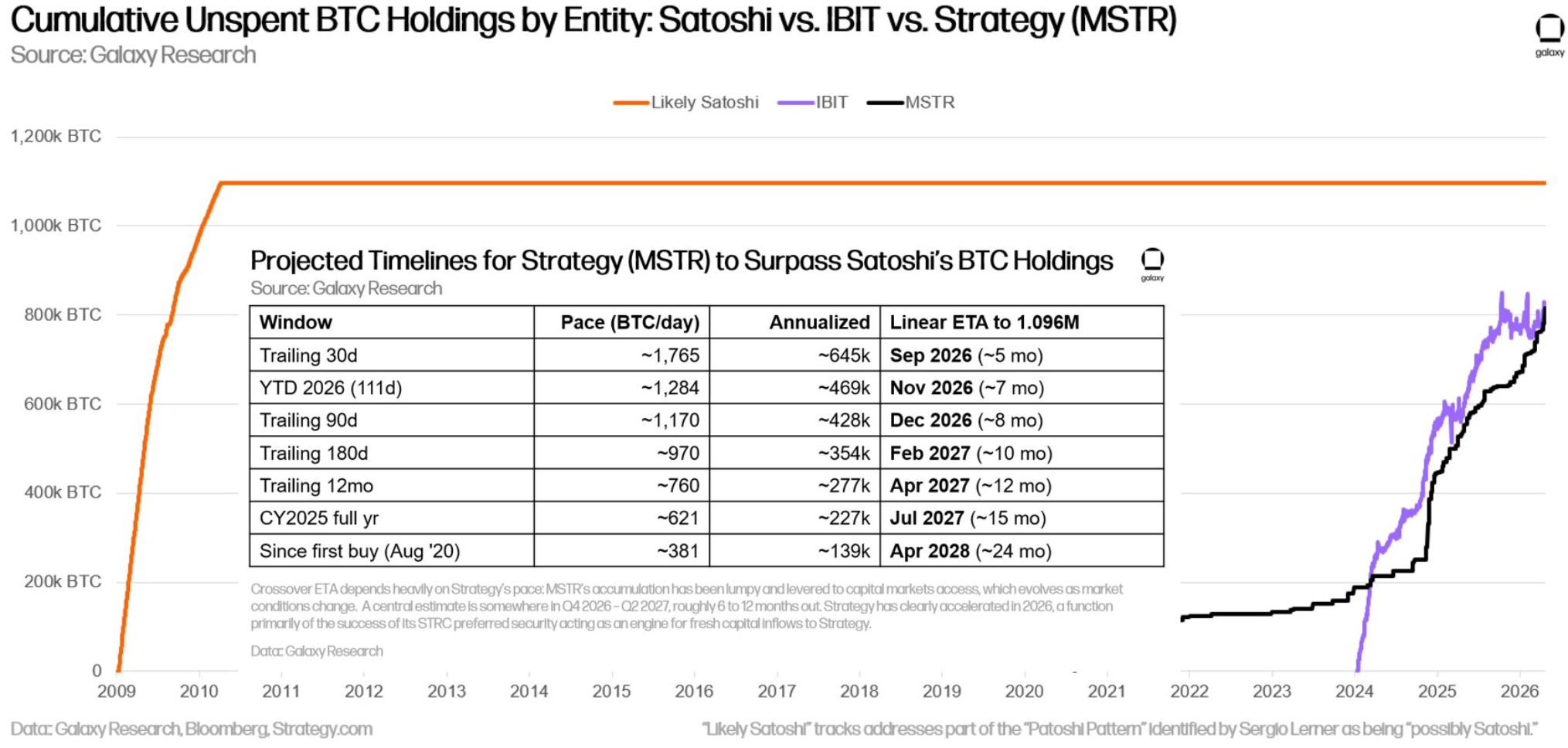
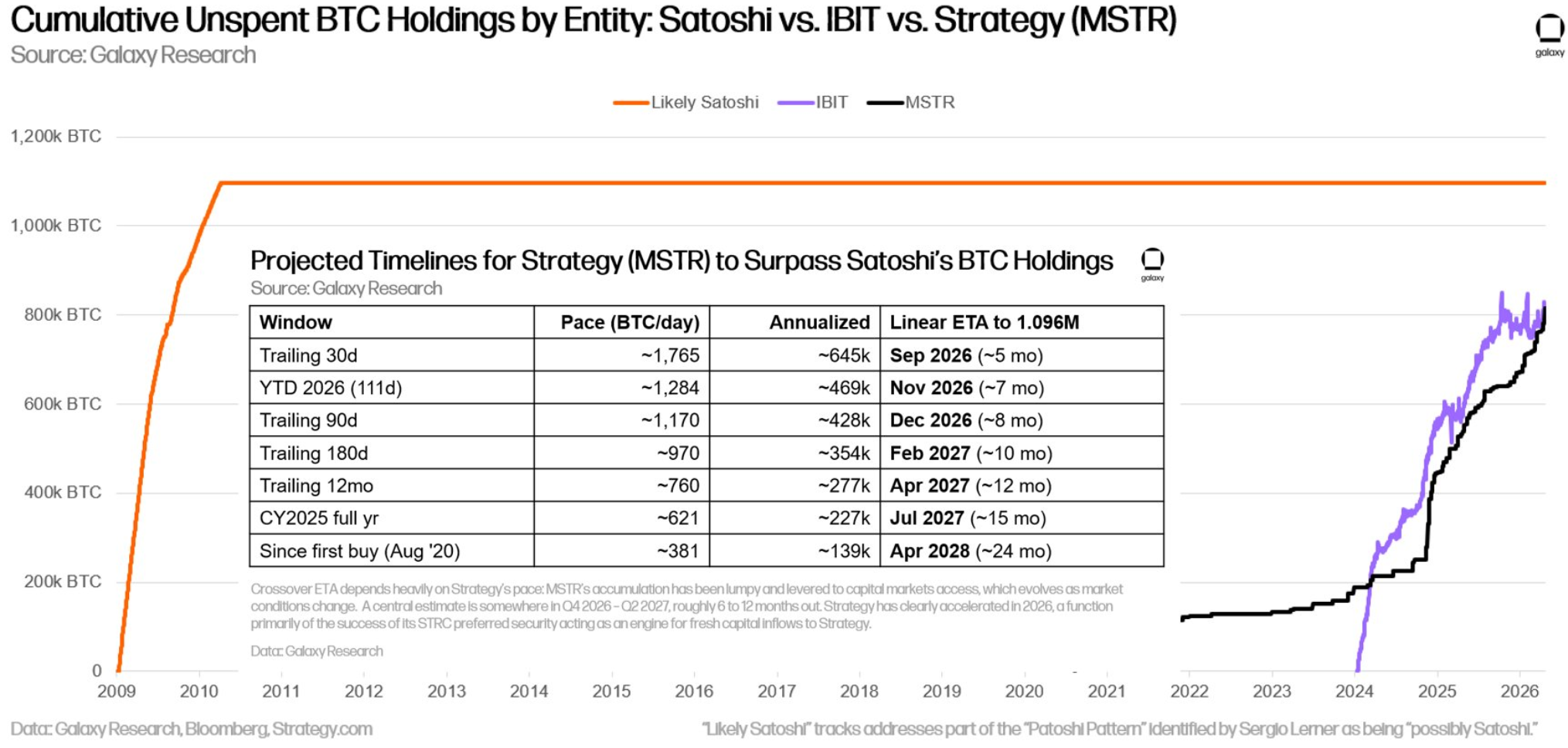
MicroStrategy Inc. (MSTR) now holds 815,061 Bitcoin (BTC), surpassing BlackRock’s iShares Bitcoin Trust (IBIT) as the single largest Bitcoin holder.
The company purchased 34,164 BTC for roughly $2.54 billion between April 14 and April 20. IBIT currently holds approximately 806,178 BTC.
MicroStrategy’s 815,061 BTC and Counting
Alex Thorn, Head of Firmwide Research at Galaxy Digital, highlighted the crossover this week. He shared a chart showing Strategy’s holdings trending toward Satoshi Nakamoto’s estimated 1.096 million BTC.
“Strategy (MSTR), a single company, now holds more BTC than IBIT, the world’s largest bitcoin fund. Strategy will likely surpass Satoshi within the next 2 years,” he wrote in a post.
Galaxy’s models project MicroStrategy could overtake Satoshi as early as November 2026 at its current pace. The company funds purchases through at-the-market equity offerings, including its STRC preferred stock, which pays an 11.5% annualized yield.
Meanwhile, Executive Chairman Michael Saylor posted “Winter’s Over” on X the same day. The message, paired with an AI-generated image evoking renewal, suggests the market may be primed for a recovery.
However, gold advocate Peter Schiff pushed back, calling STRC’s structure a Ponzi scheme.
“The main difference between a typical Ponzi scheme and $STRC is that with the former the promoter doesn’t tell you it’s a Ponzi or that your payments will stop when the pool of new buyers dries up,” wrote Schiff.
Schiff argued that STRC dividends depend on continuous capital raises, not operational revenue.
MicroStrategy discloses these risks in its SEC filings. Saylor has countered that BTC needs only 2.05% annual appreciation to cover all preferred stock dividends indefinitely.
The post Galaxy Research Has A Timeline for MicroStrategy Bitcoin Stash To Overtake Satoshi’s appeared first on BeInCrypto.

Pin pinup giriş Up Casino Azərbaycanda populyarlaşan onlayn kazino platformasıdır. Pinap az tərəfindən təqdim olunmuş və bu platforma qoşulmaq üçün pin up giriş sayfasından keçə bilərsiniz. Pin Up Casino, Azərbaycanlılar üçün geniş seçimi və müraciət məkanı təqdim edir.
Pin Up Casino-nin məqsədi, Azərbaycanlılar üçün onlayn oyunlar dünyasında daha yaxşı müraciət məkanı yaratmaqdır. Platformada geniş bir oyun seçimi var, dərin proqramlaşdırma ilə hazırlanmış və müraciətçilərin lazım kılan funksionalliklərə malik oyunlar barədə qarşını çıxır. Pinup adlı bu platform, Azərbaycanlılar üçün onlayn oyunlar dünyasında daha yaxşı müraciət məkanı təqdim edir.
Pin Up Casino-nin məqsədi, Azərbaycanlılar üçün onlayn oyunlar dünyasında daha yaxşı müraciət məkanı yaratmaqdır. Platformada geniş bir oyun seçimi var, dərin proqramlaşdırma ilə hazırlanmış və müraciətçilərin lazım kılan funksionalliklərə malik oyunlar barədə qarşını çıxır. Pinap az tərəfindən təqdim olunan bu platform, Azərbaycanlılar üçün onlayn oyunlar dünyasında daha yaxşı müraciət məkanı təqdim edir.
Pin Up Casino-dan nədir bilərsiniz?
Pin Up Casino – bu Azərbaycanlı oyuncular üçün məhsuldar və təhlükəsiz onlayn kazino. Bu platformada pin up giriş yolu ilə rahatlıqla oyun oynayabilirsiniz. Pin Up Casino-nun sahəsindən nə bilərsiniz? Bu, oyunların səviyyəsindən, bonuslardan və xidmətlərdən başqa bir şeydən. Pinup casino-nun sahəsindən nə bilərsiniz? Bu, oyunların səviyyəsindən, bonuslardan və xidmətlərdən başqa bir şeydən.
Pin Up Casino-da pin up giriş yolu ilə rahatlıqla oyun oynayabilirsiniz. Bu platformada ən yaxşı və məhsuldar oyunlar tapa bilərsiniz. Pin Up Casino-nun sahəsindən nə bilərsiniz? Bu, oyunların səviyyəsindən, bonuslardan və xidmətlərdən başqa bir şeydən. Pin Up Casino-da pin up giriş yolu ilə rahatlıqla oyun oynayabilirsiniz. Bu platformada ən yaxşı və məhsuldar oyunlar tapa bilərsiniz.
Pin Up Casino-da pin up giriş yolu ilə rahatlıqla oyun oynayabilirsiniz. Bu platformada ən yaxşı və məhsuldar oyunlar tapa bilərsiniz. Pin Up Casino-nun sahəsindən nə bilərsiniz? Bu, oyunların səviyyəsindən, bonuslardan və xidmətlərdən başqa bir şeydən. Pin Up Casino-da pin up giriş yolu ilə rahatlıqla oyun oynayabilirsiniz. Bu platformada ən yaxşı və məhsuldar oyunlar tapa bilərsiniz.
Pin Up Casino-da pin up giriş yolu ilə rahatlıqla oyun oynayabilirsiniz. Bu platformada ən yaxşı və məhsuldar oyunlar tapa bilərsiniz. Pin Up Casino-nun sahəsindən nə bilərsiniz? Bu, oyunların səviyyəsindən, bonuslardan və xidmətlərdən başqa bir şeydən. Pin Up Casino-da pin up giriş yolu ilə rahatlıqla oyun oynayabilirsiniz. Bu platformada ən yaxşı və məhsuldar oyunlar tapa bilərsiniz.
Pin Up Casino-da pin up giriş yolu ilə rahatlıqla oyun oynayabilirsiniz. Bu platformada ən yaxşı və məhsuldar oyunlar tapa bilərsiniz. Pin Up Casino-nun sahəsindən nə bilərsiniz? Bu, oyunların səviyyəsindən, bonuslardan və xidmətlərdən başqa bir şeydən. Pin Up Casino-da pin up giriş yolu ilə rahatlıqla oyun oynayabilirsiniz. Bu platformada ən yaxşı və məhsuldar oyunlar tapa bilərsiniz.
Pin Up Casino-da qeydiyyatdan keçmək
Pin Up Casino-da qeydiyyatdan keçmək çox rahat və sürətli bir prosesdir. Bu, sizin üçün keyfiyyətli və müraciətli oyunlar üçün bir hərbi yeri yaratır. Qeydiyyatdan keçmək üçün ilk adımları izləyin:
-
Pin Up Casino veb-saytını ziyarət edin və “Qeydiyyat” düyməsini seçin. Bu düymə veb-saytda səhifənin üstündə yerləşir.
-
Qeydiyyat formasını doldurun. Bu formada sizin adınızı, soyadınızı, e-poçt adresinizi və şifrənizi daxil etməlisiniz. Bu məlumatlar sizin hesabınız üçün necə saxlanılır və müraciətli olmaq üçün istifadə edilir.
-
Formanı doldurduqdan sonra “Qeydiyyatdan keçmək” düyməsini seçin. Bu düymə formanı təkmilləşdirmək və hesabınızı yaratmaq üçün istifadə edilir.
Qeydiyyatdan keçmək prosesindən sonra, Pin Up Casino-da oyun oynamak üçün “Pin Up giriş” səhifəsindən keçirsiniz. Bu səhifədə sizin hesabınız üçün müraciətli və keyfiyyətli oyunlar təklif olunur.
Pin Up Casino-da qeydiyyatdan keçmək üçün dəstək səhifəsində müraciət etmək və ya veb-saytda qeyd olunan müraciət səhifəsində müraciət etmək də mümkündür. Bu səhifədə sizin müraciətiniz üçün necə təsirləndiyini və qeydiyyatdan keçmək üçün məlumatları daxil etmək üçün formalar var.
Pin Up Casino-da qeydiyyatdan keçmək, sizin üçün keyfiyyətli və müraciətli oyunlar üçün bir hərbi yeri yaratır. Bu proses çox rahat və sürətli, və sizin üçün necə müraciətli olmaq üçün necə təsirləndiyini təmin edir. Qeydiyyatdan keçmək üçün Pin Up Casino veb-saytını ziyarət edin və “Qeydiyyat” düyməsini seçin. Bu düymə formanı təkmilləşdirmək və hesabınızı yaratmaq üçün istifadə edilir.
Pin Up Casino-da qeydiyyatdan keçmək, sizin üçün necə müraciətli olmaq üçün necə təsirləndiyini təmin edir. Bu proses çox rahat və sürətli, və sizin üçün keyfiyyətli və müraciətli oyunlar üçün bir hərbi yeri yaratır. Qeydiyyatdan keçmək üçün Pin Up Casino veb-saytını ziyarət edin və “Qeydiyyat” düyməsini seçin. Bu düymə formanı təkmilləşdirmək və hesabınızı yaratmaq üçün istifadə edilir.

Ethereum’s spot ETFs are once again drawing attention as fresh inflows arrive just as Ether trades hover near key support around $2,400. Across a ten-session run, spot ETH ETFs consolidated roughly $633 million in net purchases, suggesting that institutional players are re-engaging with the market even after a volatile stretch earlier in the year. Meanwhile, Ether’s price movement has tracked Bitcoin higher, lifting questions about whether ETH can sustain momentum toward the $3,000 level in the near term.
On the on-chain activity front, the story remains mixed. Data show that Ethereum’s decentralized application (DApp) revenue cooled sharply in April, underscoring tighter appetite for on-chain usage even as price dynamics improved. Weekly DApp revenue on Ethereum plunged to about $13 million, a decline of roughly half from six months earlier. The broader picture across major chains mirrors this weakness, with Solana, BNB Chain, and related ecosystems also reporting softer DEX volumes. Collectively, weekly DApps revenue across the leading chains dipped to about $73 million, down from around $130 million in October 2025.
Spot ETH ETF daily net flows, USD. Source: SoSoValue
Bitcoin’s resurgence and the ETF inflows have helped keep Ether in the conversation about a potential test of the $3,000 zone, but several data points suggest that the current optimism is not yet widespread enough to reset the longer-term narrative for ETH. The latest price action comes as Ether remains down for the year, with 2026 showing a roughly 22% decline year-to-date, while the broader crypto market has slipped closer to 14% for the same period. Investors are weighing whether the ETF dance signals a broader re-rating or simply a temporary reprieve in risk appetite.
Weekly DApps revenue by chain, USD. Source: DefiLlama
Key takeaways
- The spot ETH ETFs posted 10 consecutive days of net inflows, totaling about $633 million, signaling renewed institutional interest.
- Ethereum’s on-chain activity cooled, with DApp revenue dropping to about $13 million per week in April; aggregate DApps revenue across leading chains fell to roughly $73 million weekly.
- Despite the inflows, Ether’s macro price trajectory remains sensitive to broader risk sentiment, with ETH down around 22% year-to-date in 2026 while BTC has helped lift markets higher.
- The derivatives market has cooled, as the 2-month ETH futures basis hovered near 1% annualized—well below the typical neutral band around 4%—reflecting tepid appetite for bullish leverage amid macro uncertainty.
- Industry observers point to Ethereum’s continued leadership in TVL and Layer-2 adoption as potential tailwinds for later demand, even as near-term on-chain activity remains uneven.
ETF inflows and what they imply for ETH demand
Flows into Ethereum’s spot ETFs have become a focal point for investors seeking exposure to ETH without directly holding the digital asset on exchange wallets. The latest sequence of inflows, captured by data aggregator SoSoValue, marks a sustained period of net buying that traders and researchers view as a sign of renewed confidence after a spring sell-off that briefly pushed Ether to the lower $2,000s.
From a market structure perspective, ETF inflows can reflect a mix of institutional reallocation, index rebalancing, and strategic positioning against ongoing macro volatility. Yet the signal is not yet definitive: ETF momentum alone does not guarantee a sustained move higher in spot ETH, especially when on-chain activity remains fragile and competitive pressure in the DApps space persists. In this light, the inflows appear to be a bullish data point that complements broader risk-on signals rather than a standalone catalyst for a test of $3,000.
On-chain usage under pressure as investors reassess DApp growth
The DApp revenue slowdown underscores a complex dynamic for Ethereum’s fundamental thesis. Data from DefiLlama show weekly DApp revenue on Ethereum at about $13 million in April, a level that marks a meaningful drop versus six months prior. The broader ecosystem has seen a similar softness in DEX volumes and related on-chain activity across competing networks like Solana and BNB Chain. While Ethereum remains the largest platform by total value locked (TVL) and continues to gain traction from Layer-2 scaling solutions, the commercial activity that typically underpins long-run demand for gas fees and smart contract usage has yet to demonstrate a clear rebound.
In a broader context, the combined weekly DApps revenue across major chains has slid to around $73 million from roughly $130 million in October 2025. This contraction suggests that, even with rising interest in ETH through spot ETFs, the market’s willingness to pay for decentralized applications is not uniformly expanding. Investors looking for signals of sustained network activity should monitor upcoming DApp launches, user acquisition across Layer-2 ecosystems, and any shifts in DeFi liquidity that might reaccelerate on-chain activity.
The derivatives backdrop and the macro environment
Beyond spot flows and on-chain activity, the derivatives landscape offers a tempered view of the market’s near-term stance on Ether. The 2-month ETH futures basis—the premium of futures relative to spot prices—has cooled to about 1% annualized, dipping well below the neutral threshold around 4%. This compression indicates that professional traders have largely refrained from aggressively building bullish leverage, a stance that aligns with a broader risk-off mood in the wake of mixed earnings signals from major tech incumbents and ongoing macro uncertainties.
Macro headlines have also seeped into crypto sentiment. For instance, IBM’s stock price faced a nearly 10% drop after quarterly results raised concerns about competition in AI, according to Yahoo Finance. Separately, Morgan Stanley trimmed its Oracle price target amid questions about the margin profile and cost of expanding AI computing data centers. While these developments are not Ethereum-specific, they contribute to a cautious environment in which traders weigh the likelihood of sustained demand for risk assets, including crypto assets with heterogeneous use cases.
Despite these headwinds, Ethereum still occupies a strategic position within the sector. Its leadership in TVL and the growing footprint of Layer-2 networks that push higher throughput for DEXes could offer a qualitative reason for buyers to accumulate ETH on pullbacks. The question remains whether improving risk appetite and stronger on-chain activity will converge in a way that lifts ETH toward the $3,000 level in the near to mid term.
ETH vs. BNB, SOL, AVAX. Source: TradingView
Looking forward, traders should watch how the ETF inflow trajectory evolves and whether it translates into broader buying that supports spot ETH beyond the immediate liquidity windows. They should also monitor any shifts in DApp monetization, DeFi liquidity, and the adoption of Layer-2 solutions, all of which could signal a gradual reacceleration in on-chain activity that underpins ETH’s longer-term valuation story.
Ether’s near-term path remains contingent on a delicate balance: renewed investor interest expressed through ETF inflows, a turn in on-chain activity that can sustain gas demand, and a risk environment that either sustains or dampens appetite for leveraged positions in the crypto space. While the current indicators do not guarantee a breakout, they do outline a scenario where ETH could capitalize on improving sentiment and network fundamentals as the year unfolds.
The developments to watch next include the ongoing pace of spot ETF inflows, any upward movement in DApp usage on Ethereum and Layer-2s, and how institutions price the risk-reward of ETH in a landscape still shaped by macro uncertainty and evolving regulatory signals.
TLDR:
- Coinbase’s Quantum Advisory Board named Algorand and Aptos the most quantum-prepared layer-1 blockchains in April 2026.
- Algorand deployed its first live post-quantum transaction using Falcon-1024 signatures on mainnet in November 2025.
- Algorand’s consensus layer still relies on classical Ed25519 signatures, leaving it short of full quantum resistance today.
- ALGO surged roughly 50% in early April after Google’s Quantum AI paper cited Algorand 32 times in March 2026.
Algorand is drawing renewed attention as one of the few major blockchains with live post-quantum cryptography on mainnet.
A Coinbase Quantum Advisory Board paper released April 21 named Algorand and Aptos as the two layer-1 networks best prepared for the quantum shift. Bitcoin, Ethereum, and Solana remain in planning or early-transition stages.
The 50-page report was produced by researchers from Stanford, UT Austin, the Ethereum Foundation, and several other institutions. It is the board’s first formal position paper on quantum computing and blockchain.
What Algorand Has Already Deployed Against Quantum Threats
Algorand’s post-quantum work dates to 2022 with the rollout of State Proofs. These compact certificates attest to the ledger’s state every 256 rounds using Falcon signatures.
Falcon is a lattice-based scheme that NIST has formally standardized. The chain’s historical record has therefore carried quantum-secured attestations for roughly four years.
The more operationally significant step came on November 3, 2025. The Algorand Foundation executed the first post-quantum transaction on live mainnet using Falcon-1024 signatures.
That transaction moved a real asset on a public blockchain, not a testnet. No hard fork was required to make it happen.
Falcon verification was added as a native primitive inside the Algorand Virtual Machine. Users generate a Falcon keypair and spend funds through a logic signature.
The Foundation also released a Falcon Signatures CLI so developers can do the same. That tool removes the need for builders to write their own cryptographic code from scratch.
The Coinbase board noted that Algorand lets users create quantum-resistant accounts without a protocol-wide migration.
That design stands in contrast to networks requiring large, coordinated transitions. It places Algorand meaningfully ahead of most layer-1 competitors on this specific measure.
As the board put it, “@Algorand is one of very few major layer-1s with real, working post-quantum tools in production, not roadmap commitments. That is a defensible lead. Not a finished job.”
Where Algorand Still Falls Short on Full Quantum Resistance
Despite its progress, Algorand is not fully quantum-resistant today. The protections in place cover the ledger’s history and user-level transactions.
However, the core of consensus remains classical. Block proposals and committee voting still depend on Ed25519 signatures.
Validator selection also uses a non-post-quantum Verifiable Random Function. The Coinbase board flagged this gap directly in its April 21 report, titled “Quantum Computing and Blockchain.”
Algorand’s own post-quantum technology page acknowledges the same limitation. The protocol team has publicly stated these components are next on the upgrade list.
Chris Peikert, Algorand’s Chief Scientific Officer, has led much of this research. His foundational work contributed directly to Falcon’s cryptographic design.
The network was built with cryptographic agility, meaning primitives can be swapped without a full rebuild. That structural flexibility gives Algorand room to close the remaining gap.
The market has responded to this growing post-quantum profile. ALGO rallied roughly 50% in early April after Google’s Quantum AI paper referenced Algorand 32 times on March 31.
The token was trading near $0.10, with a market cap of around $914 million, on April 22. Whether the “one of few” label holds will depend on whether consensus upgrades arrive in 2026 or 2027, as the team has indicated.
The U.S. Department of Justice arrested a Master Sergeant with the Army on allegations he placed wagers on the raid of Nicolas Maduro ahead of participating in the operation to detain former Venezuelan leader.
The DOJ unsealed an indictment Thursday charging Gannon Ken Van Dyke with the unlawful use of confidential government information for personal gain, theft of nonpublic government information and fraud charges, alleging he used his knowledge of the forthcoming raid on Venezuela to place $33,000 in bets, winning about $400,000 after the raid.
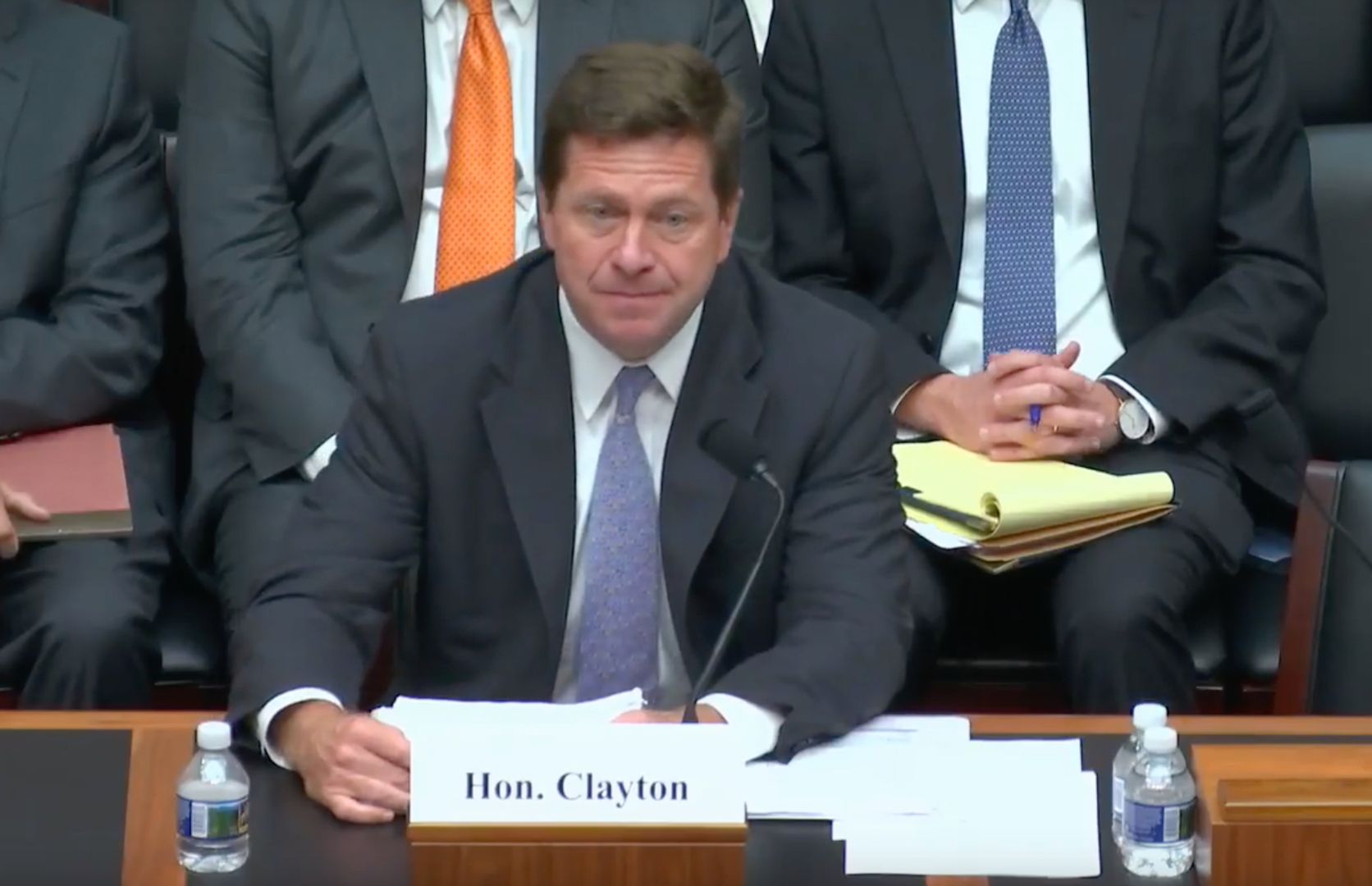
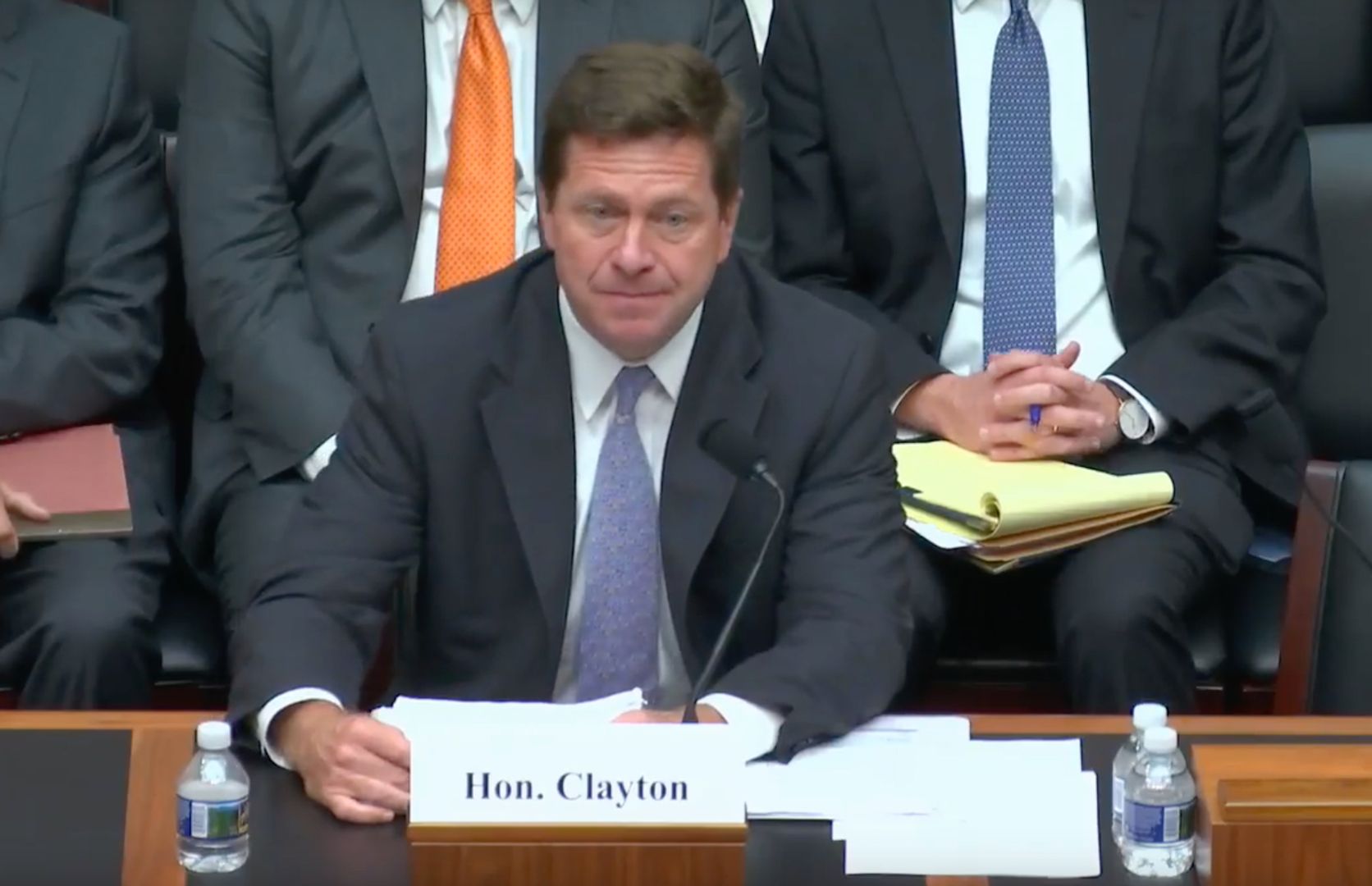
“The defendant allegedly violated the trust placed in him by the United States Government by using classified information about a sensitive military operation to place bets on the timing and outcome of that very operation, all to turn a profit,” U.S. Attorney Jay Clayton said in a statement. “That is clear insider trading and is illegal under federal law.”
Van Dyke allegedly created a Polymarket account on Dec. 26, 2025 and placed 13 bets through Jan. 2, 2026 on contracts expecting whether U.S. forces would land in Venezuela, remove Maduro, invade Venezuela and similar contracts.
Van Dyke is also an active duty soldier with the Army’s special forces, based out of Fort Bragg. According to the indictment, he “was involved in the planning and execution” of the military operation to detain Maduro.
After the raid, Van Dyke allegedly withdrew the funds, converted the winnings to a bridged version of USDC, sent them to “a foreign cryptocurrency ‘vault’” and then began withdrawing funds and moving them into a brokerage account, the filing said.
The filing noted that the fact someone had made a massive profit on these Polymarket bets had been noticed by news organizations, and alleged that Van Dyke asked Polymarket to delete his account and changed his email to conceal his identity.

Erica Campbell Trends W/ Anniversary Post Amid Sister’s Divorce

The rise of Sara Cox – from Bolton to landing Radio 2 Breakfast Show
Why ASEAN Must Prioritize Strengthening Supply Chain Integrity

Manchester United reach agreement with Casemiro over contract clause amid transfer speculation

US brings back mandatory military draft registration

Steven Gerrard disagrees with Gary Neville over ‘shock’ Chelsea and Arsenal claim | Football

Joe Rogan Financial Freedom Explained

Viral Crypto Coins – Crypto Social Sentiment Data Revealed Everything #Crypto #viral #bitcoin

Why Businessmen take Loan? #finance #investing #money #business #gkindia #gkhindi #basicgyaan
-

 Sports7 days ago
NWFL Suspends Two Players Over Post-Match Clash in Ado-Ekiti
-

 Fashion6 days ago
Weekend Open Thread: Theodora Dress
-

 Politics6 days ago
Palestine barred from entering Canada for FIFA Congress
-
Entertainment4 days ago
NBA Analyst Charles Barkley Chimes in on Ice Spice McDonald’s Fiasco
-

 Tech5 days ago
Auto Enthusiast Scores Running Tesla Model 3 for Two Grand and Turns It Into Bare-Bones Go-Kart
-

 Business4 days ago
Powerball Result April 18, 2026: No Jackpot Winner in Powerball Draw: $75 Million Rolls Over
-

 Politics5 days ago
Zack Polanski demands ‘council homes not luxury flats for foreign investors’
-

 Crypto World6 days ago
Russia Pushes Bill to Criminalize Unregistered Crypto Services
-

 Politics3 days ago
Gary Stevenson delivers timely reminder to register to vote as deadline TODAY
-

 Business2 days ago
Rolls-Royce Voted UK’s Most Iconic Trade Mark as IPO Register Hits 150
-

 Politics1 day ago
Disabled people challenge government SEND proposals over segregation concerns
-

 Politics1 day ago
Making troops accountable for war crimes threatens US alliance, ex-SAS colonel warns
-

 Crypto World6 days ago
Russia Introduces Bill To Criminalize Unregistered Crypto Services
-

 Politics1 day ago
Starmer handler McSweeney to be dragged from shadows by Foreign Affairs Committee
-

 Politics1 day ago
Zack Polanski responds to home secretary’s taser threat
-
Politics1 day ago
Wings Over Scotland | How To Get Away With Crimes
-
Crypto World5 days ago
Kelp DAO rsETH Bridge Hack Drains $292M as DeFi Losses Top $600M in Two Weeks
-

 Politics1 day ago
‘Iran is still a nuclear threat’
-

 Crypto World2 days ago
New York sues Coinbase, Gemini over prediction market offerings
-

 Business2 days ago
The Job Benefits Most Men Don’t Know to Negotiate
You must be logged in to post a comment Login