Crypto World
Crypto industry experts at Consensus see Asian institutions pivot toward stablecoins

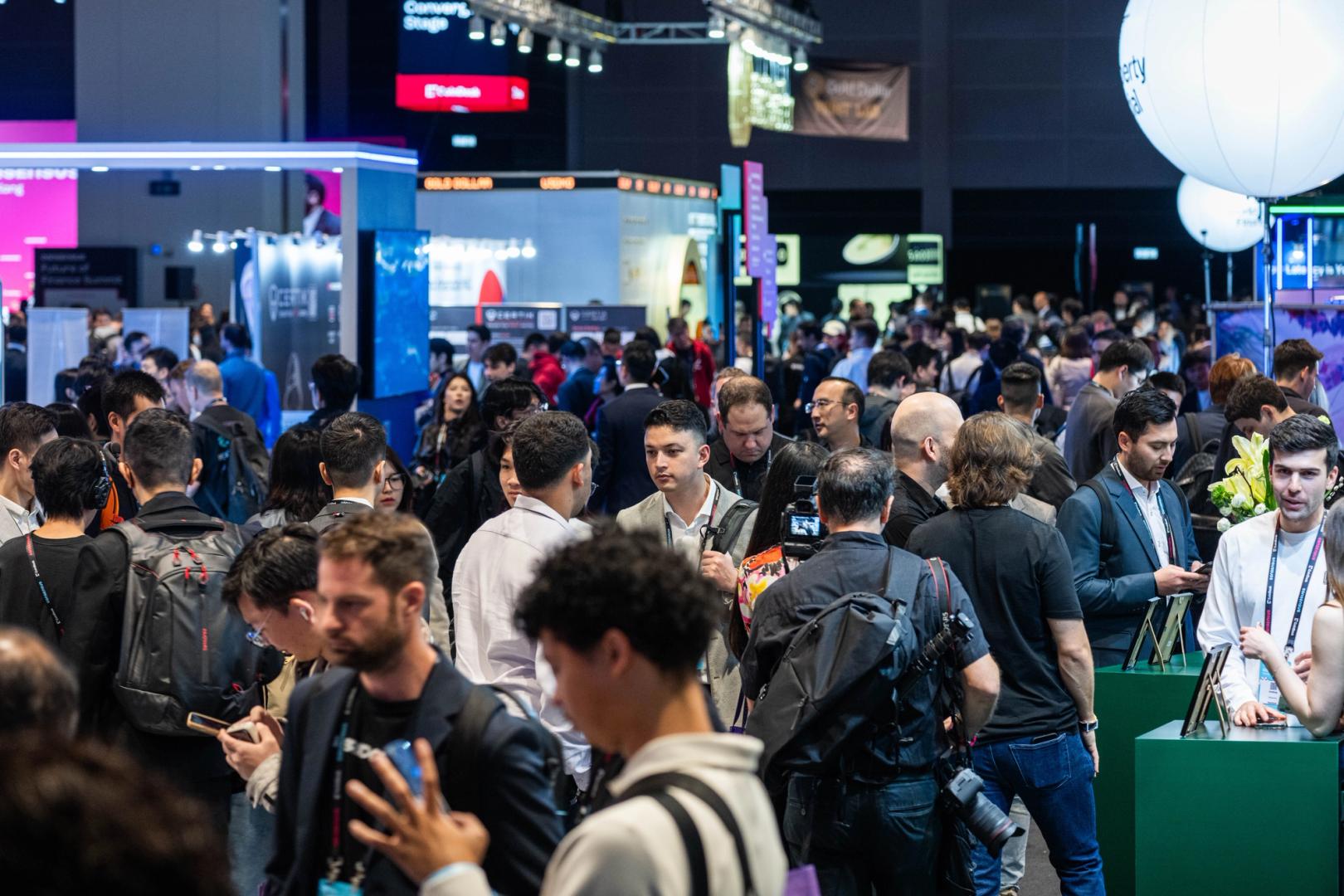

Hong Kong — Institutional crypto participation across Asia is moving into a more mature phase as regulators establish clear frameworks for stablecoins and exchange-traded funds. Large players now favor market-neutral strategies and regulated vehicles over direct, directional exposure to digital assets.
Vicky Wang, president of Amber Premium, highlighted this shift during a panel discussion at Consensus Hong Kong. She noted that while transaction volumes reached $2.3 trillion by mid-2025, capital allocation remains cautious. “The institutional participation in Asia, I would say it’s real, but at the same time it’s very cautious,” Wang said. She observed that institutions prefer “market neutral and yield strategy” over aggressive directional bets.
Fakhul Miah, managing director of GoMining Institutional, pointed to the recent approval of ETFs and perpetuals in Hong Kong as a major driver for liquidity. He noted that even traditional “mega banks” in Japan are now working on stablecoin solutions. These developments allow traditional capital to enter the space through familiar structures. Miah explained that institutions must pass through “risk committees and operational governance structures,” which historically did not exist for onchain products.
The focus for many Asian institutions has shifted toward real-world asset tokenization and stablecoin settlement. Wendy Sun, chief brand officer at Matrixport, noted that while these topics are popular, there remains a gap in internal treasury adoption. “For the internal treasury-based stablecoin, we are still waiting for the standard to come out,” Sun said. She argued that the behavior of these institutions is becoming more “rule-based and scheduled” rather than pursuing short-term gains.
Wang concluded that the industry’s future rests on the convergence of artificial intelligence and digital assets. “In the future, digital assets would not be a just alternative asset class or an alternative financial system,” Wang said. “It will be the financial layer of the AI.”
You must be logged in to post a comment Login