

Crypto World
EBA Outlines Landmark EU Crypto Fines as New Rules Take Effect


The European Banking Authority (EBA) has published a consultation paper outlining how it plans to calculate fines for crypto asset issuers that breach the EU’s Markets in Crypto-Assets (MiCA) framework. The proposal—released June 26—signals that regulators intend to move from rulemaking to consistent, standardized enforcement for “significant” token issuers.
Under the draft methodology, the EBA would apply a structured two-step process: it would first establish a baseline severity for an infringement and then adjust the result based on aggravating or mitigating factors. The framework is designed to cover significant asset-referenced tokens (ARTs) and significant e-money tokens (EMTs), with penalty caps intended to be large enough to deter major market players.
Key takeaways
- The EBA’s June 26 consultation sets out a standardized method for determining MiCA-related fines for issuers of “significant” ARTs and EMTs.
- Fines could reach statutory ceilings of up to 12.5% of annual turnover for significant ART issuers and up to 10% for significant EMT issuers, or up to two times the profits from the violation.
- The EBA’s enforcement “teeth” arrive as MiCA licensing requirements take effect on July 1, ending a transitional period for many firms.
- Crypto firms that miss licensing deadlines face operational constraints—and potentially the very types of conduct targeted by the EBA’s fine methodology.
- Executives have a consultation window until September 28 to comment on the EBA’s approach, but the July 1 compliance deadline leaves little time for adjustments in practice.
A penalty playbook for MiCA breaches
MiCA is the EU’s landmark digital asset regulation, built to bring order to the market by requiring token issuers and crypto service providers to meet bank-like compliance expectations—covering issues such as consumer protections and capital reserves—to access the bloc’s single market.
In its consultation paper, the EBA focuses on enforcement for significant tokens as defined under MiCA. The document proposes a consistent approach to fines rather than leaving penalty levels to ad hoc determinations. According to the EBA, the methodology begins by evaluating the baseline seriousness of an infraction and then accounts for behavior-specific circumstances, such as factors that would increase or reduce culpability.
The proposed ceilings are explicitly framed as punitive. The consultation states that final penalties could be set up to statutory maximums of 12.5% of annual turnover for issuers of significant ARTs and 10% for issuers of significant EMTs. The paper also references a cap of two times the profits generated by the violation, a design intended to prevent companies from treating enforcement risk as a cost of doing business.
EBA’s consultation paper (June 26) lays out the framework in more detail, including the procedural steps the authority would use when calculating penalties.
MiCA licensing deadline turns the calendar into a compliance cliff
The fine methodology arrives at a moment when the industry is already facing a hard operational deadline. By July 1, crypto companies must have obtained formal licenses from national regulators to legally offer services across the EU and to market stablecoins within the 27-nation bloc. The deadline ends the transitional period that allowed some operators to continue functioning under less stringent local rules.
The EBA’s penalty methodology is therefore more than a theoretical enforcement blueprint. Companies that fail to secure regulatory authorization by July 1 could be forced to halt or narrow certain activities. The timing also raises the risk of triggering conduct that falls under the types of non-compliance the EBA’s framework is meant to penalize.
Earlier coverage from Cointelegraph also highlighted that the July 1 deadline would constrain firms unable to complete MiCA authorization processes in time. In practical terms, that means executives and compliance teams may be operating under uncertainty while regulatory paperwork catches up—right as the EBA is preparing to standardize what happens when rules are broken.
Binance’s EU restrictions underscore the operational impact
One of the clearest real-world signals comes from Binance. According to Cointelegraph, the exchange notified European Union users that it would restrict access to some services after it failed to secure MiCA authorization from a member state ahead of the July 1 deadline. The reported reason was that Binance withdrew its MiCA license application in Greece.
As users shared notices on social media, Binance indicated that it would stop onboarding new EU users and limit certain services for EU-based accounts effective July 1. The notices also stated that withdrawals would remain available after that date, aligning with regulatory expectations that customers should be able to exit their positions even when trading or onboarding restrictions apply.
The timing matters for market participants because it suggests a likely pattern: without authorization, major venues may shift from growth mode to risk containment. For users, that translates into fewer options for new entry, while for institutions and market makers it can affect liquidity planning and compliance coverage across jurisdictions.
Cointelegraph reported that Binance saw substantial daily net outflows around the announcement, citing DefiLlama data. The exchange’s subsequent outflow figures over the following two days were also reported by Cointelegraph, reflecting how quickly liquidity can move when regulatory access changes.
EU enforcement in focus as the US relies more on action-by-action
Beyond the specific penalty mechanism, the EBA consultation highlights a broader enforcement posture. By publishing a clear fining methodology just as MiCA licensing takes effect, EU authorities appear to be emphasizing predictability and deterrence—leaving less room for interpretation that enforcement might be gradual or forgiving.
This contrasts with a more enforcement-driven approach often associated with the United States, where regulatory outcomes can depend heavily on case-by-case actions. In the EU’s model, the framework aims to define the penalty logic upfront, providing firms with a clearer sense of the regulatory “cost of non-compliance” if they operate without the required authorizations or breach MiCA obligations.
The EBA also set a consultation period that runs until September 28, giving industry participants time to lobby for changes to the fine methodology. Still, the practical reality is that companies must operate compliantly well before the EBA’s final guideline is locked in—meaning the July 1 deadline will test compliance systems first, and only then will firms try to influence the methodology through formal feedback.
As the consultation deadline approaches, market participants should watch whether national regulators align quickly on implementation details and how quickly firms adapt their compliance programs ahead of and after July 1—because the EBA’s penalty framework will likely shape boardroom decisions long before any final rules are formally adopted.

The UK’s Financial Conduct Authority (FCA) has published its landmark crypto regulatory framework, marking the completion of its crypto roadmap seeking to bring digital assets under the regulator’s purview.
Significant new elements include mandatory licensing for crypto firms, capital stress-testing requirements, improved market manipulation and insider trading rules, as well as simplified capital requirement standards for stablecoin issuers, according to a Tuesday press release shared with Cointelegraph.
The licensing window for crypto companies will open from September until Feb. 28, 2027, before the regime goes live on Oct. 25, 2027.
The new framework means that crypto companies in the UK will be held to “similar standards” as other financial service providers in the country, wrote David Geale, executive director of payments and digital finance at the FCA, adding:
“We’ve created a framework that doesn’t force firms to choose between regulatory certainty and room to innovate – this regime means they can have both in a stable, competitive home to build and grow.”
Cryptocurrency firms, including trading platforms, custodians, stablecoin issuers, staking companies and other intermediaries, must obtain FCA authorization to operate in the UK under the new framework.
The framework comes nearly a month after the regulator concluded its consultation window on the guidelines for the country’s future crypto regime on June 3.
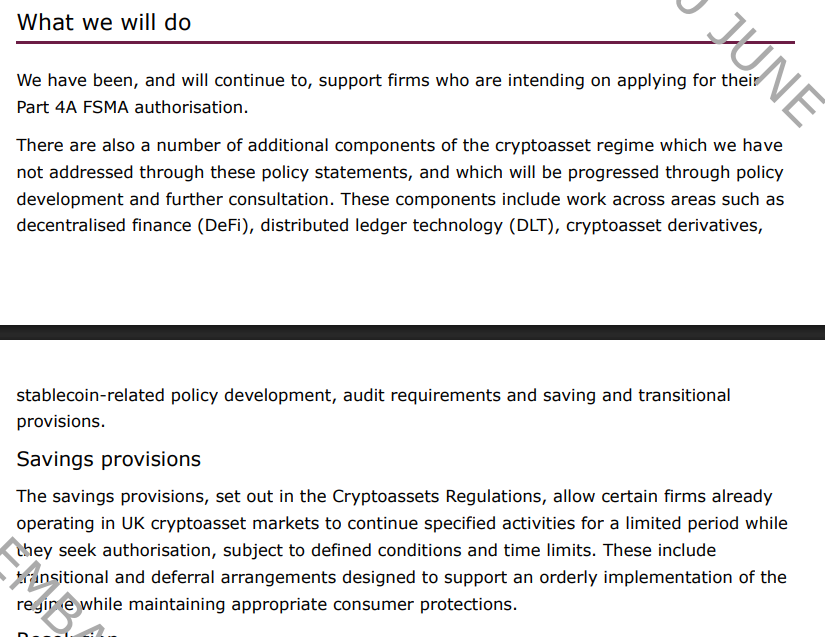
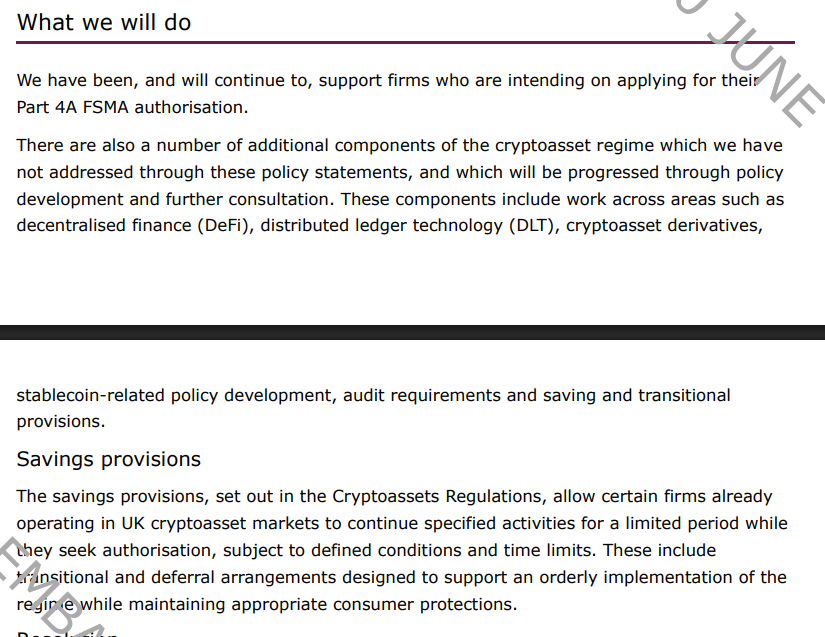
Overview of FCA crypto regime, next steps and savings provisions. Source: FCA
AML-authorized crypto firms need new licenses in the UK
Crypto firms with existing authorization under the money laundering regulations will not have their licenses automatically converted and will have to obtain new authorization.
Certain companies already operating in the UK may continue specified activities for a limited period as they seek authorisation under the framework’s transitional “savings provisions.”
The FCA said that pre-application support meetings for companies will be available starting next month.
The regulator will set out its policy statements during a webinar on July 17. It will also publish a further policy statement in September to establish how the regulatory perimeter applies to cryptoasset activities.
Related: Aave Labs’ Push gains UK FCA crypto registration
FCA simplifies stablecoin capital standards, promises tailored DeFi guidance
The FCA has maintained the core stablecoin framework but made minor adjustments, including simplifying the backing asset composition requirement by no longer requiring estimated redemption forecasts, adding requirements for statutory trust over reserves and removing unallocated backing fund accounts.
The guidelines will also require issuers to offer specific withdrawal rights to users, permit a 5% excess to be held in the backing asset pool and allow limited intragroup custody subject to safeguards.
The FCA noted that this establishes a “baseline regime for stablecoin issuance” and added that it will consult with the Bank of England later this year on how the the agency’s rules will apply to stablecoin issuers recognized as systemic by HM Treasury.
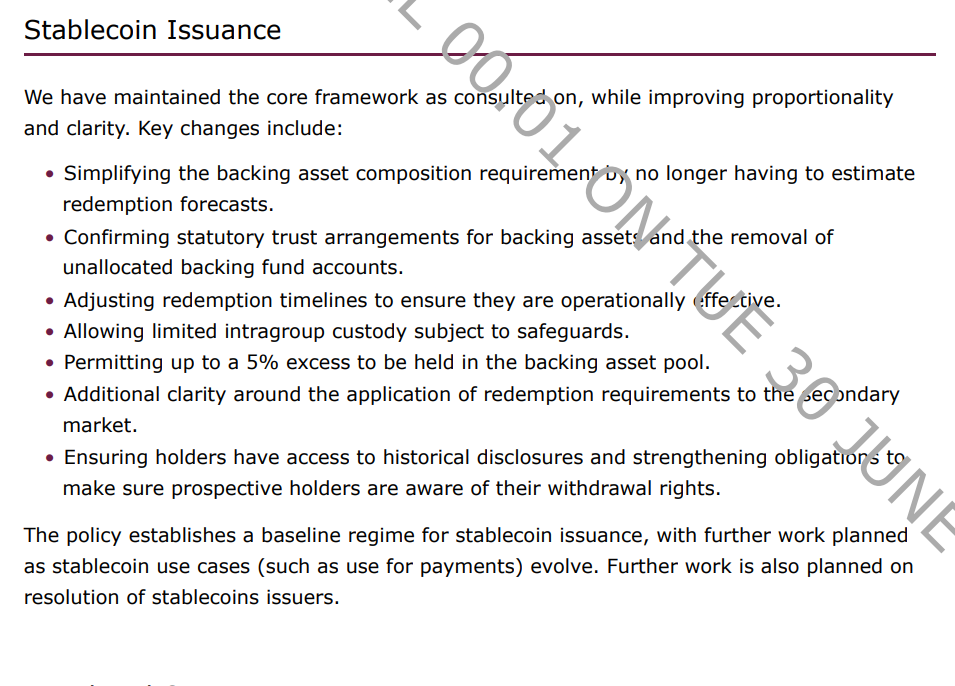
New guidelines for stablecoin issuance. Source: FCA
Later this year, the FCA will also host a separate consultation on decentralized finance (DeFi) guidance and operational resilience guidelines for firms using distributed ledger technology (DLT).
It also plans to consult on updates to the Financial Crime Guide relevant to crypto asset firms.
“We’re going to continue to work on DeFi,” said Matthew Long, director of payments & digital assets at the FCA, adding that they are seeking a case-by-case approach as “true DeFi” with “no identifiable person undertaking the activity” will fall out of the scope of the regulation.
Magazine: How crypto laws changed in 2025 — and how they’ll change in 2026

Key Points
- Shares of Velo3D advanced 7.1% Monday following the company’s inclusion in both the Russell 3000 and Russell Microcap indexes
- The metal 3D printing firm officially entered both benchmarks on June 29 during the 2026 annual reconstitution process
- Approximately $12.2 trillion in investment assets track Russell US indexes based on May 2026 data
- The company’s market capitalization reached around $496 million, with shares posting gains exceeding 126% year-over-year
- The additive manufacturing specialist will maintain Russell 3000 membership through December 2026’s next reconstitution
Shares of metal additive manufacturing specialist Velo3D (VELO) rallied 7.1% Monday following the company’s addition to both the Russell 3000 Index and Russell Microcap Index, which became effective June 29.
The inclusion occurred during the initial 2026 reconstitution of Russell indexes, an annual process that evaluates and ranks the top 4,000 U.S. companies by total market capitalization based on April 30 data.
For smaller publicly traded companies, Russell index inclusion carries significant weight. As of late May 2026, approximately $12.2 trillion in investment capital was benchmarked to Russell US indexes.
This massive pool of passive investment capital typically flows into newly added stocks, as fund managers who track these indexes must purchase shares to maintain accurate index representation.
Prior to Monday’s announcement, VELO had already demonstrated impressive momentum. Over the preceding 12-month period, the stock had appreciated more than 126%, bringing its market capitalization to approximately $496 million entering June.
CEO Arun Jeldi expressed enthusiasm about the development. “Being added to the Russell 3000 and Russell Microcap indexes is an important milestone for Velo3D,” he stated.
“We have made meaningful strides in transforming the company, advancing our technology leadership, and creating value for shareholders. Inclusion in these widely followed indexes broadens our exposure to the investment community.”
Companies included in the Russell 3000 are automatically categorized into either the large-capitalization Russell 1000 or small-capitalization Russell 2000, along with corresponding growth and value style indexes.
Based on Velo3D’s present market capitalization, the firm qualifies for inclusion in both the Russell 2000 and Russell Microcap categories — representing the smaller end of the market spectrum while still delivering significant institutional investor visibility.
Velo3D’s Business Model
Velo3D specializes in metal 3D printing solutions designed primarily for aerospace and defense industry supply chains. The company’s product portfolio encompasses Flow print preparation software, the Sapphire printer series, and the Assure quality assurance platform.
Notable clients include SpaceX and Honeywell — relationships that underscore the company’s credibility within defense and aerospace manufacturing sectors.
Duration of Index Membership and Future Outlook
Velo3D’s Russell 3000 membership remains guaranteed through December 2026’s semi-annual reconstitution event. During that review, the company could potentially migrate between the Russell 1000 and Russell 2000 based on market capitalization fluctuations.
FTSE Russell oversees these benchmark indexes, which rank among the most extensively utilized standards for U.S. equity portfolio managers.
Monday’s 7.1% stock appreciation follows a familiar trend observed when smaller companies gain entry to major indexes — an initial buying surge fueled by passive fund inflows and heightened institutional interest.



Stream Finance, the collapsed DeFi yield protocol behind the depegged xUSD token, has begun collecting information from potential creditors and claimants as a step toward what it called a "potential global resolution." The protocol said in a post on X that it is gathering and confirming claim… Read the full story at The Defiant


Crypto influencer Ansem has airdropped about $7 million worth of the $ANSEM memecoin to Solana users, and said he will keep distributing tokens as the price rises in a push to grow the holder base to 1 million wallets. Ansem, who posts under the handle @blknoiz06 and counts close to 1 million… Read the full story at The Defiant
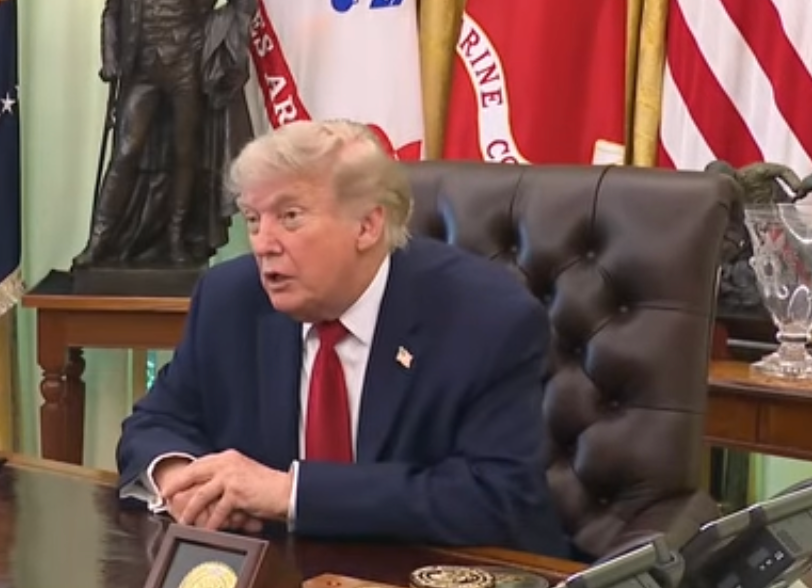
US President Donald Trump has about 10 days to decide whether or not to sign bipartisan housing legislation containing a ban on a central bank digital currency (CBDC) into law after saying he planned to prioritize a controversial voting bill.
According to reports, House Speaker Mike Johnson sent the 21st Century ROAD to Housing Act to Trump’s desk on Monday, kicking off a 10-day timeline for the president to decide whether to ignore, sign or veto the bill under the US Constitution, excluding Sundays. The bill, passed by the House of Representatives last week, included language barring the Federal Reserve from issuing or creating a CBDC “or any digital asset that is substantially similar” until the end of 2030.
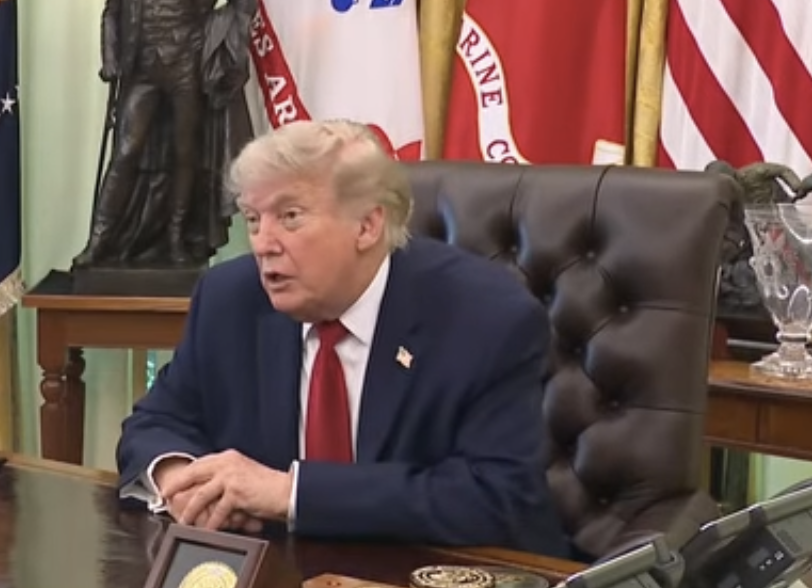
Donald Trump signing executive orders on Monday. Source: The White House
Trump reportedly called the legislation a “yawn” and sarcastically referred to the situation as a “big deal.” He canceled the signing ceremony for the bill on Wednesday, saying that Republicans in Congress should focus on passing the SAVE America Act. The legislation would require voters to provide proof of US citizenship in person to register, potentially disenfranchising millions of people.
The 21st Century ROAD to Housing Act received significant bipartisan support from Democrats and Republicans, with members of both parties lauding progress ahead of Trump’s potential signature. Sponsored by Senator Elizabeth Warren, the Democrat-led legislation included a CBDC ban in an attempt to garner support from Republicans and the White House.
Related: Senate leaders push for July passage of CLARITY Act
“We should be celebrating a bipartisan housing law,” said Warren on Monday. “Instead, we have a call to action. Mr. President: sign the damn bill.”
Senators on state work periods, chamber set to consider market structure
The US Senate broke on Friday for state work periods, with lawmakers expected to return by July 13. The chamber’s calendar gives lawmakers about four weeks to address the Digital Asset Market Clarity (CLARITY) Act before another state work period in August.
Trump said in March that he would “not sign other bills” until the SAVE America Act was passed, but also made a social media post signaling that he supported CLARITY. Should the president veto the bill, Congress could override his action with a two-thirds majority in both chambers.
Magazine: SBF will never get a pardon, Trump peace deal boosts Bitcoin: Hodlers Digest June 14-21
Bitcoin (BTC) trades at an important inflection point as retail investors are selling, big institutions are in a hold despite the discounted valuation and the market is paused at $60,300—awaiting the next significant move. The situation reveals two very different investor groups making opposite bets.
Retail investors sell, TradFi watches
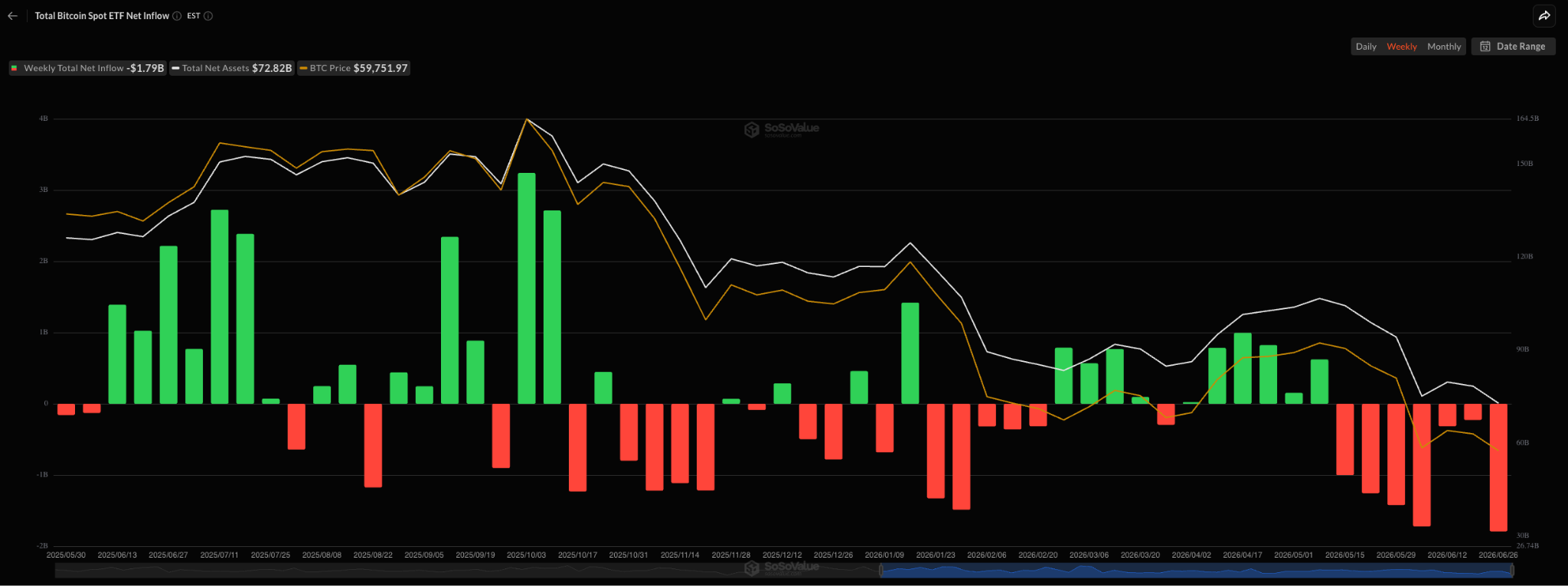
The general mood is fearful, with the Crypto Fear & Greed Index sitting at 36 out of 100, indicating fear but not total panic. This number masks a sharp divide. In June alone, investors pulled $4.4 billion from US spot Bitcoin ETFs—the worst month this year. At the same time, Strategy continues to buy BTC, although the pace and size of its purchases have slowed. While ETF flows and Bitcoin treasury accumulation are not in a buying phase, a majority of corporate BTC treasuries have not reduced their existing positions.
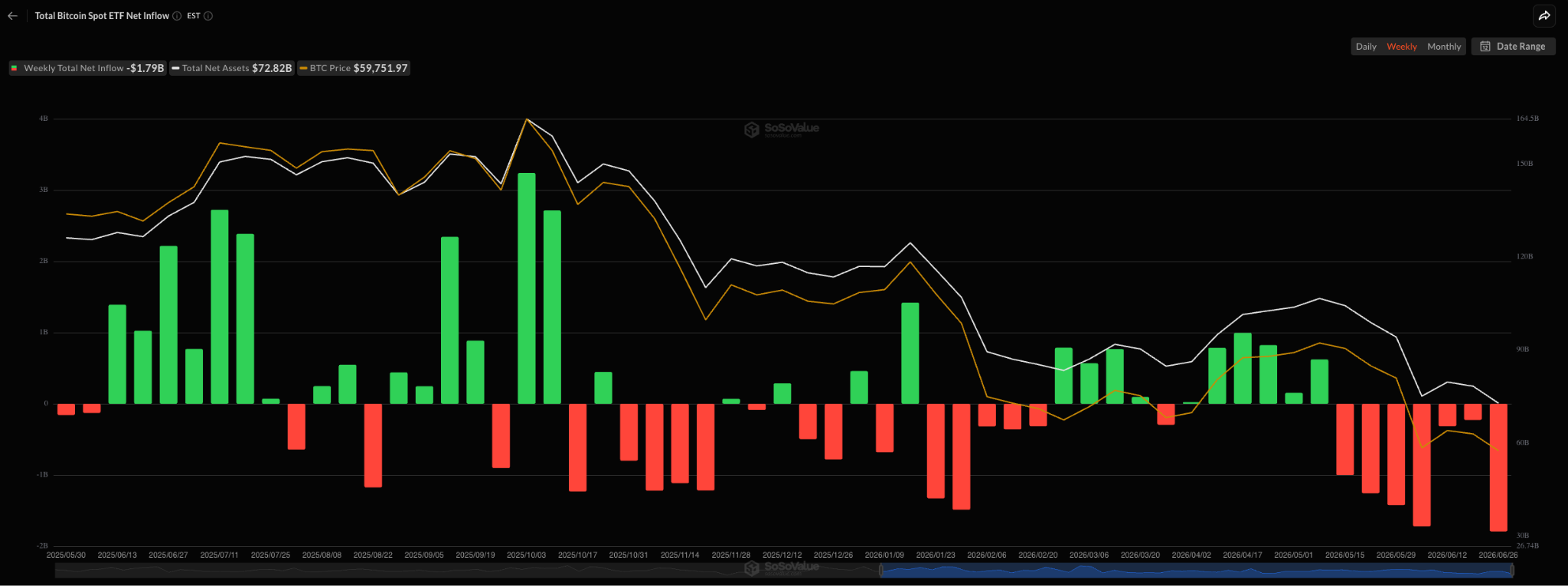
Spot Bitcoin ETF net flows. Source: SoSoValue.com
Leverage unwinds, but slowly
The aggregate open interest in Bitcoin futures contracts across all exchanges is $19.92 billion. Two weeks ago, it was $20.1 billion. This unwinding—when traders close positions to reduce risk—is happening in an orderly way, not in a panic.
The borrowing costs for holding long positions have dropped from 0.25% to 0.12%, suggesting that the worst of the forced selling is over. However, longs are still paying to hold their positions, meaning traders believe in a recovery but aren’t willing to bet their full account on it.
The current danger zone is $58,800, Bitcoin’s low for the day. If the price breaks below this level, the next $500 million worth of traders holding long positions could be forced to close their trades, sending Bitcoin toward $56,000. That move may extend the selling pressure into next week.
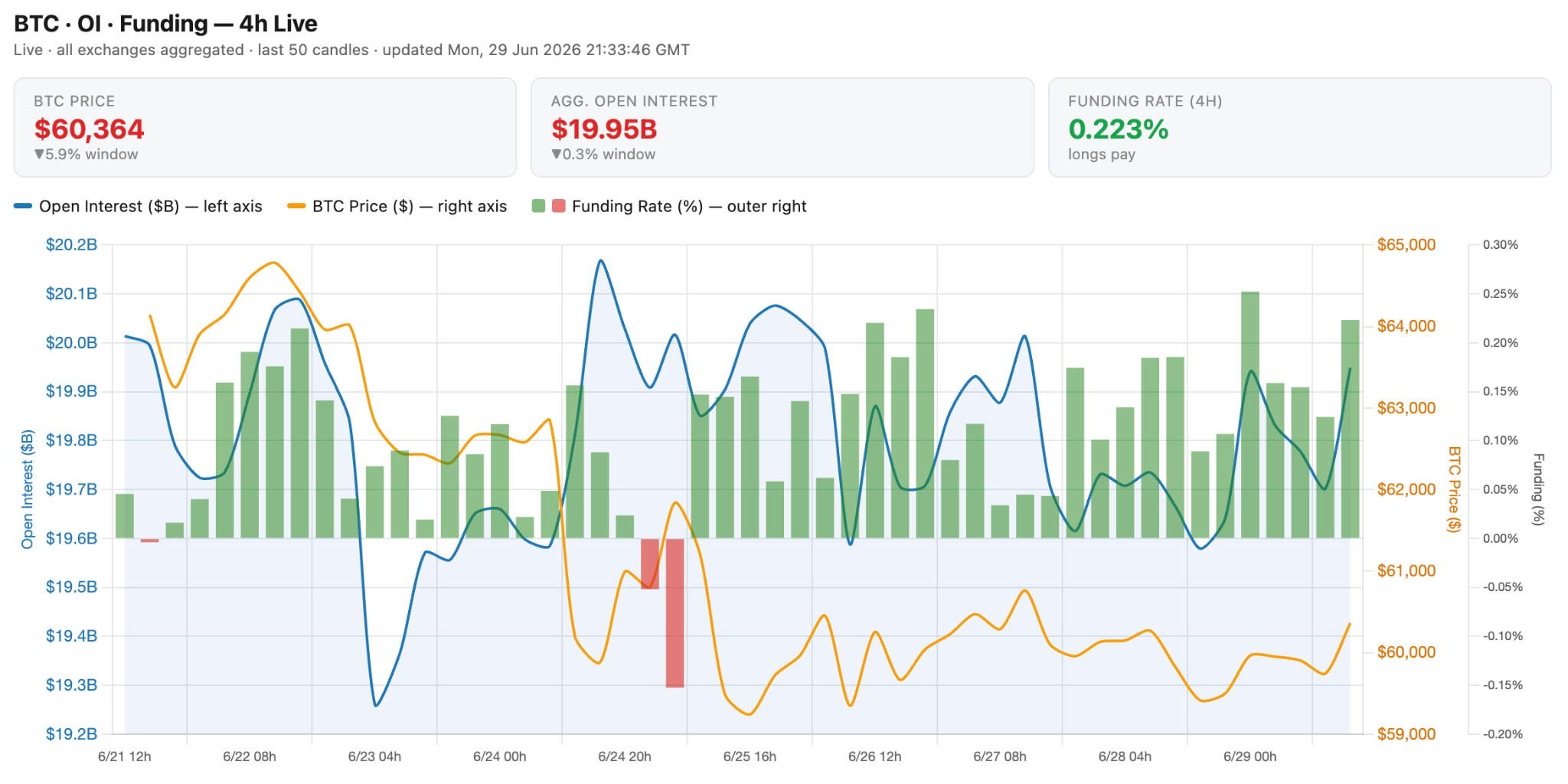
Bitcoin open interest, funding rate. Source: Hyblock
The market is waiting, not acting
When fresh capital flows into Bitcoin, volume spikes and the action shows up in the data. Right now, it doesn’t, as trading volume is down, and open interest changes are small. This suggests the market is in an indecisive phase where retail traders may be done selling, but nobody is confident enough to buy in size yet. That’s not surprising.
Related: Bitcoin balances $60K tightrope as US stocks rebound on fresh Iran peace deal hopes
MicroStrategy, which has accumulated Bitcoin for corporate reserves, did buy 3,600 Bitcoin in June for $236 million, betting on a recovery. But overall, institutions are holding rather than aggressively buying. This pause could break in either direction: lower (if one more wave of sellers emerges) or higher (if confidence returns).
For Bitcoin to move meaningfully higher, it needs to reclaim $62,000. The risk is real: a macro news event at any point in the week, like the June employment report or the resumption of military action in Iran, could weigh on investor sentiment and tip BTC back under the $60,000 handle.

Quick Overview
- Comcast stock gained momentum following the announcement of a two-company restructuring plan
- Alphabet made its historic debut in the Dow Jones Industrial Average
- Tech sector staged a strong recovery following last week’s downturn
- Investors prepare for Nike’s critical earnings announcement
- Crude oil prices advanced amid US-Iran diplomatic developments
Monday delivered a compelling slate of market developments as investors digested corporate restructuring announcements, index changes, and sector rotations. Let’s examine the five most significant market narratives from the trading session.
Comcast Announces Major Corporate Restructuring
Comcast revealed its intention to restructure into two distinct, standalone entities, separating its technology operations from its media holdings.
Market participants welcomed the news enthusiastically. The rationale is clear: dividing a sprawling conglomerate into specialized businesses allows each segment to be assessed independently based on its individual fundamentals.
Such corporate separations typically streamline decision-making, enhance operational efficiency, and frequently generate renewed investor enthusiasm. The development has prompted market observers to speculate whether other diversified corporations might pursue comparable strategies.
Alphabet Achieves Dow Jones Entry
Alphabet has officially secured its position within the Dow Jones Industrial Average, cementing its place among America’s most prominent publicly traded companies.
This inclusion underscores the undeniable importance of technology in today’s economic landscape. Alphabet’s addition brings substantial representation of artificial intelligence, cloud infrastructure, and digital marketing to the venerable index.
While the Dow membership carries primarily symbolic significance, it enhances visibility among institutional capital and index-tracking investment vehicles. Even as AI competition intensifies, Alphabet maintains its status as among the world’s most lucrative enterprises.
Technology Sector Rebounds From Recent Weakness
Following an extended period of declining valuations, technology equities mounted an impressive comeback during Monday’s session.
The Nasdaq outperformed broader markets as capital flowed back into chip manufacturers, artificial intelligence players, and enterprise software providers. Most market analysts interpreted the previous week’s decline as a healthy consolidation rather than a fundamental trend reversal.
Artificial intelligence investment continues fueling expenditures throughout cloud infrastructure, semiconductor manufacturing, and business software sectors. Market sentiment regarding technology’s sustained expansion trajectory remains fundamentally optimistic.
Nike Financial Results Draw Market Attention
Investor attention is increasingly focused on Nike’s forthcoming quarterly earnings disclosure.
As a bellwether consumer brand with worldwide reach, Nike provides valuable insight into international consumption patterns. Analysts will scrutinize performance metrics from North American markets and China, where purchasing activity has demonstrated volatility.
The athletic apparel giant has been navigating an operational transformation aimed at enhancing margins and refining its merchandise strategy. Positive results could energize the broader retail sector, while disappointing numbers might intensify anxiety regarding consumer expenditure trajectories.
Crude Oil Advances on Geopolitical Developments
Oil prices posted gains Monday as diplomatic exchanges between Washington and Tehran captured energy market participants’ focus.
Middle Eastern political dynamics routinely generate swift reactions in petroleum markets, and commodity traders monitored developments attentively. Elevated crude prices benefit exploration and production companies while simultaneously pressuring airlines, industrial manufacturers, and consumer-facing enterprises.
Given that inflation remains a priority concern for monetary authorities and central banking institutions, every fluctuation in petroleum pricing carries implications for overall market stability.
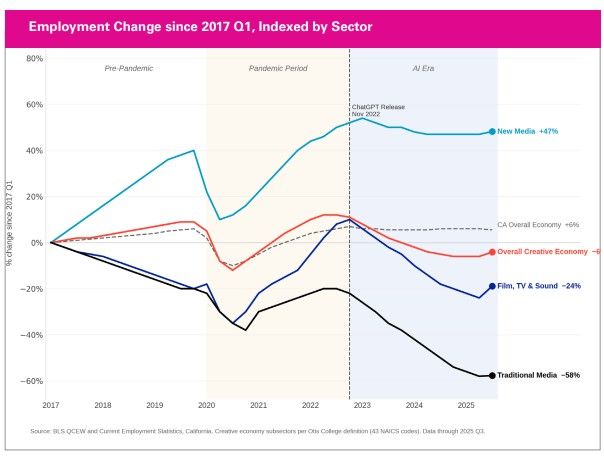
Filmmakers are already using artificial intelligence (AI) to cut animation production costs by up to 90%. New labor data from California confirms the industry is not waiting for the technology to mature.
Los Angeles County’s motion picture and sound recording sector shed 6,700 jobs year-over-year through May 2026. In total, those losses represent more than 90% of all employment declines recorded across the region’s information industry.
AI Reshapes What It Costs to Make a Film
Animators and directors on active productions report using AI to overhaul production workflows. The tools do not merely speed up existing tasks. They replace entire staffing layers, from storyboarding and character rigging through post-production cleanup.
Opinions divide sharply on the change. Some creators argue that AI will lower production barriers and expand storytelling possibilities. In contrast, others maintain it will eliminate the skilled workforce that built Hollywood’s animation industry over several decades.
Meanwhile, investment signals suggest studios are not waiting for the debate to resolve. Amazon Web Services recently backed a Hollywood production startup that deploys AI to reduce costs and compress production timelines.
That move signals studios’ view of AI efficiency as a structural necessity, not a temporary trend.

AI Job Cuts Extend Across the US Economy
The broader US labor market shows the same direction. AI-driven layoffs mounted across industries in early 2026 as companies rebuilt around smaller, automated teams. Goldman Sachs estimated that AI trimmed US payrolls by roughly 16,000 jobs per month over the past year.
However, entertainment’s concentration of losses runs disproportionately high by any measure.
The 6,700 motion picture jobs lost in LA County reflect a year-over-year comparison, not a single-month snapshot. Data from California’s EDD report shows the pressure on studios and production houses has been persistent and consistent throughout the period.

Los Angeles Absorbs the Deepest Cut
Research adds another layer to that worker risk. Workers who resist AI tools face layoff odds triple those of peers who integrate them. The pattern holds across sectors.
Animators face a difficult choice. They must adopt the technology displacing their role, or risk losing it for not adapting.
Similarly, the disruption extends beyond film. AI already reshaped hiring in the gambling sector this year. Tech workers seeking crypto roles as an automation hedge signal anxiety spreading across knowledge-worker industries.
Filmmakers now say the 90% cost reduction is achievable today, not a future projection. How many more production roles disappear before the industry finds a new equilibrium remains the open question.
The post AI Cuts Animation Costs by 90% as Hollywood Braces for Mass Layoffs appeared first on BeInCrypto.
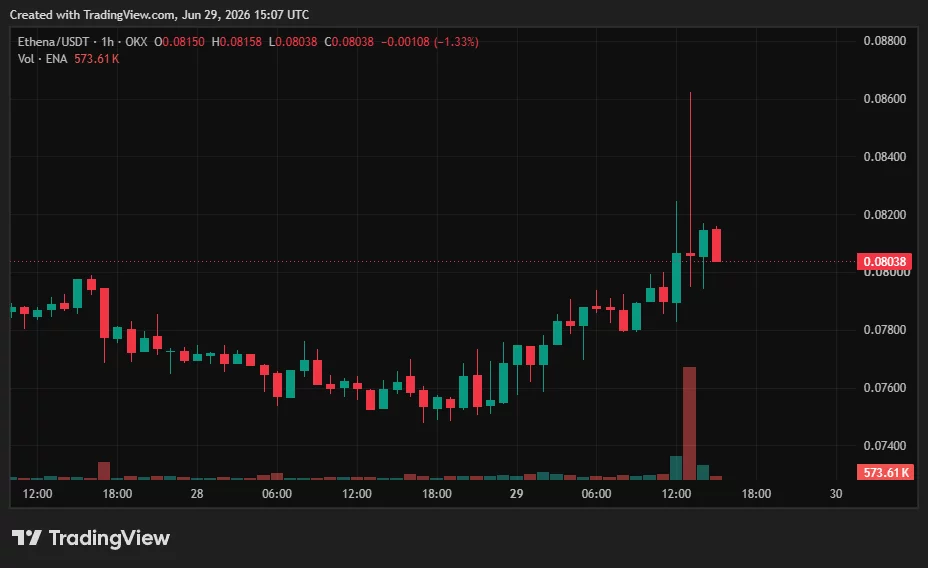
Ethena’s governance token ENA has climbed after BlackRock integrated the project’s synthetic dollar USDe into its Aladdin investment platform, extending institutional access to a system used to oversee more than $20 trillion in assets.
Summary
- BlackRock has integrated Ethena’s USDe into its Aladdin platform, expanding institutional access to the synthetic dollar.
- ENA rose as much as 12% following the announcement, outperforming the broader crypto market despite Bitcoin trading below $60,000.
- StablecoinX founder Ted Chen said the integration opens USDe to institutions managing more than $20 trillion through Aladdin.
According to a June 29 X announcement from Ethena, the integration enables financial institutions using BlackRock’s Aladdin platform to access USDe through their existing investment and risk management workflows.
The company said the collaboration gives institutions connected to Aladdin a new route to allocate capital to the synthetic dollar while managing positions within the same platform.
BlackRock has expanded its relationship with Ethena
Alongside the USDe integration, Ethena confirmed that BlackRock’s tokenized money market fund BUIDL will become the primary reserve asset for its white-label product. The companies already work together through USDtb, Ethena’s stablecoin backed mainly by BUIDL, making the latest announcement an expansion of an existing relationship rather than a new partnership.
Ethena also said it will provide a liquidity facility for BlackRock’s tokenized products. The company did not disclose financial terms or a launch timeline but described the arrangement as another step in connecting tokenized assets with institutional infrastructure.
The announcement follows several deals involving Ethena’s stablecoin business this month. Earlier, the company selected Centrifuge as its tokenization partner and entered an agreement with global asset manager Janus Henderson. As part of that collaboration, Janus Henderson committed to invest in ENA, Ethena’s governance token.
Another recent milestone came after StablecoinX completed its merger with TLGY Acquisition Corp., allowing the Ethena-focused infrastructure company to begin trading on Nasdaq under the ticker USDE.
The company said its public warrants started trading under the symbol USDEW on June 26 following the completion of the business combination a day earlier. The listing provides public-market investors with direct exposure to StablecoinX’s Ethena-focused strategy even as demand for USDe remains below last year’s peak.
ENA has outperformed the broader crypto market
As per data from crypto.news, Ethena (ENA) price rose 12% to $0.083 shortly after the BlackRock announcement before easing to around $0.081, leaving the token about 7% higher on the day. The gain came while the wider cryptocurrency market remained under pressure, with Bitcoin trading below $60,000.
Part of the positive reaction may be linked to Ethena’s fee-switch mechanism. Under the project’s design, a share of protocol revenue is allocated toward buying back ENA, meaning increased activity around USDe could benefit the governance token over time.
Commenting on the announcement, StablecoinX founder Ted Chen said the Aladdin integration significantly increases USDe’s institutional reach because insurers, pension funds and major asset managers already rely on the platform. He noted that organizations including Deutsche Bank and Citi use Aladdin to oversee portfolios.
“That’s over $20 trillion in assets that these managers have on the Aladdin platform. Now, all of these managers will have the ability to not only allocate to USDe, but also seamlessly integrate it into their existing portfolio management and risk analytics processes.”
Ukraine has placed more than $8.3 million in seized crypto under state management, the first time the country has moved confiscated digital assets into a government-controlled wallet.
The National Agency for Finding, Tracing, and Management of Assets, known as ARMA, received the funds from wallets tied to an alleged member of an international hacking group.
Seized Crypto from an International Hacking Case
The holding is Tether (USDT), the largest stablecoin, valued at over 372 million Ukrainian hryvnias at the time of the transfer, according to prosecutors.
Investigators say the group attacked people and companies across Europe and the United States. The case reflects a rise in stablecoin-driven crypto crime.
The attackers stole confidential data, demanded ransom payments, and laundered the money in Ukraine through real estate and cars.
Authorities estimate the network caused more than $100 million in damage. The pattern mirrors other crypto laundering networks that ended in multiple arrests.
Four suspects, including the alleged organizer, remain in custody. Total seizures in the case topped $11.1 million, covering homes, apartments, vehicles, and cash.
What State Custody Means for the Funds
Until now, crypto seized in Ukrainian cases sat frozen, with no agency actively holding or moving it. The transfer gives ARMA direct control of the wallet.
A 2025 reform law overhauled how ARMA manages seized property, adding independent audits and tighter oversight. The change was a condition of hundreds of millions of euros in European Union support.
The step stops short of confiscation, which requires a court conviction. For now, the agency holds the assets rather than owning them.
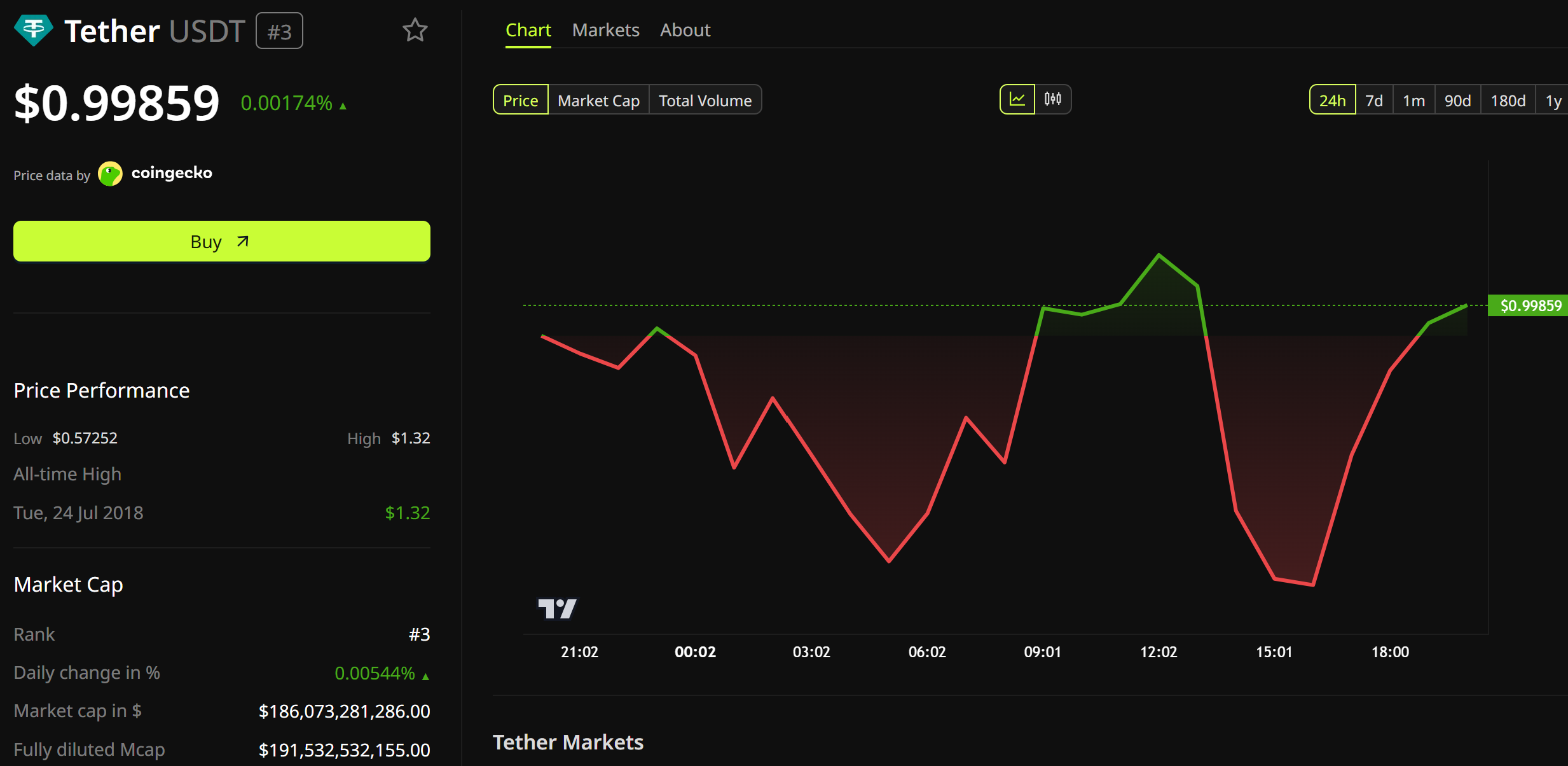
USDT sits near its dollar peg, trading close to $1. That gives ARMA a relatively stable asset to manage, hold, or eventually sell.

A stablecoin avoids the price swings tied to bitcoin, making the holding easier to value. But USDT is centrally controlled, and Tether can freeze tokens at law enforcement requests.
Follow us on X to get the latest news as it happens
What to do with seized crypto has split governments. The United States ordered forfeited Bitcoin into a strategic reserve it pledged not to sell. It treats confiscated coins as a long-term asset.
Germany took the opposite path, and critics still debate its seizure of Bitcoin sales after prices later climbed.
Ukraine has not said whether it will sell the USDT or hold it. That choice may shape how it treats future seizures, and whether seized tokens become state revenue.
The post Ukraine Moves $8.3 Million in Seized Crypto Under State Management appeared first on BeInCrypto.

UK Sets Final Crypto Rules as Firms Face 2027 FCA Authorization Deadline

The Unexpected Disney Channel Crossover Hilary Duff Sparked

Gucci’s New High Jewelry Turns House Icons Into Treasures


-
 Sports6 days ago
Two goals and an assist by sheer aura: Cristiano Ronaldo just entered the World Cup chat
-

 Fashion3 days ago
Weekend Open Thread: Staud – Corporette.com
-

 Politics4 days ago
The House | Manchesterism won’t survive the painful trade-offs unless it gets citizens on board
-

 Politics4 days ago
Potential 2028er World Cup attendee leaderboard
-

 News Videos1 day ago
MAJOR BITCOIN & MARKET UPDATE!!!! (MUST WATCH ASAP!!!)
-

 Business4 days ago
Asia stock markets slide as tech shares slump
-

 Tech4 days ago
A Look At A Gaggle Of Transputer Boards
-
Crypto World6 days ago
Bitcoin (BTC) Dips Below $62K, Ethereum (ETH) Plunges 6% Daily: Market Watch
-
 Crypto World4 days ago
Dell (DELL) Shares Tumble Over 5% Following Analyst Downgrade to Hold
-

 Crypto World2 days ago
Coinbase, Circle Deepen Crypto Stock Losses Despite Resilient S&P 500
-

 Crypto World6 days ago
Securitize Wraps Roubini's SEC-Registered ETF as Dubai VARA Digital Security
-
Business6 days ago
Entergy settles forward sale agreements, raises $672 million in cash proceeds
-

 Crypto World3 days ago
Kraken's xStocks Opens Bending Spoons IPO Registration to EEA Retail
-

 Sports3 days ago
FIH Pro League: India defeat Pakistan 7-1, register biggest win of campaign | Other Sports News
-

 Tech2 days ago
Russian hackers now target Signal backup recovery keys
-

 Tech2 days ago
Bluekit phishing kit adopts browser-in-the-middle for login theft
-

 Crypto World4 days ago
Bitcoin Sparks $600M Hourly Liquidations With $65,000 Set To Become Resistance
-

 Crypto World3 days ago
RTX holders must register wallets before token distribution begins
-
Crypto World3 days ago
Hyperliquid Named on Singapore MAS Investor Alert Register
-

 Crypto World5 days ago
Ripple and SBI launch RLUSD in Japan after JFSA approval
You must be logged in to post a comment Login