

Crypto World
Gold Price Analysis: Crypto Decoulpling From Safe-Haven

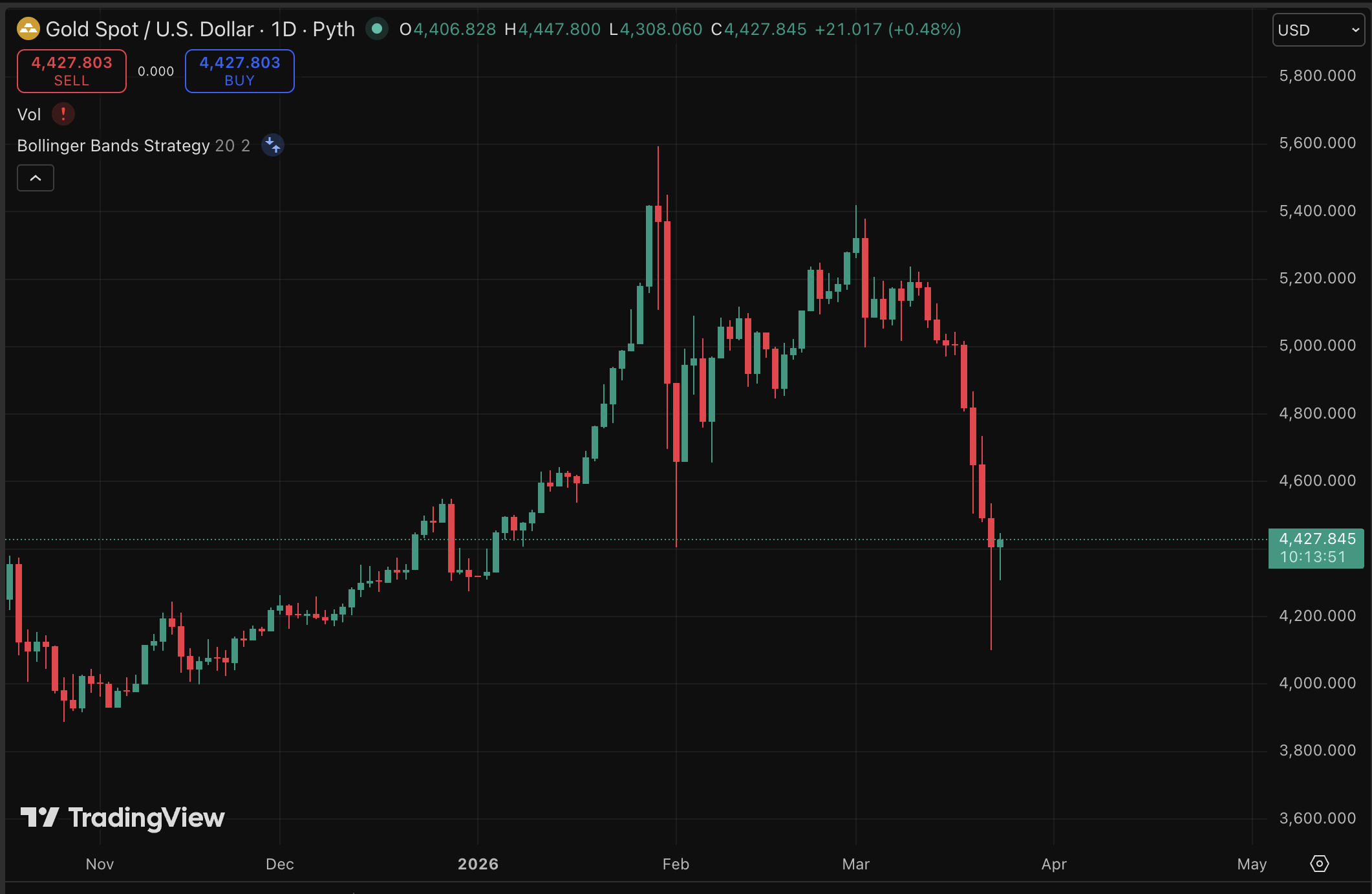
Safe-haven assets are defying historical correlations and analysis this week, with the gold price plummeting nearly 20% from its ATH while Bitcoin shows surprising relative strength in a risk-off environment.
As geopolitical tensions escalate, Bitcoin has retraced to trade at just at $71,000, it is significantly outperforming the precious metal, which has moved in lockstep.
This decoupling, usually, Gold rises during war scares, has left traditional investors scrambling. The market is digesting rapid-fire catalysts ahead of today’s G7 meeting. While legacy hedges bleed, on-chain data highlights specific pockets of immense speculation; AI-meme token SIREN surged 76.6% in 24 hours to $1.62. This volatility suggests capital isn’t leaving the ecosystem; it is rotating aggressively.
Discover: The best pre-launch token sales
Gold Price Analysis: A Signal To a Broader Liquidity Crunch?
The 20% drawdown in Gold prices from its ATH signals a liquidity crisis rather than a failed safe-haven narrative; investors are selling what they can, not just what they want to. Bitcoin’s dominance remains high at 58.6%, yet it faces immediate resistance at prior support levels.
Analysis of the gold price crash suggests that if XAU fails to reclaim its weekly support, the correlation with risk assets could deepen, dragging crypto lower in the short term.

Conversely, crypto-specific dynamics are painting a mixed picture. Santiment data predicts a potential “re-accumulation phase,” betting on a breakout triggered by upcoming regulatory clarity around the “Clarity Act.”
Technically, Bitcoin needs to reclaim the $72,000 zone to stabilize the altcoin bleed. If it fails, the 4.5% divergence between BTC and Gold may close rapidly. However, macro factors affecting silver and gold indicate that the traditional finance sector is currently under more stress than the digital asset market.
Discover: The best pre-launch token sales
LiquidChain Consolidates Cross-Chain Liquidity as Macros Widen
As traditional hedges like Gold falter and L1s struggle with fragmentation, smart money is increasingly targeting infrastructure plays that abstract complexity.
The thesis is simple: regardless of whether Bitcoin or Solana leads the next leg up, the rails connecting them will capture value. This narrative is driving early inflows into LiquidChain ($LIQUID), a Layer 3 infrastructure project designed to unify liquidity across Bitcoin, Ethereum, and Solana.
Unlike standard bridges that wrap tokens with high contagion risk, LiquidChain utilizes a “Deploy-Once Architecture.” This allows developers to write code once and access users and liquidity on all three major chains simultaneously using a Unified Liquidity Layer. The protocol promises verifiable settlement and single-step execution, addressing the exact fragmentation issues making current markets inefficient.
The presale data reflects this demand for infrastructure consolidation. LiquidChain has already raised more than $600K from early investors. The current entry price sits at $0.0143 with more than 1700% APY in staking rewards.
Disclaimer: Crypto is a high-risk asset class. This article is provided for informational purposes and does not constitute investment advice. You could lose all of your capital.
The post Gold Price Analysis: Crypto Decoulpling From Safe-Haven appeared first on Cryptonews.

Crypto World
Stake.com Built The Crypto Casino Name. Bet365 Built The Sportsbook Name. ZunaBet Is Building What Comes After Both.
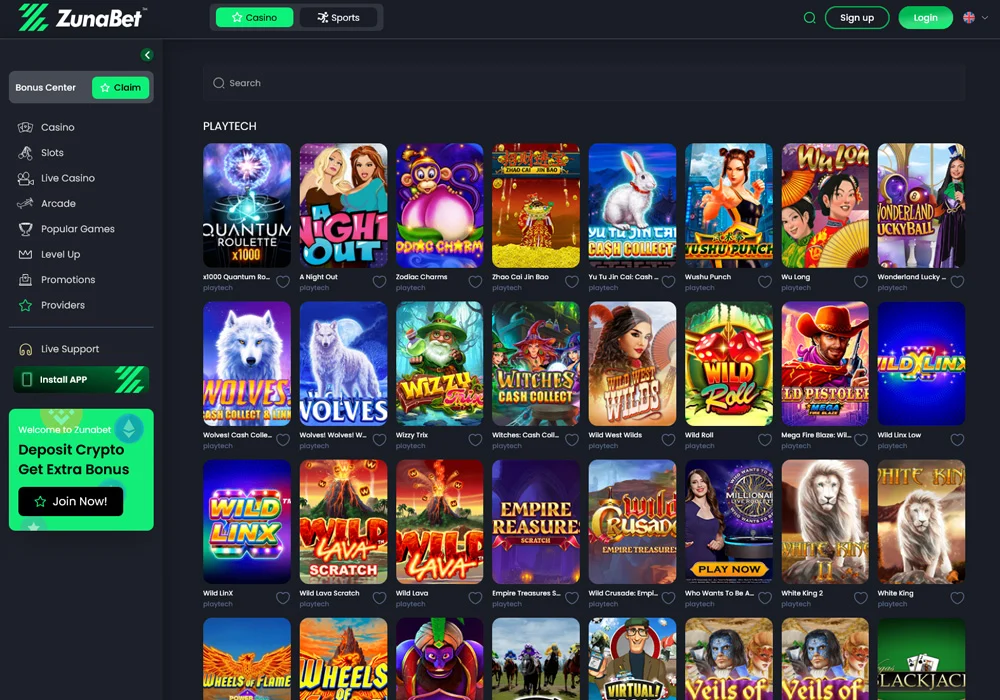
Name recognition in online gambling is built on specialisation. Stake.com built its name by specialising in the crypto gambling community — a platform that understood what crypto-native players valued, built its product around those values, and became the name most associated with crypto casino culture globally. Bet365 built its name by specialising in sportsbook comprehensiveness — a platform that understood what serious sports bettors needed, built an unmatched market coverage product, and became the name most associated with comprehensive sports betting internationally.
Both names reflect genuine specialisation and genuine achievement. Both continue to attract the players their specialisation was built for.
In 2026 a platform is emerging that does not specialise in the same narrow direction as either established name. ZunaBet launched this year with a product that takes what both names do best and builds a more complete offering around it — crypto-native infrastructure at the level of the best crypto casinos, a game library that exceeds what either established platform offers in depth and provider diversity, a sportsbook that covers traditional sports and esports comprehensively, and a loyalty program that delivers transparent direct returns to every player regardless of volume. This article examines all three and explains what comes after specialisation.
Stake.com: What the Crypto Casino Name Was Built On
Stake.com’s name in crypto gambling was built on a foundation of genuine community and genuine crypto credentials. The platform understood that the crypto gambling audience valued more than just accepting Bitcoin — they valued the transparency that crypto culture emphasises, the community that forms around shared platforms and content creators, and the in-house gaming experience that reflects the provably fair principles the space had developed.
The Stake Originals library is the product of that understanding — in-house games built with transparent mechanics, available exclusively on the platform, and carrying the distinctive identity of a product built from within crypto culture rather than adapted toward it. The community that formed around Stake.com through streamer partnerships and player engagement is genuine and it produced the brand recognition the platform carries.
The crypto payment credentials are real. Native cryptocurrency processing rather than third-party layers. Withdrawals at the speed the infrastructure allows. A payment experience that reflects genuine crypto infrastructure rather than fiat banking with cryptocurrency as an option.
The limitations surface when the product is examined beyond its specialisation. The third-party game library — outside Stake Originals — is narrower than the largest dedicated casino platforms. Players who want extensive coverage from the industry’s top third-party providers find the selection more limited than what platforms built specifically around provider diversity offer. The sportsbook covers major markets but is not the product’s primary focus and reflects that in its depth. The loyalty structure delivers clear value at high volumes but is less transparent and calculable for the regular player at moderate activity levels. Geographic restrictions apply in several significant markets.
Bet365: What the Sportsbook Name Was Built On
Bet365’s name in sports betting was built on 25 years of singular investment in one direction — the most comprehensive sportsbook coverage possible. The product that resulted is the industry reference point for market access. Major global sports at full depth, minor events that other platforms do not price, in-play coverage running on competitions that competitors close before they begin, live streaming of events embedded in the platform. The name reflects genuine product leadership in the category it specialised in.
The casino grew alongside the sportsbook. A large library from established providers, strong live dealer content, polished and consistent platform experience. The product is broad and reflects the investment of an operator with the time and resources to build at scale.
The limitations are the limitations of a traditional platform built for a traditional player. Geographic restrictions eliminate the platform for the US market and several others. The loyalty program is structured around invite-only VIP tiers — the general player base operates without meaningful loyalty visibility or a clear pathway toward the levels where rewards matter. Crypto support is minimal. Fiat banking timelines apply throughout.
For the crypto-native player Bet365’s limitations are not incidental — they are structural. The platform was built for a different payment infrastructure, a different loyalty expectation, and a different player profile than the one arriving in growing numbers in 2026.
ZunaBet: Building What Comes After Both
ZunaBet launched in 2026 under Strathvale Group Ltd, operating under an Anjouan gaming license and registered in Belize. The team carries over 20 years of combined industry experience. It is not Stake.com’s community-first crypto brand and it is not Bet365’s 25-year sportsbook institution. It is a crypto-first, internationally accessible platform built to take what both names do well and construct a more complete product around those strengths while addressing what both leave open.
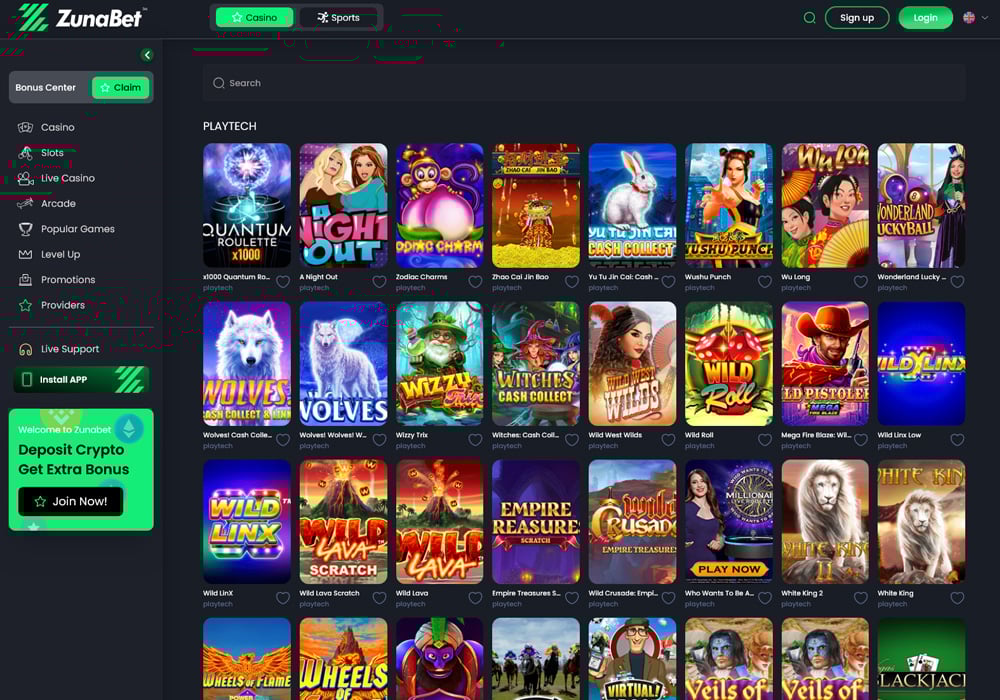
The game library builds what comes after both platforms’ casino offerings. ZunaBet carries 11,294 titles from 63 providers. Stake.com’s strength is Originals — a distinctive in-house product — but its third-party coverage is narrower. Bet365’s casino is substantial but not at the provider diversity level that ZunaBet reaches. Evolution for the full live dealer catalogue. Pragmatic Play across multiple product categories. Hacksaw Gaming for the high-volatility mechanics that experienced players seek. Yggdrasil for its distinctive design philosophy. BGaming for the crypto-native aesthetic. Sixty-three different creative approaches producing content with different mechanics, different volatility profiles, and different visual identities. The library sustains long-term engagement through genuine variety rather than the distinctive identity of Originals or the adequate breadth of an established casino product.
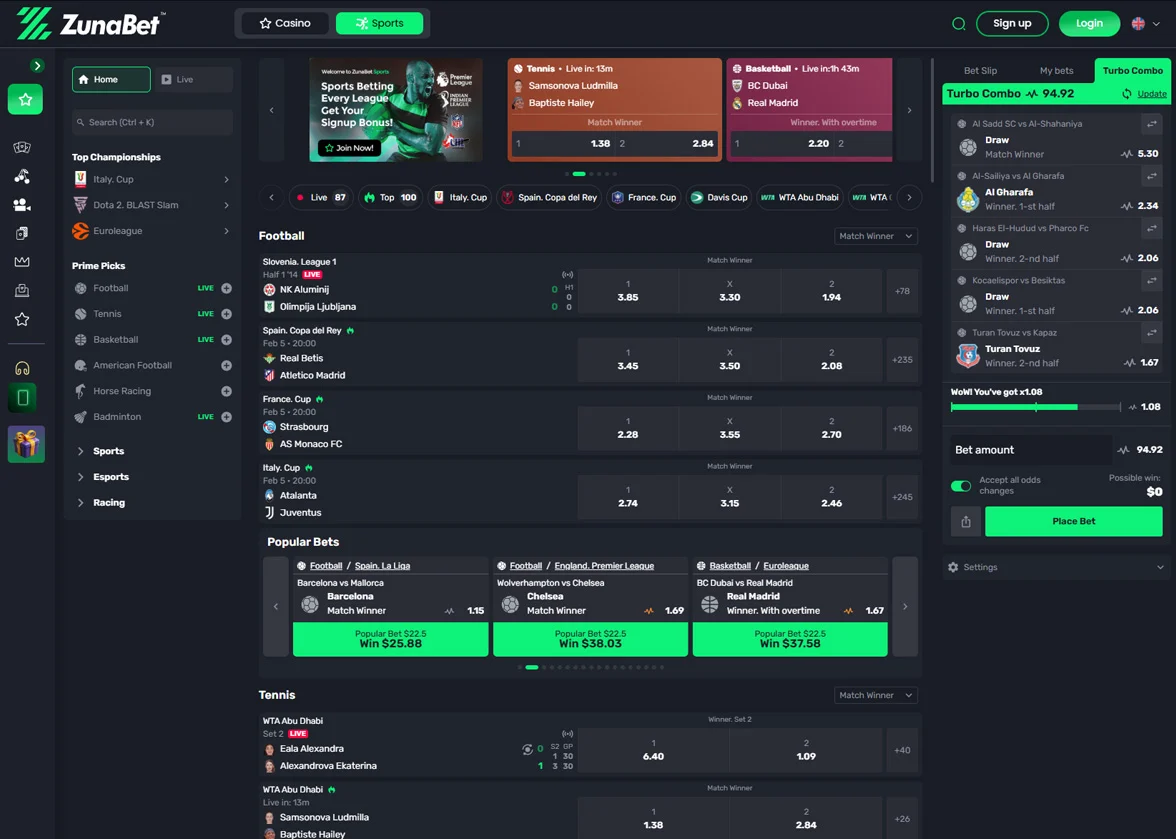
The sportsbook builds what comes after both platforms’ sports coverage for the modern player. Football, basketball, tennis, NHL, and other major global sports alongside CS2, Dota 2, League of Legends, and Valorant as genuine primary markets. Virtual sports and combat sports complete a sportsbook built around the full range of what the 2026 player bets on. The esports coverage in particular goes beyond what either established name prioritises seriously.
The payment infrastructure builds what comes after both platforms’ payment approaches. More than 20 cryptocurrencies supported natively — BTC, ETH, USDT across multiple chains, SOL, DOGE, ADA, XRP, and others. No platform processing fees. Withdrawals settling in minutes. Apps across iOS, Android, Windows, and MacOS with 24-hour live chat support. The crypto credentials are genuine and the breadth of coin support exceeds what either established platform offers.
Payments: What Each Name Built and What Comes After
The payment comparison traces three different positions on the crypto-traditional spectrum.
Stake.com built native crypto payments for the crypto-native player. The infrastructure is genuine and the withdrawal experience reflects it. The specialisation is real.
Bet365 built fiat banking payments for the traditional sports bettor. The infrastructure reflects 25 years of fiat-era operation. Bank transfer, card payment, e-wallet — each with associated timelines. The specialisation is equally real and equally limiting for the player outside its profile.
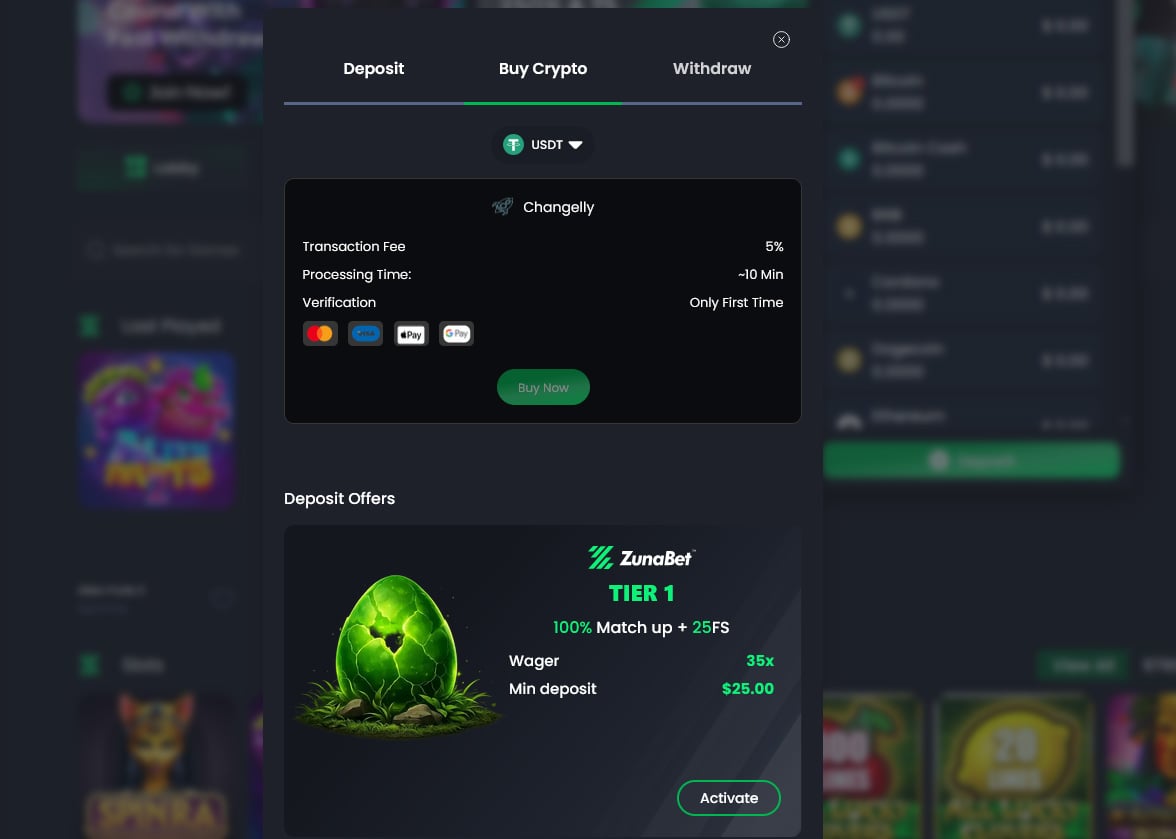
ZunaBet builds what comes after both — native crypto infrastructure at the level of the best crypto casinos but with a coin breadth that exceeds the typical crypto casino offering. Twenty-plus coins supported natively. Withdrawals in minutes. No fees beyond network costs. The payment position takes Stake.com’s crypto authenticity and extends it across a wider range of currencies and a more complete platform.
For the player who valued Stake.com’s crypto payments but wanted more — ZunaBet’s payment infrastructure is what more looks like.
Loyalty: What Each Name Built and What Comes After
The loyalty comparison reveals three different approaches to rewarding regular players.
Stake.com built a loyalty structure around rakeback and bonuses that delivers clear value at the upper end of the volume curve. The community-driven rewards ecosystem is genuine. For the regular player at moderate volume the structure is less transparent and the effective return less clearly calculable in advance.
Bet365 built a loyalty structure around invite-only VIP tiers. The rewards at those tiers are genuine. For the general player base the structure offers minimal visibility and no accessible pathway toward the levels that matter.
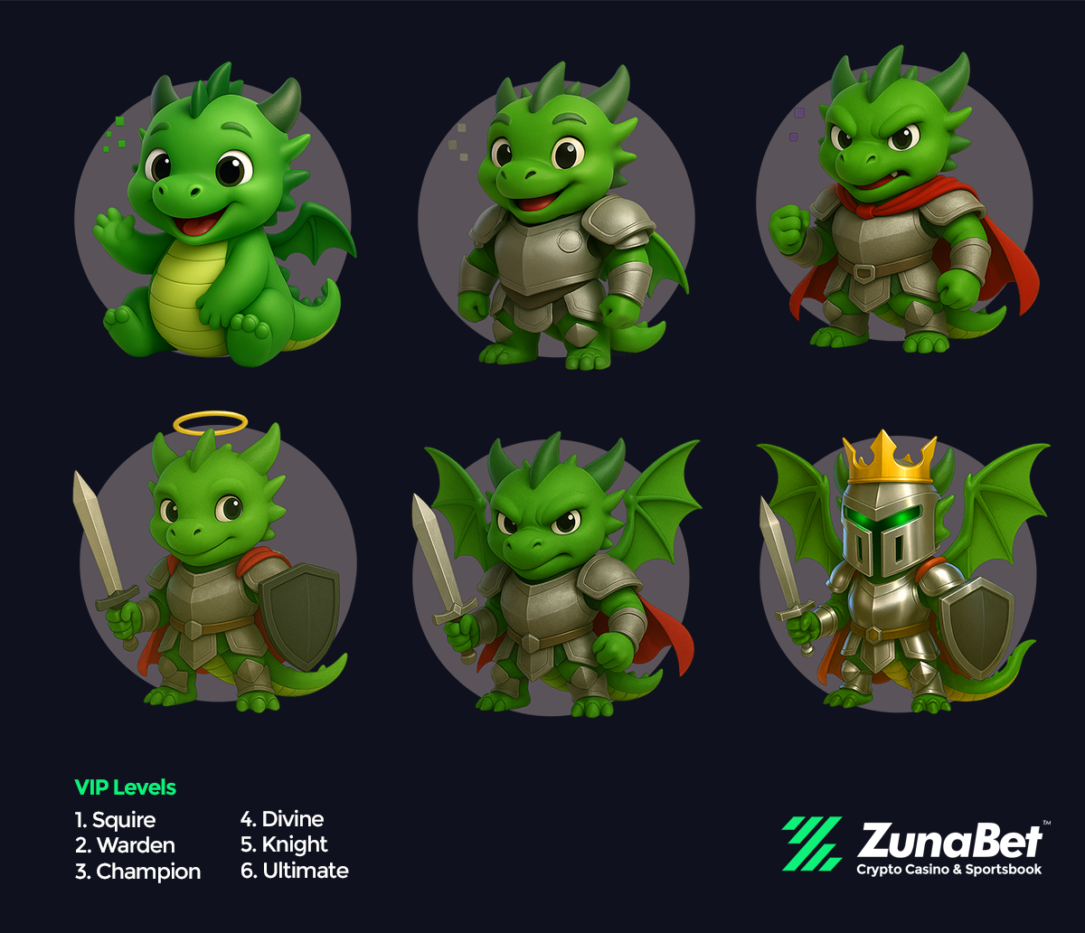
ZunaBet builds what comes after both through the dragon evolution loyalty system. Six tiers — Squire, Warden, Champion, Divine, Knight, and Ultimate — with a gamified mascot called Zuno and direct rakeback rates of 1%, 2%, 4%, 5%, 10%, and 20%. All tiers open to all players. All rates applying to all activity — casino and sportsbook alike. No conversion. No invitation. The transparency that Stake.com’s culture values is built into the structure explicitly and the accessibility that Bet365’s VIP system lacks is available from tier one.
Twenty percent at the Ultimate tier. Calculable before joining. Consistent throughout membership. Additional tier benefits — up to 1,000 free spins, VIP club access, double wheel spins — extend the structure beyond the core rakeback.
The Welcome Bonus
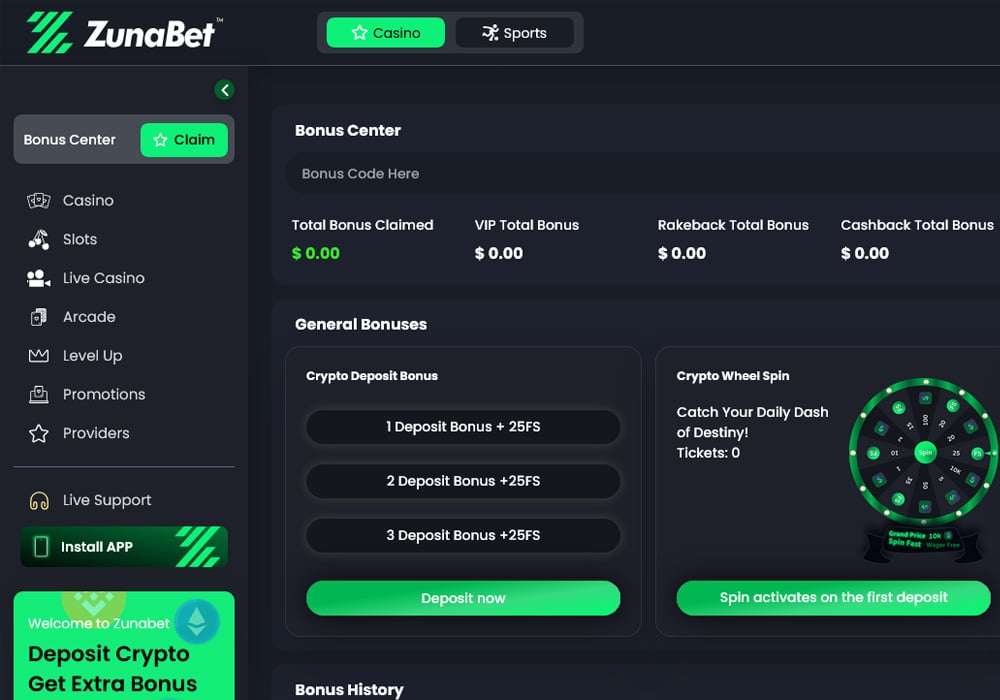
ZunaBet new players receive a bonus across three deposits totalling up to $5,000 plus 75 free spins. First deposit matched 100% up to $2,000 with 25 free spins. Second deposit matched 50% up to $1,500 with 25 spins. Third deposit matched 100% up to $1,500 with 25 spins.
Stake.com and Bet365 offer their own promotional structures for new and existing players. Current terms vary and should be confirmed directly on each platform.
The Player That Comes After Both Names
The player ZunaBet was built for is the player that comes after both established names’ primary audiences. Not the Stake.com community member whose primary relationship with the platform is through streamers and Originals. Not the Bet365 sports bettor whose primary criterion is traditional market coverage. The player who wants crypto-native infrastructure across twenty-plus coins, a game library from sixty-three providers, serious esports coverage, and a loyalty program that states its return clearly before they commit to earning it.
ZunaBet launched in 2026 and is still establishing the track record that both established names built over years of consistent operation. That gap is real and players should weigh it honestly.
But what comes after both names — the platform that takes crypto authenticity, game library depth, sportsbook breadth, and loyalty transparency and combines them in a single product — launched in 2026. That platform is ZunaBet and the player it was built for is finding it.
Disclaimer: This is a Press Release provided by a third party who is responsible for the content. Please conduct your own research before taking any action based on the content.


Payward, the parent company of cryptocurrency exchange Kraken, has filed an application with the U.S. Office of the Comptroller of the Currency (OCC) for a national trust company charter. If approved, the plan would establish Payward National Trust Company to provide fiduciary custody and related services primarily for digital assets, signaling a step toward deeper integration with traditional banking infrastructure for crypto firms.
In a Friday notice, Payward said the OCC charter, if granted, would build on its current Special Purpose Depository Institution (SPDI) status established in Wyoming through Kraken Financial, and on its Federal Reserve master account, which gives it access to the U.S. payment system. The move aligns with a regulatory trend that has already seen the OCC grant similar charters to other digital-asset firms and marks a potential shift in how crypto firms access insured custody and standard banking rails.
A national trust company provides the certainty institutions require and establishes the infrastructure to build the next generation of custody,” Kraken co-CEO Arjun Sethi said. “This is not about being first; it is about getting the framework right so markets can scale with clarity, interoperability, and long-term vision for what clients will demand as these systems mature.”
The OCC’s actions to date have drawn scrutiny as it weighs applications from a mix of crypto incumbents. Earlier, the agency approved national trust charters for Ripple Labs, BitGo, Circle, Fidelity Digital Assets and Paxos in December, part of a broader push to formalize the custody and banking infrastructure underpinning digital assets. The agency’s leadership, including Jonathan Gould, Trump-era nominee who heads the OCC, has attracted attention for deploying charters in this sector while considering other high-profile filings, such as World Liberty Financial’s crypto-related bid.
Payward notes that the OCC application would extend the capabilities of Kraken Financial, the Wyoming-SPDI subsidiary, and would complement its existing Federal Reserve master account access. The charter would, in effect, aim to bridge the gap between digital-asset custody and the traditional financial system, providing a regulated framework that institutions often require for scale and interoperability.
Kraken’s broader growth ambitions and regulatory context
While the OCC process unfolds, Kraken’s parent company has been actively pursuing growth through other avenues, hinting at a broader strategy that goes beyond custody. In May, Kraken’s leadership indicated the firm could pursue a U.S. initial public offering (IPO) in the coming years—an aspiration the executives described as being “about 80% ready” to realize by 2027, contingent on market conditions and regulatory clarity. That timeline aligns with the company’s recent activity in expanding its service footprint, including partnerships and acquisitions intended to broaden its product suite beyond spot trading and into custody, derivatives and cross-border settlement.
The same period saw Kraken exiting an array of strategic deals. Payward announced the BitNominal acquisition to expand its derivatives capabilities in the U.S., and it has also disclosed a separate agreement related to Reap, a move that underscores the exchange’s push into crypto-asset offerings that require more sophisticated market infrastructure and risk management. These developments sit alongside Kraken’s broader plan to participate in the evolving ecosystem where custody, settlement, and compliance form the backbone of institutional-grade crypto services.
Kraken’s strategy also interacts with a regulatory backdrop that has become increasingly influential for crypto firms seeking to scale in the United States. The OCC’s willingness to extend charters to a growing set of digital-asset firms signals a potential path to a more formalized banking relationship for crypto companies. Still, the approvals have coincided with ongoing scrutiny over the pace and nature of such charters, particularly as the regulator weighs applications from a spectrum of players with varying business models and risk profiles. Observers will be watching how these titling decisions affect custody standards, customer protection, and the reliability of settlement rails as crypto markets mature.
What to watch next for custody, banking rails, and the crypto market
As Payward’s OCC filing proceeds, investors and users should monitor several lanes of development. First, the fate of the national trust charter itself will shape how other crypto firms structure custody and fiduciary services—potentially lowering conversion frictions for institutions seeking insured, regulated custody arrangements. Second, regulators’ evolving stance on crypto banking infrastructure—especially the interplay between SPDI-like structures and Fed settlement accounts—could influence the cost and timeliness of on- and off-ramps for institutional participants. Third, Kraken’s broader growth plan, including any public listing timeline and the success of its acquisitions and partnerships, will affect the company’s ability to finance its expansion and compete for custody, derivatives, and cross-border services in a crowded market.
Market participants should also note the tension between rapid innovation and regulatory oversight. While the OCC’s track record in approving trust charters for some major players signals a pathway for legitimate crypto custody services, policymakers continue to weigh consumer protection, anti-money-laundering controls, and systemic risk considerations. The coming months should reveal how these factors shape the trajectory of Kraken and similar firms as they seek greater alignment with traditional financial rails while preserving the benefits of decentralized finance and digital-asset innovation.
As this regulatory journey unfolds, observers should keep an eye on any updates around the OCC’s assessments, the timeline for Payward’s charter decision, and the implications for custody standards across digital assets. The outcome could influence a broader shift in how crypto firms access banking services and custody infrastructure, potentially altering the competitive landscape for U.S.-based exchanges and the institutions that serve them.
The US-Iran war has shaken global markets, with safe-haven gold facing headwinds while oil stocks, crypto, and rallied. Yet one commodity has outpaced every major asset class by more than 40 times.
Potato contracts for difference (CFDs) surged roughly 705% in under a month, dwarfing every major asset class.
Follow us on X to get the latest news as it happens
Potatoes Just Outperformed Bitcoin This Month
The 705% jump came during a green month for risk assets. Bitcoin (BTC) gained 13.1% over the past month. Ethereum (ETH) added 6.2%, while the broader crypto market rose 10.8%.
US equities also rallied. The Nasdaq Composite climbed 15%, the S&P 500 added 9.07%, and the Dow Jones Industrial Average rose 2.95%.
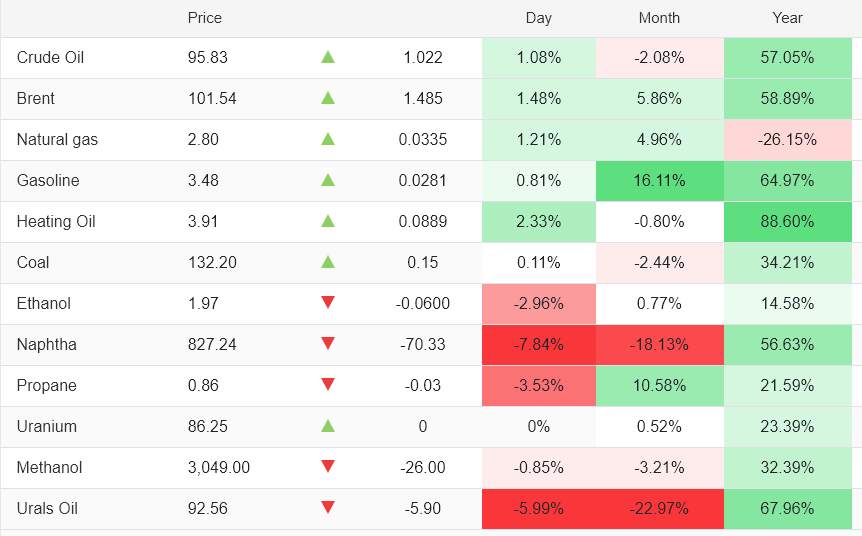
Commodity gains were mixed. According to data from Trading Economics, Brent crude rose 5.86%, gasoline jumped 16.1%, and silver added 8.37%. Gold slipped 0.25%, and West Texas Intermediate (WTI) crude fell 2.08%.
Even the strongest performers fell short of the 705% potato CFD move by more than 40 times.

Why Potato Derivatives Are Surging
It’s important to note that the pump reflects financial markets reacting to volatility in the Iran war, not any actual scarcity in physical potato inventories. Euro News reported that the price per 100 kilograms has climbed from roughly €2.11 on April 21 to €18.50 since April 21.
“As potatoes are a nutrient-intensive crop, the sudden lack of affordable fertiliser has direct implications for future yields and current market valuations. To make matters worse, the regional instability has made primary shipping lanes increasingly hazardous, complicating the logistics of agricultural trade,” the outlet wrote.
Even at that level, potato prices remain well below where the market traded over the past two years, as European producers work through a substantial supply glut. Thus, traders are repricing futures based on risks and the broader effects of the Iran conflict.
“Traders are seemingly repricing futures contracts and no longer prioritising the current reality of oversupply. While for European consumers, this does not presently translate to a massive increase in the cost of a basic dietary staple, the move in potato CFDs highlights an anxious market attempting to price the several and encompassing economic effects of the Iran war,” the report read.
Subscribe to our YouTube channel to watch leaders and journalists provide expert insights
The post The Best Trade of the Month Wasn’t Crypto or Oil, It Was Potatoes appeared first on BeInCrypto.
Crypto World
5 Chip Stocks Dominating Investor Attention This May: Nvidia (NVDA), AMD (AMD), and More

Key Takeaways
- Semiconductor stocks are experiencing a powerful rally fueled by artificial intelligence demand, with the PHLX Semiconductor Index posting its strongest outperformance versus the S&P 500 in more than 12 months
- Nvidia (NVDA) maintains the most bullish analyst consensus in the sector, boasting 48 buy recommendations and no sell ratings
- AMD (AMD) delivered first-quarter revenue of $10.25 billion with data-center sales surging 57%, prompting over 20 analysts to lift their price targets
- Micron Technology (MU) posted its strongest five-day performance since 2008, jumping 30% on surging demand for AI memory chips
- ASML Holding stands as the only company in this group facing sell-side skepticism, with 2 sell ratings among 21 buy calls
Artificial intelligence continues to dominate market momentum, and semiconductor companies remain squarely in the spotlight. As we move through May 2026, five chip stocks have emerged as the primary focus for investors tracking this critical sector.
The semiconductor benchmark index has recently delivered its most impressive outperformance against the broader S&P 500 in over a year. This rally has spread across multiple chip categories, including graphics processors, memory manufacturers, equipment providers, and connectivity specialists.
Let’s examine the five semiconductor equities capturing the most investor attention right now.
Nvidia (NVDA)
Nvidia maintains its position as the undisputed leader in artificial intelligence silicon. The company’s graphics processing units remain the foundation for both training and deploying sophisticated AI models, while its comprehensive software stack and networking infrastructure position it as far more than just a chip vendor.
Analyst sentiment couldn’t be clearer. According to MarketBeat tracking, Nvidia commands 48 buy ratings, 4 strong buy calls, 2 hold recommendations, and zero sell ratings. This represents one of the most lopsided professional consensus views across the entire equity market.
The primary concern centers on valuation. Following its substantial price appreciation, future gains hinge on whether the company can continue exceeding already elevated earnings forecasts.
Advanced Micro Devices (AMD)
Advanced Micro Devices stands as Nvidia’s primary competitor in the AI chip arena. The company recently reported first-quarter adjusted earnings per share of $1.37 on revenues totaling $10.25 billion, with data-center sales surging 57% compared to the prior year.
Advanced Micro Devices, Inc., AMD
AMD provided second-quarter revenue guidance of approximately $11.2 billion, exceeding Wall Street’s consensus estimates. Following the earnings release, no fewer than 20 brokerage firms increased their price objectives.
Analyst ratings currently stand at 30 buys, 2 strong buys, and 12 holds with no sell recommendations. The challenge lies in rising expectations that have climbed rapidly alongside the share price.
Broadcom (AVGO)
Broadcom offers investors artificial intelligence exposure extending beyond traditional GPU chips. The company’s involvement spans custom AI processors, networking equipment, and infrastructure spending by major technology platforms.
Industry reports have connected Broadcom to custom chip development projects with OpenAI, though questions regarding project financing and customer diversification have also emerged. Analyst sentiment reflects 27 buys, 2 strong buys, and 4 holds with no sell ratings.
Micron Technology (MU)
Micron represents the memory-focused investment opportunity within this group. AI data centers demand high-bandwidth memory solutions, positioning Micron as a direct beneficiary of this infrastructure buildout.
MarketWatch noted that Micron recorded its strongest weekly performance since 2008, advancing 30% across five consecutive trading days and eclipsing JPMorgan’s market capitalization. The analyst community assigns 30 buys, 5 strong buys, and 4 holds with zero sell ratings.
The cautionary element is memory’s historically cyclical nature, where pricing power can deteriorate rapidly if industry supply expands.
ASML Holding
ASML manufactures the specialized lithography systems essential for producing state-of-the-art semiconductors. Without ASML’s equipment, companies including Nvidia, AMD, and TSMC cannot fabricate their most advanced chip designs.
This positions ASML as a critical supply chain enabler rather than a chip producer. The stock carries 21 buys, 3 strong buys, 6 holds, and 2 sell ratings — making it the sole company in this group with any bearish recommendations. Export restrictions and lumpy capital equipment spending patterns represent the principal risk factors.
Bottom Line
The semiconductor industry is responding to genuine infrastructure demand, not speculative enthusiasm. AI computing facilities require processors, memory, and the manufacturing equipment to produce them — and these five companies occupy strategic positions across that value chain. Analyst coverage remains overwhelmingly positive across the group, though valuations have appreciated considerably, requiring investors to carefully balance growth potential against current pricing.


For decades, Latin Americans have lived with financial constraints that citizens of more developed economies rarely think about: periodic currency devaluations, inflation shocks, limited access to credit and banking systems that often fail to reward savers.
A new layer of innovation is now reshaping the region’s financial landscape. Decentralized finance — DeFi — is quietly moving from a niche crypto experiment to a practical set of tools that expand financial opportunity across the region.
Historically, navigating DeFi required technical expertise, and that kept adoption limited to early crypto enthusiasts. But major protocols such as Aave are increasingly working with Latin American companies to make their infrastructure usable for everyday consumers. In other words, Latin America is starting to use DeFi primitives thanks to the abstraction provided by local firms.
Enhancing access to DeFi
For most of its existence, DeFi has been the domain of the technically fluent. You needed a self-custody wallet, a working understanding of blockchain mechanics and a tolerance for complex interfaces. For the average person in Mexico City or São Paulo, that was an almost insurmountable barrier.
But things are changing. Latin American fintech companies are now building the abstraction layer that DeFi has always lacked: user-friendly interfaces, peso- and real-denominated stablecoins, fiat on-ramps that let users move seamlessly between cash and crypto and custody solutions that don’t require understanding what a private key is.
The result is a hybrid model. Global protocols provide the rails; local companies provide the on-ramp. It’s not pure decentralization in the ideological sense, but it’s something arguably more valuable: decentralization that actually gets used.
Latin America, which has long lagged behind other regions in DeFi adoption, is beginning to catch up — not because the underlying technology changed, but because the access to it became easier.
The new tools that DeFi provides
The specific tools DeFi offers are remarkably well-suited to the financial realities of the region.
Take dollar savings. In Brazil, holding U.S. dollars in a bank account earns essentially nothing — most Brazilians have no practical way to generate yield on foreign-currency savings. But DeFi lending markets change that equation. By depositing USDC into a protocol like Aave, users can earn yield generated by global demand for dollar liquidity. For the first time, a saver in Recife can access the same basic financial product that a saver in New York has long enjoyed: a dollar account that actually works for them.
Then there is the question of liquidity. Across the region, a significant number of people hold bitcoin or ether as a long-term store of value, particularly in countries with volatile local currencies. Until recently, accessing that value meant selling, which triggers tax events and comes with loss of exposure.
DeFi protocols have eliminated that trade-off. Users can now deposit BTC or ETH as collateral and borrow stablecoins against it, accessing liquidity without surrendering the asset. It’s the equivalent of a home equity line of credit, except the collateral is digital, and the loan can be executed in minutes at any hour of the day.
These aren’t exotic financial instruments. They are basic tools of modern financial life that many Latin Americans have never had access to.
Bringing broader financial inclusion
Traditional financial systems have always had a geography problem. Credit markets are local, and yield depends on where you happen to live. A saver in Lima has never been able to earn the same return on her dollar deposits as a saver in London, simply because the infrastructure connecting her to global capital markets doesn’t exist.
DeFi removes that geography problem. As long as you have an Internet connection, you can participate in the same lending markets, earn the same yields, and access the same liquidity as anyone else. Latin American fintechs are making the global DeFi market easier to tap into.
Traditional lending in Latin America is also burdened by underwriting infrastructure built for a different era. There are strict income documentation requirements, and credit scoring systems usually exclude large segments of the population.
DeFi lending is collateral-based rather than identity-based. If you have assets, you have access — regardless of whether you have a credit history or a formal employment contract. The market is always available to you, no matter what.
This doesn’t mean DeFi is without risk. Smart contract vulnerabilities, protocol failures and the volatility of collateral assets are real concerns that the industry is still working to address. But the trajectory is clear. As Latin American firms continue to build accessible interfaces and regulatory bridges, and as protocols mature and accumulate track records, the barriers to entry will keep falling.

Although most of the market saw notable gains over the past few weeks, with BTC surging to a multi-month peak at almost $83,000, Ripple’s cross-border token couldn’t really mimic the rally and was rejected at $1.45.
Since then, the bears have resumed control, pushing it below $1.40, which allowed BNB to retake its position as the fourth-largest cryptocurrency by market cap.
Yet, popular analyst EGRAG CRYPTO remains highly bullish on XRP’s long-term future and laid out three different scenarios. Interestingly, all of them envision quadruple-digit gains.
The XXXX% Road Ahead
The recent X post from EGRAG, titled “which historical EMA ribbon move is most likely,” begins with a brief history lesson, suggesting that XRP has typically exploded “after reclaiming and expanding away from the EMA Ribbon.” In the three past cycles cited by the analyst, the asset rocketed by 2,400%, 1,000%, and 1,250%, respectively.
Although all of these predictions seem quite bullish at the moment, EGRAG believes one stands out as the most probable based on the current macro structure, liquidity conditions, cycle maturity, and realities of market cap expansion.
It’s the middle scenario, which foresees a 1,250% price pump for XRP. According to EGRAG, it has a 50-55% chance of materializing as it “aligns best with current cycle structure and broader market conditions.”
The 1,000% move has a smaller 30-35% probability chance, while the wildcard 2,400% prediction is the least probable, with 10-15% odds.
#XRP – Which Historical EMA Ribbon Move Is Most Likely?

On the Weekly Time Frame, #XRP has historically exploded AFTER reclaiming and expanding away from the EMA Ribbon.
Historical expansions:
White Move:
~2,400%
Blue Move:
Green Move:
Now… pic.twitter.com/L0U9Z5mJTs
— EGRAG CRYPTO (@egragcrypto) May 8, 2026
Reality Check
Although EGRAG mentioned that these scenarios need to be checked, especially in terms of potential market cap expansions, to see whether they sound viable, it’s still worth noting that even the most modest prediction requires a massive rally. If XRP is to skyrocket by just 1,000%, it would still put its price at roughly $15 per token. The ‘most probable’ 1,250% scenario envisions a surge to $19, while the most bullish puts the token at $35.
Let’s just quickly examine the first two targets, as even EGRAG wasn’t too optimistic about the last one. If XRP taps $15, its market capitalization would need to be close to $1 trillion (with a T, yes). Consequently, a surge to $19 would make it a $1.250 trillion asset.
Just to put things into perspective – there’s only one cryptocurrency with a market cap beyond those numbers. And, overall, there are only 13-14 global assets bigger than that. So, we are not saying that XRP at $13 sounds impossible, but it would require nothing short of a miracle, especially given the current market environment.
The post All Ripple Roads Lead Up? Analyst Maps 3 Bullish Outcomes for XRP appeared first on CryptoPotato.

Key Highlights
- Shares of MRAM peaked at $23.10 on May 8, closing near $22.59 with approximately 437,000 shares traded
- The company finalized a decade-long production agreement with Microchip Technology for U.S.-based MRAM manufacturing in Oregon
- First quarter earnings per share reached $0.11 on revenue of $14.87M, exceeding Wall Street’s $14.60M projection
- Second quarter 2026 EPS forecast ranges from $0.000 to $0.030; analyst rating averages Hold with $18.50 price target
- Top executives liquidated approximately $796K in shares during early May
Everspin Technologies (MRAM) shares touched a fresh 52-week peak at $23.10 this past Friday, May 8, ultimately closing the session near $22.59. The closing price represents a substantial premium over both the 50-day moving average of $11.18 and the 200-day moving average of $10.63.
Everspin Technologies, Inc., MRAM
Trading activity for the session registered approximately 437,000 shares, marking an increase from the previous session’s close at $21.51.
The semiconductor stock has appreciated roughly 25% in recent weeks, propelled primarily by a strategic manufacturing announcement made last month.
Strategic Partnership with Microchip Technology
On April 8, Everspin unveiled a 10-year manufacturing collaboration with Microchip Technology focused on producing MRAM and Tunnel Magnetoresistive (TMR) sensor solutions at Microchip’s Oregon production facility.
Under the terms, Everspin retains full ownership of its intellectual property and manufacturing processes. The arrangement also provides ITAR-compliant wafer processing capabilities, a critical requirement for defense and aerospace applications.
Everspin plans to maintain operations at its existing Chandler, Arizona fabrication plant simultaneously. Initial product shipments from the Oregon facility are anticipated during the latter half of 2027.
The collaboration includes provisions for extension beyond the initial 10-year period in two-year increments.
Strong Q1 Results Overshadowed by Conservative Q2 Forecast
For the first quarter of 2026, Everspin delivered earnings per share of $0.11 alongside revenue of $14.87 million, surpassing analyst projections of $14.60 million.
The company reported a net margin of 0.50% with return on equity at 4.78%.
However, the second quarter 2026 outlook presents a more subdued picture. Management issued EPS guidance spanning $0.000 to $0.030 — an unusually broad and modest range suggesting near-term uncertainty.
The company currently carries a market capitalization of $593 million, with a price-to-earnings ratio of 2,532 — underscoring the nascent stage of its profitability trajectory.
Mixed Signals from Analysts and Insider Activity
Wall Street sentiment remains divided. Needham elevated its price objective from $14.00 to $18.50 while reaffirming a Buy rating on April 30. Conversely, Weiss Ratings maintained a Sell recommendation in March. Wall Street Zen moved from Buy to Hold in February.
The consensus rating currently stands at Hold with an average price target of $18.50 — notably beneath current trading levels.
Regarding insider transactions, CEO Sanjeev Aggarwal divested 28,459 shares at $19.58 per share on May 4, generating proceeds of approximately $557,000. This transaction reduced his ownership stake by 3.36%.
CFO William Earl Cooper sold 11,000 shares at $21.75 on May 6, totaling $239,250 in proceeds — representing a 6.39% decrease in his holdings.
Collectively, company insiders have sold roughly 60,448 shares valued at approximately $990,000 during the past three months.
Institutional investors hold 44.68% of outstanding shares, with multiple hedge funds establishing fresh positions in recent quarters, including Raymond James Financial, Kestra Advisory Services, and Occudo Quantitative Strategies.
The stock’s beta coefficient of 1.75 indicates elevated volatility relative to the broader equity market.


BlackRock (BK), the world’s largest asset manager, overseeing $14 trillion in assets, is deepening its push into tokenized finance with a pair of new filings tied to blockchain-based U.S. Treasury and money-market funds.
In a Friday filing with the U.S. Securities and Exchange Commission (SEC), the asset management giant proposed launching the BlackRock Daily Reinvestment Stablecoin Reserve Vehicle, a new fund that invests in cash, short-term U.S. Treasury securities, and overnight repurchase agreements backed by Treasuries.
The fund would issue “OnChain Shares” through a permissioned system connected to multiple public blockchains. Securitize Transfer Agent LLC will maintain the official ownership records for those tokenized shares. According to the filing, the transfer agent will use a permissioned framework tied to public blockchain networks, while maintaining offchain records linking wallet addresses to investor identities.
The filing did not disclose which blockchains the fund will initially support. Investors would face a $3 million minimum investment.
Separately, BlackRock also filed paperwork to create an onchain share class for its BlackRock Select Treasury Based Liquidity Fund, a traditional money-market fund with nearly $7 billion in assets under management.
That filing outlined how the fund’s transfer agent, BNY Mellon Investment Servicing, would maintain official ownership records on Ethereum using ERC-20 token standards. Blockchain records, combined with offchain identity systems linking wallets to investors, would serve as the official shareholder registry.
The filings deepen BlackRock’s push into tokenized finance, one of the fastest-growing areas of digital assets. Tokenization refers to creating blockchain-based representations of traditional financial assets such as funds, bonds or equities. Advocates say the technology can speed up settlement, enable round-the-clock trading and improve transparency.
The tokenized real-world asset market has grown more than 200% over the past year and now exceeds $30 billion, according to rwa.xyz data. A report by Boston Consulting Group and Ripple projected the market could reach $18.9 trillion by 2033.
BlackRock CEO Larry Fink has repeatedly backed tokenization as a way to modernize financial infrastructure. In 2024, the firm launched its first tokenized money-market fund, BUIDL, with Securitize (CEPT). The fund has since grown to roughly $2.5 billion in assets and is increasingly used across crypto markets as collateral for borrowing and leveraged trading.
Crypto World
Crypto wallets are being rebuilt for AI agents, Trust Wallet and Mesh executives say at Consensus Miami
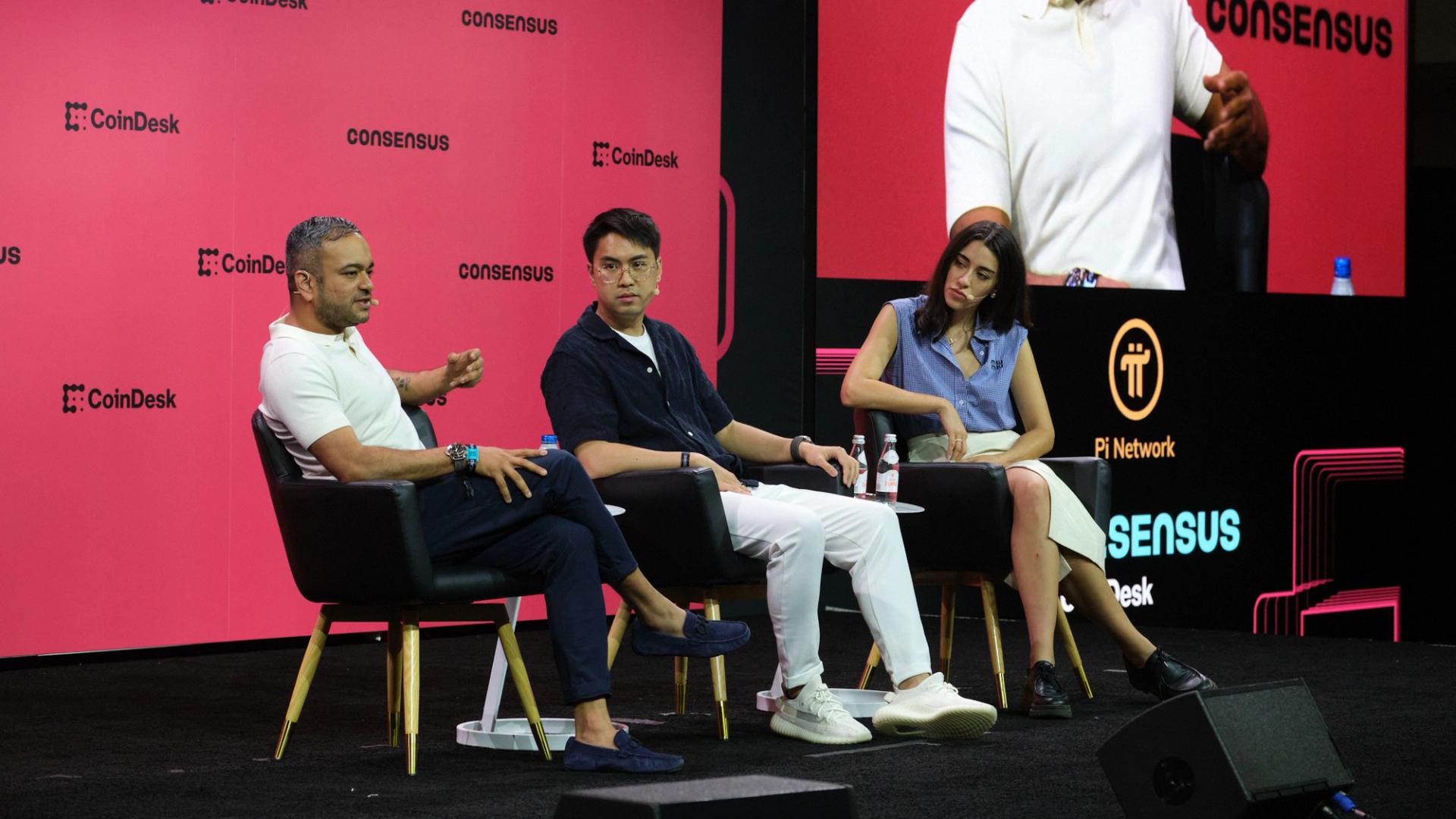
MIAMI BEACH, Fla. — Crypto wallets are being rebuilt for AI agents, said executives from Trust Wallet and Mesh on Thursday, with companies racing to give autonomous software a way to hold value, prove identity and transact on-chain.
Appearing at CoinDesk Miami, Arjun Mukherjee, chief technology officer at Mesh, said the shift is driven by what he called the cold-start problem for AI agents.
“An agent can’t do anything until it has a wallet funded,” he said. “It’s very difficult for the agent to act until it has a wallet to do something, and it has value to transact with. And suddenly, enter crypto. Crypto has found its kind of niche, its killer app.”
Mesh, which builds a connectivity layer across exchanges, wallets, smart contracts and decentralized exchanges, has launched a product called Smart Funding that routes payments across chains, networks, accounts and tokens for both human and agent users.
Felix Fan, CEO of Trust Wallet, said the company is taking a deliberately bifurcated approach to agent integration. On its consumer crypto app, where users hold the keys, agents act as a copilot to simplify navigation and reduce friction without taking custodial control.
“Users always hold the keys and all these permissions. Every single step, they need to give consent,” Fan said. The agent’s role on the consumer side is to “speed up the process and also help them to better understand how to navigate on-chain.”
On the developer side, Trust Wallet has taken a more aggressive posture. The company recently launched an agent kit that lets agents autonomously make trades, transfers and other on-chain actions, and it is implementing EIP-8004, an Ethereum proposal that provides agents with on-chain identity and credit-style scores.
“On the crypto app side, we’re enabling humans to have superpowers with AI, whereas on the developer side, we are enabling agents to do something like humans,” Fan said.
On where liability sits, Mukherjee said Mesh is wary of importing traditional finance’s friction into agent payments.
“AI should augment human judgment, not replace human responsibility or accountability,” he said, adding that responsibility for an agent’s actions sits with the institution that deploys it.
Both panelists said they expect AI labs to launch their own wallets. X has already been vocal about X Money, Fan noted, and “Grok will very likely have a wallet within.”
“Claude and all these players, they can run on-chain maybe just tomorrow,” Fan said. “So we are open for that challenge.”
Mukherjee said Mesh’s strategy is to remain agnostic across wallets, networks and tokens.
“If there’s Web3-based e-commerce on any network, on any token, and any connected funds, we all win,” he said.


LayerZero said late Friday U.S. time that it “made a mistake” allowing its own verification infrastructure to secure high-value crypto assets in a vulnerable configuration, marking a notable shift in tone after weeks of blaming developer Kelp DAO for a $292 million hack tied to North Korean attackers.
The admission marks a notable shift after weeks of public finger-pointing between LayerZero and Kelp over responsibility for the April hack, which LayerZero had initially framed as an application-level configuration failure by Kelp.
“First things first: an overdue apology,” LayerZero wrote in a blog published Friday.
LayerZero initially blamed Kelp, arguing the protocol had chosen a risky “1-of-1” configuration in which only a single decentralized verifier network, or DVN, needed to approve cross-chain transfers, creating a single point of failure. A DVN is part of the infrastructure that verifies whether a transaction moving assets between blockchains is legitimate.
“We made a mistake by allowing our DVN to act as a 1/1 DVN for high-value transactions,” the company said. “We didn’t police what our DVN was securing, which created a risk we simply didn’t see. We own that.”
To counter this, LayerZero Labs said its DVN will no longer service 1/1 DVN configurations. Additionally, “all defaults on all pathways are being migrated to 5/5 where possible and no less than 3/3 on any chain where only 3 DVNs are available,” the blog said.
Cross-chain bridges act like digital transfer rails between otherwise separate blockchain networks, but have long been among crypto’s most vulnerable pieces of infrastructure.
LayerZero maintained that its underlying protocol was not compromised and reiterated that developers are ultimately responsible for configuring their own security assumptions.
“The LayerZero protocol remained unaffected,” the company said, attributing the exploit to an attack on internal RPC infrastructure used by the LayerZero Labs DVN, while external RPC providers were simultaneously hit with distributed denial-of-service attacks.
Additionally, Layer Zero said that three and a half years ago, one of its signers on our multisig used their multisig hardware wallet to perform a personal trade, intending to use their own personal hardware wallet. It is taking action against such moves and said, “This is obviously not ok.”
“This signer was removed from the multisig, wallets rotated, and we’ve since updated our security practices around signing devices, added localized anomaly detection software on each device, and created a custom-built multisig called OneSig.”
Competitors, including Chainlink, are using the fallout to win business from protocols rethinking their security providers.
Kelp has already moved its rsETH bridge to Chainlink’s competing Cross-Chain Interoperability Protocol, while Solv Protocol said this week it is migrating more than $700 million in tokenized bitcoin infrastructure away from LayerZero following a fresh security review.

MOVA Studios set to open in Hargrave House, Acomb

Genco Shipping & Trading Limited (GNK) Q1 2026 Earnings Call Transcript

Stake.com Built The Crypto Casino Name. Bet365 Built The Sportsbook Name. ZunaBet Is Building What Comes After Both.

Manchester United reach agreement with Casemiro over contract clause amid transfer speculation

US brings back mandatory military draft registration

Steven Gerrard disagrees with Gary Neville over ‘shock’ Chelsea and Arsenal claim | Football


-
 Crypto World1 day ago
HarrisX Poll Found 52% of Registered Voters Support the CLARITY Act
-

 NewsBeat6 days ago
Channel 5 – All Creatures Great and Small series 7 new post
-

 Crypto World2 days ago
Upbit adds B3 Korean won pair as Base token gains Korea access
-

 Tech5 days ago
Image AI models now drive app growth, beating chatbot upgrades
-

 News Videos6 days ago
AP Dhillon – Old Money (Official Audio)
-
 NewsBeat2 days ago
NCP car park operator enters administration putting 340 UK sites at risk of closure
-

 Fashion21 hours ago
Weekend Open Thread: Marianne Dress
-

 Sports7 days ago
Five killed in Texas plane crash identified as Amarillo pickleball players
-
Entertainment7 days ago
New Netflix Movies in May 2026 — My Top 3 Picks to Stream
-
 Crypto World7 days ago
Pi Network Mandates Protocol 23 Upgrade for All Mainnet Nodes Before May 15 Deadline
-
Entertainment6 days ago
Anna Nicole Smith’s Daughter Attends 2026 Kentucky Derby
-

 Crypto World6 days ago
Bitcoin mining equities rise in 2026 as BTC lags behind
-

 Entertainment6 days ago
Melissa Joan Hart and More Stars Attend 2026 Kentucky Derby
-
Entertainment7 days ago
Venus Williams’ Best Met Gala Looks Over the Years
-

 Business6 days ago
Luka Doncic Injury Update: Doncic’s Hamstring Recovery Slows Lakers’ Hopes Against Thunder: Can He Run Yet?
-
 Business2 hours ago
Ignore market noise, India’s long-term story intact, say D-Street bulls Ramesh Damani and Sunil Singhania
-
Entertainment6 days ago
“Storage Wars” star Darrell Sheets' ex-wife breaks silence on his death
-

 Sports6 days ago
Is Man United v Liverpool on TV? Channel, streaming and how to watch Premier League fixture
-

 Business7 days ago
Kuwait International Airport Resumes Operations After Closure as Regional Tensions Ease in 2026
-
 Entertainment7 days ago
Netflix’s 10-Part Miniseries Based on a True Story Is a Perfect Weekend Binge
You must be logged in to post a comment Login