Crypto World
Here is how crypto industry is reacting

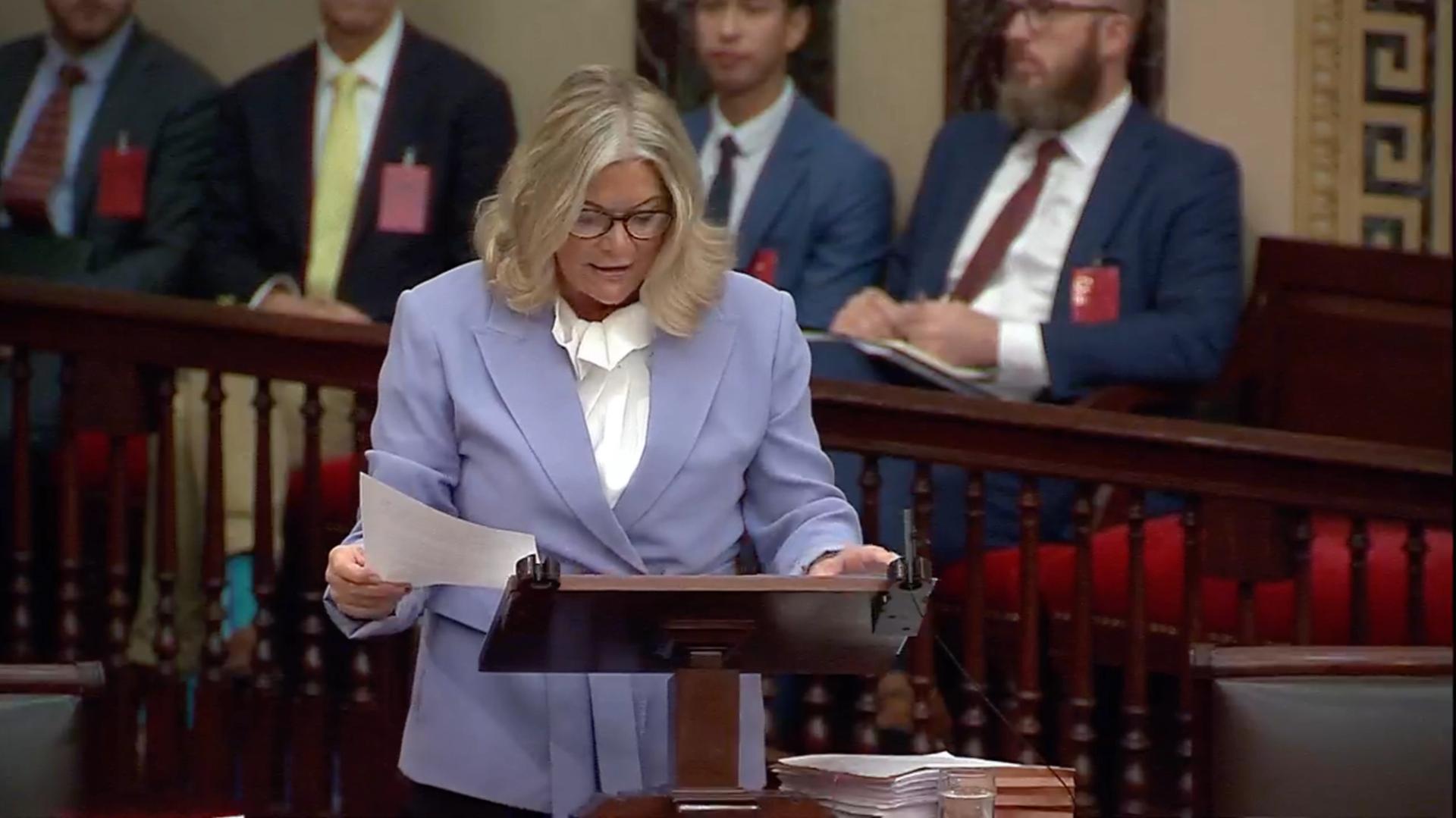

The Senate’s failure to advance the Clarity Act on Tuesday was a major setback for the crypto industry’s push to lock market structure rules into law, but the reaction from industry leaders was notably measured.
Crypto executives said the vote does not unwind the regulatory progress already underway at the SEC and CFTC, nor is it likely to stop banks, asset managers and crypto firms from continuing to build.
What it does leave unresolved is the question of durability: agency rules can change with a new administration, while legislation would have given the industry a more permanent framework.
For some, that means the U.S. now risks extending the uncertainty that has pushed companies to look toward jurisdictions such as Europe, where MiCA already provides a clearer rulebook. Others argued the failed vote changes little about the longer-term shift toward regulated digital-asset markets.
Here is how crypto industry executives reacted to the Clarity Act’s failure in the Senate.
Connor Howe, Co-Founder & CEO, Enso
“Falling short of the 60-vote threshold doesn’t send the market back to 2022. [CFTC Chair] Selig already told CFTC staff to draft a market-structure regime under existing Commodity Exchange Act authority, and the SEC put Regulation Crypto Assets out for comment back in August. Neither move was riding on Tuesday’s vote.
Durability is where the vote still matters. The next chair can rewrite an agency rule without a single vote in the Senate. Repealing a statute takes another act of Congress, a bar few chairs manage to clear. Banks and asset managers on the fence hold out for the version that outlasts whoever runs the agency next. The same gap swallows what this draft dropped: explicit Section 1960 protection for developers who never touch customer funds. Without it in statute, that protection is as easy to unwind as anything the CFTC or SEC writes on their own. After a failed cloture, the version that sticks won’t come from this Congress.”
Barnali Biswal, CEO, Hilbert Group
“Falling short of the 60-vote threshold shouldn’t trigger a steep sell-off. Prediction markets had already priced in failure. It does cost momentum, though. Major bank trade groups were lobbying against the stablecoin yield language right up to the vote, and that fight doesn’t go away just because cloture failed. Without this compromise, institutional capital keeps navigating a fragmented, enforcement-heavy market.”
Alan Konevsky, CEO of tZERO
“The structural shift toward regulated digital asset markets is already underway, and today’s vote falling short doesn’t change that. Other paths are already being explored, with the SEC and CFTC putting out their own proposed rules and agreeing to coordinate jurisdiction over digital assets. Regardless of the regulatory path, institutions will continue to adopt these protocols over legacy market infrastructure because the secure, regulated infrastructure they need already exists today. ”
Frederik Gregaard, CEO of the Cardano Foundation
“While today’s outcome is disappointing, the need for regulatory clarity is as urgent as ever. Clear rules are essential to protecting consumers, unlocking institutional adoption, and reinforcing U.S. financial leadership. We remain at the table and committed to working with lawmakers to get clear rules for innovation across the finish line.” Katherine Kirkpatrick Bos, Head of Legal at Chainlink Labs.
“In Europe, builders at least know the rules of the game under MiCA. The push for Clarity shows Washington knows it has a regulatory gap to close, but builders can’t afford to wait around for the U.S. to get its act together. Blockchain technology will continue to advance because it provides real value beyond any individual crypto price. It looks like the EU is the clearest jurisdiction to do so.”
Abhishek Vaidyanathan, Chief Legal Officer, NEAR
“If cloture fails today, the next Congress is the likely next opportunity to address crypto market structure. The House has already canceled its weeks of September 21 and 28, and the Senate’s state work period begins October 5, ahead of the November 3 election.
Rejecting the bill leaves firms completely dependent on agency guidance and ongoing administrative discretion. Firms setting their 2027 budgets would face another prolonged delay, forcing them back into case-by-case judgments and repeated legal work while counterparties continue to price in regulatory uncertainty. Capital currently waiting on the sidelines for clear legislation may simply move elsewhere.
Europe has been operating under MiCA since December 2024. In contrast, the U.S. remains stuck, relying on federal interpretations, proposed rules, and a patchwork of state regimes. Without CLARITY, the broader market lacks the statutory footing that GENIUS delivered for stablecoins, leaving firms to navigate a system where a token’s treatment continues to depend on agency discretion and historical promises rather than fixed statutory law.”
Vassilis Tziokas, VP Growth for Matter Labs
“Today the Senate fell short of the votes needed to advance the CLARITY Act, and we wanted a different outcome: clear rules make everything the industry is building easier to scale and safer to connect. But the vote changed the timeline in Washington, not the trajectory in banking. Banks aren’t betting their future on a vote count. They are already building their own tokenized deposit networks to move dollars onchain at stablecoin speed, settle instantly around the clock, and program payments directly into the rails, all while deposits stay on the bank’s own balance sheet, under the rules that already govern them. And tokenized deposits are the front door, not the whole house. The same infrastructure is being extended to intraday repo, collateral that can move on a weekend, and tokenized securities, with bank-grade privacy as the entry requirement rather than an afterthought.
JPMorgan’s deposit token is live, Citi is settling tokenized payments across time zones, and regional and community banks are building bank-governed deposit networks on shared infrastructure. Cari just raised more than $30 million, backed entirely by banks, to give institutions a network they own and govern themselves.
With legislation stalled, we expect the center of gravity to shift toward the regulators, with SEC- and CFTC-led rulemaking and banking-agency guidance carrying more of the load in the interim. Stablecoins and tokenized deposits serve different purposes, and both are stronger with certainty. A stalled bill delays the rulebook, not the building.”
Read more: Crypto Clarity Act flames out in failed U.S. Senate vote
You must be logged in to post a comment Login