Crypto World
Iran Tensions Spark Major European Gas Price Rally as LNG Routes Face Disruption

TLDR
-
Natural gas prices across Europe experienced dramatic increases following disruptions to LNG transportation routes through the Strait of Hormuz linked to Iranian conflict.
-
Production facilities operated by QatarEnergy were forced offline following drone strikes, creating immediate global LNG supply constraints.
-
Benchmark Dutch TTF gas contracts climbed by up to 49% in intraday trading amid mounting supply anxieties.
-
LNG imports have become critical for Europe’s energy security after the continent pivoted away from Russian gas in 2022.
-
Market experts caution that extended supply disruptions could drive European gas prices significantly higher while straining worldwide energy availability.
Natural gas markets in Europe experienced substantial price increases as Middle Eastern geopolitical tensions threatened critical energy transportation corridors. Trading activity reflected heightened concerns over liquefied natural gas delivery reliability.
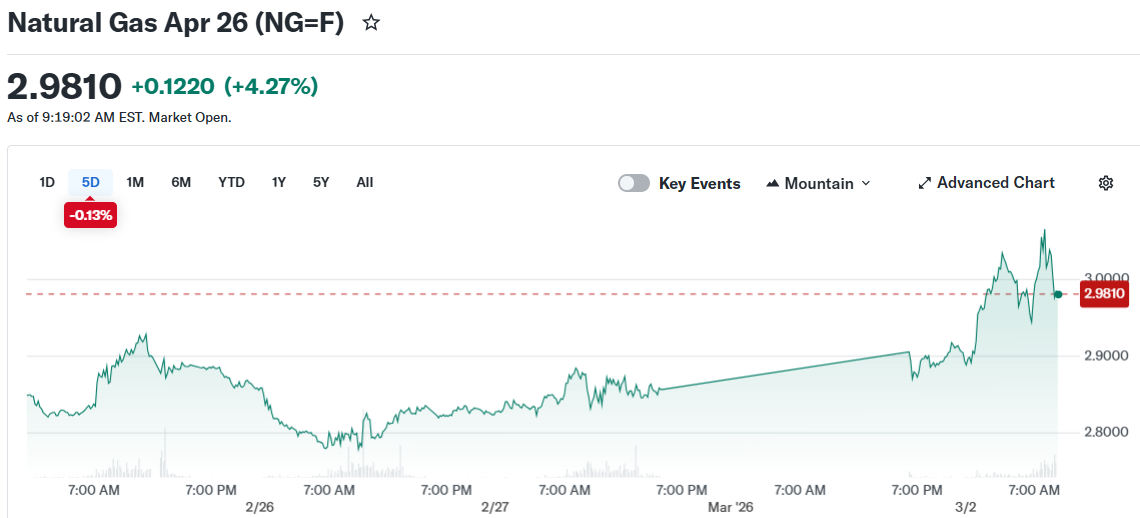

During early trading hours, European gas valuations jumped approximately 25%. The Dutch TTF benchmark contract subsequently accelerated, posting gains approaching 49% at peak levels.
Price movements came as regional military tensions escalated dramatically. Disruptions connected to Iranian military activities have impacted maritime operations through the Strait of Hormuz, one of the world’s most vital energy chokepoints.
This narrow waterway facilitates substantial volumes of international LNG trade. Vessel movements have declined considerably as security threats mounted.
Following drone strikes on its infrastructure, QatarEnergy suspended operations at natural gas production sites. The government-controlled operator supplies approximately 20% of worldwide LNG exports.
European Vulnerability to Supply Shocks
European nations face significant vulnerability to LNG supply interruptions. The continent dramatically reduced Russian pipeline gas dependence following 2022’s energy upheaval.
Qatari sources now provide substantial volumes of Europe’s LNG requirements. Numerous cargoes transit the Strait of Hormuz en route to European import facilities.
Storage levels decline throughout winter heating demand periods. European nations must consequently increase LNG purchases to replenish stockpiles.
Market analysts drew comparisons to circumstances observed during 2022’s crisis. That episode produced industrial closures and accelerated inflation throughout European economies.
Goldman Sachs projected that a one-month suspension of LNG transits through the Strait would likely more than double European gas valuations. Benchmark prices could reach €74 per megawatt hour in such circumstances.
Should disruptions extend beyond two months, prices might exceed €100 per megawatt hour. Historical data shows such elevated pricing previously forced substantial demand destruction across the continent.
Broader Energy Market Impacts
Commodity markets swiftly incorporated supply risk assessments. Oil prices advanced as market participants factored in potential regional disruption scenarios.
Approximately 80 million tonnes of LNG flow through the Strait of Hormuz annually. This volume constitutes roughly 19% of total global supply.
Crude oil movements through this strategic waterway similarly underpin global energy systems. Roughly 20% of worldwide petroleum production traverses these waters.
Reports emerged over the weekend of three oil tankers sustaining damage in regional waters. Shipping uncertainties have amplified price fluctuations.
Transportation costs for crude carriers have escalated sharply in recent trading periods. Certain Gulf-to-Asia shipping routes have experienced threefold rate increases over thirty days.
Asian LNG markets confront comparable price pressure risks. Interconnected global gas trading means supply disruptions in one region ripple across others.
Domestic U.S. natural gas pricing has demonstrated relatively muted responses thus far. Export infrastructure operates near maximum capacity, constraining the ability to rapidly boost outbound volumes.
European market participants continue monitoring LNG supply chain resilience closely. Trading sentiment hinges on whether Strait of Hormuz shipping operations normalize within upcoming weeks.


You must be logged in to post a comment Login