Crypto World
Iran’s Hormuz Toll Could be In Stablecoins, Not Bitcoin


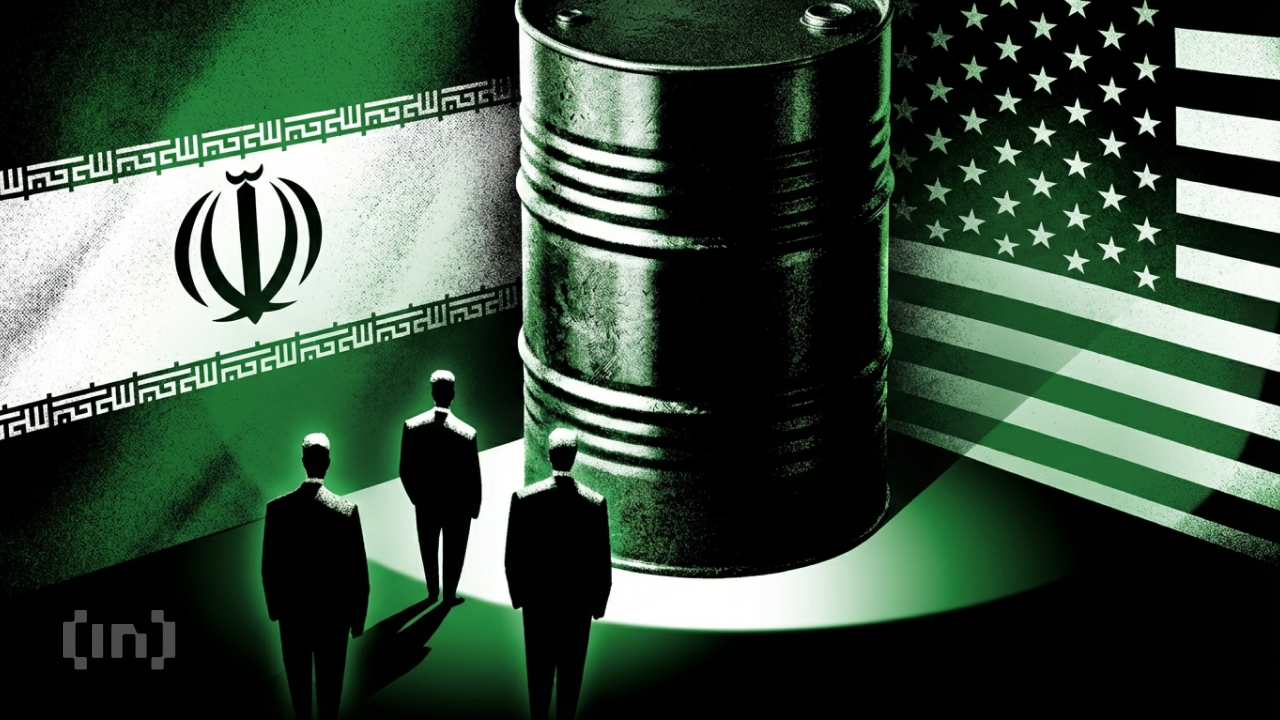
Iran is demanding cryptocurrency payments from tankers transiting the Strait of Hormuz. Hamid Hosseini, spokesperson for Iran’s Oil, Gas and Petrochemical Products Exporters’ Union, specifically named Bitcoin (BTC) in a recent statement.
However, Chainalysis suggests that stablecoins could be the instrument of choice, consistent with how the Islamic Revolutionary Guard Corps (IRGC) has historically moved money.
Stablecoins Fit Iran’s Playbook
Chainalysis argues that stablecoins, not BTC, will likely serve as the IRGC’s toll collection instrument. The firm pointed to the regime’s well-documented preference for dollar-pegged tokens across years of illicit trade.
The reasoning is straightforward. Dollar-pegged stablecoins preserve value in ways BTC cannot. Iran’s rial has lost substantial value against the dollar, making price stability essential for large-scale commercial revenue.
Bitcoin’s regular volatility would expose toll proceeds to unpredictable losses between collection and conversion.
“The regime has leveraged stablecoins because their backing by the US dollar guarantees preservation of value and provides the liquidity necessary for use at scale,” the report read. “Bitcoin, by contrast, experiences regular price volatility.”
Chainalysis noted that the IRGC has historically relied on stablecoins across oil sales, weapons procurement, and proxy financing. Bitcoin, by contrast, has served a different function within Iran’s crypto operations.
The report primarily linked it to Iranian cyber actors running ransomware campaigns and other malicious operations. That is a fundamentally different use case from high-volume, commerce-oriented toll collection.
Follow us on X to get the latest news as it happens
Billions Already on Chain
The scale of the IRGC’s existing crypto operations reinforces why stablecoins may be the likely choice. Chainalysis estimated that IRGC-associated wallet addresses received over $2 billion in 2024.
That figure spiked above $3 billion in 2025, representing roughly half of Iran’s total crypto ecosystem by the fourth quarter.
Those numbers are considered lower-bound estimates. They include only addresses identified through OFAC designations and Israel’s National Bureau for Counter Terror Financing seizure lists. The full network of shell companies and intermediary wallets remains larger.
Before the closure, the Strait of Hormuz handled around 20 million barrels of oil per day, roughly 20% of the global seaborne oil trade. At $1 per barrel, even partial toll collection on current volumes could generate billions annually. Stablecoins offer the throughput and liquidity that kind of scale demands.
“These oil shipments could generate sorely needed revenue for the regime during the most severe threat to the Islamic Republic in decades,” Chainalysis added.
However, stablecoins carry their own risk for Tehran. Unlike BTC, stablecoin issuers can freeze assets held in designated wallets. Chainalysis flagged this as a key intervention point for regulators and law enforcement if the stablecoin toll program materializes.
Subscribe to our YouTube channel to watch leaders and journalists provide expert insights
The post Iran’s Hormuz Toll Could be In Stablecoins, Not Bitcoin appeared first on BeInCrypto.
You must be logged in to post a comment Login