
Crypto World
Liquid's Attackers Called Themselves White Hats, Ledger's CTO Isn't Buying It



Ledger’s Chief Technology Officer has questioned the white hat label attached to the $320 million taken from Liquid Network.
He stopped short of calling it a theft. Liquid described the parties as purported white hat hackers, and Blockstream is trying to reach them on-chain.
Liquid Network Freezes Its Bridge as Self-Proclaimed White Hats Take 4,000 BTC
For context, Liquid is a Bitcoin (BTC) layer-2 network that operates as a separate blockchain. It uses a two-way peg to connect Bitcoin with its native Liquid Bitcoin (L-BTC) asset.
Users lock Bitcoin on the main network to receive an equivalent amount of L-BTC on Liquid. They can later redeem L-BTC for Bitcoin through the network’s peg-out process.
In an X post, the team stated that roughly 4,000 Bitcoin left the Liquid Federation wallet. Liquid said the transfer used the SideSwap Peg-out Authorization Key, which it insists was not compromised.
SideSwap explained that a customer sent 4,000 LBTC to its peg-out service at 14:05 UTC, and the federation paid out 3,996 BTC 23 minutes later. Blockstream has since traced that LBTC to a bug in the Elements software, according to the company.
The funds were consolidated into the Bitcoin address bc1ql4mfu6aundtkksxklfajs2h3t9nzcd6gyqjlte. It contained an on-chain message claiming the actors were white hats.
The message also asked Liquid to contact them on-chain. Galaxy Research estimated the funds represented about 95% of all Bitcoin pegged to Liquid.
Follow us on X to get the latest news as it happens
In response, the network disabled bridge nodes, preventing new transactions from entering the chain.
Liquid also notified exchanges, which have paused or are preparing to pause L-BTC deposits and withdrawals. Other Liquid assets, including USDT, DePix, and real-world assets, remain unaffected by the incident.
“Liquid wallets will be impacted, and we’re sorry for any inconvenience. Federation members are actively working on resolving this so we can restore normal network activity,” the team said.
Ledger CTO Doubts the White Hat Label
Charles Guillemet, chief technology officer at Ledger, questioned that description. He compared the episode to the Ronin hack, in which attackers stole about $625 million after compromising validator keys. He also linked the invitation to talk to Euler.
Guillemet later softened his reading. The conduct does not look like usual white hat practice, he wrote, though criminal groups do not usually try to contact their victims either.
“There’s hope. This could be people with good intentions that intensively played with recent LLMs and are not used to responsible disclosures…,” the executive noted.
Where the Coins Stand
As of press time, the coins have not left the address that received them. Public records show it still holds about 3,998 BTC, while the federation wallet retains roughly 197 BTC.
Early Monday, the same address signed another message. It asked whether sending most of the funds back to the federation wallet would be acceptable.
Whether Guillemet’s doubts hold depends on what the address does next, not on what it writes.
Subscribe to our YouTube channel to watch leaders and journalists provide expert insights
The post Liquid's Attackers Called Themselves White Hats, Ledger's CTO Isn't Buying It appeared first on BeInCrypto.



Ethereum co-founder Vitalik Buterin rejected a Sept. 7 prediction that artificial intelligence could undermine confidence in Bitcoin’s security and cause its price to fall by more than 50% within two years.
Summary
- Buterin rejected Liron Shapira’s prediction that AI-related security fears could halve Bitcoin within two years.
- Shapira assigned 50% confidence to Bitcoin crashing over 50% as AI undermines perceived network robustness.
- Buterin considers actual breaks of Bitcoin’s hashing or proof-of-work mechanisms extremely unlikely over that period.
- He said client and mining-pool upgrades could address network-layer attacks without requiring social consensus decisions.
- Bitcoin security groups have separately sought advanced AI access so defenders can identify vulnerabilities earlier.
Investor and AI-risk commentator Liron Shapira assigned a “50% confidence” level to his prediction that Bitcoin would suffer such a decline because AI could weaken what users consider the network’s security or robustness, according to his original post.
Buterin said he took “the opposite side” of that forecast. His response focused on Bitcoin’s technical adaptability rather than its market price, arguing that most AI-related threats could be addressed without changing the network’s core social agreement.
Buterin sees transition risk rather than cryptographic collapse
Buterin said he remains optimistic about cybersecurity over the long term. In his view, the main risk lies in managing the transition to a world where attackers and defenders both use increasingly capable AI systems.
He separated operational attacks from failures of Bitcoin’s underlying cryptography. Network-layer exploits, client vulnerabilities and attacks against mining infrastructure could require software updates, but they would not necessarily invalidate Bitcoin’s proof-of-work design.
Bitcoin’s network consists of several layers. Full-node software verifies transactions and blocks. Mining pools coordinate hash power, while miners provide the computing equipment that performs proof-of-work calculations. Internet infrastructure connects those participants.
AI could help attackers identify flaws in node software, wallet code, mining-pool systems or communications infrastructure. Defenders can also use AI to review code, test updates and detect suspicious behavior.
Buterin argued that client developers and mining pools could respond to those attacks through ordinary upgrades. Such changes would be less difficult than an emergency alteration of Bitcoin’s monetary rules or transaction history.
He described the probability of “actual breaks on hashes or PoW” as “tiny.” The statement is an assessment rather than a measurable guarantee, and it does not cover every cybersecurity risk affecting Bitcoin users.
Bitcoin’s proof of work is not the likeliest AI target
Bitcoin mining depends on SHA-256, the hash function used to process block headers and prove that miners performed computational work. A direct cryptographic break would require an attacker to find a practical weakness that sharply reduces the work needed to produce valid hashes.
However, Current generative AI systems have not demonstrated that capability. AI can improve software analysis and automate attack discovery, but it does not automatically defeat established cryptographic functions. An attacker also could not take control of Bitcoin simply by producing persuasive text, malicious code suggestions or automated social engineering. Compromising wallets, exchanges or individual developers would create losses, but it would not necessarily compromise Bitcoin’s consensus rules.
The more realistic near-term risks involve surrounding infrastructure. AI agents may improve phishing, credential theft, malware development and vulnerability discovery. Mining pools, exchanges, wallet providers and node operators could face more automated attacks.
A July security incident showed the distinction. Bitcoin Optech reported that a weakness in some COLDCARD-generated wallets produced insufficient entropy and exposed affected funds to theft. The problem involved wallet key generation rather than Bitcoin’s hash function or proof-of-work mechanism.
The technical report estimated losses exceeding 1,000 BTC at the time. Users of affected devices were advised to move funds to wallets created with secure external entropy.
Such incidents can damage confidence and cause major losses while leaving Bitcoin’s underlying ledger operational. They support Buterin’s argument that ecosystem software and custody remain more immediate attack surfaces than SHA-256.
AI could accelerate both attacks and defensive reviews
Shapira’s forecast appears to rest on an imbalance between attackers and defenders. Advanced AI could discover vulnerabilities faster than open-source developers can examine, patch and distribute software.
Bitcoin’s public codebase gives researchers broad access, but it also allows attackers to inspect the same software. A sufficiently capable automated system could review large repositories, identify unusual interactions and test attack paths continuously.
The Bitcoin Policy Institute and more than 40 digital-asset organizations raised that concern in August. They asked leading AI laboratories to provide vetted open-source security teams with controlled access to advanced models.
The coalition argued that defenders need early access to the same tools that sophisticated attackers may use. Its proposed program included computing resources, secure testing environments and direct communication with AI laboratory security teams.
Block, Coinbase, Strategy, MARA, Galaxy, BitGo, Brink, Trezor and several Bitcoin development groups supported the appeal. Crypto.news reported that the coalition sought frontier AI access for Bitcoin security researchers before more capable models became widely available.
A separate assessment from Bitcoin Policy Institute researcher Zack Shapiro and security specialist Efrat Fenigson’s coverage warned that the next several years could present a difficult transition. The concern was not that AI would directly solve Bitcoin’s proof of work, but that attackers could gain access to capable security tools before defenders.
As crypto.news previously reported, researchers warned that Bitcoin developers could fall behind AI-assisted attackers without comparable models, funding and computing access.
Social consensus would matter after a deeper failure
Buterin distinguished upgradeable operational problems from attacks that require social consensus. Bitcoin nodes and mining pools can adopt patched software when developers identify a conventional vulnerability.
A deeper cryptographic failure would be more difficult. If an attacker could forge digital signatures or bypass proof-of-work requirements, developers might need to introduce new cryptographic standards and coordinate a broad network migration.
Node operators, miners, exchanges, custodians and users would then need to agree on which software and transaction history to recognize. Disagreement could split the network or delay protective action.
Quantum computing is frequently discussed in this context because a sufficiently capable machine could threaten the elliptic-curve signatures protecting some Bitcoin holdings. That issue differs from Shapira’s AI claim because quantum computers use different computing methods rather than machine-learning techniques.
Crypto.news has reported that developers are exploring quantum-resistant infrastructure and migration tools before practical attacks emerge. Estimates about when such systems could threaten Bitcoin remain uncertain.
Buterin did not claim Bitcoin could respond easily to every cryptographic break. His argument was that those fundamental failures have a very low probability, while more plausible network attacks can be addressed through coordinated software changes.
Bitcoin showed no reaction tied directly to the debate
Bitcoin traded near $79,590 on Sept. 7, down approximately 0.5% during the latest session. Its intraday range was roughly $79,460 to $80,494.
There was no evidence connecting that movement to the exchange between Shapira and Buterin. Bitcoin’s price responds to liquidity, derivatives positioning, exchange-traded fund flows, macroeconomic data and broader risk sentiment.
Shapira’s prediction also does not specify a technical attack, affected software component or sequence connecting AI adoption to a 50% market decline. It is a probabilistic forecast and cannot be treated as a verified security assessment.
Buterin similarly offered no formal risk model supporting his confidence. His response provides a technical counterargument: Bitcoin can patch many operational vulnerabilities, while a direct break of its hash function or proof-of-work mechanism remains unlikely.
The dispute therefore concerns the speed and difficulty of Bitcoin’s security transition rather than evidence that AI has already compromised the network.
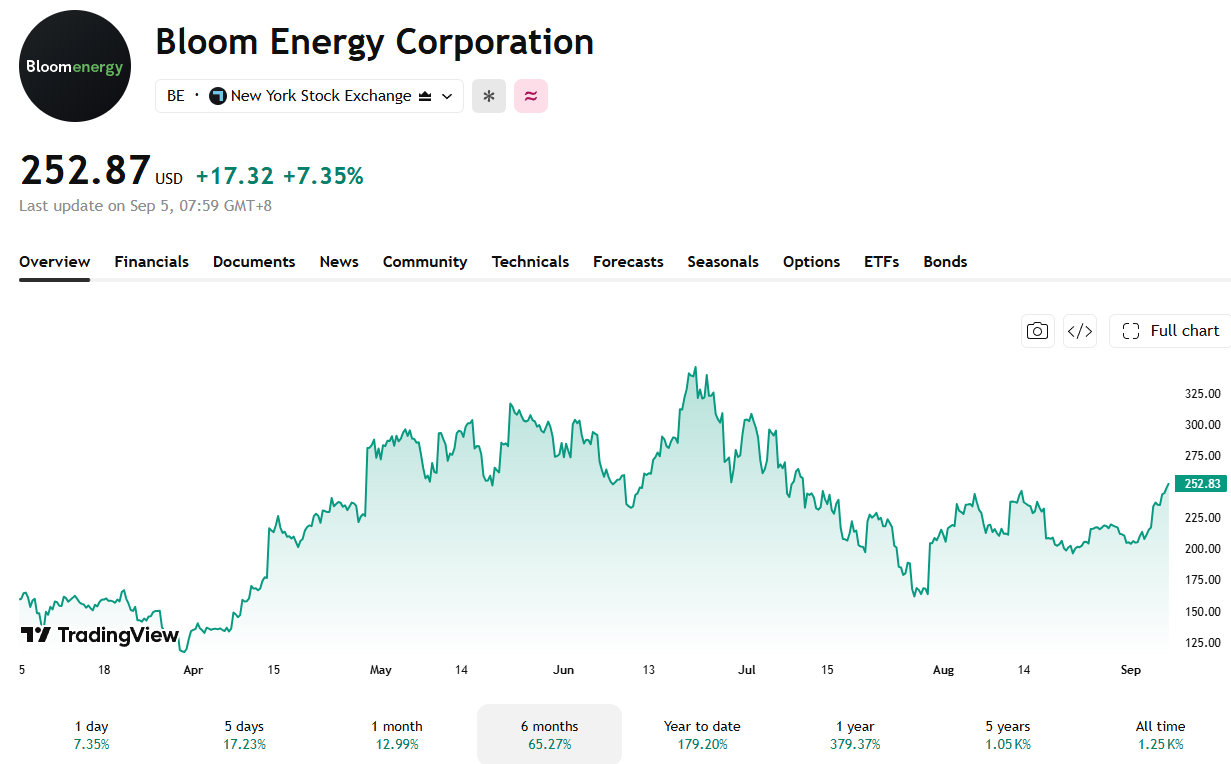
Bloom Energy (BE) shares have climbed roughly 52% since July 28. That is the day the Pelosi’s household made its second disclosed Bloom Energy purchase, a congressional filing shows.
The household bought 15,000 shares and 200 call options across two trades in July. The same filing, dated August 21, also disclosed new Intel holdings.
A Rough Patch, Then a Rebound
Bloom shares had fallen 43% in the month before Pelosi’s first purchase on July 24. A short seller report and broader AI-related volatility drove the slide.
The stock’s low was around $163 in late July. That came just before the second purchase closed at $166.84 on July 28.

The timing overlapped with Bloom’s second-quarter results. Meanwhile, revenue reached $1.065 billion, up 165.5% year over year. It was the company’s first quarter above $1 billion.
Management raised full-year guidance to a range of $3.9 billion to $4.2 billion. The company cited demand from AI data center customers.
Why the Timing Keeps Drawing Attention
The purchases have become one of 2026’s most-watched congressional trades. Still, analysts now flag nearly 40% upside in the position.
Bloom’s pitch to investors centers on the AI power bottleneck. Its fuel cells let data centers add electricity without waiting years for grid upgrades.
In contrast, company insiders sold about 144,000 shares last quarter, worth roughly $38.5 million, according to disclosed filings. Bloom’s valuation also remains rich by some measures.
Quiver Quantitative, a site that tracks congressional stock trades, estimates Pelosi’s cumulative return near 965% since 2014. Historically, that track record has drawn comparisons to other top traders.
Nonetheless, a statement from her office said she does not personally direct the household’s trades.
Bloom Energy joins the S&P 500 on September 21, a change that could pull in extra index-fund buying. Whether the rally continues will likely depend on Bloom completing its project backlog, not on any household’s trade.
The post Bloom Energy Up 52% Since Pelosi's Bottom Buy: What Does She Know? appeared first on BeInCrypto.
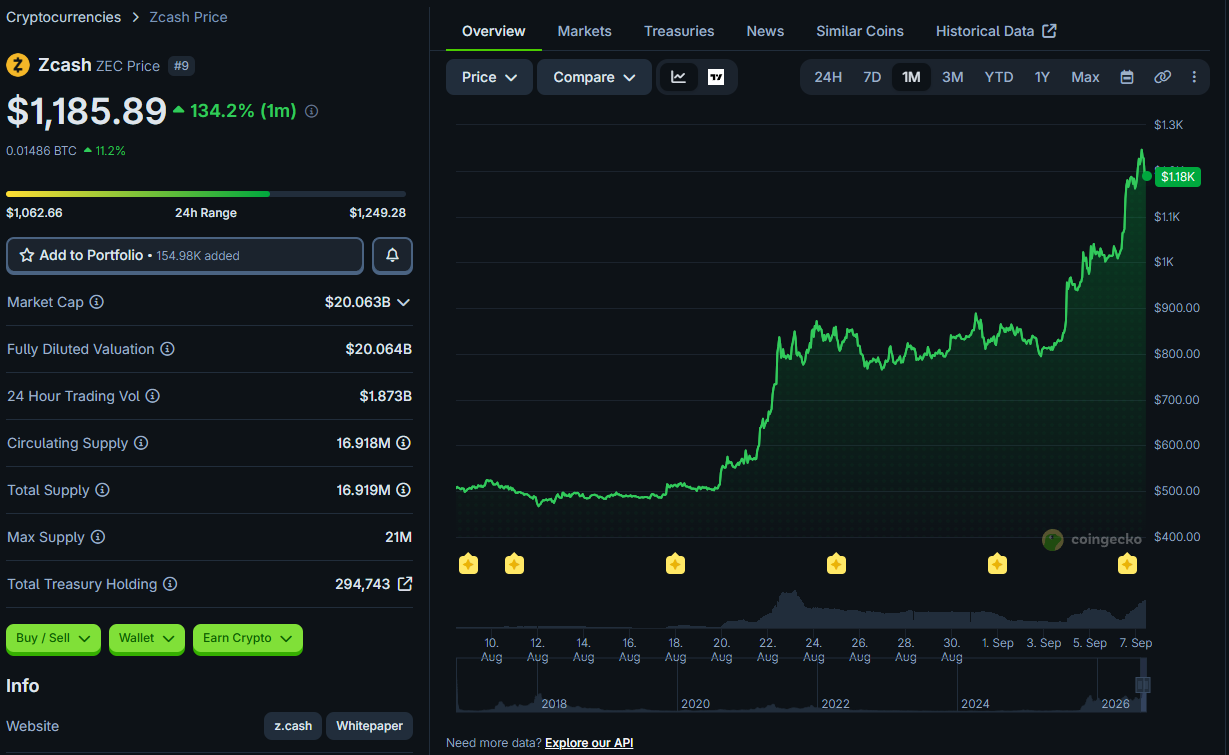
Zcash (ZEC) trades near $1,185, up 11% over the past 24 hours. Grayscale’s Zcash ETF (ZCSH) held $463.2 million in assets as of Sept. 4.
The fund converted from Grayscale’s Zcash Trust when it began trading on NYSE Arca on Aug. 25. ZEC now ranks among the ten largest cryptocurrencies by market capitalization.
ZCSH Assets Track ZEC’s Rally
ZCSH shares closed at $83.77 on Sept. 4, up 7.62% for the day. Shares slipped to $82.20 in after-hours trading that evening.
The fund’s net asset value per share stood at $83.48. That falls within a 52-week range of $3.54 to $84.23.
Daily volume reached 804,728 shares, per Grayscale’s own disclosures. The ETF’s year-to-date return reached 166.44%, per Yahoo Finance.
The fund held 444,608 ZEC tokens as of Sept. 4. Shares outstanding stood at 5.55 million, Grayscale reported.

Grayscale converted its Zcash Trust into the ZCSH exchange-traded fund on Aug. 25. The trust had operated since 2017.
Grayscale cited roughly $260 million in assets at conversion. ZCSH became the first US-listed spot ETF for a privacy-focused token.
For everyday investors, ZCSH means ZEC exposure without a crypto wallet or exchange account. That access is one reason inflows have grown so quickly since launch.
A New Demand for AI Safe Coins
Steve Vanourny, Grayscale’s head of index, linked the launch to rising demand for financial privacy.
“As AI reshapes how financial activity can be monitored, we believe demand for genuine financial privacy will only grow.”
Steve Vanourny, Grayscale’s head of index, Grayscale
ZEC’s rally began before the ETF launch, when it hit an eight-year high in August.
The rally has pushed Zcash’s market cap above $20 billion, per BeInCrypto data.
The token remains far below its 2016 all-time high of $3,191.93. That leaves room for further gains if inflows continue.
Whether ETF inflows keep pace with ZEC’s volatility remains an open question for investors.
ca
The post Zcash ETF Net Assets Reach $463 Million as ZEC Nears $1,200 appeared first on BeInCrypto.

Miami-Dade Fire Rescue chief Raied Jadallah said in the news conference that several people were trapped in their vehicles.
“What we found was a very complex situation here,” Jadallah said, and added that responders also conducted search and rescue of the pilot and co-pilot who were trapped in the aircraft.
What we know about the victims
Jadallah said there were a total of 10 people involved in the crash: five were killed, three are in critical condition and were transported to the trauma center, and another two were transported to a local hospital. It was not clear on Sunday evening whether those killed and injured were on the plane or on the ground.
What we know about the carrier and the plane
North Carolina-based cargo airline 21 Air began operating Boeing 767-300 freighters on behalf of Amazon in 2024. The company was founded in 2014.
Keith Winters, the airline’s CEO, said in a statement on their website that they were “devastated by the accident” and that the company’s “deepest condolences are with the families and loved ones of those who lost their lives.”
Crypto World
Bitcoin network used by exchanges hit by $320 million exploit. Hackers claim they're the 'good guys'
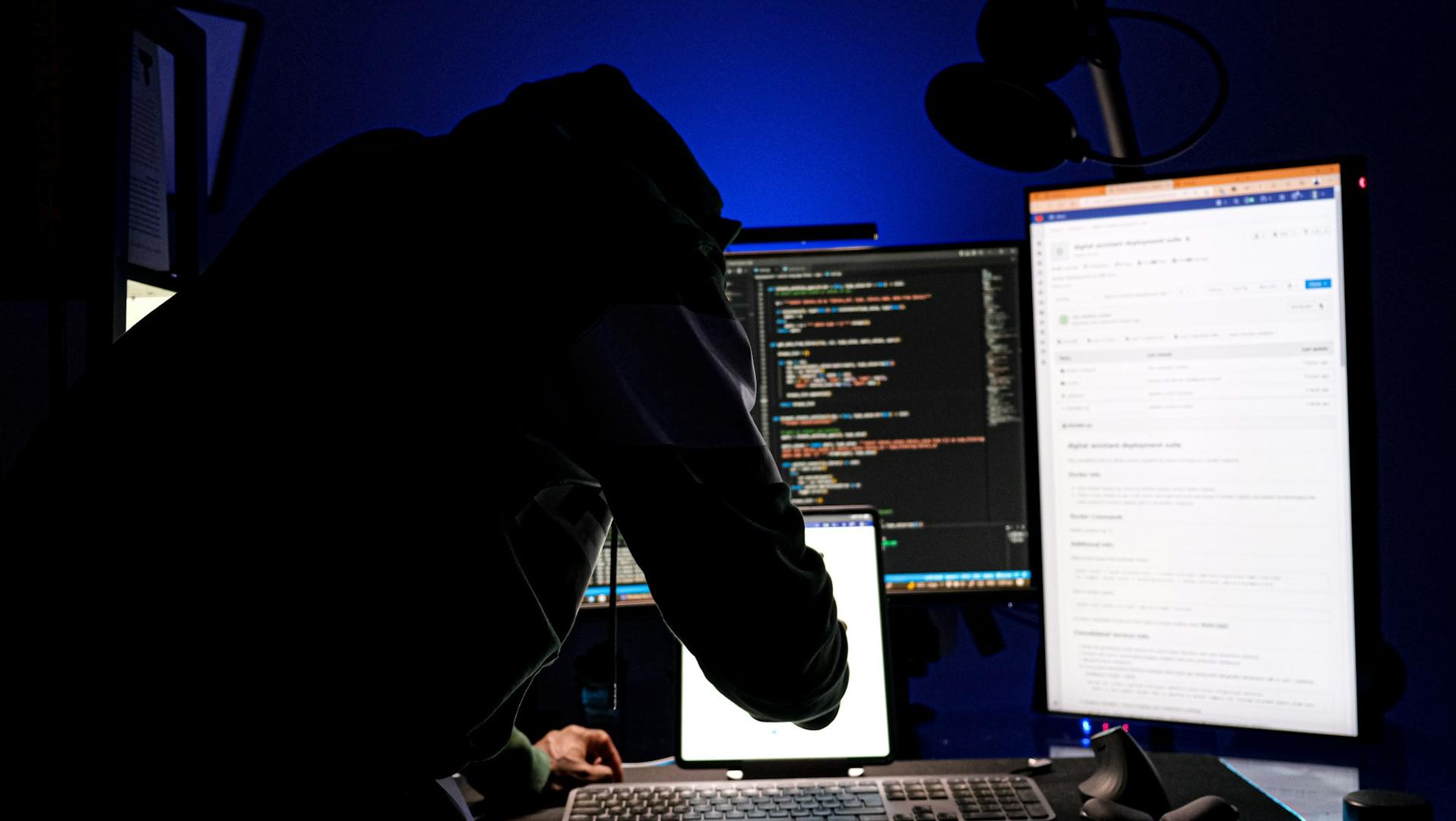
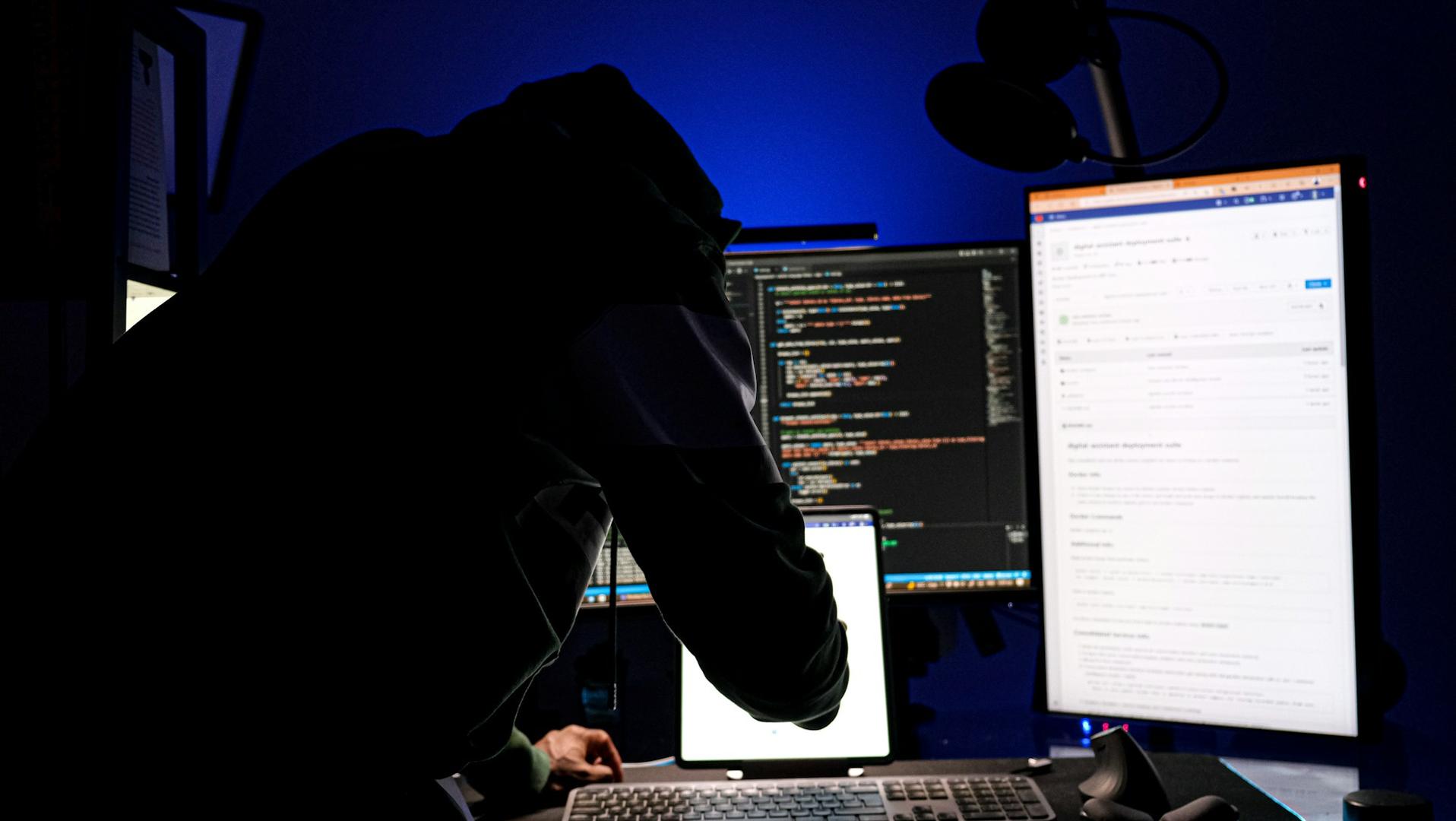
Liquid Network, a settlement layer used by exchanges, halted all transactions after losing $320 million worth of bitcoin in a security exploit.
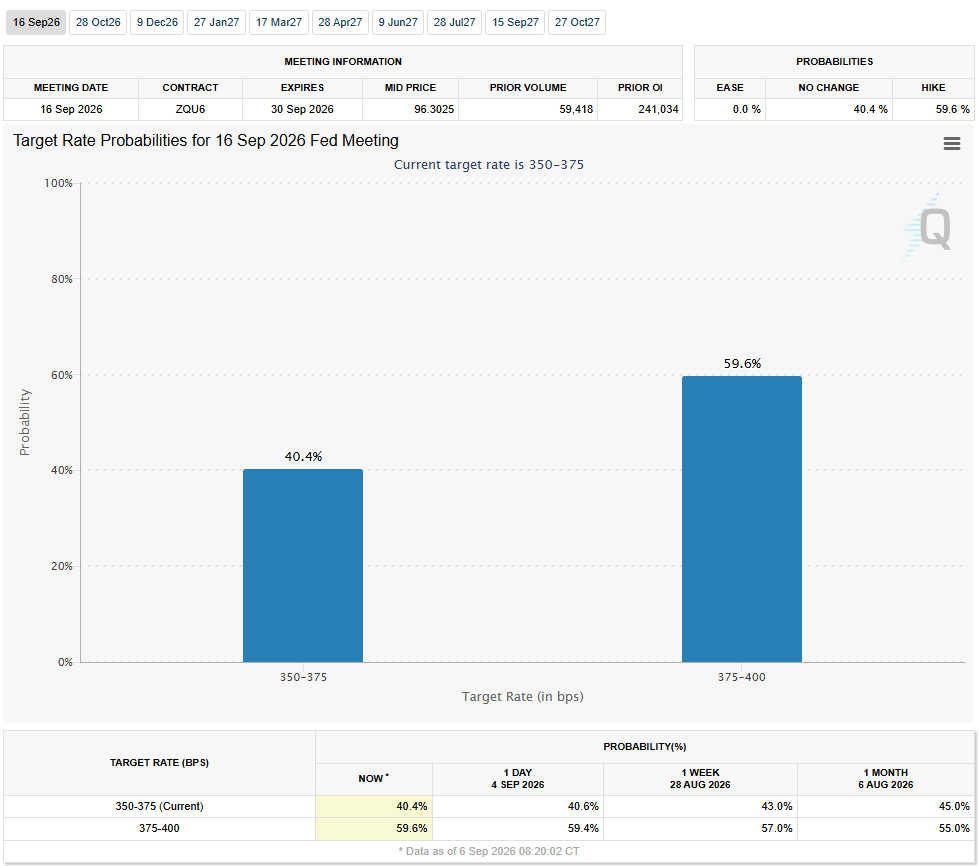
UK permanent job placements rose for the first time since September 2022, arriving a few days after a stronger-than-expected US jobs report pushed Federal Reserve rate hike bets sharply higher.
The overlap gives investors a rare side-by-side read on two major economies at once. British hiring is showing its first real signs of a turn, even as US data complicates the Fed’s rate path.
UK Recruiters See a Genuine Turn
The Recruitment and Employment Confederation (REC), a UK trade body for staffing firms, and accountancy firm KPMG track permanent placements each month. Their index rose to 50.5 in August from July’s flat reading of 50.0, the first print above the no-change line in nearly four years.
Temporary billings grew at their second-fastest pace in more than three years.
Vacancies kept falling, though at the second-weakest rate of decline in almost two years, while candidate availability rose at its fastest pace in three months, partly on redundancies. Starting salaries for permanent roles grew by the most since January.
US Data Complicates the Fed’s September Decision
Across the Atlantic, US employers added 162,000 jobs in August, more than double the 65,000 economists expected, while unemployment held at 4.1%.
Wage growth slowed to an annual 3.1%, a five-year low, even as gains broadened across more industries.
The surprise strength tested the market calm that followed the Fed’s Waller rate signal earlier in the week. US stocks pulled back, with the S&P 500 slipping as much as 0.4% and the Dow Jones Industrial Average falling more than 260 points before paring some losses.
Odds of a hike at the Fed’s next meeting, tracked by the CME’s FedWatch tool, a gauge of futures-implied rate-move odds, jumped to just under 60%.

Bitcoin (BTC) felt the same jolt. The token had pushed above $80,000 before the report landed, then dropped as much as 3.5% to $78,649 once it did.
The Fed’s rate decision is due September 16. If it hikes, tighter policy would land on both sides of the Atlantic at once, testing whether Britain’s fragile hiring recovery and Wall Street’s rate-sensitive rally can withstand the same squeeze.
The post UK Jobs Rebound Meets Hot US Data: More Fuel for a Fed Rate Hike? appeared first on BeInCrypto.


Binance founder Changpeng Zhao, widely known as CZ, said Bitcoin (BTC) could soon overtake gold in total value. He pegged the current gap at only about tenfold.
That gap could close within the next market cycle, Zhao said, if nations keep treating Bitcoin as a reserve asset.
Why CZ Thinks Bitcoin Will Overtake Gold
Speaking in a fireside chat at Bitcoin Asia, Zhao argued gold’s advantage isn’t the metal itself. It’s the mature custody, valuation, and reserve systems nations have already built around it.
He said shifting a major economy’s reserves typically takes years. Zhao still expects the shift to happen eventually.
The main risk to that timeline is a rival digital asset overtaking Bitcoin first. Zhao called that scenario unlikely for now.
The remark lands as US lawmakers debate a Strategic Bitcoin Reserve, a proposal to hold BTC as reserve asset. Central banks, meanwhile, keep adding physical gold at a record pace.
The Math Behind a Gold Flip
Bitcoin’s market cap sits near $1.6 trillion. A tenfold gap implies roughly $16 trillion of gold.
That figure is close to the $14 trillion investable-gold estimate from the World Gold Council, the gold industry’s research body. Investable gold includes bars, coins, ETFs, central bank reserves, and OTC holdings.
Matching that figure would put Bitcoin near $697,000 per coin. That is based on a circulating supply of about 20.08 million BTC.
But, There’s More Gold to Consider
However, Gold’s full above-ground stock, including jewelry and industrial use, is worth roughly $31 trillion, per the World Gold Council. Matching that larger figure pushes the target toward $1.54 million, close three times more.
Mexican billionaire Ricardo Salinas Pliego reached a similar gold-parity estimate this week. He landed near $1.86 million using a different supply assumption.
Bitcoin’s fixed 21 million supply cap favors the comparison. Gold’s stockpile still grows 1% to 2% a year. Bitcoin’s issuance, meanwhile, keeps shrinking toward zero.
Whichever target holds, both assume sovereign wallets keep choosing Bitcoin over gold. That holds only if a rival digital asset doesn’t close the gap first.
The post CZ Says Bitcoin Could Overtake Gold Next Bull Run: The Price It Needs to Hit appeared first on BeInCrypto.

A reported “white hat” actor has taken nearly 4,000 Bitcoin worth about $319 million from the Liquid Network, according to an incident update posted by the Blockstream-run sidechain community. Liquid subsequently paused bridge operations and asked exchanges to stop both LBTC deposits and withdrawals while it investigates what went wrong.
Liquid Network says the withdrawal was executed via SideSwap using a Peg-out Authorization Key, while insisting that the key used was not compromised. Still, the federation wallet balance shown in Liquid’s explorer dropped sharply—from roughly 4,200 BTC to about 207.275 BTC—prompting renewed scrutiny of how Liquid’s peg security functions when something unusual bypasses expected controls.
Key takeaways
- Liquid says bridge nodes were disabled temporarily, effectively pausing the Liquid sidechain until the issue is resolved.
- The incident involved an LBTC peg-out executed through SideSwap, with Liquid stating the Peg-out Authorization Key was not compromised.
- Liquid told exchanges to pause LBTC deposits and withdrawals while the team attempts to contact the actor and assess security gaps.
- An OP_RETURN message claimed the funds were extracted by “whitehats,” but neither the claim nor the technical details are fully verified publicly.
Liquid freezes bridge activity after a major LBTC outflow
According to the initial reporting in Liquid Network’s incident communications, a “shade under 4000 Bitcoin” worth approximately $319 million was withdrawn from Liquid. Liquid Network also referenced an unverified on-chain message—via OP_RETURN—asserting responsibility and asking to be contacted “on chain.”
In response, Liquid disabled bridge nodes, stating this stops any new transactions from being submitted to the network. The operational consequence is straightforward: without bridge nodes, the sidechain’s peg mechanics can’t continue normally, which is exactly what traders and exchanges need when a suspected peg-out route may be functioning unexpectedly.
“Bridge nodes have been temporarily disabled, so no new transactions can be submitted to the network. Effectively, the Liquid sidechain is paused until this issue is resolved.”
How Liquid’s peg-out is supposed to work—and what the incident challenges
Under standard Liquid mechanics, LBTC is burned on the sidechain before Bitcoin is released on the main chain. The withdrawal flow depends on authorization rules that require a multisignature setup (Liquid describes this as 11-of-15 multisig functionaries) and a whitelist for approvals.
That structure is meant to prevent exactly the kind of unauthorized peg-out that would drain funds from the federation wallet. The incident therefore raises questions that go beyond the size of the withdrawal: it challenges whether the controls around approvals and whitelisting performed as intended, or whether there is an unexpected pathway in the way approvals are generated and executed.
Crypto analyst DBCrypto argued that the behavior appears more consistent with an extraction that leaves funds “sitting on Bitcoin” rather than being rapidly mixed, describing it as potentially closer to “whitehat extraction than theft.” At the same time, DBCrypto said the broader security implications remain serious: either the required signatures and authorization logic were effectively satisfied, or the whitelist/control mechanisms designed to block such events did not hold.
SideSwap role and Liquid’s assertion about key security
Liquid said the withdrawn funds were sent via Sideswap, specifically through the SideSwap PAK (Peg-out Authorization Key). In Liquid’s statement, the PAK used in the transaction was not compromised, and it claimed that no other related keys were compromised either.
Liquid also reported that it had already established how the LBTC involved in the order was created—through a bug in Elements software. While the incident details in the public account focus on the peg-out authorization process and the status of the key, the Elements reference matters because it suggests the failure may have started earlier than the final Bitcoin withdrawal itself.
For market participants, the key implication is practical: if an Elements-level bug can affect how LBTC is created or approved for peg-out, then the operational risk isn’t confined to a single malicious transaction. Instead, it may require a broader review of how sidechain issuance and peg-out eligibility interact, and how those conditions are validated before bridge processing is allowed to resume.
What to watch as Liquid and related operators investigate
Liquid and its ecosystem appear to be working through a familiar incident sequence: identify which steps deviated from expected behavior, confirm whether any authorization keys were actually compromised, and determine what fixes or compensating controls are necessary before restarting bridge functions.
At the time of the provided coverage, Blockstream and Adam Back had not posted public updates on the incident timeline, but Samson Mow (Jan3 CEO) said “everyone is actively working to resolve this.” The immediate items for users and exchanges are likely straightforward—follow Liquid’s instructions to pause LBTC deposits and withdrawals until the bridge is re-enabled and the underlying security question is addressed.
Until Liquid publishes more technical detail on the peg-out authorization flow, the nature of the Elements bug, and why the multisig/whitelist protections were insufficient (or circumvented), the central uncertainty will remain the same: whether this was a one-off exploitation path or a systemic weakness that could reappear in other peg operations. Readers should watch for the moment bridge nodes return and for any concrete post-mortem describing exactly which authorization or validation step failed.
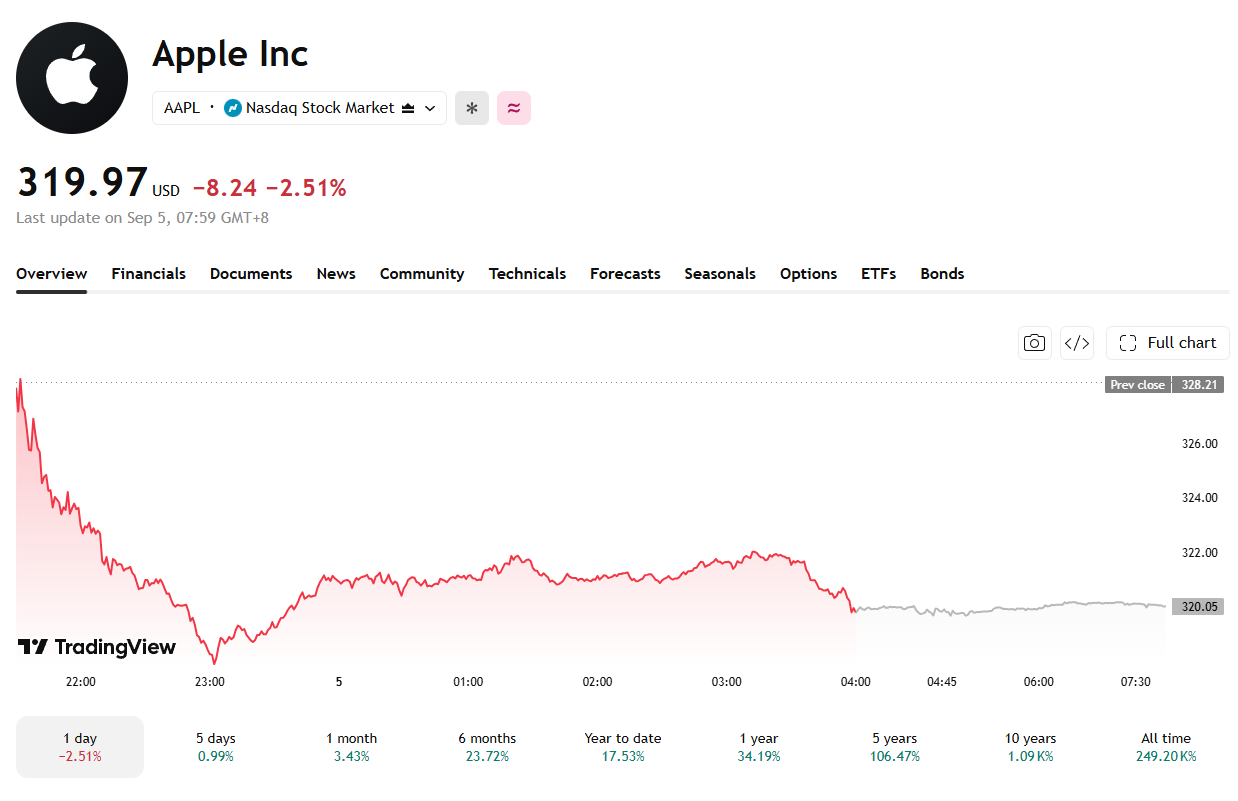
Apple will hold its first major product keynote under new chief executive John Ternus on September 9. A foldable iPhone is expected to headline the event at Apple Park in Cupertino.
Tim Cook became Apple’s executive chairman on September 1, and Ternus took over as chief executive the same day. The keynote marks Ternus’s first appearance in the Steve Jobs-style keynote format previously reserved for Apple’s sitting chief executive.
Foldable iPhone Tests Ternus’s Hardware Vision
Analysts expect a refreshed Siri AI assistant to feature alongside new hardware. The lineup is expected to include the iPhone 18 Pro and Pro Max. Apple’s first foldable iPhone and updated Apple Watch models are also expected.
Bank of America analysts have framed the keynote as a test for Ternus. They say he must show Apple’s hardware strength can carry into the AI era.
Apple never had to be first to win the game.
— Woo Jin Ho, senior hardware analyst, Bloomberg Intelligence
Ho said the two companies compete for different customer bases, since Android and Apple fans rarely switch. He expects Apple’s foldable to ship around 10 million units in its first year. That is modest next to standard iPhone volumes.
A Samsung mobile product management executive welcomed the added competition. The executive told CNN that more players in the foldable segment would help the category overall.
Ternus has also said he wants artificial intelligence to shape Apple’s internal product development, not just Siri. That ambition is part of the broader AI leadership test.
All Eyes on AAPL
Megacap CEO transitions have often produced sharp first-year stock swings, and many are already keeping note of Ternus’s stock market debut.

The September 9 keynote will be the clearest signal yet of Ternus’s hardware roadmap. It should also show whether the foldable iPhone can open a new device category or remain a niche add-on.
The post Apple's First Foldable iPhone Headlines John Ternus's September 9 Keynote appeared first on BeInCrypto.

Documentary filmmaker Lance Oppenheim’s first fiction feature Primetime—premiering here at the Venice Film Festival—fills in some background pixels on the show’s rise and fall, focusing particularly on an ambitious, egotistical, and at least somewhat delusional Hansen, played by Robert Pattinson. It’s 2006, and Hansen and his beleaguered producer Andie (Merritt Wever, bringing an edgy nervousness to the role of a woman struggling to stay afloat in the ruthless world of TV news) get a chance to move their show into a primetime slot. The stakes are high, but the potential rewards are great. Hansen’s hubris balloons, and he infects others with his own inflated sense of the public service he claims to be providing. To complete its mission of reeling in the bad guys, the show employs youthful-looking decoys posing as underage kids. One of these is an elflike performer named Del (singer-songwriter Phoebe Bridgers) who can impersonate either a boy or a girl; she passes some tips along to a nervous newcomer who will come to be known as Decoy Dan (Skyler Gisondo, in a performance laced with touching eagerness). Though he hopes to become a real actor and thinks this is his way in, he wants to quit when he sees how demeaning the gig actually is. But Hansen, with his crocodile smile and purring, almost sultry intonation, persuades him to stick with it, assuring him that he’ll be helping to cleanse the world of evil.

US goes on late surge to survive Italy

MapQuest Acts Fast With Its Revived Fame, Adding Android Auto Support

Low Income Cash Stuffing #cashstuffing #money #financialfreedom #debt #finance #savingmoney #save

Weekend Open Thread – Corporette.com

Weekend Open Thread: Brooks Brothers

London Mayor Sadiq Khan handed a peerage by Keir Starmer alongside 15 other Labour figures… just days before the PM leaves No10
Low Income Cash Stuffing #cashstuffing #money #financialfreedom #debt #finance #savingmoney #save

life can change at any point in time.#money #millionairesworldwide #billionaire#millionaire

XLM is a Crypto Powerhouse!!! #cryptocurrency #cryptogrowth #iso20022 #bitcoin
-

 Fashion2 days ago
Weekend Open Thread: Beyond Yoga
-
 Crypto World3 days ago
Bitcoin price stalls near $82K as key resistance holds
-

 Politics3 days ago
Best Gaming Laptops, CPUs, TVs, And Keyboards To Upgrade Your Set Up For GTA VI
-

 Tech3 days ago
The Birds Outside, Drawn For You Automatically
-

 Crypto World3 days ago
IMF Says El Salvador’s Post-Review Bitcoin Purchases Used No Public Funds
-
 Crypto World3 days ago
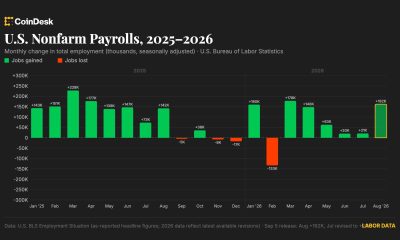
U.S. added stronger than expected 162,000 jobs in August as labor market bounced back
-

 Sports3 days ago
Alexandre Pato consortium’s Northampton Town investment approved
-

 Sports3 days ago
Commanders’ Chig Okonkwo is a top breakout fantasy football candidate
-

 Sports3 days ago
Golden Eaglets Drawn in Group B for 2026 WAFU B U17 Championship
-
 Crypto World3 days ago
XRP price breaks falling channel as bulls target $1.53
-

 Politics3 days ago
A new European chapter for Gibraltar
-

 Politics3 days ago
How To Avoid Winter Colds: 4 Everyday Habits That Spread Germs, Says Pharmacist
-

 Politics3 days ago
The House | Bin the lectures, bring gossip and be ready to banter: how the new PM should prepare for his Trump encounter
-

 Crypto World3 days ago
From warning to listing: UK’s largest retail investment platform opens access to crypto ETNs
-

 Crypto World3 days ago
FinCEN flags $12.7B tied to Southeast Asia crypto investment scams
-

 Tech3 days ago
A Worthy Android Ereader, With Some Tradeoffs
-

 Politics3 days ago
33 Cosy Autumn Home Decor Ideas: Blankets, Pumpkin Decorations, And Candles
-

 Tech3 days ago
How To Edit Claude’s Memory
-

 Crypto World3 days ago
Trezor Data Breach Impacts 67,000 More US Customers
-

 Tech3 days ago
beyerdynamic AVENTHO Y Debuts at IFA 2026 and Makes Wireless Headphones Less Disposable
You must be logged in to post a comment Login