Crypto World
New EU Sanctions Make Crypto Harder for Russian Users


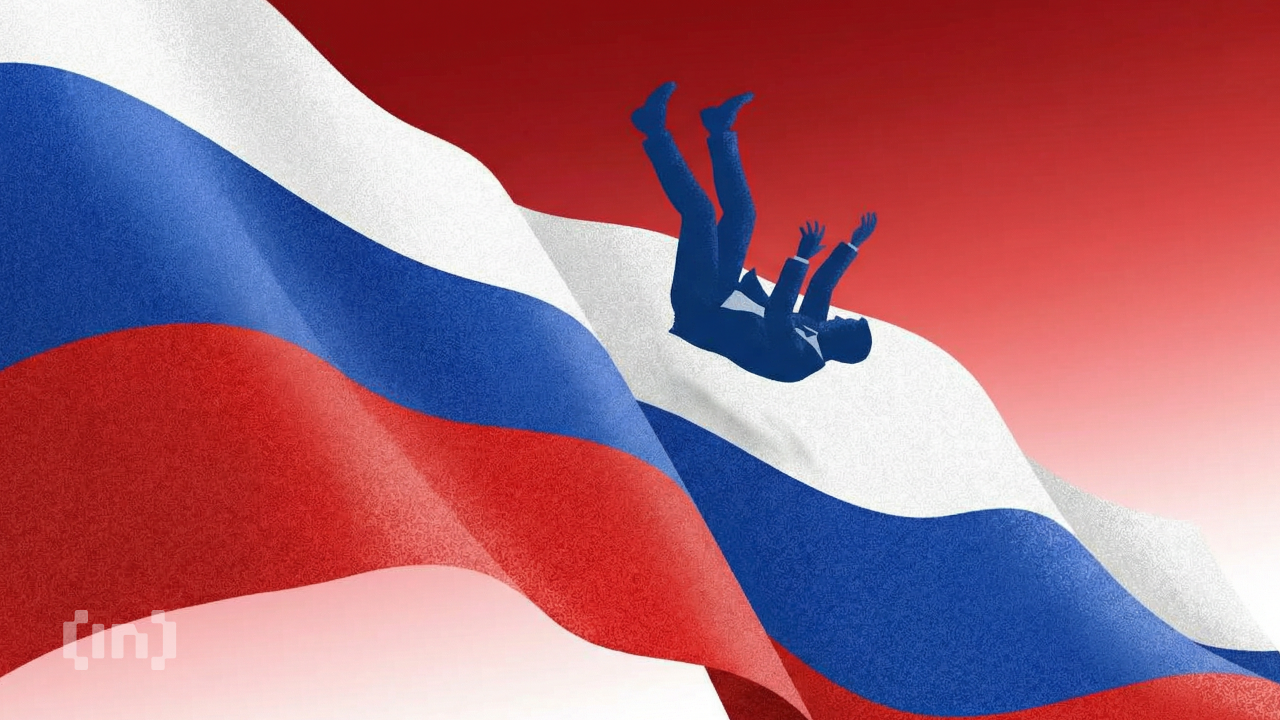
New European Union sanctions just made crypto harder to use for people in Russia. EU governments agreed the measures on Thursday. They target 11 crypto platforms.
Officials have not named the platforms. Most sit outside Russia. The package also hits 94 Russian banks and the Moscow Exchange. Bitcoin (BTC) and other coins stay legal.
Why the EU Keeps Targeting Russian Crypto
The EU has a problem. Every time it shuts one crypto platform, Russians open a new one.
So its tactics keep shifting. First it named one exchange. Then it banned Russia’s entire crypto sector. Now it targets platforms in other countries.
Take Garantex. The US sanctioned this Russian exchange in 2022. The EU followed in early 2025. In March 2025, police seized its website and froze over $26 million. Within days, its team relaunched it as a near-copy called Grinex.
That is why the EU banned the whole sector in May. The reason is scale. One ruble-linked coin, A7A5, moved over $100 billion in a single year, says analytics firm Elliptic.
The new package goes further. For the first time, the EU can ban crypto services in whole countries outside Europe. Those are often the places Russians turn to next.
Kaja Kallas, EU High Representative for Foreign Affairs and Security Policy, said the sweeping measures target Russia’s financial system, effectively limiting the financial lifelines the country relies on.
Follow us on X to get the latest news as it happens
“How hard this bites depends on how broadly the EU defines ‘crypto operators’,” says Nadezhda Surova of Russian Federation Member of the Expert Council for Digital Economy.
What Changes for Russian Users
First, some good news for holders. Bitcoin and other coins are not banned. You can still own and trade them. Coins in your own wallet stay safe.
The hard part is access. Big exchanges must follow the EU’s crypto rulebook, called MiCA. They check where your money comes from. They block anyone tied to sanctions.
Some users have already felt it. Their accounts were frozen after deposits traced back to A7A5. Expect more of the same. Fees go up. Transfers slow down. Exchanges drop more coins. Earlier rounds already left some Russian crypto assets stuck.
Nikolai Zagvozdkin, product development director for crypto at RBC, expects the same for everyday users.
“Working with crypto will become more expensive, slower, and somewhat less transparent,” Nikolai told BeInCrypto.
Russia is building its own way around this. It now allows crypto for foreign trade. It is setting up licensed exchanges under a new crypto law.
But there is a catch. The more Russia closes off its market, the less it connects to the world. The next question is whether the EU can enforce it all.
Alexey Zyuzin, CEO of the Institute for the Development of the Crypto Industry, expects the market to split in two.
“Two circuits are likely to form. The first is a legal domestic market under the control of the Russian regulator… The second is a cross-border segment, where elevated sanctions and technological risks will persist,” Alexey said in a statement to BeInCrypto.
The post New EU Sanctions Make Crypto Harder for Russian Users appeared first on BeInCrypto.
You must be logged in to post a comment Login