
Crypto World
OP_NET Launches “SlowFi” DeFi Stack Directly on Bitcoin L1


OP_NET said it is launching a “SlowFi” decentralized finance (DeFi) stack on Bitcoin that uses standard Bitcoin transactions and native BTC fees rather than bridges, wrapped assets or a separate gas token.
According to a Thursday release shared with Cointelegraph, the project is part of a broader push to bring trading and yield-style activity directly onto Bitcoin’s base layer instead of routing it through sidechains, bridges or adjacent networks. OP_NET is betting some users will accept slower and more expensive transactions in exchange for staying fully on Bitcoin.
According to OP_NET co-founder Frederic Fosco, who goes by Danny Plainview, applications run through standard Bitcoin (BTC) transactions using Taproot-based spends, while the platform’s NativeSwap model is designed to support token swaps without wrapped BTC or a separate gas asset. Plainview told Cointelegraph that every transaction on OP_NET is “just a Bitcoin transaction with BTC as the only gas asset.”
The launch lands in the middle of a growing fight inside Bitcoin over whether DeFi-style and data-heavy uses of block space strengthen the network’s fee market or amount to spam that crowds out monetary transactions.
Plainview said a swap would typically cost about $1 to $2 under normal fee conditions and roughly $10 to $20 when blocks are congested, because users pay only standard Bitcoin network fees rather than a separate gas token.

OP_NET describes the model as “SlowFi,” arguing that Bitcoin’s roughly 10-minute block times and congestion-driven exit friction can make liquidity stickier and produce longer-lived DeFi cycles than faster chains.
Related: Fireblocks to integrate Stacks for institutional-grade Bitcoin DeFi
Critics say OP_NET brings Ethereum-style DeFi bloat
Plainview framed layer-1 DeFi as a way to support miner revenue as block subsidies decline, arguing that “miners are bleeding” due to Bitcoin’s halving schedule. “The only thing that keeps miners solvent is a fee market,” he said, insisting that OP_NET does not modify Bitcoin consensus.
Related: Animoca, RootstockLabs partner to bring Bitcoin DeFi to Japanese institutions
That view has drawn criticism from Bitcoin users who argue that pushing DeFi-style activity onto layer 1 dilutes Bitcoin’s monetary focus or clogs block space with nonessential transactions. In recent posts on X, some critics described OP_NET as an attempt to bring Ethereum-style crypto infrastructure onto Bitcoin.
Some maximalists argued that any attempt to expand Bitcoin’s use cases beyond money made its proponents “sh*tcoiners” larping as Bitcoiners.

Plainview pushed back, saying that any fee-paying Taproot transaction should be treated as a legitimate use of block space.
He warned that drawing moral lines around valid transactions handed de facto control of Bitcoin to whoever defines those categories. He said:
“The whole point is that nobody controls it.”
OP_NET keeps DeFi on Bitcoin base layer
OP_NET enters a field already populated by earlier attempts to bring programmability to Bitcoin, including through RSK and Stacks.
RSK operates as a separate Ethereum Virtual Machine-compatible sidechain with its own RBTC gas token and a federated BTC peg, meaning users move value off mainnet and trust a federation to manage the bridge.
Stacks, by contrast, is a Bitcoin-anchored layer-2 with its own STX token and sBTC mechanism, executing smart contracts on a distinct chain that settles periodically to Bitcoin rather than inside L1 transactions.
By keeping execution and fees directly on Bitcoin and avoiding wrapped BTC or new gas assets, Plainview is betting that some users will accept slower, more expensive transactions in exchange for staying entirely on Bitcoin’s base layer.
Magazine: Bitcoin may take 7 years to upgrade to post-quantum — BIP-360 co-author

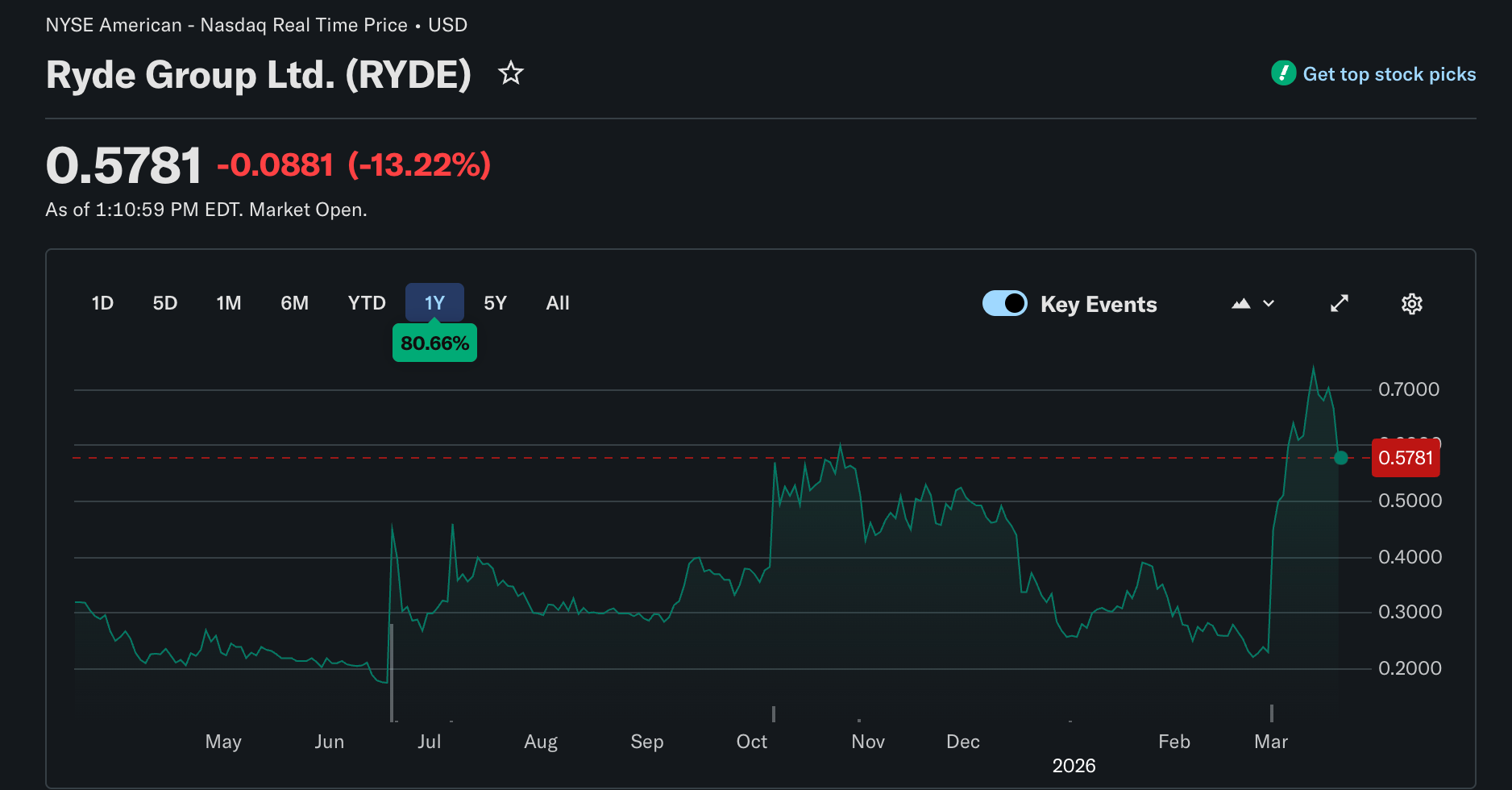
Ryde Group, a Singapore-based ride-sharing and carpool platform, similar to Uber or Lyft, said Wednesday that it has adopted a crypto treasury strategy for its corporate reserve.
The company said it will invest a portion of its corporate reserves into Bitcoin (BTC), Ether (ETH), and Sol (SOL), with specific allocations and time of purchase to be determined by a governance team at Ryde, according to its announcement.
Ryde cited the “evolving macroeconomic environment” as the reason for adopting a crypto treasury, and said that the option to invest portions of its treasury in digital assets gives the company more flexibility in how it manages its treasury operations.
Ryde’s crypto assets will be held with a third-party custodian, and the company has established an investment committee responsible for portfolio management and a separate risk management committee responsible for investment safety and regulatory compliance.
The company’s NYSE American-traded shares were down more than 13% in early afternoon trading on Thursday, trimming their year-to-date increase of more than 122%, according to Yahoo Finance.

Cointelegraph reached out to Ryde about its crypto treasury, but did not receive a response by the time of publication.
The company started accepting BTC as an in-app payment method for users in 2020, and later expanded support to include some altcoins. However, it is unclear if Ryde still accepts crypto as an in-app payment method.
Users were able to convert accepted cryptocurrencies to Ryde tokens via the RydePay wallet to pay for services on the platform.
Ryde’s decision to adopt a crypto treasury strategy comes amid a challenging business environment for digital asset treasury companies, squeezed by falling crypto and share prices.
Related: XRP treasury Evernorth files with SEC to list shares on Nasdaq
Ryde bucks the trend by entering the treasury space as the industry faces challenges
The digital asset treasury sector experienced a multiple net asset value (mNAV) collapse in September 2025, which meant many crypto treasury companies started trading below the value of their crypto holdings.
In February 2026, monthly inflows into crypto treasury companies slowed to their lowest levels since October 2024, dropping to just $555 million for the month.

During the same month, the board of directors for GD Culture Group (GDC), a publicly listed holding company focused on digital marketing and AI, authorized the company to sell portions of its Bitcoin reserve to finance a share repurchase program.
At the same time, Ether treasury company BitMine Immersion Technologies faces more than $7.5 billion in paper losses at the time of this writing, as the price of Ether sits well below BitMine’s average acquisition price of about $3,753 according to BitMine Tracker.
Magazine: How Ethereum treasury companies could spark ‘DeFi Summer 2.0’


The league also signed an information-sharing agreement with the CFTC, the first such deal between the derivatives regulator and a professional sports body.
Major League Baseball (MLB) on Thursday named Polymarket its official prediction market exchange partner and signed a memorandum of understanding (MOU) with the Commodity Futures Trading Commission, marking the regulator’s first such agreement with a major U.S. sports league.
Under the partnership, Polymarket and its brokers will receive exclusive access to MLB marks and logos, official league data and brand exposure across the league’s digital ecosystem and live events.
The deal centers on an integrity framework that restricts markets deemed to pose manipulation risk, including contracts on individual pitches, manager decisions, and umpire performance. Polymarket will also integrate those controls into its U.S. Rulebook so that all of its brokers are held to the same standards.
The MOU formalizes a commitment to share information confidentially, with designated representatives meeting regularly to discuss threats to the integrity of MLB games and the broader prediction market landscape. The agreement comes a year after MLB wrote to the CFTC calling for stronger integrity protections in the space.
While Polymarket holds exclusive rights, MLB said it intends to maintain integrity relationships with all other prediction market exchanges offering baseball contracts, requiring each to integrate protections into their own rulebooks.
MLB joins a growing roster of leagues embracing prediction markets. The National Hockey League struck multiyear deals with both Polymarket and Kalshi last October, while Major League Soccer announced its own Polymarket partnership in January.
Prediction Markets Go Mainstream
The partnership caps a remarkable ascent for Polymarket, which runs outcome tokens as ERC-1155s on Polygon and has evolved from a niche DeFi protocol into a mainstream news source.
As The Defiant reported in December, onchain prediction market monthly volumes have grown 130-fold since early 2024, reaching more than $13 billion, making the sector one of the fastest-growing in finance.
Polymarket received CFTC approval to operate in the U.S. in November 2025, and its return followed a $2 billion strategic investment from Intercontinental Exchange, the owner of the New York Stock Exchange. The platform has since rolled out its U.S. app, beginning with sports markets.
The MLB deal also arrives against a complex regulatory backdrop. Just last week, the CFTC issued an advance notice of proposed rulemaking signaling its intent to build a comprehensive framework for prediction markets.
At the same time, state regulators continue to push back. Arizona’s attorney general filed criminal charges against rival platform Kalshi just two days before the MLB announcement, alleging it operates an illegal gambling business in the state. The tug-of-war between federal and state oversight remains unresolved, as the CFTC has argued that prediction market contracts should be classified as derivatives under federal oversight, while some state gaming regulators insist they constitute gambling subject to state-level regulation.

Opera, the Nasdaq-listed web browser maker, is proposing a move to be compensated in CELO tokens rather than cash as it deepens its ties to the Celo ecosystem. The company has put forward a plan to restructure its commercial agreement, shifting from quarterly USD payments to an allocation of 160 million CELO tokens, pending on-chain governance approval by Celo’s community.
If the proposal passes, Opera would closely align its financial interests with the performance of the Celo network and emerge as one of the largest institutional holders of CELO. Celo is a mobile-first payments platform originally built to streamline stablecoin transfers in emerging markets and, last year, migrated from a standalone layer-1 to an Ethereum layer-2 network, a shift that broadens its compatibility with existing DeFi infrastructure.
Opera and Celo have together advanced a payments-focused collaboration since 2021, when Opera integrated Celo-native stablecoins into its built-in wallet. The partnership has since intensified around Opera’s MiniPay wallet, a self-custodial application built on Celo that Opera says serves 14 million users and emphasizes stablecoin-based payments in emerging markets. In November, MiniPay began connecting with Latin American real-time payment rails such as Brazil’s PIX and Mercado Pago, expanding the potential reach of Celo-powered payments.
Beyond the corporate tie-up, the proposal sits within a broader pattern of technology firms aligning with blockchain-native tokens as strategic financial signals. While Opera moves toward token-based compensation, other industry players maintain token exposures through core infrastructure products, such as ConsenSys with ETH via MetaMask and Blockstream’s BTC-focused offerings. The CELO token itself has faced the same market headwinds as many crypto assets, with prices below earlier peaks despite positive developments around Celo’s ecosystem evolution.
Key takeaways
- Opera proposes to replace US dollar quarterly payments with a grant of 160 million CELO tokens, subject to on-chain governance approval by the Celo community.
- If approved, Opera would become one of the largest institutional holders of CELO, tying its revenues more directly to the network’s performance.
- The move builds on Opera’s long-running collaboration with Celo, highlighted by the MiniPay wallet, which has grown to 14 million users and expanded to real-time payments links with PIX and Mercado Pago in Latin America.
- Opera’s financial momentum accompanies the token proposal: Q4 2025 revenue of $177.2 million (up 22% YoY); full-year revenue of $614.8 million with adjusted earnings of $142.5 million; and a $300 million share repurchase program.
Opera’s CELO plan in context of its business momentum
Opera’s decision to reframe its compensation model comes as the company reports stronger-than-guided results across its core browser business and newer product segments. In February, Opera disclosed fourth-quarter revenue of $177.2 million, driven by continued user growth and monetization gains, with adjusted earnings of $41.9 million for the quarter. For the full year, the company tallied $614.8 million in revenue and $142.5 million in adjusted earnings, underscoring a stable earnings trajectory that supports a significant capital-return program—the$300 million share repurchase announced alongside the results. Opera’s publicly traded shares have benefited from the upbeat results, rising more than 21% over the past month and trading near $15 per share, implying a market capitalization around $1.3 billion.
The CELO compensation proposal reflects a broader strategic tilt: aligning a commercial partner’s incentives with the performance and governance of a blockchain ecosystem it supports. If the CELO allocation goes forward, Opera’s operational decisions—from wallet integrations to business development—could be increasingly influenced by CELO’s network health and governance outcomes. That alignment could be beneficial if Celo’s ecosystem expands usage, stabilizes its payments rails, and attracts more developers and partners to its mobile-first frictionless payment vision.
What this means for investors and the ecosystem
For investors, the proposal signals a nuanced approach to corporate blockchain involvement—not merely as a passive adopter but as a token-bearing stakeholder with a meaningful stake in the network’s long-term success. The potential shift raises questions about governance risk, token price dynamics, and how such token allocations translate into real-world value creation for shareholders. If the governance process allows the 160 million CELO allocation, Opera could become a cornerstone user and validator of Celo’s on-chain economy, potentially driving greater liquidity and utility for CELO as a payments-focused asset.
From a market perspective, CELO’s price action has historically reflected the tension between ecosystem development and broader crypto market cycles. While the token has not yet reclaimed its earlier highs, supporters point to ongoing ecosystem improvements and partnerships as catalysts for longer-term value. The governance-driven nature of CELO’s distribution means outcomes will hinge not only on Opera’s business performance but also on community sentiment and decision-making within Celo’s on-chain processes.
Beyond Opera, the broader trend of companies maintaining token exposures through infrastructure work or ecosystem participation underscores a shift in how traditional tech and fintech players balance risk, governance, and potential upside. The example of ConsenSys, which holds ETH through its core infrastructure work, and Blockstream’s BTC-focused initiatives illustrate a wider pattern of firms embedding themselves more deeply in crypto networks, sometimes with token-based incentives tied to platform success.
As Opera’s governance process advances, observers will watch for milestones such as the timing of CELO token allocations, any conditions embedded in the governance proposal, and the practical implications for Opera’s cost structure and earnings if token-based compensation proves additive to revenue growth rather than volatile headwinds. The company’s ongoing adoption of MiniPay and its expansion into real-time payment rails abroad will also be key indicators of CELO’s practical utility in everyday consumer payments, which could, in turn, affect the token’s attractiveness to investors.
Opera’s board and management have signaled confidence in the long-term value of the Celo ecosystem. For readers watching the crypto payments landscape, the unfolding CELO-Opera dynamic will be a useful case study in how large, publicly traded tech firms navigate token-based compensation, governance risk, and the practical realities of integrating blockchain payments into mainstream consumer products.
Readers should keep an eye on governance updates from Celo’s community and any formal communications from Opera outlining the timeline for CELO allocations. The outcome will not only shape Opera’s financial and strategic posture but could also subtly recalibrate expectations around corporate token incentives in the broader crypto ecosystem.
Opera’s latest results and strategic moves suggest a broader narrative: as crypto-native collaboration moves from pilot projects to institutional-level partnerships, the lines between traditional fintech and decentralized networks blur further. The next few quarters will reveal whether CELO-based compensation translates into tangible user growth, real-world adoption of MiniPay, and a more resilient revenue model for Opera in a competitive browser market.
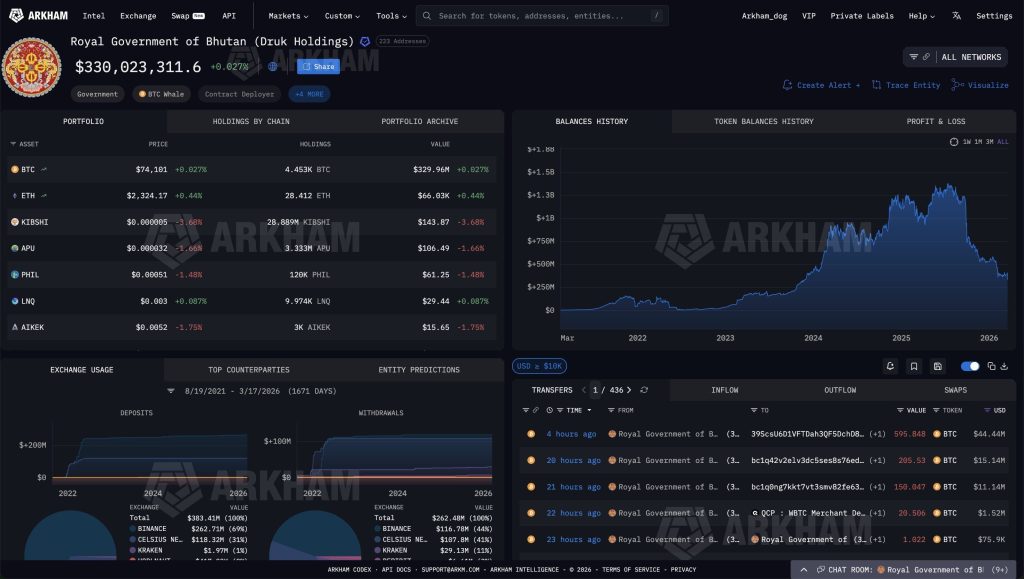
Bhutan just moved $72.3 million worth of Bitcoin to Binance. 929 BTC sent Tuesday morning while Bitcoin price consolidated near $71,000.
Most sovereign sell-offs hit the order book hard. This one barely registered. Price did not move.
That silence is the entire story. Bhutan is not just a Bitcoin miner anymore. It is actively managing an institutional-grade portfolio. And the market absorbed nearly $73 million in supply without flinching.
Key Takeaways:
- Bhutan transferred 929 BTC ($72.3M) to Binance deposit wallets.
- Price impact was negligible due to probable OTC execution.
- DHI still holds approximately 12,574 BTC in reserves.
How Do You Sell $72M in Bitcoin Without Crashing the Price?
Dumping 929 BTC on a standard spot order book wipes out buy support instantly. Price crashes. That is what unsophisticated sellers do.
Bhutan did not do that.

By routing through Binance, Druk Holding and Investments almost certainly used an OTC desk. Large block trades get matched with institutional buyers privately. The transaction settles off the public order book entirely. Market makers absorb the risk themselves and quote a fixed price for the block.
The coins change hands. The seller gets stablecoins. The retail chart never sees a red candle.
This is textbook institutional execution. And it signals that sovereign crypto entities are operating at a completely different level than they were even two years ago.
Did Bhutan’s Sale Move Bitcoin Price? Here Is What the Data Shows
Bitcoin did not move during the transfer window. Zero unusual sell pressure on Coinbase orderbooks. The liquidity was sourced externally or netted internally by Binance.
Arkham Intelligence confirmed funds cleared directly from DHI wallets into Binance hot wallets. Bhutan’s total BTC outflows have exceeded $114 million in recent weeks.

This is hedge fund level execution. Active market makers managing yield and liquidity instead of panic dumping into thin order books.
The market has absorbed it cleanly. But Bhutan still holds roughly $886 million in Bitcoin. If that starts moving with the same frequency, the real stress test begins.
Discover: The best new crypto in the world
The post Masterclass in OTC Liquidation: How Bhutan Moved $72M Bitcoin Without Moving the Price appeared first on Cryptonews.
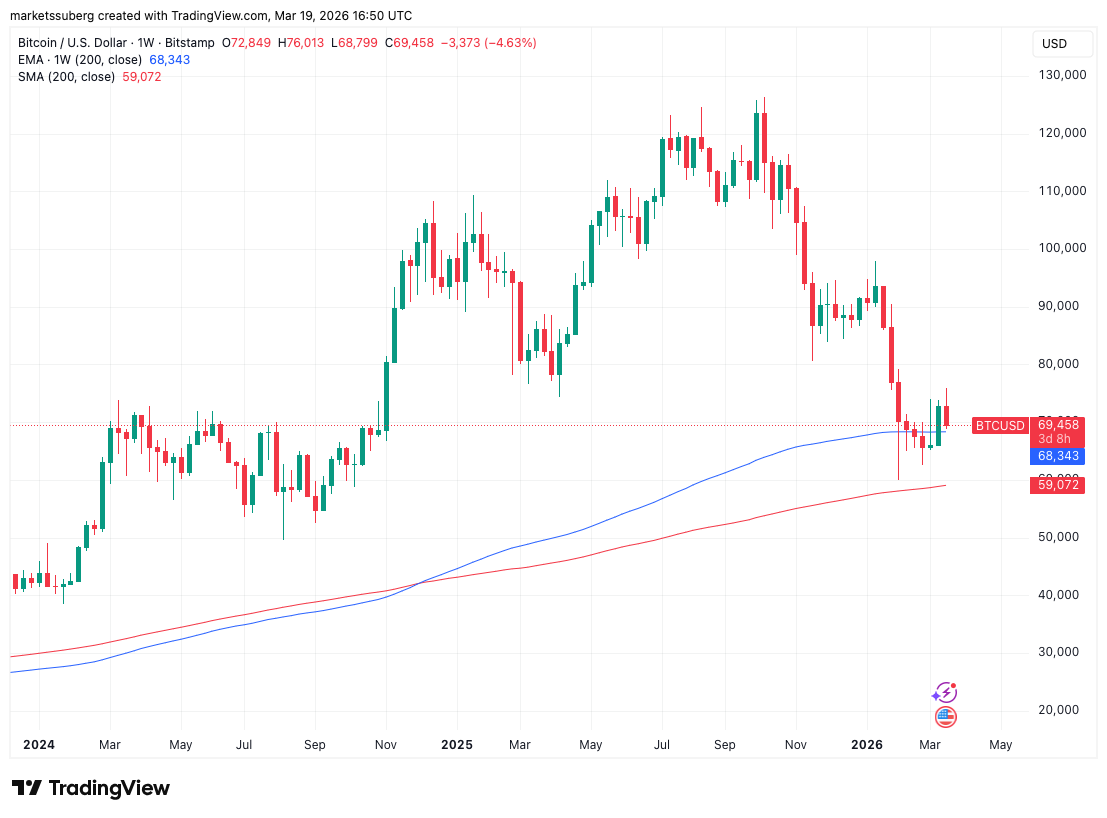
Bitcoin (BTC) price support could “fail” by the weekly close in a major blow to Bitcoin bulls, analysis warns.
Key points:
-
BTC price downside versus local highs at $76,000 nears 10%.
-
Bitcoin brings its 200-week trend line back into focus, but little hope remains that it will rescue price.
-
A trader warns of “months” of ranging at current levels.
200-week BTC price trend line “unreliable”
In his latest X update on Thursday, crypto trader and analyst Rekt Capital brought a long-term BTC price trend line back into focus.
The 200-week exponential moving average (EMA) for BTC/USD, currently at around $68,300, is coming in for its first retest in over a week.
“Bitcoin is pulling back in towards the 200-week EMA (black) to check if it can successfully turn the EMA into new support after having broken it as resistance last week,” he summarized.
The 200-week EMA has long been on the radar for traders. Along with its equivalent simple moving average (SMA) near $59,000, it forms a key support band for price as Bitcoin’s latest bear market takes shape.

BTC/USD has crisscrossed the 200-week EMA multiple times in 2026, but its significance remains.
“A successful retest of the EMA would fully confirm the breakout beyond it to enable future trend continuation to the upside and further build on this Macro Relief Rally,” Rekt Capital continued.
“However, it is important to consider whether Bitcoin could fail this upcoming retest into new support, in the same way price failed to bearish retest the 200 EMA into new resistance before.”

The post describes the EMA as “unreliable” thanks to price crossing both above and below it with ease.
“A Weekly Close below the 200 EMA would mean that price failed its upcoming retest to in turn strengthen the case for the EMA acting as unreliable support,” Rekt Capital concluded.
Bitcoin trader: Current range could last “months”
The current low-time frame BTC price trading range contains multiple important lines in the sand.
Related: $58K BTC price still in play? Five things to know in Bitcoin this week
Bitcoin’s old all-time high from 2021 is at $69,500, while its 2025 lows currently mark the start of overhead resistance at $74,500.
So far, bulls have been unable to clear sellers and continue past $76,000, and many market participants expect new macro lows to come as a result as price retreats by nearly 10%.
Updating X followers on his thoughts, trader Roman, long entertaining a trip to $50,000 or lower, said that price may form a frustrating sideways range first.
“It’s very possible we range here for months,” he warned.
$BTC 1D
Always amazed that price going up a few % can drive people crazy.
Anyways, back into our range, rejected resistance once again. My only issue with thinking this WONT breakdown yet is volume is now low on the sell side.
It’s very possible we range here for months. https://t.co/XqaMz3cezg pic.twitter.com/oncvXxVp4i
— Roman (@Roman_Trading) March 19, 2026
This article does not contain investment advice or recommendations. Every investment and trading move involves risk, and readers should conduct their own research when making a decision. While we strive to provide accurate and timely information, Cointelegraph does not guarantee the accuracy, completeness, or reliability of any information in this article. This article may contain forward-looking statements that are subject to risks and uncertainties. Cointelegraph will not be liable for any loss or damage arising from your reliance on this information.
Crypto World
XRP Price Prediction in March 2026: Ripple Targets Latin America, HYPE Could Break Out, but Is DeepSnitch AI a Sleeping Giant Ready to Rise?

Ripple just announced a major expansion move. It may be one of the more credible fundamental catalysts XRP has seen in a while. Ripple is expanding its services in Brazil by offering integrated services that include payments, custody, stablecoins, trading, and treasury solutions.
The company is targeting banks, fintech firms, and crypto exchanges, allowing them to manage the entire lifecycle of digital assets within a single ecosystem. It’s looking like a strong business story for Ripple, but there’s a timing problem. The XRP price prediction for 2026 is interesting, but it requires patience that most investors don’t have.
DeepSnitch AI’s presale is closing on March 31st, and it potentially offers more asymmetric growth, especially in the short term.
Ripple eyes Latin America
With Ripple’s expansion into Brazil, the company is targeting institutions, and several have already signed up, including Banco Genial, Brasa Bank, and Nomad.
Ripple is also pushing its own stablecoin, RLUSD, into the region. The stablecoin has now crossed $1.5 billion in market cap and is available on several exchanges in Brazil. To stay compliant, Ripple plans to apply for a VASP license with the Central Bank of Brazil.
It’s a good step forward for Ripple, but for investors watching the XRP price, the fundamentals may be improving, but this doesn’t necessarily translate into short-term price action.
Is DeepSnitch AI the best crypto presale before March 31?
While Ripple builds institutional infrastructure across Latin America, DeepSnitch AI is giving retail investors the tools to navigate the crypto market right now.
The platform has five AI agents that run continuously, tracking whale activity, screening tokens for any red flags, and sending instant alerts to your phone. In Telegram, SnitchGPT is ready to answer any token-related question in plain language, even if you’re not very technical.
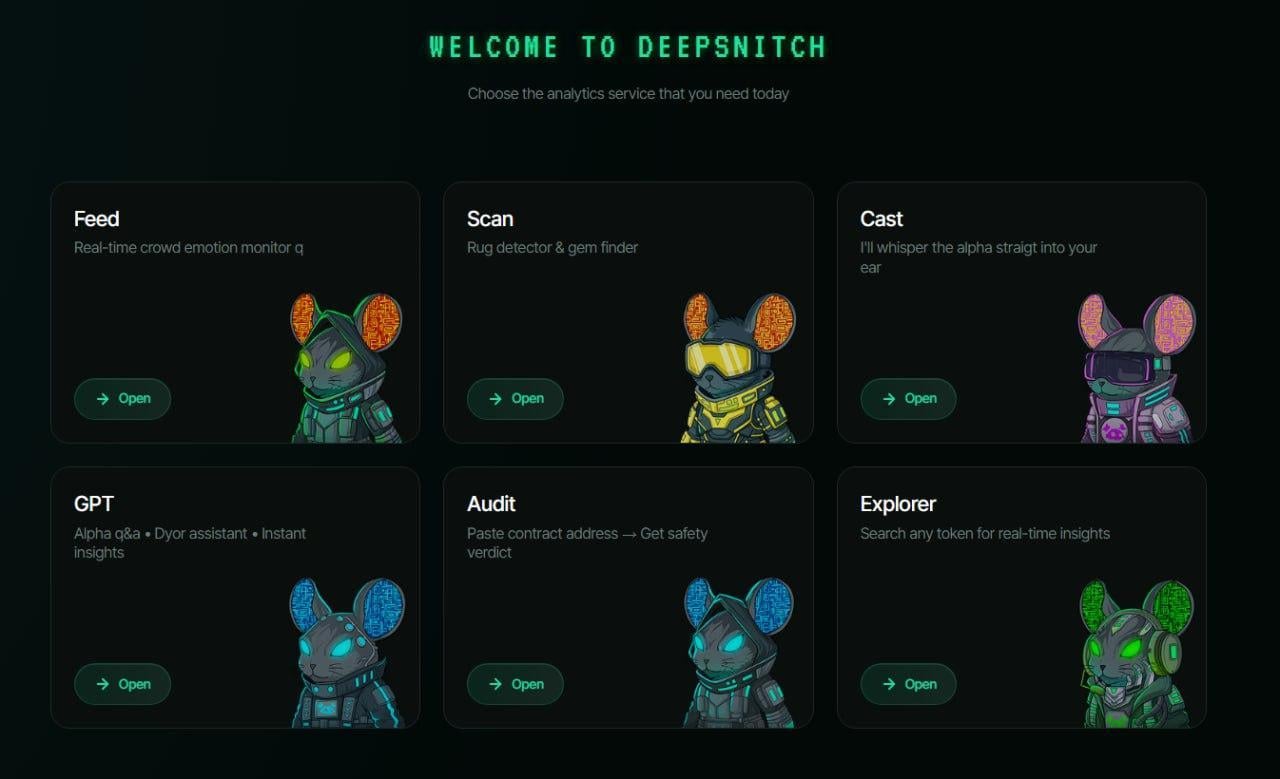
The DSNT token is in Stage 7 of 15, trading at $0.04487. That means it’s up an impressive 197% from the starting price of $0.01510, with over $2.2 million raised so far. After March 31st, there’s a seven-day claiming period, giving investors time to secure their tokens and switch on staking rewards. There’s already a confirmed Uniswap listing. And from there, further CEX and DEX listings are on the horizon.
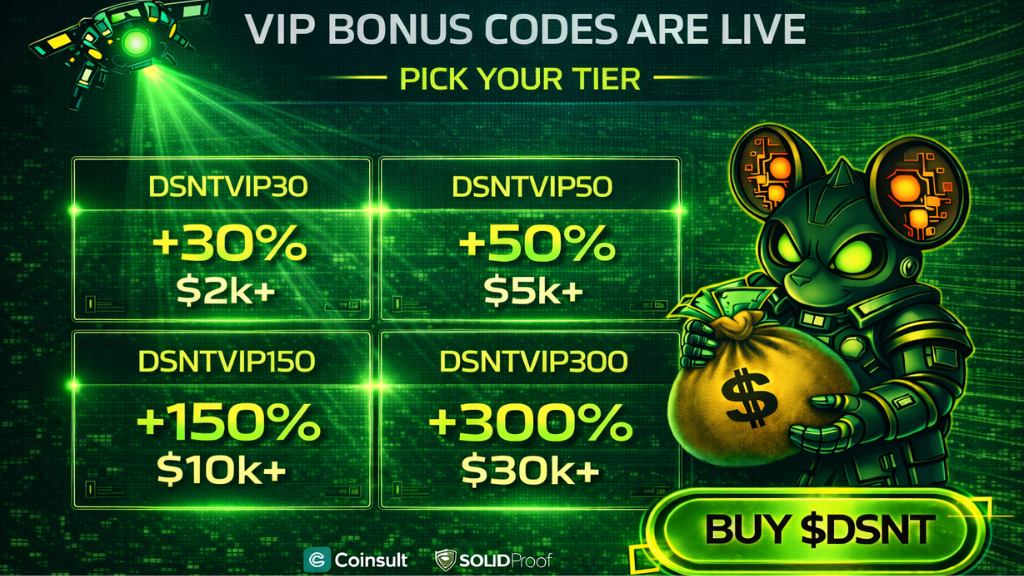
All VIP bonus codes are still active. This means you’ll get an extra 30–300% tokens, depending on the size of your purchase. A $10,000 position at the current price would yield over 222,000 tokens (before bonuses).
XRP price prediction: A strong story with a long road ahead
Any credible XRP price prediction for 2026 has to account for both Ripple’s business momentum and the broader macro environment. XRP was trading around $1.53 on 18 March, down roughly 20% since January.
Even though the Latin America expansion is good news, it’s the kind of news that takes time to translate into price. Institutional infrastructure rollouts don’t pump tokens overnight. And historically, XRP has tracked Bitcoin’s price closely, which means the broader macro environment matters as much as Ripple’s business wins.
Most of the XRP forecasts for 2026 are between $1.60 and $8.60. LiteFinance analysts project a range of $1.60 to $6.41 by year-end 2026, depending heavily on macro conditions and BTC performance. More optimistic models, like analyst Celal Kucuker’s chart-based target of $8.60, probably need more time to play out if his thesis proves correct.
The current XRP market outlook is constructive, but it’s likely not going to be a breakout story. Brazil is a meaningful expansion, and Latin America is a high-growth region for digital payments.
Brazil’s rapidly developing digital economy and widespread adoption of instant payment systems such as Pix have made the country an attractive destination for blockchain companies, and Ripple sees it as a gateway to the broader Latin American region. That’s a strong foundation, but not necessarily a near-term price catalyst.
Cardano price prediction: Good long-term story, short-term ceiling is visible
Cardano is a credible long-term Layer-1 with decent fundamentals. It has a research-driven development process, growing DeFi activity, and real-world adoption in emerging markets. ADA’s 2026 roadmap emphasizes DeFi, stablecoins, and real-world assets, backed by significant treasury funding.
ADA was trading around $0.28 as of 18th March. The conservative base case for ADA in 2026 ranges from $0.27 to $0.80, while bullish projections target the psychological $1.20 level if key upgrades succeed. Many of these price predictions would require a shift in the broader market environment that nobody can time with precision.
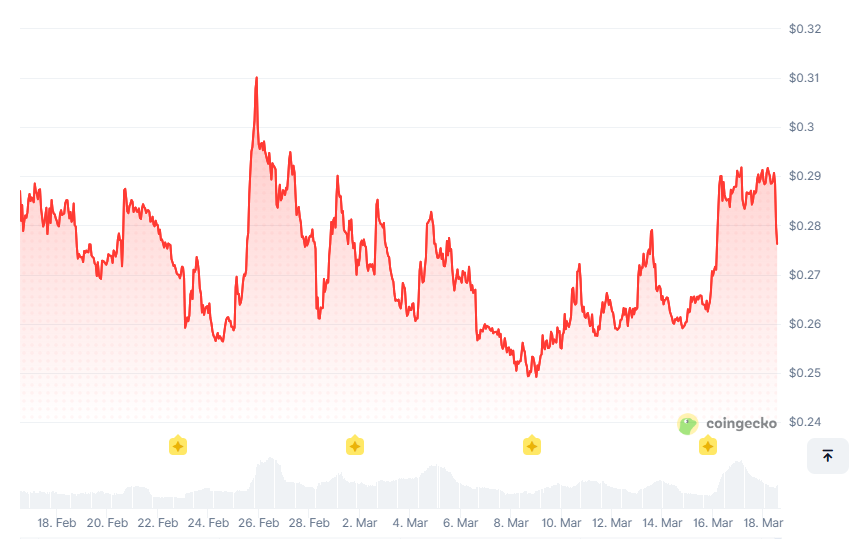
Despite the bullish projections, near-term price action depends on a broader market recovery that has not materialized yet. Even optimistic projections on ADA would yield a 4X return by year-end. That’s the structural ceiling that comes with investing in a large-cap token that’s already reached the mainstream investment pools.
Presale pricing beats waiting for the market to cooperate
The XRP price prediction for 2026 is compelling, and Brazil is a real expansion. Hyperliquid has genuinely strong fundamentals, and Cardano has a credible long-term roadmap. All three are reasonable positions for investors who want established token exposure and are willing to wait.
But none of them can offer what a limited-time crypto presale can offer. DeepSnitch AI’s presale offers ground-floor pricing before the public market has access, with a confirmed listing date and a working product already being used.
DeepSnitch AI’s presale closes March 31. Visit the official DeepSnitch AI presale for more information.
Frequently asked questions
What is the XRP price prediction for 2026?
The XRP price prediction for 2026 ranges from around $0.80 on the conservative end to $1.20 in a bullish scenario. More bullish targets depend largely on macro conditions playing their part between now and December 2026.
Does Ripple’s Latin America expansion affect the XRP forecast for 2026?
It’s a positive fundamental development, but the XRP market outlook still depends heavily on Bitcoin’s price and broader market sentiment. Institutional infrastructure rollouts typically take time to show up in price.
Why is DeepSnitch AI considered one of the best crypto presale options right now?
It combines a live, working product with presale pricing at $0.04487, a confirmed March 31 Uniswap launch, and over $2.1 million raised. Plus, all VIP bonus codes are still active. It is the kind of setup that makes it one of the best new token presale projects right now.
Disclaimer: This is a Press Release provided by a third party who is responsible for the content. Please conduct your own research before taking any action based on the content.



Centrifuge’s largest tokenized fund, JTRSY, is among the first of its products to adopt LayerZero.
LayerZero and Centrifuge are partnering to integrate Centrifuge’s institutional tokenization infrastructure into the interoperability protocol’s ecosystem, according to a press release shared exclusively with The Defiant. The companies said that the deal aims to make access and distribution of tokenized real world asset (RWA) products broader with multichain reach from launch.
The partnership addresses the issue of blockchain fragmentation for institutional tokenization. Via LayerZero’s OApp standard, issuers can extend products across over 165 blockchain networks, while retaining a unified supply, according to the release.
The first Centrifuge products to adopt LayerZero includes three of its tokenized funds, JTRSY — its largest by total value, with nearly $861 million in tokenized U.S. Treasuries — as well as JAAA, and SPXA, which launched in September as the first licensed tokenized S&P 500 index fund.
The three tokenized funds will expand across Ethereum, Solana, Avalanche, BNB Chain, Base, Optimism, and HyperEVM, per the release. Data from RWAxyz shows that JTRSY is currently mostly on Ethereum, while SPXA is exclusively on Coinbase’s Base.
The partnership also sets the stage for Centrifuge assets to be deployed on Zero, LayerZero’s recently launched Layer 1 blockchain, backed by Citadel Securities, The Depository Trust & Clearing Corporation, Intercontinental Exchange, and Google Cloud, and designed as core infrastructure for financial markets.
Bryan Pellegrino, CEO of LayerZero Labs, told The Defiant:
“We want partners building on LayerZero to extend into Zero, and Centrifuge, with its institutional client base and tokenization suite, is exactly the kind of asset we’re designing the network for.”
For its part, Centrifuge said that it sees deploying on LayerZero’s Zero as a plan for the future, when the L1 has a more established user base and liquidity.
“As part of our broader multichain distribution strategy, we see Zero as an important ecosystem over time,” Anil Sood, chief strategy and growth officer at Centrifuge Labs, told The Defiant, continuing:
“Our objective is to make key products such as JTRSY, JAAA, and SPXA accessible across the networks where liquidity, users, and onchain utility are forming.”
LayerZero Labs’ told The Defiant that the interoperability protocol currently has over $90 billion in assets secured, and more than 700 projects building in its ecosystem, though The Defiant was unable to independently verify this data. As of last May, the company said it handles over 70% of all cross-chain messaging traffic in web3.
Bhaji Illuminati, CEO of Centrifuge Labs said in a statement, “For institutions, tokenization becomes strategic when products are built to move beyond a single venue or chain and enter markets with real distribution from day one.”
Centrifuge, whose CFG token rallied 60% this week on a Binance listing announcement, currently has a total of $1.33 billion in distributed asset value across its tokenized RWA products, per RWAxyz.
Today’s move comes as tokenized RWAs on chain reached $18.4 billion at end of 2025, with RWA holders growing from 84,000 to 564,000 over the course of the year, per a report from Centrifuge — a trend The Defiant documented in depth as RWAs became Wall Street’s gateway to crypto last year.
This article was written with the assistance of AI workflows. All our stories are curated, edited and fact-checked by a human.
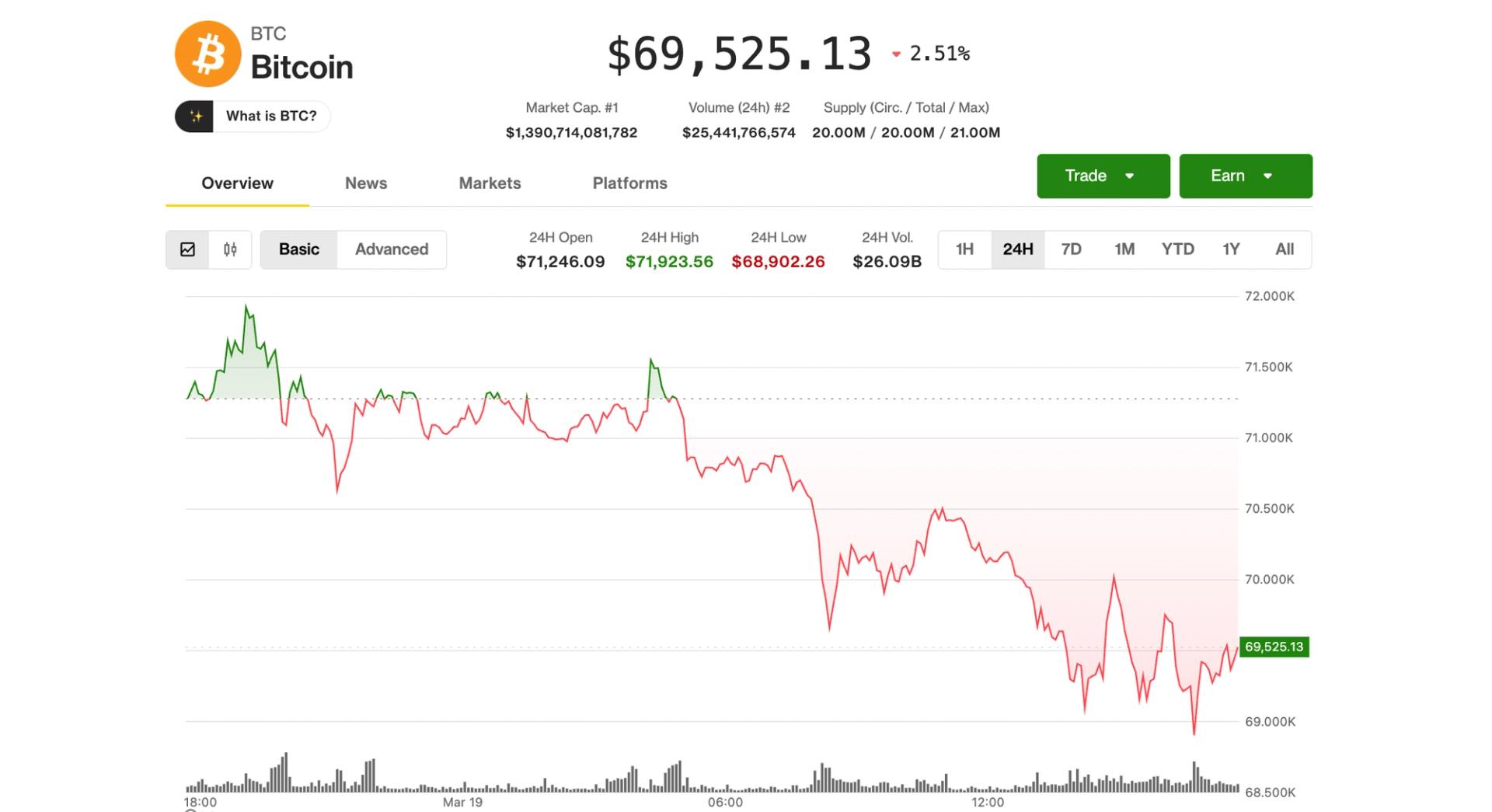
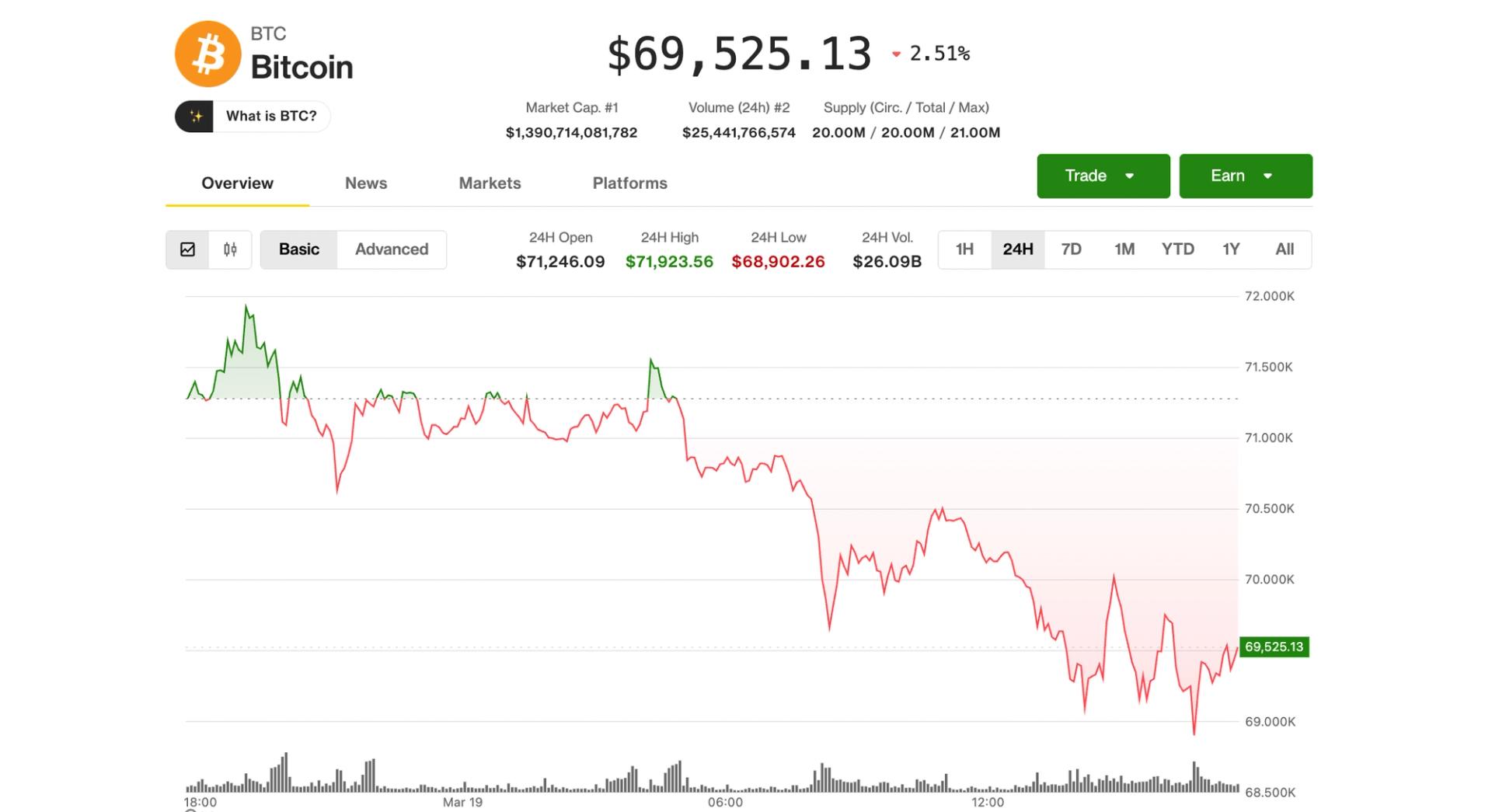
Bitcoin drifted toward $69,000 on Thursday as the deepening conflict in Iran is spiraling across the Middle East, hitting energy infrastructure and spilling into global markets.
Oil remained at the center of the action, as investors pulled back from risk amid fresh headlines around attacks on energy infrastructure. Prices swung back toward $100 a barrel after a Politico report said the U.S. is not considering a crude export ban, reversing earlier declines and keeping inflation worries alive.
That backdrop weighed on traditional markets, especially as investors began to consider that central banks might delay rate cuts or even mull rate hikes, wary of inflationary pressures from an energy shock and supply disruptions. The S&P 500 and Nasdaq slid nearly 1% in morning trading, both hitting fresh 2026 lows.
The more notable move, though, came from metals. Gold dropped 5% to around $4,500 an ounce, its lowest since early February, while silver fell 6.6%, extending a sharp unwind after weeks of outsized gains.
Crypto, by comparison, looked relatively steady. Bitcoin was last trading around $69,400, down about 2.6% on the day. Most major tokens, including ether (ETH), XRP (XRP), BNB and solana (SOL), were all down, but losses stayed under 3%, and the broader CoinDesk 20 Index was off about 2.1%.
Crypto-linked stocks also moved lower, though not to the same extent seen elsewhere. Crypto exchange Coinbase (COIN) slipped 1.7%, bitcoin treasury firm Strategy (MSTR) fell 2.6%, while stablecoin issuer Circle (CRCL) pulled back 6%, giving up some ground after more than doubling over the past three weeks.
Bitcoin holds ground in risk-off move
The simultaneous drop in both gold and bitcoin points to broad de-risking rather than a rotation into safe havens, said Alvin Kan, COO of Bitget Wallet. Rising energy prices are feeding into inflation expectations, reinforcing a “higher-for-longer” interest rate outlook and tightening liquidity — a difficult mix for risk assets, he added.
Still, bitcoin has outperformed gold by around 20% during the initial phase of the Iran conflict, noted Bryan Tan, trader at Wintermute, an unusual dynamic for an asset typically treated as a riskier tech name. But the lack of follow-through above $75,000 suggests markets remain cautious and rangebound.
“When sentiment swings on each headline about the conflict, and correlation to oil prices are so elevated, being flat is a strong position,” he said.
“We lean towards reserving dry powder until we see a meaningful confirmation in either direction or a material change in market conditions,” Tan added.

Disclosure: This article does not represent investment advice. The content and materials featured on this page are for educational purposes only.
Crypto investors shift focus beyond majors, seeking early-stage gems across emerging blockchain ecosystems.
Summary
- Investors in 2026 are shifting focus to early-stage “crypto gems,” seeking high-growth tokens before mainstream adoption.
- Home of crypto gems platforms help users discover low-cap tokens early through listings, launchpads, and communities.
- Finding crypto gems requires strong research, on-chain analysis, and risk management due to high volatility.

The crypto market has evolved far beyond Bitcoin and Ethereum. In 2026, investors are no longer just chasing established assets—they are actively searching for the next breakout opportunity. This is where the concept of a home of crypto gems becomes essential. It refers to platforms and ecosystems where early-stage, high-potential tokens are discovered before they reach mainstream attention.
In this guide, we’ll explore what defines a true home of crypto gems, how to find hidden opportunities, and the best strategies to identify high-growth projects before the market catches on.
Key Takeaways
- A home of crypto gems is a platform or ecosystem where early-stage tokens with high growth potential are discovered.
- Crypto gems typically offer higher returns but come with increased risks and volatility.
- Early access through listings, launchpads, and communities is key to success.
- Fundamental analysis and on-chain data help separate real gems from hype projects.
- Risk management is critical when investing in low-cap cryptocurrencies.
- Exchanges with diverse listings and strong discovery tools play a major role in finding crypto gems.
What does “home of crypto gems” really mean?
The term home of crypto gems has become increasingly popular among crypto investors, but its meaning goes beyond marketing language.
At its core, it represents a hub for early discovery — a place where promising projects emerge before reaching mass adoption.
Key Characteristics
A true home of crypto gems typically offers:
- Early listings of new tokens
- Access to low market cap assets
- Strong community engagement
- Transparent project information
- Advanced trading tools
Unlike traditional exchanges that focus only on top-tier assets, these platforms prioritize innovation and diversity.
Why crypto gems attract investors
Crypto gems are appealing because they offer something rare in traditional finance: asymmetric upside.
High growth potential
Many well-known cryptocurrencies started as small-cap projects:
- Early investors in Ethereum saw exponential returns
- Meme coins and niche tokens have delivered unexpected gains
Finding these opportunities early is what defines success in a home of crypto gems ecosystem.
Lower entry barriers
Compared to large-cap assets:
- Entry prices are often low
- Smaller investments can yield meaningful exposure
- Retail investors can compete with institutions
Innovation-driven value
Crypto gems often represent:
- New blockchain technologies
- Emerging sectors (AI, DeFi, GameFi, DePIN)
- Experimental tokenomics models
This innovation attracts both developers and investors.
How to identify real crypto gems
Not every low-cap token is a gem. In fact, many are short-lived or purely speculative. Identifying quality projects requires a structured approach.
- Strong fundamentals
Look for:
- Clear use case
- Real-world utility
- Sustainable tokenomics
- Active development team
- Team and backing
A credible team increases trust:
- Public founders or reputable developers
- Strong venture capital backing
- Strategic partnerships
- Community growth
Community is a powerful signal:
- Active social media presence
- Organic engagement (not bots)
- Developer and user participation
- On-chain Metrics
Data-driven insights include:
- Wallet distribution
- Transaction volume
- Liquidity depth
A genuine home of crypto gems provides access to this kind of data for better decision-making.
Where to find the best crypto gems
Finding crypto gems requires access to the right platforms and tools.
Centralized Exchanges (CEXs)
Top exchanges often act as the first gateway:
- Early token listings
- High liquidity
- User-friendly interfaces
Some platforms are known as a home of crypto gems due to their ability to list promising projects early.
Launchpads and token sales
Launchpads offer early-stage access:
- Initial Exchange Offerings (IEOs)
- Token Generation Events (TGEs)
Benefits include:
- Lower entry prices
- Early investor advantages
Decentralized Exchanges (DEXs)
DEXs provide even earlier access:
- Tokens listed before centralized exchanges
- Higher risk but higher reward
However, due diligence is essential due to the lack of regulation.
Crypto communities
Information spreads fast in crypto:
- Twitter (X)
- Discord groups
- Telegram channels
Being active in communities can help someone discover trends before they go mainstream.
Strategies to maximize gains from crypto gems
Simply finding a crypto gem is not enough — there is a need for a strategy to capitalize on it.
Diversification
Avoid putting all funds into one project:
- Spread investments across multiple gems
- Balance risk and reward
Entry timing
Timing is crucial:
- Early entry = higher upside
- Avoid buying after hype peaks
Profit-taking strategy
Many investors fail by not taking profits:
- Set price targets
- Use partial exits
- Avoid emotional decisions
Long-term vs Short-term
Some gems are:
- Short-term hype plays
- Long-term infrastructure projects
Understanding the difference helps optimize your approach.
Risks of investing in crypto gems
While the rewards can be significant, the risks are equally high.
High volatility
Prices can swing dramatically:
- Rapid gains
- Sudden crashes
Low liquidity
Some tokens have:
- Limited trading volume
- Difficulty exiting positions
Scams and rug pulls
Not all projects are legitimate:
- Fake teams
- Unsustainable models
This is why choosing a trusted home of crypto gems is critical.
Regulatory uncertainty
Crypto regulations vary globally:
- Sudden policy changes
- Listing restrictions
Investors must stay informed.
The role of exchanges as a home of crypto gems
Exchanges play a central role in the crypto ecosystem.
A strong platform acts as a curation layer, helping users discover quality projects while filtering out low-quality ones.
What makes an exchange stand out?
- Early access to trending tokens
- Transparent listing criteria
- Strong security infrastructure
- Low trading fees
- Global accessibility
Such platforms become the go-to home of crypto gems for both beginners and experienced traders.
Conclusion
In today’s fast-moving crypto landscape, finding the next big opportunity requires more than luck — it requires access, strategy, and the right platform. A true home of crypto gems provides early exposure to high-potential projects, empowering investors to identify and act on opportunities before they reach the mainstream.
By combining fundamental analysis, smart risk management, and the use of reliable exchanges, investors can significantly improve their chances of success. While risks remain, those who approach the market with discipline and knowledge are best positioned to uncover the hidden gems that define the future of crypto.
FAQs
What is a home of crypto gems?
A home of crypto gems is a platform or ecosystem where investors can discover early-stage cryptocurrencies with high growth potential before they become widely known.
How can I find the cheapest way to invest in crypto gems?
Use low-fee exchanges, trade on spot markets, and avoid high spreads. Combining these strategies helps you reduce costs while accessing early-stage tokens.
Are crypto gems safe investments?
Crypto gems are high-risk investments. While they offer strong upside potential, they can also experience volatility, low liquidity, or project failure.
Where can beginners find crypto gems?
Beginners can explore centralized exchanges, launchpads, and crypto communities. Platforms known as a home of crypto gems are the best starting point.
How much should I invest in crypto gems?
Only invest what you can afford to lose. Diversifying across multiple projects is a safer approach when exploring crypto gems.
Disclosure: This content is provided by a third party. Neither crypto.news nor the author of this article endorses any product mentioned on this page. Users should conduct their own research before taking any action related to the company.

TLDR
- Cardano expects the Node 10.7.0 Target prerelease within days as part of Protocol 11 preparations.
- Node 10.7.0 serves as one of the required releases for the van Rossem hard fork.
- Developers will integrate the new node into ecosystem tools and conduct performance testing.
- Version 10.7.x will transition to version 11 to fork the Preview and PreProd testnets.
- The Protocol 11 upgrade introduces new Plutus built-ins, including CIP-138 and CIP-153.
Cardano advances preparations for its intra-era upgrade to Protocol 11, known as the van Rossem hard fork. Intersect confirmed that Cardano Node 10.7.0 Target prerelease should arrive within days. The release sets the stage for ecosystem integration and testing before the network moves toward testnet and mainnet upgrades.
Cardano Hard Fork Moves Closer With Node 10.7.0
Intersect reported that Cardano Node 10.7.0 Target prerelease is expected within days. The organization operates as a member-based body within the Cardano ecosystem. It outlined the release timeline in a recent technical update.
Cardano Node 10.7.0 stands as one of two required releases for the van Rossem hard fork. Earlier, developers deployed Node 10.6.2 in February to begin preparations. Now, the upcoming version introduces new features beyond hard fork functionality.
The ecosystem will integrate Node 10.7.0 into tooling once developers publish the release. Teams will conduct integration testing and performance checks across services. Dependent on results, developers may issue further minor updates.
Intersect stated, “Cardano Node 10.7.0 Target prerelease is expected within a few days.” The group added that prerelease 10.7.0 supports feature testing. Version 10.7.x will later transition to version 11 for testnet forks.
Developers will promote version 11 to fork the Preview and PreProd testnets. After testnet validation, they will prepare for the mainnet fork. The upgrade process follows established Cardano governance procedures.
Protocol 11 Introduces New Plutus Built-Ins
The Cardano hard fork to Protocol 11 will introduce new Plutus built-ins. These include CIP-138 for Array type support. They also include CIP-153 for the MaryEraValue type.
Developers will add CIP-109 for modular exponentiation functionality. They will also implement the CIP-132 drop list built in. In parallel, CIP-133 enables multi-scalar multiplication over BLS12-381.
Intersect confirmed that SanchoNet already runs Protocol version 11. Therefore, developers can test the new built-ins on that network. Scalus updated its smart contract tooling to support these features.
The upgrade does not change the transaction shape. As a result, teams expect limited disruption to existing integrations. Hardware wallets should face no serialization issues under this release.
DBSync compatible with Node 10.7.0 will follow soon after the release. Intersect stated that no serialization changes are included. The upgrade focuses on performance improvements and cleaner ledger rules.
The van Rossem hard fork operates as a small intra-era upgrade. It enhances Plutus performance and introduces new cryptographic capabilities. Existing smart contracts will continue operating without breaking changes.

Welsh Government’s ‘inadequate’ pre-pandemic planning laid bare in Covid report

Having a beer with the best in brewing: How Britain’s independent brewing sector is fighting back against hospitality gloom

Carpool and Ride Sharing Company Ryde Adopts Crypto Treasury Model

Smart energy pays enters the US market, targeting scalable financial infrastructure

Why Israel is blocking foreign journalists from entering

Bitcoin: We’re Entering The Most Dangerous Phase

Crypto Trading For Beginners | Bitcoin Trading for Beginners | Crypto Trading kaise kare | App India

Invest just $5 per day in SCHD for Financial Freedom

Crypto Gold Live Trading 18 March | Market Trader | #goldtrading #cryptotrading #bitcoin
-
Crypto World6 days ago
HYPE Token Enters Net Deflation as HyperCore Buybacks Outpace Staking Rewards
-

 Tech4 days ago
Your Legally Registered ‘Motorcycle’ Might Not Count Under Proposed US Law
-

 Fashion6 days ago
Weekend Open Thread: Addict Lip Glow
-
 Tech2 days ago
Are Split Spacebars the Next Big Gaming Keyboard Trend?
-
Sports5 days ago
Why Duke and Michigan Are Dead Even Entering Selection Sunday
-

 Business4 days ago
Search for Savannah Guthrie’s Mother Enters Seventh Week with No Arrests
-

 Business5 days ago
US Airports Launch Donation Drives for Unpaid TSA Workers as Partial Government Shutdown Enters Fifth Week
-
Crypto World5 days ago
Coinbase and Bybit in Investment Talks: Could Bybit Finally Enter the US Crypto Market?
-

 Business3 days ago
Australian shares drop as Iran war enters third week
-

 Business5 days ago
Country star Brantley Gilbert enters growing non-alcoholic beer market
-

 Crypto World3 days ago
Crypto Lender BlockFills Enters Chapter 11 with Up to $500M in Liabilities
-

 Sports6 days ago
College Basketball Best Bets: Conference Tournament Semifinal Picks
-

 Politics1 day ago
The House | The new register to protect children from their abusers shows Parliament at its best
-

 Business7 days ago
Trump demands Powell cut rates as Iran conflict raises energy prices
-

 Fashion3 days ago
25 Celebrities with Curly Hair That Are Naturally Beautiful
-

 News Videos1 day ago
RBA board divided on rate cut, unusually buoyant share market | Finance Report | ABC NEWS
-

 Crypto World7 days ago
Senate Votes to Include CBDC Ban in Bipartisan Housing Bill
-

 NewsBeat7 days ago
Deane Road crash near Bolton colleges and university
-

 Crypto World1 day ago
Canada’s FINTRAC revokes registrations of 23 crypto MSBs in AML crackdown
-

 News Videos7 days ago
Tom Lee: The 100x Opportunity EVEN Bigger Than Bitcoin (New Ethereum Prediction 2026)


You must be logged in to post a comment Login