
Crypto World
Polymarket & Kalshi Give Free Groceries During Prediction Market Boom


Two leading prediction-market platforms, Kalshi and Polymarket, are leaning into experiential marketing as they vie for dominance in a fast-growing segment of the financial landscape. Kalshi staged a $50 grocery giveaway for more than 1,000 Manhattan residents on Tuesday, drawing lines that stretched for blocks and highlighting the power of real-world perks to convert interest into signups. In tandem, Polymarket announced plans to open a free grocery store, a venture branded as “The Polymarket,” slated to launch next week with a pledge of $1 million to Food Bank for NYC to assist food access across all five boroughs. The dual promotions illustrate how prediction-market platforms are blending commerce, charity, and media partnerships to expand reach beyond digital trading floors.
Thousands have already picked up their free Kalshi groceries!
We are being told we’ve already inspired other companies to keep up the initiative!
2 more hours to get yours
Westside Market | 84 3rd Ave. NYC pic.twitter.com/8R11OGODLu
— Kalshi (@Kalshi) February 3, 2026
Kalshi’s giveaway took place at the Westside Market on 84 3rd Ave in Manhattan, a venue chosen to maximize visibility among urban shoppers already accustomed to the grocery aisles of daily life. The event ran between 12 pm and 3 pm local time, and footage circulating on social media shows long lines that extended for several blocks. The guest list for the promotion tallied 1,795 names, a figure described by Kalshi as an indicator of robust interest in markets that sit at the intersection of public participation and financial speculation. The company’s broader strategy in 2025 included generating $263.5 million in fee revenue, illustrating how these platforms monetize crowdsourced insights through prediction activity and related services.
“Free groceries. Free markets. Built for the people who power New York.”
Meanwhile, Polymarket revealed a parallel push to inject the experience of its markets into real-world settings. The company said it had signed a lease to open what it brands as “New York’s first free grocery store,” aiming to launch the venture next Thursday at 12 pm local time. In support of the initiative, Polymarket donated $1 million to the Food Bank for NYC to bolster food access across all five boroughs. The timing aligns with a broader push by both platforms to integrate traditional media strategies with their online ecosystems, including public-facing campaigns and high-visibility advertising components that are increasingly difficult to distinguish from mainstream marketing.
The Polymarket initiative was not the only signal of a broader marketing tilt. Kalshi has engaged in media partnerships, including collaborations with CNN and CNBC during 2023 and 2024 cycles, while Polymarket has pursued collaborations with Dow Jones in early 2024. These alliances reflect a trend in which prediction-market operators seek to normalize and accelerate participation through mainstream outlets, a move that can affect liquidity and user acquisition in a space that sees daily volume in the hundreds of millions.
Kalshi gives out free groceries to thousands of New Yorkers https://t.co/62BO68KbuZ pic.twitter.com/rBnSAqWdBg
— Historic Vids (@historyinmemes) February 3, 2026
Across the industry, trading volumes in prediction markets have surged in recent months, with daily activity measured well above $400 million. The scale underscores the sector’s momentum as traditional finance intersects with decentralized and on-chain thinking. Kalshi’s and Polymarket’s growth has been underscored by their valuations; both platforms have drawn multibillion-dollar assessments following significant funding rounds and strategic integrations. The volume growth is notable because it coincides with a broader reaggregation of liquidity around derivative-style contracts tied to current events, sports outcomes, and macro developments—areas where prediction markets have garnered increasing interest from both retail and institutional participants.
Those market dynamics intersect with regulatory and competitive considerations. Industry observers note that prediction-market advertising faced a high-profile challenge during major U.S. sports broadcasts, specifically with the Super Bowl slated for Feb. 8, when advertising restrictions were cited as a constraint for such platforms. In the meantime, the promotional efforts by Kalshi and Polymarket reflect a broader appetite to test new distribution channels and community-building models, particularly in major markets like New York City where both platforms are headquartered.
Kalshi has distributed free groceries to thousands in NYC as part of a broader push to democratize markets
— Historic Vids (@historyinmemes) February 3, 2026
Both Kalshi and Polymarket are rooted in New York City, a jurisdiction that remains central to the industry’s branding and strategy. The city’s status as a financial hub, housing the New York Stock Exchange and the Nasdaq, provides a backdrop that could help attract mainstream attention to prediction markets as legitimate tools for forecasting and civic participation. The partnerships with traditional media outlets, coupled with on-the-ground promotions, illustrate how the space is attempting to bridge online activity with tangible, real-world experiences.
Market context
Market context: The prediction-market segment continues to exhibit rapid growth in liquidity and engagement, even as it navigates a complex regulatory and advertising environment. The combination of large-donor events, high-profile media partnerships, and city-focused promotions indicates a push to normalize and scale these platforms beyond niche online communities, while still relying on event-driven incentives to drive signups and participation.
Why it matters
For users, these promotions may lower the friction to engage with prediction markets and explore how markets price events in real time. For investors and builders, the initiatives reveal the potential for user acquisition through experiential programs and philanthropy, while also highlighting the importance of disciplined risk management and regulatory awareness as volumes rise. The campaigns also reflect a broader trend of blending consumer experiences with financial instruments, a development that could shape how new entrants think about distribution, trust-building, and community governance in prediction ecosystems.
From a market structure perspective, the convergence of media partnerships, real-world store concepts, and online trading desks could influence liquidity flows, contract design, and the range of outcomes that platforms offer. The emphasis on partnerships with established media brands and charity groups may help broaden the audience beyond traditional traders, a factor that could influence the valuation trajectories and strategic priorities of these operators in the coming quarters.
What to watch next
- Launch date and details for “The Polymarket” free grocery store, including its location, hours, and product offerings, scheduled for next Thursday at 12 pm local time.
- Results and turnout from Kalshi’s Westside Market promotion, including any follow-on campaigns or additional free-grocery events.
- Regulatory and advertising developments around prediction markets ahead of major events such as the next Super Bowl.
- Any new media partnerships or cross-promotional campaigns as the platforms seek to sustain growth in NYC and beyond.
Sources & verification
- Kalshi’s Westside Market grocery giveaway details, including the event timing and location (Westside Market, 84 3rd Ave, Manhattan).
- Guest-list figures and attendance reporting for Kalshi’s promo (1,795 sign-ups; media estimates of “thousands”).
- Polymarket’s lease announcement for a new NYC grocery store and the $1 million donation to Food Bank for NYC.
- The Polymarket post on X announcing the store launch and related updates.
- Industry context on prediction-market volumes and Kalshi’s 2025 fee revenue ($263.5 million) and “multibillion-dollar valuations.”
- Partnerships with Dow Jones (Polymarket) and CNN/CNBC (Kalshi) and broader media activity.
- Advertising restrictions related to the Super Bowl affecting prediction-market promotions.
- DefiLlama’s reporting on daily prediction-market trading volumes (above $400 million).
Grocery promos illuminate the race to shape prediction markets
The rivalry between Kalshi and Polymarket is less about a single product and more about a narrative that blends user engagement, real-world impact, and media visibility. Kalshi’s promotional event at the Westside Market in Manhattan demonstrates a direct approach to converting curiosity into participation, with a tangible payoff in the form of free groceries and a high turnout. The associated social-media chatter—evidence of a pipeline from online engagement to offline foot traffic—suggests the campaign achieved its core objective: to broaden awareness and recruit a broader audience into a space that has, to date, been dominated by digital activity and a relatively narrow subset of enthusiasts.
Polymarket’s response—a move to open a free grocery store—extends the promotional strategy into a durable, long-form engagement. By tying the store to a charitable effort with a reported $1 million donation to Food Bank for NYC, the company frames its market ecosystem as an instrument for social good while simultaneously creating a venue for real-world interaction with its trademark “free markets” concept. The lease agreement and the store’s planned launch time—12 pm local time on a Thursday—edge the project closer to a conventional retail rollout, albeit anchored by a prediction-market frame that invites visitors to consider probabilities in everyday decisions.
From a market-structure perspective, these promotional pushes are set against a backdrop of surging liquidity. Daily volumes in prediction markets exceed $400 million, a level that signals growing appetite for event-driven contracts and crowd-sourced forecasting. Kalshi’s reported 2025 fee revenue of $263.5 million, coupled with “multibillion-dollar valuations,” underscores the financial scale that these platforms have achieved in a relatively short period. While the revenue and valuation figures reflect fundraising and partnerships rather than pure trading profits, they point to a vibrant ecosystem in which media tie-ins, sponsorships, and philanthropic commitments intersect with product development and user acquisition strategies.
The campaigns also reflect a broader regulatory and reputational environment. The industry has faced scrutiny around advertising during major events, including proposals to limit promotional activity around the Super Bowl. As Kalshi and Polymarket expand their footprint, they will likely navigate this landscape by emphasizing transparency, compliance, and partnerships with established brands. The NYC focus of both initiatives spotlights the importance of local markets in building a scalable national or international footprint for prediction markets, an approach that echoes the way traditional financial markets have grown through regional hubs connected by digital platforms.
//platform.twitter.com/widgets.js

Crypto World
Executive turnover clouds crypto payments firm RedotPay’s $4 billion U.S. IPO ambitions


RedotPay, a Hong Kong-based stablecoin payments startup, is facing internal strain and executive turnover as it seeks up to $150 million in fresh funding and works toward a U.S. IPO that could value the company at more than $4 billion.
Those ambitions are being clouded by executive turnover. At least five senior hires left within 12 months, and the company is pursuing its listing plans without a chief financial officer. Staff, according to a Bloomberg report, have often been asked to work late for extended periods.
The fundraising talks come only months after RedotPay raised more than $150 million across two rounds in September and December. It remains open to strategic investors, but does not face pressure to raise funds because of strong cash flow, Bloomberg said.
The company has grown fast. Investor materials show annualized payment volume passed $10 billion in December, while revenue doubled to $158 million. RedotPay says it now serves more than 6 million users in over 100 countries.
Its main product is a stablecoin payments app linked to a Visa card. Users can store stablecoins in the app and spend them at merchants or online, while the platform also offers remittance services and yield on some holdings.
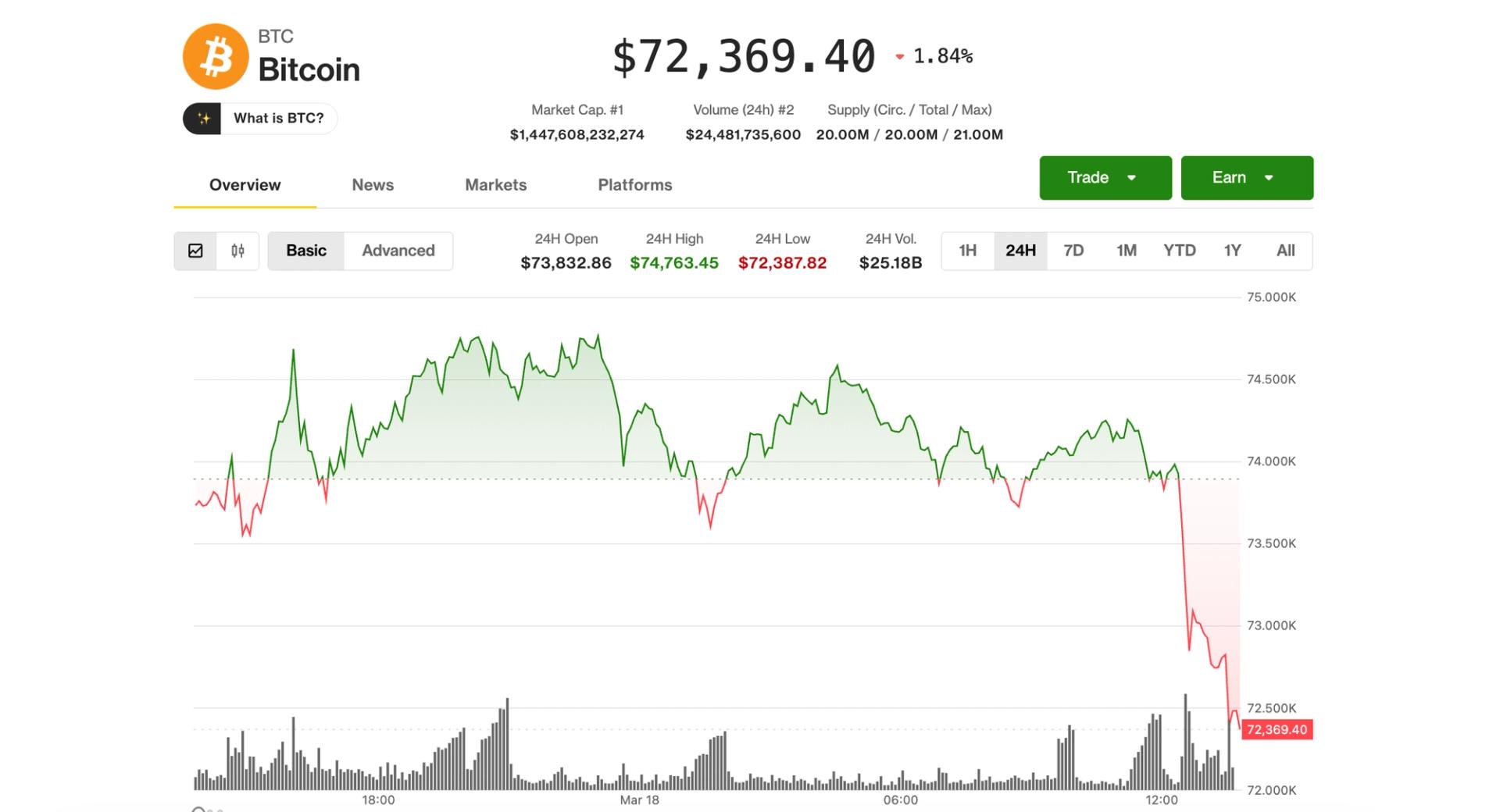
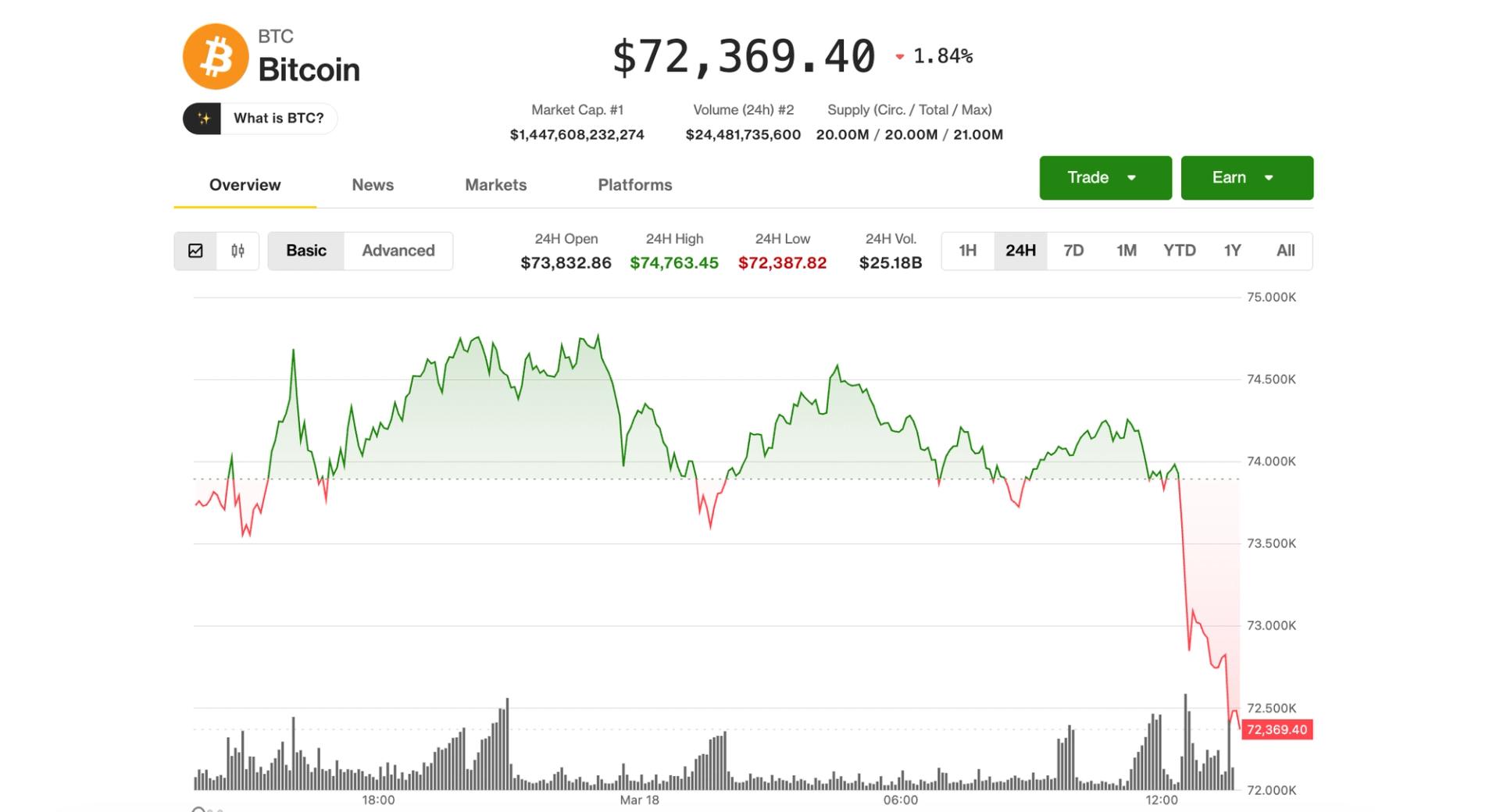
Quiet bitcoin price action in the $74,000 area was shattered Wednesday morning on reports of military escalation in Iran and then February inflation data that came in far stronger than expected.
The declines started as U.S. President Donald Trump struck a more aggressive tone on Iran, suggesting further escalation in a series of Truth Social posts and calling the country the “NUMBER ONE STATE SPONSOR OF TERROR.”
Alongside, Iran’s state TV reported that part of that country’s South Pars gas field was attacked.
This followed reports that Israel killed Iran’s Intelligence Minister Esmail Khatib, while the U.S. deployed 5,000-pound bunker-buster bombs targeting missile sites near the Strait of Hormuz, a key route for global oil flows.
That news combined to send the price of WTI crude oil from as low as $92 per barrel overnight to nearly $96.
Minutes later, the U.S. Producer Price Index for February rose 0.7% versus just 0.3% expected and up from January’s 0.5%. The core PPI rose 0.5% versus 0.3% expected, though down from January’s 0.8%. Importantly, the disturbing inflation data is from prior to the attacks against Iran and the subsequent sharp rise in the price of oil.
The data complicates the outlook for rate cuts, especially with oil prices still elevated, and is weighing on risk assets ahead of the U.S. stock market open.
Bitcoin has now fallen to $72,300, down 2% over the past 24 hours. Declines for ether (ETH), solana (SOL) and XRP (XRP) are closer to 3%. U.S. stock index futures have swung from solid gains to declines of about 0.4% across the board.
Fed comes later
Later in the day, the U.S. Federal Reserve is widely expected to hold rates steady, shifting the focus to Chair Jerome Powell’s messaging and how policymakers interpret the recent mix of growth risks and inflation pressures. Trump once again renewed calls for rate cuts in a Wednesday post, adding a political dimension to the meeting.
The effort involves eight cryptocurrencies and will take place at the start of April.
Binance revealed it will terminate all trading services for certain cryptocurrencies.
Somewhat expected, the tokens included in the effort nosedived by double digits immediately after the disclosure.
The Latest Announcement
Even though Binance supports a wide range of cryptocurrencies, their presence on the platform isn’t guaranteed forever and depends on factors such as trading volume, liquidity, network security, public communication, team commitment, and more.
Following its most recent review, the exchange decided to delist the altcoins Arena-Z (A2Z), Ampleforth Governance Token (FORTH), Hooked Protocol (HOOK), Loopring (LRC), IDEX (IDEX), Neutron (NTRN), Solar (SXP), and Radiant Capital (RDNT). The effort will take place on April 1 and will lead to the removal of spot trading pairs involving the aforementioned tokens. Meanwhile, Binance Spot Copy Trading will delist those assets on March 25.
“After this time, any outstanding assets will be force-sold at market price or moved to the Spot Account if the amount is unsellable. Users are strongly advised to update or cancel their Spot Copy Trading portfolios prior to Binance Spot Copy Trading delisting time to avoid potential losses,” the company warned.
Deposits of these tokens will not be credited to users’ accounts after April 2, while withdrawals won’t be supported after June 1. Delisted cryptocurrencies may be converted into stablecoins on behalf of customers after June 2, Binance clarified.
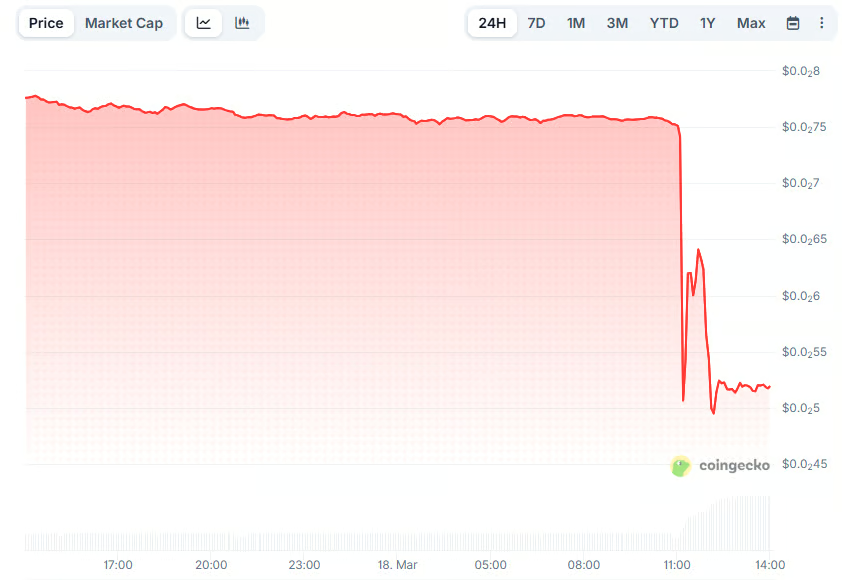
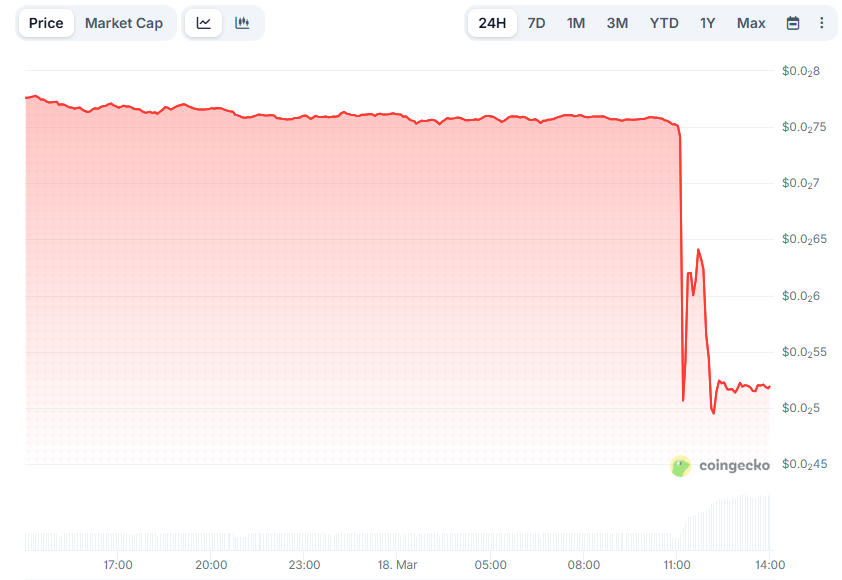
Such announcements usually trigger negative price reactions for the affected assets. After all, losing Binance support damages a coin’s reputation, reduces its liquidity, and limits its accessibility. Such was the case here as all of the involved altcoins headed south by double digits. IDEX was the biggest loser, with its valuation collapsing by 33% on a daily scale.
- IDEX Price, Source: CoinGecko
A similar thing was observed last week when Binance removed 21 cryptocurrencies, including WorldShards (SHARD), Alliance Games (COA), BNB Card (BNB Card), MilkyWay (MILK), Hyperbot (BOT), and others. Some of the assets saw their prices crash by an astonishing 70-80% shortly after the news broke.
You may also like:
The Opposite Effect
On the contrary, backing from Binance typically has quite a positive price effect on the involved cryptocurrencies. Earlier this week, the exchange introduced the trading pairs CFG/USDT, CFG/USDC, and CFG/TRY, causing CFG’s valuation to surge 60% within minutes.
At the start of 2026, the lesser-known digital assets Moonbirbs (BIRB) and ETHGas (GWEI) also posted substantial gains after Binance launched the BIRB/USDT and GWEI/USDT perpetual contracts with up to 50x leverage.
Binance Free $600 (CryptoPotato Exclusive): Use this link to register a new account and receive $600 exclusive welcome offer on Binance (full details).
LIMITED OFFER for CryptoPotato readers at Bybit: Use this link to register and open a $500 FREE position on any coin!


Australians are increasingly using cryptocurrency for day-to-day payments, even as banking restrictions continue to hamper access to the ecosystem.
Summary
- Crypto payments in Australia doubled to 12% in 2026 as more users turn to digital assets for everyday spending, led by online shopping and service payments.
- Nearly 30% of investors reported bank delays or blocks when transferring funds to crypto exchanges, up from 19.3% in 2025.
A recent survey by crypto exchange Independent Reserve, which polled 2,000 “everyday Australians” between Jan. 12 and Jan. 30, found that the share of users paying with crypto has doubled from 6% to 12% compared to the previous year.
According to the report, one in three Australians now own cryptocurrencies in 2026 and are viewing digital assets as more than just a speculative investment, with growing interest in real-world utility.
Nearly 21% of respondents reported using crypto for online shopping, making it the leading use case. It was followed by other applications such as freelancing payments and video game purchases, which accounted for 16%.
However, even as demand continues to build, banking-related issues remain a persistent challenge for users trying to access crypto services.
Among the respondents, nearly 30% said their bank had blocked or delayed a payment to a crypto exchange at least once. That figure marks a notable increase from 19.3% reported in 2025.
Such delays stem from tighter banking controls introduced in recent years, when several major institutions such as Commonwealth Bank and National Australia Bank rolled out measures including payment delays, transfer caps, and additional identity checks for crypto-related transactions.
“For many Australians, the lack of regulation hits home when a payment to a crypto exchange is delayed or blocked, an issue that has continued to rise for another year,” the report said, adding that “clear licensing and regulation can help fix this.”
Australian regulators are still undecided
Australia is still lagging behind other major economies in establishing formal legislation to effectively regulate the crypto sector.
So far, the federal government has primarily focused on a token mapping exercise and public consultations, while the Treasury continues to refine its proposed framework for digital asset service providers.
Earlier this week, Australia’s Senate Economics Legislation Committee said it was considering a new bill that would require crypto exchanges and tokenization platforms to operate under the country’s existing financial services framework.


Ethereum client teams are testing an opt-in mechanism that could cut the time some layer-2 networks and exchanges wait to recognize mainnet deposits, allowing them to process transactions much faster.
Summary
- Ethereum client teams are testing a Fast Confirmation Rule that could reduce deposit recognition times for layer 2 networks and exchanges to about 13 seconds.
- The proposal suggests replacing block counting with validator attestations, offering faster confirmation than canonical bridges while avoiding the need for a hard fork.
Dubbed the Fast Confirmation Rule (FCR), the proposal is expected to bring confirmation times down to around 13 seconds, according to Ethereum researcher Julian Ma.
By using this approach, platforms can move away from systems that rely on canonical bridges, where transfers typically take up to 13 minutes to reach full confirmation. However, many already rely on “k-deep” confirmation rules, which offer no formal guarantees. A transaction in such models is only treated as confirmed once a predefined number of blocks have been added on top of it.
Developers say the rule can be introduced without hard-forking, though client and API integration is still required.
Client teams are already working on implementations, with deployment expected to allow nodes to adopt the rule without network-wide coordination.
When using FCR, rather than counting blocks, the system evaluates validator attestations to determine whether a block is safe to treat as confirmed. This can solve the issue of slow bridging between Ethereum L1 and downstream platforms.
It does this by relying on two assumptions: that validator messages propagate quickly across the network and that no single entity controls more than 25% of staked Ether. While these thresholds fall short of Ethereum’s stricter finality guarantees, they are considered sufficient for most real-world use cases.
In cases where more security is needed, the system waits longer before confirming a block, Ma explained, adding that “it’s a feature, not a bug.”
Mixed community reaction
Ethereum co-founder Vitalik Buterin said the mechanism can provide a “hard guarantee” that a transaction will not be reverted after a single slot under the right network conditions.
But other community members remained skeptical about the proposal. Some argued that the model leans heavily on trust assumptions and may face challenges under stressed network conditions.


A U.K. parliamentary committee urged the government to impose “an immediate moratorium on crypto donations” until Parliament approves Electoral Commission statutory guidance.
In a report, the Joint Committee on the National Security Strategy said crypto poses an avoidable risk to political finance and public trust. The committee said rules should be ready before the next general election.
The reportnoted that the same traits that make crypto useful for fast payments also make it harder to monitor. It points to mixers, tumblers, privacy coins and chain hopping as tools that can blur the source of funds and warns that artificial intelligence tools could help split a large payment into many sub-500-pound ($668) donations, keeping each below the normal reporting threshold.
Crypto donations remain legal in the country, even though cryptoassets are treated as property rather than legal tender, the report adds. Reform UK, the party led by Nigel Farage that leads in national polls, is the first European political party to say it will accept crypto donations.
The total value of crypto donations Reform UK has received so far is unclear. Crypto investor Christopher Harbone has donated around $12 million in cash to the party.
Natasha Powell, crypto exchange Kraken’s chief compliance officer, told lawmakers that regulated exchanges can manage much of the danger. Still, the committee wasn’t convinced and said the current framework lacks the tools and staff needed to verify donors, trace funds and avoid abuse. As such, it wants the moratorium written into the Representation of the People Bill.
The report adds that a ban on direct crypto gifts would not close every gap. A donor could still cash out cryptocurrencies into sterling before sending money through the banking system.
The committee also wants the Electoral Commission to gain powers to compel information from banks, the tax authority and crypto platforms when it suspects impermissible activity, the report adds.
Senior Labour members of parliament earlier this year called on Prime Minister Keir Starmer to ban cryptocurrency donations to political parties, over concerns these could be used by hostile foreign entities to influence elections.
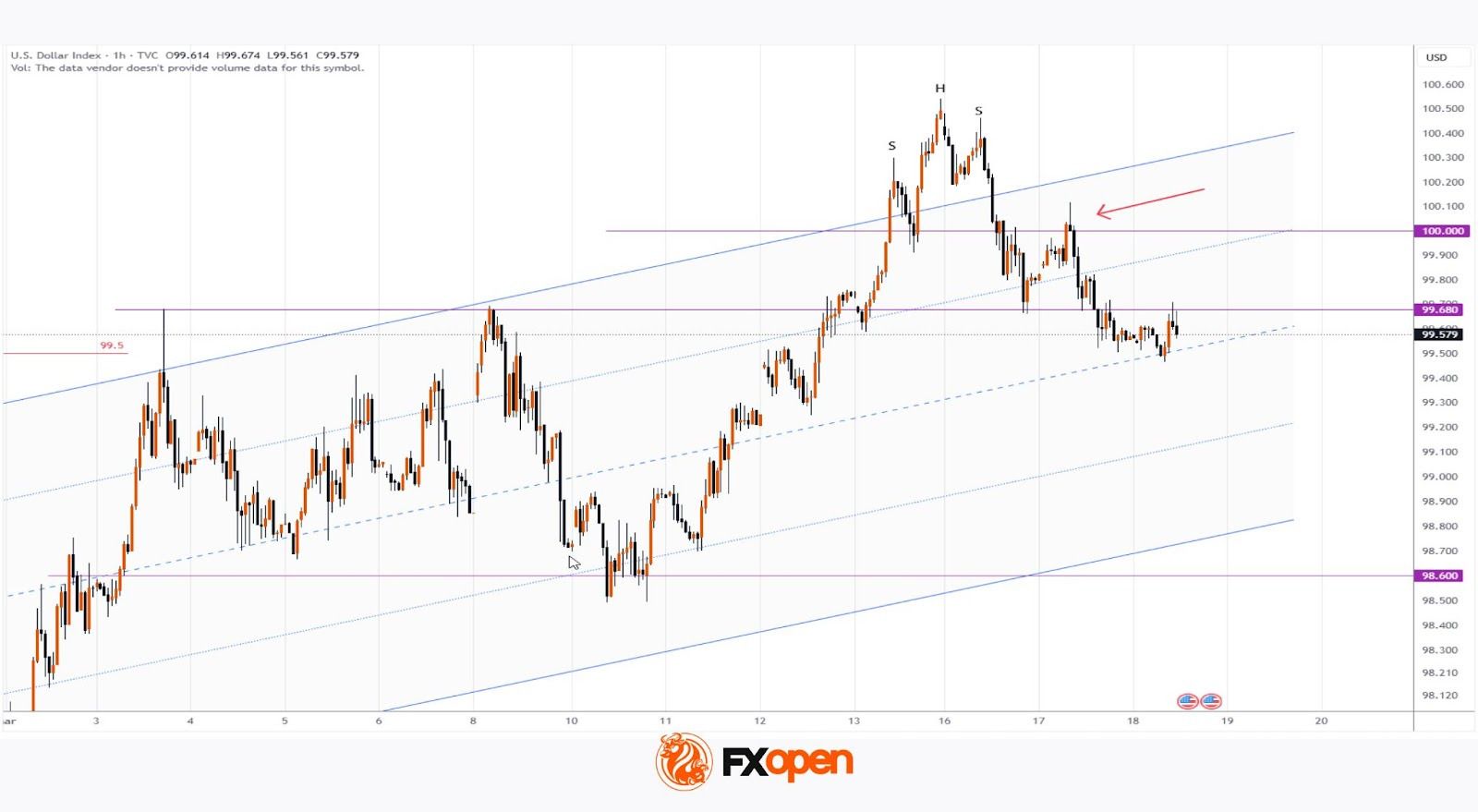
Today, the focus for FX traders is on the Federal Reserve: at 21:00 GMT+3, the FOMC will announce its interest rate decision (rates are expected to remain unchanged), followed by a press conference with Fed Chair Jerome Powell half an hour later.
In addition:
→ the Bank of Canada will announce its rate decision today;
→ similar events are scheduled tomorrow for the Bank of Japan, the Swiss National Bank, and the Bank of England.
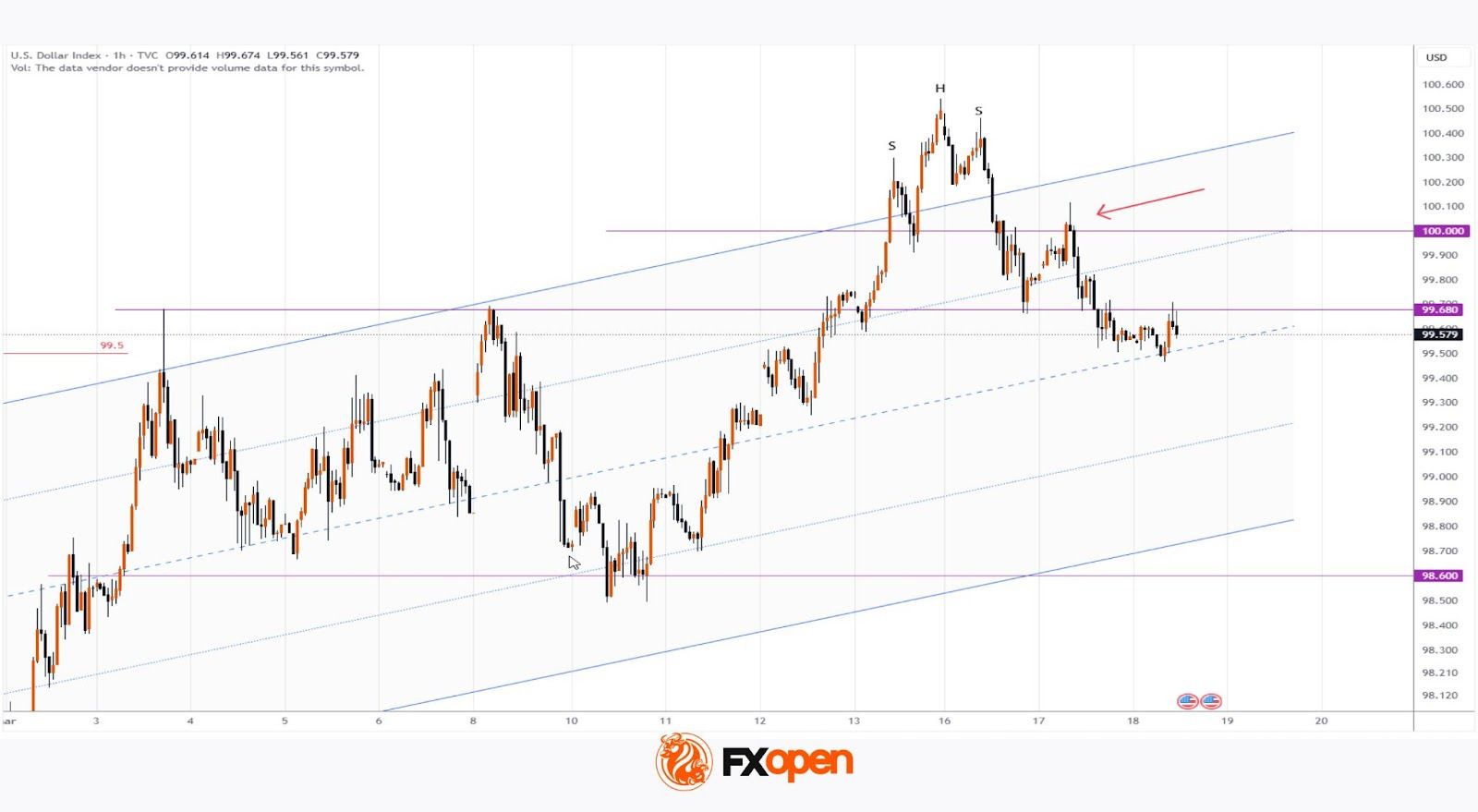
As the DXY chart shows, the index is currently trading near the median of an upward channel that has remained in place since early February — a zone where supply and demand typically balance each other. However, incoming central bank announcements are likely to disrupt this equilibrium.
Technical Analysis of DXY
On the morning of 13 March, when analysing the DXY chart, we:
→ noted that the market appeared overbought, with price trading above the upper boundary of the channel;
→ suggested that a pullback could develop.
Indeed, subsequent price action showed signs of bearish pressure:
→ the formation of a “head and shoulders” (H&S) reversal pattern;
→ a bull trap above the psychological 100-point level.
It is reasonable to assume that the FX market is currently awaiting a crucial wave of fundamental information from central banks, which is particularly significant given ongoing geopolitical uncertainty. Traders should be prepared for increased volatility in the near term — the dollar index may move towards one of the channel boundaries depending on how the market reacts to upcoming news.
Trade global index CFDs with zero commission and tight spreads (additional fees may apply). Open your FXOpen account now or learn more about trading index CFDs with FXOpen.
This article represents the opinion of the Companies operating under the FXOpen brand only. It is not to be construed as an offer, solicitation, or recommendation with respect to products and services provided by the Companies operating under the FXOpen brand, nor is it to be considered financial advice.
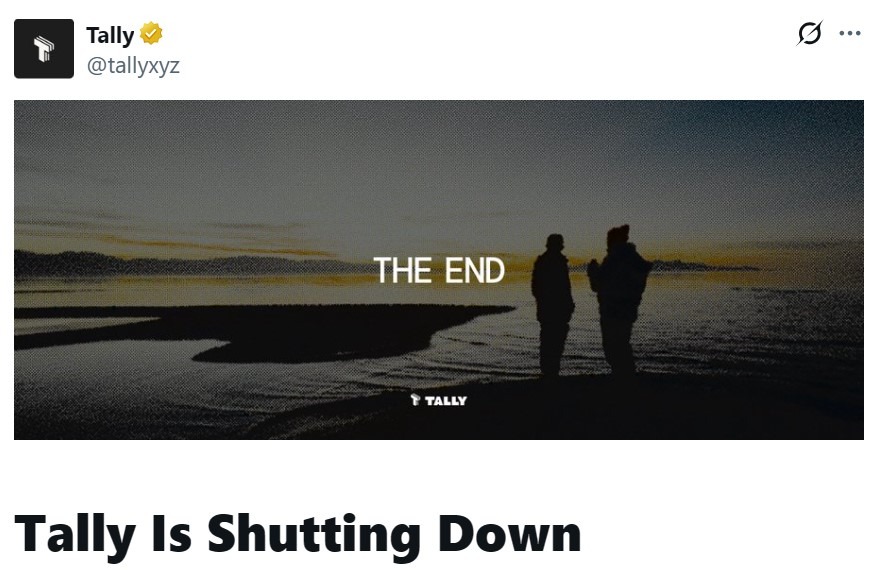
Decentralized autonomous organization (DAO) governance platform Tally is shutting down after five years of operations, citing a lack of sustainable business models for governance tooling in the crypto market.
Tally co-founder and CEO Dennison Bertram said the company will begin winding down at the end of March. He added that the company is not moving forward with a planned initial coin offering (ICO), concluding that it could not confidently deliver on the expectations that would come with selling tokens to investors.
Tally’s closure comes despite years of activity on its platform, which supported governance for hundreds of organizations and processed more than $1 billion in payments, according to Bertram. At its peak, the company said it helped secure up to $80 billion in value and served more than 1 million users.
Tally launched in 2021 as a software platform for on-chain organizations. According to startup intelligence platform Tracxn, the company raised a total of $15.5 million across three funding rounds.
Related: Vitalik Buterin proposes using AI to strengthen DAO governance
The shutdown reflects the challenges facing DAO-focused platforms after years of development and adoption. It highlights the pace of change in the industry, where even substantial achievements may prove insufficient to support a venture-backed business in DAO governance tooling.

Industry reflects on DAO challenges amid Tally shutdown
Following the announcement, builders and operators across the ecosystem pointed to a broader reassessment of DAO governance, with some describing Tally’s closure as part of a wider shift in how coordination tools are being developed and monetized.
Oku Trade CEO Getty Hill said DAO development has not met the expectations set during earlier growth phases.
Related: DAOs may need to ditch decentralization to court institutions
“While stablecoins have achieved the greatest product-market fit in crypto, I still believe DAOs will ultimately get there, though maybe not for another 3-10 years,” he wrote.
Meanwhile, Oasis Onchain founder Stefen Deleveaux described the shutdown as “the end of an era,” reflecting on a wave of early DAO tooling projects that emerged during the 2020–2021 cycle but struggled to sustain themselves over time.
Realms DAO chief technology officer Adrian Brzeziński pointed to the stats highlighted by Bertram, saying that the “hardest truth” in crypto infrastructure is that usage does not equate to revenue. “The next wave of governance won’t look like voting portals. It’ll look like capital coordination,” Brzeziński wrote.
DAOs are “difficult” to operate
On March 11, Aave founder Stani Kulechov said DAOs, in their current form, are “extraordinarily difficult” to operate. He pointed to internal conflicts and proposals that can take weeks of forum posts, temperature checks and multiple votes to pass.
Magazine: What’s a ‘Network State’ and are there real-life examples? Big Questions
Bitcoin Depot, a publicly traded cryptocurrency ATM provider, is facing mounting regulatory pressure in the US amid a steep stock decline and a weak revenue outlook.
The Connecticut Banking Commissioner, through the Consumer Credit Division, issued a temporary cease-and-desist order against Bitcoin Depot on March 9, summarily suspending its money transmission license in the state.
The order cites multiple alleged violations of the Connecticut Money Transmission Act, including failure to maintain minimum net worth, excessive fees and incomplete refunds to consumers who fell victim to scams.
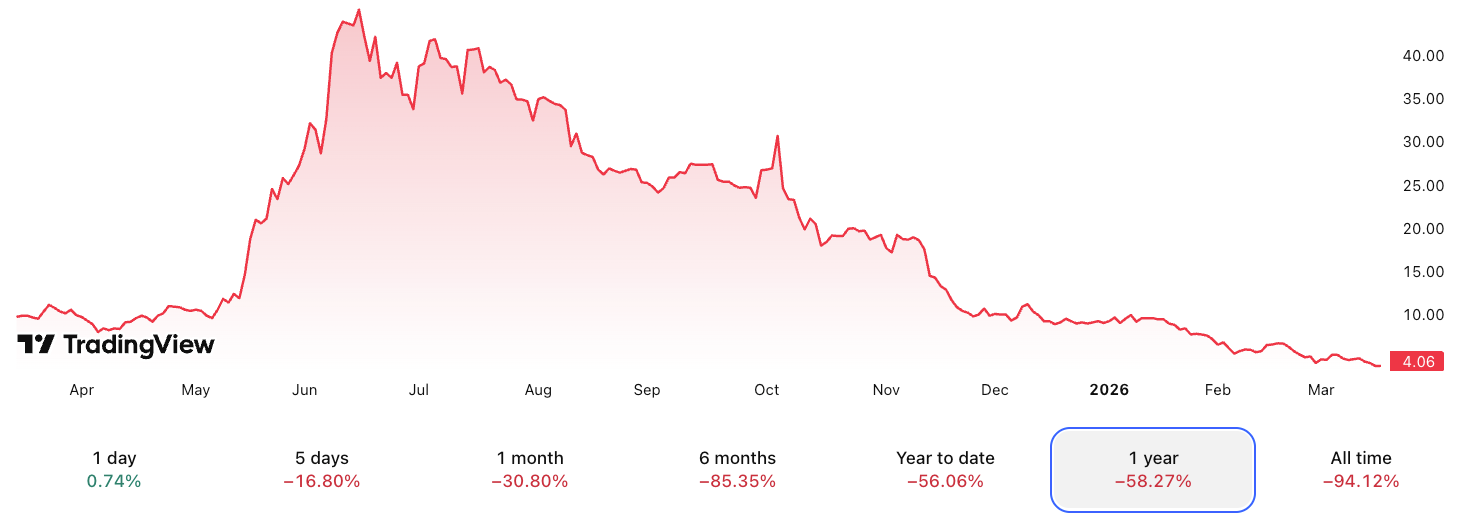
The company lowered its 2026 revenue outlook in its fourth-quarter 2025 and full-year financial results released on Monday. It reported a 56% year-to-date stock decline and staff layoffs. Bitcoin Depot is one of the largest kiosk operators in the US. Its earnings release says it had more than 8,400 kiosk locations as of year-end 2025.
Revenue outlook darkens for 2026
The company reported full-year 2025 revenue of $615 million, up 7% from 2024, though net income fell to $5.1 million from $7.8 million.
Q4 revenue dropped to $116 million from $136.8 million a year earlier, driven by newly enacted state regulations and enhanced compliance measures, the company said.
Bitcoin Depot also warned of a weaker revenue outlook for 2026, citing ongoing regulatory changes and compliance requirements that could reduce transaction volumes:
“The Company expects revenue for the core business in 2026 to be down in the range of 30% to 40%. This estimate reflects the uncertainty presented by the dynamic regulatory environment and enhanced compliance standards.”
In a separate March 11 filing, Bitcoin Depot disclosed that chief operating officer Elizabeth Simer had resigned. The company did not give a reason.
Bitcoin Depot faces actions in multiple states
Connecticut’s cease‑and‑desist order comes as Bitcoin Depot already faces enforcement actions in other states, including a Massachusetts Attorney General lawsuit in February, which alleged facilitation of crypto scams.
Bitcoin Depot was also sued in Iowa in February 2025, when Attorney General Brenna Bird accused the company and CoinFlip of failing to protect consumers from crypto ATM scams.
Related: Minnesota to weigh ban on crypto kiosks after scam reports
In January, Bitcoin Depot entered a $1.9 million consent agreement with the Bureau of Consumer Credit Protection in Maine to compensate consumers scammed via its Bitcoin kiosks and comply with state licensing rules.

Bitcoin Depot’s shares (BTM) have declined since mid-2025, losing 91% of their value since hitting $45.4 in June. The stock has tumbled 56% year-to-date, closing at $4.06 on Tuesday, according to TradingView.
Cointelegraph contacted Bitcoin Depot for comment regarding the regulatory actions, but had not received a response by publication.
Magazine: How crypto laws changed in 2025 — and how they’ll change in 2026
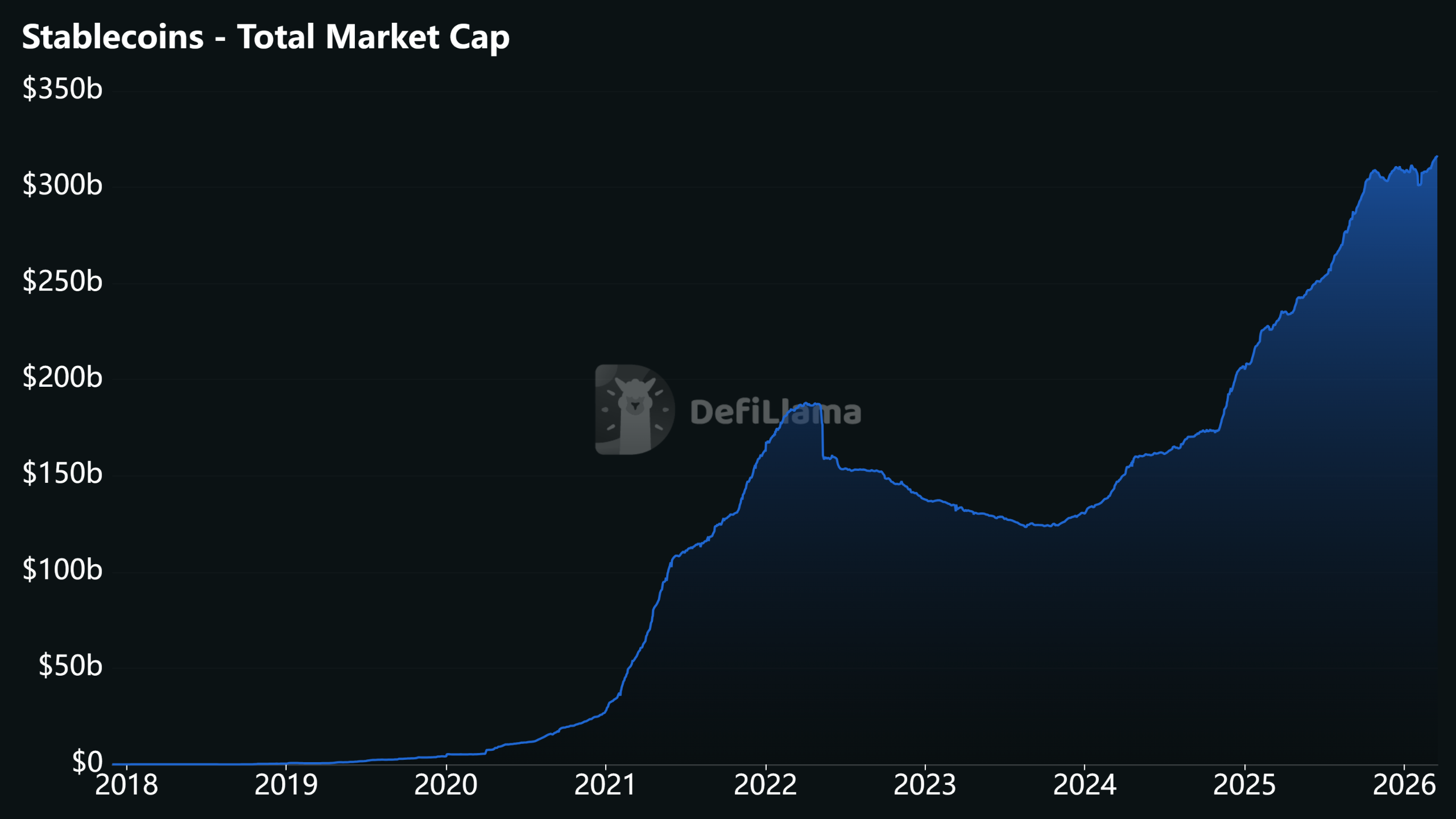
Hong Kong-based stablecoin payments company RedotPay said it has “consolidated” teams to improve efficiency as it scales, after a report claimed executive turnover and sensitivities tied to its mainland China connections.
On Wednesday, a Bloomberg report claimed RedotPay is facing leadership churn and sensitivities tied to China as it explores raising up to $150 million. Citing people familiar with the matter, the report said that at least five senior hires left the stablecoin company within a year, including two compliance chiefs, and described a demanding work culture with extended hours.
In February, Bloomberg reported that RedotPay is considering a US IPO that could raise over $1 billion and value the company at more than $4 billion. The Hong Kong-based firm was reported to be working with JPMorgan, Goldman Sachs and Jefferies on a potential New York listing that could take place as early as this year.
“As we transition from an early-stage startup to a unicorn, we are evolving our organizational structure and talent pool to support our ongoing growth trajectory,” RedotPay said in a statement to Cointelegraph without addressing Bloomberg’s claims. The company said that all co-founders, including CEO Michael Gao, the chief operating officer and the chief technology officer, continue to lead key functions.
RedotPay says no urgent need for fundraising
The company confirmed that it has not yet appointed a chief financial officer, noting that one of its co-founders currently oversees finance, alongside its investor relations and corporate development leadership. “We may appoint a CFO at a later stage as the need arises,” the company said, adding that it now employs more than 250 people globally, most of them based in Hong Kong.
Related: Theo closes $100M facility backing gold-linked yield stablecoin
RedotPay also said there is “no urgency” to secure new funding, citing strong operating cash flow and liquidity. The company added that it remains open to investors.
The stance comes after a year of heavy fundraising, with the company raising a total of $194 million across three rounds in 2025. It began with a $40 million Series A in March led by Lightspeed, followed by a $47 million strategic round in September that brought in Coinbase Ventures and helped push the company to unicorn status.

The momentum continued in December with a $107 million Series B led by Goodwater Capital, alongside investors including Pantera Capital, Blockchain Capital and Circle Ventures.
Founded in 2023, RedotPay offers an app paired with a Visa card that allows users to spend stablecoins in everyday transactions, alongside yield and remittance services.
Related: Standard Chartered sticks to $2T stablecoin call but trims T-bill impact
Big Questions: Is China hoarding gold so yuan becomes global reserve instead of USD?

Best 4K TVs 2026, tried and tested with expert advice

Average age of first time buyer climbs to 34

Executive turnover clouds crypto payments firm RedotPay’s $4 billion U.S. IPO ambitions


-
 Crypto World4 days ago
HYPE Token Enters Net Deflation as HyperCore Buybacks Outpace Staking Rewards
-

 Fashion5 days ago
Weekend Open Thread: Addict Lip Glow
-

 Tech3 days ago
Your Legally Registered ‘Motorcycle’ Might Not Count Under Proposed US Law
-
Sports4 days ago
Why Duke and Michigan Are Dead Even Entering Selection Sunday
-

 Sports7 days ago
PWHL, Senators discussing plan to keep Charge in Ottawa
-

 NewsBeat7 days ago
Residents reaction as Shildon murder probe enters second day
-

 Business3 days ago
Search for Savannah Guthrie’s Mother Enters Seventh Week with No Arrests
-

 Business4 days ago
US Airports Launch Donation Drives for Unpaid TSA Workers as Partial Government Shutdown Enters Fifth Week
-
 Tech20 hours ago
Are Split Spacebars the Next Big Gaming Keyboard Trend?
-
Crypto World4 days ago
Coinbase and Bybit in Investment Talks: Could Bybit Finally Enter the US Crypto Market?
-

 NewsBeat7 days ago
I Entered The Manosphere. Nothing Could Prepare Me For What I Found.
-

 Business4 days ago
Country star Brantley Gilbert enters growing non-alcoholic beer market
-

 Business2 days ago
Australian shares drop as Iran war enters third week
-

 Crypto World2 days ago
Crypto Lender BlockFills Enters Chapter 11 with Up to $500M in Liabilities
-

 Sports5 days ago
College Basketball Best Bets: Conference Tournament Semifinal Picks
-
 Crypto World6 days ago
Three Binance Charts May Be Hinting at Bitcoin’s Next Move
-

 Politics3 hours ago
The House | The new register to protect children from their abusers shows Parliament at its best
-
 Business6 days ago
Trump demands Powell cut rates as Iran conflict raises energy prices
-

 Crypto World6 days ago
Senate Votes to Include CBDC Ban in Bipartisan Housing Bill
-

 Fashion2 days ago
25 Celebrities with Curly Hair That Are Naturally Beautiful


You must be logged in to post a comment Login