

Crypto World
Polymarket Teams Up With Palantir and TWG AI to Monitor Sports Bets

The prediction market is deploying AI-powered surveillance tools as the industry faces mounting scrutiny over insider trading and market manipulation.
Prediction market Polymarket has partnered with Palantir Technologies and TWG AI to develop a surveillance system designed to detect manipulation and insider trading across its sports markets.
The new platform will be powered by the Vergence AI engine, a joint venture between Palantir and TWG AI created last year. It will monitor trading activity in real time, flag anomalous patterns, screen users against existing banned-bettor lists, and generate compliance reports that can be shared with regulators and sports leagues.
“Our partnership with Palantir and TWG AI allows us to apply world-class analytics and monitoring to sports markets while building tools that can help leagues and teams maintain confidence in the games themselves,” said Polymarket founder and CEO Shayne Coplan in a press release.
Palantir CEO Alex Karp called the collaboration a new standard for prediction markets, adding that the companies are working to ensure the platform can scale as the sector expands.
The partnership comes as interest in sports betting on prediction markets continues to rise.

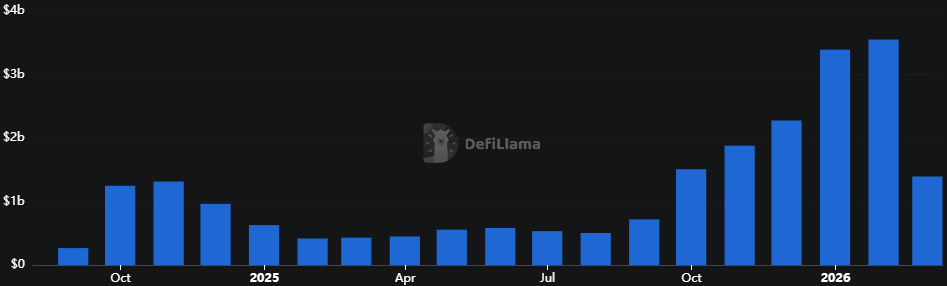
Meanwhile, Polymarket trading volumes hit an all-time high of $3.55 billion in February, marking a sixth straight month of growth, according to DeFiLlama.



The foundation behind Solana liquid staking protocol Jito acquired SolanaFloor just two weeks after the media outlet announced it was shutting down.
The Jito Foundation has acquired SolanaFloor, a media outlet focused on the Solana ecosystem.
SolanaFloor reported the acquisition and that it’s resuming operations today, March 10, just over two weeks after the media outlet announced it was shutting down, “effective immediately.”
Jito Foundation develops Jito, the second-largest liquid staking protocol on Solana, per DefiLlama data. Jito Liquid Staking boasts a total value locked of $1.1 billion.
Per the announcement, SolanaFloor will retain editorial independence after the acquisition, clarifying that its “mission and editorial processes will remain unchanged under Jito Foundation’s stewardship.”
On the foundation’s motivations for the deal, Brian Smith, president of Jito Foundation, reiterated the foundation’s commitment to SolanaFloor’s editorial independence, explaining:
“Jito has a long-term stake in the health of the Solana ecosystem, and that means investing in the infrastructure and public goods that keeps the community informed.”
Second Acquisition
SolanaFloor was originally launched in 2021 with a focus on NFT analytics. The company was acquired by now defunct Solana DeFi portfolio management app Step Finance in 2022. SolanaFloor pivoted to become a Solana-focused news media outlet soon after, as the peak NFT frenzy and interest in the sector continued to wane.
Step Finanace suffered a major exploit in late January that resulted in the loss of nearly $30 million in SOL. Soon after, it announced that the platform was shutting down operations, along with the two companies it had acquired, SolanaFloor and Remora Markets.
Solana currently has a TVL of over $8 billion, down from nearly $14.5 billion in September, per DefiLlama.
The acquisition marks an important moment for crypto media, which has seen multiple outlets shutter their newsrooms in recent months.
This article was generated with the assistance of AI workflows.


Circle has launched Nanopayments on testnet, offering developers a new infrastructure layer for ultra-small, gas-free USDC transactions.
The product is built on Circle Gateway and designed to serve the emerging agentic economy, where AI agents and autonomous software need to make rapid, sub-cent payments for services such as pay-per-call APIs, usage-based billing, and machine-to-machine marketplaces.
The core challenge Nanopayments aims to solve is an economic one. Traditional payment rails carry fixed fees and overhead that make sub-cent transactions impractical, while even low-cost blockchain transactions can impose fees that dwarf the payment itself.
Circle’s approach sidesteps this by aggregating transactions off-chain and settling them on-chain in batches, effectively reducing the per-transaction gas cost to zero for developers, with Circle absorbing the settlement costs at the batch layer.
The system follows the x402 open standard, allowing any agent to pay any merchant without creating an account or adding a credit card. When an agent initiates a payment, it signs an authorization that’s validated by the Nanopayments API, the merchant gets instant confirmation, and actual on-chain settlement happens periodically in the background.
In a blog post, Circle highlighted an early proof of concept in which an autonomous robot dog used Nanopayments to pay for its own recharging in USDC, a glimpse at what fully autonomous economic actors might look like.
The testnet supports multiple blockchains, including Arbitrum, Base, Ethereum, Optimism, Polygon, and Sonic.
The launch comes amid explosive growth in the stablecoin sector, whose market capitalization now exceeds $314 billion, up 37% from $228 billion a year ago, according to DeFiLlama.
Circle’s USDC is the second-largest stablecoin with nearly $79 billion in circulation, according to Coingecko.
The company has been steadily building out its platform beyond USDC issuance. In spring 2025, it launched the Circle Payments Network, a platform for real-time, low-cost cross-border payments using stablecoins. It later unveiled Gateway, a chain abstraction tool that lets USDC holders access a unified balance across supported blockchains, and introduced Arc, a Layer-1 blockchain purpose-built for USDC transactions.
Starknet is returning privacy to the center of blockchain development as new tools attempt to balance confidentiality with regulatory oversight.
Summary
- Starknet introduced STRK20, adding private balances and transfers to ERC-20 tokens.
- The system allows selective disclosure for regulators, auditors, or compliance checks.
- The technology could enable private DeFi activity for assets like Bitcoin, ETH, and stablecoins.
On March 10, Starknet announced STRK20, a new privacy capability designed to give ERC‑20 tokens confidential balances and private transfers while keeping the option for regulatory disclosure when required.
The feature allows developers to deploy tokens on Starknet (STRK) with built-in privacy controls. Users can shield assets, hold balances privately, and transfer tokens without revealing transaction details on public block explorers.
At the same time, records can still be disclosed to auditors, regulators, or accountants if legally necessary.
Private balances and transfers for tokens
Blockchains such as Bitcoin and Ethereum operate with full transparency, meaning wallet balances and transactions can usually be viewed by anyone. While this design improves auditability, it can also limit institutional participation and certain financial use cases.
STRK20 attempts to address that issue. The system introduces what Starknet calls transaction-layer privacy, where asset ownership can remain hidden while the execution of transactions still occurs on a public network.
Once deployed, users can shield tokens into a private state, transfer them confidentially, or return them to a public state when needed. These functions remain tied to the same asset and liquidity pools, which avoids splitting tokens into separate public and private versions.
The first integrations are already planned within the Starknet ecosystem. Privacy-enabled swaps are expected to be available on Ekubo Protocol, while private staking options are also being explored for assets including Bitcoin and the Starknet token.
Privacy with compliance controls
The project also focuses on regulatory compatibility, an area that has historically limited privacy tools in crypto.
Instead of fully anonymous systems, STRK20 allows selective disclosure. Transaction details can be revealed to approved parties such as regulators or auditors when required. This approach attempts to give institutions privacy in daily activity while maintaining an audit trail for compliance purposes.
Starknet has already been experimenting with privacy-focused Bitcoin use cases. Earlier this year, the network introduced strkBTC, which allows optional shielding for Bitcoin balances while still enabling participation in decentralized finance applications.
Interest in privacy tools is growing in the crypto world. Every year, trillions of dollars move on public blockchains, but anyone can see transaction details and wallet balances.
Privacy tokens could let people pay, trade, and lend without exposing their financial activity. Starknet says this could make blockchain easier to use while still maintaining compliance.
The total crypto market cap added roughly $100 billion in a day.
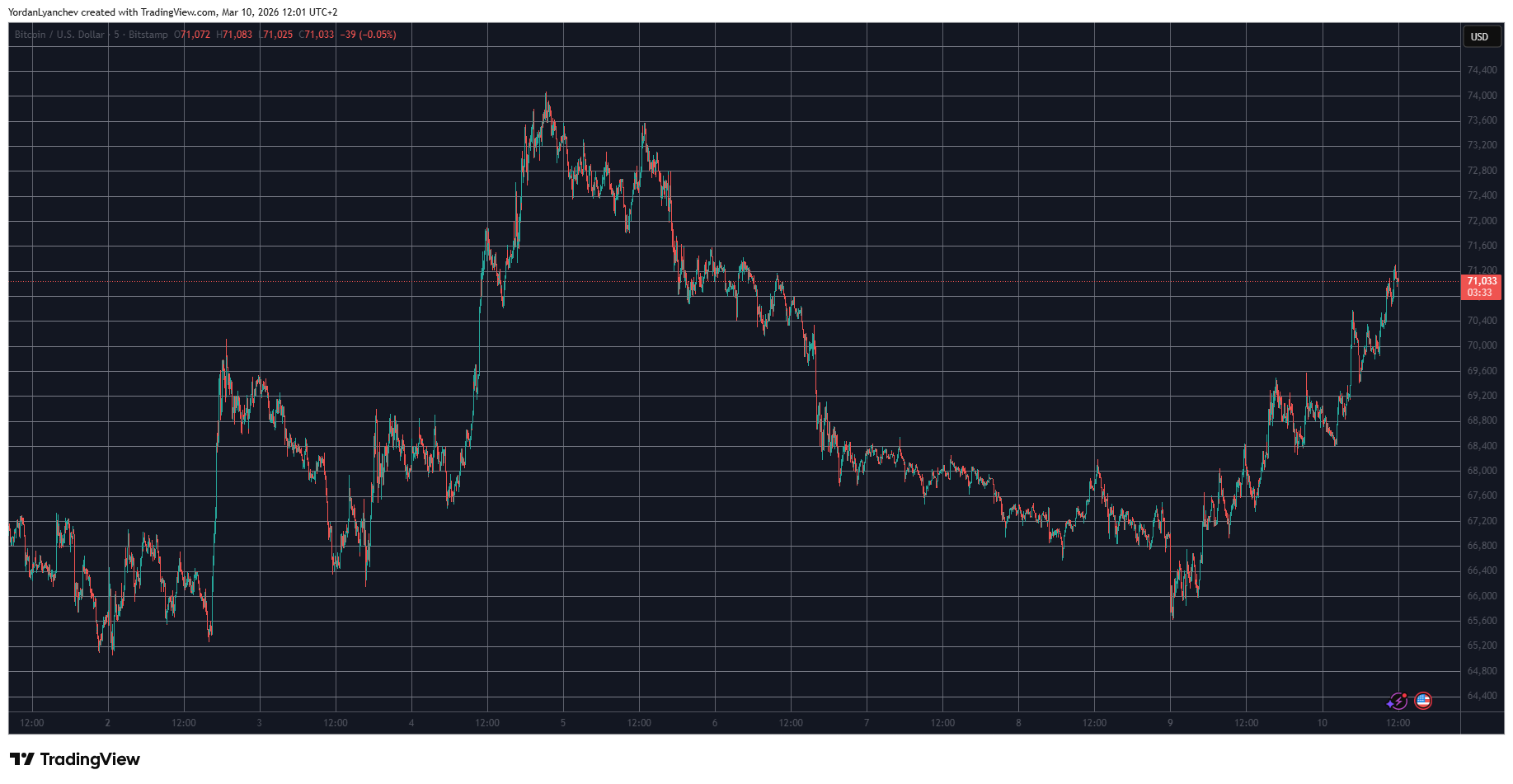
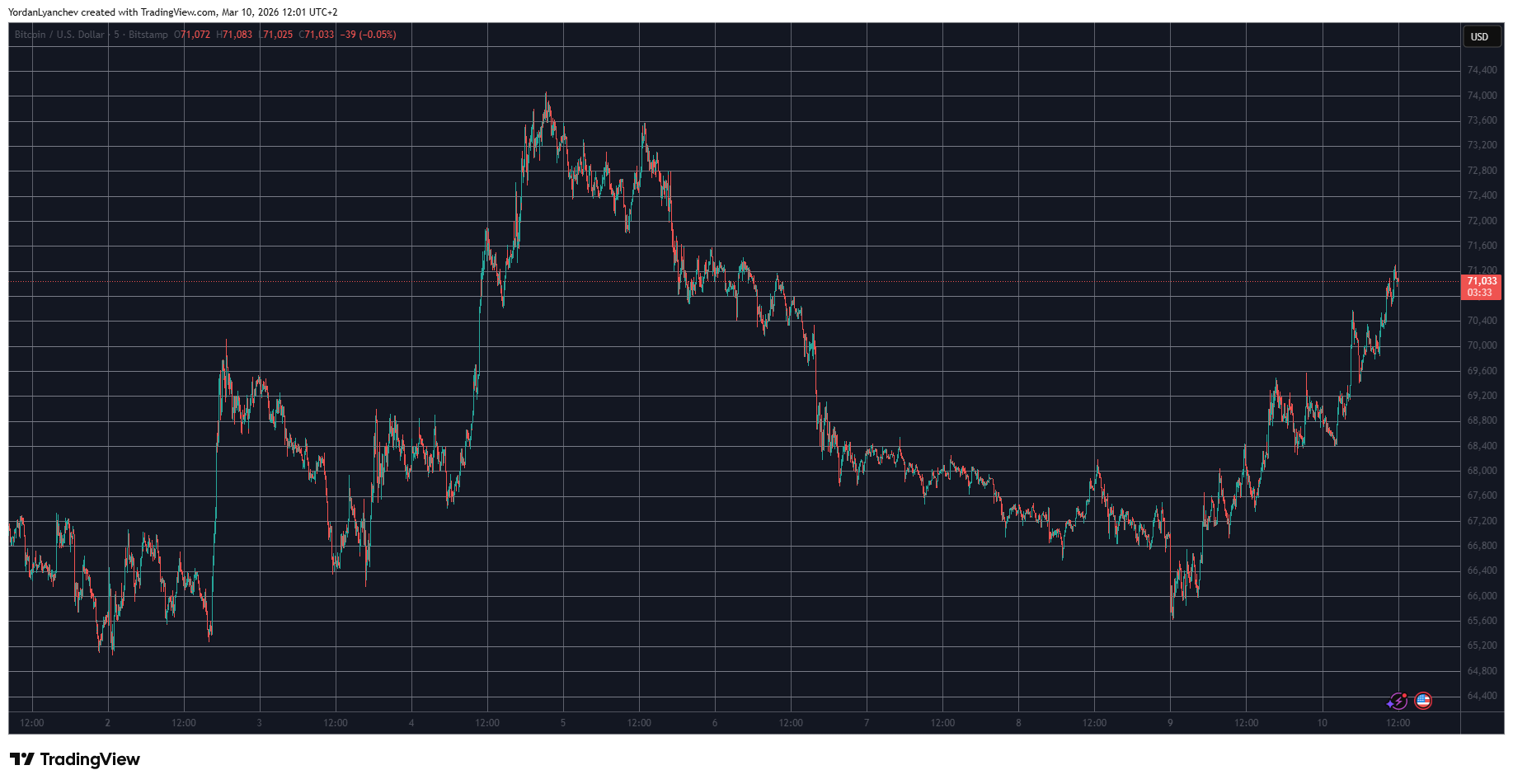
After dumping to $65,500 on Monday morning, bitcoin reversed its trajectory and jumped by over five grand to tap $71,000 for the first time since last Friday.
Ethereum has reclaimed the coveted $2,000 level, while BNB is close to $650. XRP is above $1.40 despite continuous ETF outflows.
BTC Jumps to $71K
What a wild ride it has been in crypto, prompted by the quickly developing and escalating tension in the Middle East. It began with a nosedive to $63,000 for BTC on February 28, when the US and Israel attacked Iran, before the bulls took control and pushed the asset to a month-high of $74,000 by Wednesday.
The subsequent rejection was almost inevitable given the current market sentiment, and BTC began to lose value gradually. After dropping to and below $68,000 by the weekend, the bears drove it further south to $65,500 on Monday morning when the legacy financial futures markets opened.
However, bitcoin rebounded almost immediately and returned to $68,000. It even challenged the $70,000 level in the evening after Trump’s somewhat surprising remarks that the war with Iran is almost over. Although it failed there at first, it reclaimed that psychological line today, jumping to just over $71,000 minutes ago.
Its market capitalization has climbed to $1.420 trillion on CG, while its dominance over the alts is above 57%.
ETH Above $2K, HYPE Soars
Ethereum continues with its gradual ascent, jumping to over $2,050 as of press time after a 3% daily increase. A similar pump from BNB has driven the token to almost $650, while XRP is above $1.40, although the Ripple ETFs saw another major withdrawal yesterday. DOGE has gained 5% daily and now sits at $0.095.
HYPE has surged the most from the top 100 alts, pumping by 11% to nearly $35. XLM, SUI, ZEC, SHIB, AVAX, AAVE, and NEAR follow suit.
The cumulative market cap of all crypto assets has added $100 billion in a day and is close to $2.5 trillion on CG now.

Binance Free $600 (CryptoPotato Exclusive): Use this link to register a new account and receive $600 exclusive welcome offer on Binance (full details).
LIMITED OFFER for CryptoPotato readers at Bybit: Use this link to register and open a $500 FREE position on any coin!
Disclaimer: Information found on CryptoPotato is those of writers quoted. It does not represent the opinions of CryptoPotato on whether to buy, sell, or hold any investments. You are advised to conduct your own research before making any investment decisions. Use provided information at your own risk. See Disclaimer for more information.
Hyperliquid (HYPE) token is suddenly on fire.
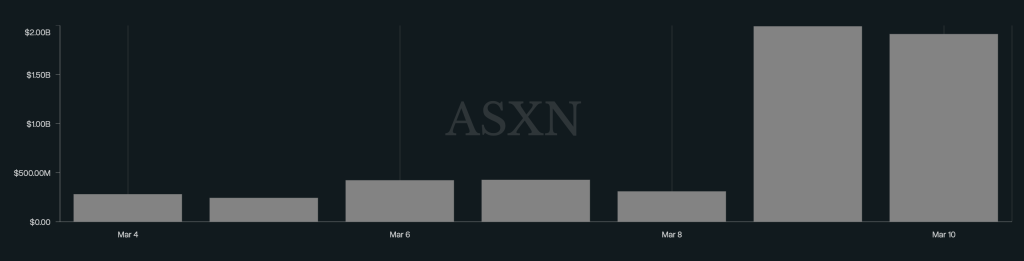
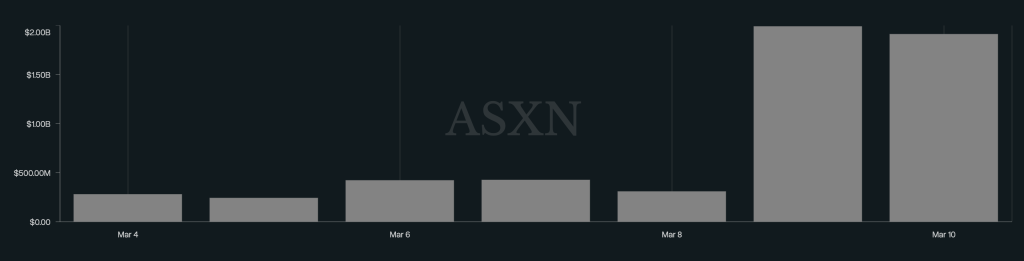
The token jumped to an intraday high near $35 as trading activity exploded on the platform. Volume on its oil perpetuals surged past $1.4 billion, driven by rising geopolitical tensions and wild moves in energy markets.
While most of the crypto market struggled, Hyperliquid actually benefited from the chaos. Traders piled into tokenized oil contracts, pushing daily volume close to $1.39 billion, second only to Bitcoin on the exchange.
At the same time, the platform rolled out a major upgrade to its margin system. The new portfolio margin feature is designed to make trading more capital efficient while reducing risk during extreme volatility.
Nansen analyst Nicolai Søndergaard said that dynamic scaling reduces systemic risk, making the platform safer for aggressive positioning on volatile assets.
The Levels That Change Everything for Hyperliquid (HYPE)
HYPE is still holding strong momentum. The token is up about 5% in the last 24 hours and roughly 120% over the past year. Even while much of the crypto market struggles, the chart continues printing higher lows, keeping the broader uptrend intact.
Right now, the level everyone is watching is $35.28. That recent intraday high is the key resistance. If HYPE manages to close above it on lower timeframes, the chart opens the door toward $38 and potentially the $40 psychological level.
On the downside, $32.50 is the main support. That area has acted as a launchpad during previous pullbacks. If it breaks, the next liquidity zone sits closer to $30. A deeper drop below $28.50 would be needed to truly damage the bullish structure.
Part of the strength comes from growing activity on the platform itself. Open interest has climbed to around $1.2 billion as traders increasingly use Hyperliquid to trade not just crypto, but also assets like oil during major global events.
As long as trading activity stays elevated, HYPE could keep moving independently from the broader crypto market. But if volume fades, the token may struggle to defend the $32.50 floor.
Discover: The best new crypto in the world
The post Hyperliquid Jumps Following Margin Upgrade and 533% Oil Trading Surge appeared first on Cryptonews.

TLDR:
- Altseason indicator shows BTC and ETH losing dominance over the broader market.
- Weekly RSI divergence signals fading momentum and market compression.
- Market structure mirrors pre-2021 altseason patterns, hinting at rotation.
- Selective altcoins with strong utility may lead the next crypto expansion.
The altseason indicator update shows early signs that the crypto market may rotate away from BTC and ETH dominance toward altcoins. Historical patterns suggest momentum is weakening, and price structure is compressing ahead of potential altcoin expansion.
Market Structure Suggests Altcoin Pressure
The altseason indicator tracks the dominance of total stablecoins, BTC, and ETH relative to the broader market. It identifies when capital shifts from major coins to altcoins.
Since January, the price has moved sideways within a tight consolidation range. This mirrors the market structure seen before the 2021 altseason, where BTC and ETH dominance first formed a clear distribution zone.
Recently, the price pushed into resistance levels, suggesting a potential bull trap. The weekly RSI shows divergence from the price, signaling a gradual weakening of buying momentum.
Momentum divergence indicates the market may be coiling for a structural move. Such compression phases can last weeks, yet historically they precede rapid rotations into altcoins.
The current setup reflects a pause between distribution and rotation. During this phase, price may appear stagnant, but capital quietly prepares for the next move.
Historical comparisons show that similar patterns led to the largest altcoin expansions of the last cycle. Dominance breakdowns often trigger rapid, aggressive capital flows into select tokens.
Market compression also makes timing uncertain. RSI and price may remain in a tight range for several weeks, yet the structural pressure continues to build.
A fading RSI often precedes volatility spikes in a classic pre-altseason environment, where leading altcoins outperform before widespread rotation.
Tokens with strong fundamentals and relative strength against BTC and ETH often separate from weaker assets early.
Strategic Focus for the Next Altseason
If BTC and ETH dominance break down, historical trends indicate capital may rapidly move into selected altcoins. The 2021 dominance collapses caused significant gains for top-performing tokens.
Not all altcoins are likely to participate equally. Market maturity ensures capital favors projects with real utility, robust tokenomics, and strong social ecosystems.
Traders should monitor relative strength metrics. Projects outperforming BTC and ETH often lead early in rotation phases. This selective approach maximizes gains while reducing exposure to weaker assets.
Price compression, momentum divergence, and structural similarities to past cycles suggest the market is near a decision point. Early movers may benefit significantly.
Patience is critical during this stage. Investors focusing on quality projects with strong fundamentals may profit when capital rotates rapidly into leading altcoins.

TLDR:
- Global market volatility erased over $2 trillion after the Middle East war risk spiked oil prices.
- WTI and Brent crude surged 25–31% as traders priced potential energy supply disruptions.
- Equities fell sharply as oil spikes raised inflation and economic slowdown concerns.
- G7 emergency oil supply signals reversed panic, restoring equity markets within hours.
Global market volatility surged as geopolitical tensions in the Middle East triggered sharp energy and equity moves. Policy signals from the G7 later reversed oil spikes, restoring trillions in value.
War fears spark sharp global market reactions
Global market volatility surged when U.S. index futures opened amid rising Middle East tensions. Traders reacted immediately to potential conflict risks affecting critical energy routes, rather than current economic conditions.
Futures markets operate nearly 24 hours, allowing investors to price these developments before regular trading. Anticipation of supply disruptions quickly drove equities lower.
The S&P 500 fell 2.3%, erasing roughly $1.33 trillion, while the Nasdaq Composite dropped 2.4%, losing $924 billion. The Dow Jones Industrial Average declined 2.3%, removing about $529 billion.
Energy markets surged in parallel. WTI crude rose 31%, Brent crude 25%, and natural gas 10% as investors assessed shipping closures, sanctions, and production risks.
These reactions reflected immediate pricing of potential global energy shortages. Leverage amplified these movements.
Many traders entered commodity positions with high leverage, magnifying both gains and losses. Market sentiment shifts, noting that futures had priced in a full geopolitical risk premium.
Markets moved based on expectations rather than fundamental economic changes, demonstrating how perception of risk drives trillion-dollar swings in modern trading.
Investors focused on potential inflation spikes if oil prices remained elevated. Higher energy costs could pressure central banks to maintain restrictive rates, reduce consumer spending, and tighten corporate margins.
This caused equities to sell off sharply, reflecting the direct link between energy prices and global market stability.
G7 coordination quickly reverses energy panic
Global market volatility reversed after the Group of Seven finance ministers signaled readiness to stabilize energy supply. Strategic petroleum reserves, especially in the U.S., were highlighted as a key tool to prevent prolonged shortages.
Markets immediately adjusted, pricing in the likelihood that governments could mitigate supply disruptions.
Oil prices fell roughly 32% from their highs, and natural gas dropped 13% as leveraged positions unwound. The rapid reversal reflected traders exiting panic positions once supply concerns were alleviated.
Equities responded positively. The S&P 500 gained 3.5%, adding about $2.03 trillion, the Nasdaq Composite rose 4.35%, regaining $1.67 trillion, and the Dow Jones Industrial Average increased 3.3%, recovering $759 billion.
Market observers noted that policy signals can shift expectations instantly. Algorithmic trading and leveraged futures amplified these movements.
The episode illustrated how perceptions of risk, energy supply stability, and potential inflation influence prices more than immediate economic fundamentals.
Traders reassessed supply availability and growth expectations, showing how tightly commodities, equities, and government signals interact in real-time trading.
Global market volatility, in this case, demonstrated that perception alone can drive massive, rapid swings.
Within hours, trillions of dollars were erased and restored, confirming how sensitive modern financial markets are to geopolitical developments and coordinated policy actions.
Ether’s price trajectory has remained tepid as institutional interest wavered and on-chain activity cooled, even as Ethereum developers push forward with upgrades designed to improve scalability and wallet security. Over the last month, the asset has struggled to sustain above $2,100, with a brief 7% uptick overshadowed by renewed selling pressure. Net outflows from spot ETFs reached roughly $225 million, underscoring dampened demand from traditional finance investors just as staking yields lag behind competing crypto yields. In parallel, on-chain metrics show a cooling in activity—base-layer fees averaged about $2.3 million weekly, down sharply from an early February peak near $8 million—while daily transaction counts hovered around 14 million.
Key takeaways
- Ether price faces resistance to clear sustained gains above the $2,100 level, despite a temporary 7% rise in one session and signs that traders are paring leverage rather than building bullish bets.
- ETF-related flows point to fragile institutional demand, with $225 million in net outflows versus prior inflows, as staking yields fail to outpace stablecoin alternatives.
- Derivatives activity shows a nuanced picture: perpetual futures have trended negative, suggesting appetite for downside protection, while the 30-day options delta skew remains near neutral, indicating a cautious stance from option buyers.
- On-chain fundamentals reveal a softer near-term environment: weekly base-layer fees around $2.3 million and a still sizeable but evolving TVL of roughly $56 billion.
- Ethereum roadmap progress—account abstraction and the Hegota upgrades—reflects continued innovation, including plans to pay gas in non-ETH tokens and to streamline finality, though these developments have not yet sparked a meaningful uplift in demand for Ether (CRYPTO: ETH).
Ether (ETH) has traded in a narrow range after retaking a push above $2,000 and then failing to hold gains, with a persistent risk-off mood weighing on risk assets. The broader market context remains fragile, as investors weigh the appeal of staking rewards against yields available from competing crypto products. The recent ETF flows offer an imperfect gauge of institutional appetite: while some weeks show inflows, overall the trend has tilted toward net withdrawals, pressuring Ether bids on spot markets.
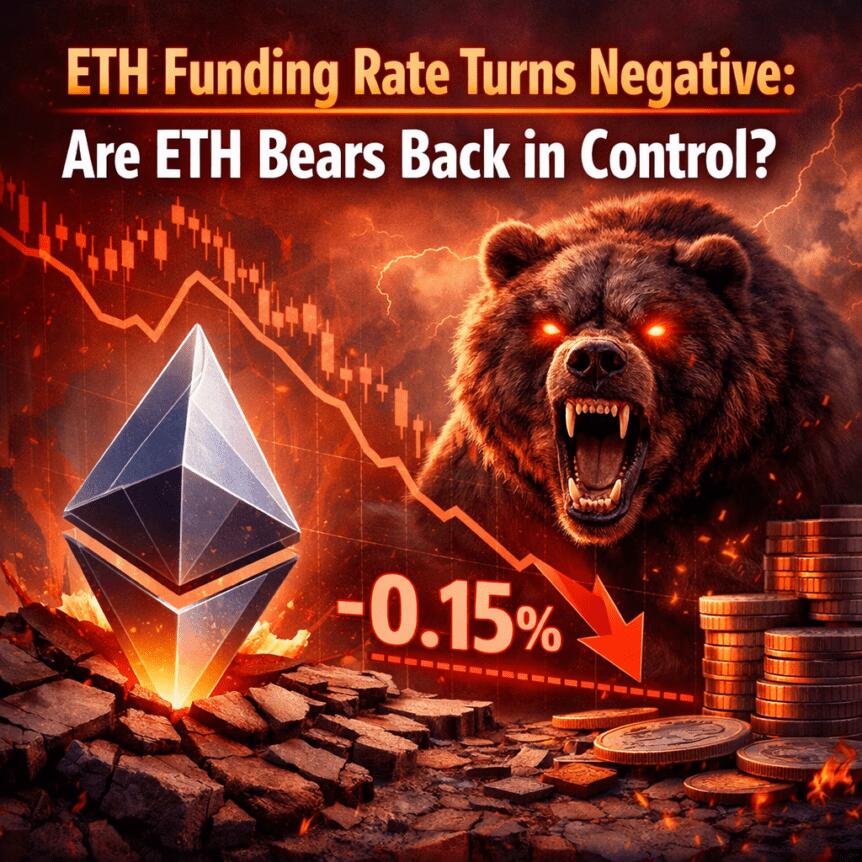
In the derivatives space, ETH perpetual futures dipped into negative territory on Tuesday, signaling a tilt toward bearish positioning. This metric has lingered below its neutral range of roughly 6%–12% annualized funding for the better part of a month, hinting at a lack of conviction for a sustained breakout. By contrast, the ETH options risk gauge held near the neutral zone (-6% to +6%), with puts trading at a modest premium to calls—an indication that some market participants are seeking downside protection even as broader sentiment remains unsettled. Ethereum’s total value locked (TVL) stands at about $56 billion, a figure that underscores the chain’s retained mainstream appeal even as demand ebbs and flows.
From an on-chain operations perspective, activity on the base layer has cooled. Average weekly fees settled around $2.3 million after spiking to around $8 million in early February, suggesting traders are paring activity or seeking efficiency through layer-2 solutions rather than increasing on-chain transactions in native Ether. Transaction counts over the past week hovered around 14 million, a sign that interest is not converging on a rapid upcycle at current price levels. Layer-2 rollups are central to the upgrade narrative, but the expected uplift in native Ether demand has yet to materialize in a meaningful way.
Another facet of the narrative is the evolving perception of Ethereum’s roadmap. Vitalik Buterin has indicated that account abstraction—a shift toward smart accounts that could improve user experience and security—will likely arrive within a year, after more than a decade of development. The associated Hegota fork, which introduces gas payments in non-ETH tokens via specialized DEXs, alongside a “general-purpose public mempool” and removals of certain privacy platforms’ public broadcasters, could alter how users pay for transactions and how data is organized on-chain. These changes, if implemented smoothly, may gradually reduce bottlenecks and enhance privacy, but they have not yet translated into a decisive pickup in Ether demand.
Market participants also weigh the health of the Ethereum treasury and governance-related developments. Sharplink (SBET US), the treasury vehicle linked to Ethereum insiders and chaired by a figure closely tied to the ecosystem, reported a net loss of $735 million in 2025. The setback underscores the risk profile of on-chain treasuries and the potential liquidity challenges that can accompany large-scale treasury management operations in a bear market environment. While this is not a direct price driver, it does color investors’ confidence in Ethereum’s ecosystem funding and long-term sustainability.
Beyond upgrades and funding dynamics, the slow pace of native-chain scalability improvements has tempered enthusiasm for Ether. The market has been watching for concrete progress on account abstraction and related scalability shims, while also keeping an eye on gas economics within cross-chain constructs. In this environment, Ether’s momentum has remained constrained, with the broader crypto market wrestling with risk sentiment and macro considerations that influence ETF inflows, staking yields, and liquidity conditions across the sector.
The confluence of tepid price action, cautious ETF flows, and evolving protocol upgrades suggests Ether is navigating a transitional period: the anticipation of structural improvements is real, but immediate demand catalysts have not yet arrived. The absence of a strong directional breakout—despite some positive signals around network upgrades and security improvements—points to a market that is waiting for clearer catalysts or a shift in macro liquidity to re-energize bids for Ether.
Why it matters
For investors, the current environment highlights the importance of differentiating between short-term price momentum and long-run network value. Ethereum remains the dominant platform for smart contracts and decentralized applications, with TVL and developer activity continuing to anchor the ecosystem—even as near-term demand indicators show fragility. The ongoing upgrades, particularly around account abstraction and gas-payment innovations, could, if fully realized, lower friction for users and merchants and help rebuild confidence in Ethereum’s on-chain utility.
From a builder’s perspective, the roadmap emphasizes security, efficiency, and privacy enhancements that could unlock new use cases and improve end-user experience. The Hegota upgrade, with its approach to gas payments and mempool management, signals a willingness to rethink fundamental economics and data flows on the network. If governance and implementation proceed smoothly, developers could accelerate rollouts of scalable dApps, which in turn may attract new capital and spur renewed demand for Ether.
For the market as a whole, Ethereum’s trajectory continues to influence how investors evaluate layer-1 chains and the broader risk appetite in crypto markets. ETF dynamics, staking options, and on-chain metrics will remain intertwined with macro cycles, regulatory developments, and the pace at which scalability improvements translate into tangible user adoption. In this environment, ETH’s performance will depend on a mix of technical progress, product-market fit for layer-2 solutions, and the capacity of institutional participants to translate macro liquidity into constructive demand rather than speculative positions alone.
What to watch next
- Follow updates on the US ETF staking pathway and any subsequent inflows or outflows in the coming quarters to gauge institutional appetite for Ether exposure.
- Monitor progress on account abstraction finality and the timeline for the Hegota fork, including any security or privacy-related milestones.
- Track layer-2 adoption metrics, including transaction throughput and fee dynamics, to assess whether these solutions effectively translate into higher on-chain activity for Ether.
- Observe changes in staking reward economics relative to competing yield sources, and any shifts in stablecoin yields that influence capital allocation within crypto treasuries.
- Watch governance and treasury developments surrounding Sharplink and other ecosystem vehicles for potential spillovers into market sentiment and long-term funding models.
Sources & verification
- Laevitas.ch data on ETH perpetual futures funding rates and the associated market dynamics referenced in the discussion of negative territory.
- Laevitas.ch ETH 30-day options delta skew data used to illustrate risk sentiment and option market positioning.
- Stablecoin yield comparisons, particularly Sky Lending (formerly MakerDAO), with yields around 3.75% versus staking at roughly 2.8%.
- Reported 2025 net loss of Sharplink (SBET US) at $735 million, as noted in the article’s references to ecosystem treasury performance.
Ethereum market reaction and key details
Ether (CRYPTO: ETH) has faced a challenging backdrop in recent weeks as ETF outflows and a cautious risk appetite converge with ongoing protocol evolution. The ongoing debate over how best to price and pay gas — including considerations around non-ETH payment options and the potential for a public mempool—frames investors’ expectations for near-term catalysts. While the fundamentals point to a robust long-term role for Ethereum in decentralized finance and smart contracts, the near-term price action suggests traders are prioritizing risk management over aggressive exposure. For now, the market is awaiting clearer signals from upgrades, regulatory movements, and institutional flows before committing to a sustained bid higher than the current range around the $2,000s to $2,200s band.
Market participants should continue to monitor the evolving relationship between staking economics and competing yields, as well as the degree to which Layer-2 ecosystems translate on-chain activity into meaningful Ether demand. In addition, the health of the Ethereum treasury and governance actions surrounding major ecosystem initiatives will be important for assessing long-term resilience and strategic direction. The next steps for Ethereum hinge on delivering scalable, secure, and user-friendly improvements that can convert optimism about upgrades into tangible use cases and capital inflows.
This article was originally published as ETH funding rate turns negative: Are ETH bears back in control? on Crypto Breaking News – your trusted source for crypto news, Bitcoin news, and blockchain updates.
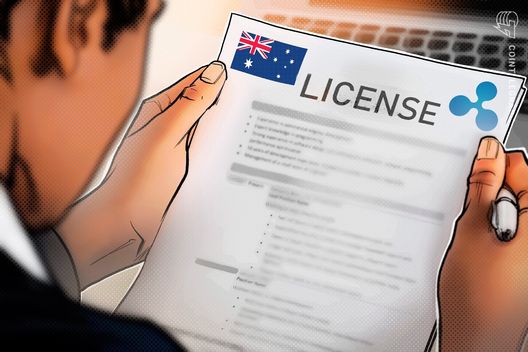

Crypto company Ripple said it is set to secure a key financial services license in Australia through the acquisition of an Australian payments firm, adding to an international license grab over the last year.
In a statement on Tuesday, Ripple said it will buy BC Payments Australia, a corporate entity tied to the European Banking Circle Group, allowing it access to the company’s Australian Financial Services License (AFSL), which is set to become a requirement for certain crypto companies to provide financial services in the country.
The acquisition of BC Payments Australia is set to close on April 1, according to a report from The Australian, citing comments from Ripple APAC managing director Fiona Murray.
Murray said there was “enough institutional interest in digital assets to warrant the investment for us.”
“Getting licensed was always part of our plan.”
Exciting milestone for @Ripple in Australia! 🇦🇺
Ripple is obtaining an Australian Financial Services License (AFSL). As we continue to bridge TradFi with the next gen of digital infrastructure, regulatory compliance remains the foundation of everything we build:… pic.twitter.com/JNF1iQSyG7
— Ripple (@Ripple) March 10, 2026
In Ripple’s statement, Murray said “Australia is a key market for Ripple” and that an AFSL would strengthen the company’s ability to scale its payments business throughout the country.
“With the AFSL in place, Ripple Payments can manage the full lifecycle of a transaction, from onboarding and compliance through funding, FX, liquidity management, and final payout, while integrating both traditional banking rails and digital assets.”
Ripple has been working to expand its collection of international licenses over the last year.
In addition to recently securing conditional approval for a national trust banking charter in the US, Ripple has also won payment licenses in Singapore, the UAE and the UK over the last 12 months.
The firm has also been working to expand use cases for XRP (XRP) and its Ripple USD (RLUSD) stablecoin through key acquisitions in recent months, most notably non-bank prime broker Hidden Road and corporate treasury platform GTreasury.
The acquisition of Hidden Road — now Ripple Prime — made Ripple the first crypto-native company to own and run a multi-asset prime broker, covering everything from clearing, financing and brokerage across digital assets, derivatives, swaps, foreign exchange, and fixed-income products for institutional clients.
Ripple’s plans for Australia come as lawmakers introduced the Digital Asset Framework bill last year, which passed through the lower house in February and is now before the Senate.
The Australian Securities & Investments Commission (ASIC), the country’s top markets regulator, has also proposed rules for the crypto sector.
ASIC has also been pushing for crypto trading platforms to secure AFSLs, stating in October that it wouldn’t take any action over licensing matters until at least June 30, 2026.
Crypto exchange Coinbase is also looking to secure an AFSL in the coming months.
Murray hopeful Australia will end crypto debanking
Murray told The Australian that she hopes the move to AFSLs will end the widespread crypto debanking issue in Australia, which has seen many banks impose blocks or restrictions on customers attempting to deposit funds to crypto exchanges.
Related: Gemini announces exit from UK, EU, Australia, slashes workforce
Australia’s “Big Four” banks — Commonwealth Bank, Australia and New Zealand Banking, National Australia Bank and Westpac — have all applied varying forms of crypto exchange restrictions.
In an interview with Cointelegraph at the XRP Australia conference on Feb. 27, OKX Australia CEO Kate Cooper said the banking barriers continue to affect adoption in the country.
“It’s absolutely still a challenge in the industry,” Cooper said. “I don’t think there’s been any improvements. And we’re working hard with governments to encourage them to set some standards around it.”
Magazine: Clarity Act risks repeat of Europe’s mistakes, crypto lawyer warns
Crypto World
Thailand Freezes 10,000 Crypto Mule Accounts as New ‘Speed Bump’ Rule Targets Money Laundering


Thai digital asset operators froze 47,692 mule accounts in 2025 alone.
Thailand’s digital asset industry has stepped up its efforts to tackle money laundering linked to mule accounts.
Crypto exchanges in the Southeast Asian country have frozen more than 10,000 suspicious accounts under a newly enforced measure known as the “Speed Bump,” according to the Thai Digital Asset Operators Trade Association (TDO).
Major Anti-Money Laundering Push
While speaking to the Bangkok Post, Att Thongyai Asavanund, chief executive of KuCoin Thailand and chairman of the TDO, said mule accounts remain one of the most significant vulnerabilities within the crypto ecosystem.
Criminal groups typically move illicit funds through a network of multiple bank accounts before combining the money into a single account that is used to transfer funds to a crypto platform. Once the funds arrive on the platform, they are quickly converted into digital assets and transferred overseas.
Although blockchain technology enables operators to track wallet addresses and observe transaction flows across the network, Asavanund acknowledged that a major limitation remains the difficulty of identifying the real person controlling a wallet. He explained that while operators can see a wallet address and its activity on the blockchain, determining the true beneficial owner behind that address is often extremely challenging.
To address the problem and slow the movement of suspicious funds, the TDO has introduced the Speed Bump mechanism, which imposes a 24-hour transaction lock on transfers of 50,000 baht or more. During this holding period, users are required to complete additional know-your-customer checks, including video verification, before the funds can be released.
According to Asavanund, the delay is designed to disrupt the speed that criminal networks rely on to move money through the system before it can be detected. The association said the enhanced screening process has already led to the suspension of thousands to tens of thousands of accounts suspected of operating as mule accounts.
However, crypto operators are facing rising compliance costs and operational pressures as they manage frozen accounts and investigate suspicious transactions. Criminal groups have also attempted to bypass these controls by recruiting new individuals to open replacement accounts once previously used accounts are blacklisted.
In addition to the Speed Bump measure, the TDO is coordinating with authorities to strengthen broader safeguards within the financial system. These efforts include linking suspect databases with the Bank of Thailand’s payment system and law enforcement agencies to help screen individuals classified as high risk under different risk categories.
Other Industry Measures
Last August, Thailand launched a program called TouristDigiPay, allowing foreign visitors to convert cryptocurrency into Thai baht for payments during their stay. Under the scheme, tourists must open an account with a regulated digital asset business and e-money provider and complete strict identity checks.
In June, the government approved a five-year tax exemption on cryptocurrency profits for domestic traders to encourage more funds to remain within the country. The decision followed a sharp decline in foreign inflows after authorities introduced stricter taxation on foreign income brought into Thailand the previous year. Meanwhile, the Thai Revenue Department said it is preparing to implement the Crypto-Asset Reporting Framework (CARF), which supports global sharing of digital asset account data.
Binance Free $600 (CryptoPotato Exclusive): Use this link to register a new account and receive $600 exclusive welcome offer on Binance (full details).
LIMITED OFFER for CryptoPotato readers at Bybit: Use this link to register and open a $500 FREE position on any coin!

Dad delivers baby girl after ‘panicked’ midwife flees room during high-risk labour

'Investing in people': Can China's new push to boost spending revive the economy?

Jito Foundation Acquires Solana News Outlet SolanaFloor


-
Business4 days ago
Form 8K Entergy Mississippi LLC For: 6 March
-

 News Videos2 days ago
10th Algebra | Financial Planning | Question Bank Solution | Board Exam 2026
-

 Fashion4 days ago
Weekend Open Thread: Ann Taylor
-

 Tech6 days ago
Bitwarden adds support for passkey login on Windows 11
-

 Crypto World1 day ago
Paradigm, a16z, Winklevoss Capital, Balaji Srinivasan among investors in ZODL
-
 Sports5 days ago
499 runs and 34 sixes later, India beat England to enter T20 World Cup final | Cricket News
-

 Sports3 days ago
Three share 2-shot lead entering final round in Hong Kong
-

 Sports3 days ago
Braveheart Lakshya downs Lai in epic battle to enter All England Open final | Other Sports News
-

 Politics5 days ago
Top Mamdani aide takes progressive project to the UK
-

 Business10 hours ago
ExxonMobil seeks to move corporate registration from New Jersey to Texas
-

 NewsBeat5 days ago
Piccadilly Circus just unveiled ‘London’s newest tourist attraction’ and it only costs 80p to enter
-

 Entertainment4 days ago
Hailey Bieber Poses For Sexy Selfies In New Luscious Lip Thirst Traps
-

 Business2 days ago
Search for Nancy Guthrie Enters 37th Day as FBI Probes Wi-Fi Jammer Theory
-
 NewsBeat1 day ago
Pagazzi Lighting enters administration as 70 jobs lost and 11 stores close across Scotland
-

 Tech1 day ago
Despite challenges, Ireland sixth in EU for board gender diversity
-
Entertainment6 days ago
Harry Styles Has ‘Struggled’ to Discuss Liam Payne’s Death
-

 Crypto World6 days ago
New Crypto Mutuum Finance (MUTM) Reports V1 Protocol Progress as Roadmap Enters Phase 3
-

 Tech6 days ago
ACIP To Discuss COVID ‘Vaccine Injuries’ Next Month, Despite That Not Being In Its Purview
-

 Business1 day ago
Search Enters 39th Day with FBI Tip Line Developments and No Major Breakthroughs
-
 NewsBeat6 days ago
Good Morning Britain fans delighted as Welsh presenter returns to host ITV show