

Crypto World
Progmat Taps Avalanche for $2B Token Migration as Japan Pushes Toward Global On-Chain Finance


TLDR:
- Progmat is migrating 439.6 billion yen in tokenized assets from Corda5 to Avalanche, targeting full completion by June 2026.
- All Security Token projects on Progmat’s platform will become EVM-compatible, enabling integration with Ethereum-based DeFi ecosystems.
- Project Keystone uses LCP technology to enable DvP settlement between Security Tokens and stablecoins across different blockchains.
- Avalanche’s sub-second finality and customizable validator controls meet Japan’s strict financial regulatory and settlement infrastructure requirements.
Progmat, a Japan-based fintech company backed by major megabank groups, is migrating over $2 billion in tokenized assets to the Avalanche blockchain.
The company announced the move on February 26, 2026, as part of a broader infrastructure renewal. The migration covers all Security Token projects currently on its platform, totaling assets worth more than 439.6 billion yen. This shift marks one of the largest tokenized asset migrations in Asia’s financial history.
Tokenized Asset Migration Moves From Corda5 to Avalanche
Progmat’s Security Token platform, “Progmat ST,” has operated on Corda5 since its SaaS migration in October 2024.
Now, the company is replacing Corda5 with Avalanche as the underlying distributed ledger. All existing ST projects will transition to an EVM-compatible, gradually permissionless environment on the new chain.
The migration began in fall 2025 and is expected to reach full completion by June 2026. New ST projects have already started including Avalanche transition disclosures in their securities reports.
Trust banks, securities companies, and relevant authorities have been briefed and are cooperating with the process.
Progmat structured the migration to minimize disruption for financial operators and investors already using the platform.
The SaaS layers for ST issuers and administrators remain largely unchanged. Only the chain layer is being replaced, keeping the operational impact on existing participants as low as possible.
Avalanche Selected for Financial-Grade Performance and Flexibility
Avalanche’s technical architecture made it a strong fit for Japan’s regulated financial market. Its L1 framework allows operators to control who can transact, who can develop on the chain, and who can run validator nodes. These controls can be tightened or relaxed over time without stopping the chain.
The platform’s consensus algorithm delivers finality in under one second. This speed is critical for financial settlement, where delays create counterparty risk.
Avalanche also supports native cross-chain communication through its InterChain Messaging protocol, enabling fast and low-cost transfers between L1 chains.
EVM compatibility adds another layer of value. Developers can use existing Ethereum tools and libraries when building on Progmat’s Avalanche infrastructure.
This opens the door to integration with a wide range of DeFi services and smart contract ecosystems, expanding the market reach for tokenized assets held on the platform.
Cross-Chain Infrastructure Enables Global Settlement Capabilities
Beyond the migration, Progmat is commercializing cross-chain settlement services under a project named “Project Keystone.”
At its core is LCP, a light client proxy running on Trusted Execution Environments, developed in collaboration with Datachain.
This technology enables DvP settlement between Security Tokens and stablecoins, and PvP settlement between stablecoins from different jurisdictions.
The need for cross-chain services stems from a fragmented global market. Japan, the United States, Europe, and South Korea are each developing their own currency-denominated stablecoins on separate ledgers.
Without interoperability, cross-border transactions between these platforms remain blocked. Progmat’s infrastructure aims to bridge these gaps for institutional participants.
The IBC/LCP protocol was chosen as a core component because it operates without locking operators into a single vendor.
As an open standard, it allows multiple solution providers to participate, which protects the sovereignty concerns of regulated financial institutions.
Combined with Avalanche’s native communication tools, the framework positions Progmat’s platform as a bridge between Japan’s domestic ST market and global on-chain finance infrastructure.



Bitcoin miner MARA Holdings has entered a strategic partnership with Barry Sternlicht’s Starwood Capital Group to convert its existing mining sites into data center infrastructure for artificial intelligence and cloud computing.
MARA shares jumped approximately 17% in after-hours trading following the February 26 announcement.
Joint Venture Targets 2.5 GW Capacity
The two companies will jointly develop, finance, and operate data center projects across MARA’s existing portfolio. Starwood Digital Ventures, the firm’s data center platform, will handle design, construction, tenant sourcing, and operations. MARA will contribute sites with access to low-cost energy.
The joint platform targets approximately 1 gigawatt of near-term IT capacity, with a pathway to more than 2.5 gigawatts. The facilities will be designed to switch workloads between Bitcoin mining and AI compute depending on market conditions and customer demand. MARA will have the option to retain up to 50% ownership in the joint venture, with both companies sharing development costs and profits. Financial terms were not disclosed.
“Our partnership with Starwood will allow us to turn power certainty into capacity certainty,” said MARA CEO Fred Thiel, adding that the joint venture offers a more capital-efficient approach to infrastructure buildout.
Starwood Capital manages more than $125 billion in assets. Starwood Digital Ventures operates a 94-person team with data center expertise across more than 10 GW.
Miners Pivot Toward AI Infrastructure
The announcement coincided with MARA’s fourth-quarter earnings, which revealed a $1.7 billion net loss driven largely by unrealized writedowns on its Bitcoin holdings. Quarterly revenue came in at $202 million, down 6% from the same period a year earlier. The company trails only Michael Saylor’s Strategy Inc. in corporate Bitcoin holdings.
MARA’s move fits a pattern across the mining sector. Companies that once focused solely on Bitcoin production are repurposing their energy assets and physical infrastructure for AI workloads, attracted by shorter lead times compared to building new facilities from scratch.
Several miners that embraced this transition early, including IREN, TeraWulf, and Cipher Mining, have seen their market capitalizations outpace MARA’s despite producing less Bitcoin mining hash power. Meanwhile, Starboard Value has taken a significant stake in Riot Platforms, pressuring the Texas-based miner to accelerate its own data center conversion efforts.
JLL and Paul Weiss served as MARA’s strategic and legal advisors.
Bloomberg reported earlier this month that 10% of Block’s workforce could be cut during annual performance reviews as part of a broader overhaul.
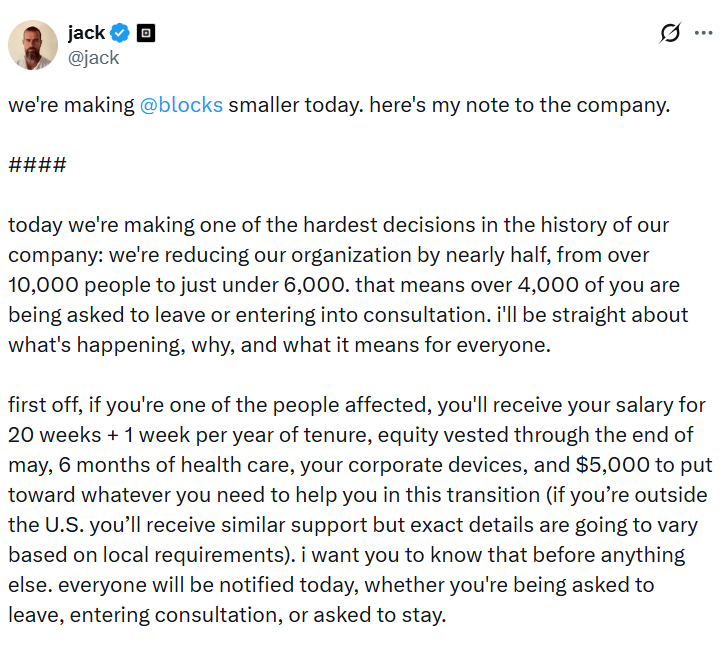
Jack Dorsey’s payments company Block will cut over 4,000 of its staff, with its co-founder pinning the move on the rapid acceleration of AI.
“We’re already seeing that the intelligence tools we’re creating and using, paired with smaller and flatter teams, are enabling a new way of working which fundamentally changes what it means to build and run a company, and that’s accelerating rapidly,” wrote Dorsey in a letter to the company, which he shared on X.
“I had two options: cut gradually over months or years as this shift plays out, or be honest about where we are and act on it now. I chose the latter. Repeated rounds of cuts are destructive to morale, to focus, and to the trust that customers and shareholders place in our ability to lead,” he added.
Affected staff will still receive their salary for 20 weeks, plus one week per year of tenure, six months of health care, their corporate devices, and $5,000 to help them transition to a new role, said Dorsey.

Bloomberg reported earlier this month that 10% of Block’s workforce could be eliminated during annual performance reviews, as part of a wider restructuring effort.
Magazine: Bitcoin’s ‘biggest bull catalyst’ would be Saylor’s liquidation — Santiment founder
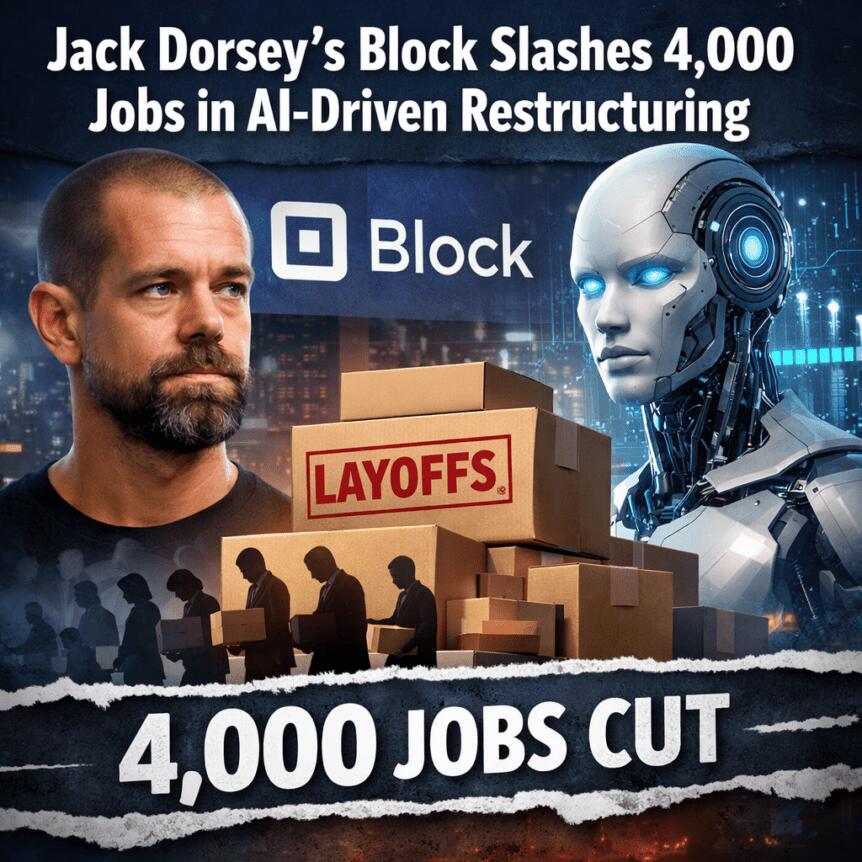
Block, the payments company co-founded by Jack Dorsey, is pursuing a sweeping workforce reduction, targeting more than 4,000 roles as part of a broader AI-driven overhaul. The move comes after Bloomberg reported earlier this month that roughly 10% of Block’s staff could be cut during annual performance reviews as part of the restructuring. In a letter to employees posted on X, Dorsey described a shift toward AI-enabled tooling and flatter, smaller teams that he said is accelerating the way the company builds and runs its operations. He argued that letting the process drag on would undermine morale and trust among customers and shareholders. The severance plan outlined by Dorsey includes 20 weeks of salary, plus one additional week per year of tenure, six months of health coverage, the return of corporate devices, and a $5,000 transition stipend. Cointelegraph notes that Bloomberg’s figure framed the scope of the broader restructuring.
Key takeaways
- Block plans to cut more than 4,000 employees as part of an AI-driven restructuring, signaling a rapid shift in how the company organizes operations.
- Bloomberg previously reported that roughly 10% of Block’s workforce could be eliminated during annual performance reviews, reflecting a broader overhaul.
- Dorsey described a move toward AI-enabled tooling and flatter teams as a fundamental change in how Block builds and runs its business, stating that the shift is accelerating.
- The company outlined a severance package including 20 weeks of salary, plus one week per year of tenure, six months of health care, device return, and a $5,000 transition stipend to help staff transition to new roles.
- The restructuring aligns Block with a wider trend among tech and fintech firms leveraging AI to drive efficiency, even as it raises questions about morale and trust among customers and employees.
Market context: The move arrives as fintech and tech firms increasingly pursue AI-driven efficiencies. While the decision signals a willingness to adjust headcount to fit an AI-centric operating model, it also tests morale and trust within the workforce and among customers during a period of heightened scrutiny of automation strategies in the sector.
Why it matters
The decision to prune a sizable portion of Block’s workforce highlights a broader industry shift toward leaner organizational structures that lean on automation and data-driven decision-making. For Block, the aim appears to be speeding up product development and execution by compressing management layers and empowering smaller, cross-functional teams to move more quickly. This approach—emphasizing AI-assisted workflows—could recalibrate how the company allocates resources, prioritizes projects, and measures performance in a rapidly evolving payments landscape.
From an investor and customer perspective, the move introduces a mix of risk and potential upside. On one hand, a large-scale reduction can strain morale in the near term and raise questions about continuity of service and product roadmap execution. On the other hand, if AI-enabled tooling delivers faster iteration cycles and improved efficiency, Block could emerge with lower operating costs and a more agile development cadence. The balance between disruption and long-term gains will likely hinge on how transparently the company communicates with employees, how effectively severance and transition programs are implemented, and how quickly teams can deliver on AI-enabled capabilities without compromising reliability.
The timing of the cuts—coming as AI continues to reshape how consumer and business fintechs build products—also places Block within a broader conversation about automation in corporate America. Analysts and market observers are watching to see whether other large technology and payments players follow suit, mirroring a trend where automation and flatter organizational models are pitched as remedies for cost pressures and productivity gaps. In this context, Block’s restructuring serves as a real-world data point for how a high-profile fintech conglomerate attempts to balance growth objectives with the strategic need to recalibrate staffing in an AI-first era.
Crucially, the announced severance package—20 weeks of salary, an extra week per year of tenure, six months of health coverage, the return of corporate devices, and a $5,000 transition stipend—reflects a structured approach to employee transition. Such terms can help soften the blow for affected workers while signaling that the company is aiming to maintain a competitive benefits framework even as it reshapes its workforce. The efficacy of this strategy will partly depend on execution, including how quickly new roles are found for displaced staff and how smoothly the organization can maintain momentum on its AI initiatives during the transition.
Ultimately, Block’s actions underscore a broader strategic pivot seen across the sector: AI is not just a feature within products, but a central driver of organizational design. The headline figure—thousands of positions cut—reads as a blunt acknowledgment that the cost of scaling AI-driven processes can be high in the short term, even as the promise of faster product cycles and tighter cost structures weighs in the long term. The company’s leadership emphasizes that this shift is essential to remaining competitive and delivering on a vision that places intelligent automation at the core of Block’s operations.
What to watch next
- Block’s official disclosures or filings detailing the scope and timeline of the reductions.
- Updates on severance terms, benefits continuity, and the status of ongoing employee transitions.
- Rationale and progress reports on how AI tooling is changing product development and delivery timelines.
- Market and customer reactions as details emerge about the restructuring’s short- and mid-term impact.
Sources & verification
Block’s AI-driven overhaul reshapes workforce and strategy
Block is moving decisively to align its organizational design with an AI-first operating model. The company’s leadership describes the shift as a necessary evolution, one that leverages intelligence tools to empower smaller, more autonomous teams. In communications to staff, Dorsey framed the change as a way to accelerate decision-making and product development, arguing that a flatter structure could better respond to rapid market shifts and evolving customer needs. The rationale rests on a belief that intelligent automation can reduce friction, cut redundant layers, and enable teams to own end-to-end outcomes—from ideation to delivery.
The reported magnitude of the cuts—over 4,000 roles—signals a broad reevaluation of where value is created within Block. While the exact timeline remains to be clarified, the scope suggests a company-wide reallocation of resources toward AI-enabled capabilities, data analytics, and product platforms that can scale with fewer human handoffs. The emphasis on AI tooling is not merely about replacing tasks; it is positioned as enabling more rapid experimentation, with teams empowered to iterate on features and user experiences in shorter cycles. This approach, proponents say, can compress development timelines and improve product-market fit through faster feedback loops.
Central to Block’s narrative is the assertion that the shift is not a temporary cost-cutting exercise but a fundamental rethinking of how to build and maintain a fintech ecosystem. The company’s leadership has argued that repeated, incremental layoffs would erode morale and trust, whereas a candid, comprehensive restructuring paired with targeted severance support could preserve organizational focus and preserve core commitments to customers and shareholders. The letter to employees on X served as a public articulation of this stance—an attempt to set expectations, preserve morale, and lay out a path for the workforce transition while continuing to pursue aggressive AI-enabled product development.
In practical terms, the transition will require clear governance, transparent communication, and careful management of the change process. The severance package described by Dorsey provides a cushion for affected employees, but the broader test will be whether the company can sustain momentum on product roadmaps and continue to deliver reliable services during the transformation. As with any major realignment, there is potential for short-term disruption even as the long-term objective is to reduce operating costs and accelerate innovation. The public narrative positions Block’s move as part of a larger wave of automation across the technology and financial services sectors, where AI investments are increasingly tied to workforce design and strategic scaling decisions.
Crypto World
Bitcoin Miner MARA jumps 17% after striking a deal with Starwood to build AI data centers
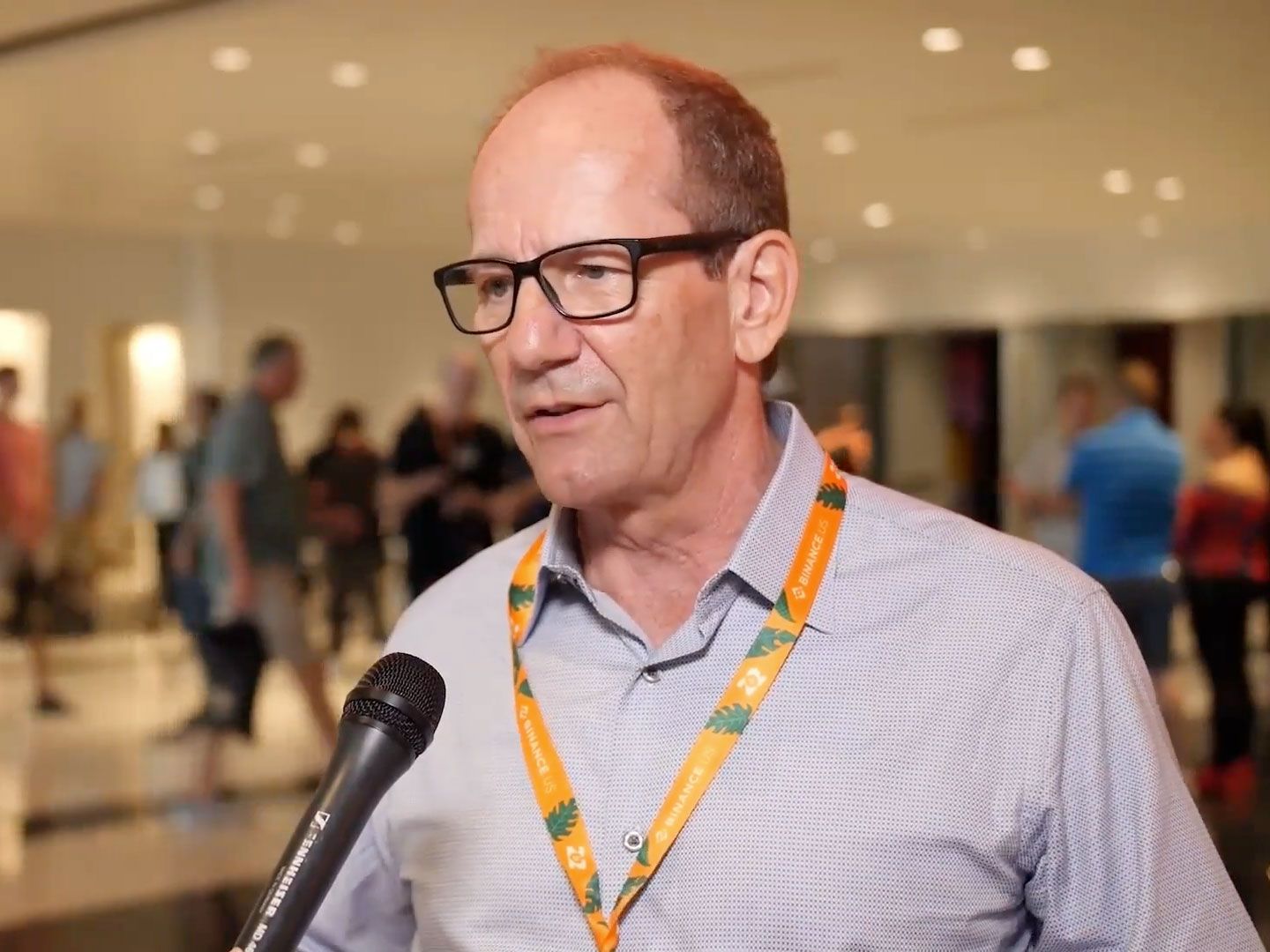
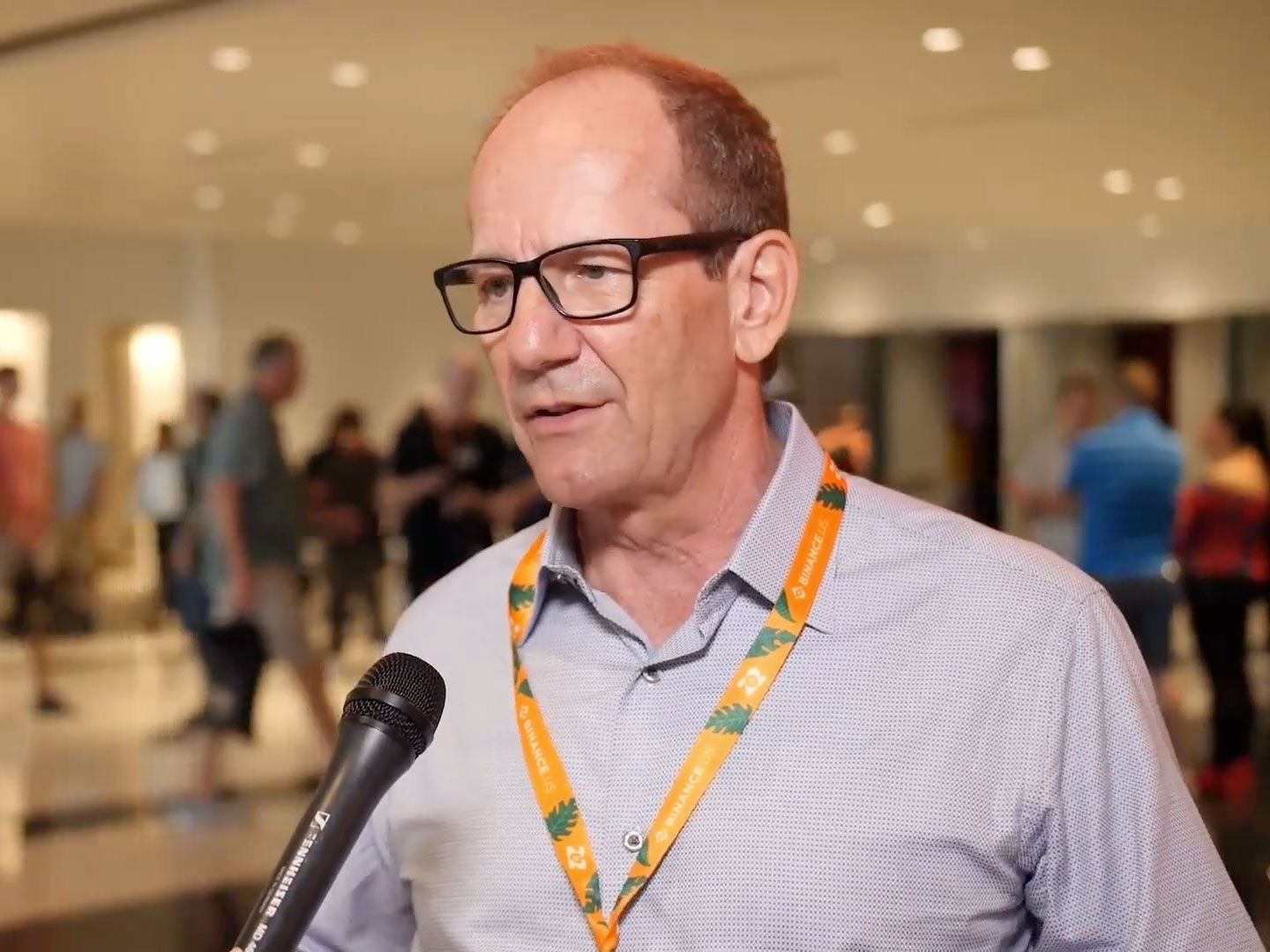
MARA Holdings shares jumped 17% after the bitcoin mining firm announced Thursday a partnership with Starwood Capital Group to build large data centers across its existing U.S. sites.
The agreement will convert select MARA locations, many of which were originally developed for Bitcoin mining, into facilities serving enterprise cloud and artificial intelligence customers.
Starwood, which manages more than $125 billion of assets, will lead design, construction and tenant sourcing through its data center arm, Starwood Digital Ventures. The partners expect to deliver about 1 gigawatt of computing capacity in the near term, with plans to scale beyond 2.5 gigawatts over time. The two firms will jointly finance and operate the projects.
The deal marks a major pivot for MARA.
The company built its reputation as a bitcoin miner, but it controls sites with direct access to large power supplies. That access has become valuable as tech firms struggle to secure power for new AI data centers.
MARA’s move fits into the trend of a slew of bitcoin miners repurposing their infrastructure to meet increasing demand for artificial intelligence compute. The pivot began after Bitcoin’s recent halving cut miners’ rewards in half. With rising power costs, shrinking bitcoin price and intensifying competition for mining, miners’ profit margins have been squeezed, forcing most firms to diversify or completely pivot into hosting machines for AI firms.
Most recently, another bitcoin miner, Bitfarms (BITF), said that it is rebranding as Keel Infrastructure as part of its pivot from bitcoin mining to data center development for high-performance computing (HPC) and AI workloads.
However, for MARA, it’s not ditching its identity as a bitcoin mining company. In fact, its CEO, Fred Thiel, said in a shareholder letter that “Bitcoin remains a core pillar of MARA’s strategy.”
“While the timing of a recovery in bitcoin prices is difficult to predict, our long-term conviction in the asset class remains unchanged,” Thiel added.
MARA has also reported fourth-quarter earnings, with revenues falling 6% to $202.3 million from $214.4 million in Q4 2024, citing a 14% decline in the average price of bitcoin mined over the quarter.
Twitter co-founder Jack Dorsey said that his company, Block, will reduce its workforce by nearly half, cutting more than 4,000 employees and shrinking the company from over 10,000 staff to just under 6,000.
The company is reportedly laying off staff become of AI tools potentially making them redundant.
AI-Driven Layoffs Continue
In a note to employees, Dorsey described the move as “one of the hardest decisions” in the company’s history. He said the layoffs were not driven by financial distress, stating that gross profit continues to grow and profitability is improving.
Instead, he pointed to rapid advances in intelligence tools and a shift toward smaller, flatter teams as the reason for the restructuring.
Affected employees will receive 20 weeks of salary plus one additional week per year of tenure.
They will also receive equity vested through the end of May, six months of healthcare coverage, corporate devices, and $5,000 in transition support. International terms will vary based on local laws.
Dorsey said he chose to act immediately rather than implement gradual reductions. He argued that repeated rounds of layoffs would damage morale and trust.
Block, formerly known as Square, operates merchant payment systems and the peer-to-peer service Cash App.
Cash App allows users to buy and sell Bitcoin. The company also holds Bitcoin on its balance sheet and invests in Bitcoin infrastructure, including self-custody tools and mining initiatives.
Dorsey has positioned Block as closely aligned with Bitcoin development.
Previously, Dorsey co-founded Twitter in 2006 and served as CEO twice. He stepped down in November 2021.
In October 2022, Elon Musk completed the acquisition of Twitter and later rebranded it as X. Dorsey publicly supported the takeover at the time.
The restructuring marks a significant shift for Block as Dorsey moves to run the company with smaller teams and intelligence-driven systems at its core.
TLDR
- Flare and Xaman introduced a one-click system that allows XRP holders to access DeFi directly from their existing wallets.
- The integration targets more than 2 billion XRP tokens that remain idle in wallets and outside decentralized finance.
- The new process removes the need for separate wallets, gas tokens, and complex bridging steps.
- FAssets create a wrapped version of XRP on Flare that interacts with smart contracts.
- Flare Smart Accounts allow users to authorize transactions using their current XRPL credentials.
Flare and Xaman introduced a new integration that targets more than 2 billion XRP tokens sitting idle in wallets. The companies estimate these tokens represent about 3.5% of the circulating supply and carry a value near $3 billion. The integration allows holders to access decentralized finance through a single in-wallet transaction.
Xaman Integrates Direct Vault Access on Flare
Xaman confirmed it reached an agreement with the Flare blockchain to simplify DeFi access for XRP holders. The company said users can now deposit XRP directly into a curated vault on Flare through one action. The update removes the need to download new wallets or manage gas tokens.
Many XRP holders previously avoided DeFi due to technical barriers and unfamiliar interfaces. The new system embeds the full workflow inside the existing Xaman wallet. Wietse Wind, founder of Xaman, said, “This integration lets our users explore new options directly from the wallet they already know, while keeping full control of their keys and decisions.”
The integration relies on three core components that operate in the background. FAssets create a trust-minimized representation of XRP on Flare for smart contract use. Flare Smart Accounts let users authorize transactions with existing XRPL credentials.
Xaman provides the front-end interface and guides users through the process. As a result, users avoid handling separate private keys across different chains. The process reduces operational steps to a single confirmation within the wallet.
Behind the scenes, the transaction carries structured instructions across systems. Flare’s Data Connector validates each request before execution. Smart Account controllers mint the wrapped asset and allocate it into vault strategies.
FAssets and Smart Accounts Power XRPFi Workflow
FAssets function as wrapped XRP that interacts with decentralized applications on Flare. The system creates FXRP, which users can deploy across lending and staking programs. Flare reported that minted FXRP supply has surpassed 100 million tokens.
More than 60 million FXRP tokens currently operate within staking programs and structured products. These figures show that some XRP holders already deploy assets into yield strategies. The new integration aims to expand that participation through simplified access.
Upshift manages the vault strategies while Clearstar curates capital deployment and risk controls. The companies structure strategies around lending markets and collateralized positions. They also use structured products to generate yield within defined parameters.
Flare compresses typical multi-step DeFi actions into one workflow through Smart Accounts. The system handles minting, allocation, and yield distribution automatically. Users only authorize the transaction through their existing credentials.
Recent market data showed XRP gained 6% earlier this week alongside a 212% rise in retail buying volume. Exchange-traded fund inflows have remained positive since their November launch. Flare and Xaman announced the integration as the FXRP minted supply crossed the 100 million mark.
Crypto World
From Crypto Treasury to RWA: ETHZilla Retreats and Relaunches as Forum Markets on Nasdaq
TLDR:
- ETHZilla rebrands as Forum Markets and begins trading under the Nasdaq ticker FRMM starting March 2, 2026.
- Shares collapsed roughly 96% from their August 2025 peak despite a 13.3% single-day gain on the rebrand news.
- Peter Thiel’s Founders Fund exited its 7.5% stake in Q4 2025 as ETHZilla’s Ethereum treasury strategy unraveled.
- Forum Markets shifts focus to regulated, tokenized real-world assets, moving away from single-asset crypto exposure.
ETHZilla is pulling back from its crypto-heavy balance sheet strategy after a dramatic share price collapse. The company announced a full rebrand to Forum Markets, with trading set to begin under the Nasdaq ticker “FRMM” on March 2.
The retreat follows months of investor exits, asset sales, and a sustained decline from last year’s highs. In place of Ethereum treasury holdings, the company is now directing its focus toward tokenized real-world assets built on regulated infrastructure.
ETHZilla Scales Back Crypto Holdings After Sharp Investor Exodus
ETHZilla built its identity around holding Ethereum directly on its balance sheet as a public company. The strategy was designed to give traditional investors exposure to Ethereum without directly purchasing the asset.
Shares soared to $107 on August 13, 2025, shortly after the company revealed plans for a $425 million Ethereum treasury. That announcement followed a pivot away from its earlier biotech business model.
The rally, however, proved short-lived as market conditions deteriorated and enthusiasm faded. The company began selling crypto assets to reduce its exposure as the stock continued sliding.
Investor confidence took a further blow when Peter Thiel’s Founders Fund exited its 7.5% stake during Q4 2025. Accounting for a 1-for-10 stock split executed in October, shares had fallen roughly 98% from their effective peak of $174.60.
The retreat from crypto exposure was gradual but deliberate. ETHZilla reduced its Ethereum holdings while exploring alternative business lines to shore up its equity performance.
One move included entering jet engine leasing through a new subsidiary called ETHZilla Aerospace. That unit tokenized equity in leased engines via the Eurus Aero Token I, deployed on the Arbitrum layer-2 network.
Shares climbed 13.3% to $3.91 on the day the rebrand was announced. Despite that recovery, the stock remains down approximately 96% from its August 2025 peak.
The single-day gain reflects cautious optimism around the company’s new direction. Whether that momentum continues under the Forum Markets name remains to be seen.
RWA Strategy Positions Forum Markets for a More Stable Model
The shift toward tokenized real-world assets marks a fundamental change in how the company plans to generate and sustain value.
Forum Markets intends to develop tokenized products backed by tangible assets using regulated infrastructure. That approach moves away from the volatility associated with holding large crypto positions on a public balance sheet. The aviation leasing venture offered an early preview of where the company is headed.
Vincent Liu, chief investment officer at Kronos Research, addressed the structural risks that drove the retreat. “Single-asset treasury strategies are highly dependent on strong market conditions and sustained equity premiums,” Liu told Decrypt.
He added that treasury-focused firms ultimately need revenue-generating businesses and broader asset exposure to remain relevant long term.
His comments reflect a broader concern within the industry about the sustainability of crypto-only balance sheet models.
Liu also pointed to specific weaknesses tied to Ethereum-focused strategies. He described the model as fragile, noting that its value is “tightly linked to network activity,” thereby creating “a correlation trap where purchasing power weakens during ecosystem downturns.”
Fragmentation across Ethereum’s base layer and its layer-2 networks further dilutes the overall narrative and premium.
He added that the model is “further undermined by the absence of a hard supply cap, leaving its long-term scarcity proposition open to question.”
Forum Markets is set to begin trading under the FRMM ticker on March 2, replacing the former ETHZ symbol on the Nasdaq Capital Market.
The rebrand draws a clear line between the company’s failed crypto treasury experiment and its new asset-backed direction.
The transition reflects a growing recognition that public companies cannot sustain themselves on crypto price appreciation alone. Building regulated, revenue-linked products appears to be the model Forum Markets is now betting on.
TLDR:
- UNI surged roughly 15% in 24 hours, outpacing Bitcoin’s 4.7% and Ether’s 8.5% gains during the same period.
- The governance proposal targets eight additional chains and would automate fee collection across all new v3 liquidity pools.
- Estimated new annualized revenue of $27 million would stack on top of $34 million already generated through UNI burns.
- Uniswap recorded $3.12 million in gross profit in Q1 2026, compared with effectively zero in all prior reporting periods.
A Uniswap governance vote to broaden its fee switch mechanism has pushed UNI higher by roughly 15% in 24 hours.
The proposal seeks to expand protocol fee capture across eight additional layer-2 chains. It would also automate fee collection across all v3 liquidity pools by default.
Estimates point to approximately $27 million in additional annualized revenue, building on the $34 million already generated through UNI burns since the fee switch launched late last year.
Uniswap Vote to Broaden Fee Switch Targets Multi-Chain Revenue
The governance vote to broaden the fee switch comes structured as two separate onchain proposals. Transaction limits required splitting the changes across two votes for technical reasons. Both votes target protocol fee activation across multiple blockchains beyond Ethereum.
Central to the proposal is a new tool called the v3OpenFeeAdapter. It applies protocol fees across all liquidity pools uniformly, based on each pool’s fee tier. This replaces the older model, which required governance to activate pools on a case-by-case basis.
The new system makes fee collection automatic for all newly created v3 pools going forward. This removes the need for repeated manual governance decisions for each pool. Over time, even long-tail trading pairs could begin contributing meaningfully to protocol revenue.
Since the fee switch first rolled out in late 2025, Uniswap has already burned over $5.5 million worth of UNI. That figure implies an annualized burn rate of around $34 million at current trading levels. The proposed expansion could layer an estimated $27 million more on top of that annual total.
UNI Climbs as Fee Switch Vote Draws Investor Attention
UNI’s 15% gain came as broader crypto markets also moved higher during the same period. Bitcoin rose around 4.7%, while Ether gained approximately 8.5% over 24 hours.
UNI’s move clearly outpaced both major assets, reflecting targeted investor interest in the governance vote.
The fee switch works by redirecting a share of trading fees away from liquidity providers toward the protocol treasury.
Those redirected funds support UNI token buybacks, burns, and treasury growth. This mechanism ties UNI’s market value more directly to Uniswap’s aggregate trading volume.
In Q1 2026, Uniswap posted roughly $3.12 million in gross profit, according to DeFi Llama data. That figure compares with effectively zero profit in periods before the fee switch activated.
The data reflects early but measurable progress in Uniswap’s shift toward a revenue-generating protocol.
Still, the broader vote to broaden the fee switch raises questions about liquidity competitiveness on layer-2 networks.
Fee-sensitive traders and market makers could shift activity to rival platforms offering better terms. How Uniswap manages that balance will likely shape both its revenue trajectory and UNI’s performance ahead.
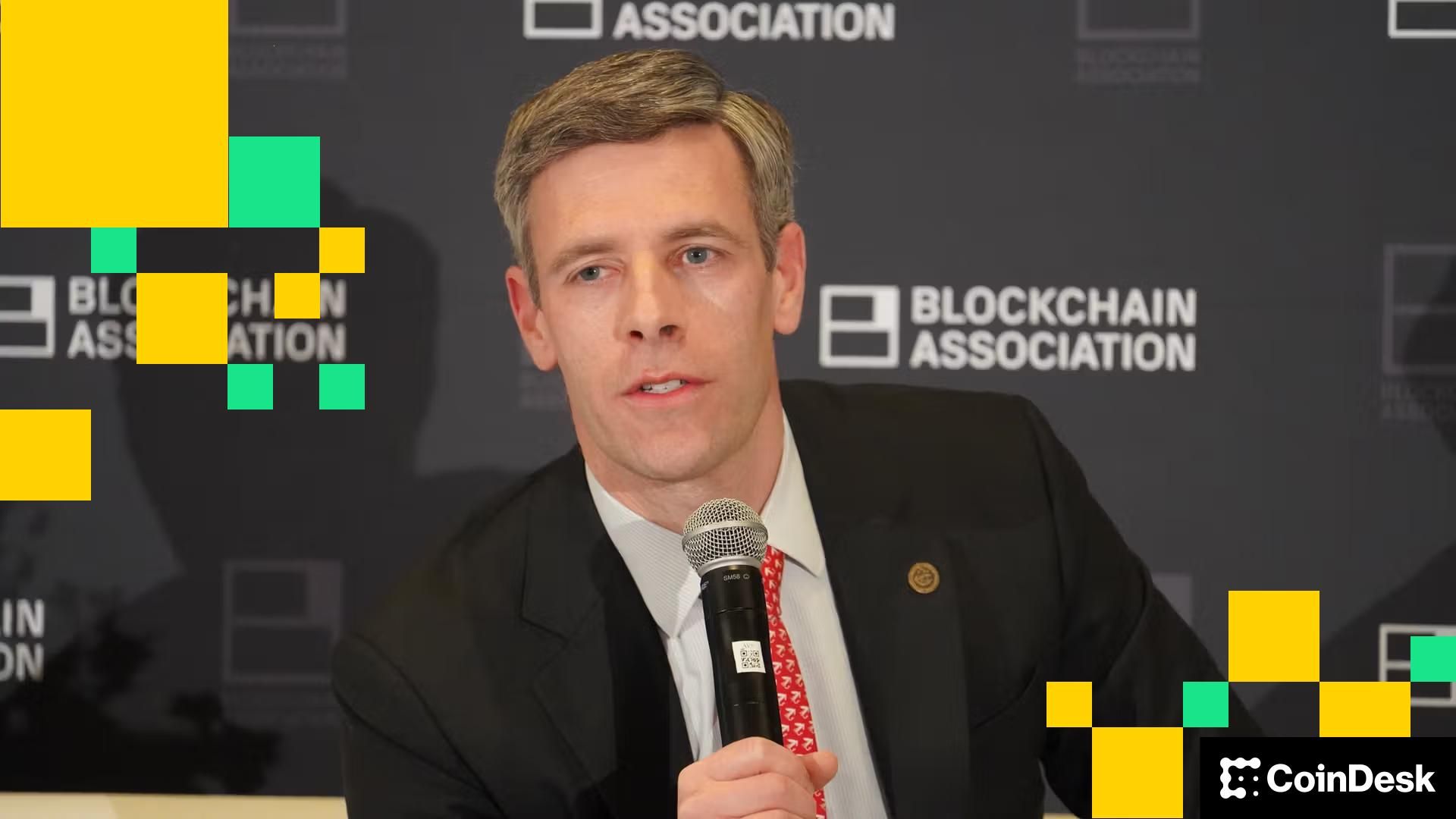
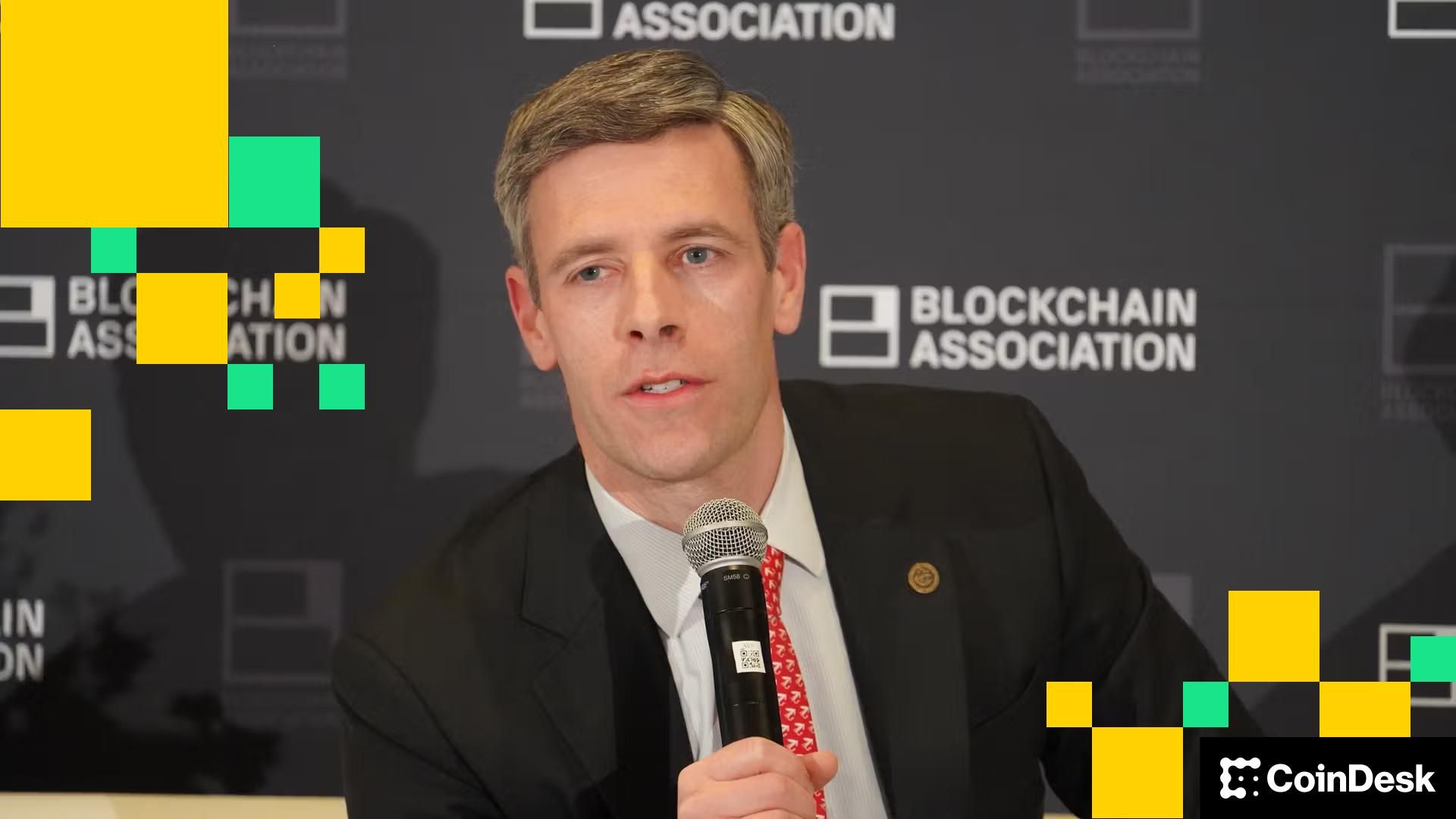
The crypto industry’s stablecoin operations, such as the arrangement between issuer Circle and leading exchange Coinbase, could be under serious pressure in the U.S. Office of the Comptroller of the Currency’s newly proposed set of stablecoin rules.
Even as OCC chief Jonathan Gould testified in the U.S. Senate on issues that included crypto oversight on Thursday, people in the industry said they’ve been trying to understand his agency’s 376-page proposal to regulate domestic issuers under the Guiding and Establishing National Innovation for U.S. Stablecoins (GENIUS) Act that became law last year. The allowance of stablecoin yield and reward has not only been central to the GENIUS Act, but it’s also been a chief negotiation point in the more important follow-up legislation known as the Digital Asset Market Clarity Act.
Close financial ties between issuers and crypto platforms that handle their tokens “would make it highly likely that the issuer’s payments of yield or interest would be made to the holder through an intermediary or an attempt the evade the GENIUS Act’s prohibition on interest and yield payments,” the OCC proposal suggested.
The firms can rebut that presumption, the OCC said, “given the issuer provides sufficient evidence to the contrary.”
On the controversial point of rewards, the industry has worked under an assumption that the GENIUS Act’s ban on yield or rewards offered by stablecoin issuers doesn’t extend to third parties that can offer their own rewards programs on those issuers’ tokens, such as at Coinbase. But the OCC’s proposed language assumes that the law’s prohibition would be improperly evaded under certain third-party relationships, though the details are still being studied by crypto lobbyists and lawyers.
Industry insiders who requested anonymity acknowledged this opening effort looks bad, and they’ll line up to try to get it changed, but some suggest the agency’s wording may leave enough room that continued rewards could be manageable.
Todd Phillips, a former lawyer at the Federal Deposit Insurance Corp. and business professor in Georgia who tracks digital assets policy, agreed the proposed language doesn’t seem like a hard no.
“I think there’s some play in the joints of what the OCC has proposed,” Phillips told CoinDesk on Thursday. He said the opening language seems uncertain on whether it means to “shut down all permutations of stablecoin rewards.”
“The OCC has clearly gone beyond what the statute requires,” Phillips said, adding that the extent of the restriction “is open to debate.”
The agency didn’t immediately respond to questions from CoinDesk.
The crypto industry’s primary policy aim in Washington is to advance the Clarity Act’s regulations for the overall U.S. digital asset markets. In that legislative negotiation, this issue of stablecoin yield has become one of the leading points of contention, with U.S. bankers arguing that such yield threatens their foundational dependence on customer deposits. During those talks, the crypto side has repeatedly argued that the GENIUS Act, as it stands, allows third party crypto firms to offer rewards on stablecoin holdings and activities.
One of the insiders in the negotiation told CoinDesk on Thursday that the OCC’s action should undermine the banks’ lobbying, because what’s the point of hashing out stablecoin yield in further legislation when the banking regulator has already taken it up as a proposed rule? Despite that, they also said the OCC overreached, and the industry will likely fight the proposed rulemaking even as the Clarity Act continues its way through Congress.
Meanwhile, the proposals advanced by Gould — a former chief legal officer at Bitfury who has otherwise been strongly supportive of the crypto industry — casts some doubt on industry confidence that GENIUS will protect stablecoin rewards programs, which represents a significant business at Coinbase. The U.S. crypto exchange hasn’t yet made any public statements, and a company spokesperson declined to comment.
The proposed rulemaking from the OCC, which charters and oversees national banks and trusts in the U.S., is preliminary, opening the ideas to a public comment period that would later have to be followed up with a final rulemaking process. With controversial rules, this process usually requires months of discussion and review.
If the OCC does cut off the ability of crypto platforms to extend stablecoin yield to customers, it may eliminate one of the Clarity Act sticking points, though other matters are also still standing in the way of the bill. Democratic lawmakers have insisted — for instance — that the legislation address potential conflicts of interest posed by senior government officials, such as President Donald Trump, personally profiting from the crypto industry.
At a Thursday hearing before the Senate Banking Committee, stablecoin rewards came up often as a business that scares the banking industry. Regulators suggested they haven’t yet seen a flight of deposits from banks.
“We have to take these concerns, the concerns of community banks, especially seriously,” said Senator Angela Alsobrooks, a Democrat who sought to negotiate a compromise in the Clarity Act to ban the crypto industry from rewards on stablecoin holdings in a way that resembles a deposit account. So far, negotiations among the political parties, the banks, the crypto industry and the White House haven’t yet advanced to a compromise that can get to a vote in the Senate.
Read More: OCC pitches stablecoin rules as U.S. Senate holds banking hearing in which crypto stars


The slowdown in on-chain activity echoes a similar lull last summer that came right before a huge rebound in Bitcoin.
The total fees paid on the Binance Smart Chain (BSC) recently fell to approximately $593,000, marking the network’s lowest usage cost since at least August 2025.
This collapse in transaction activity on one of crypto’s busiest highways is reviving memories of a similar demand drought last summer that immediately preceded a 95% rally in Bitcoin (BTC).
A Silent Market Flashes a Historic Signal
Blockchain fees are the clearest measure of user demand, representing what people pay to move tokens or use decentralized applications. When fees drop sharply, it signals reduced network congestion and waning speculative interest.
According to data from analyst Amr Taha, on February 23, BSC fees sank to $593,000, which is well below the $1.07 million trough recorded on August 7, 2025. At that time, Bitcoin was trading near $55,000, and, per Taha, the fee drop later helped form a major bottom before the asset embarked on a rally that saw its price shoot up by more than 95%.
The on-chain observer also flagged a steep drop in Bitcoin’s short-term holder realized market cap, which fell to about $386 billion on February 24, well below an earlier low of $440 billion recorded on April 8, 2025.
Historically, similar contractions have coincided with heavy capitulation phases that preceded rebounds, including the move that took BTC from around $78,000 to above $108,000 following the April 2025 low.
Derivatives and the Path to Recovery
While the decline in spot activity signals caution, the derivatives market is undergoing a structural reset that could pave the way for the next move. According to XWIN Research Japan, open interest in Bitcoin futures has fallen sharply, reflecting a broad deleveraging phase. Analysts at the institution noted that the recent drop in price was accompanied by falling open interest, indicating that liquidations and derivatives-driven unwinds, rather than aggressive spot selling, drove the decline. This type of reset can stabilize the market, even if it does not immediately signal renewed demand.
You may also like:
Further complicating the outlook is the options market structure. Coinbase Institutional’s analysis shows a pronounced negative gamma band concentrated between $60,000 and $70,000. When dealers hold negative gamma, their hedging activity can amplify price moves, meaning a break below $60,000 could accelerate selling.
Despite the cautious tone, some on-chain indicators offer a glimmer of stability, with the Binance Fund Flow Ratio remaining low around 0.012, implying limited immediate sell-side pressure. During the recent drop toward the mid-$60,000 region, the ratio did not spike, meaning panic-driven spot inflows were absent.
However, as XWIN Research noted, weak inflows do not equal strong accumulation, and the medium-term trend of demand metrics has not yet turned decisively upward.
For a durable bottom to form, stronger spot volume support will be essential. As it stands, Bitcoin is trading just above $68,000 at the time of writing, down roughly 23% over the past month and more than 46% below its all-time high above $126,000.
Binance Free $600 (CryptoPotato Exclusive): Use this link to register a new account and receive $600 exclusive welcome offer on Binance (full details).
LIMITED OFFER for CryptoPotato readers at Bybit: Use this link to register and open a $500 FREE position on any coin!

‘Don’t know what the fuss was about’ – chaotic Palace season could end in glory

Scarborough businesses to be asked to open their toilets to public

FedEx to give any tariff refunds back to customers after Supreme Court ruling


-

 Video7 days ago
XRP News: XRP Just Entered a New Phase (Almost Nobody Noticed)
-

 Politics5 days ago
Baftas 2026: Awards Nominations, Presenters And Performers
-

 Fashion6 days ago
Weekend Open Thread: Boden – Corporette.com
-

 Sports3 days ago
Women’s college basketball rankings: Iowa reenters top 10, Auriemma makes history
-

 Politics3 days ago
Nick Reiner Enters Plea In Deaths Of Parents Rob And Michele
-

 Business2 days ago
True Citrus debuts functional drink mix collection
-

 Crypto World3 days ago
XRP price enters “dead zone” as Binance leverage hits lows
-

 Business4 days ago
Mattel’s American Girl brand turns 40, dolls enter a new era
-

 Business4 days ago
Law enforcement kills armed man seeking to enter Trump’s Mar-a-Lago resort, officials say
-

 Tech2 days ago
Unsurprisingly, Apple's board gets what it wants in 2026 shareholder meeting
-

 NewsBeat23 hours ago
Cuba says its forces have killed four on US-registered speedboat | World News
-
 NewsBeat1 day ago
Manchester Central Mosque issues statement as it imposes new measures ‘with immediate effect’ after armed men enter
-
 NewsBeat4 days ago
‘Hourly’ method from gastroenterologist ‘helps reduce air travel bloating’
-

 Tech4 days ago
Anthropic-Backed Group Enters NY-12 AI PAC Fight
-

 NewsBeat4 days ago
Armed man killed after entering secure perimeter of Mar-a-Lago, Secret Service says
-

 Politics4 days ago
Maine has a long track record of electing moderates. Enter Graham Platner.
-
 NewsBeat2 days ago
Police latest as search for missing woman enters day nine
-

 Business20 hours ago
Discord Pushes Implementation of Global Age Checks to Second Half of 2026
-

 Crypto World2 days ago
Entering new markets without increasing payment costs
-
 Sports4 days ago
2026 NFL mock draft: WRs fly off the board in first round entering combine week