
Crypto World
SHR Miner cloud mining platform offers crypto participants a new path to easily earn $13,500 in returns


Disclosure: This article does not represent investment advice. The content and materials featured on this page are for educational purposes only.
XRP price trends draw investor focus as SHR Miner expands cloud mining access in the digital asset market.
Summary
- SHRMiner offers structured cloud mining with flexible contracts and support for BTC, XRP, ETH, and DOGE.
- Operating in 180+ countries, SHRMiner uses renewable energy and no-hardware mining for easy user access.
- SHRMiner combines UK licensing, McAfee, and Cloudflare-backed security to provide compliant cloud mining services.
With the price movements of Bitcoin and Ethereum influencing the overall market, XRP trend prediction continues to attract investor attention, and SHR Miner is entering the digital asset market with its structured cloud mining model.

The trajectory of the cryptocurrency market is often closely intertwined with overall market sentiment. Macroeconomic shifts, industry news, institutional capital flows, and regulatory policies all influence investor confidence in digital assets. As a key market bellwether, Bitcoin’s performance typically drives broader market movements, while Ethereum’s trajectory serves as a crucial reference point for investors seeking to gauge market enthusiasm.
XRP, as one of the mainstream currencies, continues to receive market attention due to its application value in fast payments and enterprise-level transaction scenarios. Its predicted trends depend not only on its own ecosystem development, technological progress, and regulatory clarity, but also on the cycles of Bitcoin, Ethereum, and the overall cryptocurrency market.
When market sentiment is bullish, major assets like XRP tend to attract capital more readily; conversely, when market uncertainty intensifies, investors typically adopt a cautious stance. Consequently, avenues for generating stable returns have become a form of investment that many investors are now actively and urgently seeking.
Against this backdrop, SHR Miner, with its regulated framework and compliant, transparent cloud mining services, provides users with an efficient way to participate in the cryptocurrency market and explore stable yield opportunities in new cryptocurrencies within a rapidly changing industry environment.
SHRMiner cloud mining service becomes a new path for cryptocurrency participation
SHR Miner positions cloud mining as an opportunity to explore, rather than a strategy that promises returns. The platform emphasizes regulatory compliance, transparency, ease of use, and alignment with prevailing market conditions. This makes it an ideal choice for users seeking opportunities for stable returns during periods of market volatility.
Why SHR Miner offers a competitive advantage
SHR Miner stands as a leading global platform for cloud mining services. Headquartered in the UK, the company has been dedicated — since its inception in 2018 — to providing secure, efficient, and scalable cloud mining services to over 5 million users across more than 180 countries.
The platform’s data centers are strategically located in regions abundant in renewable energy resources, utilizing solar, hydroelectric, and wind power to ensure low-carbon operations. The platform offers flexible short-term smart contracts, stable revenue mechanisms, and versatile payment channels supporting multiple cryptocurrencies. This enables users to participate in mining effortlessly, without the need for specialized hardware or technical expertise.
Core platform advantages
- Zero Entry Barrier: The platform is designed for user convenience. No complicated operation, hardware configuration, or professional background knowledge is required. Users simply need to select an AI strategy, configure their risk parameters, and activate the contract.
- Compliance and Bank-Grade Security: In the cryptocurrency landscape — often characterized by regulatory gray areas and frequent cyberattacks — SHRMiner holds an operational license issued in the UK. The platform’s dual-layer security architecture is certified by McAfee® and Cloudflare®, ensuring that user funds remain safeguarded against external threats.
- Multi-Currency Mining Support: While BTC and XRP serve as the primary currencies, the smart contracts also support a range of other assets — including ETH, DOGE, SOL, USDC, and USDT — thereby enabling diversified portfolio hedging.
How to explore daily earning opportunities with SHR Miner? Earn $13,500?
1. Create an Account: Visit the official website to complete your registration and receive $15 in free hash rate. Claim a daily reward of $0.60.
2. Configure a computing power plan: Based on needs and participation goals, select a suitable contract from the cloud computing power plans offered by the platform and complete the activation to start cloud mining services.
3. Receive daily earnings: After the user activates the contract, the earnings will be automatically credited to your account daily.
SHRMiner offers a variety of contract options to meet the needs of different levels of participation and investment objectives:
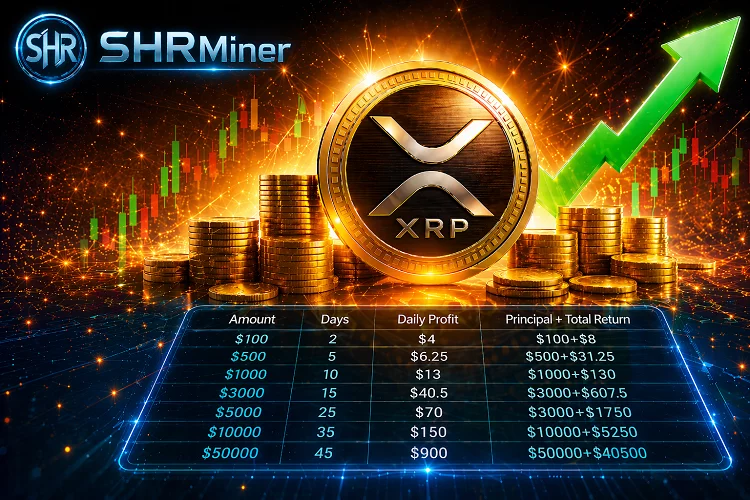
SHRMiner combines market volatility with cloud mining opportunities
The cryptocurrency market is inherently volatile, a characteristic that often fuels increased interest in structured participation models. Discussions regarding XRP price predictions frequently intensify in tandem with fluctuations in Bitcoin’s price, underscoring the market’s sensitivity. Cloud mining offers users a method to engage in cryptocurrency activities without the need for frequent trading, thereby providing an opportunity for stable returns — even amidst market volatility.
SHRMiner supports this approach by offering flexible contract options, enabling participants to adapt their strategies in response to evolving market trends.
Conclusion: Explore daily XRP income opportunities with SHRMiner
As technology, regulatory frameworks, and market sentiment continue to reshape the cryptocurrency landscape, predictive trends for XRP will inevitably remain fluid, shifting alongside broader market conditions. As core reference assets within the market, Bitcoin and Ethereum will also continue to influence investor sentiment regarding mainstream digital assets. Against this backdrop, SHRMiner — through its cloud mining services — offers users a more convenient and systematic avenue for participating in the cryptocurrency space.
For more platform information, service details, and cloud mining solutions, visit the official SHR Miner website or contact the official team directly via the official email: [email protected]
Disclosure: This content is provided by a third party. Neither crypto.news nor the author of this article endorses any product mentioned on this page. Users should conduct their own research before taking any action related to the company.

Crypto World
Weekly Market Insights with Gary Thomson: The Week of Central Banks and Earnings Reports

In this video, we’ll explore the key economic events and market trends, shaping the financial landscape. Get ready for insights into financial markets to help you navigate the week ahead. Let’s dive in!
In this episode of Market Insights, Gary Thomson unpacks the strategic implications of the most critical events driving global markets.
👉 Key topics covered in this episode:
✔️ BoC Interest Rate Decision
The Bank of Canada will announce its rate decision on 29 April, with rates expected to remain unchanged. However, the focus will be on its updated outlook for inflation and growth. With energy prices pushing inflation higher while underlying pressures ease, the tone of the Monetary Policy Report could drive volatility in the Canadian dollar.
✔️ Fed Interest Rate Decision
The Federal Reserve will also announce its rate decision on 29 April. Although rates are forecast to stay unchanged, the press conference may be important. Shifting expectations towards a prolonged pause could drive volatility in the USD and global markets. Will the Fed maintain a cautious tone, or surprise markets with a shift in outlook?
✔️ BoE Interest Rate Decision
The Bank of England’s interest rate decision will be released on 30 April, with no changes expected. However, the vote split could influence sterling, especially as inflation rises but policymakers remain cautious. Will the Bank signal future tightening, or maintain a wait-and-see approach?
✔️ ECB Interest Rate Decision
The European Central Bank will deliver its monetary decision on 30 April. As rates are anticipated to hold, guidance from Christine Lagarde and the tone of the press conference could drive euro volatility. Will the ECB maintain a cautious pause, or signal readiness to tighten policy soon?
✔️ Earnings Reports
On 29–30 April, major earnings from the so-called Magnificent Seven corporations — including Alphabet, Microsoft, Amazon, Meta, and Apple — could drive equity market movements, with investors focusing on AI, cloud, advertising, and consumer demand trends. Will earnings support US equity indices, or trigger a broader reassessment of tech valuations?
Heading into the week, geopolitics, central bank decisions, and major earnings could drive markets. With several key events clustered together, volatility may stay elevated, making risk management essential.
Gain insights to strengthen your trading knowledge.
💬 Don’t forget to like, comment, and subscribe for more market insights every week.
Watch it now and stay updated with FXOpen.
This article represents the opinion of the Companies operating under the FXOpen brand only. It is not to be construed as an offer, solicitation, or recommendation with respect to products and services provided by the Companies operating under the FXOpen brand, nor is it to be considered financial advice.
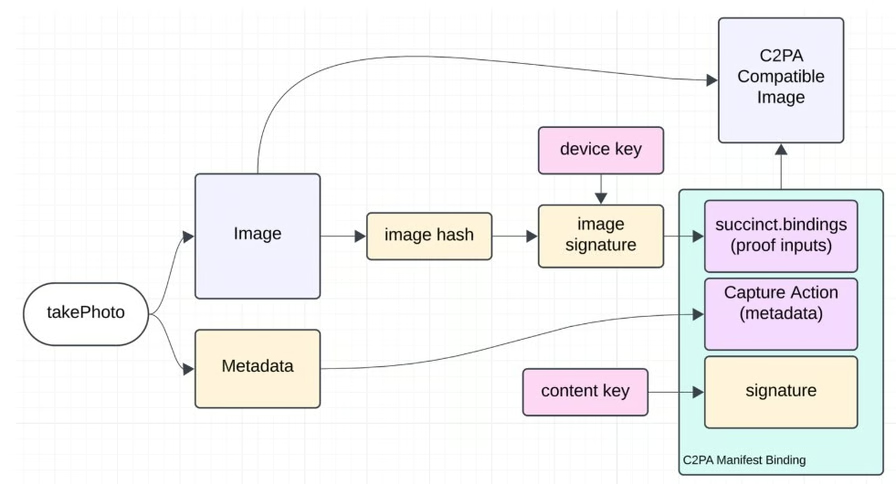
Cryptography company Succinct has launched Zcam, an iPhone camera app that cryptographically signs photos and videos at the moment of capture to help prove their authenticity.
The company said Thursday that Zcam embeds a tamper-evident record linking media to the device that captured it, allowing viewers to verify that content was not digitally altered or generated by artificial intelligence.
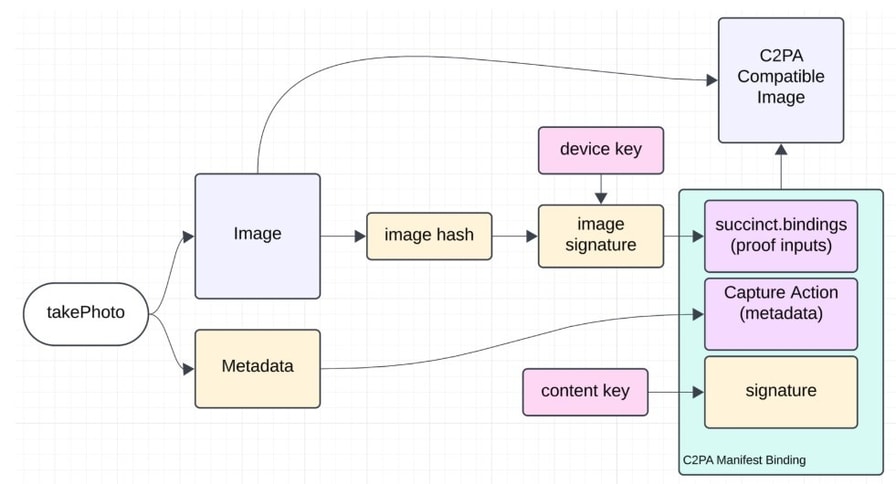
How the Zcam application works. Source: Succinct
According to Succinct, the app works by hashing raw image data and signing it using keys generated inside Apple’s Secure Enclave, a hardware-based security module. The resulting signature, along with capture metadata and attestation, is embedded into the file using the Coalition for Content Provenance and Authenticity (C2PA) standard, a framework for attaching tamper-evident provenance data to digital media.
Standards such as C2PA are designed to establish the origin and edit history of digital content by embedding signed provenance metadata into files. According to the C2PA, its open technical standard lets publishers, creators and consumers establish the “origin and edits” of digital content. It allows users to record how the content was created, which tools were used and how it changed over time.
Related: Spain seizes crypto cold wallets in illegal manga piracy raid
The launch pushes Succinct’s applied cryptography work beyond blockchain infrastructure and into media provenance, as companies look for ways to authenticate digital content at creation rather than rely only on after-the-fact AI detection tools.
The launch comes as security concerns in crypto increasingly include AI-driven fraud. On Thursday, blockchain security firm CertiK warned that deepfakes, phishing attacks and AI-assisted social engineering are likely to drive some of the largest crypto hacks in 2026. The report highlighted how attackers are using convincing synthetic media to deceive users and bypass security checks.
Crypto security expands beyond code as AI threats rise
Succinct said Zcam is an early step toward broader adoption of cryptographic provenance tools, which could be used in areas such as journalism, insurance claims and identity verification, where trust in digital media is increasingly critical.
The company acknowledged limitations in its current implementation, noting that the Zcam software development kit is unaudited and not production-ready. It also said secure enclaves have been compromised in the past and that ensuring a fully tamper-proof capture-to-signing process remains an active area of research.
Magazine: AI-driven hacks could kill DeFi — unless projects act now

Russia State Duma has passed the first reading of a landmark crypto regulation bill that formally legalizes digital assets for international settlements, a direct legislative response to Western sanctions that have severed major Russian banks from global payment infrastructure, including SWIFT.
The bill cleared its first reading with a framework built on the Central Bank of Russia’s regulatory concept published in late December 2025, accelerating years of fitful policy debate into concrete law.
The scope is significant. Russian exporters and importers moving goods across an estimated $240 billion in trade volume facing payment friction now have a legal pathway to settle contracts in cryptocurrency.

The Kremlin is building an alternative financial rail, and the architecture of that rail is now visible for the first time.
The question the market should be asking isn’t whether this bill becomes law, it almost certainly will. The question is how fast OFAC moves to close the corridor it opens.
- Vote stage: Russia’s State Duma passed the crypto regulation bill in its first reading; two additional readings plus Federation Council approval and presidential signature are required before enactment.
- Core legalization: The bill authorizes use of digital assets for cross-border international settlements by Russian businesses – domestic circulation as a payment method remains prohibited.
- Investor tiers: Non-qualified retail investors face a 300,000 ruble ($3,800 USD) annual purchase cap through any single intermediary; qualified investors face no volume restrictions.
- Asset eligibility: Only cryptocurrencies with market caps above 5 trillion rubles ($66.6 billion USD) and a five-year trading history qualify – Bitcoin and Ethereum are the expected first approvals.
- Timeline: Licensed platform trading can begin July 1, 2026; unlicensed platforms face a complete ban effective July 1, 2027.
- Watch item: The State Duma Committee on Protection of Competition has already flagged over-regulation risk – further amendments are expected before final passage.
Discover: The best pre-launch token sales
What Russia Crypto Bill Actually Permits, and What It Deliberately Doesn’t
The Russia crypto bill’s central provision draws a sharp line: cryptocurrency is legal for international trade settlements, not for buying coffee in Moscow.
Domestic circulation as a means of payment remains off the table, a concession to the Bank of Russia’s long-standing concerns about monetary sovereignty and capital flight.
The tiered investor structure is the bill’s most operationally significant domestic-facing element. Non-qualified retail participants are capped at 300,000 rubles (~$3,800 USD) annually through any single licensed intermediary.
Qualified investors, banks, professional traders, and high-net-worth individuals face no ceiling. The Bank of Russia sits at the center of the oversight architecture: it issues platform licenses, approves or blocks transactions, and maintains sole authority over which digital assets may legally trade inside Russian-licensed infrastructure.
Asset eligibility criteria are deliberately narrow. Only cryptocurrencies clearing a 5 trillion ruble ($66.6 billion USD) market cap threshold with a verified five-year trading history make the cut. Bitcoin and Ethereum are the obvious first qualifiers, a provision that functions less as a principled framework and more as a de facto Bitcoin-and-Ethereum bill with room to expand.
The government is also targeting tax parity between digital asset investors and traditional bondholders, a signal that Moscow views regulated crypto participation as a legitimate asset class, not a tolerated gray zone.
Bitcoin Mining and Domestic Compliance: What Russian Operators Now Face
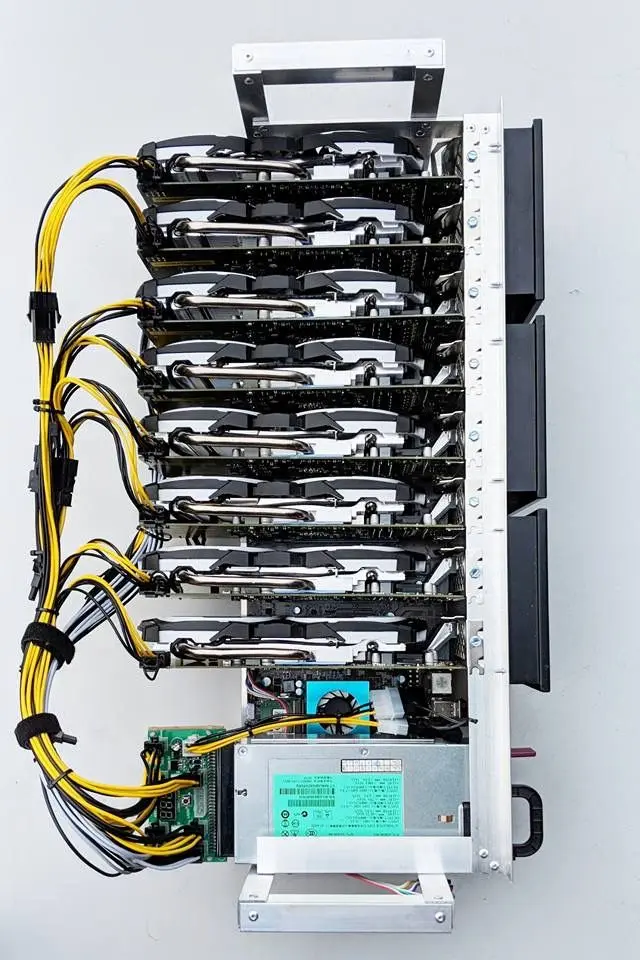
Alongside the international settlements framework, the bill introduces the first formal regulatory structure for Bitcoin mining on Russian soil.
Individual and industrial miners must register under a mandatory system; operating outside that registry will constitute an unlicensed activity once the July 1, 2027, deadline for unlicensed platforms passes.
The federal government retains explicit authority to ban mining operations in energy-deficient regions, a provision intended to protect the national power grid during peak demand periods.
Russia’s crypto mining sector has expanded significantly since China’s 2021 mining ban, and unregulated power draw has become a documented infrastructure concern in Siberia and the Far East.
Uzbekistan’s approach, a 10-year tax holiday inside a designated special zone with mandatory renewable energy requirements, offers a contrasting model of how post-Soviet states are competing for mining capital.
The State Duma Committee on Protection of Competition has already signaled concern that overly stringent licensing requirements could backfire, leaving Russian miners and crypto businesses in the same gray economy the bill is designed to eliminate. Expect the second reading to be the battleground for those specific enforcement thresholds.
Discover: The best crypto to diversify your portfolio with
The post Russia Greenlights Crypto for Global Trade: State Duma Passes Landmark Bill appeared first on Cryptonews.

Key Highlights
- A multibillion-dollar partnership between Meta and Amazon will deliver tens of millions of AWS Graviton CPU cores for AI applications over three to five years.
- The agreement spans multiple years and focuses primarily on U.S.-based infrastructure deployment.
- Premarket trading saw Meta shares increase 0.6% while Amazon stock climbed 1.4% after the announcement.
- This partnership expands Meta’s chip sourcing beyond current suppliers like Nvidia, Broadcom, and AMD.
- Meta now ranks among the top five AWS Graviton customers globally.
Meta has finalized a multibillion-dollar partnership with Amazon that will provide the social media giant access to tens of millions of Amazon Web Services’ Graviton CPU cores for its artificial intelligence agent initiatives.
According to Nafea Bshara, an Amazon VP who co-founded Annapurna Labs—AWS’s chip development division—the partnership extends from three to five years. The majority of these Graviton processors will be positioned in United States data centers.
Following the announcement, Amazon shares rose 1.4% during premarket hours, while Meta experienced a 0.6% uptick.
This partnership focuses exclusively on AWS Graviton central processing units rather than graphics processing units. While GPUs dominated AI development attention, CPUs are experiencing renewed relevance.
The emergence of AI agents has restored focus on CPU capabilities. These processors manage particular operations and channel workloads to GPUs, creating a synergistic relationship between both chip categories across diverse AI applications.
CPUs are also critical during the “post-training” stage of large language models, when base models undergo refinement for targeted applications.
Meta selected Amazon’s Graviton5, built on 3-nanometer technology, based on its cost-effectiveness and performance capabilities. “Meta has access to so many options from the supply side. But they chose Graviton5,” Bshara explained.
Expanding Meta’s Chip Ecosystem
This Amazon partnership broadens Meta’s existing chip procurement strategy, which encompasses suppliers such as Nvidia, Broadcom, AMD, and Arm Holdings. Meta has consistently emphasized its commitment to avoiding dependence on a single chip provider.
“No single chip architecture can efficiently serve every computational task,” Meta stated in its official announcement.
Initial rollout will commence with tens of millions of Graviton cores, with infrastructure expansion planned as Meta’s artificial intelligence requirements evolve.
AI Expansion and Workforce Restructuring
Meta’s commitment to artificial intelligence continues to deepen. The company completed its acquisition of AI startup Manus for over $2 billion last December. Manus specializes in developing AI agents for sophisticated operations, creating additional CPU requirements.
To support its AI infrastructure investments, Meta announced Thursday it would reduce its workforce by approximately 10%—eliminating roughly 8,000 positions—effective in May.
Earlier this month, Meta unveiled Muse Spark, its first new AI model in twelve months, with additional releases planned for the coming months.
The collaboration between Meta and AWS traces back to approximately 2016, though previous engagements primarily centered on cloud infrastructure, the Bedrock platform, and GPU cluster access. This agreement represents a substantial shift toward proprietary chip technology.
For AWS, securing Meta as a Graviton client represents significant validation. Just days ago, Amazon revealed a $5 billion commitment to Anthropic, another arrangement involving tens of millions of Graviton CPU cores.
AWS began developing proprietary chips before 2018, launching the original Graviton processor on Arm-based architecture.
Bshara verified that this agreement positions Meta among AWS’s top five Graviton customers worldwide.



The 20th EU sanctions package imposed a sectoral ban on all Russian crypto services. From May 24, 2026, any transactions with Russian-registered crypto providers and exchange platforms will become illegal for market participants under EU jurisdiction.
The new sanctions coincide with Russian authorities’ plans to centralize the domestic crypto market: the bill ” On Digital Currency and Digital Rights ” proposes mandatory storage of cryptocurrencies in depositories and a ban on personal wallets. The combination of these two developments creates serious risks for Russian crypto investors.
BeInCrypto’s editorial team discussed the implications of the new restrictions with experts. Here’s how our interviewees believe the 20th sanctions package will impact Russia’s crypto industry.
Will all crypto that touches the Russian circuit now become “dirty”?
Mikhail Uspensky, a member of the State Duma’s expert council on legislative regulation of cryptocurrencies , believes that it is already considered de facto as such: large platforms, primarily European ones, refuse to accept cryptocurrency with a Russian connection.
However, not all experts share such a categorical assessment. Daria Mitrokhina, a leading lawyer for international projects at Right Side , clarifies that cryptocurrency used solely by Russian citizens or unsanctioned platforms will not carry the same risk of blocking as assets used through sanctioned platforms. According to her, such cryptocurrency is not considered “dirty,” as it is defined as assets linked to criminal activity. However, it carries increased risk and is subject to sanctions, which, in her opinion, will make foreign platforms and countries even more cautious when dealing with Russians.
As a reminder, the 20th package also imposes sanctions on those who support and facilitate the circulation of Russian cryptocurrency on the international stage.
Olga Ocheretyanaya, a senior associate in the cryptocurrency regulation and mining practice at Right Side , takes a similar position . She believes that the EU sanctions’ focus on Russian platforms and exchanges, specific tokens linked to the Russian financial system, and sanctions-evasion infrastructure does not automatically render any asset that was once held by a Russian resident or passed through a Russian wallet “dirty.” However, she warns that if the new regulations in Russia are implemented as currently formulated, it will inevitably result in all officially registered crypto platforms in Russia being sanctioned, and the wallets and cryptocurrency passing through them will be labeled .
Is it possible to comply with Russian laws and still avoid labeling?
Working with Russian sanctioned platforms with the subsequent goal of bringing cryptocurrencies to international markets is futile—it will likely result in blocking , warns Daria Mitrokhina. However, individuals still have the option to choose other platforms within the framework of legal compliance, excluding sanctioned services.
Will the authorities abandon plans to centralize the crypto market?
The idea of introducing digital depositories is causing confusion and bewilderment among a large number of market participants , notes Mikhail Uspensky. According to him, closing the internal loop with mandatory licensed custodians is a Russian innovation, born out of the habit of imposing securities regulations on the distributed ledger. The EU’s position should further alarm the bill’s authors:
“Transactions by centralized custodians will inevitably sooner or later create clusters/hubs in the blockchain that are easily tracked and marked with a ‘red Russian trace.’ A hack, leak, simple oversight, or other leak of data linking address identifiers to a Russian digital depository will cause problems for dozens, if not hundreds, of legitimate Russian residents seeking to buy crypto from a legitimate exchange,” warns Mikhail Uspensky.
However, lawyers believe the sanctions will have the opposite effect. The Russian Federation’s primary goals are to restrict the market from external influence, strengthen the ruble, develop its own payment systems, and increase independence from the international market, notes Daria Mitrokhina:
“Strengthening sanctions is more likely to accelerate than slow them down, based on the ‘they tighten them, we leave’ approach. We should now expect a focus on settlements with friendly countries and increased domestic oversight.”
Olga Ocheretyanaya agrees with this assessment: sanctions, on the contrary, are pushing Russian authorities to build their own closed circuit, leaving open the possibility of completely isolating external services. Meanwhile, the question of how cryptocurrency within this circuit will be “cleaned” and how liquidity will be replenished remains open.
She also emphasizes that EU sanctions only affect those within their perimeter: European providers and users. In fact, Russia has long since established channels through Asia, the Middle East, and other friendly jurisdictions, and key flows will simply extend further into areas where EU regulations don’t apply.
Plans for cross-border settlements using the digital ruble
The creation of the digital ruble was initially not intended to circumvent sanctions, but rather to create its own payment system, recalls Daria Mitrokhina. The initiative was aimed at working with neutral and friendly countries, as EU sanctions have long exposed Russia as an undesirable participant in their market. The new sanctions package will likely not affect the plans for the digital ruble’s rollout, but will impact its geography and operational procedures. Plans will have to be adjusted rather than scrapped.
According to Olga Ocheretyanaya, the issue is not so much about EU sanctions prohibiting participation in the development of the necessary infrastructure for the digital ruble, but rather about reaching a fundamental agreement among BRICS members to use this instrument in settlements among themselves.
Want access to expert insights? Subscribe to our
Telegram channel to receive trading signals and market news, and chat with our analyst. Stay one step ahead of the market every day!
The post A Cryptocurrency Trap: How New Russian Laws Will Support EU Sanctions appeared first on BeInCrypto.


The UAE has announced an ambitious two-year roadmap to integrate agentic artificial intelligence into 50% of its government operations.
Summary
- The UAE has set a two-year timeline to integrate agentic AI across 50% of government services, aiming to lead globally in large-scale AI-driven administration.
- Sheikh Mohammed says AI will act as an “executive partner,” with performance measured by adoption speed, implementation quality, and impact on government workflows.
- Phased rollout across ministries includes workforce training in generative AI, building on decades of digital infrastructure such as eGovernment systems and UAE Pass.
According to a report from local news outlets, the UAE aims to shift half of all public sectors, services, and day-to-day processes toward autonomous systems by the transition. Officials say the approach could position the UAE as the first government to operate at such a scale using AI-driven execution.
“AI is no longer a tool. It analyses, decides, executes, and improves in real time. It will become our executive partner to enhance services, accelerate decisions, and raise efficiency,” said Sheikh Mohammed bin Rashid Al Maktoum, Vice-President and Prime Minister of the UAE and Ruler of Dubai, in an X post.
He added that the rollout will follow a defined schedule. “This transformation has a clear timeline. Two years. Performance across government will be measured by speed of adoption, quality of implementation, and mastery of AI in redesigning government work.”
Training government employees in AI
Authorities plan to roll out the programme in phases across ministries and federal entities, with ongoing performance and impact reviews guiding each stage. The phased structure is intended to support a steady expansion across departments once early deployments show results.
Developing local expertise forms a central part of the plan. Government employees will undergo training to build proficiency in generative AI systems and their real-world applications, ensuring teams can manage and deploy these technologies effectively.
This isn’t a sudden shift, but rather the next step in a digital journey that has been decades in the making. The UAE has already laid the groundwork through eGovernment services and digital identity systems like UAE Pass.
By moving toward autonomous AI, the goal is to shift public services from being reactive to being proactive, where the systems themselves anticipate needs before they even arise.
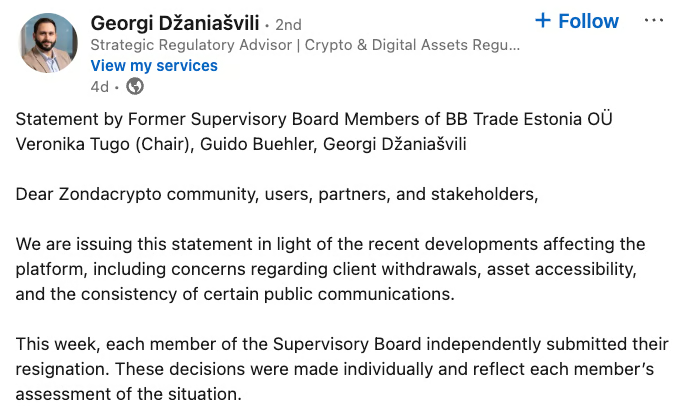
Zondacrypto’s crisis deepened on Friday after Polish outlet Onet reported that CEO Przemysław Kral had gone to Israel as prosecutors investigate the exchange over alleged fraud and investor losses.
According to the report, Kral has been in Israel for about a week and holds Israeli citizenship, a factor that could complicate any potential extradition to Poland. Polish authorities opened an investigation into Zondacrypto last Friday over alleged fraud and investor losses. Cointelegraph also confirmed that Kral’s email address, previously used to communicate with him, has become unavailable.
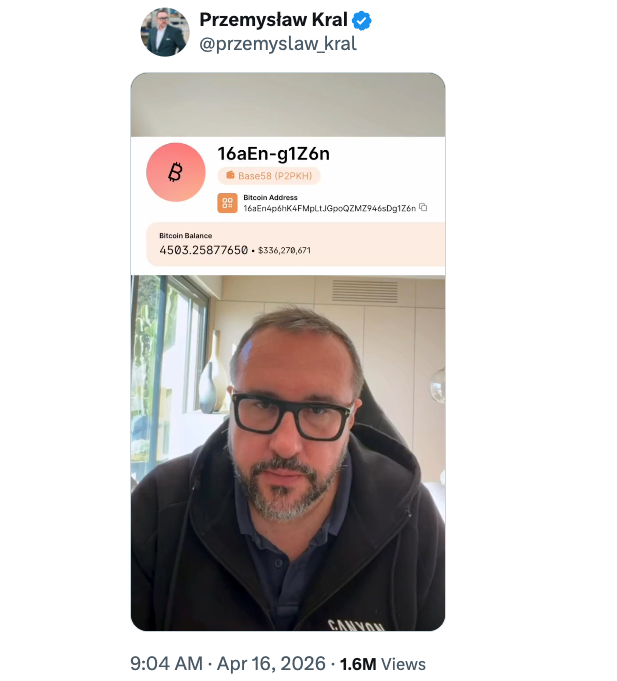
The developments come a week after Kral admitted last Thursday that Zondacrypto’s cold wallet holding 4,500 Bitcoin was inaccessible, marking his last publicly known communication at the time of reporting. Polish prosecutors have identified several hundred possible victims and potential losses of at least 350 million Polish zloty (around $97 million), according to Notes from Poland, citing prosecutor spokesperson Michał Binkiewicz.
The case has added pressure to one of Central and Eastern Europe’s biggest crypto platforms, even as Zondacrypto is much smaller in scale than global exchanges such as Binance.
Zondacrypto board resignations add to pressure
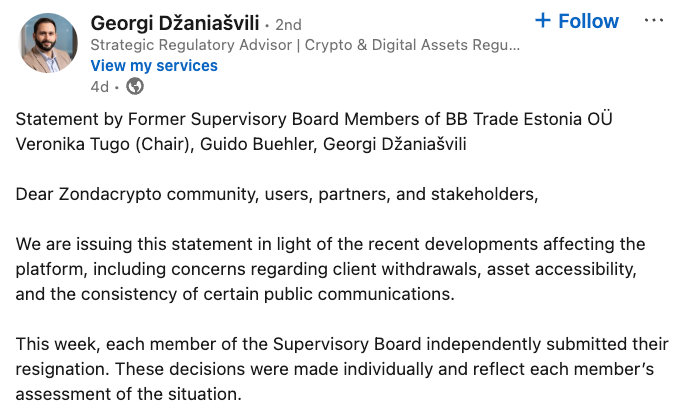
The controversy deepened this week amid resignations from the supervisory board of BB Trade Estonia OÜ, the Estonian company that operates the exchange.
In a Monday post on LinkedIn, former board member Georgi Džaniašvili said the board learned about the scale of the Zondacrypto crisis through media reports rather than internally. He also pointed to “material inconsistencies” between public statements and information available to the board.
Source: Georgi Džaniašvili
“In a governance structure where ownership and executive management are concentrated in one individual, effective oversight depends on transparency, timely communication, and mutual trust,” Džaniašvili wrote, adding: “Regrettably, that foundation has been materially undermined.”
Why is the Zondacrypto case being investigated in Poland?
Although Zondacrypto is registered in Estonia, the company has a significant user base and operational presence in Poland, particularly among Polish-speaking users, which has led Polish authorities to open a criminal investigation following complaints from customers in the country.
Zondacrypto was founded in Katowice in 2014 under the name BitBay by Sylwester Suszek, who has been missing since 2022. In public comments last week, Kral said Suszek was responsible for Zondacrypto not having access to its cold wallet.
Source: Przemysław Kral
The issue has become a hot topic in Polish politics, with Prime Minister Donald Tusk claiming links between Zondacrypto and Russian capital and political influence, citing the exchange’s early history and later growth under new management.
In an official communication on April 17, Tusk said up to 30,000 Zondacrypto users may have been affected and compared the case to past financial scandals in Poland.
Related: Europe’s MiCA regime puts smaller crypto firms under pressure
Tusk also said the lack of a comprehensive legal framework for investor protection meant authorities were only able to act later, referring to Poland’s repeated delays in passing legislation aligned with the European Union’s Markets in Crypto-Assets Regulation (MiCA) framework.
The case could have broader implications for how the EU approaches crypto supervision under MiCA, with some member states advocating for more centralized oversight rather than national-level enforcement.
Magazine: How crypto laws changed in 2025 — and how they’ll change in 2026

Bitcoin price action has one more week to go until it potentially achieves its biggest month’s gains since late 2024.
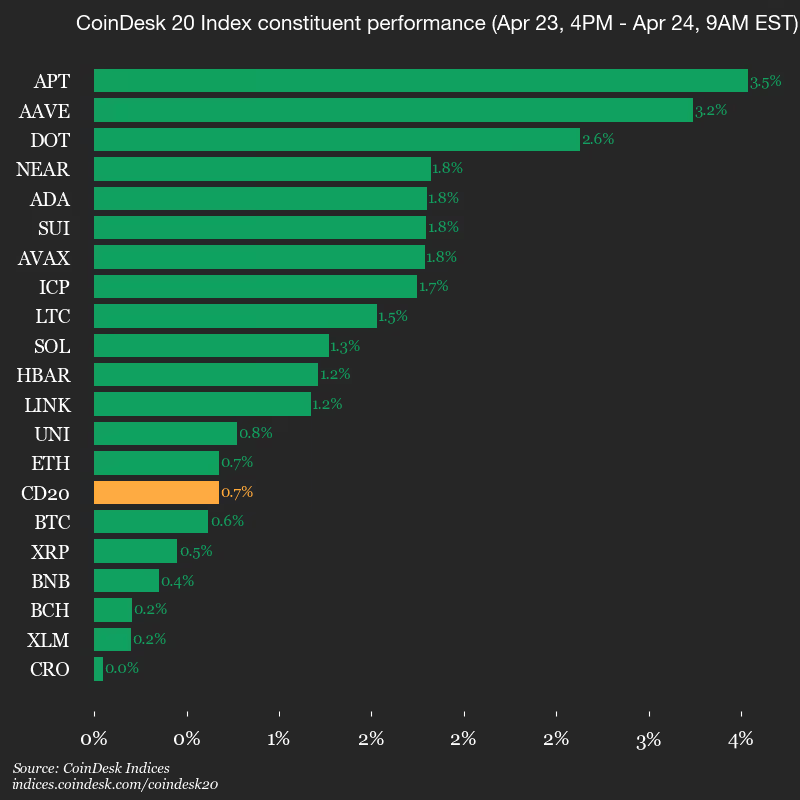
CoinDesk Indices presents its daily market update, highlighting the performance of leaders and laggards in the CoinDesk 20 Index.
The CoinDesk 20 is currently trading at 2130.2, up 0.7% (+14.28) since 4 p.m. ET on Thursday.
All 20 assets are trading higher.

Leaders: APT (+3.5%) and AAVE (+3.2%).
Laggards: CRO (+0.0%) and XLM (+0.2%).
The CoinDesk 20 is a broad-based index traded on multiple platforms in several regions globally.
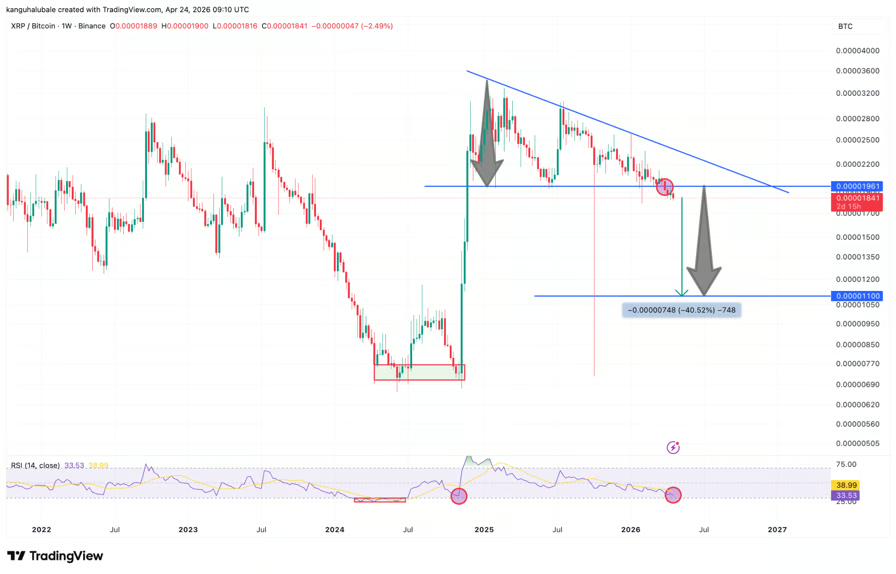
XRP (XRP) has fallen about 5% against Bitcoin (BTC) over the past week, and the confirmation of a bearish pattern now points to the risk of more losses ahead.
Key takeaways:
- XRP/BTC’s descending triangle pattern on the weekly chart points to a possible 40% drop toward 0.000011 BTC.
- Persistent institutional demand through US-based spot ETFs supports the case for a recovery in XRP price.
XRP’s descending triangle breakdown is underway
Since late 2024, the XRP/BTC ratio has been consolidating inside a descending triangle on the weekly time frame.
In technical analysis, descending triangles are typically viewed as bearish patterns. The pattern was confirmed when the price produced a weekly candlestick close below the triangle’s lower trend line at 0.000096 BTC, as shown in the chart below.
The downside target is derived by taking the height of the triangle and placing it lower from the point where the price breaks below the pattern’s lower trend line.
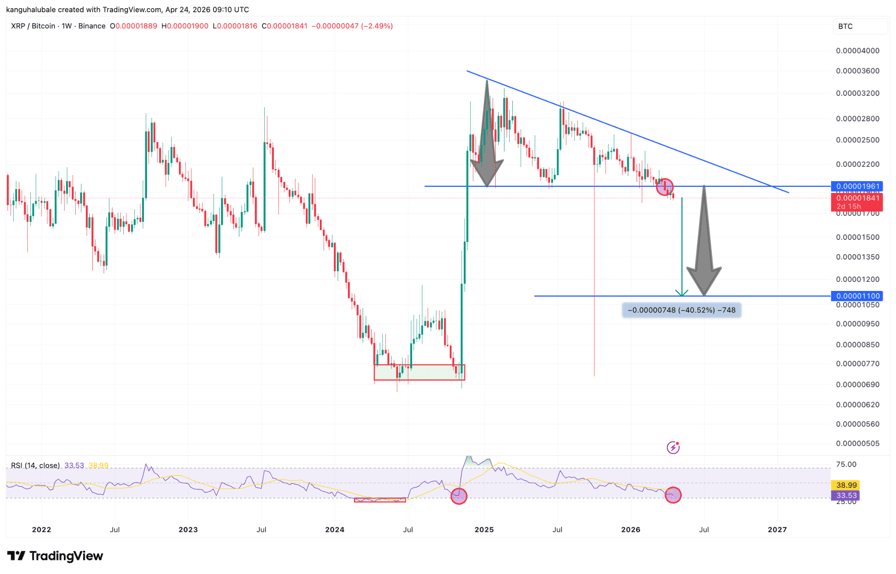
XRP/BTC weekly chart. Source: Cointelegraph/TradingView
Using that method, the XRP/BTC pair’s measured downside target comes in near 0.000011 BTC, about 40.5% below current levels.
“$XRP/BTC looks edgy,” technical analyst ChartNerd said in a recent post on X, adding that losing support at $0.000091 would lead to further losses in the XRP/BTC ratio as well as the XRP/USD pair.
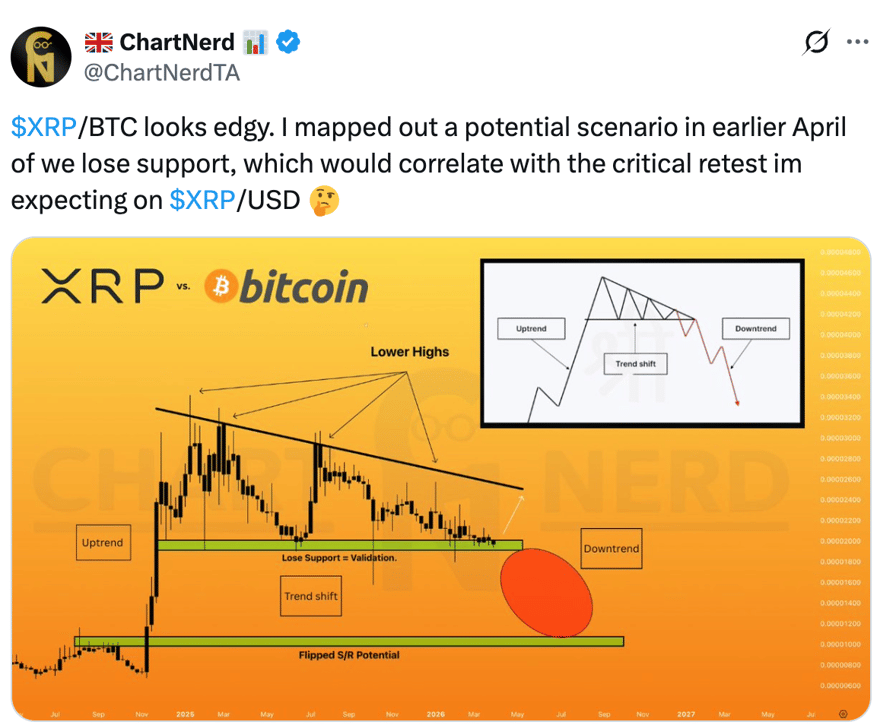
XRP/BTC weekly chart. Source: Chart Nerd
However, the RSI is near oversold at 33, levels that have previously marked macro bottoms for the ratio, as seen in mid- and late 2024. This suggests that the current downtrend could soon come to an end.
As Cointelegraph reported, a similar recovery could be seen in XRP price as several technical and onchain indicators send bottoming signals.
XRP ETF demand makes a comeback
Institutional demand for XRP investment products has been strengthening, according to data from SoSoValue.
US-based spot XRP exchange-traded funds (ETFs) posted $3.89 million in net inflows on Thursday. This marked nine consecutive days of net inflows, totaling $73.78 million. This streak has pushed cumulative inflows to nearly $1.28 billion and AUM to $1.1 billion.
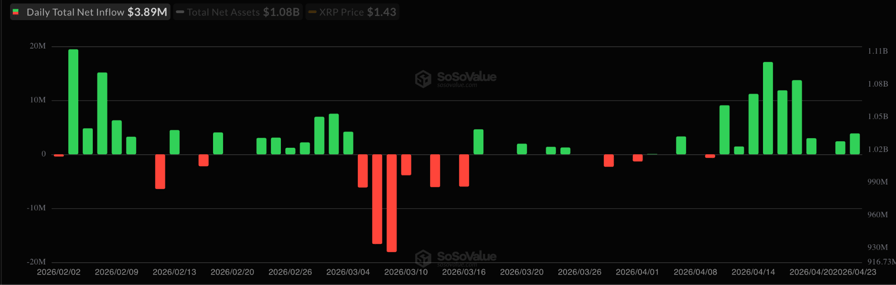
US spot XRP ETF flows chart. Source: SoSoValue
This indicates an increased institutional appetite for XRP products, despite the price declining 22% in 2026 and lagging against Bitcoin.
“$XRP ETF inflows continue,” analyst Don Digital Finance said in a Friday X post.
It signals “steady institutional demand as accumulation continues despite sideways price action,” the analyst added.
“Institutional demand is rising fast as big money continues flowing into XRP exposure,” fellow analyst Ledger Man said, adding:
“This could be a major signal that confidence in XRP is growing stronger than ever.”

Spirit Airlines bailout: What it means for summer flyers and the industry

Weekly Market Insights with Gary Thomson: The Week of Central Banks and Earnings Reports

The road to the next UK-EU summit runs through Switzerland

Manchester United reach agreement with Casemiro over contract clause amid transfer speculation

US brings back mandatory military draft registration

Steven Gerrard disagrees with Gary Neville over ‘shock’ Chelsea and Arsenal claim | Football


-

 Fashion7 days ago
Weekend Open Thread: Theodora Dress
-

 Politics7 days ago
Palestine barred from entering Canada for FIFA Congress
-

 Business5 days ago
Powerball Result April 18, 2026: No Jackpot Winner in Powerball Draw: $75 Million Rolls Over
-
Entertainment5 days ago
NBA Analyst Charles Barkley Chimes in on Ice Spice McDonald’s Fiasco
-

 Tech6 days ago
Auto Enthusiast Scores Running Tesla Model 3 for Two Grand and Turns It Into Bare-Bones Go-Kart
-

 Politics5 days ago
Zack Polanski demands ‘council homes not luxury flats for foreign investors’
-

 Crypto World7 days ago
Russia Pushes Bill to Criminalize Unregistered Crypto Services
-

 Politics4 days ago
Gary Stevenson delivers timely reminder to register to vote as deadline TODAY
-

 Business2 days ago
Rolls-Royce Voted UK’s Most Iconic Trade Mark as IPO Register Hits 150
-

 Politics2 days ago
Disabled people challenge government SEND proposals over segregation concerns
-

 Politics2 days ago
Making troops accountable for war crimes threatens US alliance, ex-SAS colonel warns
-

 Crypto World7 days ago
Russia Introduces Bill To Criminalize Unregistered Crypto Services
-
Politics2 days ago
Wings Over Scotland | How To Get Away With Crimes
-

 Politics2 days ago
Starmer handler McSweeney to be dragged from shadows by Foreign Affairs Committee
-

 Politics2 days ago
Zack Polanski responds to home secretary’s taser threat
-
 Crypto World6 days ago
Kelp DAO rsETH Bridge Hack Drains $292M as DeFi Losses Top $600M in Two Weeks
-

 Politics2 days ago
‘Iran is still a nuclear threat’
-

 Crypto World3 days ago
New York sues Coinbase, Gemini over prediction market offerings
-

 Business2 days ago
The Job Benefits Most Men Don’t Know to Negotiate
-

 Crypto World4 hours ago
Michael Saylor says BTC winter is over. Market analyst disagrees, says bitcoin was in a pullback
You must be logged in to post a comment Login