

Crypto World
Tech Stock Showdown: Why Goldman Sachs and Hedge Funds Are Betting Opposite Ways


TLDR
- Goldman Sachs increased its S&P 500 year-end projection to 8,000 from 7,600
- The upcoming Q2 earnings season beginning in mid-July represents a crucial moment for market direction
- Artificial intelligence infrastructure investments are projected to contribute approximately 50% of S&P 500 earnings expansion in 2026
- During the week closing June 25, hedge funds dumped technology equities at the most aggressive rate since 2016
- The Magnificent Seven tech giants shed more than $2.3 trillion in combined valuation throughout June
On May 26, Goldman Sachs elevated its S&P 500 year-end forecast to 8,000, marking an increase from its previous 7,600 projection. The investment bank’s chief U.S. equity strategist Ben Snider detailed this position in a research note dated June 28.
The foundation of Goldman’s thesis is simple. The 2026 equity market advance has been fueled predominantly by earnings expansion rather than multiple expansion — meaning actual profit growth, not investors willing to pay more for existing earnings.
Snider characterized the upcoming Q2 earnings cycle as “a critical test.” Strong corporate results would provide fundamental support for the rally’s continuation. Disappointing numbers, however, would represent the most significant threat to market stability this year.
Goldman’s Earnings Growth Projections
Goldman’s earnings-per-share projection for the S&P 500 in 2026 sits at $340, representing a 24% year-over-year jump. Looking ahead to 2027, the firm anticipates $385 per share, translating to an additional 13% gain.
FactSet data shows Q2 earnings growth estimates at 22%, a notable increase from the 18.7% expectation at the quarter’s outset. Revenue expansion is forecast at 12.1%, marking the most robust growth rate since the second quarter of 2022.
Market reactions to earnings disappointments have been particularly severe. Companies failing to meet analyst expectations have experienced average stock declines of 4.2%, significantly exceeding the historical norm of 2.9%.
With the S&P 500 currently positioned around 7,365, Goldman’s 8,000 forecast suggests approximately 9% additional upside potential.
Artificial Intelligence Spending Underpins Growth Thesis
According to Goldman’s analysis, AI infrastructure capital deployment will generate roughly half of total S&P 500 earnings growth during 2026.
The biggest technology corporations are projected to allocate approximately $754 billion toward capital expenditures this year. This represents an 83% surge compared to 2025 levels. Goldman forecasts this figure climbing to $905 billion in 2027.
Goldman’s proprietary basket tracking AI data center construction-related equities has delivered nearly 60% returns year-to-date. While semiconductor companies remain the primary direct winners, hardware manufacturers, industrial firms, and utility providers are also experiencing earnings tailwinds.
The S&P 500 currently trades at approximately 21 times forward earnings, a valuation higher than roughly 87% of readings over the past four decades. Goldman maintains that near-record corporate profit margins and comparatively moderate interest rates support this elevated multiple.
The seven dominant technology companies — Nvidia, Apple, Alphabet, Microsoft, Amazon, Broadcom, and Meta — collectively generate a 44% return on equity. Goldman projects this metric will decline by an average of 700 basis points next year as depreciation expenses increase at major tech firms.
Smart Money Retreats From Technology Sector
While Goldman maintains its optimistic earnings outlook, hedge funds are rapidly reducing technology sector allocations.
Goldman’s prime brokerage data revealed that hedge funds liquidated technology stocks during the week ending June 25 at the most intense pace since the firm initiated tracking in 2016.
The Magnificent Seven — Apple, Microsoft, Nvidia, Amazon, Alphabet, Meta, and Tesla — comprised approximately 21.5% of hedge fund U.S. equity portfolios at the beginning of 2026. This concentration has contracted to 14.5%, marking the steepest six-month decline since the 2022 bear market.
This elite group of stocks erased over $2.3 trillion in aggregate market capitalization during June alone.
Goldman’s baseline scenario maintains that robust earnings performance, propelled by AI-related spending, will sustain equity markets through year-end. Q2 earnings reporting commences in mid-July, led by major financial institutions.



Key Takeaways
- Walmart shares plummeted more than 5% Wednesday, reaching their lowest point in eight months following a six-session losing streak
- Cleveland Research identified a deceleration in U.S. comparable store sales that may threaten analyst consensus figures, especially in July
- Shares began trading at $113.26, significantly beneath the 50-day moving average of $123.25
- Company insiders offloaded more than $1.06 billion worth of shares during the previous three months without any reported purchases
- Wall Street maintains a Moderate Buy rating with a consensus price target of $138.85, though valuation concerns have emerged
Shares of Walmart began Wednesday’s session at $113.26, representing a decline exceeding 5% and positioning the stock for its weakest closing price in eight months. This marked the sixth straight trading day of declines for WMT.
The catalyst behind the selloff was research from Cleveland Research, which identified signs of decelerating U.S. comparable store sales. The research firm cautioned that this trajectory may negatively impact consensus forecasts, with July’s performance being particularly critical.
In response to inventory challenges, Walmart has implemented price reductions and leveraged tariff refunds to cushion margin pressure. While this represents a strategic response, it underscores the genuine cost and demand challenges confronting the retailer.
The share price deterioration persists even after a robust first-quarter performance. The company delivered earnings of $0.66 per share in May, aligning with analyst projections, while revenue of $177.75 billion surpassed the anticipated $174.84 billion — representing a 7.4% year-over-year gain. Management also maintained its fiscal 2027 guidance of $2.75–$2.85 in earnings per share.
However, investors appear focused on future challenges rather than recent accomplishments.
Significant Insider Transactions Draw Attention
Insider trading patterns have been notably lopsided. Throughout the past quarter, company insiders divested more than $1.06 billion in WMT shares. No insider purchases were documented during this timeframe.
Executive Vice President Christopher Nicholas disposed of 2,900 shares at $123.92 on May 21st. Fellow EVP Latriece Watkins subsequently sold 11,000 shares at $118.97 on May 28th. Both transactions occurred through pre-established Rule 10b5-1 trading arrangements.
Although scheduled sales are standard practice, the substantial magnitude of insider selling has attracted investor scrutiny.
The stock currently trades at a P/E ratio of 39.74 — representing a premium valuation that several analysts question in light of potential growth deceleration. While its GF Score of 86/100 indicates strong long-term fundamentals, near-term momentum has turned decidedly negative.
Analyst Community Maintains Optimistic Stance
Notwithstanding the downturn, Wall Street analysts haven’t abandoned Walmart. The stock maintains a Moderate Buy consensus rating with an average price objective of $138.85 — substantially above present trading levels.
Recent analyst ratings feature a $145 Buy target from BTIG, $140 from Truist, and $137 Outperform ratings from both Wolfe Research and Royal Bank of Canada. Among 36 tracked analysts, 31 maintain Buy ratings and four recommend Hold. A single analyst assigns a Strong Buy rating.
Several institutional investors expanded positions during the first quarter. Littlejohn Financial Services established a fresh $2.81 million position, while Union Bancaire Privee UBP SA increased its holdings by 253.3%.
Walmart’s 52-week high stands at $135.15. The stock’s 200-day moving average rests at $122.22, a threshold now breached to the downside.
With a 1-year low of $94.23, there’s context for evaluating potential downside if selling momentum persists.


Miles Guo, the exiled Chinese businessman who built a following as a critic of Beijing, was sentenced to 30 years in prison for a fraud scheme that raised more than $1 billion from investors. Part of that scheme ran through a fake cryptocurrency called Himalaya Coin. US District Judge Analisa… Read the full story at The Defiant
Cryptocurrency ATMs are fast disappearing from the American landscape as kiosk operators in two US states face bans and restrictions as new laws go into effect.
Crypto ATM laws passed by Tennessee and Georgia went into effect on Wednesday, imposing a complete ban in the former and requiring transaction limits and reporting in the latter. The measures by the two states followed bans in Indiana, which went into effect in March, and Minnesota, set to enforce an ATM ban on Aug. 1.
The Tennessee law, signed by Governor Bill Lee in April, bans the use and installation of cryptocurrency ATMs and kiosks, while the Georgia law requires that ATM operators cap money sent for new and existing users, issue warnings to customers and in some cases refund those who may have been the victim of fraud.
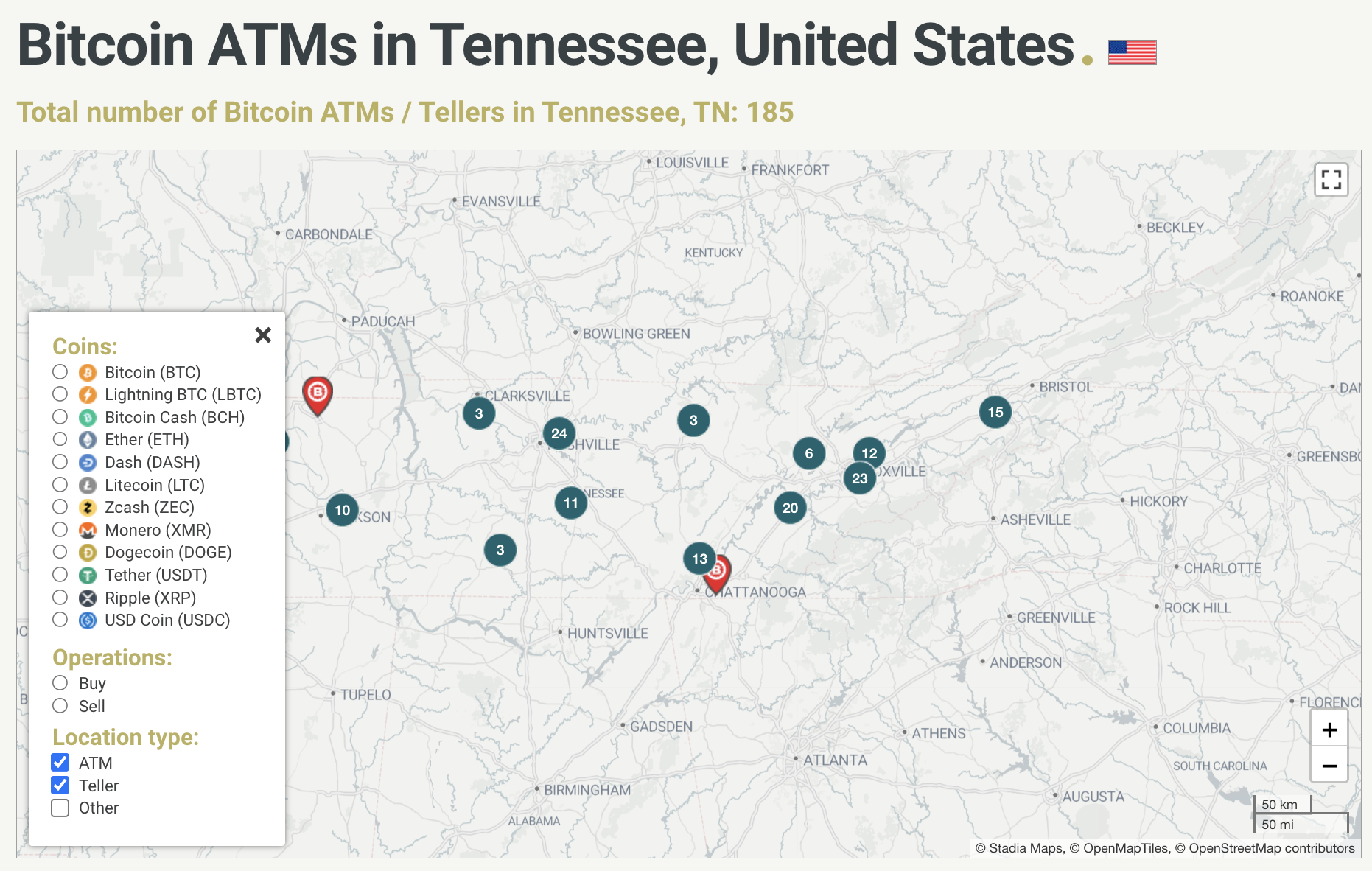
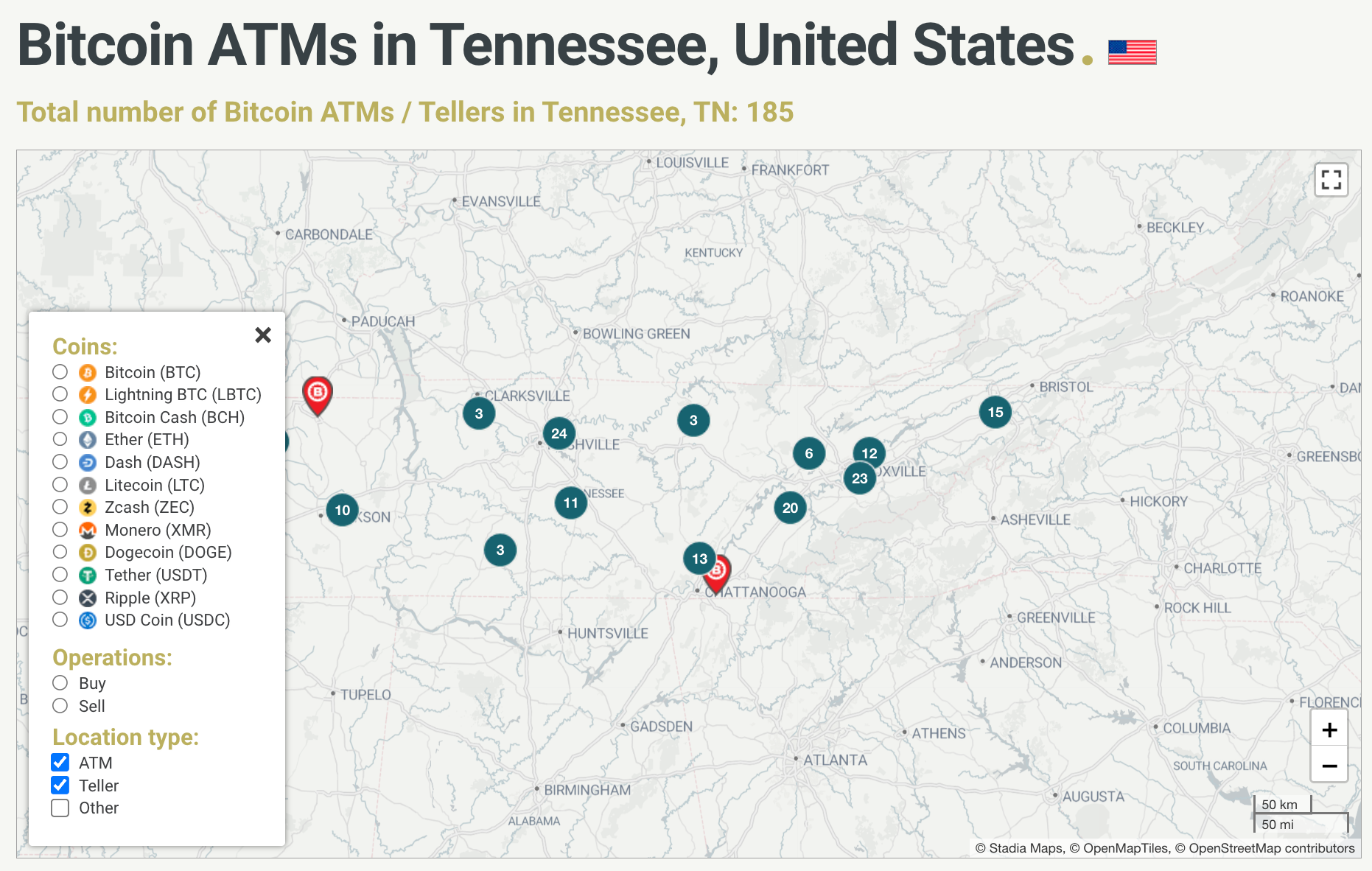
There were 185 crypto ATMs and kiosks operating in Tennessee before the statewide ban took effect on July 1. Source: CoinATMRadar
Many US state governments and municipalities have individually begun cracking down on crypto ATM operators in response to incidents of residents, particularly senior citizens, being conned into sending funds to scammers. Delaware and New Jersey lawmakers have proposed similar measures completely banning the machines.
Related: Massachusetts city to weigh crypto ATM ban, citing financial risks
The restrictions may have already contributed to at least one ATM operator going under. In May, Bitcoin Depot filed for Chapter 11 bankruptcy. The company had disclosed just days before that it had “substantial doubts” about its future amid a challenging regulatory environment and lawsuits.
“Bitcoin Depot’s bankruptcy is likely a preview of what the broader crypto ATM industry will face in the US over the next several years,” Roshan Dharia, CEO of Echo Base and a restructuring adviser, told Cointelegraph following the Chapter 11 filing. “The traditional model depended on high transaction spreads and limited regulatory scrutiny to offset unusually high compliance, cash logistics, fraud remediation, and retail revenue sharing costs. That equation is breaking down as states increasingly impose consumer protection standards that compress fees, expand operator liability for scam related activity, and raise expectations around transaction monitoring and reimbursement.”
Canada weighs countrywide ATM ban
Although not in effect yet, federal policymakers in Canada proposed a total ban on crypto ATMs across the country. The proposed policy, which would still allow Canadians to buy digital assets from brick-and-mortar money services businesses, was in response to what officials called the ATMs being the “primary method for scammers to defraud victims and for criminals to place their cash proceeds of crime.”
Magazine: Bitcoin slides to $58K, XRP hits $1 but onchain data promising: Market Moves
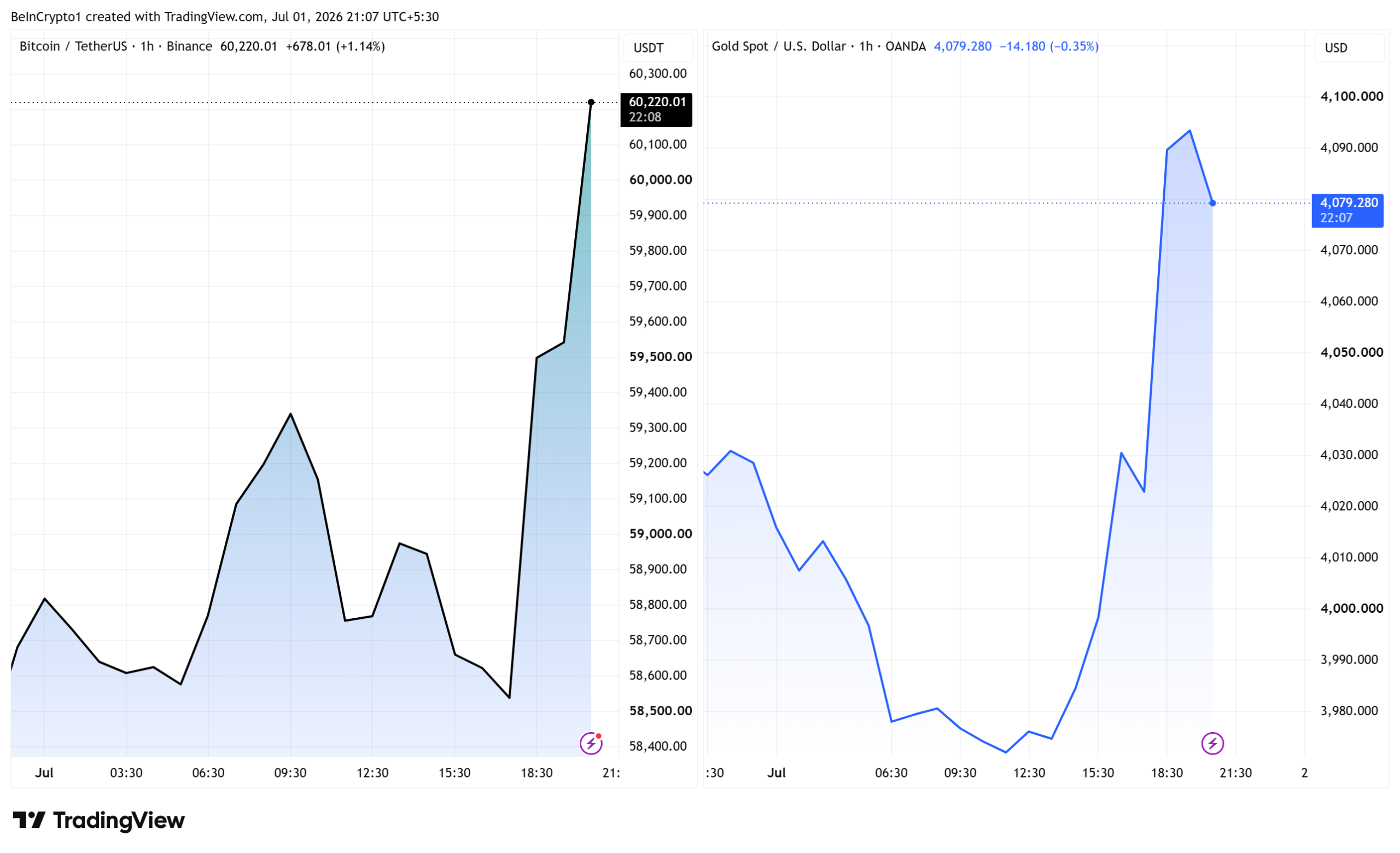
Bitcoin (BTC) reclaimed $60,000 on Wednesday after Federal Reserve Chair Kevin Warsh said inflation risks had eased and struck an open-minded tone on artificial intelligence (AI), reviving appetite for risk assets and precious metals.
The Fed chief declined to call the AI spending boom inflationary and flagged easing price risks, a tone traders judged less hawkish than his June debut. Gold also climbed alongside Bitcoin.

Kevin Warsh Cools Fears of Higher Rates
Warsh spoke at the ECB Forum on Central Banking in Sintra, Portugal, his first international appearance as Fed chair. A longtime inflation hawk, he served on the Fed board through the 2008 crisis. He resigned in 2011 over a $600 billion bond-buying plan.
His words carried weight because US inflation has run hot. Consumer prices rose 4.2% in the year to May, the fastest since 2023, as the war with Iran lifted oil.
That drove the Fed to hold rates at 3.5% to 3.75% in June and signal a possible hike. Those fears eased after oil prices retreated in late June.
Speaking on a panel in Sintra, Warsh pointed to easing price pressures since he took over.
“Inflation risks have come down.”
Yet he insisted the work was not done, recommitting to price stability.
“We’re all in the price stability business … we’ve all looked around and we’ve seen that prices are too high.”
On AI, Warsh was upbeat, calling it a driver of productivity while leaving its inflation impact open.
Notably, some Fed officials have tied AI-driven inflation concerns to the case for hikes.
“What they say is that the demand is insatiable, that these companies, these hyperscalers, will pay almost any price for those inputs, and they need things built yesterday,” Cleveland Federal Reserve President Beth Hammack said recently.
Bitcoin Reclaims $60,000 as Gold Rebounds
Bitcoin traded near $60,088, up about 2.8% in 24 hours, while Ethereum rose about 3.3% to near $1,619. The gains lifted Bitcoin back above $60,000 and its market value over $1.2 trillion.
The bounce followed a steep month. Bitcoin had slid to its 2026 low near $58,000 last week, after hot May inflation triggered $1.26 billion in liquidations. It remains down about 16% from a month ago.
Meanwhile, gold rebounded to an intra-day high of $4,115 after sliding to multi-month lows this week. Silver and other precious metals gained as bets on aggressive tightening eased.
The bond market was less convinced. Treasury yields rose, with the 10-year note near 4.46%. Rising Treasury yields mean bond investors were pricing in higher-for-longer interest rates.

It follows Warsh stressing that prices are “too high” and signaling no rate cut, a hawkish read that ran opposite to the risk-on rally in Bitcoin and gold.
Warsh held a firm line on prices and gave no hint of a July cut. This week’s US jobs report and the Fed’s next meeting, about four weeks away, will test the rally.
The post Kevin Warsh Reignites Risk Appetite: Gold Surges While Bitcoin Reclaims $60,000 appeared first on BeInCrypto.


World, a prediction market built on Solana, went live inside the Phantom wallet and at world.xyz on July 1, using Chainlink as its primary oracle infrastructure, according to the project's own X post. The platform lets users trade event contracts on crypto prices and the 2026 FIFA World Cup, with… Read the full story at The Defiant
Crypto World
Trump’s Government Filing Just Revealed $1.4 Billion in Crypto Earnings Last Year, And His Stablecoin Is Already Under Scrutiny
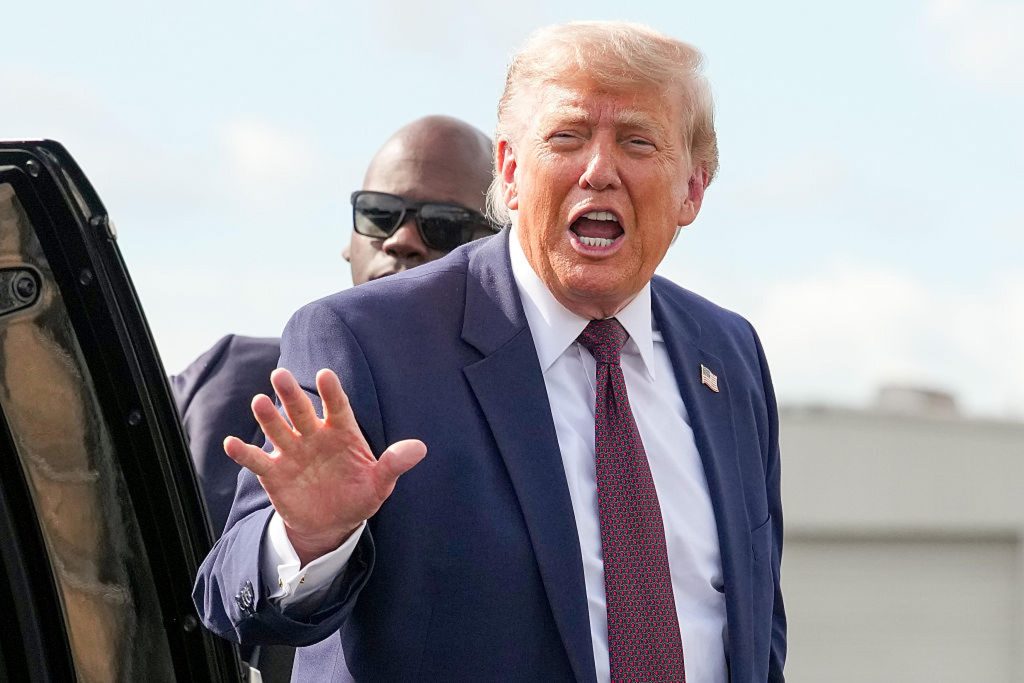
Donald Trump’s annual financial disclosure, filed with the U.S. Office of Government Ethics, shows at least $1.4 billion in crypto-related earnings for 2025, drawn from three distinct revenue lines: governance token sales through World Liberty Financial (~$800M), royalties from the TRUMP meme coin (~$635M), and an equity sale tied to Stablecoin Holdco (~$197M).
Reuters estimated the Trump family’s total crypto income since the president returned to the White House at $2.3 billion, placing the OGE filing’s $1.4 billion figure as 2025 income alone, not the cumulative haul.
The distinction matters: the disclosure covers the president personally; the Reuters total sweeps in family-linked entities across the broader ecosystem.
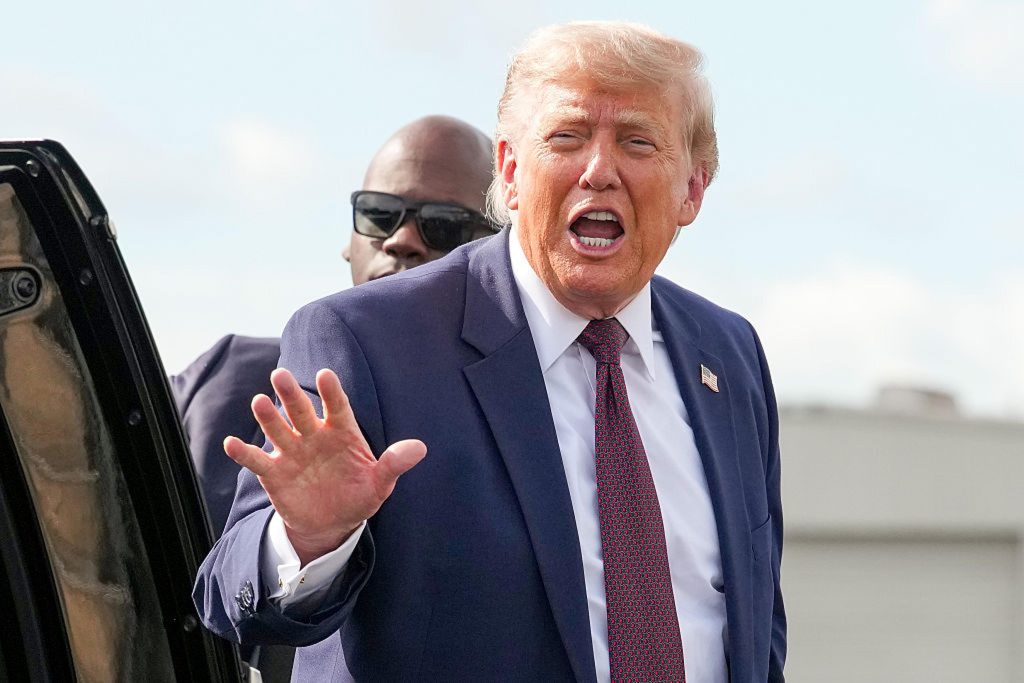
Crypto is now formally, under government reporting requirements, the dominant driver of Trump’s personal income, not real estate, not licensing, not Mar-a-Lago, which itself generated more than $77 million last year.
Discover: The Best Token Presales
What the OGE Filing Actually Shows: Three Revenue Streams, One Dominant Theme
The largest component is World Liberty Financial, the DeFi platform the Trump family launched in mid-2024. Trump-linked companies received almost $800 million from WLF, broken down as more than $520 million from governance token sales and more than $250 million from the sale of business interests.
A separate $538 million tranche came from a deal in which WLF sold tokens to ALT5 Sigma, a Trump-affiliated publicly traded crypto treasury firm, an arrangement that illustrates how interconnected the Trump crypto ecosystem has become across entities.
The structural setup that makes those numbers possible: a Trump family-owned entity, DT Marks DEFI LLC, holds entitlement to 75% of token-sale proceeds after expenses, per Reuters. WLF raised $1.4 billion through the sale of 30 billion governance tokens in total.
That revenue-share arrangement is not incidental, it is the engine behind the bulk of the Trump crypto earnings disclosed in the filing. For context on how institutional tokenization infrastructure of this scale is being built across the broader market, the Securitize NYSE listing offers a parallel structural reference point.
The TRUMP meme coin generated $635 million in disclosed income, flowing through CIC Digital LLC almost entirely as royalties tied to a license agreement with Celebration Coins.
Reuters’ parallel investigation put the family’s take from the $TRUMP venture at approximately $616 million in the first half of 2025, a figure close enough to the OGE number to confirm the royalty structure is the primary mechanism. The meme coin’s revenue model depends on trading volume and the royalty rate extracted from that activity, not on price appreciation per se, which means the income stream is partially insulated from token price volatility.
The third line, Stablecoin Holdco, generated nearly $197 million from an equity sale. Bloomberg’s coverage values the underlying USD1 stablecoin business at more than $300 million.
The USD1 stablecoin, issued by World Liberty Financial, has been the subject of intense legislative scrutiny given that the president signed the GENIUS Act stablecoin legislation while holding a direct financial stake in a competing stablecoin issuer. That overlap is not hypothetical, it is now documented in a government ethics filing.
One figure the disclosure excludes: the Trump family still holds World Liberty founder tokens worth approximately $3.8 billion at current market rates, but those remain locked and illiquid and were therefore excluded from income tallies. The realized figures in the filing are large enough on their own.
Don’t Miss Out on Our $1,000 USDT Airdrop on ByBit
The post Trump’s Government Filing Just Revealed $1.4 Billion in Crypto Earnings Last Year, And His Stablecoin Is Already Under Scrutiny appeared first on Cryptonews.
Crypto World
Cardano Price Prediction: ADA Is Stuck in a Tight Range While the “Ghost Chain” Label Keeps Circulating
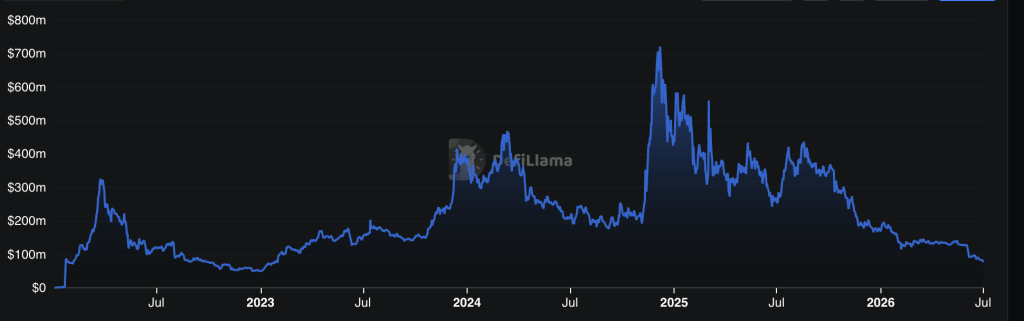
Cardano price is trading near $0.1448, down roughly 0.94% in 24 hours, the coin stuck in a tight consolidation band rather than anything directional.
The ghost chain label keeps surfacing in bear-cycle discourse, and with ADA rangebound for weeks, it’s worth examining whether the criticism holds or whether the chart is simply pausing before the next move. There’s a key resistance level that determines everything from here.
The “ghost chain” critique targets blockchains that are technically live but generate negligible real-world activity. Cardano has faced this charge repeatedly, given its deliberate, peer-reviewed development cadence, which critics read as stagnation.
The counterargument is in the on-chain data: the network continues to process transactions, its developer community remains active, and ecosystem upgrades have continued shipping.
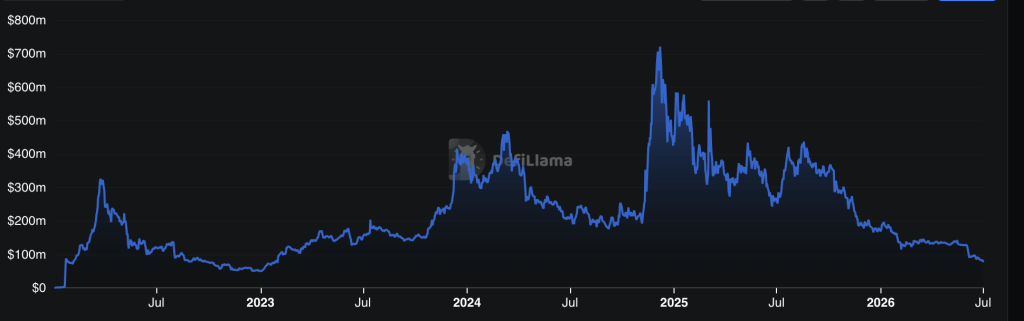
Layer 1s don’t survive a decade on name recognition alone. Cardano has. The question is whether that’s enough to drive price.
Broader crypto sentiment is calm right now, which cuts both ways for ADA, no macro tailwind, but also no macro headwind shaking weak hands loose. The price action is a technical story, not a fundamental one, and the technicals are at a decision point.
Can Cardano Price Break $0.1489 Resistance This Week?
ADA is consolidating between $0.1366 and $0.1550 with the most actionable cluster sitting between $0.1489 and $0.1518 on the upside. CoinLore’s near-term ceiling sits at $0.1521 with a floor at $0.1344, a range tight enough that a single exchange-level catalyst resolves the trade in either direction.
Three support tiers sit below current price at $0.1428, $0.1395, and $0.1366. Price is holding above the first level, which is constructive but barely. Volume has been tepid with no confirmation of accumulation or distribution in either direction.
ADA clearing $0.1489 on volume compresses toward $0.1518 to $0.1550 and shelves the ghost chain narrative for another cycle.
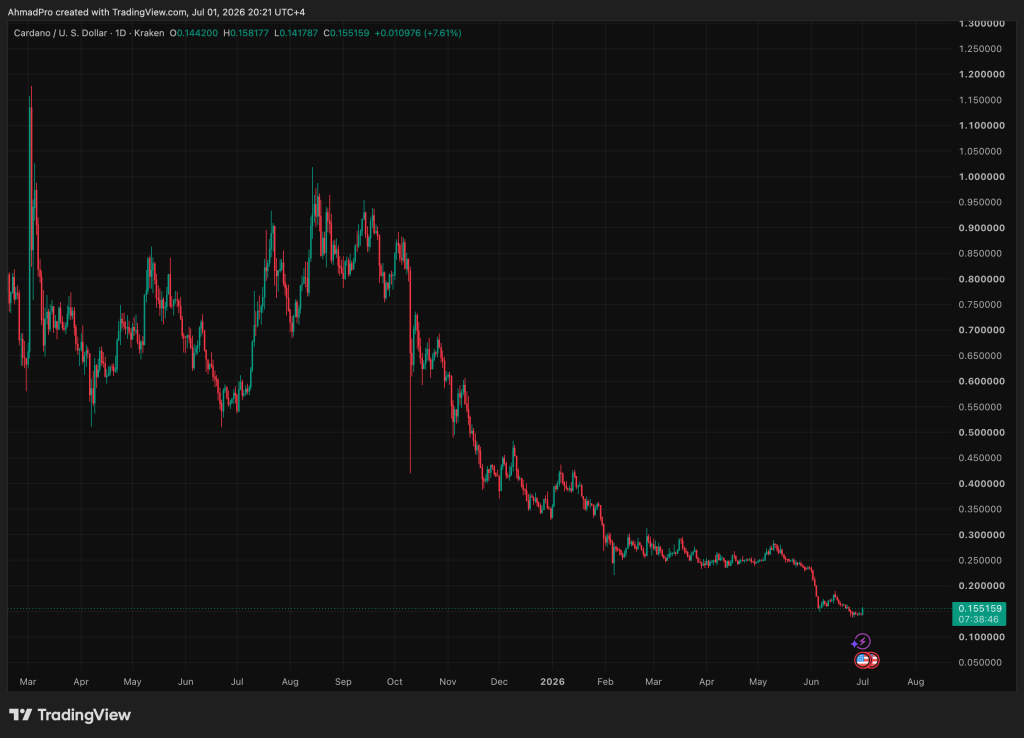
Consolidation continuing in the $0.1395 to $0.1489 band through the near term makes CoinCheckup’s $0.1455 target for July 30 the soft ceiling for cautious models.
A break below $0.1366 brings the $0.1344 floor into play and makes Binance’s longer-range model at $0.09645 for 2027 look less like an outlier. Invalidation of the bull case is clean: a daily close below $0.1344.
Coinbase’s model diverges sharply bullish at $0.49 for 2026 and $0.59 for 2030. That is either a major unpriced catalyst or aggressive extrapolation. Treat it as a ceiling scenario, not a base case.
Maxi Doge Targets Early Mover Upside as Cardano Tests Key Levels
ADA’s range-bound structure makes patience the trade. Meaningful upside exists but it is conditional on a breakout that has not materialized yet. Traders who want crypto momentum without waiting on a technical resolution are rotating into earlier-stage plays where the entry price itself provides the asymmetry.
Maxi Doge is one presale drawing that rotation.
Built on Ethereum as an ERC-20 meme token, the project leans hard into gym-bro trading culture with a 240-lb canine mascot and the tagline “Never skip leg-day, never skip a pump.” The branding is intentionally loud but the mechanics underneath are more structured than the meme framing suggests.
Holder-only trading competitions with leaderboard rewards give the community something to compete for beyond price speculation. A Maxi Fund treasury is allocated to liquidity and partnerships. Dynamic staking APY rewards holders for staying in.
The presale is currently priced at $0.0002826 with $4.82 million raised to date. That number signals real capital commitment rather than a ghost project.
Meme tokens carry significant risk. Liquidity and post-launch price discovery are always the critical unknowns. But for traders looking for asymmetric exposure while ADA grinds sideways, the entry price here is doing a lot of the work.
For traders who’ve done the work, research Maxi Doge here.
The post Cardano Price Prediction: ADA Is Stuck in a Tight Range While the “Ghost Chain” Label Keeps Circulating appeared first on Cryptonews.


Strategy has received another Wall Street price target cut after Canaccord lowered its valuation on the company while maintaining that Bitcoin’s long-term investment case remains intact.
Summary
- Canaccord cut Strategy’s price target to $130 but said its long-term Bitcoin investment thesis remains unchanged.
- The brokerage believes Strategy’s Bitcoin-focused business model is still viable if Bitcoin posts moderate annual gains.
- Other analysts, including TD Cowen, Cantor Fitzgerald, and Benchmark, continue backing Strategy despite lowering or maintaining price targets.
Bitcoin outlook remains intact despite lower valuation
According to a research note from Canaccord, the brokerage reduced its price target for Strategy to $130 from $163, citing the company’s prolonged share price decline rather than any change in its long-term view on Bitcoin. The revision comes as Strategy stock has struggled for months, even though the firm said its underlying investment thesis for the cryptocurrency remains unchanged.
Strategy shares closed the previous trading session at $86.93, only slightly above their 52-week low of $81.81 and roughly 77% below where they traded a year ago. The stock later rebounded 8.12% to $93.96 after the company introduced its new Digital Credit Capital Framework.
Canaccord said Bitcoin continues to benefit from limited supply and growing adoption of blockchain technology. The brokerage added that the cryptocurrency has become more established within financial markets and is no longer facing the same uncertainty over whether it should be viewed primarily as a speculative asset or a long-term store of value.
The firm also maintained that Strategy’s Bitcoin-focused corporate model remains workable as long as Bitcoin delivers moderate annual appreciation. At the same time, Canaccord acknowledged that recent market performance has fallen short of those expectations.
“We think there is nothing broken here, either in the company’s model or in bitcoin, which suggests a pendulum swing back makes sense sometime over the medium term.”
Separately, data cited in the report showed Strategy’s Relative Strength Index has moved into oversold territory, while Fair Value analysis suggested the shares could be trading below their estimated intrinsic value.
Capital strategy continues to receive support from analysts
The latest revision follows another recent target cut from TD Cowen, which, as previously reported by crypto.news, lowered its price target on Strategy to $260 from $400 while keeping a “buy” rating. According to TD Cowen, the lower valuation was driven by a more conservative long-term Bitcoin price forecast rather than concerns about Strategy’s newly introduced Digital Credit Capital Framework.
TD Cowen said its revised target still implies roughly 200% upside from current trading levels. The brokerage also described the new capital framework as a constructive step that could improve Strategy’s financial flexibility, even after the stock surrendered part of its initial gains following the announcement.
In a regulatory filing dated June 29, Strategy disclosed that its Digital Credit Capital Framework allows the company to raise up to $1.25 billion through Bitcoin sales if needed. According to the filing, those proceeds may be used to maintain U.S. dollar reserves, fund preferred dividend payments, meet interest obligations, strengthen cash balances, and finance future share repurchases.
The same filing also authorized up to $1 billion in repurchases of the company’s Digital Credit Securities, including STRC, STRF, STRD, and STRK, when management determines buybacks would improve the firm’s capital structure. Strategy further disclosed that it has paused additional Bitcoin purchases while selling about $1.15 billion worth of MSTR shares as part of its capital management plan.
Elsewhere on Wall Street, Cantor Fitzgerald reaffirmed its Overweight rating and $212 price target, citing confidence in Strategy’s liquidity plans. Benchmark also reiterated its Buy rating and maintained its $570 price target, noting that although the company’s preferred shares have weakened in recent months, Strategy has continued adding Bitcoin to its balance sheet.
Crypto World
Ark Invest bought more than $75 million of COIN, CRCL, BLSH shares during June bloodbath


Ark Invest has a tendency to load up on shares in cryptocurrency companies when their prices are depressed, and June was no exception.
Bitcoin , the largest cryptocurrency, recorded its worst month in four years, and digital asset firms’ share prices suffered accordingly, which Ark read as a buying opportunity.
The St. Petersburg, Florida-based investment manager bought $44 million worth of shares in crypto exchange Coinbase (COIN), based on the closing prices of the days on which purchases were made. It purchased $25.25 million worth of equity in Circle Internet (CRCL), issuer of the world’s second-largest stablecoin USDC, and $8.2 million worth of crypto exchange Bullish (BLSH), the parent company of CoinDesk, according to emailed disclosures.
Shares of Circle slumped 40% in June, ending the month at $62.63. The decline included an 18% drop on June 30 following the debut of rival stablecoin Open USD, which is backed by more than 140 companies, including Coinbase, Stripe, Visa, Mastercard and BlackRock.
COIN ended June just under 20% lower at $146.19, while BLSH fell 27% to $23.43.


The Winklevoss twins have transferred about $67 million worth of Bitcoin and Ethereum to Gemini wallets, with Arkham Intelligence identifying the transactions as matching their usual selling pattern.
Summary
- Arkham Intelligence flagged the Winklevoss twins’ $67 million Bitcoin and Ethereum transfers to Gemini as matching previous selloff patterns.
- Bitcoin remains under pressure as Citigroup cuts its price target and ETF outflows continue weighing on market sentiment.
- Ethereum holds near key support despite continued treasury purchases from SharpLink and Bitmine failing to offset whale selling.
According to blockchain analytics firm Arkham Intelligence, Cameron and Tyler Winklevoss moved roughly $60 million in Bitcoin (BTC) and another $7 million in Ethereum (ETH) from custody to hot wallets linked to the Gemini crypto exchange on July 1. Arkham characterized the transfers as consistent with the twins’ previous selloff behavior, although the firm did not confirm that the assets had already been sold.
The latest transfers come as Bitcoin and Ethereum continue trading under pressure following quarter-end selling and persistent weakness in investor sentiment. Recent price declines have also coincided with reduced expectations that the CLARITY Act will pass this year after U.S. President Donald Trump disclosed a $1.4 billion crypto-related windfall, a development some market participants have linked to shifting legislative expectations.
Since accumulating Bitcoin in 2015, the Winklevoss twins have realized about $1.7 billion in profit, according to Arkham Intelligence. Despite the latest transfers, they still control more than $300 million worth of Bitcoin. The July movement also follows earlier transfers to Gemini, including about $67.5 million in Bitcoin during June and another $130 million moved in March.
Bitcoin continues to face selling pressure
Citigroup has turned more cautious on the two largest cryptocurrencies, lowering its 12-month Bitcoin price target to $82,000 from $112,000 while reducing its Ethereum forecast to $2,240 from $3,175.
Bitcoin fell as low as $57,747 over the past 24 hours before recovering to trade near $58,600. Trading volume rose about 9% during the same period, while June recorded roughly $4.5 billion in net outflows from U.S. spot Bitcoin exchange-traded funds, adding to the pressure on market sentiment.
Commenting on current market conditions, crypto analyst Ted Pillows wrote, “Sellers are still dominating, while Coinbase Bitcoin Premium is at its lowest level this cycle.” He added that losing the $57,000-$58,000 support region could expose Bitcoin to a deeper decline toward the $50,000 level.
Ethereum buyers continue accumulating despite weakness
Ethereum has also remained under pressure even as several companies continue adding the asset to their corporate treasuries. As previously reported by crypto.news, quarter-end selling, whale distribution, and weak institutional flows have kept Ether pinned near the $1,500 support area despite ongoing buying from public companies.
Corporate accumulation has nevertheless continued. SharpLink recently disclosed the purchase of another 10,000 ETH at an average price of $1,611, spending about $16.1 million to expand its treasury.
Separately, Bitmine acquired 27,084 ETH over the past week, increasing its holdings to more than 5.7 million ETH. According to crypto.news, those purchases have so far failed to offset continued selling by whales and institutional investors.
Ether was trading around $1,572 at the time of writing, down about 1% over the past 24 hours after moving between an intraday low of $1,549 and a high of $1,600. Trading volume also declined during the session.
Crypto.news reported earlier today that the $1,500-$1,510 region remains Ethereum’s most important support zone. A break below that level would invalidate the current consolidation structure and could open the door to declines toward $1,400 before attention turns to the $1,200 area identified by several market participants.

We will be there

Troon scout group’s pride at taking ownership of hall

Container expansion worth more than 10c





-

 Fashion5 days ago
Weekend Open Thread: Staud – Corporette.com
-

 Politics6 days ago
The House | Manchesterism won’t survive the painful trade-offs unless it gets citizens on board
-

 Crypto World2 days ago
Strategy authorizes up to $1.25B in Bitcoin sales under new capital plan
-

 Politics6 days ago
Potential 2028er World Cup attendee leaderboard
-

 Business5 days ago
Asia stock markets slide as tech shares slump
-

 News Videos3 days ago
MAJOR BITCOIN & MARKET UPDATE!!!! (MUST WATCH ASAP!!!)
-

 Tech6 days ago
A Look At A Gaggle Of Transputer Boards
-
 Crypto World6 days ago
Dell (DELL) Shares Tumble Over 5% Following Analyst Downgrade to Hold
-

 Crypto World4 days ago
Coinbase, Circle Deepen Crypto Stock Losses Despite Resilient S&P 500
-

 Business2 days ago
Australia treasurer says alleged access of prime minister’s bank data ’incredibly concerning’
-

 Crypto World5 days ago
Kraken's xStocks Opens Bending Spoons IPO Registration to EEA Retail
-

 Sports5 days ago
FIH Pro League: India defeat Pakistan 7-1, register biggest win of campaign | Other Sports News
-

 Crypto World6 days ago
Bitcoin Sparks $600M Hourly Liquidations With $65,000 Set To Become Resistance
-

 Tech4 days ago
Bluekit phishing kit adopts browser-in-the-middle for login theft
-

 Tech4 days ago
Russian hackers now target Signal backup recovery keys
-
Crypto World5 days ago
Hyperliquid Named on Singapore MAS Investor Alert Register
-

 Crypto World5 days ago
RTX holders must register wallets before token distribution begins
-

 Crypto World7 days ago
Ripple and SBI launch RLUSD in Japan after JFSA approval
-

 Tech2 days ago
Anonymous researcher drops 0-day ‘exploitarium’ repo
-

 Sports6 hours ago
Broncos roster: OL Ben Powers (No. 74) entering final year of contract
You must be logged in to post a comment Login