Crypto World
The Wild True Story Behind Monsters of God


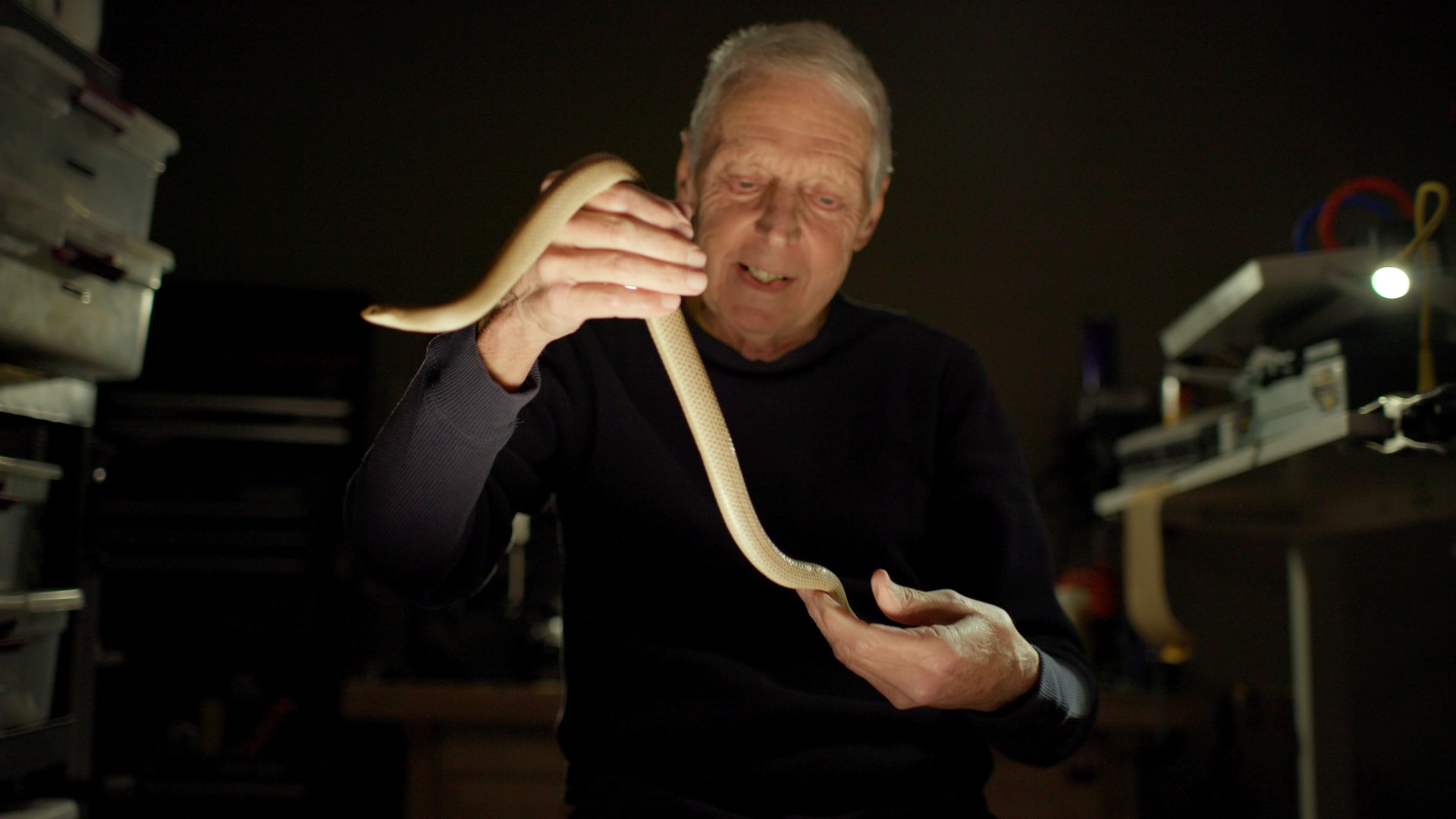
As a lifelong lover of reptiles, Eric Goode has known about the world of exotic reptile smuggling for decades. “I didn’t become acutely aware of the criminality of it until probably into the late ‘80s,” says the director of Tiger King and Chimp Crazy ahead of his latest documentary, another foray into wildlife crime, Monsters of God. The five-episode HBO series is Goode’s most ambitious project to date, surveying the explosion of endangered reptiles trafficked into the country in Florida from the 1970s until today. The series guides us through the web of feuding smugglers and law enforcement crackdowns that connect the Sunshine State to the fauna of Madagascar, Indonesia, Malaysia, and many more countries.
Through remarkable archival footage and an incredible range of interviews, Monsters of God digs into the egotistical and ruthless mentalities that supported competing criminal empires and the undercover operations that dismantled them. The series points a finger at animal lovers who felt uniquely connected to exotic creatures while also treating them as a commodity to be exploited and abused.
“We were really intentional about not making it a traditional true crime doc,” says Jeremy McBride, an executive producer on the series. “It’s really a portrait of how obsession drives people to get the rarest of the rare, no different than the pathology of people collecting baseball cards, or stamps, or rare coins.” There is one difference: baseball cards can’t bite.

The introduction to Monsters of God’s stolen world
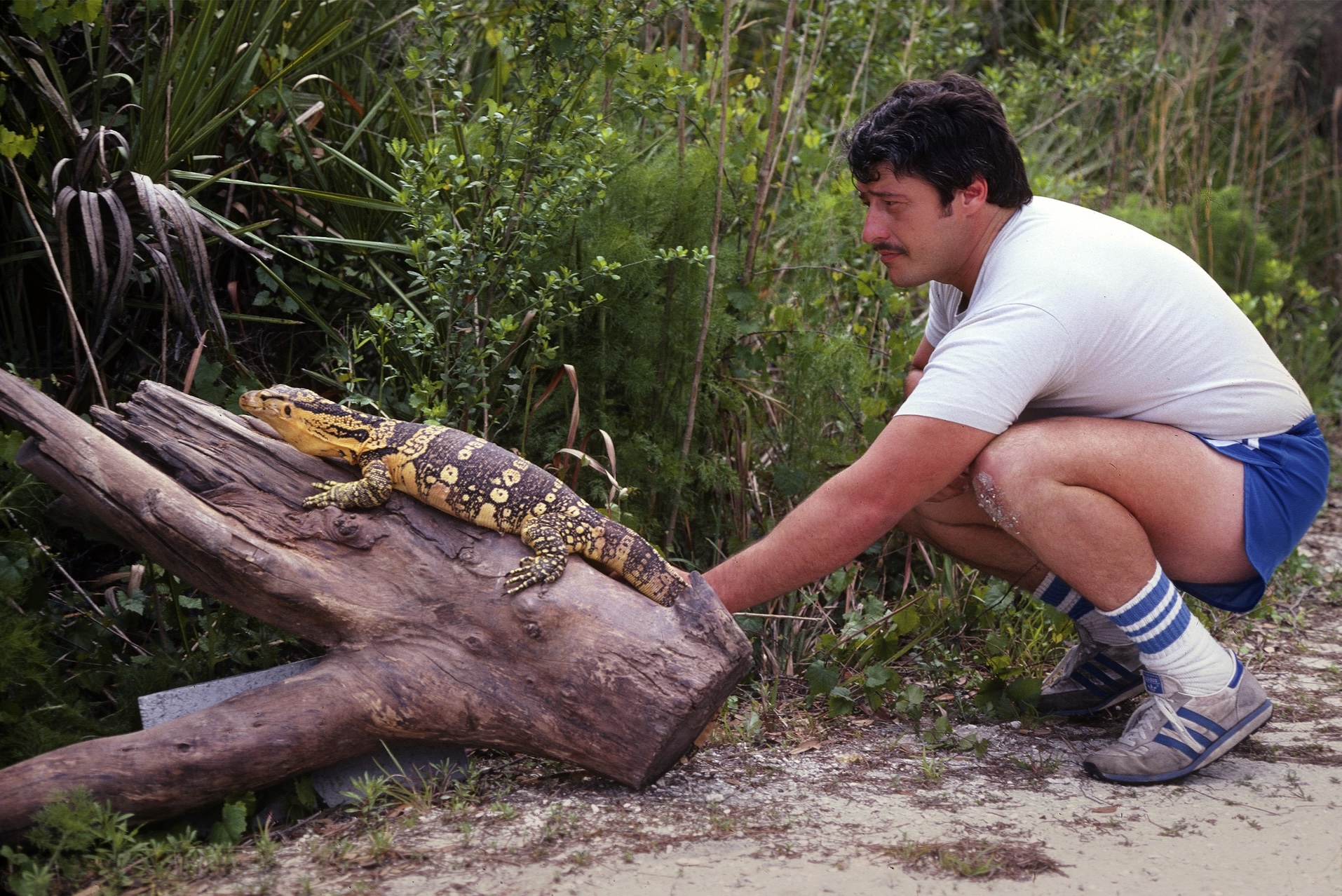
Monsters of God’s first episode, airing Aug. 6, ushers us into the world of reptile smuggling through a major rivalry: Tommy Crutchfield and Hank Molt. Based in Philadelphia, Molt’s obsession with exotic climates and wildlife led him to search the world for exotic reptiles in the 1960s and sell them from his newly acquired Pennsylvania pet store. Molt is considered a crucial figure in the growth of reptile houses in American zoos, which at the time were a rare attraction. He prepared and distributed a price list of rare reptiles—including snakes, turtles, lizards—and sold them to a wide variety of eager customers and competitive zoos. Molt often carried them into the country in suitcases, easily circumventing the relatively lax customs regulations. When the Endangered Species Act came into effect in 1973, Molt’s smuggling business boomed—declaring a reptile species as “endangered” also meant it was rarer and more valuable, allowing Molt to fetch a higher price.
In Molt’s view, Crutchfield rode his coattails. Crutchfield is a Florida native whose introduction to the reptile business began in high school capturing snakes for the “Snake-a-torium” in Panama City Beach. As the smuggling market grew, Crutchfield graduated to the big leagues by mimicking Molt’s established business plan, selling smuggled reptiles to collectors, pet owners, and zoos. Crutchfield and Molt’s rivalry is explored in the book Stolen World by Jennie Erin Smith—like Monsters of God’s first episode, the author uses the two men as a window into how smuggling has fuelled the popularity of reptiles in modern America.
Crutchfield is also a certified braggadocio, at one point referring to himself as “John Dilligenger, Bonnie and Clyde all wrapped up in one”. But it’s true that his criminal activities attracted serious heat—in 1997, the threat of his third round of criminal charges as part of the United States Fish and Wildlife Service (USFWS) five-year-long “Operation Chameleon” made Crutchfield flee to Belize.
When Molt went to prison at the tail end of the 1970s, Crutchfield took his place at the top of the food chain—something his former mentor resented when he was released. According to Maria Palladini, former special agent for the Fish and Wildlife Service, Molt had a habit of taking couriers and dealers under his wing only to betray them. While Crutchfield’s business was soon dominating Molt’s—raking in millions in reptile sales and trades every year—his reckless spending and imports soon put him squarely in the Feds’ crosshairs.
In 1995, Crutchfield asked Molt to help hide an import of endangered Fiji Island iguanas so they weren’t discovered by the Fish and Wildlife Service. Molt agreed—and according to Crutchfield, Molt took his revenge by killing the iguanas. (Molt denies causing them harm.) When USFWS informed Molt he was being charged along with Crutchfield, Molt handed over the dead iguanas and cut a deal to avoid being charged. Crutchfield pled guilty—his second of three criminal convictions in the ‘90s—and cut all ties with Molt.
Monsters of God’s wider gallery of rogues
Don’t expect Tommy and Hank to lead every episode of Monsters of God. Rather than zeroing in on one unstable dynamic like Goode did in Tiger King and Chimp Crazy, Monsters of God expands its scope to the entire reptile trafficking ecosystem throughout the ‘80s and ‘90s.
“This was more of a history lesson about the reptile trade in the United States, so it was a very different kind of storytelling—much more nuanced and complex,” says Goode. “We also really wanted to make sure that we got all sides of the story: law enforcement, the big zoos that were complicit, the reptile dealers, the consumers. It was a global story.”
Subsequent episodes reveal who defined Florida’s exotic reptile trade. Ray Van Nostrand, a New York-born collector and seller who moved to Florida in the ‘70s, took advantage of the power vacuum left by Crutchfield and Molt and smuggled huge quantities of illegal reptiles into the country. His son Mike—one of Monsters of God’s most memorably cantankerous interviewees—took over with a legal, legitimate reptile selling business, euphemistically named “Strictly Reptiles,” until he too was tempted by smuggling’s illicit rewards.
But this went way bigger than just reptiles. Ray was in business with returning Tiger King character Mario Tabraue, a “Cocaine Cowboy” druglord with his own exotic animal sanctuary who would smuggle both reptiles and drugs into Florida in the same shipments. On the other side of the law is former DEA agent Larry Loveless and USFWS special agents George Morrison and Ken McCloud, whose respective “Operation Cobra” and “Operation Chameleon” form a clear dramatic backbone to two episodes.
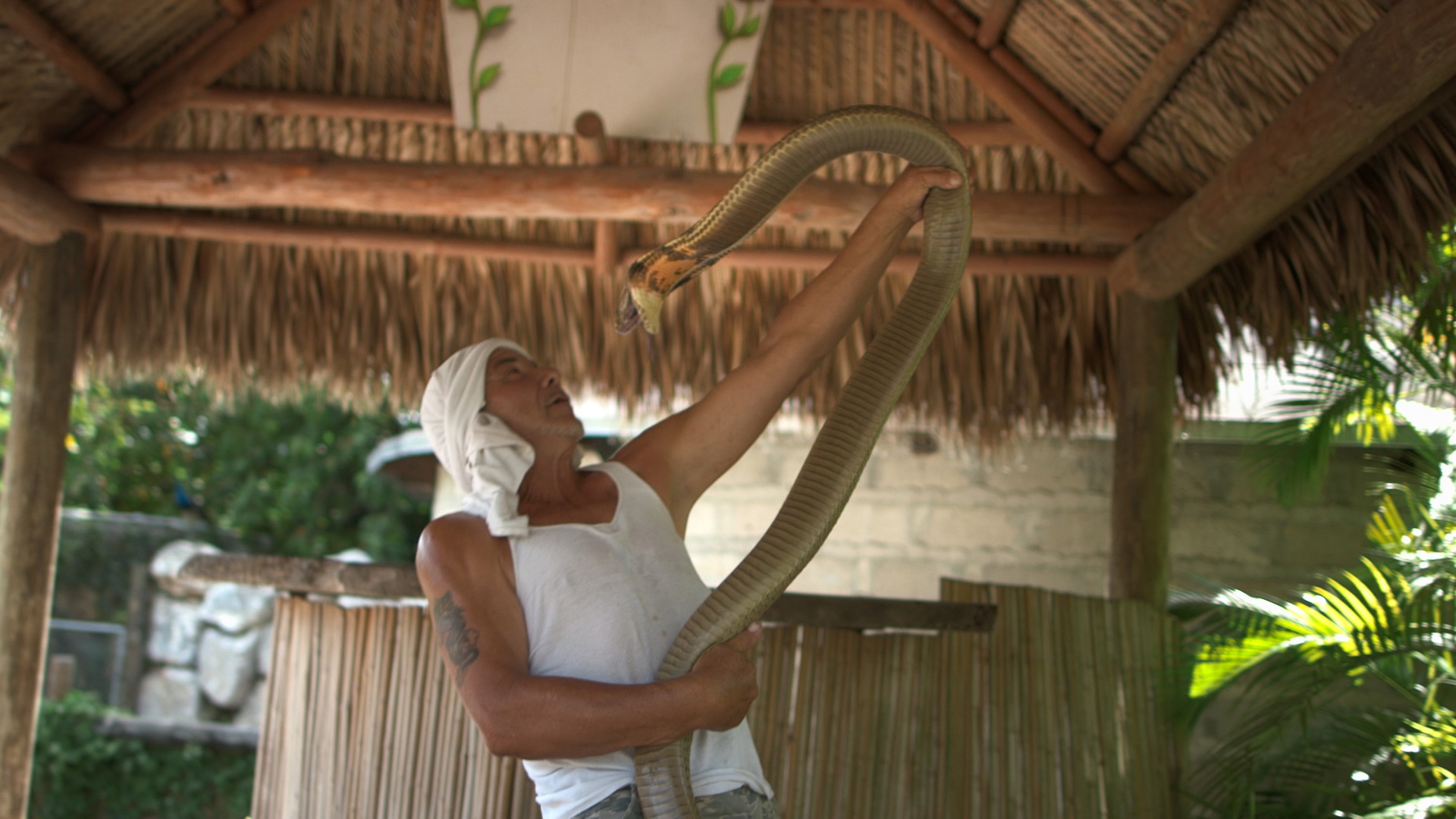
But all these smugglers pale in comparison to Anson Wong, a Malaysian smuggler who was dubbed the “Pablo Escobar of animal trafficking.” Wong had been smuggling illegal animals and products through his export company based in Penang since the ‘80s and gained a reputation as an incredibly elusive and dangerous figure. Wong haunts the stories of the Floridian smugglers, connected to many of the feuds and undercover operations. He emerged as the thread on Goode’s evidence board, tying together the pieces of the director’s most complex documentary so far.
“We had over 174 interviews. We had 1,500 hours of footage. We had Eric’s personal archive and research. We needed a pace that could get people through it, we needed this propulsion, and Eric’s quest trying to get to Anson Wong is that propulsion. Anson Wong is this sort of throughline in all of our characters’ stories, like Keyser Söze,” says McBride.
Monsters of God was a different beast to produce
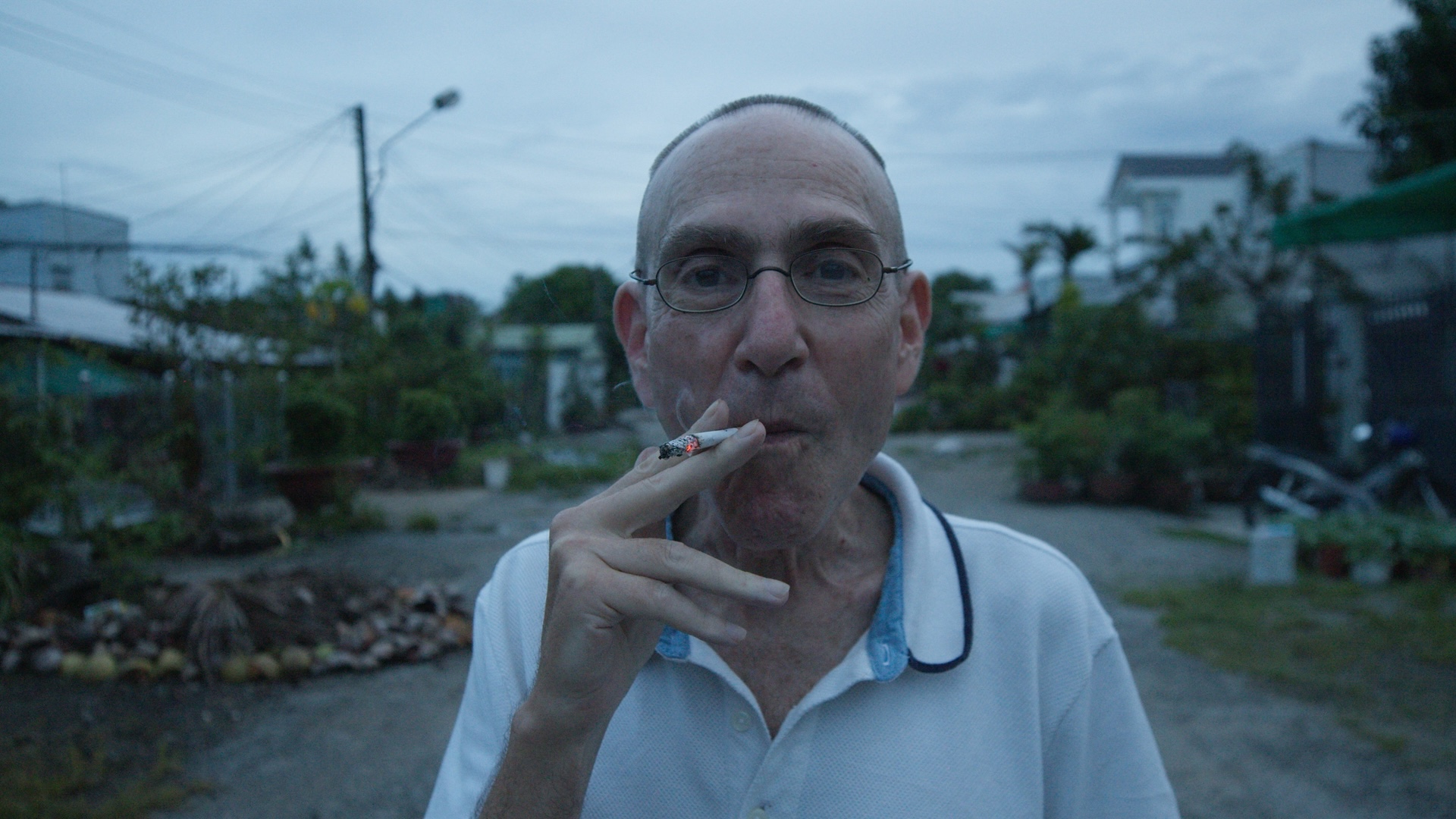
Each episode of Monsters of God is packed with talking heads who talk candidly about their criminal exploits and feuds, but that doesn’t mean it was easy to get them all to talk—compared Joe Exotic and Tonia Haddix, the subjects of Tiger King and Chimp Crazy, the reptile community is far more paranoid. “Joe and Tonia were unique in that way, where they just wanted to be peacocks. They desperately wanted the attention. The reptile world, for the most part, is much more guarded,” says Goode.
While some people had ongoing charges and declined to speak until their cases were adjudicated, others had already been convicted and were willing to talk because double jeopardy protected them from being charged a second time. Others were happy to put everything on the table. “Hank Molt was proud that he could smuggle the way he did, he enjoyed circumventing the laws, and he liked that there were laws because it made it more of a challenge, like Catch Me If You Can with Leonardo DiCaprio,” explains Goode.
In Tiger King and Chimp Crazy, the wildlife crimes spiralled out of control while cameras were rolling. “The story unraveled contemporaneously with the filming, so we didn’t know that Joe Exotic was going to try to kill Carol Baskin, that he would get arrested and go to prison. We just happened to be filming different people, and then they all intersected in real time,” says Goode. By contrast, Monsters of God is interested in how the present was shaped by history, so it’s exclusively concerned with reconstructing the past.
The sheer breadth of the material meant that, according to McBride, the shape of each episode wasn’t clear at first, leading them to evolve their true crime storytelling. “What makes this series so distinctive is this psychological character study and this high-stakes true crime documentary, and within all of that, you have this chronology that we analyze with bigger themes involving the extinction crisis and our impact on this planet,” says McBride. “We wanted to draw these big ideas to an everyday person and how it touches their life, how this world overlaps with culture and criminality in a way that a lot of shows don’t touch on.”
The beating heart of Monsters of God
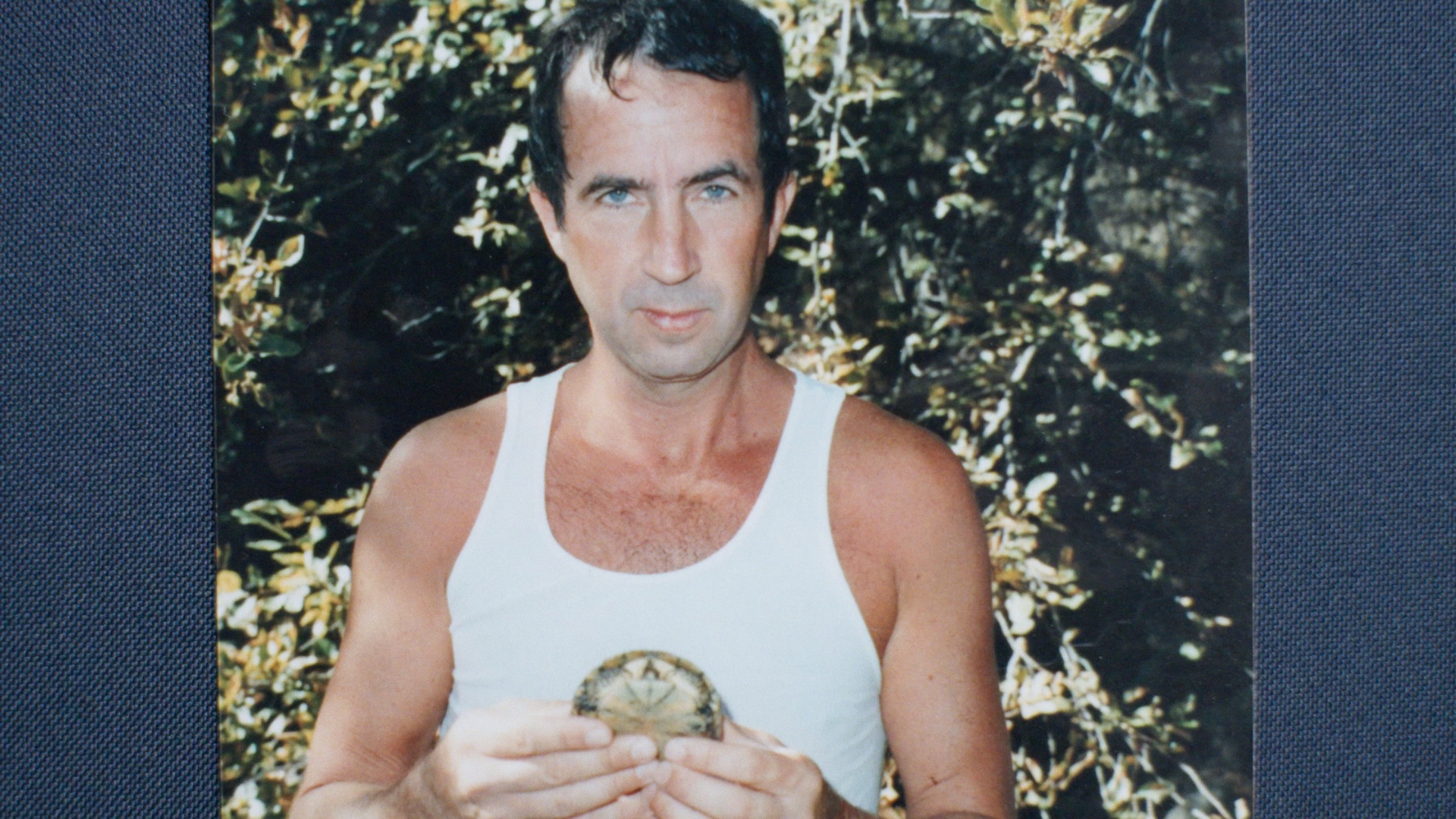
“This story for me is deeply personal,” Goode says in voiceover at the beginning of the series. “I was part of the problem.” But he was definitely the right man for the job: while Goode used to buy reptiles from shady dealers, he had turned a new page by 2003, when he co-founded The Turtle Conservancy to protect the many species of turtles who risk extinction from poachers and smugglers. His reptile expertise made him the ideal filmmaker to handle the cautious and shifty characters wary of appearing on camera—as Goode says, “I can speak their language about reptiles very fluently.” He knows the history of exotic animal collections and menageries in America and Europe, and the hypocrisy displayed by the subjects of Monsters of God—on both sides of the law—infuriates him.
Monsters of God expands on a theme from Goode’s previous docs—that a cultural obsession with rare animals leads to rampant commodification that exploits wildlife, encouraging animal lovers to embrace becoming consumers in a violent and exploitative transaction. Although Monsters of God looks to history, Goode isn’t convinced enough has been done to stop wildlife from being commodified. “It’s become more popular because of pop culture. Films like Jurassic Park can trigger these things. Finding Nemo—everyone wanted to buy a clownfish. Or Harry Potter. When I went to Southeast Asia, all the bird markets in Jakarta had baby owls everywhere. Hopefully this show doesn’t fuel interest in reptiles and bring in more illegal animals.”
You must be logged in to post a comment Login