

Crypto World
This COVID Stock Market Winner Is Making a Comeback, Up 125% Year to Date

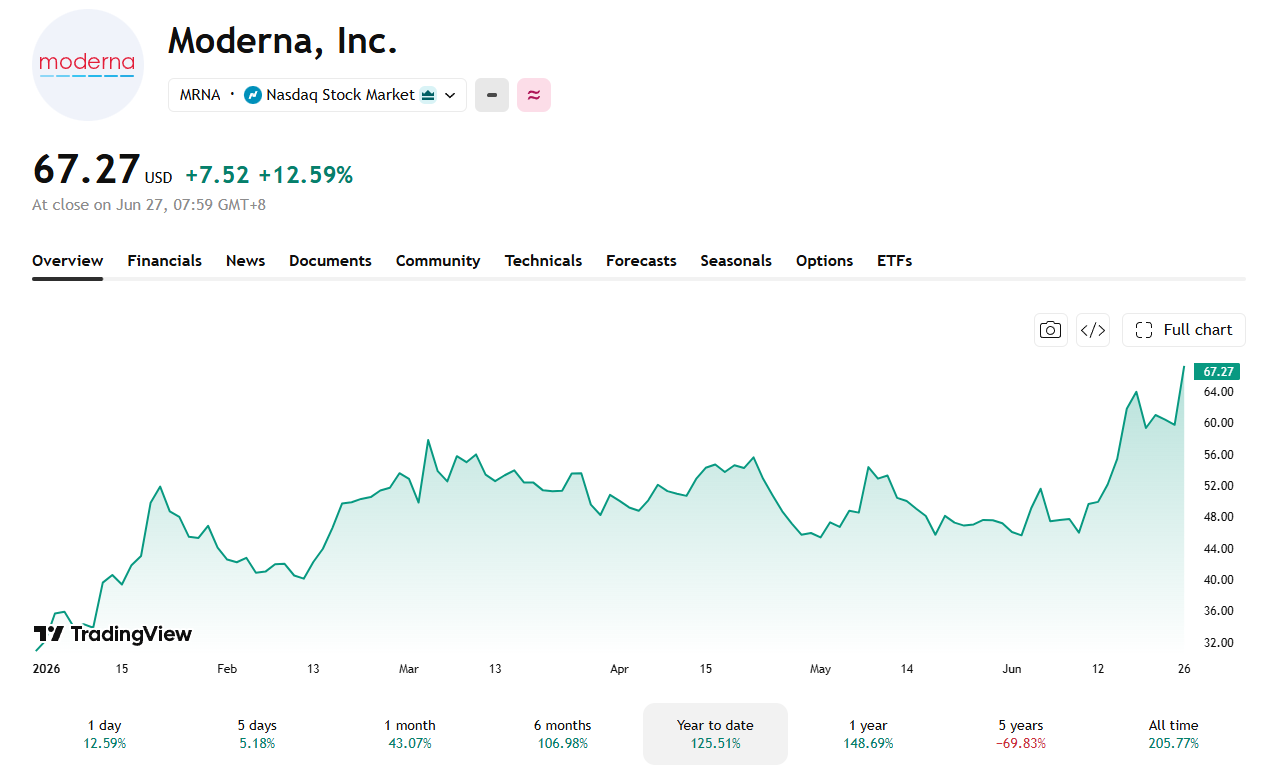
Moderna (NASDAQ: MRNA) shares closed up 12% on Friday, June 26, extending a run that has pushed the stock 125.51% higher since January.
The move caps a multi-week climb from lows near $46 in early June. A few story lines have driven the recovery.
FDA Flu Vote Removes a Major Overhang
The FDA’s Vaccines and Related Biological Products Advisory Committee voted 9-0 on June 18 that mFLUSIVA (mRNA-1010) carries a favorable benefit-risk profile for adults aged 50 and older. A unanimous panel verdict is rare in biotech.
It sharply cuts regulatory uncertainty ahead of the August 5 PDUFA decision date. If the FDA approves, mFLUSIVA would become the first mRNA-based seasonal flu product licensed in the US.
Wall Street Stays Cautious
Piper Sandler raised its price target to $77. Jefferies moved its target up to $53 but kept a Hold rating. The consensus analyst target sits at $43.45, well below where MRNA trades today.

Sixteen Hold ratings dominate the Street. Insider transactions have tilted toward selling, with 75 recent transactions on the sell side. Analysts see real flu revenue starting no earlier than 2027.
Beyond Vaccines
Moderna restructured its operating model around three commercial franchises in vaccines, oncology, and rare diseases. Shares jumped roughly 6.3% on that news alone. Moderna’s high came when it produced its Covid-19 vaccine, topping out at $497 in August 2021.
A June 25 Science Day then put the company’s broader pipeline on display, covering in vivo CAR-T and T-cell engager programs across oncology and autoimmune disease.
Plans to invest in German manufacturing facilities, including sites BioNTech plans to close, pushed MRNA up 8% to 12% across several sessions as traders read the move as a long-term capacity bet ahead of a 2027-2028 wave of launches.
The post This COVID Stock Market Winner Is Making a Comeback, Up 125% Year to Date appeared first on BeInCrypto.

Crypto World
Eli Lilly (LLY) Stock Hits Record High After European Drug Approval and Medicare Expansion

Key Highlights
- LLY shares climbed approximately 6% on June 26 following positive recommendation from the European Medicines Agency for Jaypirca in leukemia patients
- A new Medicare GLP-1 Bridge initiative launching July 1 will provide Zepbound and Foundayo access for a $50 monthly patient contribution
- Analysts at Leerink Partners increased their LLY price target to $1,232 after these developments
- LLY shares rose 9.62% in the past week and reached a fresh 52-week peak of $1,206
- The company discontinued an early-stage prostate cancer trial combining abemaciclib with darolutamide
Eli Lilly shares experienced remarkable strength this past week. Multiple regulatory developments and clinical updates propelled LLY upward by 9.62% across seven trading sessions, culminating in a new 52-week peak of $1,206.
The most significant daily gain occurred on June 26, when LLY climbed roughly 6%. This surge was triggered by the European Medicines Agency’s Committee for Medicinal Products for Human Use delivering a favorable recommendation for Jaypirca (pirtobrutinib) as a treatment option for chronic lymphocytic leukemia.
A favorable recommendation from the EMA generally represents the final hurdle before receiving European Commission authorization, which typically follows within a two-month timeframe. With Jaypirca already authorized by the FDA for U.S. distribution, European approval would unlock an additional significant market opportunity for this oncology therapy.
In response to these developments, Leerink Partners increased their price objective for LLY shares to $1,232.
New Medicare Weight Loss Drug Program Boosts Investor Confidence
Concurrent with the cancer drug developments, Medicare revealed a new GLP-1 Bridge initiative scheduled to begin July 1, 2026. This program will enable qualified beneficiaries to obtain Lilly’s obesity medications Zepbound and Foundayo for a $50 monthly patient contribution.
This represents a substantial cost reduction for numerous patients and may catalyze a significant increase in prescription volumes. Enhanced accessibility to GLP-1 therapies has emerged as a critical focus for investors monitoring Lilly’s obesity treatment portfolio.
The simultaneous announcement of the European regulatory advancement and the Medicare accessibility program on the same day provided investors with dual catalysts for optimism.
Clinical Development Progress Spanning Multiple Disease Categories
Beyond these immediate catalysts, Lilly provided investors with updates on two Phase 3 clinical studies evaluating donanemab for Alzheimer’s disease. One trial is assessing the therapy in preclinical Alzheimer’s patients within China. The second is investigating whether once-yearly administration can maintain therapeutic benefits in patients who demonstrated prior positive responses.
LLY additionally initiated a Phase 3 clinical trial for orforglipron, an oral formulation GLP-1 medication, targeting pediatric Type 2 diabetes patients. This advancement extends its metabolic disease development portfolio beyond adult populations.
Not all pipeline news was favorable. A Phase 1b clinical study evaluating the combination of abemaciclib and darolutamide in metastatic castration-resistant prostate cancer was halted prematurely, representing a disappointment in that particular oncology indication. Investors largely overlooked this setback considering the breadth of other pipeline advancement.
Earlier this month, Lilly disclosed favorable Phase 3 clinical results for retatrutide, its advanced-generation obesity medication that targets three hormone receptors — GIP, GLP-1, and glucagon. These findings were unveiled at the American Diabetes Association’s 86th Scientific Sessions on June 6 and subsequently published in The Lancet. Previous Phase 3 results demonstrated 24.2% weight reduction at 72 weeks in patients with cardiovascular disease and 28.7% weight loss in individuals with knee osteoarthritis.
LLY shares have appreciated 11.7% year-to-date. Analysts collectively maintain a consensus “Strong Buy” recommendation on the stock. As of Friday’s market close, Lilly reached $1,206 per share — establishing a new 52-week high.



Building secure obfuscation has proved brutally hard. An ideal version was proven impossible in 2001, which sent researchers after the weaker iO target instead, a roughly two-decade effort littered with broken attempts. The recent good news is that iO can now be built under reasonable security assumptions.
However, the downside is that the runtimes are, in Buterin’s word, “galactic,” efficient on paper but absurdly slow in practice.
Buterin compared the moment to where SNARKs, the zero-knowledge proofs now central to Ethereum’s scaling, sat around 2010, before years of optimization turned them from a curiosity into working infrastructure. The suggestion is that obfuscation could travel the same road from theoretical breakthrough to usable tool, even if a single run today would be hopelessly expensive.
Privacy coins like Monero (XMR) already hide things on a live blockchain, so why does Buterin treat this as unsolved? Because they hide different things. Monero obscures transaction data, such as who paid whom and how much, through ring signatures, stealth addresses and confidential amounts.
Obfuscation in Buterin’s sense hides the program’s logic, the code itself, not the data flowing through it. As he puts it, iO hides the code, not the data. Monero has done transaction privacy for over a decade, but program obfuscation has never run in production anywhere, and closing that gap is what his post is about.
The key macroeconomic factor for AUD/CAD remains the divergence in monetary policy between the two central banks. After three consecutive rate hikes since the beginning of the year, the Reserve Bank of Australia left its cash rate unchanged at 4.35%, citing persistent inflationary pressure and signs of slowing economic growth. The RBA stressed that inflation remains above its target range and that it is in no rush to begin easing policy. By contrast, the Bank of Canada has now kept its policy rate unchanged at 2.25% for a fifth consecutive meeting. Economic activity remains subdued, inflation has risen mainly due to higher energy prices, while core inflation has eased to 2.1%. The 210-basis-point interest rate differential formally supports the Australian dollar, although the RBA’s more restrictive policy cycle continues to weigh on domestic demand and limits further gains in AUD.
Technical Picture
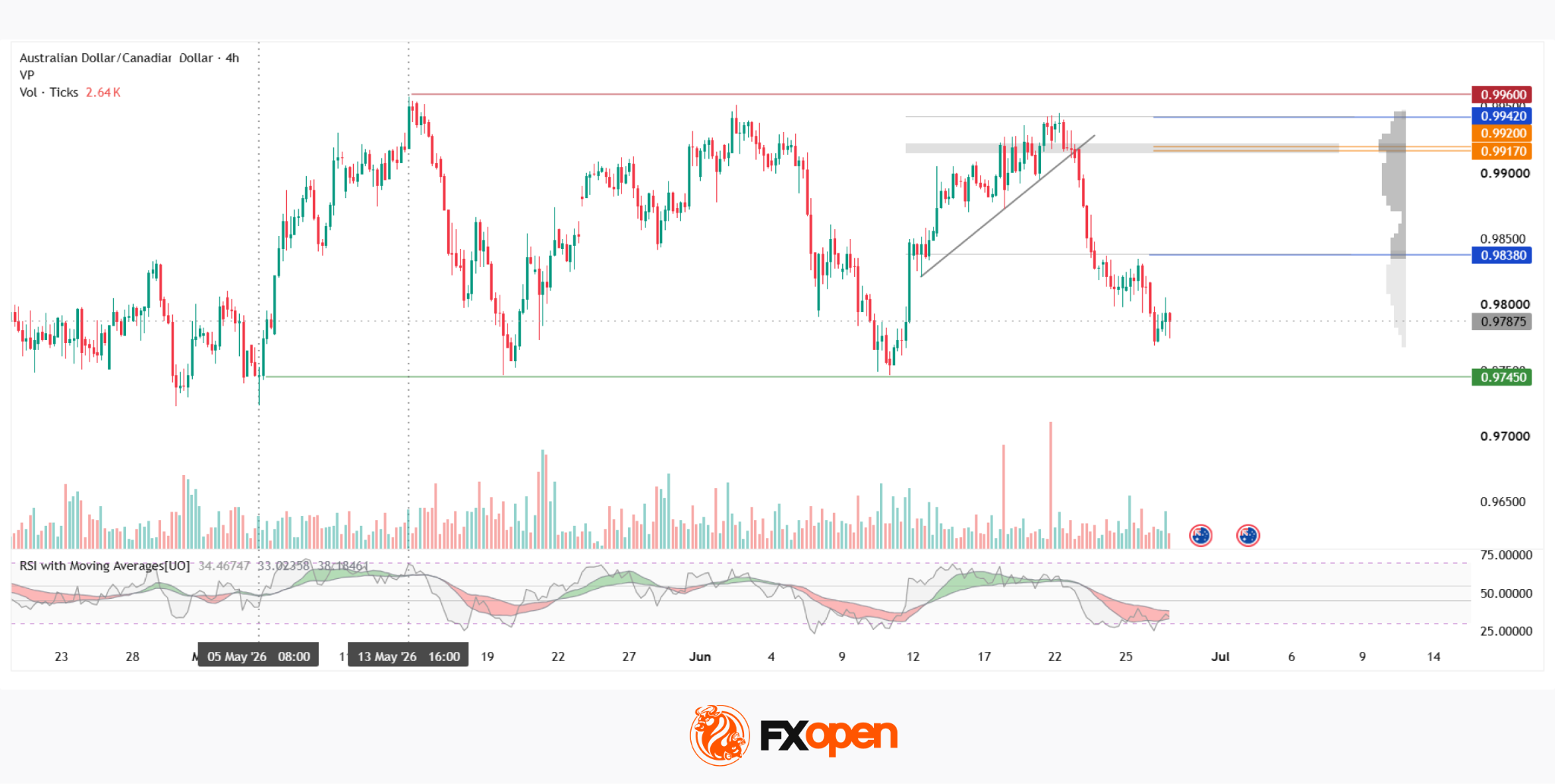
On the four-hour chart, AUD/CAD continues to trade within a broad sideways range, bounded by green support near 0.9745 and red resistance around 0.9960. During the first half of June, a local bullish trend developed within the range; however, in the latter part of the month, the price broke below the trendline and fell beneath the lower boundary of the current market profile at 0.9838. The POC zone is concentrated between 0.9917 and 0.9920 and could act as resistance should the market reverse higher.
Given the close proximity of the POC zone, the upper boundary of the profile at 0.9942, and the resistance level itself, this cluster may attract increased selling interest. Current horizontal volume remains moderate, suggesting the absence of a clear market bias. RSI + MAs shows readings of 34, 33, 38. The RSI has already entered oversold territory, while the moving averages, although coloured red, remain broadly horizontal.
Key Takeaways
The pair continues to trade within its established range, lacking a catalyst for a decisive breakout. The RSI has moved out of oversold territory, while the moving averages, although still red, have lost their directional bias. Further price action will largely depend on how the market reassesses expectations for the RBA’s policy path amid signs of slowing growth in the Australian economy.
Trade over 50 forex markets 24 hours a day with FXOpen. Take advantage of low commissions, deep liquidity, and spreads from 0.0 pips (additional fees may apply). Open your FXOpen account now or learn more about trading forex with FXOpen.
This article represents the opinion of the Companies operating under the FXOpen brand only. It is not to be construed as an offer, solicitation, or recommendation with respect to products and services provided by the Companies operating under the FXOpen brand, nor is it to be considered financial advice.
Crypto World
Zymeworks (ZYME) to Acquire Theravance Biopharma (TBPH) for $929M in All-Cash Transaction

Key Takeaways
- Zymeworks has entered into an agreement to purchase Theravance Biopharma in an all-cash transaction valued at $929 million at $17 per share
- Acquisition pricing represents a 3.6% decrease compared to Theravance’s previous closing price of $17.63
- Yupelri, Theravance’s sole commercialized product for COPD treatment approved by FDA, recorded $266.6 million in 2025 U.S. net revenue
- Premarket trading showed Theravance shares declining 2.8% while Zymeworks decreased 1.4%
- Transaction completion is anticipated during the latter half of 2026 and projected to boost Zymeworks’ earnings and cash generation
In a significant consolidation move, Zymeworks has reached a definitive agreement to purchase Theravance Biopharma through an all-cash transaction totaling $929 million, offering shareholders $17 per share — representing a 3.6% reduction from Theravance’s Friday closing value of $17.63.
Investor sentiment reflected skepticism. During Monday’s premarket session, Theravance shares declined 2.8% to $17.14. Zymeworks experienced a 1.4% pullback.
The below-market pricing is atypical in merger and acquisition activity and clarifies the negative market reaction. Most buyout transactions include a premium above current trading levels.
Neverthstanding, the transaction does provide a 22% markup relative to Theravance’s March 3 valuation, immediately following the announcement of late-stage clinical trial disappointment for ampreloxetine — a therapy candidate targeting a rare medical condition.
The unsuccessful trial prompted Theravance to initiate a corporate reorganization, resulting in workforce reductions of approximately 50%. Subsequently, management commenced a strategic review process, including potential sale scenarios.
Monday’s announcement effectively concludes that strategic evaluation period.
Assets Acquired by Zymeworks
The centerpiece of this transaction is Yupelri, a nebulized once-daily medication for chronic obstructive pulmonary disease already available commercially. This represents Theravance’s only marketed pharmaceutical product.
Yupelri achieved $266.6 million in U.S. net revenue during 2025, reflecting 12% growth versus the prior year. First quarter 2026 U.S. net revenue reached $62.4 million, demonstrating 7% year-over-year expansion.
Theravance maintains a 35% net profit participation arrangement for Yupelri within the United States, where commercialization occurs through a partnership with Viatris. According to Zymeworks, these royalty streams and profit-sharing arrangements currently deliver approximately $60 million in annualized cash generation.
This acquisition represents a strategic pivot for Zymeworks — historically concentrated in oncology therapeutics — establishing presence in the respiratory disease sector alongside major pharmaceutical companies like GSK, AstraZeneca, and Boehringer Ingelheim.
Future of Ampreloxetine Program
The unsuccessful development candidate remains part of the transaction structure. Under deal terms, Theravance shareholders will obtain contingent value rights entitling them to 80% of net proceeds resulting from future licensing arrangements, asset sales, or alternative monetization transactions involving ampreloxetine during the next decade.
Zymeworks retains the remaining 20% interest and has indicated intentions to explore monetization opportunities for this asset.
Zymeworks management projects the acquisition will enhance earnings and cash flow generation following transaction completion, targeted for the second half of 2026.
Completion remains contingent upon regulatory clearance and approval from Theravance shareholders.
Yupelri’s first quarter 2026 U.S. net revenue performance of $62.4 million marked 7% advancement compared to the corresponding period in the previous year.
Crypto World
Strategy announces $2 billion buybacks, bitcoin monetization plan and new capital framework
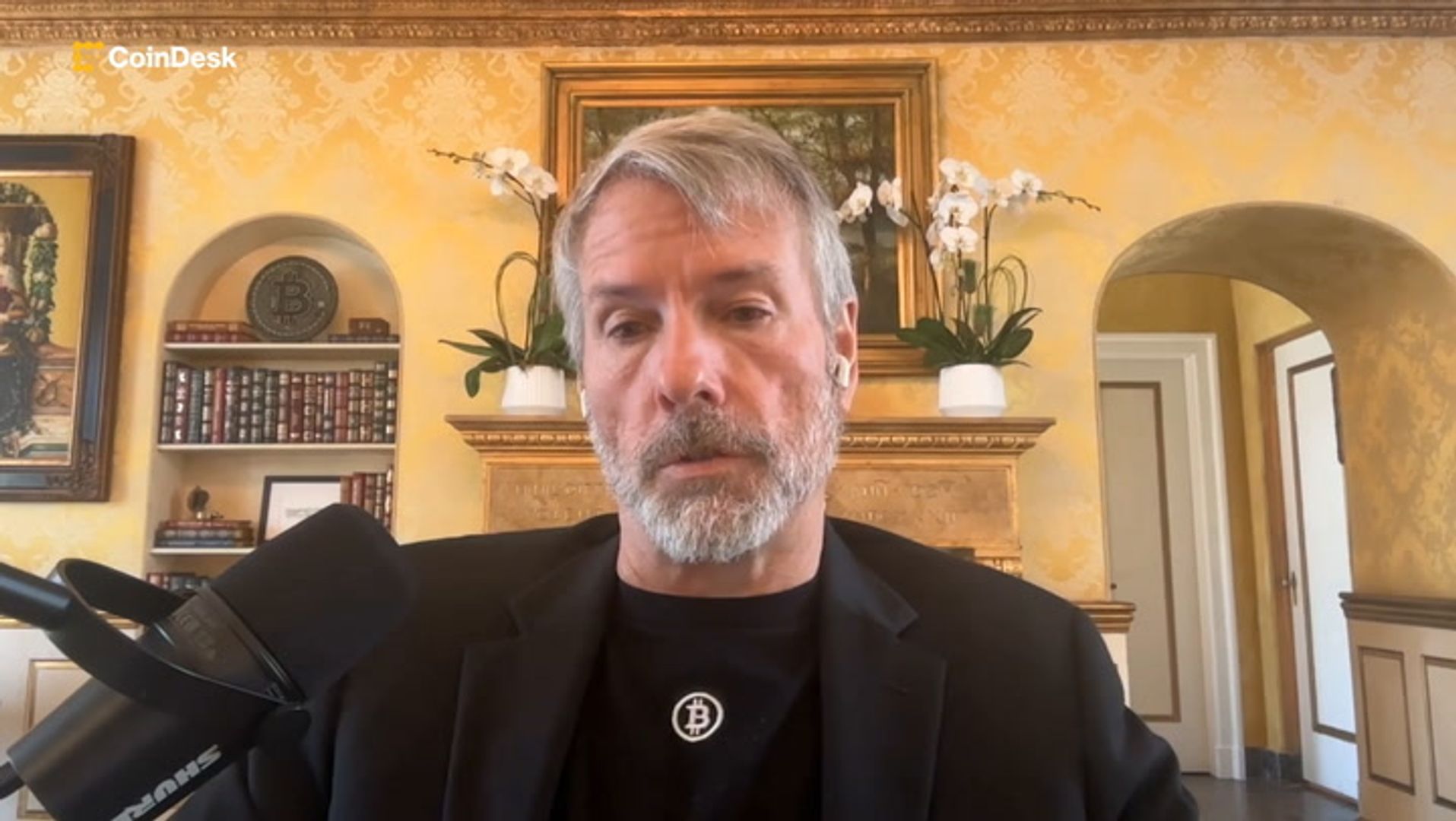
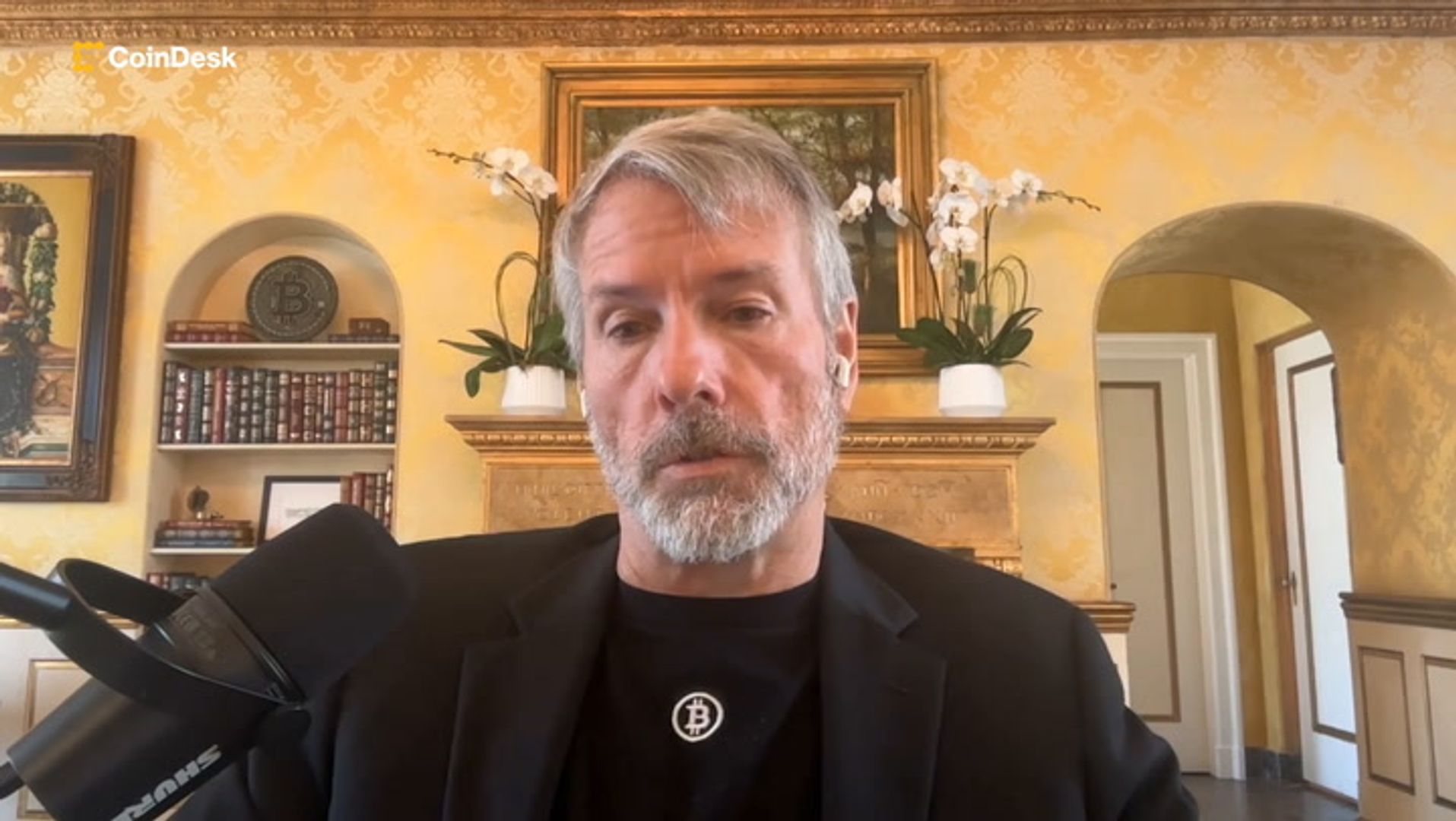
Strategy (MSTR) unveiled a new Digital Credit Capital Framework on Monday, introducing a series of capital management initiatives designed to strengthen its preferred securities, preserve long term bitcoin exposure, and improve balance sheet flexibility.
The company has already adopted a board approved U.S. dollar reserve policy and increased the annual dividend rate on its Variable Rate Series A Perpetual Stretch Preferred Stock (STRC) to 12%, effective for dividend periods beginning July 1. Strategy said its U.S. dollar reserve currently stands at approximately $2.55 billion, enough to cover about 17.4 months of preferred dividend and interest obligations.
The board also authorized, but did not commit to, up to $1 billion in repurchases of its Digital Credit Securities and up to $1 billion in buybacks of its Class A common stock. The programs have no fixed expiration date and may be modified, suspended, or terminated at any time. Actual repurchases will depend on market conditions and management’s assessment that they are accretive.


IRACE is not alone in betting that institutions want fewer providers and more integrated infrastructure. In April, SoFi unveiled Big Business Banking, a platform that lets companies manage fiat banking and crypto-related operations through a single regulated bank. The service signed up major digital asset firms including CoinDesk’s parent company Bullish (BLSH), BitGo (BTGO), Cumberland and Wintermute, highlighting a broader industry move toward combining traditional banking, payments and digital asset services under one roof.
As part of the rebrand, IRACE appointed former Zodia Custody CEO John Cronin as global CEO. Several other former Zodia executives, including Jo Lee, Niamh Byrne and Jennifer Fisher, have also joined the company in senior leadership roles.
“Institutional clients today are forced to stitch together banking, custody, payments, liquidity and execution across multiple providers, each with its own controls, reporting and operational risk,” Cronin said in the release.
“IRACE is being built to unify that stack into a single institutional platform — one operating model, one governance framework, one set of controls — supporting fiat, stablecoins, and both traditional and digital assets. That is what institutional scale across these markets actually requires,” he added.
IRACE operates regulated banking businesses across the U.S., Europe and the Cayman Islands. The company said it is pursuing additional regulatory approvals related to digital asset services in multiple jurisdictions.

Cardano News: Charles Hoskinson disclosed on June 25 that the identity of the white hat hacker who moved 129 million ADA, roughly $18.5 million, out of vulnerable SecondFi wallets is unknown to Emurgo, the firm that built the platform.
Speaking during his X Spaces session ‘The Bingo Hall,’ Hoskinson relayed secondhand information from a contributor named ‘Jer’ who attended a meeting between Cardano governance body Intersect and SecondFi’s developers: “A member of the Emurgo team said the identity of the white hat hacker is not known to Emurgo… or at least [Emurgo] said it is not affiliated with Emurgo.”
That qualifier matters. It leaves open whether Emurgo is genuinely in the dark or carefully managing its public exposure.
ADA price has dropped 21% over the past two weeks and is now trading near $0.145, multi-year lows that sit roughly 95% below the asset’s all-time high.
The crypto hack didn’t break the Cardano protocol; every party from Intersect to Hoskinson has stressed that the vulnerability was entirely at the wallet application layer, but the reputational damage to the ecosystem is real, and the market is pricing it accordingly.
— SecondFi (@secondfiapp) June 28, 2026
 Recovery Process Status
The team remains on track against the estimated 2-week recovery timeline, with substantial progress continuing as engineering teams work through multiple technical approaches in parallel to determine the most secure recovery solution for affected… pic.twitter.com/79TKaoVJyD
SecondFi, one of the largest Cardano wallet generators and formerly known as Yoroi Wallet, suffered a critical flaw in its key-generation software. Three external attackers drained approximately 16 million ADA ($2.4 million) from 374 addresses across four distinct draining events.
The separate 129 million ADA movement, the one at the center of the identity dispute, was framed by SecondFi as an emergency rescue operation, routed to “an independent, qualified third-party custodian” held for the benefit of affected addresses. Cybersecurity firm SlowMist has estimated total exposure could exceed $20 million.
SecondFi took a final balance snapshot on June 26 and says it will return lost user assets within two weeks, though it has flagged that this timeline is not guaranteed and that users should not move funds to new wallets in the interim, warning that “independent actions taken outside of official guidance create additional risks.”
Discover: The Best Crypto to Diversify Your Portfolio
Cardano News: Can Cardano Find a Floor at $0.145?
ADA is currently trading near $0.145, down 21% over two weeks, well below its 50-day EMA at $0.1904, its 100-day EMA at $0.2248, and its 200-day EMA at $0.3006.
The RSI sits at 29, flirting with oversold territory. MACD has turned marginally positive, signaling fading bearish momentum rather than a confirmed reversal.
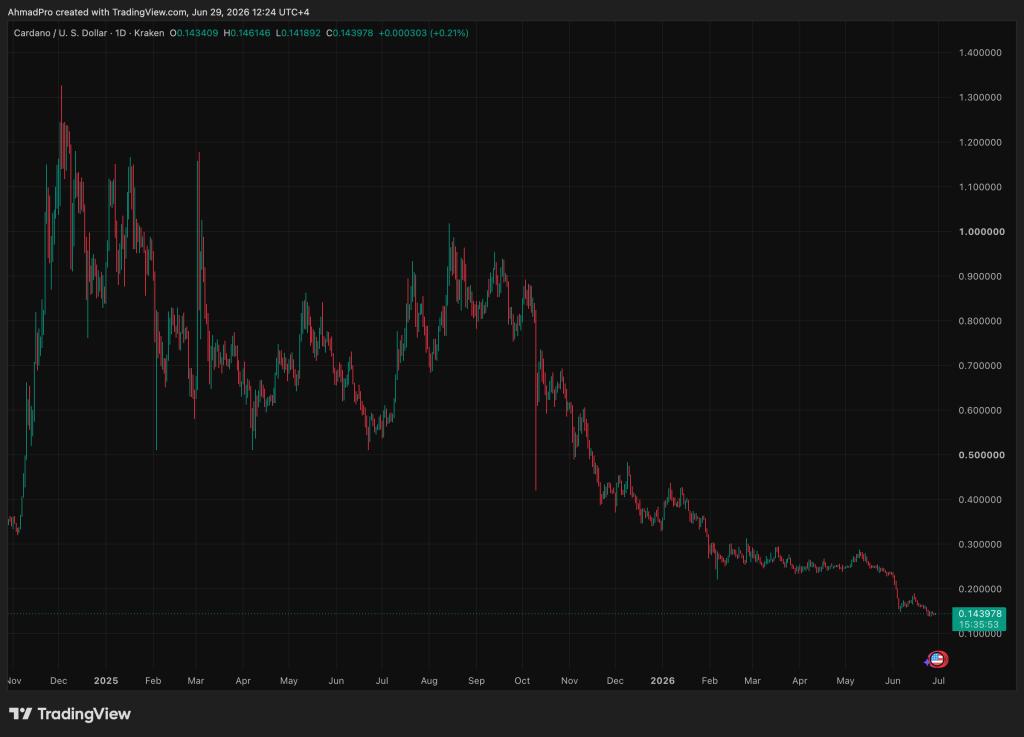
Key support sits at the $0.140 psychological level, with a structural low around $0.1382. A daily close below $0.1451 exposes that zone directly.
On the upside, initial resistance clusters at $0.1726–$0.1737, the broken descending trendline combined with the 23.6% Fibonacci level, followed by the 50-day EMA at $0.1904 and the 38.2% Fibonacci retracement at $0.1957.
CoinGlass long-to-short ratio reads 0.72, the lowest in over a month, with funding rates negative at -0.0055%, meaning shorts are currently paying longs, a mild contrarian signal.
Discover: The Best Token Presales
Don’t Miss Out on Our $1,000 USDT Airdrop on ByBit
The post Nobody Knows Who Stole $18.5M in ADA, Including the Company That Built the Wallet appeared first on Cryptonews.
Crypto World
Bitcoin (BTC) price has no friends right now except dollar, U.S. Treasury yield positioning data: Crypto Daily


The crypto market outlook remains fragile. Rising concerns about Federal Reserve interest-rate increases, a strengthening dollar, higher U.S. Treasury yields, record ETF outflows and airstrikes in the Middle East offer bitcoin bulls little reason for optimism.
Yet the market dynamics carry a glimmer of hope.
Bullish positioning, especially in the Dollar Index and interest-rate markets, is beginning to look lopsided. That’s the kind of crowded setup that often unwinds with a snap adjustment and a contrarian, counter-trend move. Should that occur, it would probably take the form of a sudden drop in the dollar and yields, which could put a strong floor under bitcon’s price.
The crowding shows up clearly in the data. Figures from the CFTC and ICE Europe show the aggregate net long dollar position rose 18% to $34.5 billion in the week ended June 22, the highest in seven years. That’s a sharp reversal from the net short position before the Iran conflict began in February.
Rates markets tell a similar story. Leveraged funds’ short bets in Secured Overnight Financing Rate (SOFR) futures hit a record 2.97 million contracts. That constitutes over $700 billion in notional bets on rising interest rates, according to Saxo Bank.

A Solana-based meme coin named after prominent crypto influencer Ansem has rocketed to a fully diluted valuation of over $108 million, with on-chain data showing his wallet holds more than $71 million worth of the token.
However, the person who actually deployed the coin reportedly walked away with just $5,500.
A Pre-Arranged Deal?
On-chain analytics firm Lookonchain shared details of the situation on June 29, saying that the deployer, identified by the wallet tag “yHCxHB,” spent $6,300 to launch The Black Bull (ANSEM) and then acquired 792.45 million tokens in the process.
Of those, 650 million were transferred directly to Ansem’s wallet for free, with the deployer then selling the remaining 142.45 million tokens for $11,800, leaving them with a $5,500 profit on a meme coin that has since crossed a $43 million market cap per CoinGecko.
Spot On chain analyst Hupzy was direct about what the numbers suggest:
“The deployer handed 80%+ of his allocation to a single influencer for free, strongly suggesting a pre-arranged promotion deal,” they wrote. “Ansem’s incentive is to pump and dump. The deployer making only $5,500 confirms he was in it for the relationship, not the token.”
Hupzy also added that ANSEM’s supply structure was “highly concentrated” and “influencer-controlled,” warning that any price action should be treated “as potentially manipulated.” Rugcheck.xyz also shared that same warning, flagging a risk of market manipulation due to large token concentration in unidentified wallets.
Per data from CoinGecko at the time of writing, ANSEM was trading at around $0.108, with a 24-hour gain of roughly 284% and a more than 19,000% increase on the weekly chart. The token hit a new all-time high of $0.1212 earlier today and recorded a 24-hour trading volume of approximately $87.8 million, representing a 245% jump from one day ago.
A Pump.fun ecosystem tracking account has been documenting the meme token’s rise in real-time, noting that it was the top-traded on Pump.fun by volume in the past 24 hours at $60 million, well ahead of tokens like Jotchua and Fartcoin, which hit $5.63 million and $3.77 million, respectively.
According to the same account, Ansem linked his X account to Pump.fun 12 days ago and announced that he would share a portion of creator rewards with his followers, which seemed to have generated significant early interest for the coin, with some traders getting in early enough to profit.
Lookonchain highlighted one wallet, CxCTVj, that got a 261x return after turning $2,330 into $614,500 when it bought 14.2 million ANSEM tokens near the start. Another trader reportedly bought $3,370 worth when the asset had a market cap of about $4 million and later sold for $37,580, to secure an 11x gain.
Struggling Meme Market
Analyst Ash Crypto pointed out on X that ANSEM had gone from a $173,000 market cap to nearly $109 million in one day, a move of about 63,000%.
However, as CryptoPotato reported recently, data from CryptoRank shows that the meme coin sector has lost more than 84% of its collective value, going from a 2024 peak of $135 billion to $20.74 billion currently, and the sort of vertical move seen in ANSEM in a declining market has led to comparisons with other meme coins like SIREN, whose whales liquidated 92% of circulating supply and triggered a 95% crash.
Analytics platform Bubblemaps and on-chain investigator ZachXBT had warned about SIREN’s concentrated supply months before the crash. Whether ANSEM meets the same fate remains to be seen, but what the data shows is that one wallet controls a huge chunk of the supply and the person who launched it made almost nothing from it.
The post ANSEM Meme Coin Deployer Made $5.5K While Ansem Got $71M Worth appeared first on CryptoPotato.
Instead of a resurgence and a breath of fresh air for the bulls, the primary cryptocurrency’s condition has only worsened, with a 6% price drop over the past week.
The bearish environment has prompted several analysts to issue pessimistic forecasts, with some envisioning declines to around $50K.
How Much Lower?
Last week, BTC briefly plummeted to around $58,000, thus reaching its lowest level since September 2024. In the following days, the bulls reclaimed some lost ground, and the cryptocurrency is currently hovering around $60,000.
According to X user Chiefy, another short-term pullback might be on the horizon. The analyst claimed that BTC has historically bottomed out about 427 days after each cycle’s all-time high, suggesting a plunge to $51,000 may follow next.
AlΞx Wacy also weighed in, basing their thesis on the asset’s past performance. That said, the X user argued that the cryptocurrency will either start a two-year bull run or bleed for an additional six months.
Some prominent figures, including the American businessman and media personality Dave Portnoy, recently floated the idea that BTC may collapse to zero. His post drew heavy criticism from many Bitcoin proponents, who opined that such a scenario is impossible, while others suggested that comments like this often appear when the market is nearing a cycle bottom.
BTC’s halving, which occurs roughly every four years, is another key reference point analysts use to estimate market tops and floors. Looking at previous cycles, the asset has shown remarkably consistent timing between major lows and highs, and if history repeats itself, the bottom may arrive sometime between October 4 and October 17, 2026.
Of course, this is not guaranteed and would depend on numerous factors, including ETF flows. Lately, outflows from these investment vehicles have far exceeded inflows, reflecting waning investor enthusiasm and setting the stage for a further correction in the near future.
The Bullish Scenario
Despite pessimistic views from numerous analysts and the crypto market’s depressed state, BTC may still be on the verge of a short-term resurgence.
First, we’ll take a look at the popular Fear & Greed index, which has been in “extreme fear” territory for quite some time. This reflects the prevailing panic among investors and, at first glance, sounds like bad news for the cryptocurrency. However, such conditions have historically mapped the cycle bottoms and have often been followed by major rebounds.

Next on the list is BTC’s Relative Strength Index (RSI), which has been hovering around 30 for the last few days. Such ratios suggest that the asset is oversold and due for a potential rally, while levels above 70 are seen as a warning of an incoming pullback.

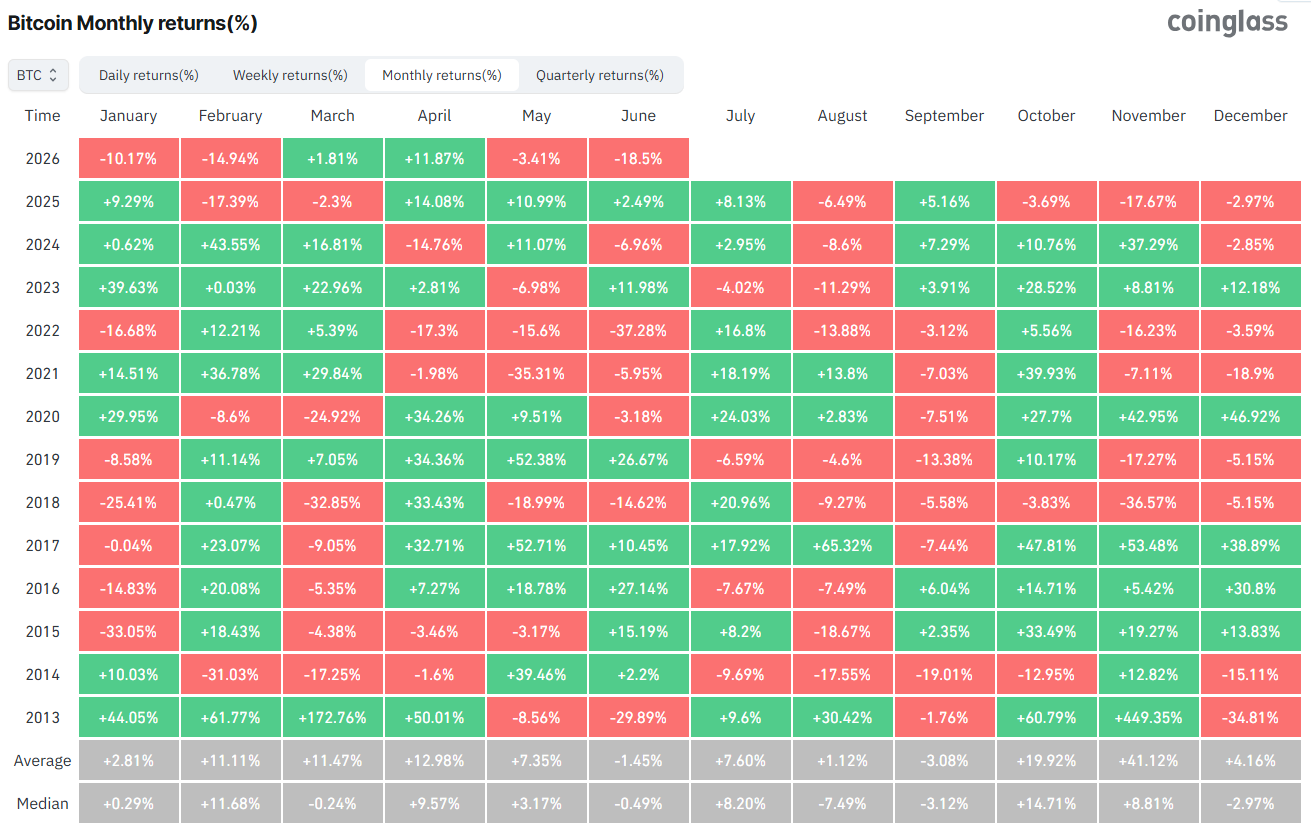
Last but not least, one should keep in mind that July has historically been a strong month for BTC, with the price finishing in red territory only 4 out of 13 times.
The post Bitcoin (BTC) Price Warning: Why Another Drop Could Be Coming This Week appeared first on CryptoPotato.

Argentina’s World Cup 2026 Title Odds Are Far Better Than Portugal’s, Markets Show
Eli Lilly (LLY) Stock Hits Record High After European Drug Approval and Medicare Expansion

Jodie Sweetin Shares A ‘Full House’ Casting Secret


-
 Sports6 days ago
Two goals and an assist by sheer aura: Cristiano Ronaldo just entered the World Cup chat
-

 Fashion3 days ago
Weekend Open Thread: Staud – Corporette.com
-

 Politics3 days ago
The House | Manchesterism won’t survive the painful trade-offs unless it gets citizens on board
-

 Politics3 days ago
Potential 2028er World Cup attendee leaderboard
-

 Business3 days ago
Asia stock markets slide as tech shares slump
-

 Tech4 days ago
A Look At A Gaggle Of Transputer Boards
-
Crypto World5 days ago
Bitcoin (BTC) Dips Below $62K, Ethereum (ETH) Plunges 6% Daily: Market Watch
-
 Crypto World4 days ago
Dell (DELL) Shares Tumble Over 5% Following Analyst Downgrade to Hold
-

 News Videos18 hours ago
MAJOR BITCOIN & MARKET UPDATE!!!! (MUST WATCH ASAP!!!)
-

 Crypto World5 days ago
Securitize Wraps Roubini's SEC-Registered ETF as Dubai VARA Digital Security
-
Business5 days ago
Entergy settles forward sale agreements, raises $672 million in cash proceeds
-

 Crypto World2 days ago
Kraken's xStocks Opens Bending Spoons IPO Registration to EEA Retail
-

 Sports3 days ago
FIH Pro League: India defeat Pakistan 7-1, register biggest win of campaign | Other Sports News
-

 Crypto World2 days ago
Coinbase, Circle Deepen Crypto Stock Losses Despite Resilient S&P 500
-
 Crypto World3 days ago
Hyperliquid Named on Singapore MAS Investor Alert Register
-

 Crypto World3 days ago
RTX holders must register wallets before token distribution begins
-

 Tech1 day ago
Bluekit phishing kit adopts browser-in-the-middle for login theft
-

 Tech2 days ago
Russian hackers now target Signal backup recovery keys
-

 Sports4 days ago
India vs Bangladesh LIVE Score, Women’s T20 World Cup: Bangladesh Opt To Bat; India Enter ‘Do-Or-Die’ Stage As Semi-Final Race Heats Up
-
Crypto World3 days ago
The DATA Foundation Launches to Tackle AI’s Multi-Billion Dollar Training Data Bottleneck
You must be logged in to post a comment Login