

Crypto World
Trump-Linked USD1 Stablecoin Briefly Depegs, WLFI Under Fire

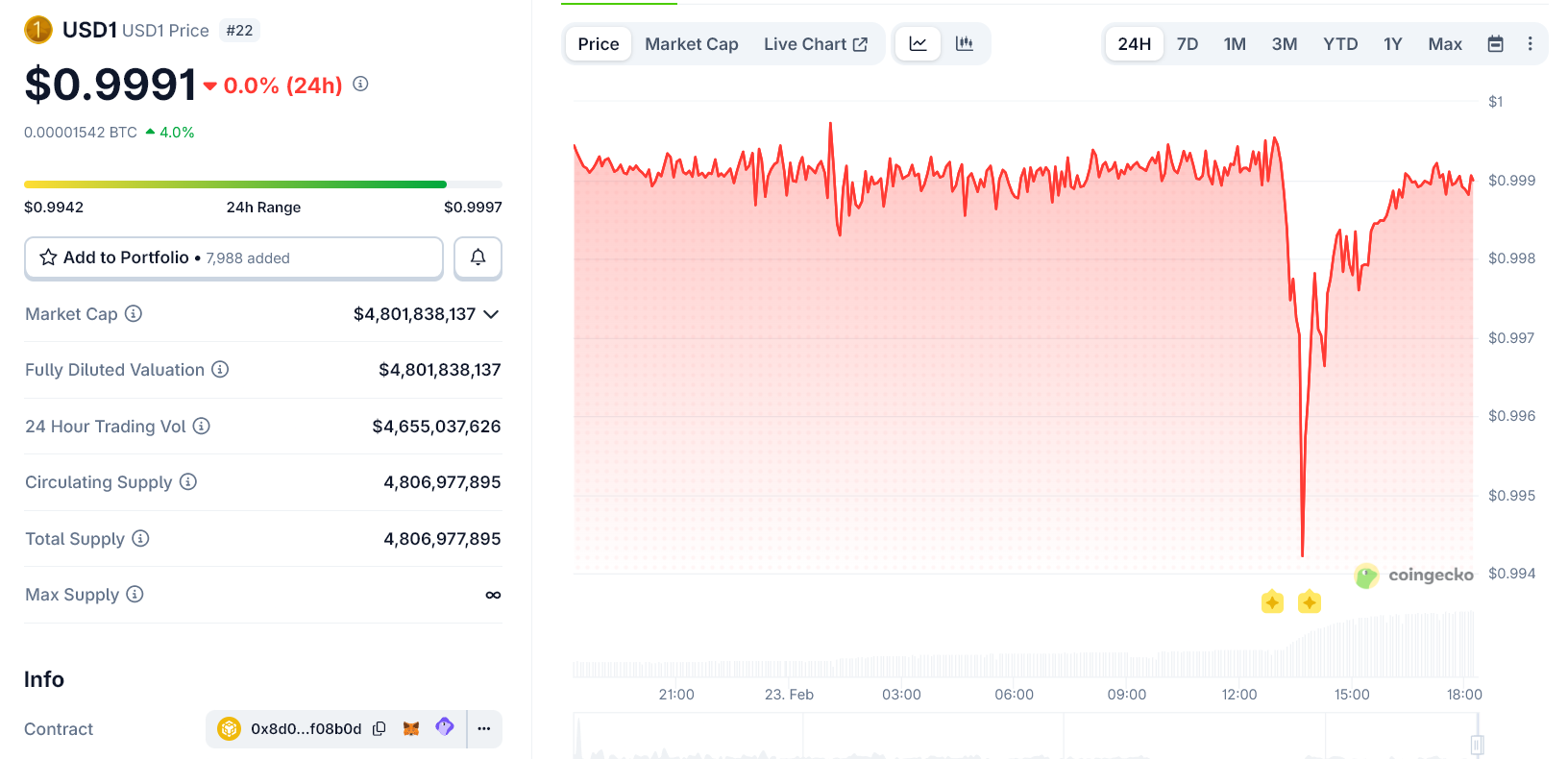
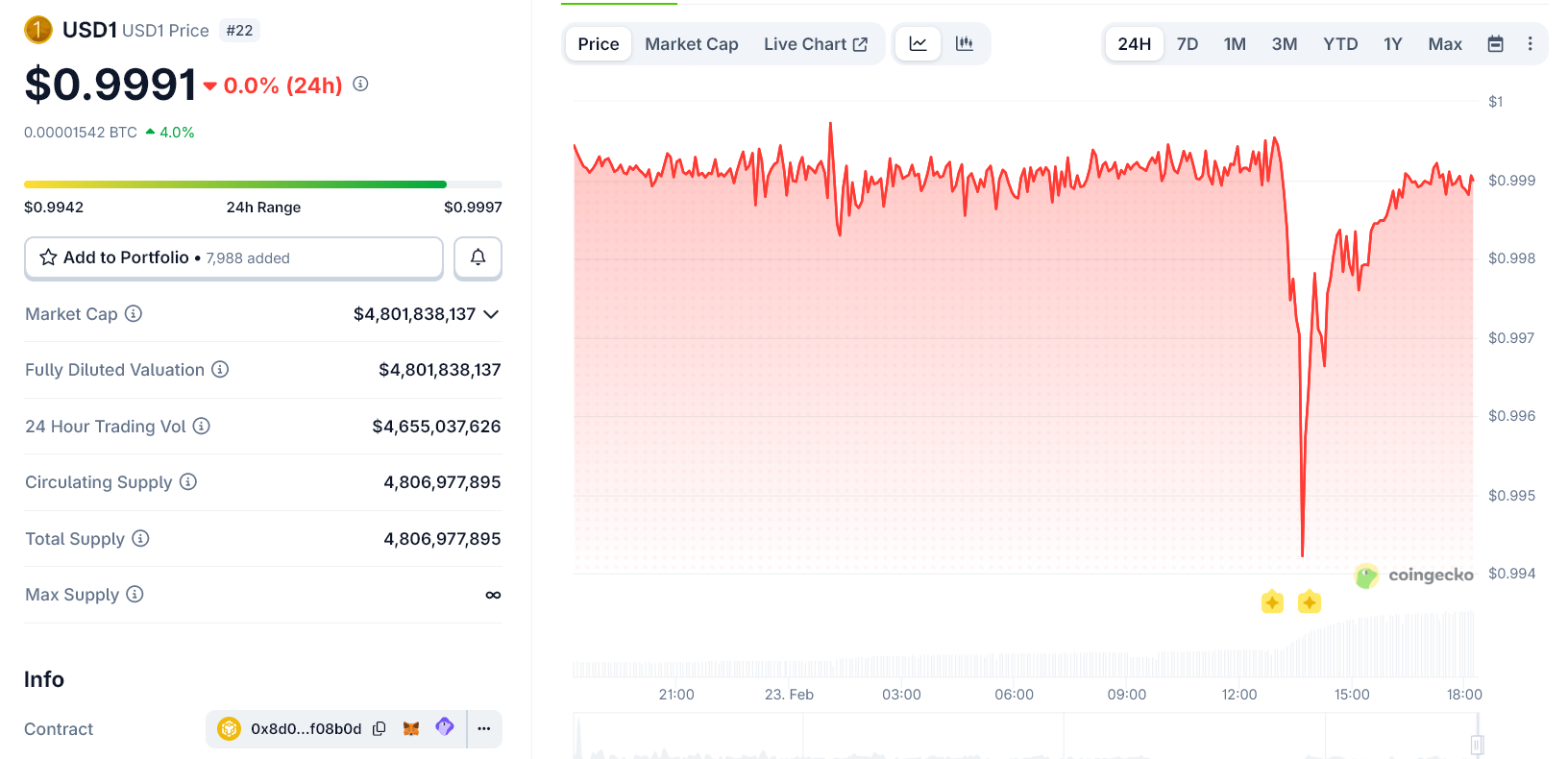
The USD1 stablecoin briefly lost its dollar peg on February 23, falling to around $0.994 before quickly recovering. The token now trades close to parity, suggesting the disruption lasted only minutes.
USD1 is issued by World Liberty Financial (WLFI), a DeFi project linked to business entities associated with Donald Trump and his family. The stablecoin currently has a market capitalization near $4.8 billion.
World Liberty Financial’s Stablecoin Depeg Triggers Speculation
WLFI responded within hours. The company said attackers compromised several cofounder accounts, spread false information, and opened short positions to profit from panic selling.
Despite the rapid recovery, the incident triggered widespread concern across the crypto community.
Some users compared the sudden depeg to early warning signs seen before the collapse of algorithmic stablecoins such as TerraUSD in 2022.
However, USD1 differs structurally. WLFI says it maintains full 1:1 reserves, unlike TerraUSD’s algorithmic design, which relied on arbitrage mechanisms rather than direct asset backing.
Meanwhile, unverified reports circulated on social media claiming that Eric Trump deleted older promotional posts related to USD1 during the volatility.
Screenshots have circulated online, but no independent confirmation has verified these claims.
Separately, blockchain investigator ZachXBT said he plans to release findings later this week on alleged insider trading involving a major crypto company.
He did not name the firm. Still, some social media users speculated that WLFI could be involved. There is no evidence supporting this claim at the time of writing.
Stablecoins rely heavily on confidence. Even brief depegs can trigger rapid selling if users fear insolvency or reserve weakness.
USD1’s quick recovery suggests that redemptions and liquidity mechanisms functioned as designed. Nevertheless, the incident reflects how quickly market sentiment can shift, especially for newer stablecoins tied to high-profile figures.
The company has not disclosed technical details of the alleged attack.
The coming days, including any investigation disclosures, will likely determine whether the event remains a short-lived market shock or develops into a broader credibility test for USD1.


TLDR
- Vitalik Buterin swapped more than 3,100 ETH for stablecoins through CoW Swap in recent days.
- On-chain data shows the transactions totaled over $6.1 million at current market prices.
- His on-chain Ethereum holdings now stand at more than 224,000 ETH valued at about $426 million.
- Buterin previously moved over $29 million in ETH, with at least $2.3 million funding Ethereum Foundation initiatives.
- Ethereum’s price fell below $1,900 and dropped over 36% in the past month.
Vitalik Buterin has continued selling Ethereum (ETH) through decentralized exchanges in recent days. On-chain data shows he swapped thousands of ETH for stablecoins. The latest transactions come as Ethereum’s price trades below $1,900.
Vitalik Buterin Executes Fresh ETH Sales Through CoW Swap
Arkham Intelligence labeled wallets tied to Vitalik Buterin recorded recent swaps on CoW Swap. The data shows he exchanged more than 3,100 ETH for stablecoins over several days.
Those transactions equal more than $6.1 million at current prices. After the swaps, his on-chain holdings stand at over 224,000 ETH.
The remaining balance carries a value of about $426 million. The transfers follow a pattern of routine sales observed in recent weeks.
Earlier, Buterin moved over $29 million worth of Ethereum. At least $2.3 million from that amount supported Ethereum Foundation initiatives.
He previously outlined plans to sell around $44.7 million in ETH. He linked those sales to a period of “mild austerity” for the Foundation.
Buterin said the approach would “ensure the Ethereum Foundation’s own ability to sustain in the long term.” He added it would protect Ethereum’s “core mission and goals.”
Ethereum Price Drops Below $1,900 as Market Weakens
Ethereum’s price has declined during the broader crypto market downturn. ETH has fallen about 4% over the past 24 hours.
The asset recently traded at $1,872 on major exchanges. It earlier touched a two-week low of $1,855 on Sunday.
Over the past month, Ethereum has dropped more than 36%. The token also remains over 62% below its August all-time high of $4,946.
Buterin has also addressed Ethereum’s long-term roadmap in public statements. He said the Ethereum mainnet “needed a new plan” regarding layer-2 scaling networks.
He discussed the relationship between the base layer and scaling chains. He suggested adjustments to strengthen coordination and efficiency.
Last week, Buterin supported a new censorship-resistant upgrade for the network. He said Ethereum was “going hard” on its technical direction.
He also referred to reviving a “cyberphunk” ethos within the ecosystem. These remarks came as developers continued work on protocol upgrades.
The recent ETH sales occurred during this period of roadmap discussion. On-chain data continues to track movements from wallets linked to Vitalik Buterin.


Australian authorities have charged two men following an investigation into an alleged $5 million cryptocurrency investment scam that targeted vulnerable victims across the country.
Summary
- The New South Wales Police Force has charged two men following an investigation into an alleged $5 million cryptocurrency investment scam targeting Australians.
- Police allege victims — including elderly and vulnerable individuals — were lured via social media into depositing funds into a fake trading platform, with money funneled through multiple crypto wallets.
- One man has been charged and granted conditional bail, while investigations continue as authorities warn Australians about rising investment scam losses.
Australia steps up crypto fraud crackdown
The New South Wales Police Force said detectives from its Cybercrime Squad launched Strike Force Resaca to investigate reports of fraudulent online investment activity. Search warrants were executed at properties in Strathfield and Cammeray, as well as a business premises in Burwood, all located in Sydney.
Police allege the scheme lured victims, many described as elderly or financially vulnerable, through social media advertisements and unsolicited messages promoting cryptocurrency and other high-return investment opportunities.
Victims were reportedly directed to deposit funds into what they believed was a legitimate trading platform known as “NEXOpayment.” Australian authorities claim the money was instead funnelled through multiple cryptocurrency wallets and exchanges in an attempt to disguise the movement of funds.
A 42-year-old man was arrested at a Strathfield residence and taken to Auburn Police Station, where he was charged with recklessly dealing with proceeds of crime valued above $5,000. He was granted conditional bail and is scheduled to appear at Burwood Local Court on March 17, 2026.
A 36-year-old man was also arrested at a Cammeray property and later released pending further inquiries.
Police say investigations remain ongoing and are urging anyone who suspects they may have been targeted by an investment scam to report the matter to authorities. Officials reiterated that investment scams remain one of the highest-loss cybercrime categories in Australia.
Key takeaways:
-
Historical data shows Bitcoin often outperforms during trade wars and liquidity injections despite initial macro fear.
-
Resilient mining activity and a shift to net long positions on CME futures suggest professional traders are buying the dip.
Bitcoin (BTC) traders are becoming increasingly anxious after 18 days of trading below the $75,000 level. Concerns intensified following a retest of $64,200 on Monday, triggered by a retreat in global stock markets. US President Donald Trump’s decision to increase baseline import tariffs to 15% has heightened uncertainty, leading investors to adopt a more risk-averse stance.
While these events appear negative at first glance, Bitcoin has a history of outperforming during bearish macroeconomic shifts. More importantly, risk perception is gradually improving; Bitcoin miners have shown resilience, and professional traders used the recent dip to add exposure.

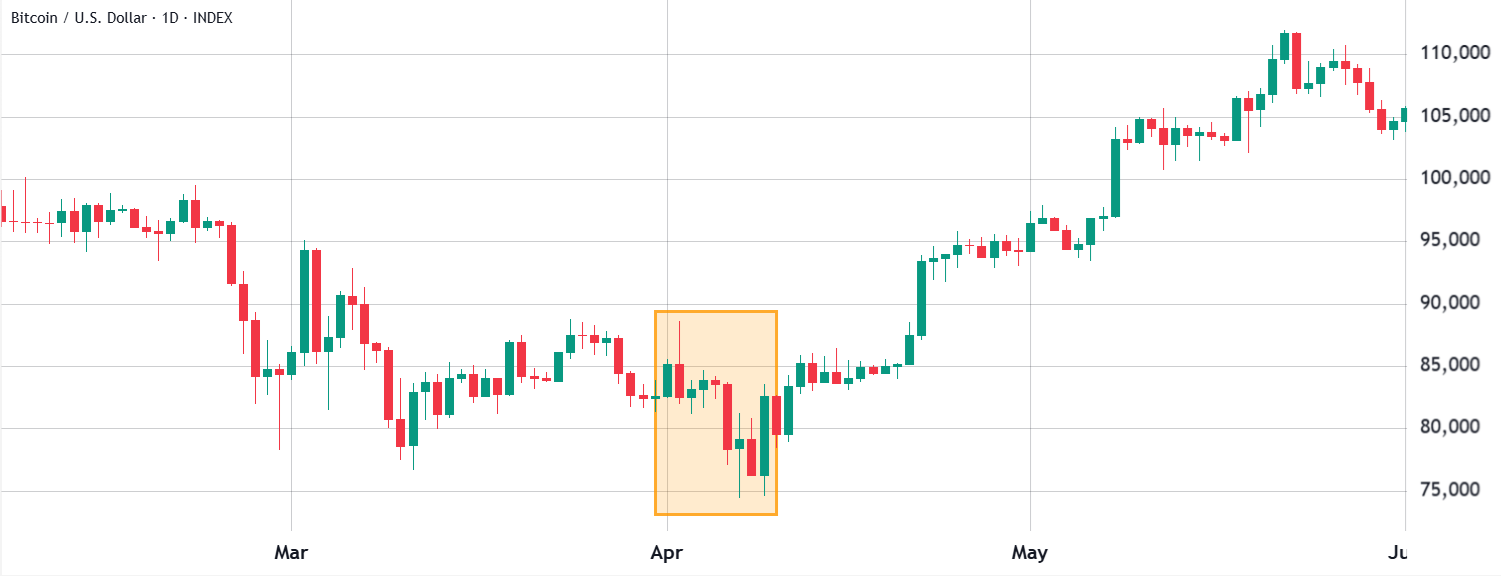
On April 2, 2025, the Trump administration signed an executive order imposing sweeping “reciprocal tariffs” on nearly every trading partner. The situation escalated on April 9, 2025, as additional tariffs were applied to 75 countries, including a 34% rate for China. This move coincided with Bitcoin hitting a five-month low at $74,600, which was followed by a 38% rally over the next month.
Traders choose cash over Bitcoin during periods of uncertainty
The natural instinct for traders during periods of uncertainty is to seek shelter in cash and government bonds. Despite its unique benefits, Bitcoin is not yet considered a safe haven by most investors. However, once the market realizes that governments may be forced to inject liquidity to stimulate the economy, Bitcoin tends to outperform.

The US Federal Reserve (Fed) lends cash against Treasury collateral to maintain smooth funding markets and settlements. This measure should not be viewed as a direct liquidity injection, as it reflects temporary balance sheet conditions. Nevertheless, peak levels in this indicator—such as the $100 billion seen on March 16, 2020—have historically marked reversals in Bitcoin’s price trend.
In fact, the COVID-19 crash of 2020 marked the beginning of a multi-month rally, taking Bitcoin to $42,000 from $4,400. Consequently, those who claimed the cryptocurrency failed as a long-term investment while it traded 55% below its prior $19,900 all-time high between May and July 2020 were proven wrong. A similar pattern could unfold in 2026 if liquidity conditions deteriorate further.

Nvidia (NVDA US) is scheduled to report quarterly earnings after the US stock market closes on Wednesday. Results from the chipmaker will likely set the investor mood, particularly as concerns regarding rising tech sector debt mount. Notably, shares of Coreweave (CRWV US) and Oracle (ORCL US) have already plunged over 50% from their previous all-time highs.
While conditions for companies supporting the artificial intelligence sector weaken, the exodus of investment from Bitcoin miners represents less of a risk now that the network hashrate has fully recovered from a 25% dip in January. More importantly, ASIC miners released in 2024 and early 2025 remain profitable even at an electricity cost of $0.07 per kilowatt-hour.
Related: Bitcoin miner MARA buys majority stake in AI data center firm Exaion

The de-escalation of “miner death spiral” fears may have helped instill bullishness among professional fund managers. Large speculators, including hedge funds, have shifted from a net short to a net long position on CME Bitcoin futures, according to a CFTC report published last week. Analyst Tom McClellan noted that two similar historical shifts preceded significant Bitcoin price bottoms.
While no single reversal indicator can confirm if the $60,200 level on Feb. 6 marked the cycle low, the combination of liquidity concerns, fears of excessive AI sector valuations, and resilience in the mining sector could push Bitcoin’s price back toward $75,000 in the near term.
This article does not contain investment advice or recommendations. Every investment and trading move involves risk, and readers should conduct their own research when making a decision. While we strive to provide accurate and timely information, Cointelegraph does not guarantee the accuracy, completeness, or reliability of any information in this article. This article may contain forward-looking statements that are subject to risks and uncertainties. Cointelegraph will not be liable for any loss or damage arising from your reliance on this information.
TLDR:
- LINK has corrected over 86% from its 2021 high near $53, now compressing inside a key demand block at $5.60–$7.50.
- CryptoPatel identifies smart money absorption at macro support, with sell-side liquidity sweeps fully absorbed on the 3W chart.
- Three upside price targets are mapped at $26.30, $52.22, and $100, representing up to 1,675% return from the demand zone.
- The bullish setup is invalidated if LINK prints a three-weekly candle close below the critical support level of $4.76.
Chainlink’s native token, LINK, is currently priced around $8.30 after an extended period of price compression. Analyst CryptoPatel has released a high-timeframe technical forecast pointing toward a potential 10x move.
The setup is built on multi-year chart structure and accumulated demand at macro support. With volatility contracting sharply on the three-weekly chart, market participants are watching closely for a breakout confirmation.
LINK Accumulates Inside a Multi-Year Demand Block
LINK has been trading inside a descending channel on the three-weekly chart since its 2021 cycle high near $53. The token corrected more than 86% from that peak over the following years.
Price has since compressed into a demand block between $5.60 and $7.50. This zone is where CryptoPatel identifies strong smart money absorption taking place.
Multiple higher lows have formed within this demand block on the higher timeframe. Each successive low reflects buyers stepping in before price reaches prior lows.
CryptoPatel noted that sell-side liquidity sweeps into this support region have been fully absorbed. That behavior points toward sustained accumulation rather than distribution at current levels.
The analyst’s tweet reads: “Fractal Structure Mirroring Previous Cycle Compression Before Breakout.” This observation draws a direct parallel to prior accumulation phases in LINK’s price history.
Each of those phases was followed by a sharp directional expansion. The current setup carries a structurally similar pattern on the same timeframe.
Volatility on the three-weekly chart has contracted to an extreme degree, according to CryptoPatel. That level of compression typically precedes a larger expansion move in either direction.
Price is currently hovering near $8, described as range equilibrium within the analyst’s framework. The descending channel resistance from the 2021 all-time high remains the defining technical ceiling.
Key Price Levels That Could Trigger a Massive Upside Move
CryptoPatel has mapped out three upside targets: $26.30, $52.22, and $100. A move to the third target from current prices would represent a gain of approximately 1,110%.
The projected total return from the high-timeframe demand zone sits between 1,232% and 1,675%. These targets align with liquidity pools resting above current price on the higher timeframe chart.
The critical confirmation signal for this setup is a three-weekly candle close above the descending trendline resistance. A simultaneous break of the range high on that timeframe would further strengthen the bullish case.
Until that close materializes, the channel resistance remains structurally intact. Traders following this setup are waiting for that specific trigger before adding exposure.
CryptoPatel’s bullish bias holds as long as LINK stays above $4.76 on the three-weekly timeframe. That level marks the lower boundary of the high-timeframe demand zone.
A confirmed candle close below $4.76 would signal structural failure and open the door to further downside. That threshold functions as the hard invalidation point for the entire setup.
The analyst describes this as a high-timeframe, patience-based trade with asymmetric risk-to-reward. It is best suited for spot accumulation and long-term swing positioning, per the forecast.
No macroeconomic or fundamental variables are incorporated into the analysis. Traders are encouraged to conduct independent research before making any financial decisions.
Crypto trading platform Backpack Exchange on Monday announced that stakers of its forthcoming Backpack token will be able to earn equity in the exchange, as the company moves toward a potential initial public offering.
“Users that stake the Backpack token for at least a year will have the opportunity to exchange those tokens for equity at a fixed ratio—20% of the company today,” said Backpack CEO and founder Armani Ferrante in a post to X on Monday.
20% of Backpack equity given to users who stake for a year.
Don’t just use the next big thing.
Own it. 🎒 pic.twitter.com/whdGUQ0XyH
— Backpack 🎒 (@Backpack) February 23, 2026
Speaking about the equity offering, Ferrante said many past token launches were built on “false promises” of utility — a pitfall he wanted to avoid. Instead, he said he wanted to offer users an alternative token structure showing long-term commitment.
“I came into crypto because I believe it’s going to change the world … But somewhere along the way, amidst the booms, the busts, the moonshots, the decentralization theater, and the straight up scams, we lost our way. I don’t know about you, but I’m just tired of false promises.”
Backpack’s offer would anchor the token’s value to company equity.
Backpack prioritizes users with tokenomics setup
Backpack first announced it would launch the Backpack token in a post on X earlier this month.
The tokens are intended to be unlocked in stages as the company moves toward a potential US IPO.
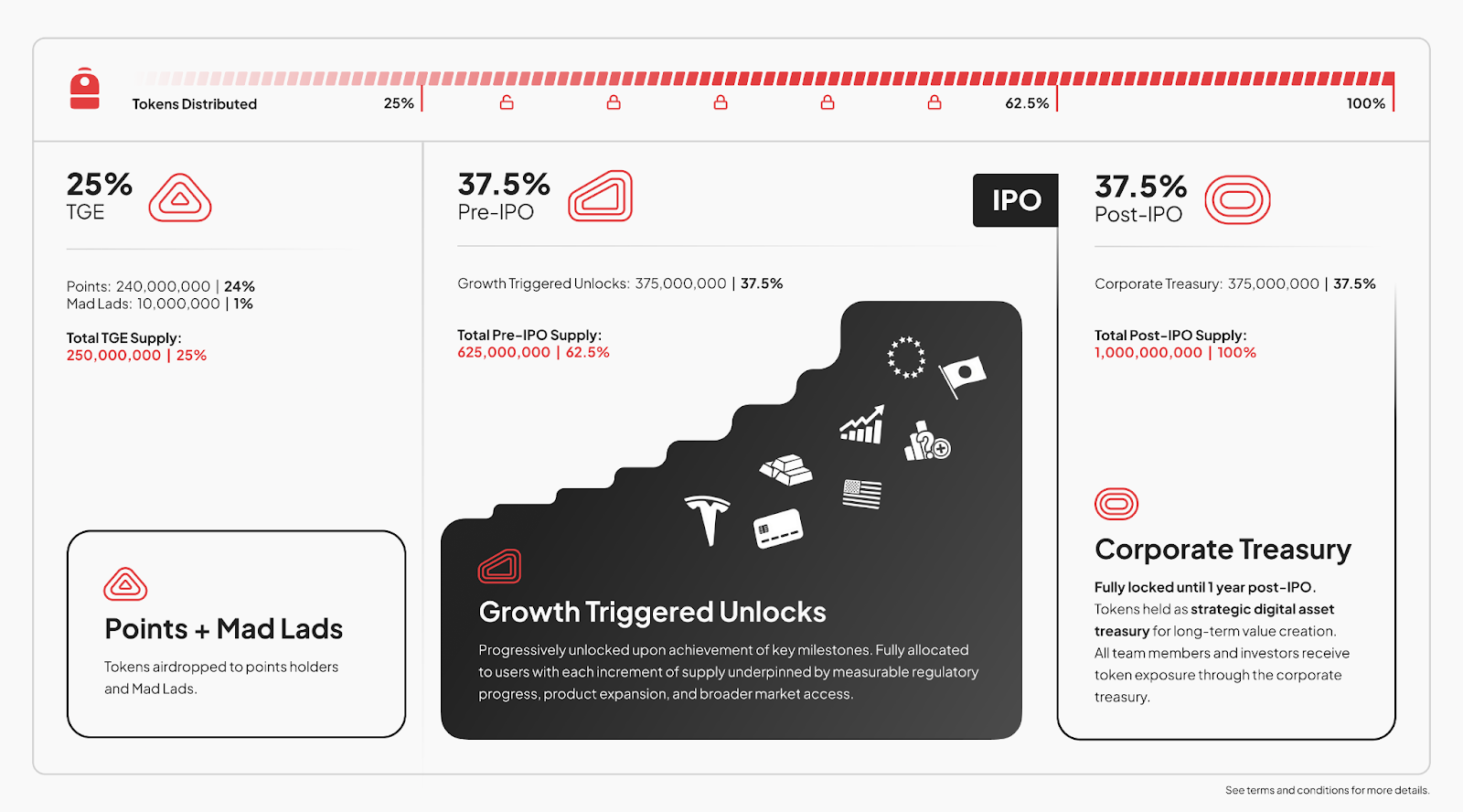
Backpack said 25% of the 1 million-token supply will be unlocked at the Token Generation Event, while the next 37.5% of the tokens will be released before the IPO, provided that Backpack reaches certain milestones, such as regulatory approvals and the launch of new products.
The first 62.5% of Backpack tokens will be distributed entirely to users, while the remaining tokens will be unlocked post-IPO for Backpack’s team members and investors.

Backpack said the tokenomics setup aims to invert a model that usually sees insiders receiving large allocations early, with time-based vesting creating predictable sell pressure on retail users who are often left holding the bag.
Backpack was founded in 2022 by Ferrante, who previously worked at the FTX-linked Alameda Research before the two entities collapsed in November of that year.
Related: Kraken acquires tokenization platform Magna ahead of potential IPO
While the Backpack TGE date has not been set, the token-equity announcement comes as Backpack partnered with Securities and Exchange Commission-registered transfer agent Superstate to bring tokenized stocks onchain in October.
Backpack acknowledges its plan isn’t perfect
Ferrante slammed the current state of crypto, stating: “We live in the most centralized era crypto has ever experienced,” and adding: “The more centralized something is, the less meaningful a token is.”
At the same time, Ferrante acknowledged that the token-equity offering would start out relatively centralized but added that plans are in place to progressively decentralize the token as the product evolves.
“I expect the token to represent more than anything a single company has to offer, but in the short run, it’s the best we can do to show our long term commitment to our users.”
Magazine: Bitget’s Gracy Chen is looking for ‘entrepreneurs, not wantrepreneurs’
Crypto World
Tom Lee Bets Big on Ethereum With 51,162 ETH Purchase as Vitalik Buterin Sells $21 Million Worth
TLDR:
- Bitmine acquired 51,162 ETH in a single week, pushing total holdings to 4.42M tokens worth $8.6 billion.
- Vitalik Buterin sold over 9,715 ETH in February 2026, totaling more than $21M as ETH fell below $2,000.
- Tom Lee cited tokenization, AI adoption, and the creator economy as key reasons to buy ETH during the dip.
- Bitmine’s staking operations now generate $171M annually, with projections reaching $249M at full MAVAN scale.
Tom Lee’s Bitmine Immersion Technologies made a bold move last week, acquiring 51,162 ETH amid a broader market pullback.
While Ethereum co-founder Vitalik Buterin was offloading millions in ETH, Lee’s company was buying aggressively.
The contrasting strategies have caught the attention of crypto market watchers globally as ETH continues trading below $2,000.
Tom Lee Doubles Down on ETH While Prices Slide
Tom Lee, serving as Bitmine’s Chairman, publicly addressed the current crypto downturn in a recent company statement.
“In the midst of this ‘mini crypto winter,’ our focus continues to be on methodically executing our treasury strategy and steadily acquiring ETH,” said Lee. Rather than pulling back, Bitmine moved forward with one of its most aggressive single-week purchases to date.
Lee made his conviction on Ethereum clear, pointing to three fundamental drivers he believes are gaining traction.
“Wall Street and their efforts at tokenization, AI and agentic-AI using smart blockchains, and the emerging creator economy’s desire to use blockchains for verification,” he outlined. These factors, in his view, make the current dip a buying window rather than a warning sign.
“In the past week, we acquired 51,162 ETH,” Lee confirmed. “Bitmine has been steadily buying Ethereum, as we view this pullback as attractive, given the strengthening fundamentals.”
He added that “the price of ETH is not reflective of the high utility of ETH and its role as the future of finance,” reinforcing the company’s long-term position.
Vitalik Buterin’s Selling Spree Puts Pressure on ETH Price
As Bitmine was accumulating, a very different story was unfolding on the other side of the market. Crypto analyst Crypto Patel flagged the activity on social media, writing, “After a 2-week break, Vitalik Buterin just withdrew 3,500 ETH worth $6.95M from Aave to sell.” Buterin then proceeded to sell 571 ETH shortly after the withdrawal.
This followed an earlier sale on February 5, when Buterin offloaded 9,144 ETH at approximately $2,170 per token, collecting $19.84 million.
Patel noted in his post, “Total Sold in Feb: 9,715+ ETH (~$21M+),” as ETH slipped below $2,000 during the selling period. The timing amplified negative sentiment around ETH at an already sensitive moment in the market.
Patel’s post openly questioned the motive behind the moves, asking, “Is the Ethereum co-founder losing confidence… or does he know something we don’t?”
The post drew sharp reactions across the crypto community, with many debating whether the sales reflected routine portfolio management or something more telling. Either way, the activity added pressure to an asset already struggling to hold key price levels.
Bitmine’s Staking Strategy Keeps Revenue Flowing Despite the Dip
Even as prices soften, Bitmine’s staking operations continue generating steady income. “Annualized staking revenues are now $171 million,” Lee stated, adding that Bitmine’s own staking operations generated a seven-day yield of 2.89%, above the broader Composite Ethereum Staking Rate of 2.81%. The company currently has 3,040,483 ETH staked, valued at approximately $6 billion.
Lee further noted that “at scale, when Bitmine’s ETH is fully staked by MAVAN and its staking partners, the ETH staking rewards is $249 million annually.”
MAVAN, the Made in America Validator Network, remains on track for an early 2026 launch. Bitmine is currently working with three external staking providers as it prepares for full deployment of the platform.
Bitmine’s total holdings, including $691 million in cash, a $200 million stake in Beast Industries, and a $17 million position in Eightco Holdings, bring the overall portfolio to $9.6 billion.
With Lee buying aggressively while Buterin sells, the two figures now represent opposite ends of the current Ethereum narrative.


ICP adds 20% revenue-funded burns and usage-based node rewards to align supply with demand.
Summary
- 80% of Internet Computer cloud engine revenue will go to node providers, while 20% will buy and burn ICP, creating a usage-linked supply reduction.
- Node providers will shift from fixed subsidies to compensation tied directly to compute demand, aligning incentives with real network activity.
- The updated model mirrors other compute-focused chains that use fee-funded burns and demand-driven payouts to reward infrastructure and curb token inflation.
The DFINITY Foundation announced plans to update Internet Computer’s tokenomics to include a burn mechanism funded by network revenue, according to a statement from the organization.
Under the new model, 80% of revenue generated by Internet Computer cloud engines will be distributed to node providers operating the infrastructure, while the remaining 20% will be used to purchase and burn ICP tokens, the foundation stated. Node provider associations have begun preparations to market cloud engines, according to the announcement.
The current system provides node providers with fixed payments for maintaining network operations regardless of workload demand. The updated structure will tie node compensation directly to usage-driven revenue from compute services, linking incentives to actual network activity, the foundation said.
The change represents a shift from a fixed-subsidy model toward a usage-based economic framework for the Internet Computer network, according to DFINITY.
The revenue allocation directs a portion of funds to token burns, creating a demand-linked supply reduction mechanism as network adoption increases. The majority of revenue will flow to infrastructure operators to incentivize capacity provision and service reliability, the foundation stated.
Similar usage-based token economic models have been implemented in other compute-oriented blockchain networks, industry observers noted.
The transition aligns network incentives with usage while introducing a structural supply reduction mechanism tied to adoption levels, according to the foundation’s announcement.


“In a decentralized governance system, it’s unavoidable to develop politics.”
Rune Christensen explains why DAO governance becomes a struggle for resources, how the “iron law of bureaucracy” emerges, and why Sky redesigned its architecture to survive it.
TLDR:
- The SEC issued an exemptive order on Feb. 23, 2026, allowing WisdomTree’s digital MMF to trade at $1 intraday.
- The order grants relief from Section 22(d) and Rule 22c-1, bypassing the standard next-calculated NAV pricing requirement.
- Registered broker-dealers with dealer agreements can now sell Covered Fund shares at a stable $1.00 on a principal basis.
- Rule 17d-1 Relief also permits WisdomTree’s affiliated dealer to transact with the fund under terms consistent with the Act.
WisdomTree Government Money Market Digital Fund has received a landmark exemptive order from the U.S. Securities and Exchange Commission.
The order allows investors to trade the fund’s shares at a fixed $1.00 price with a dealer on an intraday basis.
This approval marks a notable shift in how digital money market fund shares can be bought and sold, regardless of the fund’s end-of-day net asset value (NAV).
SEC Grants Pricing Relief for Intraday Transactions
The Division of Investment Management issued the order on February 23, 2026. It covers WisdomTree Digital Trust, WisdomTree Securities Inc., WisdomTree Digital Management Inc., and WisdomTree Transfers Inc.
Together, these entities filed the original application on May 8, 2025. An amendment followed on January 16, 2026.
The exemptive order grants relief from Section 22(d) of the Investment Company Act of 1940 and Rule 22c-1 under the Act. Under normal rules, fund shares must be sold at the next-calculated NAV. This order creates an exception specifically for digital money market fund shares.
Under the new structure, registered broker-dealers who enter a dealer agreement with a Covered Fund can trade shares at $1.00 on a principal basis.
This means individual and institutional investors alike can transact at a stable price throughout the trading day. The fixed price applies regardless of what the NAV calculates to at day’s end.
The SEC posted the development publicly, noting the order permits investors to trade shares at $1 with a dealer on an intraday basis.
Rule 17d-1 Relief Permits Affiliated Dealer Participation
Beyond the pricing relief, the SEC also granted Rule 17d-1 Relief under Section 17(d) of the Act. This portion of the order addresses transactions between the fund and its affiliated dealer, WisdomTree Securities Inc. Without this relief, such arrangements would be prohibited under the Act.
The Commission found that the affiliated dealer’s participation in these transactions is consistent with the Act’s provisions, policies, and purposes.
It also determined the arrangement is no less advantageous than participation by other parties. Both orders took effect immediately upon issuance.
A public notice of the application was issued on January 26, 2026. Interested parties had an opportunity to request a hearing, but no such request was filed. The Commission then moved forward without ordering a hearing.
The relief also extends beyond the Applicant Fund. It applies to any series of the Applicant Trust or other registered open-end management investment companies meeting specific criteria.
This broader scope means other digital money market funds could potentially benefit from the same pricing structure in the future.
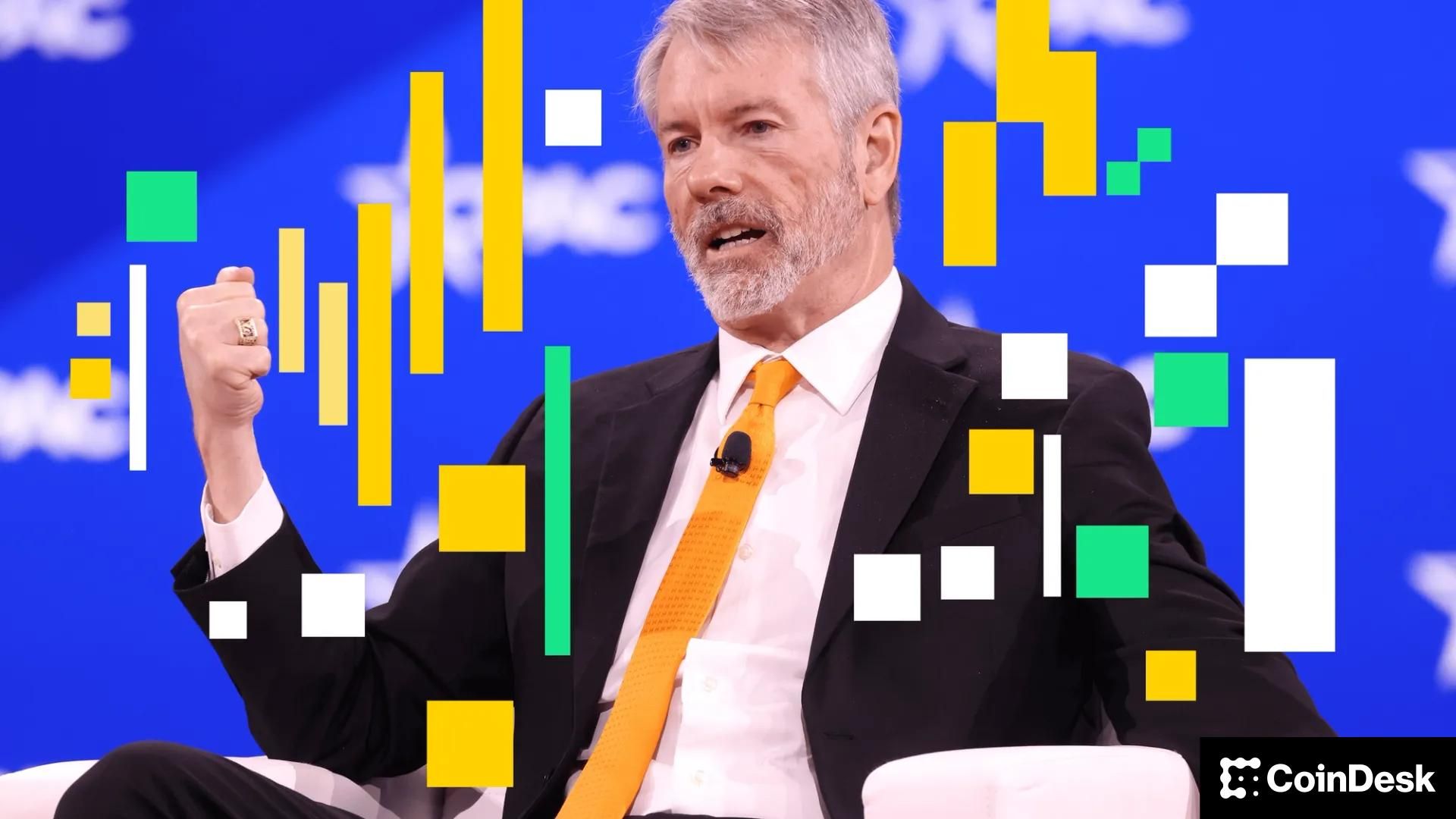
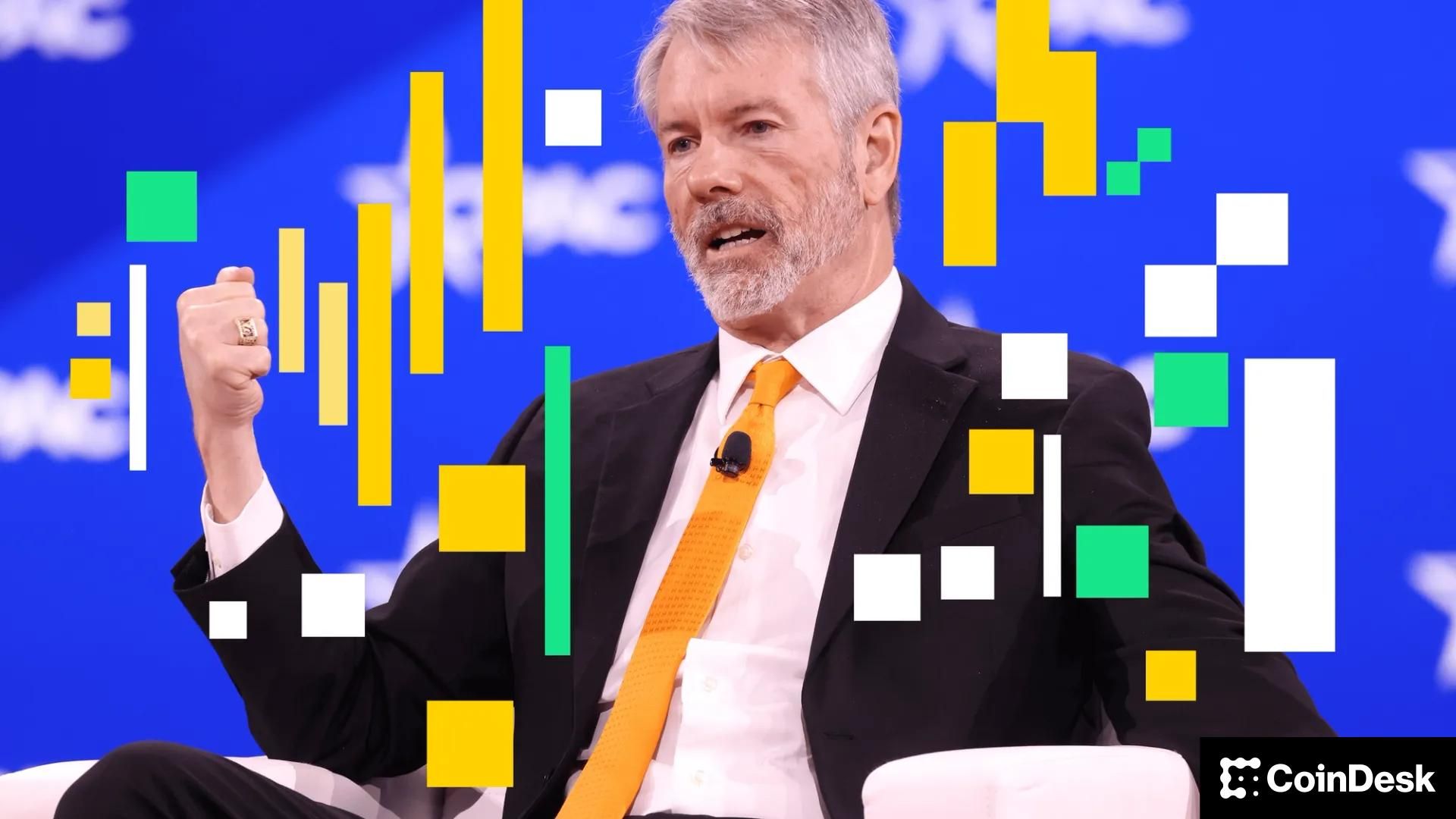
Strategy (MSTR), the world’s largest publicly traded company holding bitcoin, made a small BTC acquisition last week, adding 592 coins for $39.8 million.
That’s an average purchase price of $67,286 per bitcoin, with the buys completely funded via sales of common stock, according to an SEC filing.
The company now holds 717,722 bitcoin acquired for $54.56 billion, or an average price of $76,020 per coin. With bitcoin currently trading just above $66,000, the position represents an unrealized loss of roughly $10,000 per coin, or about $7 billion in total.
This morning’s news is a milestone of sorts. According to a cheeky X post by Executive Chairman Michael Saylor, it was Strategy’s 100th announcement of a bitcoin purchase since the company (then named MicroStrategy) began acquiring BTC in August 2020.
MSTR shares are down 2.5% in pre-market action and more than 50% year-over-year.

Google clamps down on Antigravity ‘malicious usage’, cutting off OpenClaw users in sweeping ToS enforcement move

The BAFTAs’ Latest Controversies Are a Warning Sign for the Oscars

Extreme Bionic off-road protection jacket from Alpinestars aims for the stars


-

 Crypto World7 days ago
Can XRP Price Successfully Register a 33% Breakout Past $2?
-

 Video4 days ago
XRP News: XRP Just Entered a New Phase (Almost Nobody Noticed)
-

 Fashion3 days ago
Weekend Open Thread: Boden – Corporette.com
-

 Sports7 days ago
GB's semi-final hopes hang by thread after loss to Switzerland
-

 Politics2 days ago
Baftas 2026: Awards Nominations, Presenters And Performers
-
 Tech7 days ago
The Music Industry Enters Its Less-Is-More Era
-

 Sports6 hours ago
Women’s college basketball rankings: Iowa reenters top 10, Auriemma makes history
-

 Politics7 hours ago
Nick Reiner Enters Plea In Deaths Of Parents Rob And Michele
-

 Business6 days ago
Infosys Limited (INFY) Discusses Tech Transitions and the Unique Aspects of the AI Era Transcript
-

 Entertainment5 days ago
Kunal Nayyar’s Secret Acts Of Kindness Sparks Online Discussion
-

 Video7 days ago
Financial Statement Analysis | Complete Chapter Revision in 10 Minutes | Class 12 Board exam 2026
-

 Tech6 days ago
Retro Rover: LT6502 Laptop Packs 8-Bit Power On The Go
-
 Sports5 days ago
Clearing the boundary, crossing into history: J&K end 67-year wait, enter maiden Ranji Trophy final | Cricket News
-

 Business2 days ago
Mattel’s American Girl brand turns 40, dolls enter a new era
-

 Business1 day ago
Law enforcement kills armed man seeking to enter Trump’s Mar-a-Lago resort, officials say
-

 Entertainment5 days ago
Dolores Catania Blasts Rob Rausch For Turning On ‘Housewives’ On ‘Traitors’
-

 Business6 days ago
Tesla avoids California suspension after ending ‘autopilot’ marketing
-
 NewsBeat15 hours ago
‘Hourly’ method from gastroenterologist ‘helps reduce air travel bloating’
-

 Politics7 days ago
Eurovision Announces UK Act For 2026 Song Contest
-

 Tech1 day ago
Anthropic-Backed Group Enters NY-12 AI PAC Fight