
Crypto World
Why is the crypto market up today? Bitcoin and utility protocols reveal on-chain whale inflows



Disclosure: This article does not represent investment advice. The content and materials featured on this page are for educational purposes only.
Fresh institutional inflows into Bitcoin are driving a crypto market rebound, while on-chain data shows whales increasingly moving capital into utility protocols like Mutuum Finance.
Summary
- U.S. spot Bitcoin ETFs saw about $458m in net inflows, helping BTC recover to around $68k after weekend volatility.
- Funds such as iShares Bitcoin Trust (IBIT) from BlackRock led the inflows as institutions treated the recent decline as a buying opportunity.
- Mutuum Finance has raised over $20.7m and launched its V1 lending protocol on the Sepolia testnet, signaling growing interest in utility-driven projects.
The digital asset market is experiencing a notable upward trend. This recovery follows a weekend of high volatility where geopolitical tensions briefly pushed prices lower. The current rally is largely driven by a significant return of institutional confidence, particularly through U.S.-based spot Bitcoin ETFs. Market data shows that large investors are not only stabilizing the “king of crypto” but are also beginning to shift their focus toward emerging utility protocols that offer functional financial tools.
Bitcoin
The primary reason for today’s market surge is the aggressive buying behavior from institutional investors. On Monday, March 2, U.S. spot Bitcoin ETFs recorded approximately $458 million in net inflows. This massive injection of capital effectively absorbed the “weekend shock” that had briefly sent Bitcoin tumbling toward the $63,000 level. By Tuesday morning, Bitcoin had reclaimed the $68,000 mark, signaling a swift rejection of the lower price range.
BlackRock’s IBIT fund remains the dominant force in this recovery, accounting for roughly half of the recent inflows. Over the last three trading sessions alone, U.S. spot ETFs added nearly $1.1 billion in total. This level of buying suggests that institutional desks are treating the recent war-driven volatility as a “dip-buying” opportunity.
In addition to direct ETF buying, the options market shows a measured response to recent headlines. While short-term volatility briefly spiked, it retraced quickly. This indicates that traders are hedging for short-term risks rather than preparing for a long-term bear market. With Bitcoin holding steady near $68,000, the “leverage flush” that occurred in February appears to be over, leaving the market in a much healthier position for growth throughout March.
Utility protocols reveal on-chain whale inflows
While Bitcoin provides the market’s foundation, on-chain data shows that “whales” are increasingly moving capital into utility protocols. These are platforms that provide financial services—like lending, borrowing, and yield generation. As the top-tier market recovers, these utility projects often see the highest growth because they offer yield generated from protocol fees.
One project in this space is Mutuum Finance (MUTM). Mutuum Finance is a decentralized lending protocol that has raised over $20.7 million from a global base of 19,000 investors. Currently, the MUTM token is priced at $0.04. The steady growth of its investor base suggests that whales are looking for projects with high technical transparency and a clear path to delivery.
The power of a detailed roadmap
Utility protocols historically attract large-scale capital by providing a well-explained and detailed roadmap. Professional investors prefer projects that deliver their technology piece by piece. When a team consistently meets its development goals, it builds trust that makes it more attractive during market recoveries. By showing exactly how the technology will scale, these protocols reduce the perceived risk for large-holders.
The Mutuum Finance roadmap is divided into clear phases aimed at building a full-suite decentralized bank. The project is currently in Roadmap Phase 3, but the overall roadmap focuses on:
One-click borrow presets: Simplified risk profiles (Safe, Balanced, Aggressive) to make DeFi accessible to non-technical users. This feature is already integrated into the V1 protocol on the Sepolia testnet, allowing the community to test how these presets adjust the Stability Factor.
Buy-and-redistribute mechanism: Using protocol fees to buy MUTM tokens and reward those who stake in the “Safety Module.” This mechanism is specifically designed to create consistent MUTM buy pressure in the long run, linking the protocol’s growth and transaction volume to the market demand for its native token.
Native over-collateralized stablecoin: The team is planning a native over-collateralized stablecoin to provide a stable medium of exchange within the ecosystem, backed by the interest-bearing assets. This digital asset is designed to maintain its peg through redundant value backing, allowing users to mint liquidity against their holdings without selling their underlying positions.
Layer-2 expansion: To reduce costs, the protocol will expand to L2 networks, ensuring fast and cheap transactions for all users as the platform scales. This migration will significantly lower the gas fees associated with frequent interactions like interest compounding or adjusting collateral positions.
What Mutuum Finance has already delivered
Mutuum Finance has already delivered its functional V1 protocol on the Sepolia testnet. This allows its 19,000 investors to test lending & borrowing mechanisms and core features such as mtTokens (yield-bearing receipts) and automated liquidation bots in a live risk-free environment.
The project has also secured a manual security audit from Halborn and a high safety score from CertiK. By providing a working testing environment before the full mainnet launch, Mutuum is proving that it can meet its technical milestones, which is exactly the kind of delivery that attracts long-term whale interest.
The crypto market’s upward move today is a classic example of institutional “dip-buying” meeting technical delivery. With $458 million flowing into ETFs and Bitcoin stabilizing at $68,000, the path is clear for utility protocols to take center stage. Mutuum Finance, which combines a $20.7 million funding base with a functional V1 protocol, is benefiting from this shift in whale focus.
Disclosure: This content is provided by a third party. Neither crypto.news nor the author of this article endorses any product mentioned on this page. Users should conduct their own research before taking any action related to the company.


TLDR
- BlackRock CEO Larry Fink warned that oil prices near $150 could trigger a global recession.
- He said prolonged supply disruptions could keep oil prices above $100 for years.
- Fink stated that high energy costs would raise production and transport expenses worldwide.
- He explained that lower-income households would face greater pressure from rising fuel bills.
- Goldman Sachs raised the probability of a US recession to 30% due to oil-driven inflation risks.
BlackRock CEO Larry Fink warned that soaring oil markets could tip the world into recession. He said prolonged supply shocks could lift crude toward $150 per barrel. He outlined two economic paths based on how the Iran conflict develops.
Oil Prices Could Stay Above $100 for Years
Fink spoke on the BBC Big Boss Interview podcast on March 25. He said oil prices could climb sharply if tensions restrict supply and trade. He warned that crude near $150 would strain growth and fuel inflation.
He stated, “We could have years of oil prices above $100, closer to $150 oil.” He added that such levels would carry “profound implications in the economy.” He said high energy costs would likely trigger a global recession.
He explained that elevated fuel costs would raise transport and production expenses. As a result, businesses would face tighter margins and slower expansion. Lower-income households would also feel stronger pressure from higher energy bills.
He contrasted this outlook with a full de-escalation scenario. He said Iran’s reintegration into global markets could push oil toward $40 per barrel. He argued that increased supply would support growth and ease inflation pressures.
However, he warned that a partial resolution presents greater risks. He said Iran could still threaten trade routes and Gulf stability. In that case, oil prices could remain elevated for years.
He stressed that sustained prices near $150 would almost certainly lead to recession. He said energy costs at that level would ripple across sectors. He linked the outlook directly to supply disruptions and trade threats.
Goldman Sachs and JPMorgan Raise US Recession Odds
Other major financial institutions have also raised recession probabilities. Goldman Sachs increased its United States recession odds to 30%. The bank cited rising inflation tied to oil prices and weaker growth forecasts.
JPMorgan placed recession odds at 35%. The bank said markets may underestimate the economic drag from prolonged energy shocks. Both institutions connected their outlooks to persistent crude price strength.
Oil markets have shown volatility in recent weeks. Reports about ceasefire talks caused brief price declines on Wednesday. However, traders continued to track risks around key shipping lanes.
The Strait of Hormuz remains central to global energy flows. Any disruption there could tighten supply quickly. As tensions evolve, oil prices continue to respond to geopolitical signals.
Fink’s remarks add to the ongoing debate within financial circles. He tied recession risk directly to crude levels above $100 and approaching $150. His comments followed recent market swings linked to developments involving Iran.
He reiterated that a clear end to hostilities could lower oil prices sharply. Yet he maintained that unresolved threats would keep prices high. The interview aired on March 25 and detailed both economic scenarios.

Crypto World
Bitcoin Price News Reveals 1000x Setup as Trump Demands Iran Surrender and Oil Rises While Pepeto BTC and SOL React
On March 6, President Trump declared there would be no deal with Iran except a surrender, sending Brent crude oil above $90 for the first time in more than a year and dragging stocks and crypto down with it. The BTC cycle is full of instability, but the same conditions that push the market down create the best entry points for the projects that thrive when the cycle turns.
The bitcoin price news also shows Pepeto raised more than $8 million with a live exchange and the Binance listing approaching. Analysts project 1000x, and the wallets entering during this fear are the early believers that every cycle rewards the most.
President Trump declared no deal with Iran except surrender on March 6, sending Brent crude above $90 for the first time in over a year and pulling crypto lower alongside equities, according to CoinDesk.
The correction hit BTC and most altcoins while a few early stage projects kept their ascending trends through the selling, according to CoinMarketCap.
The BTC headlines remind investors that macro pressure creates the entries that produce the biggest returns, and the presale that kept raising through the fear is where those returns live.
Where the Market Pays Most to the People Who Entered Before the Recovery
Pepeto
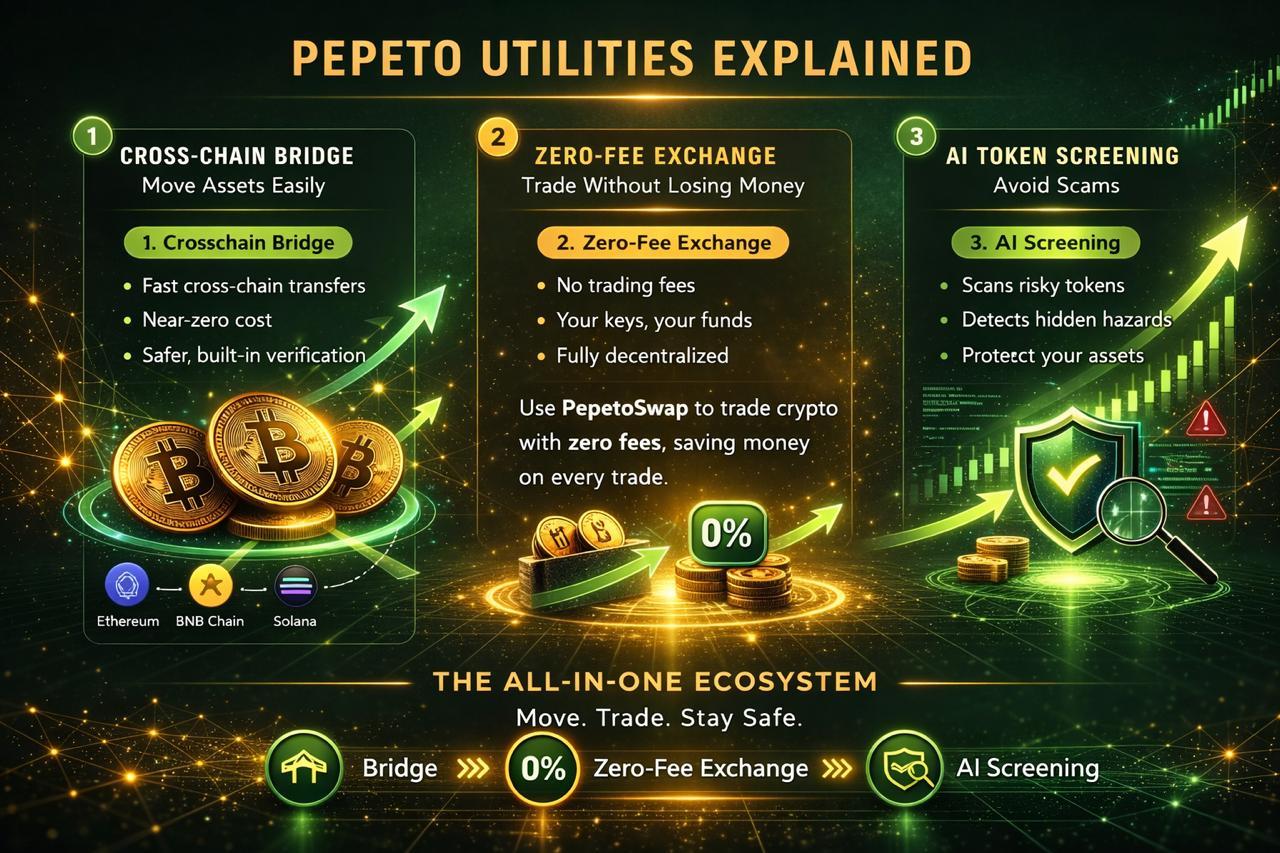
The current environment is full of instability, but investors have also become more demanding. AI is driving technological change, and the projects that address real problems are the ones that thrive in the new market. Pepeto fits that reality completely because the exchange already runs the contract checking, zero fee trading, and cross chain transfers the market is moving toward.
The risk scorer checks every contract for hidden drains, honeypot functions, and fake minting before your capital goes near them, and explains what it found in plain language so you decide with facts. PepetoSwap keeps every position at full value with zero fees, and the cross chain bridge moves tokens at zero cost.
More than $8 million raised during the correction with 193% APY staking compounding in early wallets while stages fill faster proves serious conviction. The SolidProof audit cleared every contract, a former Binance expert is on the dev team, and the cofounder who built the original Pepe coin to $11 billion with the same 420 trillion supply is behind the platform.
Pepeto is at $0.000000186, and analysts project 1000x once the Binance listing opens public trading. The bitcoin price news confirms the best entries happen during fear, and the exchange with the product already shipping and the listing days away is the kind of opportunity that produces the returns people reference for the rest of the cycle.
BTC
Bitcoin trades near $71,299 as of March 24 after a 21% recovery from lows below $60,000 with $225 million in net ETF inflows on Tuesday led by BlackRock’s $322 million IBIT day, according to CoinMarketCap.
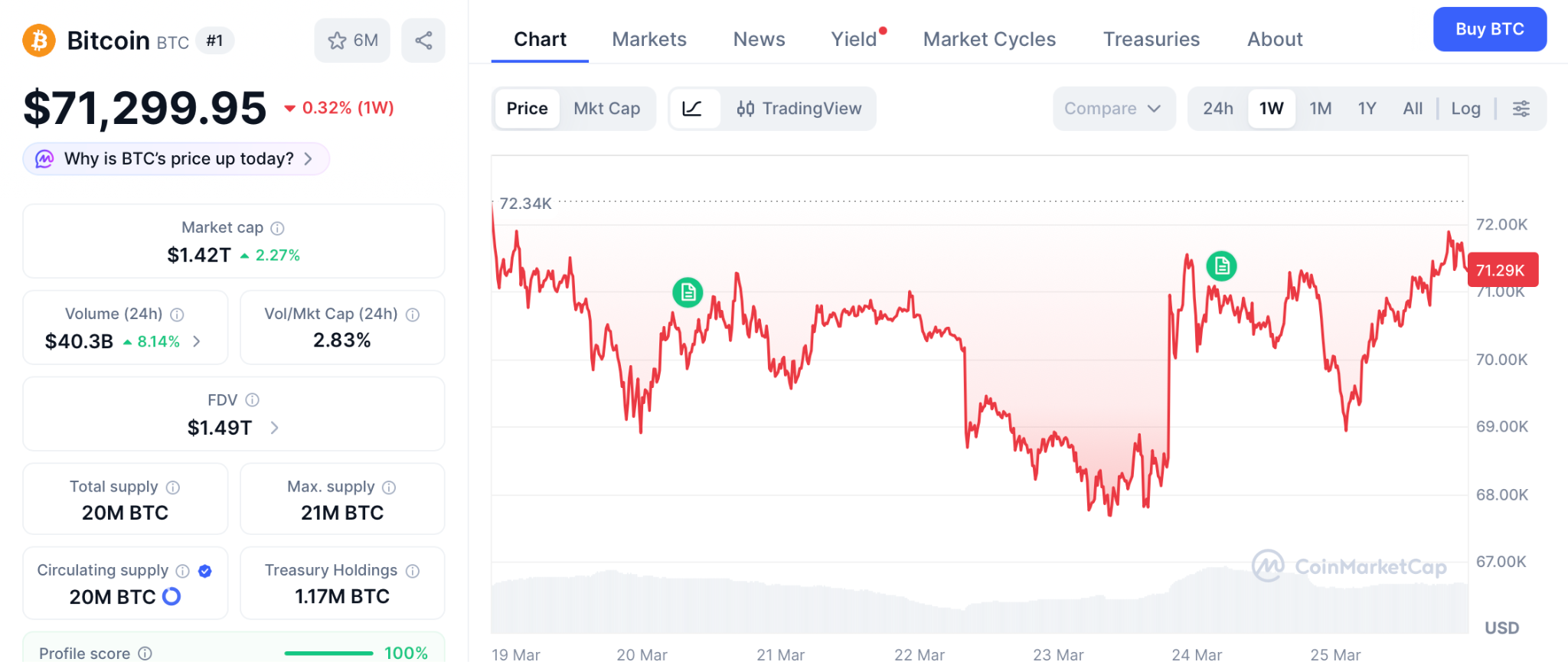
The BTC outlook projects Bitcoin between $74,000 and $93,000 through 2026, a 28% gain at the upper end. Solid foundation, but the return from $71,299 is not the math that changes your life the way 1000x from one listing does.
SOL
Solana trades near $92 as of March 24 bouncing 4% alongside the broader market with the appchain utility narrative giving it an edge in the sector rotation, according to CoinMarketCap.
SOL holds $92 support with $92 resistance overhead. Analysts project $92 to $135 for 2026, a 1.6x that rewards steady holders. Dependable infrastructure, but the return ceiling cannot match what the presale delivers from one listing event.
Bitcoin Price News Confirms That the Market Pays Most to Early Believers and the Window Is Open Now
The bitcoin price news has confirmed once more that production quality platforms at presale pricing are what the current market rewards most. The market always pays the biggest returns to the early believers, and Ethereum was under $10 once before it reached $2,057, and the people who got in when nobody believed in it are the ones who built real wealth.
Millions in capital entering Pepeto’s presale during extreme fear proves those same kinds of wallets expect the same outcome, and following their moves is how you position on the right side of the listing. The Pepeto official website is where that entry is still open.
Click To Visit Pepeto Website To Enter The Presale

FAQ:
What does the latest bitcoin price news mean for presale entries?
Institutional inflows lifting BTC from lows creates the backdrop where presale tokens with live products see the biggest listing returns. The Pepeto official website is where those entries are secured now.
How does the bitcoin price news cycle help identify the best opportunities?
The bitcoin price news reveals broader market direction, and the exchange that checks contracts in real time positions you ahead of the moves the news reports after.
Why are early stage entries important during this bitcoin price news cycle?
When the market recovers from fear, early entries see the largest returns because the listing compresses what months of recovery deliver into one event.
Disclaimer: This is a Press Release provided by a third party who is responsible for the content. Please conduct your own research before taking any action based on the content.
TLDR
- Coinbase has started streaming its order book, perps, and futures data onchain through Chainlink’s DataLink service.
- Onchain protocols can now access data feeds from Coinbase International Exchange and Coinbase Derivatives Exchange.
- The integration includes perpetual futures, equities, and commodities benchmarks for decentralized applications.
- Coinbase said its benchmarks will support developers building derivatives and tokenized asset platforms.
- Chainlink confirmed that DataLink delivers enterprise data securely from off-chain systems to blockchain networks.
Coinbase has started sending its exchange market data directly onchain through Chainlink’s DataLink service. The rollout gives onchain protocols access to Coinbase order books, futures, and perpetual contracts data. The companies said the integration supports secure and verifiable data delivery for decentralized applications.
Coinbase Expands Onchain Data Access Through DataLink
Coinbase confirmed that it now streams spot and derivatives data onchain using Chainlink’s DataLink bridge. The service distributes feeds from Coinbase International Exchange and Coinbase Derivatives Exchange. As a result, developers can access order book depth and futures pricing in real time.
The exchange said the rollout covers perpetual futures, equities, and commodities benchmarks. It also provides standardized datasets designed for institutional and decentralized platforms. Coinbase aims to monetize its proprietary market data while expanding infrastructure services.
Liz Martin, Vice President of Coinbase Markets, outlined the company’s objective. She said, “Our benchmarks enable DeFi and TradFi developers to build more robust onchain apps across derivatives, tokenized assets, and more.” Her statement accompanied the formal announcement of the integration.
Coinbase operates the largest crypto exchange in the United States by trading volume. The company continues efforts to grow into an “everything exchange” model. It also seeks to strengthen its prime brokerage capabilities for institutional clients.
The DataLink bridge enables enterprise users to push off-chain information into blockchain networks. Chainlink launched DataLink late last year as part of its enterprise strategy. The service focuses on secure data transfer between traditional systems and smart contracts.
Coinbase said developers can verify order book and futures data directly onchain. The company expects broader integration across decentralized protocols. The rollout marks the first time Coinbase distributes its exchange market data onchain at scale.
Chainlink Strengthens Infrastructure Role with Enterprise Integrations
Chainlink Labs confirmed that DataLink now carries Coinbase exchange benchmarks. Johann Eid, Chief Business Officer at Chainlink Labs, described the integration as infrastructure-focused.
He said, “The future of finance requires a foundation of uncompromising security.”
Eid added, “We aren’t just moving data; we are building the programmable market infrastructure defining the next era of tokenization.”
He said the effort accelerates the convergence of institutional finance and DeFi systems. Chainlink positions DataLink as a secure enterprise-grade bridge.
Chainlink said it has secured nearly $100 billion in total value locked across decentralized finance applications. The network also reported facilitating more than $25 trillion in onchain transaction value. These figures reflect cumulative activity supported by Chainlink services.
The Coinbase integration follows earlier collaborations between the two companies. Coinbase selected Chainlink as its exclusive bridging solution for wrapped assets such as cbBTC, cbETH, and cbDOGE. It also uses Chainlink services for the Base-Solana Bridge infrastructure.
Chainlink has expanded enterprise relationships beyond crypto-native firms. The company provides Oracle services for Swift, JPMorgan, and Mastercard. DataLink also supports institutional data providers including S&P Global and FTSE Russell.
Bitmine Immersion Technologies has launched MAVAN, an institutional-grade Ethereum staking platform that will run validator infrastructure for its own holdings and external clients.
Staking involves locking up Ether to help validate transactions on the network in exchange for rewards.
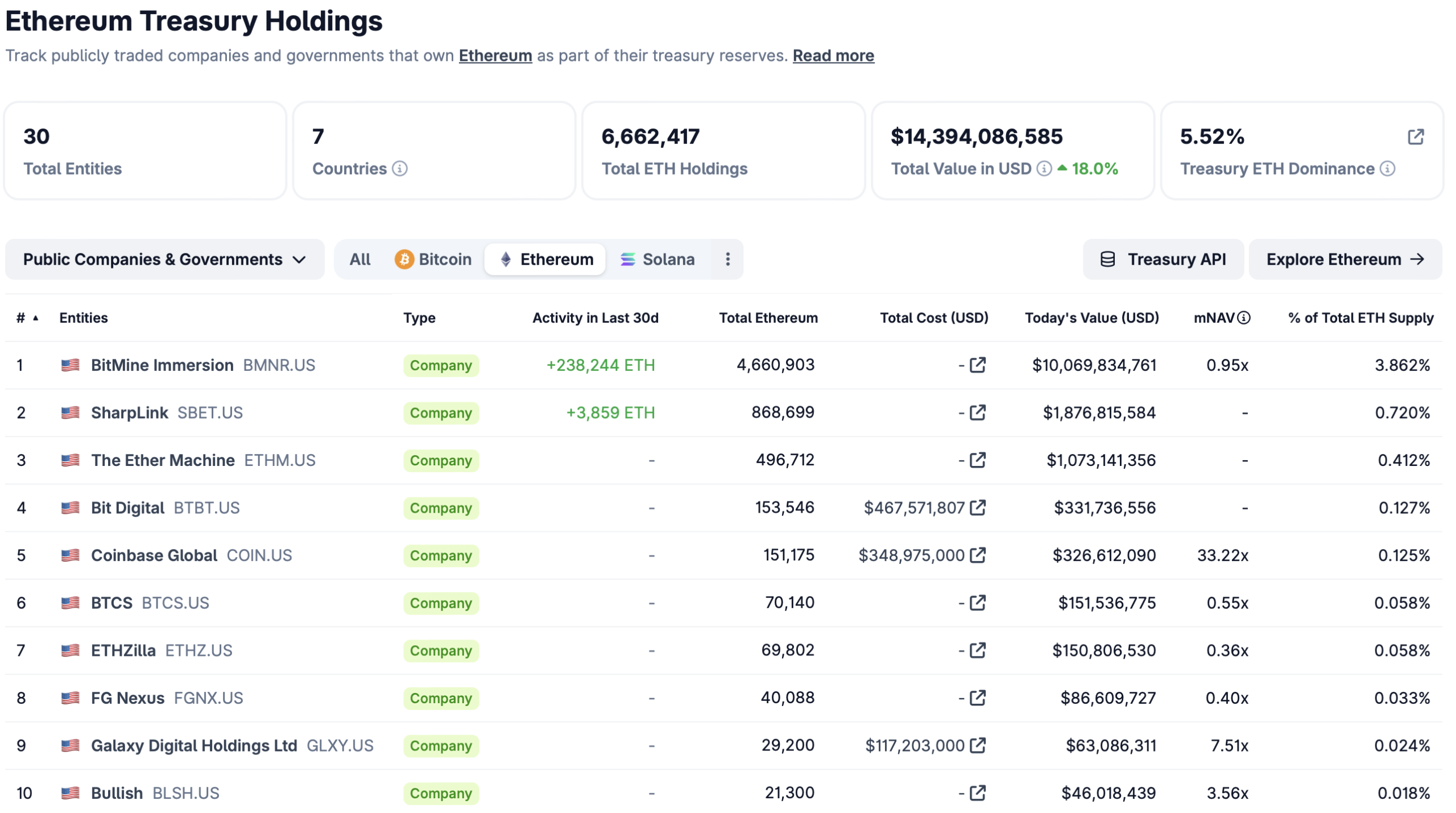
The rollout takes advantage of Bitmine’s position as the largest public company holder of Ether (ETH), with more than 3.1 million ETH already staked. MAVAN, or Made in America Validator Network, is the company’s proprietary Ethereum staking platform.
The platform was initially developed to support Bitmine’s existing Ethereum treasury and is now being opened to institutional clients and custodians, who are expected to bring additional ETH holdings onto the platform in the coming weeks.
Bitmine said it staked 101,776 ETH over the past week and plans to continue increasing the amount allocated to MAVAN as it moves to stake most of its remaining Ether holdings. The company estimates staking rewards could approach $300 million annually based on current yields.
The new staking platform will use US-based infrastructure alongside a globally distributed setup and is expected to be expanded onto additional proof-of-stake networks and blockchain services.
Bitmine is targeting institutions, custodians and exchanges, with backing from investors including ARK Invest, Founders Fund, Kraken, Pantera Capital, Digital Currency Group and Galaxy Digital.
According to data from CoinGecko, Bitmine currently holds 4,660,903 ETH, has added 238,244 ETH over the past 30 days, and accounts for approximately 3.86% of the total Ether supply.
The company said it plans to continue increasing its Ether holdings, with a stated goal of acquiring 5% of the total ETH supply.

Related: Ethereum devs up security efforts with new ‘Post-Quantum’ team
Institutional demand reshapes Ethereum staking infrastructure
Ethereum staking has become increasingly tailored to institutional users, as demand grows for yield alongside compliant, institution-grade infrastructure.
In February, Lido, the largest liquid staking protocol, introduced a modular upgrade that allows institutions to customize staking setups, including validator configuration and withdrawal parameters. Konstantin Lomashuk, a founding contributor at Lido, said institutional users already make up a significant share of its total value locked, with demand continuing to grow.
The trend extends to the protocol level. The same month, the Ethereum Foundation announced it had begun staking part of its treasury, with plans to allocate around 70,000 ETH to validators and direct rewards toward ecosystem development.
Staking is also being integrated into investment products. In October, Grayscale introduced staking for its Ether ETFs, allowing the funds to generate income from staking. Earlier this month, BlackRock debuted the iShares Staked Ethereum Trust (ETHB), a Nasdaq-listed product that combines spot Ether exposure with staking-based yield.
Ether was trading around $2,164 at last look, up roughly 4.6% over the past year, according to CoinGecko data. The asset has remained well below its mid-2025 highs above $4,000.

Magazine: The dirty secret about quantum signatures: No one knows if they work
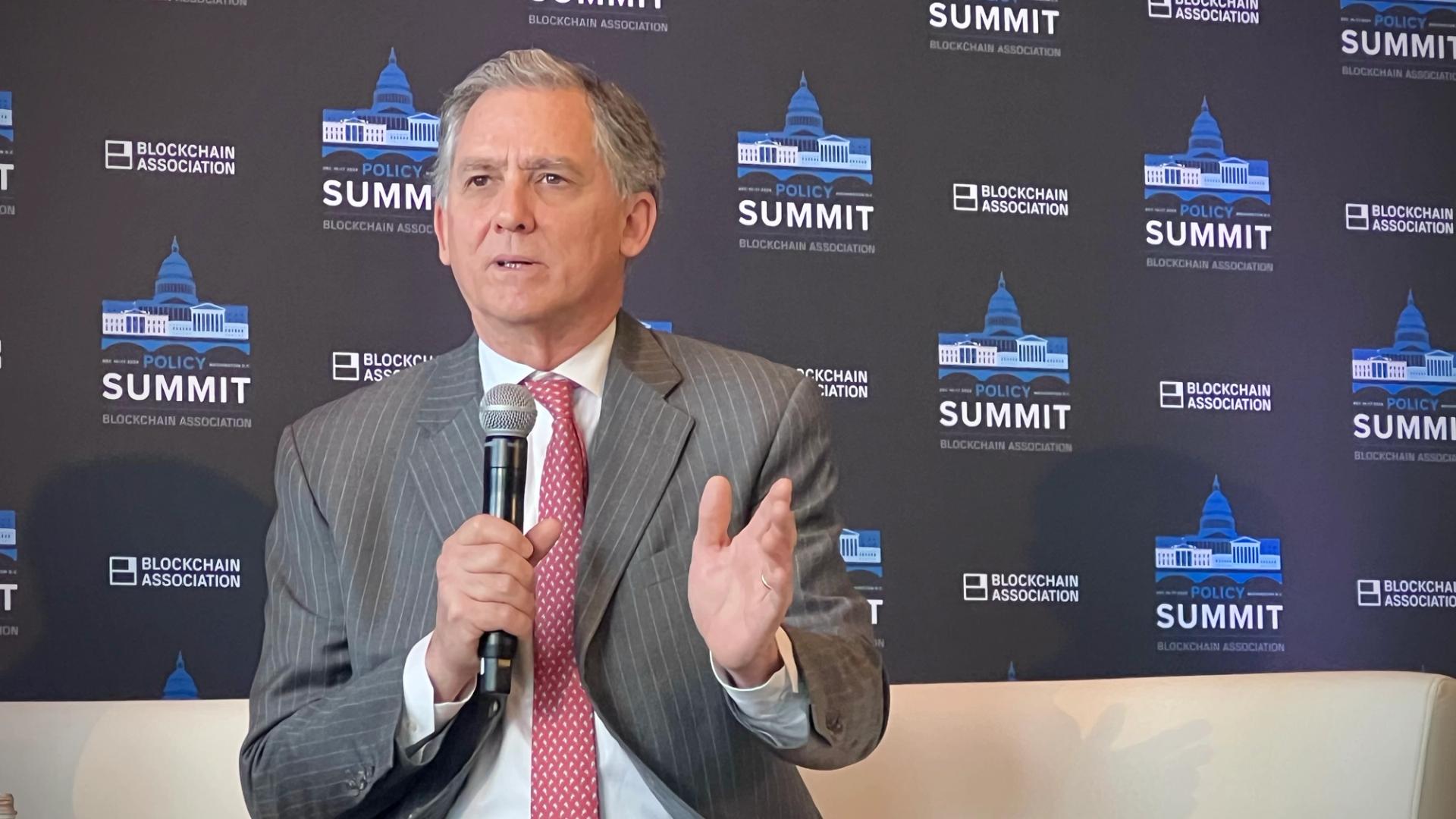
In the growing policy moment for securities tokenization, the House Financial Services Committee gathered views on the innovation at a Wednesday hearing, though the specter of President Donald Trump’s family crypto ties did arise more than once.
The lawmakers broadly agreed that tokenized securities generally need the same regulatory guardrails as traditional securities trading, which matches the position of U.S. Securities and Exchange Commission Chairman Paul Atkins, who has said his agency is on the verge of issuing a formal rule proposal to move forward on such crypto policies.
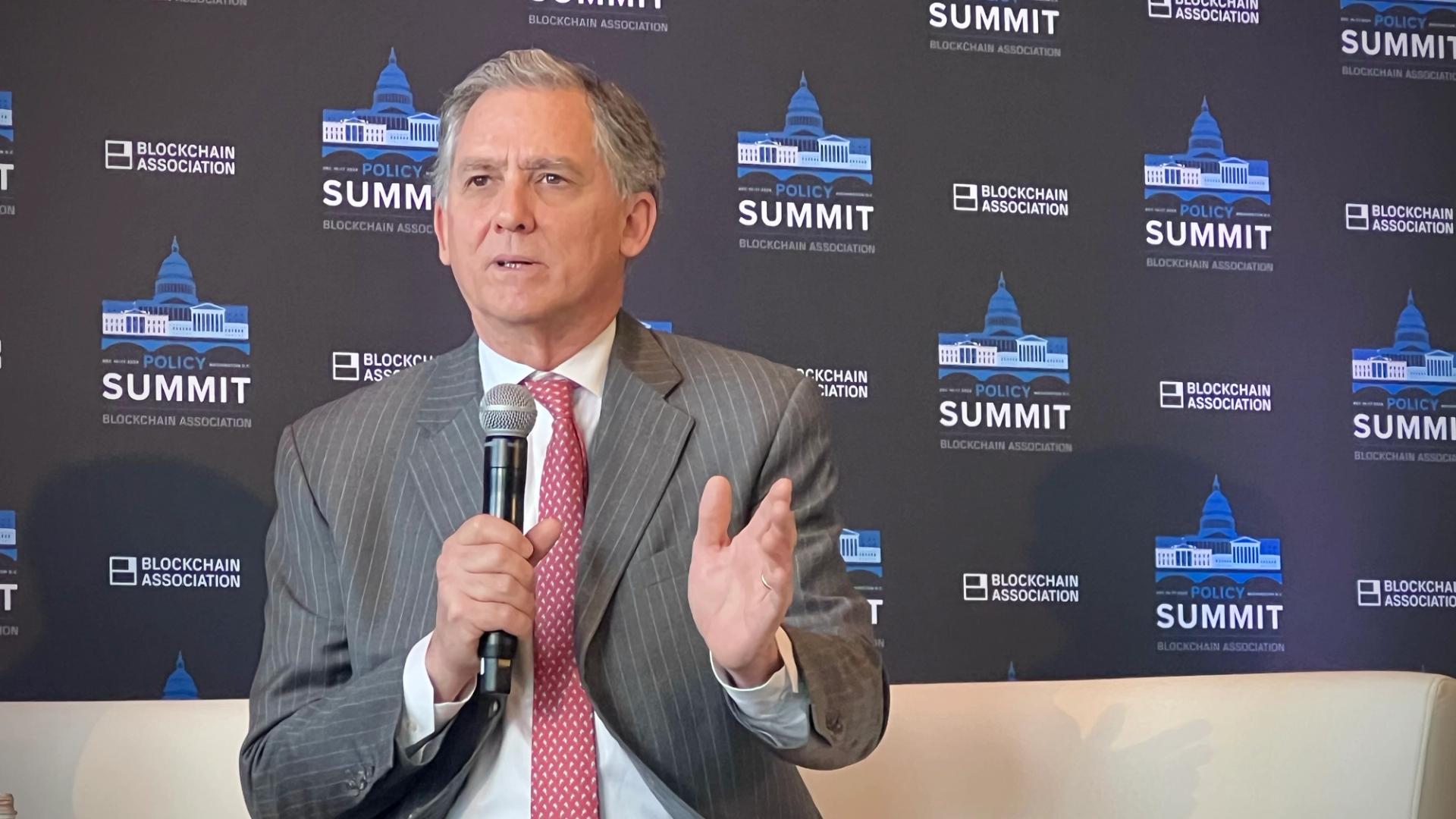
“We stand at the threshold of a significant transformation in our financial landscape,” said committee Chairman French Hill. But as tokenization arises, regulatory gaps and risks need to be explored, he said. “We obviously are going to maintain market integrity, no matter what technology we select.”
Both parties have questions on oversight and how tokenization will mesh with traditional markets, which must still be answered by regulators and potentially by crypto legislation. Concerns raised by the panels’ Democrats included anonymous wallets that could mask foreign ownership, know-your-customer issues and the management of decentralized finance (DeFi). But the hearing effectively acknowledged the onset of the technology as an inevitability rather than a theoretical future.
The committee’s ranking Democrat, Representative Maxine Waters of California, said she’s concerned about tokenization further moving toward the gamification of trading.
“This committee has already examined how trading apps use behavioral designs to turn investing into a game,” she said. “Tokenization could make those trades faster, always on, and with fewer guardrails.”
Speed and efficiency, though, is the foundational advantage of tokenizing stocks. Blockchain Association CEO Summer Mersinger offered that non-custodial, non-discretionary DeFi code brings efficiencies, because “you remove a lot of intermediaries that add expenses to the trade.”
“Regulatory approaches should distinguish clearly between entities that perform intermediary functions and infrastructure that enables user-directed activity, ensuring that obligations are calibrated to the presence of custody, control and discretion,” she said in her testimony. Mersinger also encouraged an “iterative approach” from the SEC to get policy going quickly on tokenization.
While the Senate is trying to finish the Digital Asset Market Clarity Act that will establish laws to govern such tokenization, Atkins has said his agency is going to provide an “innovation exemption” that lets firms test such new arenas as tokenization without immediate registration hoops. Even before any of that arrives, the crypto industry and wider financial sector are building tokenization platforms.
“Tokenization is just the next iteration of the technology,” said Ken Bentsen, who leads the Securities Industry and Financial Markets Association. He said that new entrants should get the same regulations and guardrails as businesses currently involved in stock trading.
Just this week, BlackRock Chairman and CEO Larry Fink argued in his annual shareholder letter that digital assets and tokenization could “update the plumbing of the financial system.” News also emerged that investment giant Franklin Templeton secured a tokenization partnership with Ondo Finance and that $2.2 trillion asset manager Invesco had taken over management of Superstate’s $900 million fund of tokenized U.S. Treasuries, USTB.
But committee Democrats also criticized the Trump administration’s push on behalf of the crypto sector, which Waters said is paired with “blatant corruption” involving the Trump family’s personal involvement in digital assets businesses, which includes a stake in World Liberty Financial Inc. that announced a deal with Securitize last month to tokenize loan revenue tied to hotel projects.
“The Trump family has earned an estimated $1 billion dollars in profit from their crypto ventures,” Waters noted. “When officials in the government who are approving the rules also profit from the market those would regulate, the American people rightly ask whose interests truly comes first.”
“The ties between the Trump family and this industry has unfortunately created a cloud over the legitimacy of moving forward on this important market structure legislation,” said Salman Banaei, the general counsel at tokenization firm Plume who had also worked at the SEC and Commodity Futures Trading Commission.
Binance, the largest crypto exchange by volume traded, released guidelines placing tighter obligations on token issuers and liquidity providers.
The new rules require projects to disclose their market maker’s identity, legal entity and contract terms. They also ban profit-sharing and guaranteed-return arrangements, which the exchange said can create incentives that conflict with fair trading. Token lending agreements must clearly say how borrowed tokens can be used.
The rules are “intended to help projects conduct stronger due diligence on their market-maker partners and remind users to be mindful of market conditions,” a Binance spokesperson said in an email. The company is looking to foster “a fair and efficient marketplace, and we do not tolerate misconduct.”
The new policy targets a part of the crypto market that often works behind the scenes. Market makers usually post buy and sell orders to keep trading active and reduce sharp swings in price, which, in a healthy market, can help users buy or sell without major slippage, especially when a token is newly listed.
Binance said problems occur when firms act less like neutral liquidity providers and more like sellers with hidden incentives. The exchange flagged behavior such as selling that clashes with token release schedules, one-sided trading and activity that inflates volume without moving prices in a natural way.
In the blog post, Binance said it will take “swift, decisive action against any misconduct,” including blacklisting market makers. It’s unclear whether Binance plans to name the market makers it blacklists.

Network News
ETHEREUM FACES KEY MOMENT WITH QUANTUM, AI CHANGES AHEAD: The first couple of months of 2026 have forced the Ethereum community into a kind of introspection—one that goes beyond price, beyond technical upgrades, and into the question of what the network is actually trying to be. Even before this year, there has been a sense among builders and executives that Ethereum was on the verge of another growth phase—this time driven not by crypto-native users but by institutions and technology. Neobanks, as some argued, would quietly onboard millions by abstracting away the complexity of wallets and gas fees. Ethereum, in this framing, wouldn’t need to win users directly. It would sit beneath the interface, powering a new financial stack that, on the surface, looked nothing like crypto. It was a continuation of a long-running thesis: that Ethereum’s success would come from invisibility. That vision has been shaped in part by years of previous upgrades aimed at improving user experience and reducing costs. Changes like “proto-danksharding”, introduced in the Dencun upgrade, significantly lowered fees for layer 2 networks by increasing data downloads for transactions, while ongoing improvements to the base layer have made transactions more efficient. While the price of the network’s ether (ETH) token has been determined by market forces, these upgrades have, together, helped move Ethereum closer to a model where users interact with applications without needing to understand the underlying infrastructure. But that narrative began to change a few weeks into the year, when Vitalik Buterin, delivered a sharp reality check to the broader ecosystem: “You are not scaling Ethereum.” The comment cut through what had, until then, been a largely celebratory conversation around rollups. These types of networks, also known as layer-2 (L2) networks, process transactions off Ethereum and then bundle them back onto the main chain to make it faster and cheaper. Layer-2 networks have exploded over the last few years, transaction fees have come down, and activity has spread—but the deeper question was whether any of this amounted to coherent scaling. — Margaux Nijkerk Read more.
SOLANA FOUNDATION RELEASES DEVELOPER PLATFORM FOR INSTITUTIONS: The Solana Foundation is launching a new developer platform aimed at making it easier for financial institutions to build blockchain-based products, with early users including Mastercard, Western Union and Worldpay. The Solana Developer Platform (SDP), currently available for developers to test, is a toolkit that enables enterprises to create and scale financial applications on Solana without deep crypto infrastructure expertise. The SDP will also integrate AI tools such as Anthropic’s Claude Code and OpenAI’s Codex. The platform bundles services from more than 20 infrastructure providers — spanning custody, compliance, wallets and payments — into a single interface, streamlining what has traditionally been a fragmented process for institutions entering the space. At launch, SDP includes two live modules. The issuance module enables companies to create tokenized deposits, stablecoins and tokenized real-world assets, while the payments module supports fiat and stablecoin flows, including on- and off-ramps and onchain transactions. A trading module is expected later in 2026. The involvement of traditional payments firms underscores growing institutional interest in blockchain-based settlement. — Margaux Nijkerk Read more.
BALANCER LABS TO SHUT DOWN: The company that built decentralized finance (DeFi) powerhouse Balancer is closing. Balancer co-founder Fernando Martinelli announced that Balancer Labs, the corporate entity that incubated and funded the decentralized exchange protocol, will be shutting down. The decision comes roughly five months after a v2 exploit in November 2025 that drained approximately $110 million in digital assets, as CoinDesk first reported, including osETH, WETH, and wstETH, the third known security breach for the project and the one that created the legal exposure Martinelli cited as the reason for shutting down BLabs. “BLabs, as a corporate entity, has become a liability rather than an asset to the protocol’s future and is just not sustainable as is without any sources of revenue,” Martinelli wrote in a governance forum post. Martinelli added he “seriously considered” shutting everything down entirely. But he stopped short of calling for a full wind-down because the protocol still generates revenue. — Shaurya Malwa Read more.
BITCOIN MINING CONCENTRATION TRIGGERS SMALL ‘REORG’: Bitcoin’s mining concentration problem just showed up on the blockchain itself, triggering a small “reorg.” At the center of the story is Foundry USA, the largest bitcoin mining pool, representing a group of miners who combine their computing power to verify transactions, mine blocks, and split the rewards in BTC. On the blockchain, there are many miners, and sometimes two or more find a block at nearly the same time. When that happens, the network temporarily has two competing versions of the blockchain. Eventually, the network reorganizes back into a single chain, depending on which version grows faster. This process is called a blockchain reorganization, or “reorg.” That’s what happened earlier this week: Foundry and AntPool both mined blocks at roughly the same time, causing a chain split. Foundry then produced several consecutive blocks, moving slightly faster than its competitors, and became the chain the network followed. The result: the blockchain reorganized to Foundry’s version, and the blocks mined by AntPool and ViaBTC were orphaned or effectively erased from the ledger. Those miners earned nothing for the work they had done. — Shaurya Malwa Read more.
In Other News
- The New York Stock Exchange (ICE) is teaming up with tokenization specialist Securitize to help design the infrastructure behind tokenized securities trading. Securitize is aiming to go public this year via a SPAC deal with Cantor Equitize Partners (CEPT). CEPT shares are higher by 6% premarket. ICE shares are flat. The two firms signed a memorandum of understanding to build NYSE’s planned Digital Trading Platform. Securitize will serve as a design partner, focusing on how transfer agents — the entities that track ownership and handle corporate actions — operate when securities are issued and settled on blockchain rails. Securitize, backed by large asset managers like BlackRock and Ark Invest and registered with the SEC as a transfer agent, is expected to be among the first firms eligible to mint tokenized versions of stocks and ETFs on the platform, subject to regulatory approvals. The firm’s broker-dealer arm could also take part in trading, giving it a foothold across both issuance and market activity. The move comes as traditional exchange behemoths like NYSE and Nasdaq are doubling down on tokenization efforts to bring blockchain rails into stock trading. — Kristzian Sandor Read more.
- BlackRock Chairman and CEO Larry Fink used his annual letter to shareholders to argue that digital assets and tokenization could help update the financial system, even as he warned that the U.S. economic model is leaving too many people behind. In the letter, Fink said the current system has delivered most of its gains to people who already own assets, while many workers have been shut out of market growth. He tied that imbalance to a wider problem in the U.S., where rising inequality, high government debt and weak participation in capital markets are putting pressure on the old model of finance. “Capitalism is working—just not for enough people,” Fink wrote. His proposed fix centered on tokenization and digital distribution as tools to expand access to investing and make markets run better. Tokenization, Fink said, could “update the plumbing of the financial system” by making investments easier to issue, trade and access. The idea is simple: If ownership of assets is recorded on digital ledgers, moving a fund share, bond or other security could become faster and cheaper. In practice, that would allow a regulated digital wallet to hold not just payments, but also tokenized bonds, ETFs and fractional interests in assets such as infrastructure or private credit. — Helene Braun Read more.
Regulatory and Policy
- Crypto industry insiders got their first look at the revised market structure bill in the Senate, and the opening impression was that the language on allowable stablecoin yield was overly narrow and unclear, according to a person familiar with the current draft. The new language, which was announced Friday by Senators Angela Alsobrooks and Thom Tillis, would ban yield payments for simply holding a stablecoin. It would also restrict any approach that makes the program equivalent to a bank deposit, and it imposes further limits on other potentially allowed activities, the person said, adding that the mechanics of determining activities-based stablecoin rewards remain uncertain. The crypto industry got its first look at the revised section of the Digital Asset Market Clarity Act earlier this week during a closed-door review on Capitol Hill in Washington, an attempt to clear a roadblock to getting a hearing in the Senate Banking Committee. Bankers had insisted that stablecoin rewards look nothing like interest-bearing bank deposits, because they argued the competing product could hamstring the industry and strangle lending. So, the compromise will allow rewards programs for users’ stablecoin activities but not balances. — Jesse Hamilton Read more.
- Brazil’s new finance minister, Dario Durigan, is expected to delay a public consultation on applying a tax on financial operations, locally known as Imposto sobre Operações Financeiras (IOF), to some cryptocurrency transactions, Reuters reported, citing sources familiar with the matter. Durigan took office on March 20 after Fernando Haddad stepped down to run for governor of São Paulo. Reuters said the new minister wants to focus on microeconomic measures and avoid proposals that could trigger conflict with Congress during an election year. The postponed consultation centered on a draft decree that could classify some crypto transactions as foreign exchange operations. — Francisco Rodrigues Read more.
Calendar
- Mar. 24-26, 2026: Digital Asset Summit, New York City
- Mar. 30-Apr. 2, 2026: EthCC, Cannes
- Apr.15-16, 2026: Paris Blockchain Week, Paris
- May 5-7, 2026: Consensus, Miami
- Sept. 29-Oct.1, 2026: Korea Blockchain Week, Seoul
- Oct. 7-8, 2026: Token2049, Singapore
- Nov. 3-6, 2026: Devcon, Mumbai
- Nov. 15-17, 2026: Solana Breakpoint, London


The integration gives DeFi protocols direct access to institutional-grade order book, spot, and futures data from the largest US crypto exchange.
Coinbase has integrated Chainlink’s DataLink service to publish its premium exchange data onchain for the first time, the companies announced on Tuesday.
DataLink is an institutional-grade data publishing service powered by the Chainlink data standard. Through the integration, DeFi protocols can now access a range of Coinbase’s datasets directly onchain, including order book data, spot prices, perpetual futures data from Coinbase International Exchange, e-mini futures data, and additional datasets spanning crypto, metals, energy, and equity futures via Coinbase Derivatives Exchange.
The data is designed to power more accurate pricing, stronger risk management, and new onchain market types, from derivatives and perpetuals to tokenized real-world assets, structured products, and next-generation lending protocol risk engines.
“We’re excited to build on our existing Chainlink integrations by adopting DataLink to publish Coinbase’s exchange market data onchain for the first time,” said Liz Martin, Vice President of Coinbase Markets. “Our benchmarks enable DeFi and TradFi developers to build more robust onchain apps across derivatives, tokenized assets, and more.”
The DataLink adoption expands an existing relationship. Coinbase’s Base-Solana bridge is secured by Chainlink’s Cross-Chain Interoperability Protocol (CCIP), and Coinbase selected CCIP as its exclusive interoperability provider for all Coinbase Wrapped Assets. Previously, Coinbase also integrated the Chainlink standard into its Project Diamond institutional tokenization platform.
“Coinbase bringing its exchange data onchain through Chainlink sends a clear signal,” said Johann Eid, Chief Business Officer at Chainlink Labs. “We are proving that the future of finance requires a foundation of uncompromising security.”
Coinbase is the latest in a series of major DataLink adopters. FTSE Russell and the TSX Venture Exchange have also tapped the service to bring their market data onchain.
This article was written with the assistance of AI workflows. All our stories are curated, edited and fact-checked by a human.
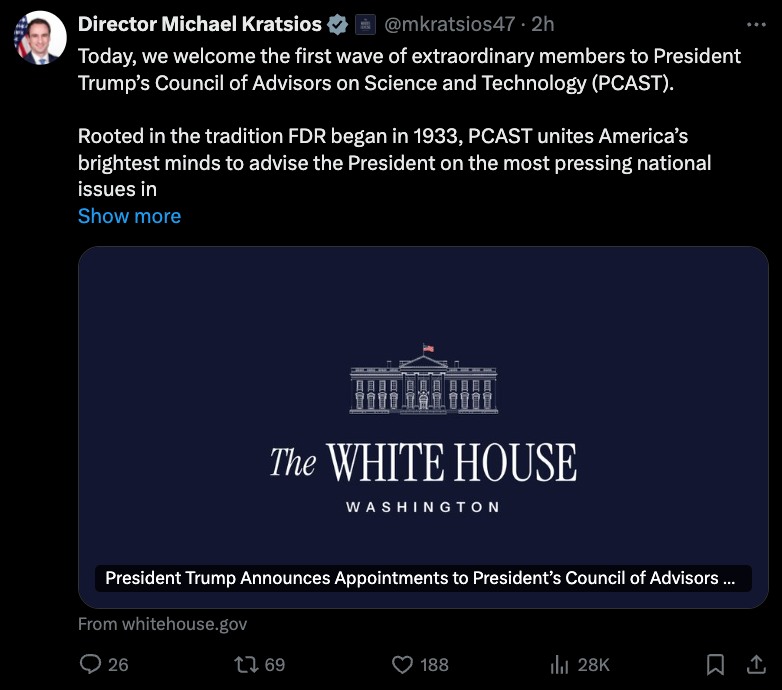
US President Donald Trump announced the appointment of 13 members from the crypto, blockchain, AI, and technology industries to his Council of Advisors on Science and Technology, re-established by executive order in January 2025.
In a Wednesday notice, the White House said that the council would include Meta CEO Mark Zuckerberg, Coinbase co-founder Fred Ehrsam, Nvidia CEO Jensen Huang, Oracle chief technology officer Larry Ellison, and others from major tech companies.
According to the White House, the council could have up to 24 members, many of whom “will be appointed in the near future.”

The council will be co-chaired by White House AI and crypto czar David Sacks and Trump’s science advisor Michael Kratsios. According to the January executive order re-establishing the council under Trump, it will “advise the President on matters involving science, technology, education, and innovation policy.”
Many of the tech industry representatives have a history of supporting the Trump administration. Huang has previously met with the president to discuss export controls for Nvidia’s chips, while Zuckerberg traveled to Trump’s private Mar-a-Lago club in November 2024 after his election win and attended a White House dinner with other executives from tech companies in September 2025.
Related: SEC’s top enforcer clashed over Trump cases before quitting: Report
The appointment of the council’s members came less than a week after the White House released a national AI framework, calling on Congress to pass legislation that will preempt state-level laws. Trump has been pushing Republicans to pass the SAVE America Act — legislation requiring proof of citizenship to register to vote — saying on March 8 that he “will not sign other bills” until it passes.
No timeline on market structure bill in US Congress
Since a comprehensive digital asset market structure bill, called the CLARITY Act, passed the House of Representatives in July 2025, the Senate has faced several setbacks stalling progress on the legislation. From scheduled recesses, to government shutdowns, to industry concerns over stablecoin yield, progress on moving the bill forward was nowhere to be seen.
The Senate Agriculture Committee advanced its version of the market structure bill in January, but a markup in the Senate Banking Committee — essential to address implications on securities laws and regulations — was postponed after Coinbase CEO Brian Armstrong said the company could not support the bill as written. As of Wednesday, the committee had not announced a new date for the markup.
Magazine: The dirty secret about quantum signatures: No one knows if they work
Crypto World
Sky-backed Obex spreads $1 billion across credit, energy and AI assets to expand stablecoin yield
Obex, the Framework Ventures-backed incubator, began deploying $1 billion on Wednesday to link the Sky ecosystem’s USDS stablecoin with income from tangible assets like AI data centers, housing and energy, boosting real-world strategies beyond crypto-native sources of yield.
The first group of assets includes products from Maple, USD.ai, Daylight, Centrifuge, Securitize, River, TVL Capital and Better. Each aims to bridge crypto markets with parts of the real economy, including lending, housing finance, energy and AI infrastructure, often by turning those assets into blockchain-based instruments via tokenization.
The firms will work with Obex to add new tokenized products designed to generate yield and increase USDS use across their platforms. They will also work to develop and roll out new yield-generating tokenized assets.
Sky, one of the oldest decentralized finance (DeFi) lending protocols and issuer of the $10 billion USDS, is trying to move past the closed loops that have long defined crypto lending. The protocol brought in $435 million in annualized revenue in 2025 and plans to push the dollar-pegged stablecoin’s supply above $20 billion next year.
Obex is aiming to help Sky get there by plugging new sources of income into the system. Last year, it obtained a mandate to allocate up to $2.5 billion of Sky’s USDS reserves into real-world assets to generate yield.
“We’re moving beyond circular DeFi yield sources and toward high-quality yield from structured credit markets, fintech, energy infrastructure, AI CapEx, real estate, and other productive sectors,” said Parker Edwards, a partner at Framework Ventures.
The push reflects a broader shift toward tokenization, in which assets such as loans, funds, or infrastructure projects are represented on blockchain networks. Proponents say this can make it easier to move capital, track ownership and open access to a wider pool of investors.
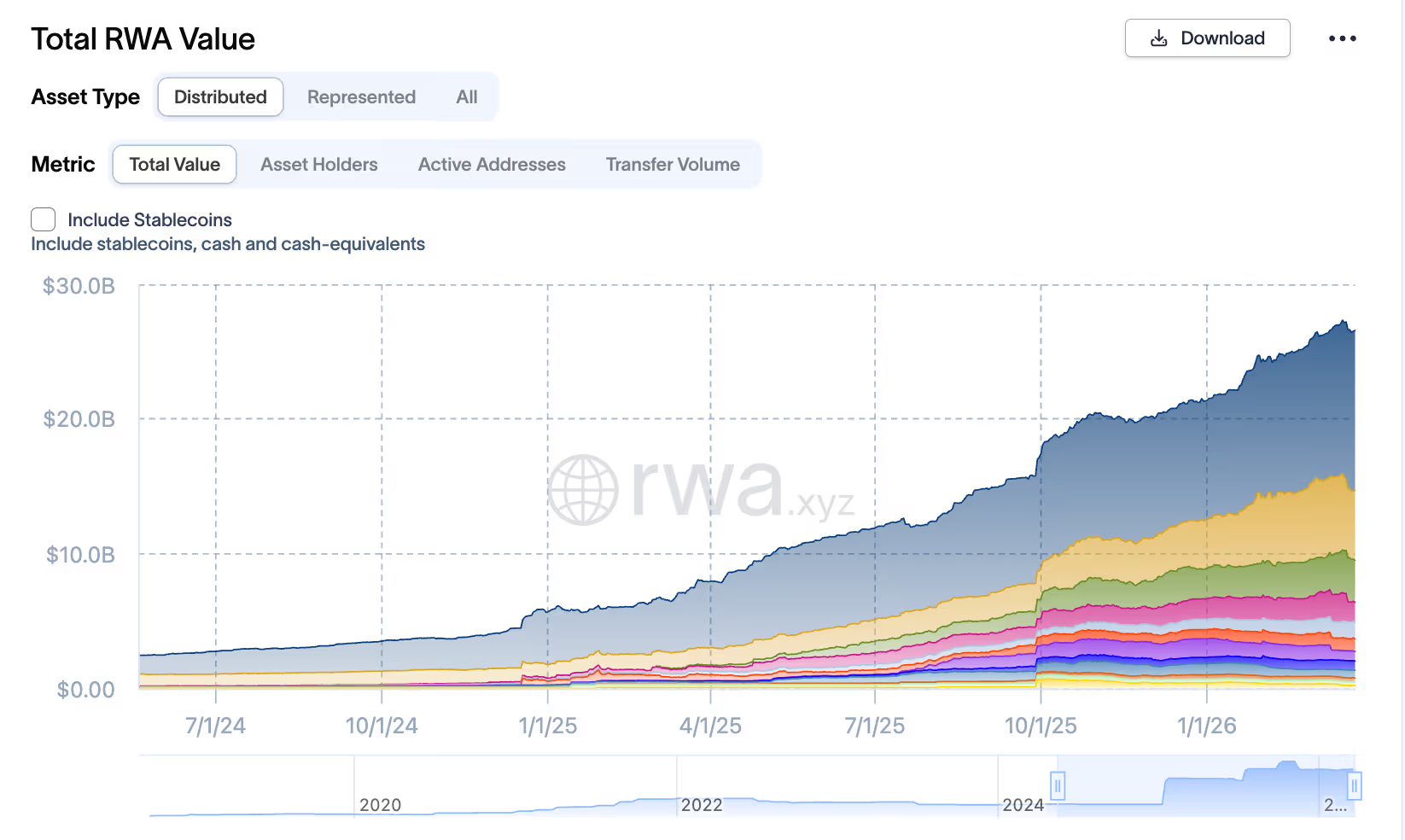
The market for tokenized real-world assets is growing rapidly, and tripled in value to $26 billion in the past year, RWA.xyz data shows. That growth has been driven by demand for more stable and predictable returns than those typically found in crypto lending and other speculative strategies.


Naturgy Energy Group, S.A. (GASNY) Shareholder/Analyst Call Transcript
BlackRock CEO Fink Says $150 Oil Prices Could Spark Recession
Taylor Frankie Paul Under 3rd Domestic Violence Investigation


![Iran Deal Will Shock Markets [Bitcoin Is Ready]](https://wordupnews.com/wp-content/uploads/2026/03/1774461503_maxresdefault-80x80.jpg)

-
 Crypto World5 days ago
NIO (NIO) Stock Plunges 6.5% as Shelf Registration Sparks Dilution Worries
-

 Fashion5 days ago
Weekend Open Thread: Adidas – Corporette.com
-

 Politics5 days ago
Jenni Murray, Long-Serving Woman’s Hour Presenter, Dies Aged 75
-
 NewsBeat9 hours ago
Manchester United reach agreement with Casemiro over contract clause amid transfer speculation
-

 Crypto World4 days ago
Best Crypto to Buy Now: Strategy Just Spent $1.57 Billion on Bitcoin During Fear While Early Investors Quietly Enter Pepeto for 150x Potential
-

 Crypto World4 days ago
Bitcoin Price News: Bhutan Sells $72 Million in BTC Under Fiscal Pressure, but the Smart Money Entering Pepeto Sees What the Market Does Not
-

 Tech6 days ago
inKONBINI Lets You Spend Summer Days Behind the Register
-

 Sports2 days ago
Remo Stars and Kano Pillars Strengthen Survival Hopes in NPFL
-
 NewsBeat7 days ago
Residents in North Lanarkshire reminded to register to vote in Scottish Parliament Election
-

 Politics6 days ago
Gender equality discussions at UN face pushbacks and US resistance
-

 Business3 days ago
No Winner in March 21 Drawing as Prize Rolls to $133 Million for Next
-

 Business7 days ago
Who Was Alex Pretti? 5 Key Facts About the ICU Nurse Killed by Federal Agents in Minneapolis
-

 Sports2 days ago
Gary Kirsten Accuses Pakistan Cricket Board Of ‘Interference’, Mohsin Naqvi Responds
-

 Tech3 days ago
Give Your Phone a Huge (and Free) Upgrade by Switching to Another Keyboard
-

 Tech7 days ago
Inventec’s bizarre VeilBook laptop hides its touchpad under a sliding keyboard just to give cooling fans a little breathing room
-

 Sports5 days ago
2026 Kentucky Derby horses, odds, futures, preview, date: Expert who nailed 12 Derby-Oaks Doubles enters picks
-
Sports6 days ago
Vikings Free Agency Enters Phase 2 with Key Questions
-

 Tech3 days ago
AI enters the chat: New Seattle dating app relies on tech to facilitate meaningful human connections
-

 News Videos7 days ago
Amazing Cardboard Gadget That Turns Paper Into Money #techgadgets #ytshorts
-

 Tech7 days ago
Corsair K100 Air Wireless Mechanical RGB Keyboard Packs Full Power Into a Slim Frame
You must be logged in to post a comment Login