
Crypto World
XRP Climbs 3% Past $1.47 as Breakout Extends on Bitcoin-Led Rally

Key Takeaways
- XRP broke above $1.426 resistance after months of consolidation, jumping to $1.47 on surging volume
- Trading volume spiked over 250% during the move, indicating strong participation in the breakout
- Activity on the XRP Ledger continues climbing, with tokenized real-world assets approaching $1.14 billion in value
- Traders are watching if the $1.43-$1.44 level holds as support, with potential targets at $1.50-$1.55 if momentum sustains
XRP cleared a significant technical hurdle Thursday, breaking above $1.426 resistance that had capped the token’s rallies for several months. The move lifted XRP from approximately $1.41 to $1.47, marking the first decisive push above this ceiling since early 2026 and shifting short-term momentum decisively in favor of buyers.
The breakout came on dramatically increased volume, with trading activity spiking roughly 250% during the move. Roughly 170 million tokens traded during the latest 24-hour session, providing the liquidity needed to clear overhead resistance with conviction.
Technical Breakout Gains Traction
The key development was XRP’s decisive close above the $1.426 zone, which had repeatedly acted as a ceiling throughout the token’s multi-month consolidation range. Once cleared on strong volume, price action accelerated quickly toward the $1.47 level, with short-term charts now showing a sequence of higher lows forming below the breakout point.
This pattern suggests buyers are attempting to transform the former resistance zone into support. Momentum remains constructive as long as XRP maintains support above the $1.43-$1.44 area, where the initial breakout occurred. The next technical barrier sits near $1.48-$1.50, where previous rallies have stalled.
Ledger Activity Provides Backdrop
While the latest price advance lacked a clear XRP-specific catalyst, activity on the XRP Ledger has continued climbing steadily. Tokenized real-world assets on the network have risen sharply, with the value of tokenized commodities approaching $1.14 billion during the first quarter. This growing on-chain activity provides a constructive backdrop for the token’s technical breakout.
What’s Next for XRP
Traders are now focused on whether XRP can maintain support above the $1.43-$1.44 breakout level. If this zone holds, the token could extend the move toward $1.50 and potentially reach the $1.55 region as momentum builds and more buyers participate in the rally.
However, a failure to hold above $1.43 would weaken the breakout’s credibility and could pull XRP back toward the previous consolidation range near $1.39-$1.40. Such a move would likely reset technical momentum and require another consolidation period before buyers could regroup for another attempt at resistance.
The breakout’s sustainability will depend on maintaining strong volume participation and the broader bitcoin-led rally that sparked the initial move higher.

Crypto World
Wall Street heavyweight Cantor among investment banks pitching crypto trading firm FalconX for its potential IPO


Wall Street financial services firm Cantor is among investment banks that are pitching cryptocurrency trading platform FalconX for its potential IPO, according to two people with knowledge of the matter.
The company has held preliminary talks with possible advisors, but FalconX has not yet formally appointed bankers for its initial public offering, the people said, who spoke on condition of anonymity as the matter is private.
FalconX declined to comment. Cantor did not respond to a request for comment by publication time.
Investment banks often pitch companies for an IPO by presenting themselves as the best partner to take the business public, combining valuation analysis, market timing advice, and distribution strength.
The goal is to win the mandate by convincing the company that they can maximize valuation, ensure a smooth listing process, and generate strong aftermarket performance. While some firms might lead the IPO process, most deals are done through a syndicate of multiple banks.
Last year, Decrypt reported in June that FalconX had held informal talks with bankers and consultants about going public. Later in the year, the company’s CEO, Raghu Yarlagadda, told the Wall Street Journal that the firm was considering an IPO.
However, the crypto market has been under pressure since then, with the bitcoin price falling from an all-time high of $126,000 in October to near $70,000. Recently, CoinDesk reported that crypto exchange Kraken has put its IPO plans on hold after confidentially filing with the SEC in November, with sources saying the process will likely restart once the environment improves. To date, digital asset custodian BitGo (BTGO) is the only crypto native firm to list this year. The shares have fallen around 40% since their IPO.
Despite this tough market backdrop, crypto firms such as FalconX and Copper are continuing talks about potential public listings. Last year, several crypto exchanges, including CoinDesk parent Bullish (BLSH) and Gemini (GEMI), went public, and industry observers say that in 2026, financial infrastructure firms could be next in line for IPOs.
Cantor connection
Cantor and FalconX already have an existing relationship centered on institutional crypto lending, with the investment bank providing one of the first major credit facilities to the crypto prime broker.
In 2025, Cantor launched a $2 billion bitcoin-backed financing program and extended an initial credit line of over $100 million to FalconX, allowing it to borrow against bitcoin collateral and access liquidity without selling assets. The deal is part of a broader partnership aimed at building institutional-grade credit infrastructure in digital assets, reflecting growing convergence between traditional finance and crypto markets.
If Cantor wins the IPO mandate, it would likely be due to the existing relationship with the trading firm.
FalconX is a U.S.-based cryptocurrency trading and brokerage firm that primarily serves large institutional clients, including hedge funds, asset managers, and market makers.
Founded in 2018, the company operates as a digital asset prime broker, offering services including trade execution, liquidity access, credit and clearing. The company raised $150 million in a Series D financing round in June 2022, valuing the platform at $8 billion.
While no formal announcement has been made, FalconX has been scaling up ahead of a potential listing and has pursued an aggressive acquisition strategy over the past year as it builds out a full-service institutional crypto platform.
In 2025, the firm acquired derivatives specialist Arbelos Markets and took a majority stake in Monarq Asset Management, before striking a deal for crypto exchange-traded product (ETP) issuer 21Shares, its third major transaction of the year. Together, the deals expand FalconX’s reach across trading, derivatives, and asset management, reflecting a broader push to consolidate infrastructure and offer more regulated, institutional-grade investment products.
Cantor has steadily expanded its footprint in digital assets, positioning itself as one of the more active traditional finance firms in crypto markets. The Wall Street firm manages Tether’s U.S. Treasury reserves and has backed several crypto ventures, while publicly signaling support for blockchain infrastructure and trading businesses.
Its growing involvement reflects a broader push to bridge institutional capital with the digital asset ecosystem, particularly as more crypto companies explore public listings.
Cantor is a global financial services firm headquartered in New York. Founded in 1945, it’s best known as a major player in fixed-income trading, particularly U.S. Treasuries, as well as investment banking, brokerage, and asset management.


Chris Larsen’s nonprofit, which has received over $190 million in tax-deductible donations, will soon control substantial voting power over for-profit Evernorth, a new XRP treasury stock heading for a Nasdaq listing through blank check company, Armada Acquisition.
Buried inside a 1,158-page SEC Form S-4 filed on March 18, regulations force Larsen to reveal exactly how he’s putting his own interests ahead of regular shareholders who might buy stock on the Nasdaq exchange.
Once the reader finds Larsen’s admissions, they’re clear.
“The economic interests of the Sponsor diverge from the economic interests of holders of the Public Shares,” Larsen admits regarding an entity in which his nonprofit has substantial investment and voting control.
Larsen’s RippleWorks Inc., an IRS-registered nonprofit, invested $500,000 in cash plus 211,319,096 XRP tokens into Arrington XRP Capital Fund, LP (the “Sponsor”).
As a result, RippleWorks now holds a majority of its limited partner interests.
Arrington XRP Capital Fund merely collects a “customary annual management fee” and must invest all of RippleWorks’ XRP tokens into Evernorth shares.
Arrington XRP Capital Fund’s general partner is an LLC whose sole managing member is tech blogger-turned-venture capitalist Michael Arrington.
Although Arrington holds formal voting and dispositive control over Arrington XRP Capital Fund regarding Evernoth, he has a contractual agreement to vote as RippleWorks directs him.
‘This structure may create potential conflicts of interest’
Indeed, an October 17, 2025 agreement requires Arrington XRP Capital Fund to “consult with RippleWorks on any decisions directly related to the disposition or voting of Evernorth Holdings Inc. Stock” and “to vote such shares as directed by RippleWorks.”
In addition, the Larsen Lam Children’s Remainder Trust will contribute 50 million XRP for 1,832,454 shares of Evernorth, giving Larsen even greater sway in the soon-to-be-public company.
Read more: Ripple thinks its SPAC can break XRP stocks losing streak
Larsen’s risk disclosures are blunt.
“This structure may create potential conflicts of interest between Mr. Larsen’s duties to Ripple, his influence over RippleWorks’ investment in Arrington XRP Capital Fund, and the interests of Evernorth Holdings Inc. and its stockholders.”
Although IRS filings show Larsen listed as secretary/treasurer with $0 compensation, RippleWorks owned $1.4 billion in assets for fiscal year 2024.
Larsen contributed most of these assets while RippleWorks derived 89% of its revenue in 2024 from dumping some of those assets. Its CEO, Doug Galen, earned $845,945 that year.
The filing acknowledges that Larsen “does not have direct control over RippleWorks’ voting or investment decisions with respect to Arrington XRP Capital Fund.”
He did, however, co-found this nonprofit, and he sits on its board. Larsen also serves as executive chairman of Ripple, which is contributing a further 126,791,458 XRP to the same company.
The SEC disclosure is frank. Larsen’s “dual roles and affiliations could give rise to situations where his interests as an executive of Ripple differ from or conflict with the interests of Armada Acquisition and holders of Armada Acquisition Class A Common Stock.”
Read more: Ripple’s new XRP treasury falls flat on first trading day
Another XRP treasury sweetener for Chris Larsen
Making Larsen’s deal even more sweet, if XRP rallies before closing, RippleWorks and Ripple receive bonus shares in Evernorth through a closing adjustment.
Even if XRP doesn’t rally, they keep their shares at a contractually fixed price.
RippleWorks emerged in 2015 as one of the first crypto-endowed nonprofits, bankrolled by Larsen and Ripple. It had donated millions of dollars to charitable causes yet still possessed $1.4 billion by the end of 2024.
Its 501(c)(3) tax filings show a peak charitable inflow in fiscal year 2018 of $178 million, the same year that XRP hit its all-time high.
In summary, a tax-exempt foundation co-founded by Ripple’s executive chairman directs the voting of Arrington XRP Capital Fund’s shares of Evernorth, a for-profit company.
Larsen’s nonprofit and a company he cofounded receive a guaranteed allocation plus extra shares in the soon-to-be publicly traded treasury stock if XRP rallies before the deal closes.
Cash and XRP from Larsen’s nonprofit, the Ripple company he co-founded, and his Children’s Remainder Trust are going into the Nasdaq deal.
Got a tip? Send us an email securely via Protos Leaks. For more informed news, follow us on X, Bluesky, and Google News, or subscribe to our YouTube channel.
Pardoned BitMEX founder Ben Delo is funding a Westminster political hub that lends support to a network of controversial right-wing politicians and influencers, an investigation from The Guardian and HOPE not hate has revealed.
The hub, known as “The Sanctuary,” is made up of a number of rooms overlooking Westminster Abbey to which politicians, race scientists, and anti-abortion campaigners are given access free of charge. The rooms are reportedly used for events, office work, and podcasting.
Right-wing MP Rupert Lowe used the hub to launch his Restore Britain party after he was ousted from Reform UK.
The race science magazine Aporia, which has published articles on race and IQ, has also hosted events at The Sanctuary alongside the anti-woke author Eric Kaufmann, who spoke about “the problems with… black culture” and how people should be “comfortable with a natural level of inequality.”
Former UK Prime Minister Boris Johnson and Conservative leader Kemi Badenoch have visited The Sanctuary to appear on right-wing podcast Triggernometry.
Read more: BitMEX has now lost all US profits after founders plead guilty, lawyer says
A free speech festival promoting “anti-science, anti-expert, and anti-public health positions,” called The Battle of Ideas, uses The Sanctuary and has received £100,000 in funding from Delo.
An annual summer party is hosted each year at the hub and attracts a host of right-wing figures.
Last year’s events saw the likes of former Conservative MP Michael Gove, former Reform UK Deputy Leader Ben Habib, Reform UK loyalists Matt Goodwin and James Orr, and Paul Coleman, the director of a right-wing Christian group that helped overturn the Roe v Wade legislation.
When Queen Elizabeth died, Delo, right-wing figure Jordan Peterson, and his wife, Tammy Roberts, watched the funeral from The Sanctuary.
Delo doesn’t want The Sanctuary’s operations getting out
The Sanctuary takes great care to keep its operations under wraps, withholding its name from the building’s lobby plaques and telling users to keep quiet about the hub online.
Delo was convicted for failing to implement money laundering checks at his crypto exchange that were compliant with the Bank Secrecy Act.
Alongside his fellow BitMEX founders and the exchange itself, Delo was pardoned by US President Donald Trump last year as part of his attempts to appeal to the crypto industry.
Read more: Trump pardons Ross Ulbricht but Silk Road deputy remains behind bars
Delo runs the hub alongside his chief of staff, Jeremy Hildreth, an American branding consultant and old Oxford friend.
Hildreth manages the day-to-day operations of The Sanctuary and has donated £26,755 in legal costs to Badenoch for an online harassment case in 2021.
The Sanctuary itself is decorated like a gentleman’s club, and is adorned with gothic architecture, a taxidermy penguin, pictures of Victorian colonists, and cabinets filled with expensive gin and champagne.
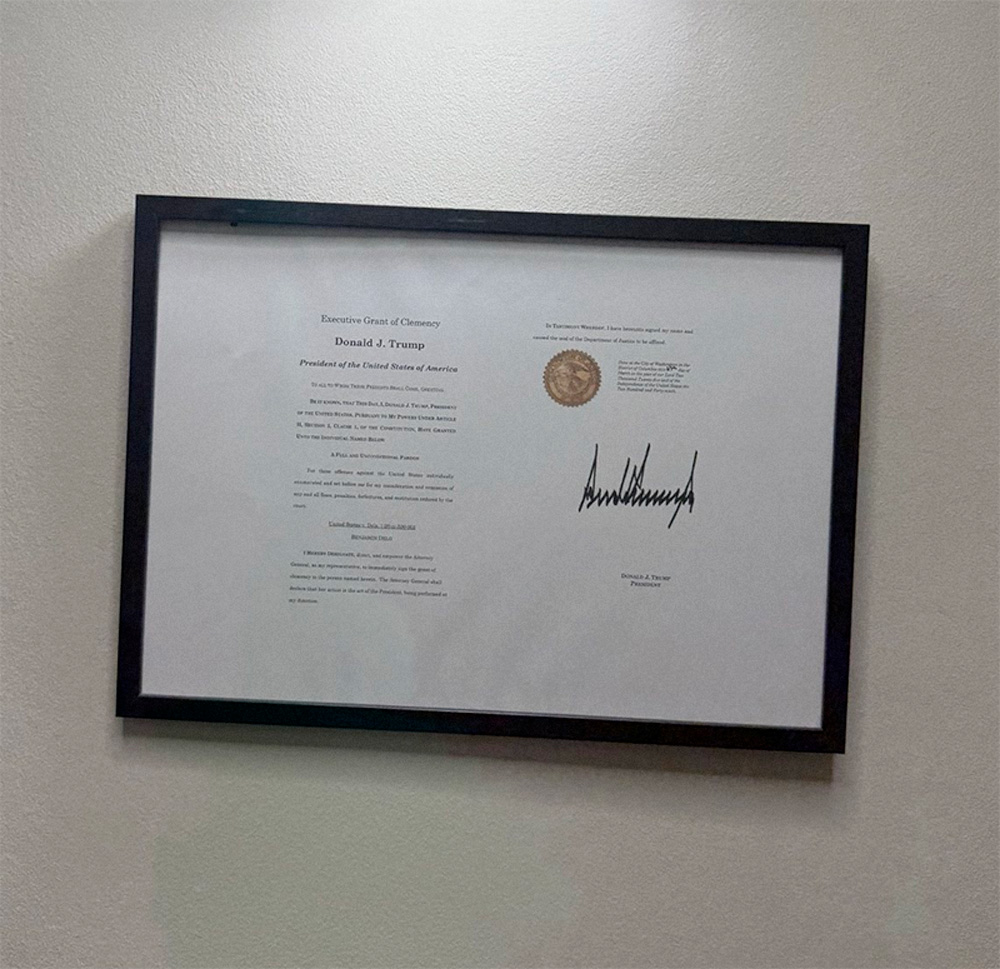
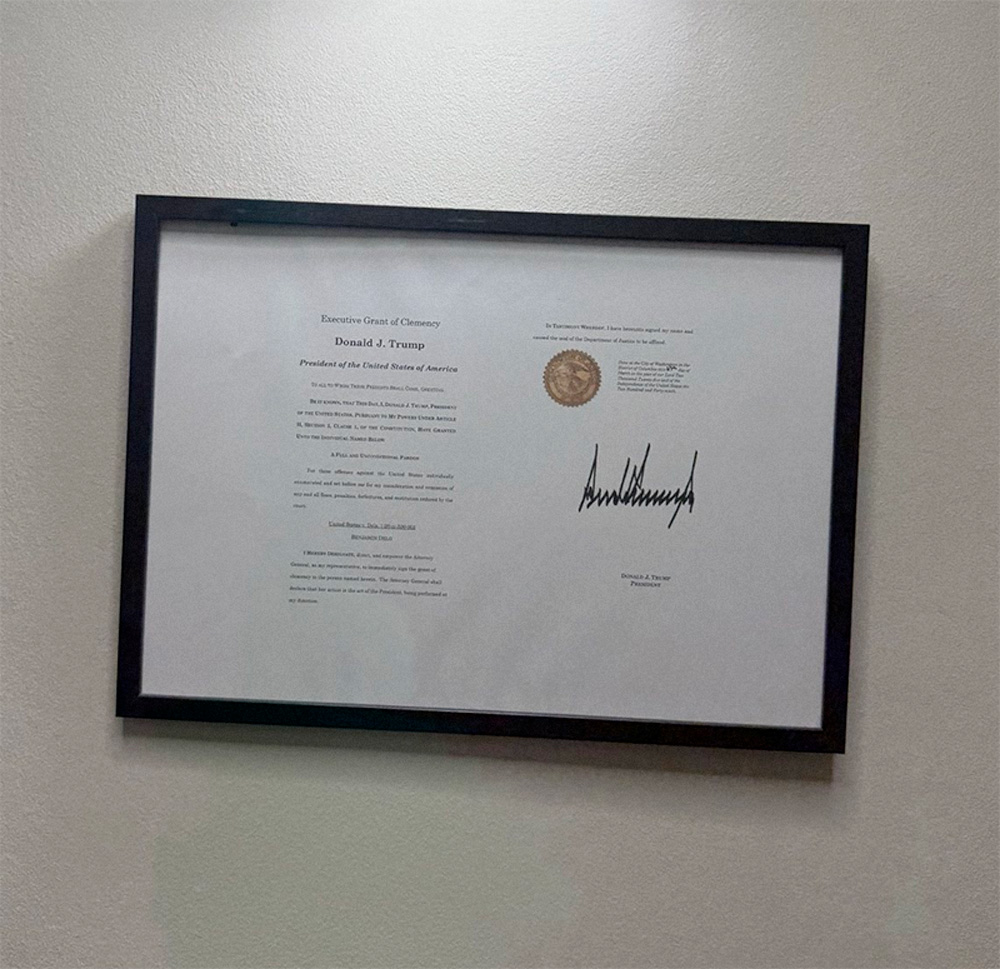
In one framed picture of Delo, there’s a letter from Claire Fox, who runs The Battle of Ideas, praising Delo as “our free speech hero.” A copy of Delo’s pardon from Donald Trump is also framed in the halls.
Delo has also portrayed himself as a generous philanthropist and says that he’ll donate half of his wealth to good causes. Delo claims he has donated £100 million, and earlier this month, he donated £20 million to a maths and physics institute.
On top of free speech and public debate causes, he’s also reportedly donated to fields in neurodiversity and Commonwealth relations. Delo’s philanthropy efforts were also praised by Michael Gove, who said he was “proud to know” Delo.
Got a tip? Send us an email securely via Protos Leaks. For more informed news and investigations, follow us on X, Bluesky, and Google News, or subscribe to our YouTube channel.
The move would replace quarterly CELO grants to Opera, which each required Celo governance approval, to a one-time token payment for a three-year partnership.
Publicly traded web browser Opera (NASDAQ: OPRA) announced that it has committed to being a long-term holder of Ethereum Layer 2 Celo’s native token, CELO, according to press release published today, March 19.
Celo Core Co., the primary developer and steward of the L2, submitted a governance proposal today outlining the plan to restructure its five-year-old partnership with Opera, namely proposing to shift the browser giant “from a distribution partner to a long-term network stakeholder.”
If approved by the Celo community, the new structure has Opera set to receive an allocation of 160 million CELO tokens — worth about $13 million at current prices — from the network’s “unreleased treasury,” meaning the tokens would not be purchased from the open market.
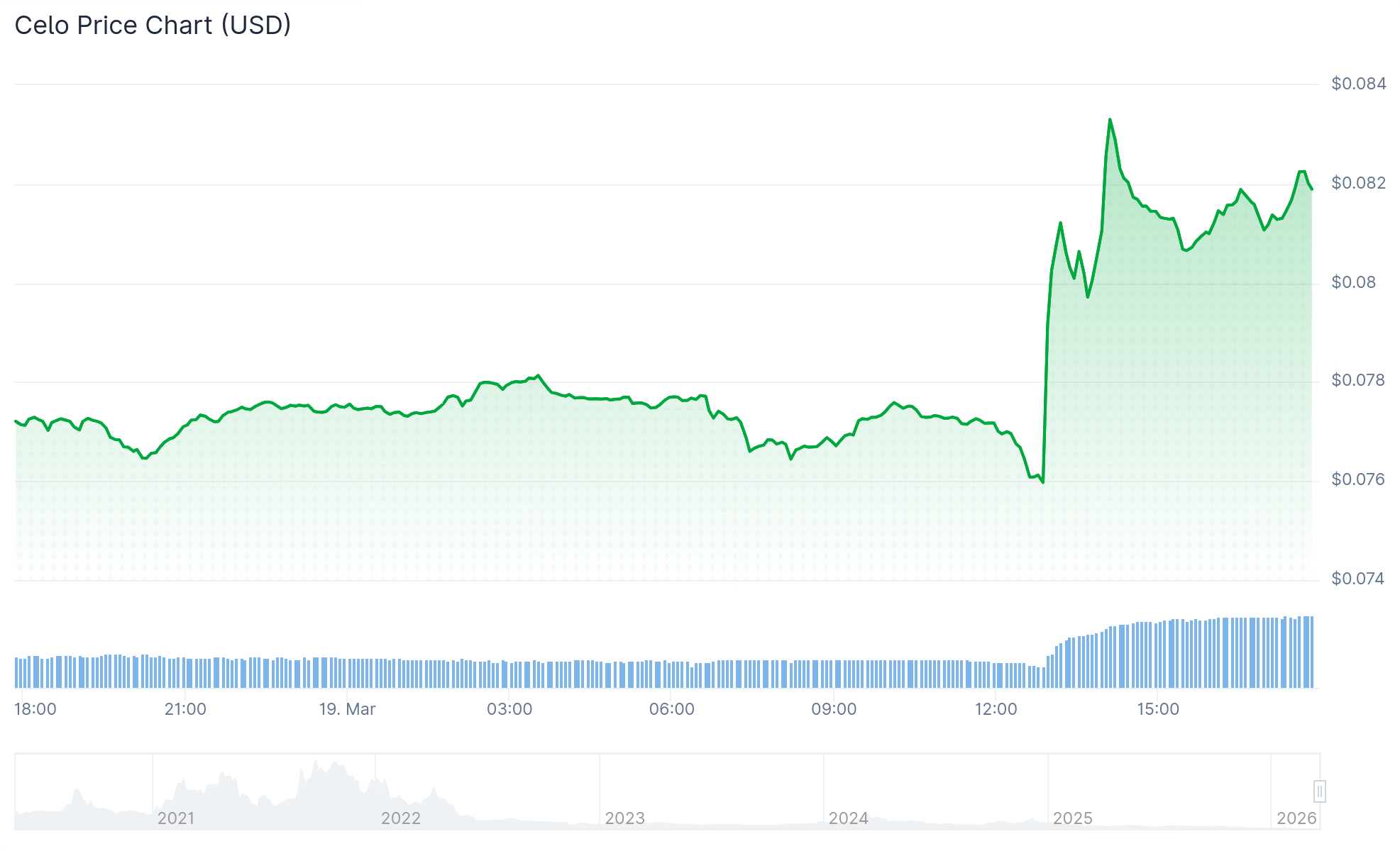
CELO rallied over 7% on the day on the news, bucking a broader market slump, though the token remains 99% below its 2021 highs and was trading around $0.08 at time of writing.

Quarterly to One-Time Grant
Under the proposed deal, Opera would swap its existing quarterly grant arrangement for a one-time token payout that initiates an additional three-year partnership between the two organizations.
In December 2023, the Celo community approved a proposal to pay Opera $568,182 per quarter in CELO — dubbed strategic grants, with each grant put before a governance vote on a quarterly basis — through Q1 2026, for a total of nearly $5.7 million, calculated at the time. The approved 2023 proposal emphasizes that Opera intends to hold and stake CELO, and has the ability to participate actively in governance.
These grants were effectively a marketing deal to increase the adoption of Celo DApps, namely MiniPay, specifically across Africa, where Opera Mini was the most popular browser at the time, per the proposal.
The 160 million CELO allocation in today’s proposal, also presented as “a grant for distribution services,” represents what both firms note is a shift to a more long-term partnership and commitment to the Celo ecosystem.
The allocation makes up approximately 27% of CELO’s current circulating supply and 16% of its 1 billion maximum supply. The one-time token transfer would come from Celo’s treasury into an Opera-controlled wallet, with Opera’s governance influence capped at 10% of total staked CELO under normal circumstance, per the governance proposal.
The proposal has already drawn scrutiny from some in the Celo community. One member of the governance forum, under the username Ginsburg, left a comment on the proposal earlier today, raising concerns about the deal’s structure and requesting further clarity from the team:
“This proposal effectively allocates ~160M CELO to Opera in lieu of a cash payment, which introduces meaningful dilution (or at least supply overhang) for existing token holders. I understand the strategic intent—aligning Opera as a long-term stakeholder and scaling MiniPay distribution—but the key question seems to be whether the expected user growth justifies the size of this allocation. If this were a market purchase, it would clearly signal demand. In this case, it’s more akin to CELO using its token as equity to acquire distribution.”
The vote remains pending before the Celo community governance forum. Opera and Celo also announced plans for a joint roadshow in Southeast Asia and Latin America “to drive grassroots adoption and grow the Mini App ecosystem,” starting next month.
Five-Year Partnership
The original partnership between Celo and Opera began in June 2021, when Opera first integrated CELO and Celo’s native stablecoins into the browser’s built-in crypto wallet, bringing cUSD and cEUR to millions of users.
That relationship deepened significantly in September 2023 with the launch of MiniPay, Opera’s self-custodial stablecoin wallet built directly on Celo, which has since grown to 14 million account registrations and processed 420 million transactions across 66 countries, according to the release.
Celo’s stablecoin activity and user base began surging in late 2024 as MiniPay drove adoption globally. Stablecoins more broadly crossed into mainstream fintech in 2025, with total market cap rising 50% even as broader crypto declined.
According to L2Beat, Celo has approximately $247 million in total value secured, making it the largest chain in the validiums and optimiums category — but a fraction of the scale of major rollups like Arbitrum or Base, which each hold over $10 billion.
Where Celo stands out is in user activity: per Token Terminal, the network currently leads all Ethereum Layer 2s by daily active users, with roughly 660,000 DAUs — a figure Celo attributes largely to MiniPay’s global reach.
This article was written with the assistance of AI workflows. All our stories are curated, edited and fact-checked by a human.
Certain market observers predicted that the asset’s price could soon surpass $50, while others cautioned traders to be extremely careful.
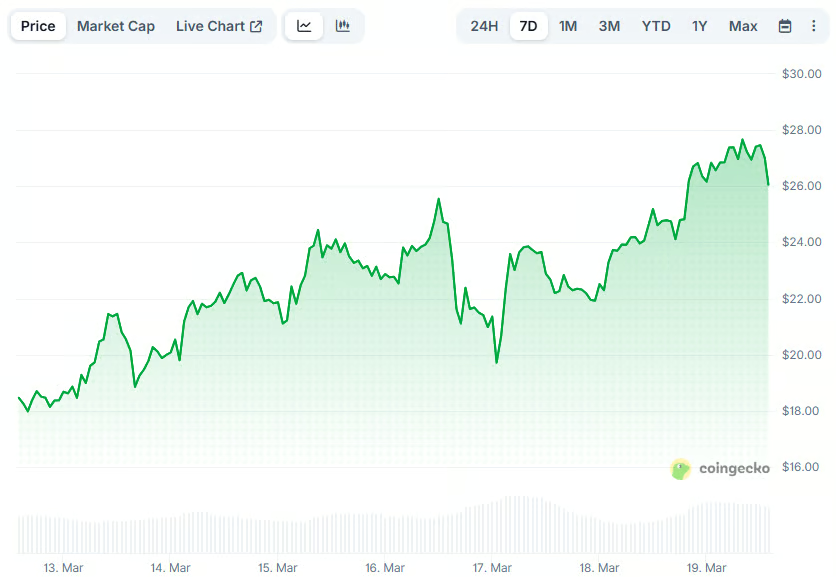
The lesser-known altcoin RIVER has defied the ongoing bear market, with its price spiking by double digits over the past seven days.
Some analysts expect the rally to continue, while others view the project as a red flag and warn investors to stay away.
How Much More?
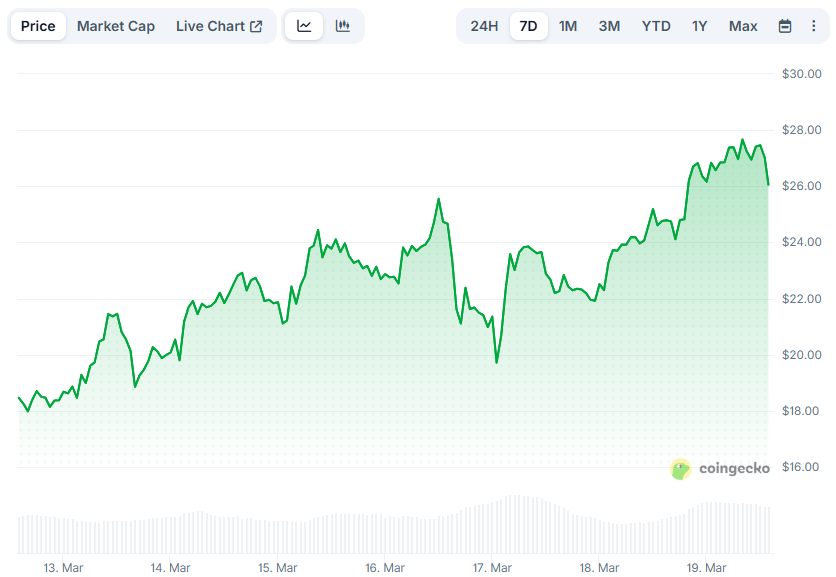
RIVER is among the best-performing top 100 cryptocurrencies in the last week, jumping by 50% and currently trading at around $26 (per CoinGecko’s data). At one point, its market capitalization neared $550 million, whereas as of this writing, it stands at around $500 million.
One factor that may have contributed to the rally is the recent partnership between DIA and River, which is intended to provide the former’s omnichain stablecoin system with accurate, trustworthy price data.
The coin’s pump caught the eye of many analysts, including the popular Ali Martinez. Earlier this month, he claimed that RIVER “is looking bullish” since it has formed an “inverse head-and-shoulders” pattern and predicted that a pump above $20 could open the door to $57. Later on, Martinez confirmed the breakout, setting anything in the $45-$57 range as potential targets.
Kamran Asghar chipped in when RIVER was testing the “critical resistance zone” around $23. Back then, he argued that turning this into support could result in a “clear run” toward $40 and beyond.
Major Red Flags?
Despite the impressive price increase, others remain quite skeptical toward the cryptocurrency. X user Julius Elum noted that RIVER “looks good in the chart,” but claimed that it might be a “manipulatable token” by whales. In his view, entry between $10 and $15 is safe, hopping on the bandwagon at around $20 is risky, while the current levels represent FOMO.
You may also like:
“It might be a planned liquidity grab. I don’t chase setups if it has formed this obvious conviction. Because most times, it’s a trap. I’d rather take entry when the conviction is still in the doubt stage. But if I must risk it, I will do so with caution,” the analyst concluded.
X user Nehal also sounded the alarm. They believe that there are major red flags surrounding RIVER, suggesting that investors should be aware of more than just a pump-and-dump volatility. The analyst went even further, stating that many traders have reported losing money because the price has moved against their positions. In a subsequent post on March 18, Nehal forecasted that RIVER could plummet below $5 soon.
Highlighting the risks related to the token is nothing new. Earlier this year, X user Erik said 94% of RIVER’s total supply is held by only five wallets, whereas Honey argued that the project resembles previous rug pull schemes.
Binance Free $600 (CryptoPotato Exclusive): Use this link to register a new account and receive $600 exclusive welcome offer on Binance (full details).
LIMITED OFFER for CryptoPotato readers at Bybit: Use this link to register and open a $500 FREE position on any coin!

Major League Baseball (MLB) announced that it had signed an “integrity protection” agreement with the US Commodity Futures Trading Commission (CFTC) as it separately inked a deal with prediction markets platform Polymarket.
In a Thursday announcement, MLB said that its commissioner, Robert Manfred, signed a memorandum of understanding with CFTC Chair Michael Selig following the league’s request for “strong integrity protections in the rapidly evolving prediction market space.” In a separate deal, the league said it had reached an agreement for predictions market platform Polymarket to be its Official Prediction Market Exchange.
“The new agreements that we formed with Polymarket and the CFTC are imperative steps in proactively managing the new and rapidly growing prediction market space,” said Manfred.

In August, MLB sent a memo to players and clubs warning them about prediction markets, reminding them that the league’s gambling rules apply to those platforms. In November, two Cleveland Guardians pitchers were charged with sharing inside information about their play with sports bettors.
The deals were announced amid scrutiny from federal and state lawmakers on prediction markets platforms like Polymarket and Kalshi. In the US Congress, lawmakers have named Polymarket in proposed laws to crack down on bets related to military conflicts, while at the state level, both platforms are facing lawsuits related to betting on sporting events without a license.
Related: Bitcoin prediction markets see 70% chance BTC price crashes to $55K in 2026
The baseball season kicks off on March 26 with 22 teams playing across the US. As of Thursday, Polymarket has listed several event contracts for the league’s spring training games.
Will the CFTC agreement prevent state-level lawsuits over sports bets?
Although prediction markets platforms offer event contracts on a variety of topics such as US politics, weather, and pop culture, authorities in many US states have been challenging companies like Kalshi or Polymarket over sports bets and, in Arizona, election wagering.
Selig, as the sole commissioner at the CFTC, has been publicly pushing for the agency’s “exclusive jurisdiction” over prediction markets, including through the proposal for a rule that could amend or issue new regulations for overseeing the companies.
“Calling a bet an ‘event contract’ doesn’t make it legal,” said the American Gaming Association in January. “Prediction markets are exploiting regulatory gaps to offer unregulated sports wagers.”
Cointelegraph reached out to Polymarket for comment on potential lawsuits over the deal but had not received a response at the time of publication.
Magazine: Are DeFi devs liable for the illegal activity of others on their platforms?
Crypto World
DeepSnitch AI: The Best AI Crypto Coin of 2026 Records $2.2M in Presale Revenue Ahead of Launch As Investors Rethink Holdings in SOL and AVAX

Recently, there has been a question everyone seems to be asking: Is Deepsnitch AI the best AI crypto coin of 2026? As one of the most promising AI crypto projects, DeepSnitch AI (DSNT) has already raised over $2.2 million in its presale phase and surged from $0.0151 to its current price of $0.04487.
As interest in the best AI crypto and increasing demand for top AI crypto coins grow, DeepSnitch AI is expected to lead this trend.
Bitcoin exchange inflows rise as price faces resistance near $75K
Centralized exchanges have seen a rise in hourly Bitcoin inflows, coinciding with the broader market rally.
Recent statistics indicate that hourly Bitcoin deposits to exchanges reached as high as 6,100 units on the 16th of March. This is the highest level seen in the past few weeks.
A portion of this came from the large holders’ category, which accounted for about 63% of total deposits.
Is DeepSnitch AI the best crypto coin of 2026?
Most investors feel this question has been answered because DeepSnitch AI possesses everything that the best crypto coin of 2026 would. The token boasts of an exponential growth potential, impressive AI utility, and rapidly rising demand.
When traders ask the question: Is DeepSnitch AI the best crypto coin of 2026, there are so many reasons why the answer is yes. First, the project’s growth potential is unmatched, with DSNT up by almost 200% since its presale began.
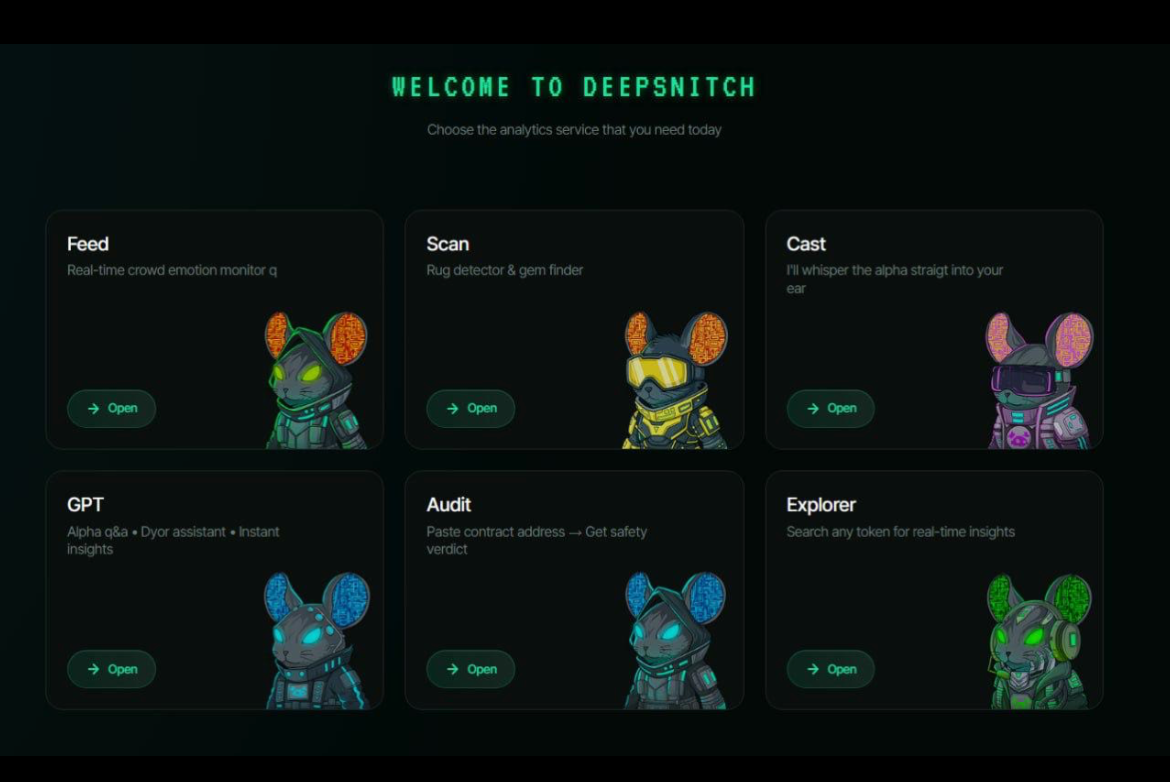
Second, the token boasts an impressive lineup of five AI agents dedicated to making traders’ lives easier. From identifying potential breakouts to gaining insights into complex market questions, these AI agents help traders stay ahead.
Best of all, they are easy to use and access, so even a user with zero experience would easily fit in.
The announcement of its March 31 launch has contributed to rising demand. Instead of asking if DeepSnitch AI is the best crypto coin of 2026, analysts now expect the project’s launch to be accompanied by a potential 1000x rally, given its current trajectory.
Many are already rushing in to take advantage of its limited incentives. Joining this presale would be highly rewarding, especially for those who are still asking, “Is DeepSnitch AI the best crypto coin of 2026?”
DSNT is confirmed to launch on Uniswap for trading, and could see additional CEX and DEX listings in the near future. Don’t wait until price discovery begins.
Avalanche investors target $15 as AVAX records 10% monthly surge
Avalanche has put together a modest recovery, gaining 10% over the past month. The token was trading at $9.15 on February 23 but has since climbed to $10.21 by March 17, reflecting a gradual return of buying interest as the broader market improves.
What’s now driving interest is the growing expectation of a move toward $15 in the near term. Several market watchers believe AVAX could extend its rally if momentum holds, with projections placing it in the $12-$15 range during the current cycle.
Analysts project imminent breakout past $100 for Solana amid 9% monthly surge
The price of Solana has been increasing over the last month, going up 10%. SOL hit a low of $85.30 on February 23 before increasing to $93.75 on March 18. This may not be an explosive move at first glance, but it is a steady move higher as people become more confident in the market.
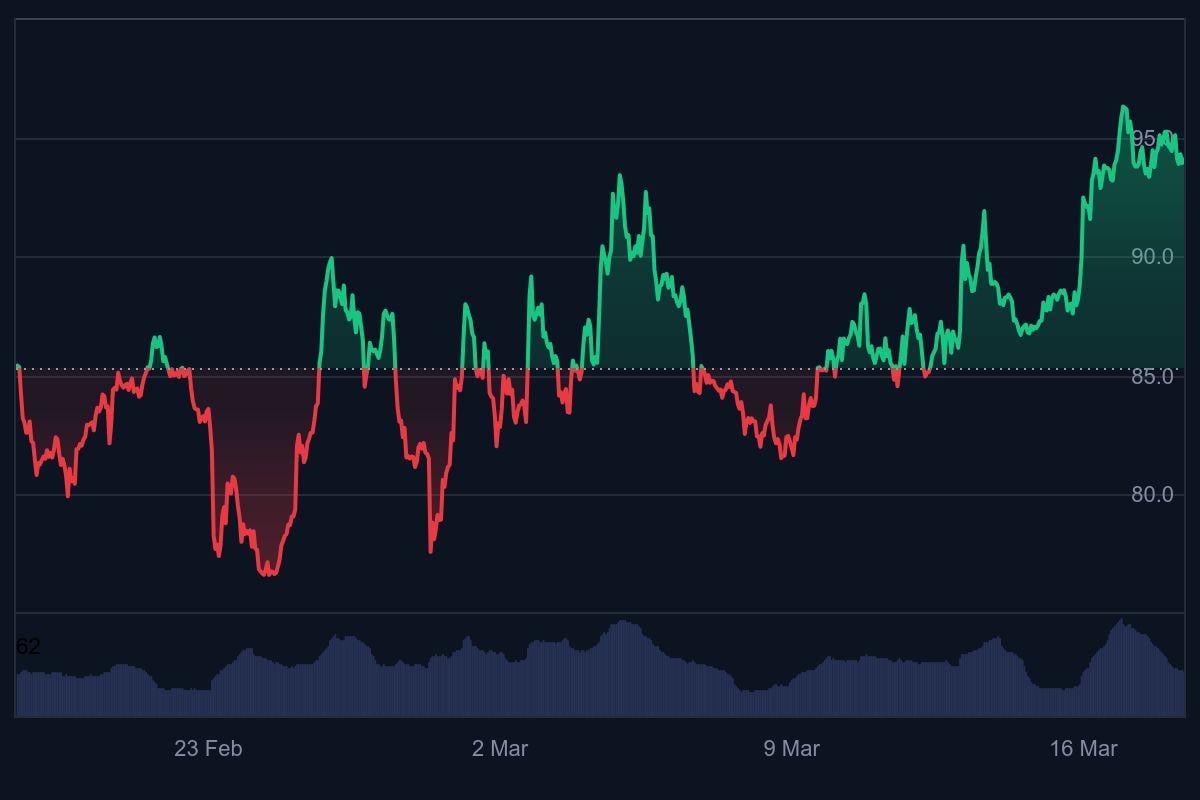
Renowned analyst Alicharts suggests a potential short squeeze could accelerate price action after Solana reclaimed the $93 level. If that level continues to hold as support, analysts are pointing to upside targets near $102 and $113.
Conclusion
So, is DeepSnitch AI the best AI crypto coin of 2026?
More investors look toward high-growth AI-driven tokens. However, DeepSnitch AI has already answered this question, proving to be the best with its unique technology and high growth potential.
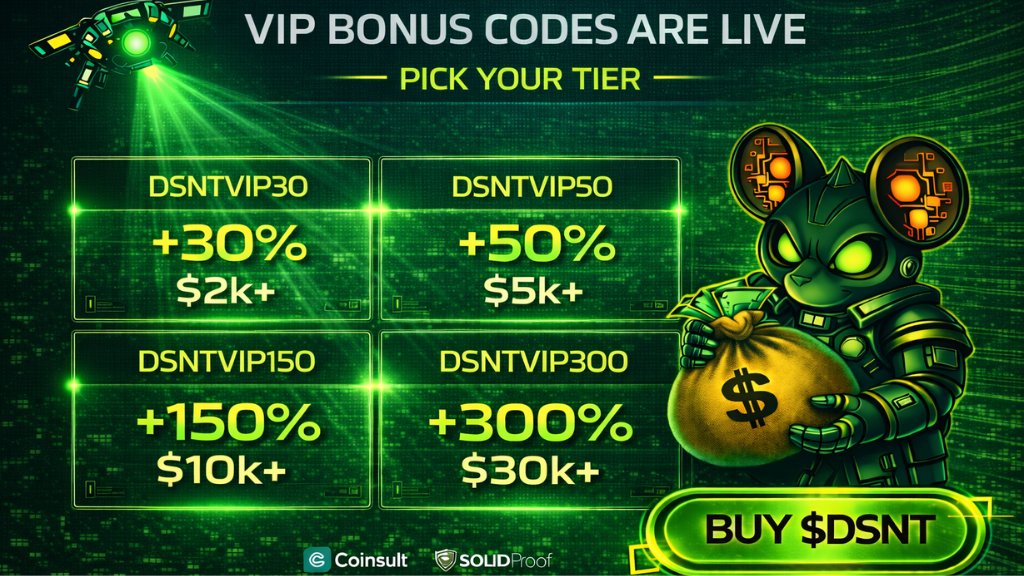
Added to this are its presale incentives, including the most amazing bonus offers in the market right now. With a $30,000 purchase, an investor would get 668,599 DSNT tokens at the current price. However, with the 300% bonus code (DSNTVIP300), this jumps to 2,674,397 DSNT tokens.
To enjoy these bonuses, visit the DeepSnitch AI website and check out their X and Telegram to keep up with updates.
FAQs
Is Deepsnitch AI the best AI crypto coin of 2026?
Deepsnitch AI is increasingly being considered a top contender due to its strong presale performance, real AI utility, and potential for huge growth.
What exchanges would DeepSnitch AI list when it launches?
While the only confirmed exchange listing is Uniswap, DeepSnitch AI is expected to hit major centralized and decentralized platforms after launch.
What makes DeepSnitch AI the best crypto presale above others?
Unlike many presales, DeepSnitch AI offers operational utility and significant growth potential, making it appealing to investors seeking long-term gains.
Disclaimer: This is a Press Release provided by a third party who is responsible for the content. Please conduct your own research before taking any action based on the content.



Dutch market maker IMC Trading has hired Alex Casimo as chief commercial officer of its cryptocurrency business, according to a person with direct knowledge of the matter.
Casimo started in his new role this week and is based in London, the person said, who spoke on condition of anonymity as the matter is private.
The hire reflects IMC’s ambition to build deeper, more strategic relationships with institutional counterparties and foundations across the crypto ecosystem, with a view to become one of the leading client-facing firms in the industry, the person added.
Both IMC and Casimo declined to comment.
Previously, Casimo was founder and COO of crypto market maker Portofino Technologies. He also worked at Citadel Securities.
Traditional finance firms are expanding into crypto as client demand, regulatory clarity, and market infrastructure improve, pushing banks, asset managers, and trading firms deeper into digital assets.
What was once treated as a fringe market is increasingly viewed as another investable and serviceable asset class, with institutions building custody, trading, tokenization and ETF-related businesses to capture new revenue while avoiding being left behind in a market that is becoming more integrated with mainstream finance.
The Amsterdam-based firm already has a significant presence in crypto. According to its website, the company trades $3 billion a day in average volume, supports hundreds of trading pairs, and has access to 50 major exchanges globally.
The market maker uses its own capital, advanced algorithms and high-speed technology to buy and sell financial instruments across equities, options, exchange-traded funds (ETFs) and other asset classes. By continuously quoting prices and executing trades on exchanges worldwide, the firm provides liquidity to markets, helping ensure smooth trading, while generating profits from small price differences and efficient risk management.
Read more: Blockfills co-founder and CEO Nicholas Hammer has stepped down

Workers roll up copper rods made from recycled copper at a metal melting facility in Yuexi County, central China’s Anhui Province, Friday, July 11, 2025.
Feature China | Future Publishing | Getty Images
Prices for metals fell sharply across the board Thursday as investors worried about the impact rising oil prices due to the U.S.-Iran war will have on the global economy.
Gold fell nearly 6%, while silver was off 8%. The sell-off extended beyond just those two, as industrial metals like copper and palladium came under pressure, declining 2% and 5.5%, respectively.
While the selling intensified on Thursday, gold and silver have been falling since the war in Iran began, despite the former being viewed as a safe-haven asset. Surging oil prices have created concerns that inflation will reignite and keep interest rates higher. Higher rates weaken the appeal of the bullion, which is non-yielding.
A stronger dollar as a result of the higher rates has also weighed on gold, as it cheapens the metal.
“The risks to inflation taking away the Fed rate cuts that were priced in, and seeing interest rate increases across the world, and real rates rising, that has been the drag on gold,” said Peter Boockvar, CIO at One Point BFG Wealth Partners. The U.S. 10-year Treasury yield at one point on Thursday crossed 4.300%.

@GC.1 v. @SI.1 since Feb. 27, 2026.
Meanwhile, copper and palladium, after declining at the onset of the war, stayed relatively stable.
But that has changed as growth concerns begin to weigh on these industrial metals.
Recession risk
Industrial metals are used in practical ways. Copper, for example, is in everything from electronic devices to electrical wiring and plumbing systems. A decline in copper prices is normally viewed by the Street as a sign of slowing economic growth.
@HG.1 v. @PA.1 since Feb. 27 2026 chart.
Wall Street consensus has generally been that the longer the war goes on, the greater is the risk that oil prices remain elevated for long enough that it alters the spending habits of consumers and businesses and leads to a recession.
It’s the “demand destruction” phase of an energy shock that traders and investors are chattering about.
“On the industrial metal side… people are now really worried about the recession risks,” Boockvar said.
And slower growth combined with higher inflation is a “stagflation” scenario. But while investors begin to make “stagflation” trades, others see the possibility as extremely unlikely.
Ed Yardeni, president of Yardeni Research, wrote in a Tuesday note that “oil shocks are less likely to trigger the kind of sustained stagflation seen in the past, particularly during the 1970s,” referencing the economic consequences of the 1973 OPEC embargo. He noted that Russia’s invasion of Ukraine in 2022, while it caused an oil shock and higher inflation, didn’t lead to a recession.
It’s a belief that Fed Chair Jay Powell repeated in a press conference on Wednesday. “I would reserve the term stagflation for a much more serious set of circumstances.”
While Boockvar thinks the war needs to end for industrial metals’ prices to stabilize, he said gold can likely recover as focus returns to countries’ rising debts and deficits, which gold typically does well against as a “debasement trade” play. He added that those deficits might only worsen due to military spending on the war.
And even if stagflation does arrive, head of asset allocation research at Goldman Sachs Christian Mueller-Glissmann wrote in a Thursday note gold is a play in that environment.
“In case of a continued stagflationary shock, especially if real yields are declining, we would expect more support for Gold prices due to investor demand for real assets and FX diversification,” he wrote.
Markets shift and headlines fade, but the core principles of building long-term wealth remain constant. Join us for our third CNBC Pro LIVE, where investors of all backgrounds – from financial professionals to everyday individuals – come together to cut through the noise and gain actionable strategies for smarter, more disciplined investing. No matter where you’re starting from, you’ll leave with clearer thinking, stronger strategies. Enter your email here to get a discount code


The DeFi neobank will route customer deposits into a basis-trade vault powered by Superstate’s USCC fund.
EtherFi, the crypto neobank and Ethereum restaking protocol with nearly $6 billion in total value locked (TVL), is integrating Plume Network’s Nest Vault infrastructure to give its users access to tokenized real-world asset (RWA) yield.
The integration centers on Plume’s nBASIS vault, powered by Superstate’s USCC fund, which generates returns from basis spreads, the price differential between spot and futures markets, across multiple cryptocurrencies, including Bitcoin, Ether, Solana, and XRP.
The rollout will proceed in two phases. EtherFi will first re-allocate capital to the nBASIS vault, with a direct integration into EtherFi’s user interface to follow.
“We’re building a neobank where every yield source, whether onchain or offchain, lives under one roof. This partnership with Plume and Superstate is a major step toward making that real,” said an Etherfi spokesperson.
“DeFi yields are increasingly compressed in today’s market,” said Plume co-founder Teddy Pornprinya, adding that retail users onboarded through neobanks like EtherFi are seeking more sustainable and diversified return sources beyond native DeFi strategies.
Plume’s Nest Vault framework handles compliance, risk parameters, and onchain reporting, reducing operational overhead.
From Restaking to Neobank
EtherFi began as a liquid restaking protocol on Ethereum, allowing users to stake ETH while retaining liquidity through its eETH token. The protocol launched a credit card product in mid-2024, positioning its Cash card as part of a broader product suite designed to let users save, invest, and spend crypto without off-ramping.
CEO Mike Silagadze has described the end goal as a full financial stack: salary deposits, savings, earning yield, and everyday spending, all within EtherFi. The project branded the concept a “defibank” blending traditional banking UI with DeFi-native yields and non-custodial infrastructure.
EtherFi migrated its Cash accounts and card program from Scroll to Optimism’s OP Mainnet in February 2026, bringing over 70,000 active cards and roughly 300,000 user accounts to the Superchain as part of an enterprise partnership with OP Labs.
The Plume integration now adds an RWA yield layer, extending the platform’s offerings beyond native DeFi strategies.
This article was written with the assistance of AI workflows. All our stories are curated, edited and fact-checked by a human.

Six tested for maximum comfort and support

Allica Bank named UK’s most recommended business bank as valuation hits $1.2bn

Wall Street heavyweight Cantor among investment banks pitching crypto trading firm FalconX for its potential IPO

Smart energy pays enters the US market, targeting scalable financial infrastructure

Why Israel is blocking foreign journalists from entering

Bitcoin: We’re Entering The Most Dangerous Phase

19 March | NY Session | Forex and Crypto Live Market Analysis | #ForexLive #SwappyTrading #ICT

IRAN NEW PLAN : Financial War #iranupdate #usairanconflict #straitofhormuz #oilcrisis #gasshortage

The SIMPSONS Secret XRP Conspiracy: “Antikythera Mechanism” Activates the Great Reset in April 2026
-
 Crypto World6 days ago
HYPE Token Enters Net Deflation as HyperCore Buybacks Outpace Staking Rewards
-

 Tech4 days ago
Your Legally Registered ‘Motorcycle’ Might Not Count Under Proposed US Law
-

 Fashion6 days ago
Weekend Open Thread: Addict Lip Glow
-
 Tech2 days ago
Are Split Spacebars the Next Big Gaming Keyboard Trend?
-
Sports5 days ago
Why Duke and Michigan Are Dead Even Entering Selection Sunday
-

 Business4 days ago
Search for Savannah Guthrie’s Mother Enters Seventh Week with No Arrests
-

 Business5 days ago
US Airports Launch Donation Drives for Unpaid TSA Workers as Partial Government Shutdown Enters Fifth Week
-
Crypto World5 days ago
Coinbase and Bybit in Investment Talks: Could Bybit Finally Enter the US Crypto Market?
-

 Business3 days ago
Australian shares drop as Iran war enters third week
-

 Business5 days ago
Country star Brantley Gilbert enters growing non-alcoholic beer market
-

 Crypto World3 days ago
Crypto Lender BlockFills Enters Chapter 11 with Up to $500M in Liabilities
-

 Sports6 days ago
College Basketball Best Bets: Conference Tournament Semifinal Picks
-

 Politics1 day ago
The House | The new register to protect children from their abusers shows Parliament at its best
-
 Business7 days ago
Trump demands Powell cut rates as Iran conflict raises energy prices
-

 Fashion3 days ago
25 Celebrities with Curly Hair That Are Naturally Beautiful
-

 News Videos1 day ago
RBA board divided on rate cut, unusually buoyant share market | Finance Report | ABC NEWS
-

 Crypto World7 days ago
Senate Votes to Include CBDC Ban in Bipartisan Housing Bill
-

 NewsBeat7 days ago
Deane Road crash near Bolton colleges and university
-

 Crypto World1 day ago
Canada’s FINTRAC revokes registrations of 23 crypto MSBs in AML crackdown
-

 News Videos7 days ago
Tom Lee: The 100x Opportunity EVEN Bigger Than Bitcoin (New Ethereum Prediction 2026)


You must be logged in to post a comment Login