Entertainment
10 Best Coming-of-Age Books of All Time

If a book’s about young people, and they either end up not young by the end, or learn something about eventually becoming an adult, then it’s probably a coming-of-age book. That change doesn’t have to be physical, and a coming-of-age story doesn’t have to span years, though it can very much be about literally growing up, and some of them do benefit from spanning a good deal of time in the life of a character (or the lives of some characters).
Also, some of them are aimed at younger readers, intended to be relatable and all, while others are more mature, and are probably more aimed at adults who remember what it was like to be a kid or a teenager. In any event, these are some of the best coming-of-age books ever written, with a combination of very old works and a few (slightly) newer ones.
10
‘The Body’ (1982)


Ranking this low because it’s kind of a novella, rather than a novel, but still, The Body is essential as a coming-of-age story. If you’re more into movies, there’s a good chance you’ve experienced this story as Stand by Me, which is up there among the best film adaptations of any Stephen King novel, novella, or short story. There are also differences between the original novella and the movie, making them both worthy of one’s time.
Narratively, The Body concerns a group of young boys going on a morbid journey to see a dead body that one of them heard about. And then they learn about themselves and face hard truths and all that, with added emotion coming about because one of them’s looking back on the whole experience as an adult (and an author… one of many Stephen King protagonists who’s themselves a writer).
9
‘The Wanderers’ (1974)


All the growing up stuff in The Wanderers is exceptionally rough and honestly kind of brutal at times. That realism is its most striking (and maybe even most admirable) quality, even if it’s also the thing that makes it a bit harder to recommend than most of the other books here. There’s an aimlessness to so much of it, too, reflecting the lives its disaffected young characters live.
Some of them mature in some ways, though lots of The Wanderers is about immature and clearly troubled people, and they talk and act in ways that are pretty crude/crass. But hey, there are a lot of strong emotions and even danger involved with being a teenager, and The Wanderers either tells it like it is, or it tells it in a slightly more heightened way than it actually is. Either way, there’s definite grit and realism to be found here.
8
‘Jane Eyre’ (1847)

You might see Jane Eyre referred to as a bildungsroman, which is really just a fancier-sounding name for a “coming-of-age story.” The titular character is introduced as a young girl who lives a challenging childhood, though it’s far from exclusively about her younger years, considering the length of time the whole psychologically tense and dense novel ends up spanning.
But since those early years are so significant to what happens later, it makes that coming-of-age component of the novel very necessary. Also, plenty of good stories about not only growing up, but emotionally maturing, center on characters who are young adults, just because it’s a reality of life is that people don’t always mentally/emotionally mature right when adulthood hits. If only it could be like the flip of a switch, but if it were, then the world probably wouldn’t have nearly as many coming-of-age stories.
7
‘His Dark Materials’ (1995–2000)

If it’s wrong to put a trilogy here, then just consider Northern Lights in this spot, because that probably feels the most like a coming-of-age story of any of the books in the His Dark Materials trilogy. It’s certainly about a loss of innocence, and a girl realizing truths about her parents and place in the world, with her venturing out into the world, and then having to venture out a bit further (beyond her world) in later books.
In that way, you do get a more complete character arc for Lyra if you read The Subtle Knife and The Amber Spyglass, and then a young boy named Will also has an arc that mirrors Lyra’s, in some ways (he’s only in books #2 and #3). His Dark Materials, as a trilogy, feels aimed at younger readers, though not the youngest of young readers, and the whole thing plays out in a way that proves more than readable if you’re not a kid, too (the experience can be likened to a top-tier Pixar movie or something, being great when you’re young and then arguably more interesting – or emotionally engaging – once/if you’re older).
6
‘Harry Potter’ (1997–2007)

Like His Dark Materials, you have to consider a few books here, for the whole story about growing up and everything, but that is very much what the Harry Potter series does. You probably know the deal with a series this famous, but it’s about the titular character (and some other magical folks) going through a witchcraft/wizardry school, and each book is focused on a different year of that whole process.
So, you start with characters who are about 11, and then they’re almost adults by the time the series wraps up… at least the ones who survived the surprisingly deadly final few books are adults by the time the series concludes. It makes a certain amount of sense for the series to get more serious as it goes along, though, mirroring the way one’s pre-teen years can be nice and carefree, at least in comparison to being a teenager (and then a TV show like Buffy the Vampire Slayer pushes that kind of idea even further, making a tense high school experience look like Disneyland compared to the horrors of genuine young adulthood).
5
‘The Secret Garden’ (1911)

The Secret Garden is straight up aimed at children, but it’s one of those essential classics you sort of have to consider if you’re talking about coming-of-age books. That does make it one of the easier ones to have younger readers tackle, for obvious reasons, though it deals with some heavier themes regarding things like grief, death, and prejudice, just not in ways that are too difficult to understand.
There are some things here that might not have aged the best, but the book is also well over 100 years old, so stumbling across a few parts that are questionable by modern standards… eh, it happens, when you’re dealing with pieces of entertainment that were made so many generations ago. What The Secret Garden has to say about maturing and realizing the world is much bigger than you initially might’ve thought, as a child, is the stuff that matters most and still holds up.
4
‘The Catcher in the Rye’ (1951)

Holden Caulfield is up there among the angstiest protagonists in literary history, being a teenager who feels detached from – and despondent about – the world. He goes around internally complaining about things and not really getting on all that well with most people he comes into contact with, and that’s sort of just The Catcher in the Rye. And it’s a classic, so it turns out, that’s all it really needed to be.
You can read it when you’re roughly about Holden’s age, and get something out of it that way, or you can tackle it as an adult, and not necessarily find it nostalgic, but get more complex feelings out of the whole thing. It’s a book that has caused frustration among some readers, but it’s worth tackling regardless, so you can have some kind of view on it, be it positive, negative, or a bit of both (growing up – and stories about that process – being complicated and all).
3
‘The Outsiders’ (1967)

It feels a little unnecessary to say The Outsiders is an easy read, and an essential one, because it’s the kind of book most people are probably familiar with, thanks to it often being assigned reading at school. Plenty of other books associated with English classes prove divisive, but The Outsiders does go down a little smoother, perhaps thanks to it being written by a teenager (S.E. Hinton was 18 when it was published).
The drama here mostly concerns a gang conflict between two groups of youngsters from different backgrounds, though speaking of “backgrounds,” some of that stuff feels kind of in the background, because The Outsiders is mostly about the characters and growing up and all that. Lots of it feels natural and not at all hard to get swept up in emotionally, making this, again, one of those quintessential “can be recommended to just about anyone” books.
2
‘IT’ (1986)
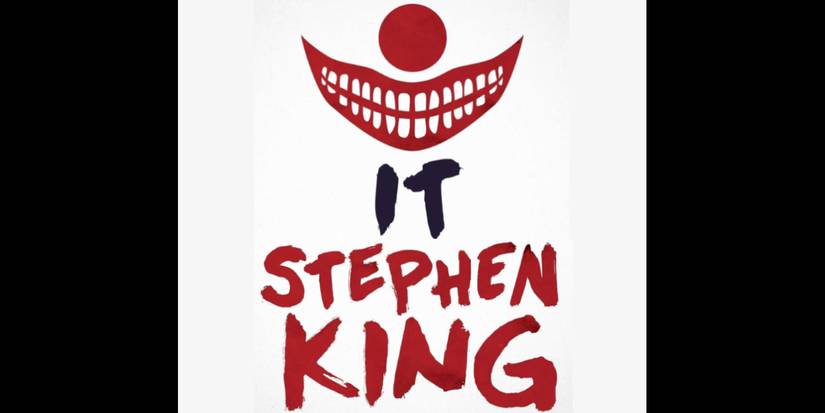
There are similarities between IT and The Body, but this Stephen King book is a whole lot longer, and it certainly attempts more than “just” a coming-of-age story. It’s also a horror epic about kids battling a demonic entity that can shapeshift and inspire fear rather effortlessly, and then, at the same time as that childhood episode plays out, so too does a narrative about the same characters as adults.
King’s tackled stories about growing up since IT, sure, but it’s unlikely he’ll ever do something as impressive about this particular topic ever again.
The adaptations of IT to date have been done in a way where the first half is more of a coming-of-age thing, and the second half feels more like a retread with older characters, but taking in the source material – with it being both at the same time – proves more interesting and emotionally rewarding. King’s tackled stories about growing up since IT, sure, but it’s unlikely he’ll ever do something as impressive about this particular topic ever again. IT does just feel kind of unbeatable.
1
‘To Kill a Mockingbird’ (1960)
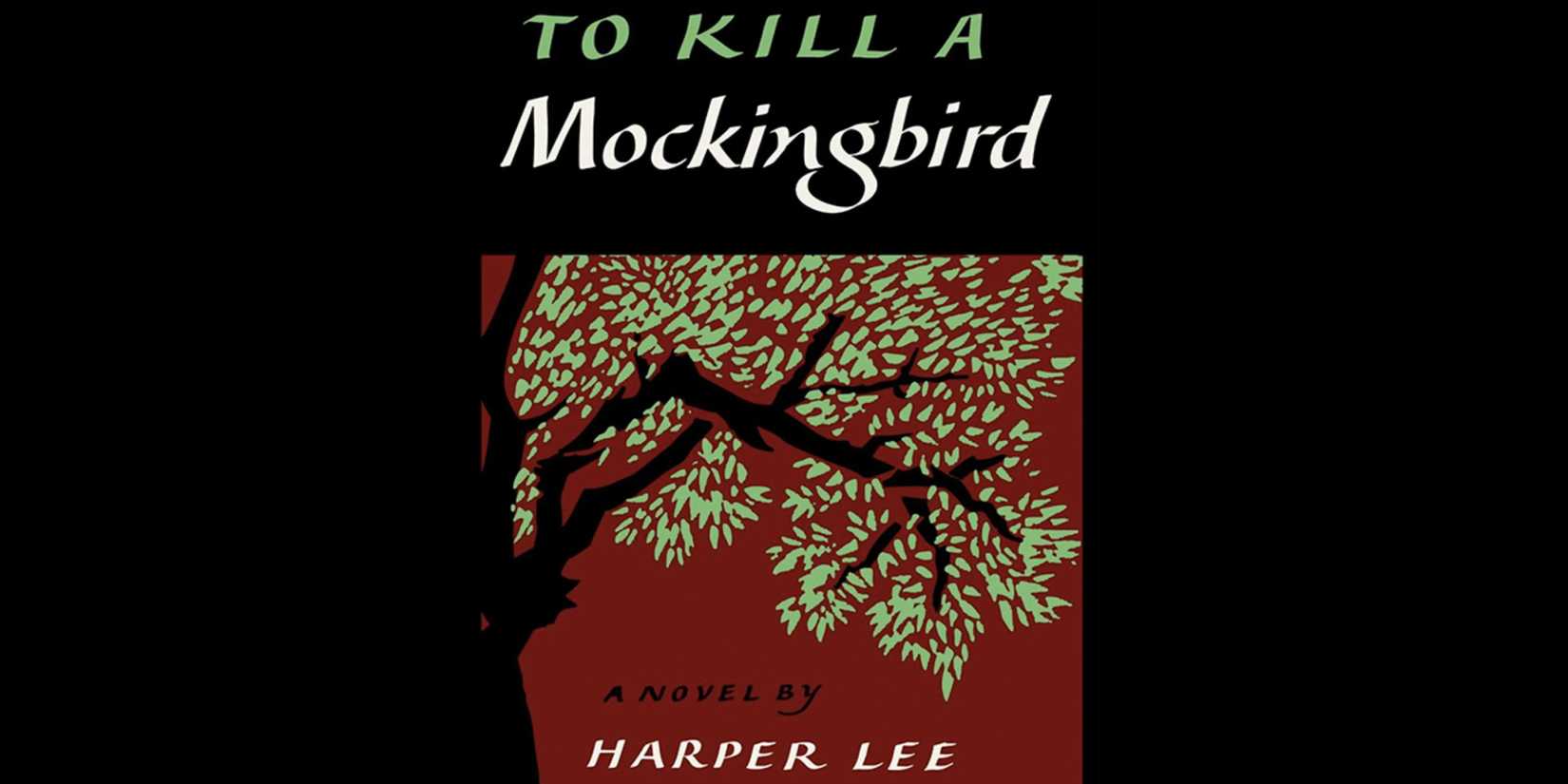
There’s a bit more at play with To Kill a Mockingbird, compared to some other coming-of-age books, since this is perhaps more of a period/legal drama where things are observed through the eyes of a child. Said child, nicknamed Scout, is living and growing up during the Great Depression, with much of the book being about her father taking on a legal case that involves defending a Black man in a Southern town, which creates controversy and further conflict.
What it has to say about prejudice and not judging people is broad, but the message does continue to ring true nonetheless, and To Kill a Mockingbird… well, it’s To Kill a Mockingbird. It’s been discussed and praised to death, and even if it’s boring to put such a well-loved book here, it feels like it earns that regardless (or, put another way, it’d probably make some people angry if any other book took its place here).


To Kill A Mockingbird
- Release Date
-
December 25, 1962
- Runtime
-
129 minutes
- Director
-
Robert Mulligan
- Writers
-
Harper Lee, Horton Foote


You must be logged in to post a comment Login