Entertainment
10 Best Satires in Film History

According to The American Heritage Dictionary of the English Language, 5th Edition, a satire is “A […] work in which human foolishness or vice is attacked through irony, derision, or wit.” Far from being a simple parody or mockery, satire plumbs the depths of the human condition and isn’t afraid to acknowledge the truths and faults of a given topic. Ever since movies were invented, satires have played an important role in cinema’s broader contribution to the arts.
Throughout the history of film, there have been some truly great satires, and they cross over into many genres. From pop culture hits like Barbie to horror-themed flicks like The Menu or What We Do in the Shadows, these movies have their finger on a pulse that makes society tick. Out of this rich canon of films, these 10 stand apart. They deserve to be appreciated for their excellence and impact on cinema and are some of the best satires of all time.
10
‘Borat’ (2006)


Borat, also known as Borat: Cultural Learnings of America for Make Benefit Glorious Nation of Kazakhstan, is a movie that you either love or hate. It is undoubtedly one of the most divisive and controversial comedies ever done, and it has lost none of its potency, 20 years later. Sacha Baron Cohen plays the role of Borat Sagdiyev, a journalist from Kazakhstan who journeys to America to experience the culture and document what he discovers.
Blending a mockumentary style with scripted and improvised scenes, Borat is a collage of filmmaking techniques. The movie created something altogether different than anything done before, and the line between fiction and reality was fluid. Borat leaves nothing off the table, and everything from politics to racism to religion is fair game. Several of the real people filmed in the movie had no idea they are interacting with an actor, and Cohen is so solidly in character that the setup works hook, line, and sinker. Made on a shoestring budget of $18 million, the movie grossed almost $300 million worldwide. It continues to be quoted by devotees and earned an Oscar nomination for best adapted screenplay. Borat is a potent satire that takes no prisoners. It does not try to be palatable and instead exposes the ethnocentric behaviors that it wants to.
9
‘The Truman Show’ (1998)

Jim Carrey is one of Hollywood’s leading men when it comes to comedy, but he is also able to carry a dramatic performance very well. One of his best, more serious film roles is in The Truman Show. In The Truman Show, Carrey plays Truman Burbank, a man who has no idea that his entire life has been a TV show. Everyone Truman knows — his family, his friends, his neighbors are all actors, and everything in his world is a masquerade.
The Truman Show was years ahead of its time. Before reality TV had dominated airwaves, influencers filmed every minute of their lives, or The Matrix envisioned a simulated reality, The Truman Show tackled all of these subjects and more. From blatant product placement to the public obsession with celebrity, The Truman Show ticks every mark and has a lot to say about publicity and privacy. As time moves forward, The Truman Show has only increased in relevance. It is a touching and poignant satire that has one of the most satisfying movie endings of all time.
8
‘Shrek’ (2001)

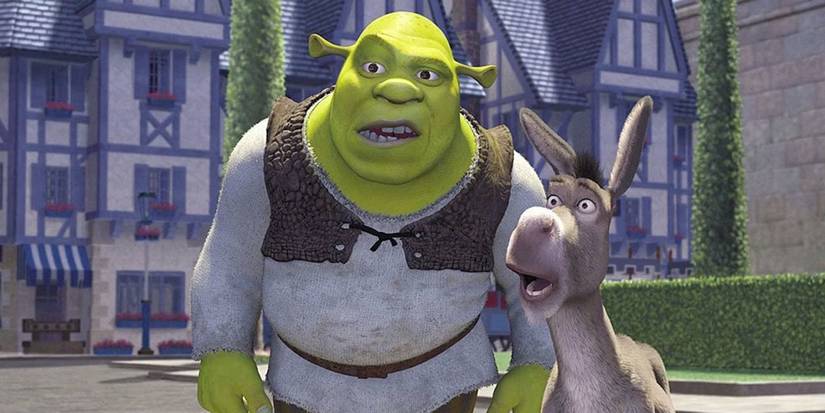
Satire is inherently bold, and one movie that sent shockwaves through its own genre and the larger moviemaking community alike was Shrek. In 2001, no one had dared to make fun of Disney’s animated kids movies on such a pointed scale. DreamWorks was founded in part by a former employee of Disney, Jeffrey Katzenberg, and this background would become a driving force of the animated ogre’s raison d’être.
Raising stark contrasts about what audiences had come to expect from fairy tales, Shrek blew romantic fantasy tropes apart. Striking underlying notes about self-confidence and beauty standards, Shrek was its own layered onion, tackling surface-level topics as well as more nuanced ones. Bold enough to take on the highly influential studio, Shrek became the defining satire of kids’ films and changed the game forever.
7
‘Monty Python and the Holy Grail’ (1975)
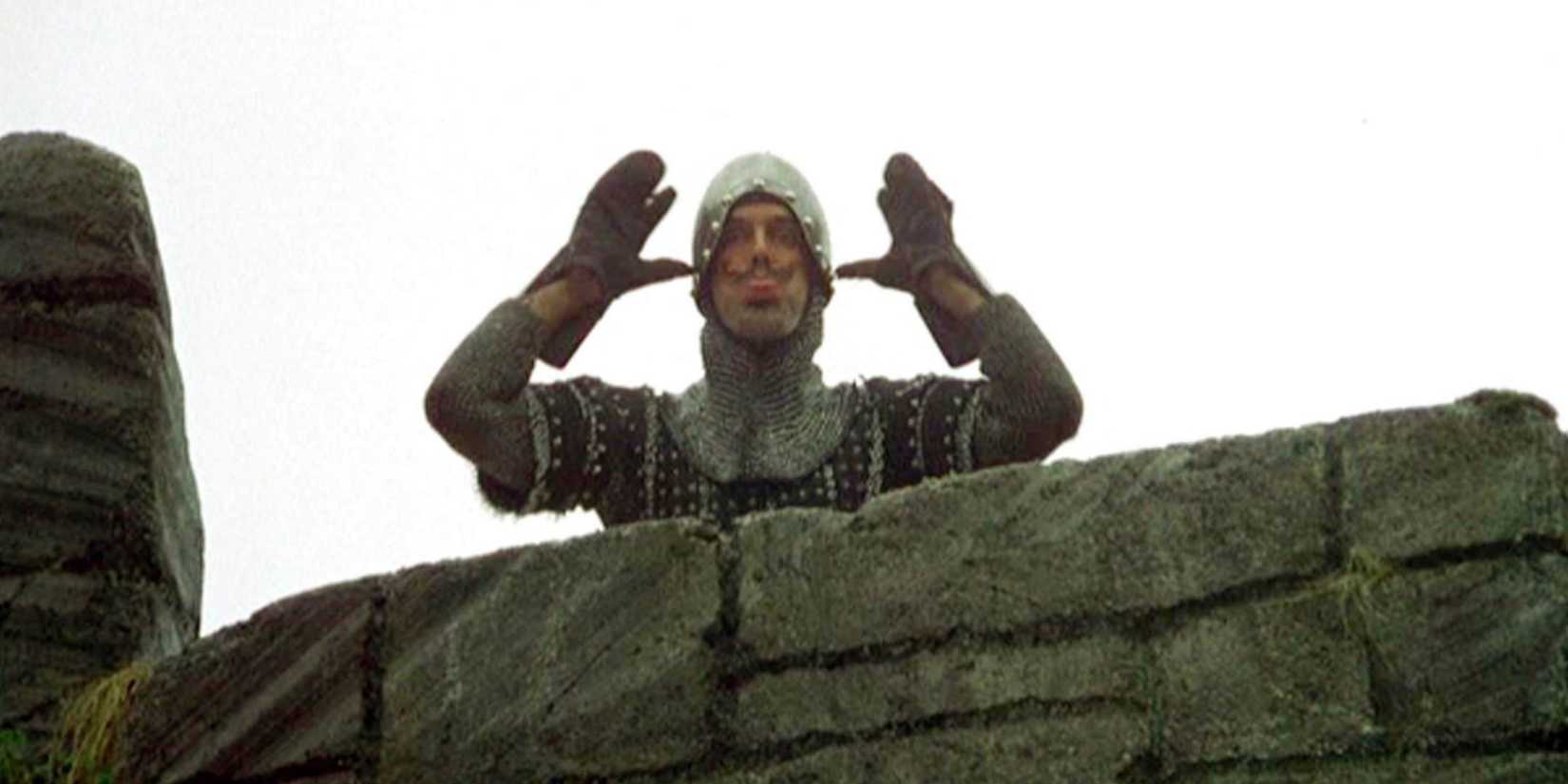
“And now for something completely different.” Debuting in 1969, Monty Python’s Flying Circus was a TV series that broke the mold. Its droll, dry, and absurdist humor gave the series an affect all its own. Spearheaded by Graham Chapman, John Cleese, and Terry Gilliam, Monty Python was truly original and became a blueprint for modern sketch comedy.
In 1975, the creators debuted their second feature-length project entitled Monty Python and the Holy Grail. Made on a meager budget of £300,000, the film became the first ever to satirize King Arthur and his quest to find the Holy Grail. The movie had all the hallmarks of the fan-favorite TV show and did not disappoint devotees. In fact, Monty Python and the Holy Grail found new audiences and gained even more popularity in the years that followed than the original series. This unique triumph continues to influence filmmaking today and proves that low-budget projects are often the best.
6
‘Young Frankenstein’ (1974)
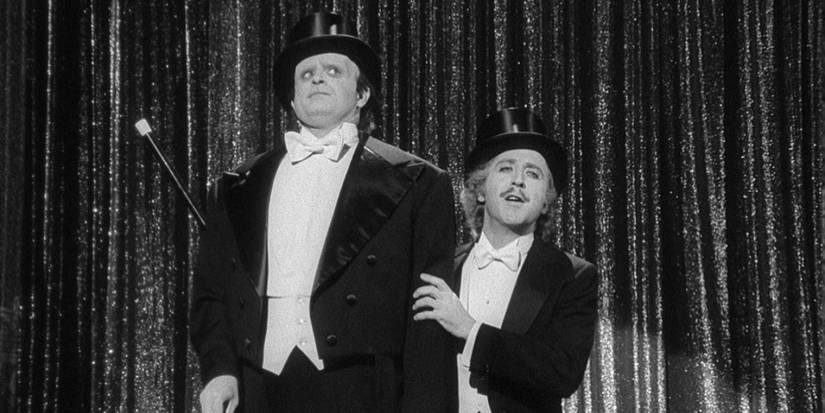
Mel Brooks is the king of comedy, and his parodies are universally renowned. In Young Frankenstein, Brooks aims his magnifying glass of satire at old Hollywood horror. Young Frankenstein pays tribute to the genre and includes all of the well-established tropes cinema buffs appreciate. There is the unsure but never at fault hero, the ditsy, seductive female, and the exaggerated oddities of townsfolk and side characters. It is a delightful dissection of vintage fright flicks and endlessly entertaining.
Young Frankenstein was a huge success that continues to be a favorite for many. The cast includes stellar talents such as Gene Wilder, Peter Boyle, Teri Garr, Marty Feldman, Madeline Kahn, and Cloris Leachman. Every performance given is phenomenal, and Young Frankenstein has the best acting in any blockbuster comedy ever.
5
‘Modern Times’ (1936)
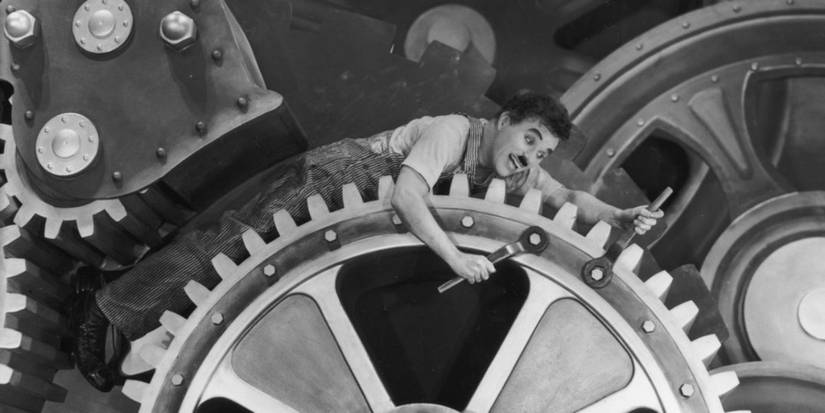
The title of Charlie Chaplin’s Modern Times makes its point unmistakable. In his last silent movie before moving on to the new talkies, Chaplin tackled industrialization and modernization in one brilliant film. As a character simply known as A Factory Worker, Chaplin is seen absentmindedly pulling on levers and operating switches that seem redundant to him. A small figure against a towering room full of buttons and knobs is an instant visual depiction of how users feel out of touch with technology, and we don’t really understand how and why it works.
Modern Times continues to offer hilarious commentary on everything from human laziness to job security. In one scene, a feeding machine shoves food into Chaplin’s mouth. Of course, things start well, and even though ridiculous, the invention seems somewhat useful; then things go spectacularly awry. This example and so many more within the movie illustrate how, even in 1936, humanity was trying to negotiate and examine its dependency on gadgets.
4
‘Network’ (1976)
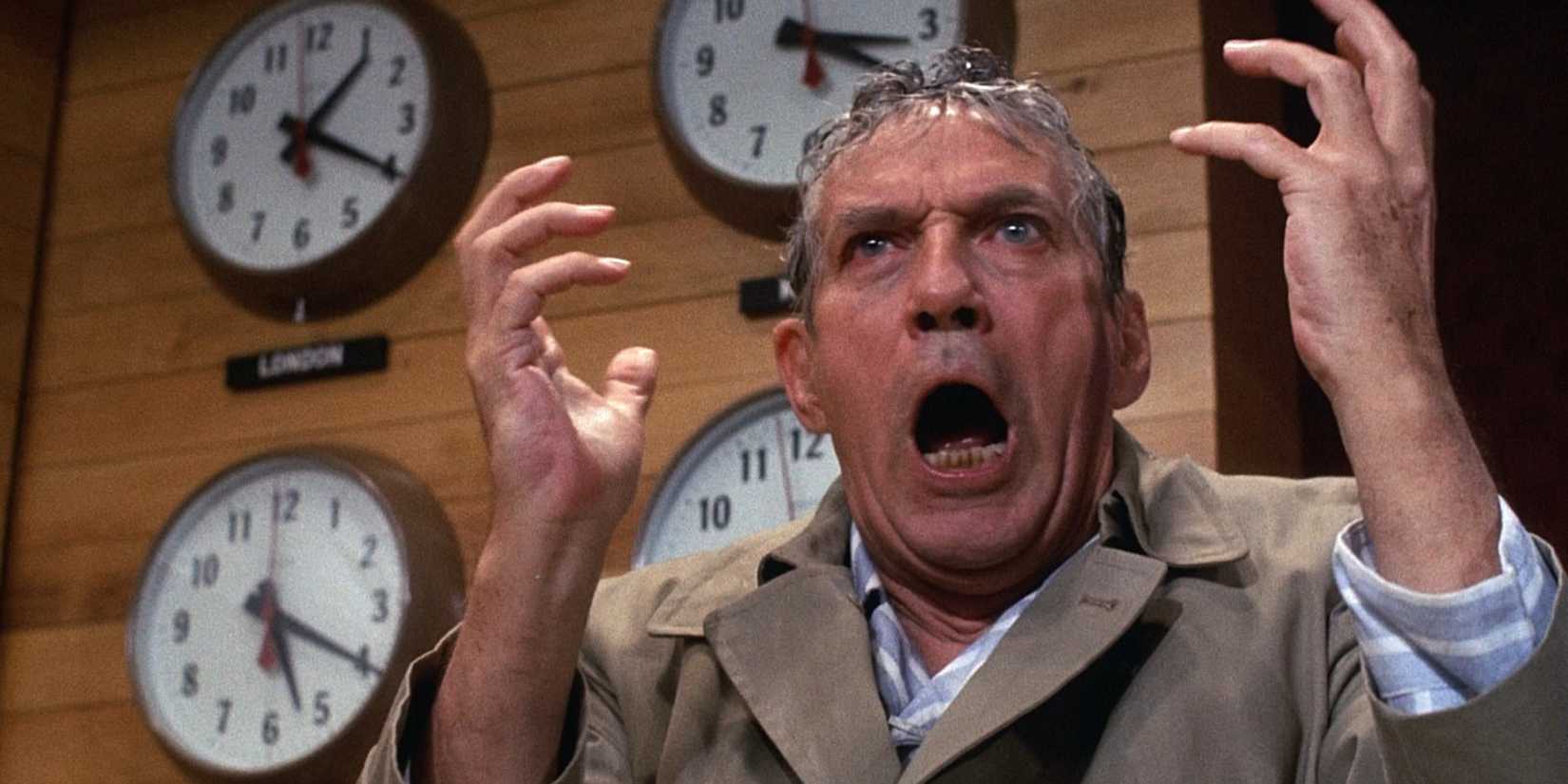
Written by Paddy Chayefsky and directed by Sidney Lumet, Network is a classic 1976 dark comedy that continues to have an impact on the Zeitgeist. Decades ahead of its time, Network seems eerily prophetic in its commentaries about social hysteria and mass media manipulation. Years before “fake news” became a commonly used term, Network aimed to portray what was going on behind the scenes of powerful information distributors.
Network does a superb job of pairing its overall message with more subtle looks into the lives of the people who run large media corporations. It is both a power-behind-the-throne exposé and an observation on the allure of power and popularity. Network took home four Academy Awards in 1977 and continues to be more and more applicable as time goes on.
3
‘Get Out’ (2017)
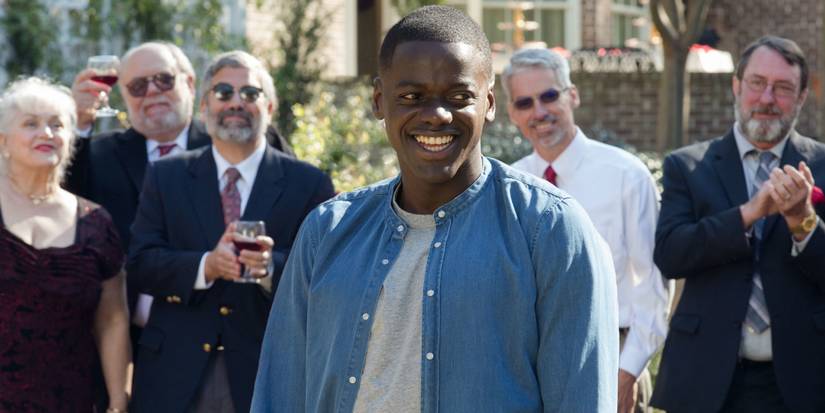
Aptly described by Collider’s Anja Djuricic as “a social satire wrapped in a thriller,” Jordan Peele’s Get Out is a perfect blend of commentary and modern horror. The story follows Chris Washington (Daniel Kaluuya) as he travels with his girlfriend Rose Armitage (Allison Williams) to visit her parents. Chris feels uneasy at Rose’s family home, and there is something about her parents he doesn’t fully trust. As Chris experiences stranger and stranger occurrences at the quiet country estate, the movie slowly reveals that there is an infinitely more sinister and widespread conspiracy at work.
Get Out is absolutely brilliant. Not only are the horror elements spot-on, but the underlying current of uneasy racial tension and cultural appropriation is thought-provoking. Get Out is one of the few horror movies to win the Oscar for best screenplay. It is a masterpiece in every sense of the word and will no doubt influence filmmakers for years to come.
2
‘Jojo Rabbit’ (2019)

In Jojo Rabbit, viewers get a rarely explored viewpoint to consider: that of an indoctrinated Hitler Youth. Jojo Rabbit (Roman Griffin Davis) is a 10-year-old boy who, like many young children in his town, has become enamored with Adolf Hitler (Taika Waititi). Jojo’s fascination with Adolf has reached the point where he sees and talks to him as an imaginary friend. Into this interesting dynamic comes a complication for Jojo. He discovers that his mother Rosie (Scarlett Johansson) has been hiding a young Jewish refugee named Elsa (Thomasin McKenzie) in their home.
Jojo Rabbit is a witty, tender, and heartbreaking inspection of one of humanity’s darkest hours. As movies and satires are designed to do, they try to unstring an untangleable knot. They dive deep into a topic and attempt to make sense or discover some pebble of rationality, however minute. Jojo Rabbit is an important piece of cinema that masterfully depicts how powerful media representation, structural racism, and public campaigns of propaganda can be. Jojo Rabbit serves as both a lesson and a warning that should never be forgotten.
1
‘Dr. Strangelove or: How I Learned to Stop Worrying and Love the Bomb’ (1964)
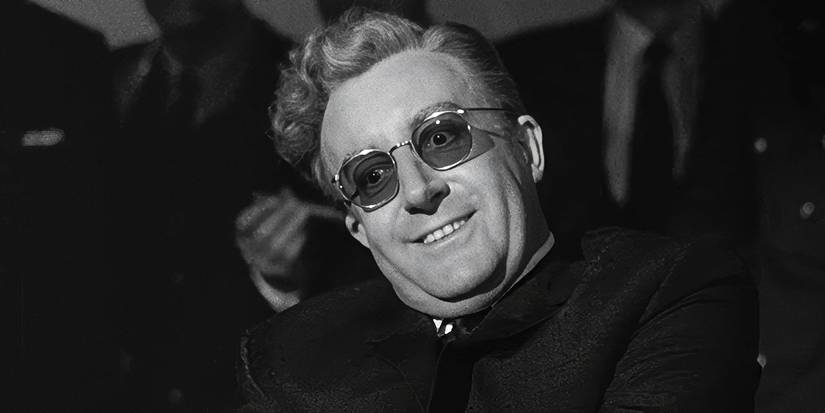
If there is one satire that has left an indelible impact on the cinema, it is Stanley Kubrick‘s Dr. Strangelove or: How I Learned to Stop Worrying and Love the Bomb. In this classic masterpiece, a rogue official launches an unauthorized strike on the Soviet Union, and the US leaders panic and try to decide what to do next. The cast and performances in Dr. Strangelove are exemplary, and Peter Sellers delivers a tour de force caliber in all three of his separate roles.
Although Dr. Strangelove aims its derision against the Cold War, the movie’s insights about fear tactics, hypocrisy, and political disillusionment is still incredibly relevant. It blends subversive comedy with satire and became a model for future films to follow. Dr. Strangelove walks the fine line that the best satires do of jesting about a topic while making pointed remarks that land with the audience. By using the armor of wit, Dr. Strangelove and other satires can deliver a message that few would have been interested in receiving otherwise.
You must be logged in to post a comment Login