Entertainment
10 Binge-Worthy Miniseries That Deserved Way More Episodes

By their very nature, miniseries tend to leave audiences wanting more. That being said, there is a clear distinction between a fantastic limited series that uses its brief run to deliver a sharp and concise narrative arc, and a canceled or cut-short series that only manages to tease the initial spark of its idea before being resolved.
Ranging from some of the defining cult classics of small-screen entertainment that had their intended runs cut short after just one season, to miniseries that present fascinating and compelling story ideas but lack the screen time to truly bring them to fruition, these miniseries are all truly deserving of far more episodes than they received. Consisting of everything from animated fantasy to supernatural horror, teenage drama, and even sci-fi adventure, these TV titles are undeniably binge-worthy, but their all-too-short runtimes also tend to leave viewers wondering ‘what could have been?’
10
‘Freaks and Geeks’ (1999–2000)


After suffering from a botched and woefully mishandled release strategy that saw weekly air times change sporadically and, after its cancellation, three of its episodes not receive an initial release at all, Freaks and Geeks has come to be revered as one of the best teen dramedies television has ever seen. Unfortunately, this wave of retrospective appreciation wasn’t able to save the show from an abrupt Season 1 axing, but it has seen it endure as a bona fide cult classic with a substantial fan following.
Set in the early ‘80s, it explores the turmoil of teenage life as it follows Lindsay (Linda Cardellini), a straight-A student who discovers a rebellious urge when she starts hanging out with pot-smoking slackers, and her little brother Sam (John Francis Daley), who, along with his unpopular friends, struggles to navigate the social hierarchy of the first year of high school. Attentive, poignant, often cringe-worthy with its accuracy, and yet always hilarious and heartfelt, Freaks and Geeks is a masterful realization of adolescent angst that, even with its 18-episode stretch, would have been a joy to watch evolve over multiple follow-up seasons.
9
‘High Fidelity’ (2020)


In recent years, television has become almost as bad as feature film when it comes to producing uninspired remakes of old gems. High Fidelity, however, was not an example of this. Instead, it brilliantly spins the endearing story of self-discovery and music into a timely tale of pop-culture influence as it follows Robyn Brooks (Zoë Kravitz), a young record store owner with an obsession for “Top Five” lists, who revisits her past relationships through song and cultural trends.
While it isn’t immune to the occasional misstep, High Fidelity’s 10-episode stretch offers an easily enjoyed foray into romantic comedy anchored by Kravitz’s absorbing performance and bolstered by its slick referential charm. Despite positive reviews, the series was canceled after just one season, a decision that drew criticism from Kravitz. While no official reason was ever given, the impact of COVID-19 and its mixed release strategy (which saw the series shift from Disney+ to Hulu) may be reasons why its planned follow-up seasons never came to fruition.
8
‘Scavengers Reign’ (2023)

Perfecting the art of sci-fi world-building while delivering enthralling characters that develop and evolve, and being armed with utterly sublime animated beauty, Scavengers Reign is both an underrated gem of science-fiction television and a criminally under-explored story of survival and wonder. Across 12 episodes that hover around 25 minutes in runtime, it follows the crew of an interstellar cargo ship who find themselves stranded on the planet Vesta when their vessel is damaged. Left to explore the alien planet, they unearth both its effervescent appeal and its underlying dangers while being forced to adapt and react to the ever-changing environment.
HBO Max acquired the distribution rights and released the series in 2023, but soon canceled their involvement with it before Netflix bought the rights, only to then decide against renewing it. The complex ownership and eventual discontinuation of the series is a tragedy for lovers of sci-fi and animation, as Scavengers Reign is still deserving of many more episodes to re-immerse viewers in its atmospheric display of visual beauty and rich storytelling.
7
‘Wonderfalls’ (2004)

Delightfully offbeat and endearing with all its quirks and eccentricities, Wonderfalls should have become a defining cult gem of 2000s television that marries playful absurdity with feel-good fantasy laughs. Unfortunately, the Canadian series was canceled just four episodes into its run, with Fox not even airing the entirety of the 13-episode season, which would later be shown on VisionTV before the DVD release in 2005. It is nothing short of an egregious mishandling of what is a hidden treat of television drama.
Jaye Tyler (Caroline Dhavernas) is a misguided university graduate working a dead-end job as a clerk at a Niagara Falls gift shop. While she is initially dismayed when animal figurines start talking to her, she soon learns their hazy instructions can allow her to help people in need. Combining deadpan witticisms with off-kilter yet endearing lunacy, Wonderfalls could have easily stretched out its premise well beyond its botched 13-episode run.
6
‘Dracula’ (2020)

One of the most frustrating miniseries of the streaming age, Netflix’s Dracula is littered with pacing flaws, inconsistent tonal shifts, and a jolting 123-year time jump, but it is undeniably captivating and binge-worthy thanks to its energized sense of spectacle and the brilliance of the performances. Created by Mark Gatiss and Steven Moffat—the minds behind BBC’s Sherlock and several seasons of Doctor Who—the three-part limited series has a transfixing allure, especially in its first episode, which exudes a thrilling, foreboding dread as it focuses on Jonathan Harker’s (John Heffernan) visit to Count Dracula’s (Claes Bang) castle in Transylvania.
Even the second episode, tracking Dracula’s voyage to England aboard the Demeter, has its intriguing qualities, but the leap to the modern day in the third episode robs the series of much of its momentum and leaves viewers more confused than compelled. It certainly isn’t a terrible spin on Bram Stoker’s iconic horror novel, but it is one that feels it would have benefited greatly from a more gradual transition rather than one abrupt leap between episodes.
5
‘The Society’ (2019)

Young adult thrills were something of a trend across all forms of entertainment throughout the 2010s. Television was quick to capitalize on the phenomenon, with series like The 100 and The Shannara Chronicles emerging as hit series, particularly in the first half of the decade. Perhaps it was a little late to the party, but Netflix’s The Society had both the mystery intrigue and the character depth to sustain a run far longer than its 10-episode tenure. In fact, it was even initially renewed for a second season before the COVID-19 pandemic shut down production and led Netflix to eventually abandon it altogether.
The cancellation is incredibly frustrating given the strengths of the first season, which follows high school students as they return from a canceled camping trip to find the town’s adults have vanished and their connection with the outside world has been cut off. The lingering questions as to what happened mix beautifully with the teenagers’ wayward social rules they put in place to maintain order and safety. Seeing how character journeys evolved and how the mystery was explained in succeeding seasons would have been a delight, but unfortunately, it never eventuated.
4
‘River’ (2015)

A criminally underrated gem of British crime television, River runs with a reasonably familiar mystery plot structure, but it finds a striking point of difference in its unique approach. It focuses on aging detective John River (Stellan Skarsgård), an officer whose brilliant though fragile mind allows him to crack unsolvable cases, but also condemns him to live with the intimate secrets and memories of those whose murders he investigates. His complex and delicate psyche is pushed beyond its limit when he tries to solve the murder of his partner.
Always intended to be a miniseries, River’s six-episode arc delivers a razor-sharp story of mystery and intrigue, but one of debilitating emotional grief and rich psychological drama as well. Supported by an incredible lead performance from Skarsgård, River is undeniably a masterpiece of miniseries crime drama, but there is a feeling it could have dug even deeper, or even invested more in its central mystery as well as its character drama, with a longer run.
3
‘My So-Called Life’ (1994–1995)

Tackling adolescent angst with a realism and rawness that many other teenage dramas tend to avoid, My So-Called Life is a forgotten gem of mid-’90s television that was quite surprisingly canceled even after Claire Danes won a Golden Globe for her lead performance. She stars as Angela, a 15-year-old high school student living with her family in Pittsburgh and navigating the monotony of teen life, from schoolyard crushes to conflict with her parents, but also far more serious cultural issues like alcoholism and drug use, child abuse, homophobia, and homelessness.
Its endeavor to showcase adolescence as being a challenging and confronting experience rather than a procession of awkward yet hilarious misadventures is every bit as refreshing today as it was in 1994, especially as it is complemented by the philosophical depth and poignant relatability of Angela’s narration. The 19-episode first season gives viewers plenty to enjoy, but there is so much more the series could have explored had it been given follow-up seasons.
2
‘Over the Garden Wall’ (2014)

Unlike many other series on this list, Over the Garden Wall never had annexed plans for future seasons, nor was its story cut short by episode restrictions within its miniseries release. In fact, the Cartoon Network production is a perfectly told story of fantasy wonder, imaginative exploration, and brotherly love as it follows two young boys in their ventures through a magical woodland lost in time, and the friends they make as they search for a way home.
Even with just 10 11-minute episodes, Over the Garden Wall paces and explores its story brilliantly; the only issue is it feels like there is so much more to discover in the Unknown. Whether the brothers returned for a new adventure or different characters had their own voyages through the enchanted forest, the miniseries conjures a world of majesty, charm, and unbridled wonder that feels as though it only gets started at examining its depth and magic. It is undoubtedly a good thing to leave viewers wanting more, and Over the Garden Wall’s cult status is found in its narrative control as much as in its spellbinding fantasy allure, but expansions on the limited series to further delve into its beautiful story world would have been welcomed by many around the world.
1
‘Firefly’ (2002)
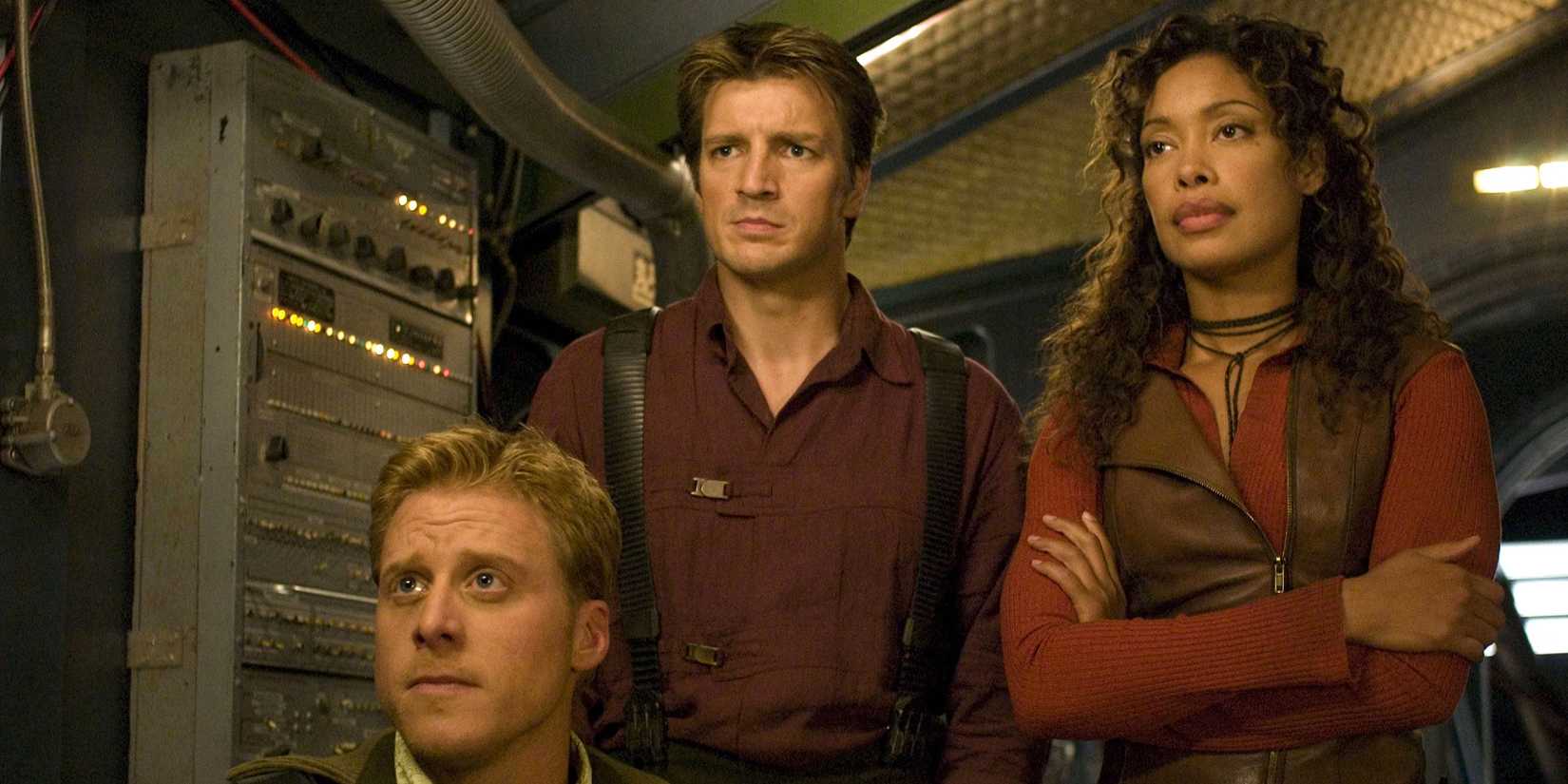
The most famous “what could have been” in television history, Firefly today stands as a revered cult classic of sci-fi television, but its 14-episode run should have been far more substantial. Following a ragtag group of outlaws in the wake of an intergalactic civil war in the distant future, the series excels at meshing spaghetti Western grit with space opera excitement, and it is easy to see how creator Joss Whedon envisioned a far more expansive journey for his story and its characters.
Unfortunately, Firefly was maligned on release by a horrifically mismanaged release strategy that killed any hope of it generating momentum and fanfare, and led to it being canceled just 11 episodes into its run. While the outcry from the fan following did eventually lead to the production of the film Serenity as a way to give the story a resolution, Firefly still stands as one of the biggest missed opportunities in television history. With the charming grit of its characters, the atmospheric allure of its sci-fi Western setting, and the imaginative awe of its world-building, Firefly should have had many more seasons.

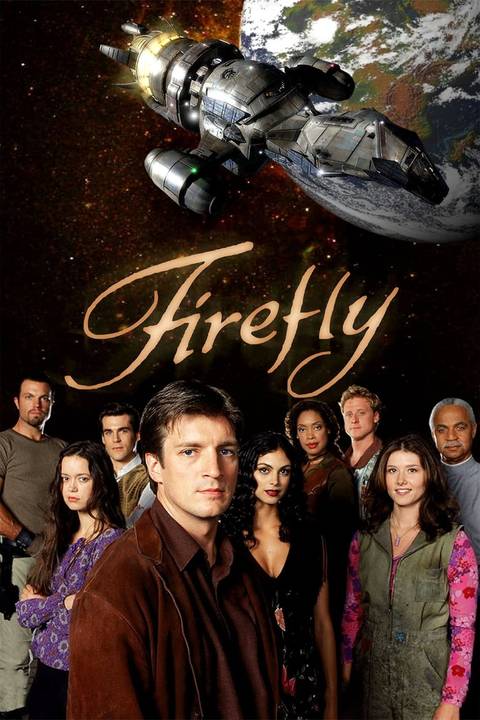
Firefly
- Release Date
-
2002 – 2003-00-00
- Network
-
FOX
- Showrunner
-
Joss Whedon
- Directors
-
Allan Kroeker, David Solomon, James A. Contner, Marita Grabiak, Michael Grossman, Tim Minear, Vern Gillum
You must be logged in to post a comment Login